
Delivery driving puts a different kind of pressure on a vehicle compared to normal commuting. Pizza delivery drivers, DoorDash workers, Uber Eats couriers, and other gig economy drivers spend hours stopping, starting, idling, parking, and repeating the same cycle dozens of times every shift.
A car that seems perfectly fine for regular family use may quickly become expensive and frustrating when subjected to nonstop delivery work. That is why reliability becomes one of the most important factors when choosing a used car for food delivery jobs.
For delivery drivers, every repair directly affects income. If a car breaks down for several days, the driver loses earning opportunities while still dealing with repair bills. Fuel economy matters too because constant city driving can burn through gas quickly. Small savings at the pump add up significantly over months of deliveries.
Comfortable seating and smooth driving characteristics are also important, especially since many drivers spend entire evenings inside their vehicles moving through traffic, apartment complexes, and crowded restaurant parking areas.
Used cars are often the smartest option for delivery workers because they cost less upfront and avoid the steep depreciation new vehicles experience. However, not every used model ages well. Some develop transmission issues, electrical problems, or expensive maintenance requirements after reaching higher mileage.
Others continue running dependably for years with only basic servicing. Choosing the right vehicle can mean the difference between steady profits and constant mechanical headaches.
Another important consideration is practicality. Delivery drivers need enough interior space for food bags, drinks, insulated containers, and personal items without sacrificing maneuverability in busy urban areas.
Compact cars and hybrids usually dominate this category because they combine low operating costs with dependable long-term ownership.
The vehicles in this list stand out because they consistently earn strong reputations for reliability, efficiency, and affordable maintenance. These are the kinds of used cars that delivery drivers can depend on daily without constantly worrying about expensive surprises interrupting their work schedules.
Also Read: 10 Most Powerful Factory Engines You Can Buy in 2026
1. Toyota Prius
Few vehicles have earned more respect among delivery drivers than the Toyota Prius. In many cities, it has practically become the unofficial symbol of rideshare and food delivery work because it handles high mileage usage remarkably well.
Drivers who spend entire days moving between restaurants and neighborhoods often prioritize reliability and fuel savings above everything else, and the Prius excels in both areas.
The biggest advantage is fuel economy. Delivery work involves endless stop-and-go traffic, short trips, and long idle periods outside restaurants.
Traditional gasoline cars waste large amounts of fuel under those conditions, but the Prius thrives in urban driving environments. Its hybrid system allows drivers to complete long shifts while using surprisingly little gas, which can dramatically improve profits over time.
Reliability is another reason this car dominates delivery fleets. Many Prius models regularly surpass extremely high mileage numbers while still running smoothly with routine maintenance.
Independent delivery drivers depend heavily on consistent transportation because missed days mean lost earnings. The Prius developed a reputation for dependable operation that gives drivers confidence when working long hours.
The hatchback design also helps more than people expect. Food delivery bags, drink carriers, groceries, and personal items fit comfortably inside without making the cabin feel cramped. Drivers handling multiple stacked orders appreciate having flexible cargo space during busy dinner rushes.
Another often overlooked advantage is how well the Prius handles repetitive city driving. It offers smooth acceleration, light steering, and strong visibility, which helps make frequent parking and tight movements less demanding. Drivers moving through apartment complexes and busy urban streets tend to prioritize ease of operation and straightforward control over performance-focused features.
Maintenance costs generally remain manageable as well. Parts availability is strong, and many mechanics are familiar with the Prius because of its popularity. This helps reduce repair anxiety for drivers working on tighter budgets.
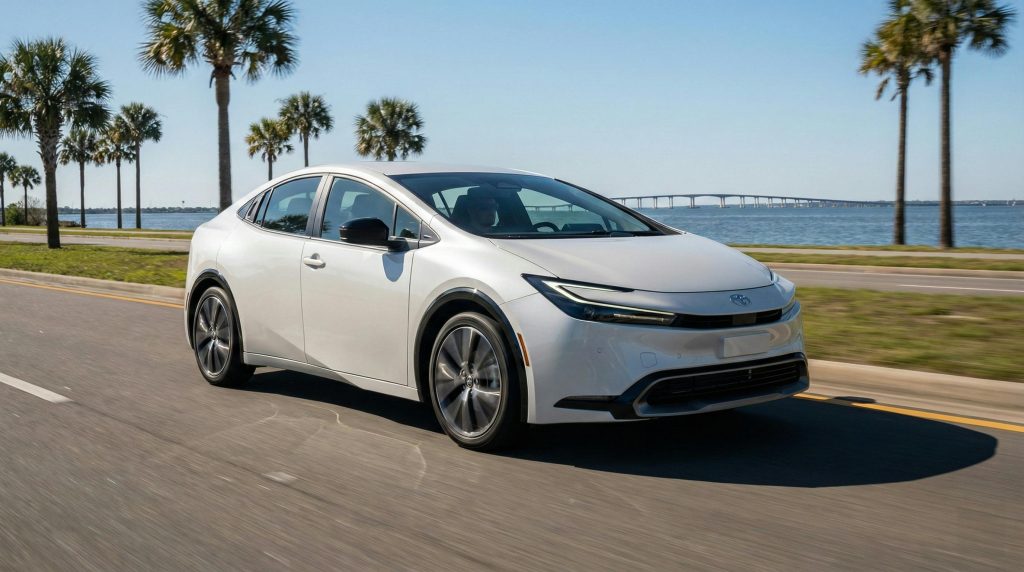
The Prius may not be exciting or sporty, but delivering work rewards efficiency and dependability far more than style. For drivers seeking maximum fuel savings and minimal mechanical headaches, few used cars match what the Prius consistently delivers.
2. Honda Civic
The Honda Civic remains one of the smartest used car choices for delivery drivers because it combines excellent reliability with easy everyday usability.
Unlike some hybrids that focus almost entirely on efficiency, the Civic manages to feel practical, comfortable, and enjoyable while still keeping ownership costs low. That balance makes it particularly attractive for pizza delivery and DoorDash drivers spending long evenings behind the wheel.
One reason the Civic works so well for gig economy driving is mechanical consistency. Honda built generations of Civics that continue operating reliably even after years of heavy use.
Delivery drivers frequently accumulate mileage at a rapid pace, so choosing a car known for durability becomes extremely important. A dependable vehicle means fewer interruptions to work schedules and less money disappearing into unexpected repairs.
Fuel economy also plays a major role. While it may not match hybrid numbers, the Civic still delivers impressive efficiency during city driving. Drivers can complete multiple shifts each week without constantly stopping for gas, helping improve long-term earnings.
Parking convenience becomes another major benefit. Delivery work often requires squeezing into tight restaurant lots, apartment complexes, and busy residential streets.
The Civic’s compact size makes these situations far easier to handle compared to larger sedans or SUVs. Visibility is strong as well, which helps drivers navigate crowded urban environments more confidently during nighttime shifts.
The interior layout feels practical rather than complicated. Controls stay simple, seats remain comfortable during long hours, and there is enough cabin space for insulated food bags and personal items without clutter becoming overwhelming. Some hatchback versions provide even greater flexibility for drivers carrying larger loads regularly.
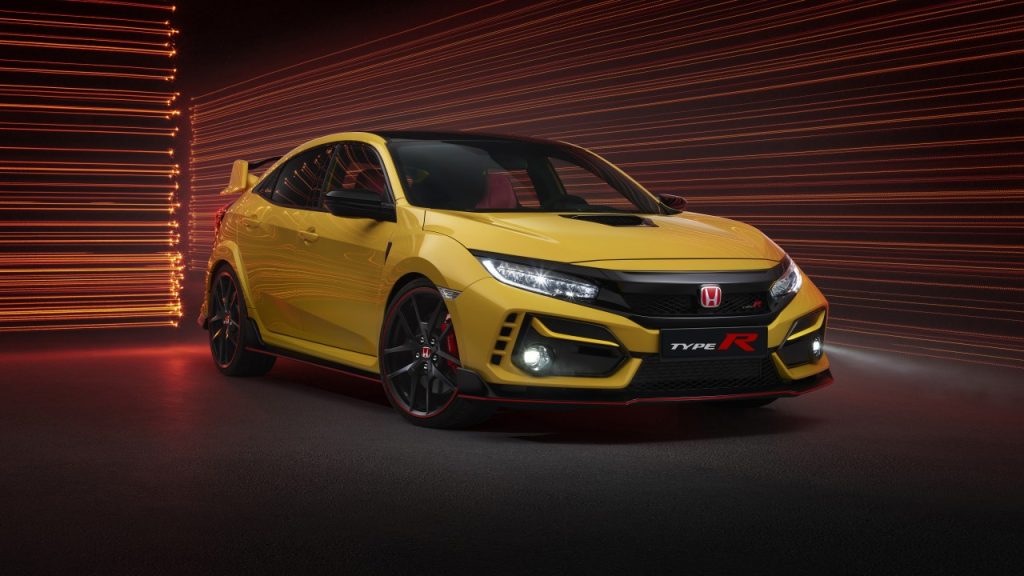
Another factor helping the Civic stand out is affordable ownership. Insurance costs are often reasonable, maintenance remains straightforward, and replacement parts are widely available. For drivers trying to maximize profits from delivery work, keeping expenses predictable matters just as much as fuel savings.
The Civic succeeds because it handles the realities of delivery driving without unnecessary drama. It offers reliability, comfort, efficiency, and manageable operating costs in a package that continues proving itself year after year among high-mileage drivers.
3. Toyota Corolla
The Toyota Corolla built its reputation through decades of dependable transportation, and that reliability becomes especially valuable for delivery drivers working long hours every week.
Food delivery places constant strain on vehicles because of repeated short trips, endless stoplights, and nonstop mileage accumulation. The Corolla handles those conditions with remarkable consistency, making it one of the safest used car choices for drivers trying to avoid expensive downtime.
One of the Corolla’s greatest strengths is predictability. Owners generally know what to expect from the car because it avoids complicated engineering and focuses on durability.
Delivery drivers often prioritize vehicles that simply start every day without complaints, especially during busy dinner rushes or late-night shifts when mechanical problems can destroy earnings for the evening.
Fuel economy also makes the Corolla highly attractive. City driving efficiency remains strong, allowing drivers to complete large numbers of deliveries while keeping operating costs under control.
Small savings on fuel become significant over months of daily work, particularly for full-time gig drivers covering hundreds of miles every week.
The driving experience fits delivery work well too. Steering feels light, visibility remains excellent, and the car handles crowded urban streets comfortably. Apartment complexes, tight parking lots, and narrow residential roads become much less stressful in a compact sedan like the Corolla compared to larger vehicles that require more space to maneuver.
Inside the cabin, Toyota kept things straightforward and practical. Buttons are easy to understand, seating remains comfortable for extended shifts, and maintenance reminders stay simple to manage.
Drivers spending several hours a day inside their car often appreciate vehicles that reduce stress instead of adding unnecessary complications.
Repair costs generally remain manageable because replacement parts are easy to find and mechanics know these cars well. That combination helps keep long-term ownership affordable, which matters greatly for drivers trying to maximize delivery income.
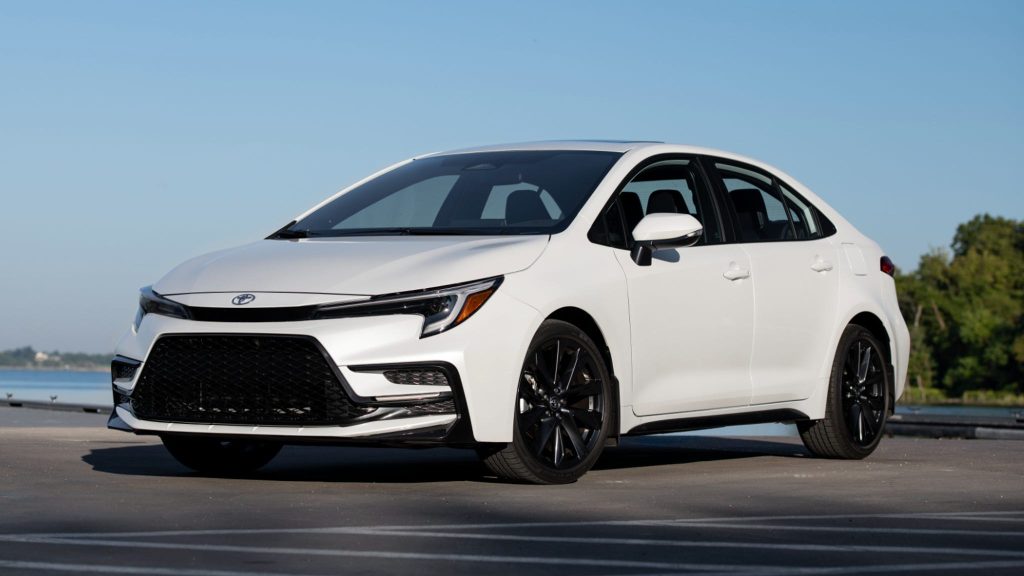
Another hidden advantage is resale value. Corollas tend to retain demand in the used market because buyers trust their durability. Drivers who eventually move on from delivery work often find it easier to sell the car without taking a major financial loss.
The Corolla continues succeeding because it delivers exactly what hardworking delivery drivers need most: reliability, efficiency, simplicity, and low operating stress.
4. Mazda3
Some delivery drivers want more than just basic transportation. They spend so many hours behind the wheel that they begin caring about driving feel, interior quality, and comfort during long shifts.
The Mazda3 answers those priorities exceptionally well while still maintaining strong reliability and reasonable operating costs, making it a smart used car choice for gig economy work.
Unlike many compact cars that feel purely functional, the Mazda3 brings a more refined personality to everyday driving. Steering feels precise, the suspension remains controlled, and the car responds confidently during busy traffic situations.
Drivers spending long hours in crowded city traffic throughout the evening often value a vehicle that feels composed and engaging, rather than one that comes across as dull or disconnected.
The interior quality also stands out immediately. Mazda designed the cabin with a cleaner and more upscale atmosphere than many competitors in the compact segment.
Soft-touch materials, supportive seating, and quieter road manners help reduce fatigue during extended delivery shifts. Drivers spending five or six hours continuously working can feel the difference compared to noisier economy cars.
Fuel efficiency remains solid as well. While the Mazda3 may not reach hybrid levels, it still delivers respectable mileage during urban driving conditions. Delivery workers balancing fuel costs with comfort often find the compromise worthwhile because the car feels more premium than its pricing suggests.
Another important advantage involves reliability. Mazda improved dramatically in long-term dependability over the past decade, and many used Mazda3 models continue operating with few major issues when properly maintained. Delivery drivers benefit greatly from vehicles that avoid constant repair shop visits.
The hatchback version deserves special mention because it increases practicality significantly. Larger food orders, insulated bags, drinks, and personal items fit more comfortably without crowding passengers or blocking visibility. Drivers handling stacked delivery requests throughout busy weekends may find the extra cargo flexibility especially useful.
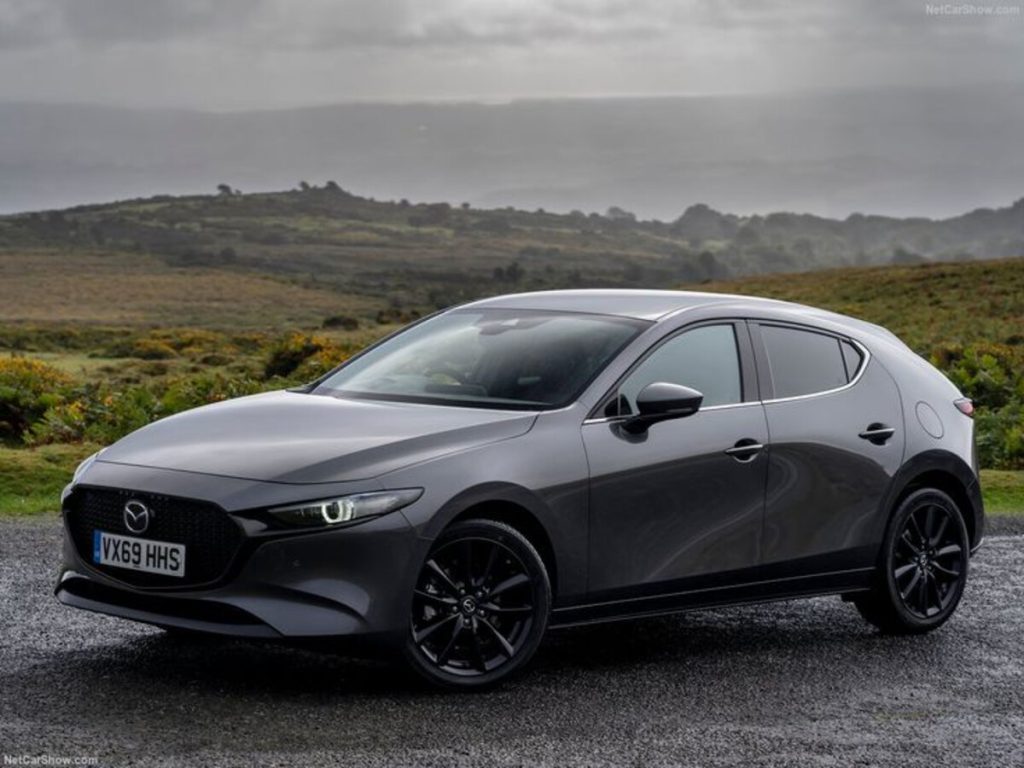
The Mazda3 also maintains compact dimensions that simplify parking near restaurants and apartment complexes. Quick maneuverability helps drivers save time during hectic delivery periods where efficiency directly affects earnings.
For delivery drivers wanting reliability without sacrificing comfort and driving enjoyment, the Mazda3 offers a refreshing alternative to more conventional economy-focused choices.
5. Hyundai Elantra
The Hyundai Elantra quietly became one of the strongest value choices in the used compact car market, especially for drivers working demanding delivery schedules.
While older generations of budget cars sometimes struggled with refinement and long-term quality, newer Elantra models improved dramatically in reliability, comfort, and efficiency. For DoorDash and pizza delivery drivers trying to maximize profits without spending heavily upfront, that combination can be extremely appealing.
One of the Elantra’s biggest advantages is affordability. Used examples often cost less than comparable Japanese rivals while still offering modern features and respectable dependability.
This helps delivery drivers enter gig work without taking on massive vehicle expenses. Lower purchase prices can make a meaningful difference for workers trying to build income steadily.
Fuel economy remains another strong point. The Elantra handles city driving efficiently, helping reduce one of the largest operating costs associated with delivery work. Drivers completing repeated short trips every night appreciate vehicles that stretch fuel further while handling constant stop-and-go traffic smoothly.
The cabin design also deserves attention because Hyundai focused heavily on comfort and usability. Seats remain supportive during long shifts, climate controls stay easy to operate quickly, and visibility around the car feels strong in crowded urban environments.
Delivery drivers constantly moving between restaurants and apartment complexes benefit from simple layouts that reduce distractions.
Another area where the Elantra performs well involves technology. Many used models include features such as smartphone integration, backup cameras, and driver assistance systems that make nighttime delivery work easier and less stressful. These conveniences can improve confidence during busy dinner rushes or unfamiliar delivery locations.
Maintenance costs generally stay manageable as well. Replacement parts are widely available, and routine servicing is straightforward for most mechanics. Drivers, depending on their vehicles daily, often prioritize predictable upkeep because unexpected repairs can quickly reduce profits.
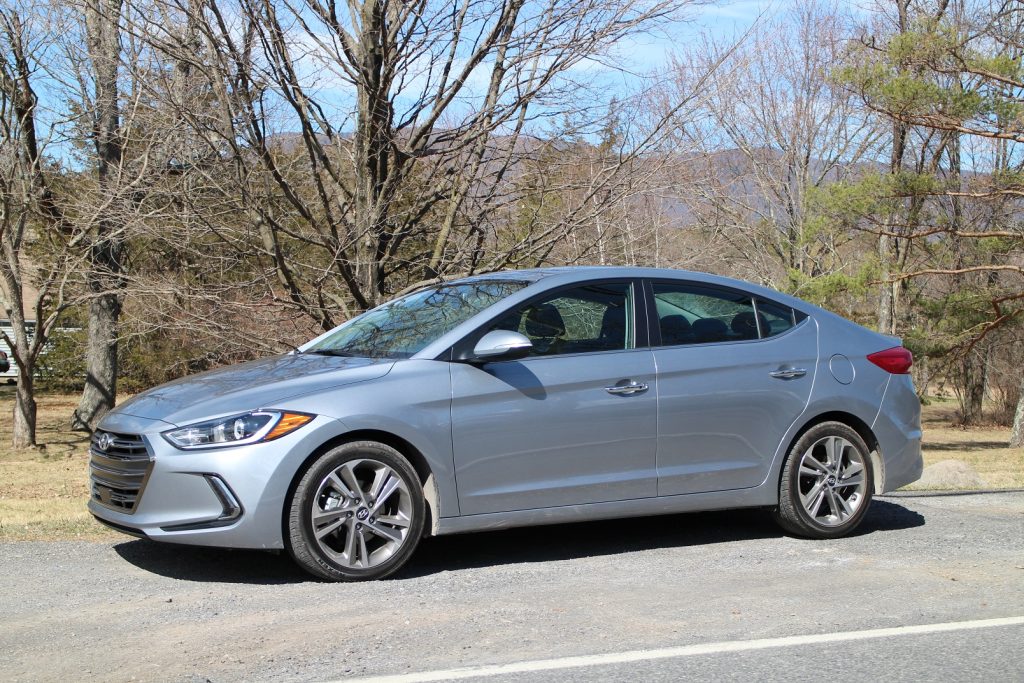
The Elantra also rides comfortably for a compact sedan. Broken pavement and rough city streets feel less punishing compared to some economy-focused competitors. That smoother character becomes valuable after several hours of nonstop deliveries.
For drivers seeking an affordable used car with good efficiency, practical comfort, and low daily stress, the Hyundai Elantra delivers far more value than many people initially expect.
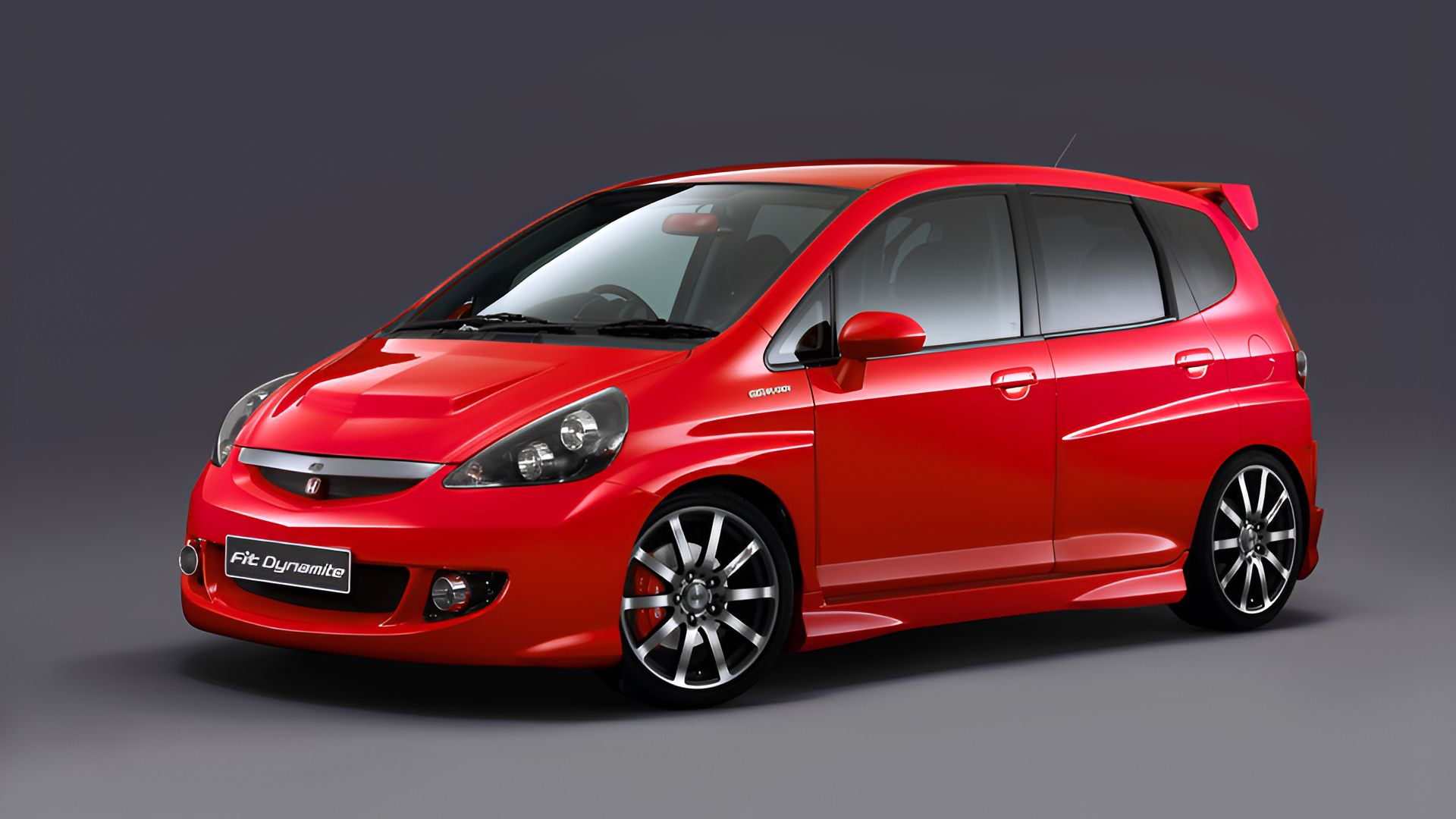
6. Honda Fit
The Honda Fit developed an almost cult-like reputation among drivers who value practicality above flashy styling or high horsepower.
At first glance, it may appear small and simple, but delivery drivers quickly discover why this hatchback became so respected in urban environments. It combines excellent reliability, surprising cargo space, and outstanding maneuverability in a way few compact cars manage successfully.
One of the Fit’s greatest strengths is interior flexibility. Despite compact exterior dimensions, the cabin feels astonishingly spacious thanks to Honda’s clever packaging design.
Delivery drivers carrying insulated food bags, drinks, groceries, and personal belongings often appreciate how much cargo the hatchback layout can handle. The rear seats fold in multiple configurations, creating room that rivals some small SUVs.
City driving becomes incredibly easy in the Fit. Tight parking spaces, narrow streets, and crowded restaurant lots create constant challenges during delivery work, but the car’s compact footprint helps drivers navigate these situations effortlessly.
Visibility is excellent from nearly every angle, which improves confidence during nighttime shifts and difficult parking maneuvers.
Fuel efficiency also makes the Fit highly practical for gig economy work. The lightweight design and efficient engines allow drivers to complete long evenings of deliveries while keeping gas expenses relatively low. Since delivery profits depend heavily on minimizing operating costs, efficiency plays a huge role in the car’s appeal.
Another important factor involves reliability. Honda engineered the Fit with durability in mind, and many examples continue running dependably even after accumulating substantial mileage. Delivery drivers often place more wear on their vehicles than average commuters, so dependable engineering becomes extremely valuable over time.
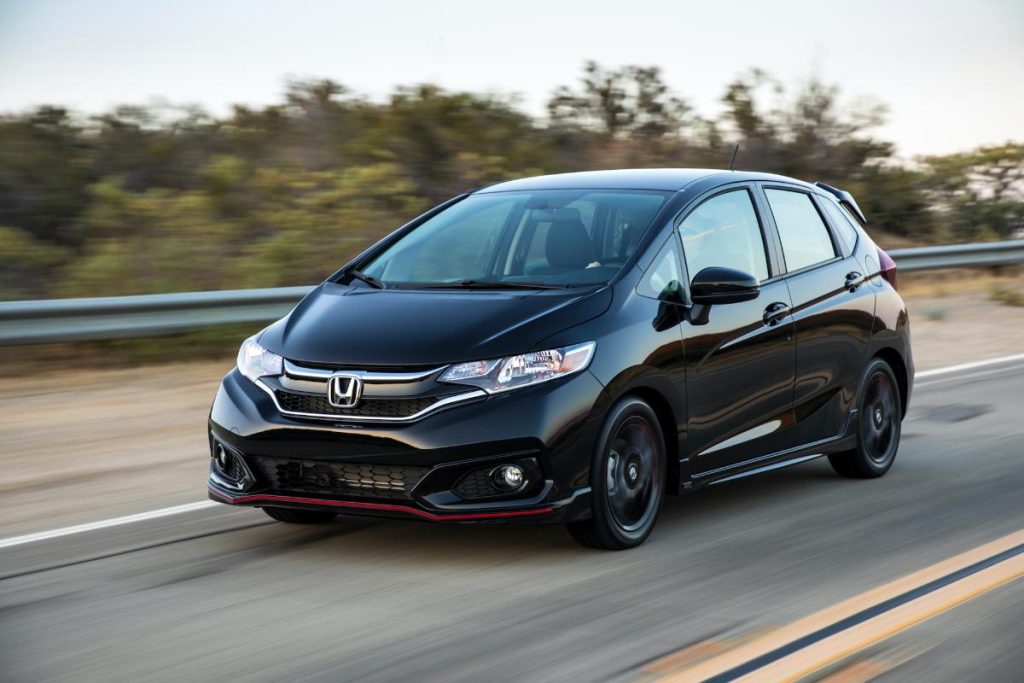
The driving experience feels light and responsive as well. Quick steering and agile handling help drivers move through heavy traffic smoothly without the bulky feeling larger vehicles sometimes create. During fast-paced delivery shifts, that nimble personality can make repetitive driving feel less tiring.
Maintenance remains relatively affordable, too. Routine servicing is straightforward, and replacement parts are easy to source in most areas. This helps drivers avoid excessive ownership expenses while keeping the car on the road consistently.
The Honda Fit proves that small cars can still deliver massive practicality for hardworking delivery drivers focused on efficiency and reliability.
7. Kia Soul
The Kia Soul stands out immediately because it refuses to look like a traditional compact car. Its boxy shape may seem unusual at first, but that design becomes surprisingly useful for delivery drivers spending long hours transporting food through crowded cities and suburban neighborhoods.
The tall roofline and practical cabin layout create a vehicle that feels much roomier than its small exterior dimensions suggest.
One of the soul’s strongest qualities is ease of entry and exit. Delivery work requires drivers to stop constantly, jump out quickly, grab orders, and repeat the process dozens of times during a shift.
The higher seating position and upright doors make getting in and out less tiring compared to lower sedans that force repeated bending throughout the evening.
Cargo flexibility also works strongly in the Soul’s favor. Large insulated delivery bags, drinks, snacks, and personal belongings fit comfortably inside without creating clutter around the driver. The rear hatch opening is wide and practical, helping drivers load and unload orders quickly during busy dinner rushes.
Another important benefit involves visibility. The upright shape and large windows give drivers a strong view of surrounding traffic, pedestrians, and parking spaces. This becomes especially helpful during nighttime deliveries in apartment complexes or crowded restaurant zones where quick maneuvering matters.
The Soul also delivers respectable fuel economy for daily gig work. Drivers covering large urban areas each week benefit from manageable gas expenses while still enjoying a more spacious interior than many traditional compact cars provide.
Some drivers appreciate that compromise because it creates a more comfortable working environment during long shifts.
Ride comfort deserves mention as well. The suspension handles rough city pavement reasonably well, reducing fatigue during extended driving sessions. The cabin design feels practical and user-friendly, with controls positioned simply for drivers who spend hours repeatedly checking directions and handling orders.
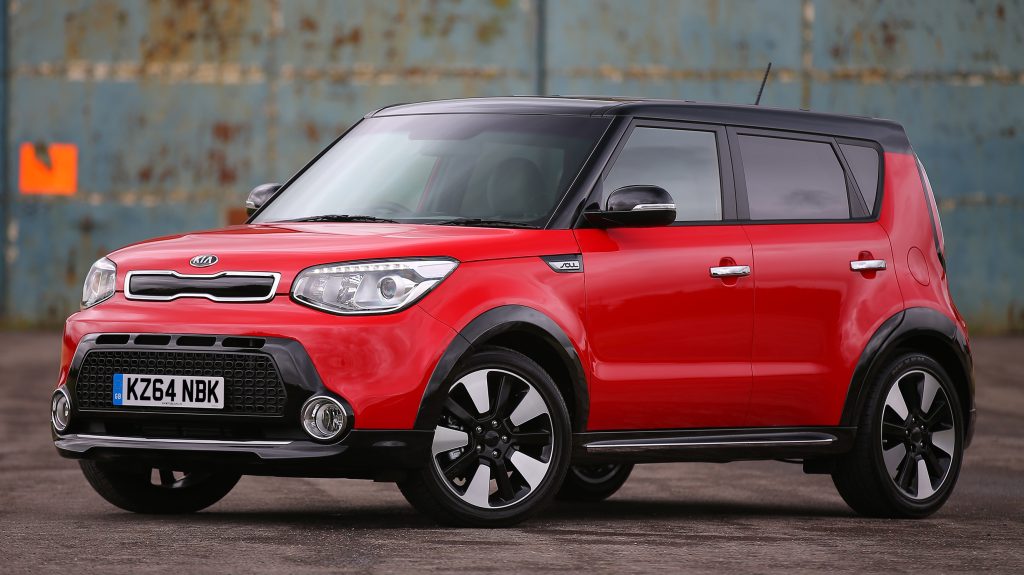
Reliability improved substantially in newer generations, and many used Soul models provide dependable service when maintained properly. Insurance and maintenance costs also tend to remain reasonable compared to larger crossovers or SUVs.
The Kia Soul succeeds because it matches the realities of delivery work unusually well. It offers easy access, excellent space efficiency, practical visibility, and affordable operation in a package designed for constant urban movement.
8. Toyota Yaris
The Toyota Yaris often gets overlooked beside larger and more powerful vehicles, but for food delivery work, simplicity can become a major advantage.
Drivers working long shifts frequently discover that smaller, lighter cars handle the constant demands of city deliveries better than expensive or oversized alternatives. The Yaris built its reputation by focusing on efficiency, low ownership costs, and dependable daily transportation.
One of the biggest benefits is outstanding fuel economy. Delivery drivers spend much of their time stuck in traffic, waiting outside restaurants, or moving through dense urban areas filled with stoplights.
The Yaris handles these conditions efficiently, helping drivers reduce fuel expenses significantly over time. Small savings during every shift eventually create meaningful financial advantages for full-time gig workers.
Parking convenience becomes another major strength. The compact size allows drivers to squeeze into tight restaurant lots, narrow apartment spaces, and crowded downtown streets with far less stress. In busy delivery markets where parking availability can affect speed and earnings, that agility matters greatly.
Toyota also engineered the Yaris with long-term durability in mind. Many examples continue operating reliably even after years of heavy commuting and high-mileage use. Delivery drivers place intense wear on vehicles through nonstop short trips and repeated engine cycles, so dependable engineering becomes one of the most valuable qualities a car can offer.
The cabin may feel simpler than larger sedans, but it still provides practical functionality for delivery work. Essential controls stay easy to use, visibility remains solid, and hatchback versions offer useful cargo flexibility for carrying insulated food bags and drinks.
Maintenance costs generally remain low because the Yaris uses uncomplicated mechanical components and widely available parts. This helps drivers avoid expensive repair surprises that could interrupt income during busy delivery periods.
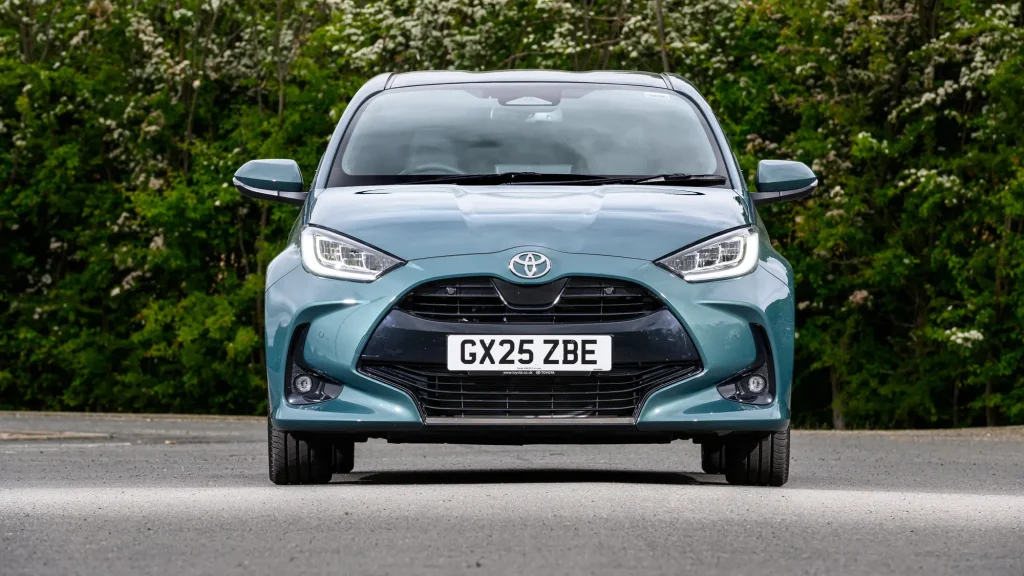
Another advantage involves tire and brake expenses. Smaller, lightweight cars like the Yaris often place less stress on consumable components, helping reduce maintenance frequency over long periods of high-mileage driving.
The Toyota Yaris succeeds because it understands the basics extremely well. It delivers reliable transportation, excellent efficiency, low running costs, and easy urban maneuverability, all qualities that make life far easier for hardworking delivery drivers who depend on their car every single day.
9. Chevrolet Spark
The Chevrolet Spark proves that a small budget car can still become an extremely effective tool for delivery work when the priorities are fuel savings, easy maneuverability, and affordable ownership.
Many pizza and DoorDash drivers do not need powerful engines or large interiors. They simply need a dependable vehicle that can survive endless city driving without draining profits through fuel costs and repairs. In the right conditions, the Spark handles that role surprisingly well.
Its greatest strength appears immediately in crowded urban environments. The Spark’s tiny footprint makes parking incredibly easy, even near packed restaurants and apartment complexes where larger vehicles constantly struggle for space.
Delivery drivers often waste valuable time circling blocks searching for parking, but compact cars like the Spark reduce that frustration significantly.
Fuel economy also works strongly in the car’s favor. Because delivery work involves frequent stops, idling, and low-speed driving, efficient vehicles save drivers substantial money over time. The Spark consumes relatively little fuel during city use, helping maximize earnings from each shift.
Another advantage involves affordability. Used Spark(s) generally cost far less than larger sedans or hybrid models, making them accessible for drivers entering delivery work on tighter budgets. Lower purchase prices can reduce financial pressure while still providing practical transportation for daily gig driving.
The driving experience also fits well with city delivery tasks. The steering feels light and responsive, visibility stays adequate in most conditions, and the car is quick to adjust its direction in traffic. For drivers working through narrow streets or crowded downtown areas, the Spark’s agility becomes especially useful during busy dinner rush periods.
Inside the cabin, the layout remains straightforward to use. While interior space is smaller than some hatchback competitors, there is still enough room for food bags, drinks, and essential personal items needed during shifts. Foldable rear seats add flexibility for larger orders when necessary.
Maintenance costs are generally manageable because parts remain affordable and the mechanical setup stays relatively simple. For delivery drivers focused on reducing operating expenses, practicality matters greatly.
The Spark is not designed for luxury or long highway trips. Instead, it excels as a lightweight, city-focused work tool for drivers prioritizing low costs and easy maneuverability. For many food delivery workers, those strengths are exactly what matter most during long nights on the road.
