
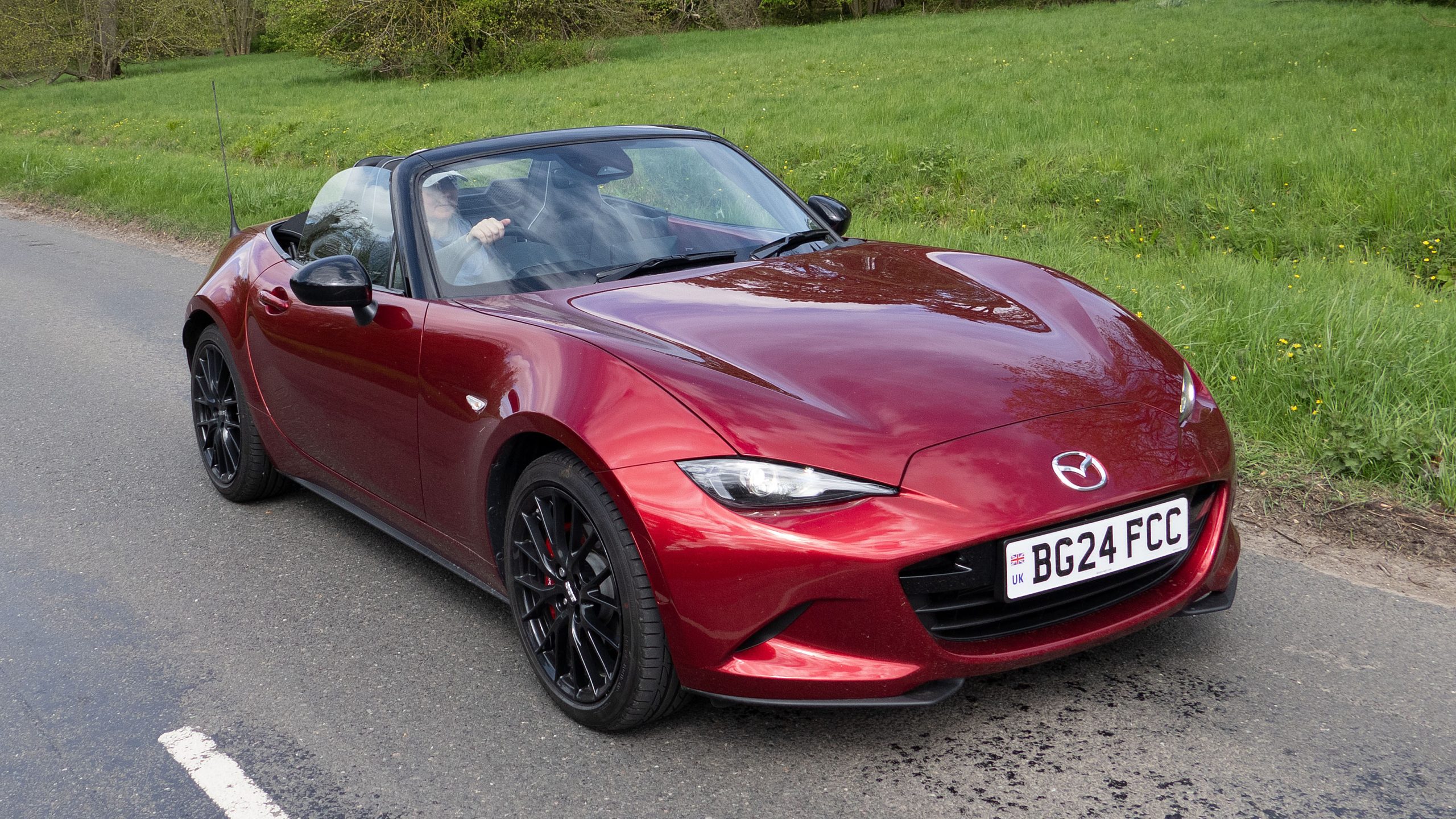
Few sports cars in automotive history have achieved the universal admiration earned by the Mazda MX 5 Miata. Since its debut in 1989, the lightweight roadster has become a benchmark for affordable driving excitement, balanced handling, and mechanical simplicity.
While many performance cars chase massive horsepower figures and cutting-edge technology, the Miata has always embraced a different philosophy. It focuses on lightweight engineering, responsive steering, predictable balance, and a deep connection between driver and machine.
That formula has allowed the Miata to survive decades of changing automotive trends while many competitors disappeared entirely. Enthusiasts across the world continue to celebrate the Miata because it delivers pure enjoyment at legal speeds, making every drive feel engaging rather than overwhelming.
Whether carving through mountain roads, attacking autocross courses, or simply enjoying a sunset cruise with the top down, the Miata consistently proves that driving pleasure is not measured solely by speed.
Over the years, Mazda introduced multiple generations of the Miata, each with distinct characteristics and engineering priorities. Some generations remained extremely lightweight and analog, while others improved comfort, safety, refinement, and modern usability.
Every version has loyal fans who passionately defend their favorite chassis. The earliest models are celebrated for their raw simplicity and iconic pop-up headlights. Later generations gained stronger engines, stiffer chassis tuning, better suspension geometry, and more advanced technology.
Despite these changes, Mazda carefully preserved the core DNA that made the Miata beloved from the beginning. The challenge is determining which generation delivers the greatest driver enjoyment. That ranking depends on steering feel, balance, power delivery, reliability, chassis communication, emotional appeal, and the experience behind the wheel.
This ranking evaluates all five major Miata generations from the perspective of driving enjoyment rather than collectibility, rarity, or resale value. Factors such as comfort, practicality, and modern convenience matter only when they enhance or reduce the emotional driving experience.
Some generations excel because they feel incredibly alive and mechanical, while others impress through refinement and confidence-inspiring dynamics.
Importantly, there is no bad Miata generation. Every version succeeds at delivering lightweight sports car fun better than most modern vehicles. However, some generations stand slightly above the rest because they capture the spirit of the Miata more completely.
The following ranking explores what makes each generation unique, where each one succeeds, and why certain versions resonate more strongly with driving enthusiasts. From classic analog charm to modern precision engineering, every Miata generation contributes something meaningful to the roadster legacy.
Whether you are a longtime enthusiast, a potential buyer, or simply curious about one of the greatest sports cars ever built, this breakdown highlights exactly why the Miata remains a legend in the automotive world.
Also Read: 10 SUVs Where the Cheapest States Sit in the Southwest

- Engine: 1.6L BP I4 (early models), later 1.8L BP I4
- Horsepower: 116 hp (1.6L), 128 hp (1.8L)
- Torque: 100 lb-ft (1.6L), 110 lb-ft (1.8L)
- Length: approx 155.5 inches
- Width: approx 65.9 inches
5. NC Miata (2006 to 2015)
The third-generation NC Miata often finds itself unfairly criticized by enthusiasts who compare it to the lighter generations before and after it. Built on a larger platform and featuring a more substantial design, the NC represented Mazda’s attempt to make the Miata more mature and versatile while still retaining its sports car identity.
At first glance, some purists viewed the extra weight and softer styling as a departure from the original formula. However, spending time behind the wheel reveals a surprisingly capable and enjoyable sports car with impressive balance and usability. The NC deserves more appreciation than it typically receives because it successfully blends fun dynamics with everyday practicality.
One of the biggest strengths of the NC generation is its naturally aspirated 2.0-liter engine. Compared to earlier Miatas, the NC delivers noticeably more torque and stronger midrange power, making it easier to enjoy during spirited driving without constantly chasing high revs.
The engine pairs well with the precise six-speed manual transmission, creating a smooth and satisfying driving experience. While it may not feel as razor sharp as lighter Miatas, the NC compensates with greater stability and confidence at higher speeds. Drivers who enjoy long road trips often appreciate how relaxed and composed the NC feels compared to earlier generations.
The chassis tuning also deserves recognition. Mazda engineered the NC with excellent suspension geometry and a rigid structure that responds predictably during aggressive cornering. Hydraulic steering provides genuine feedback, and the suspension maintains a playful character that encourages enthusiastic driving.
The car rotates naturally through corners and communicates grip levels effectively, which is essential for building driver confidence. While the added size slightly reduces the tossable feel associated with older Miatas, it also improves stability and refinement on rough roads.
Another factor that enhances the NC’s driver enjoyment is its affordability within the used sports car market. Many enthusiasts overlook the NC in favor of earlier generations, resulting in relatively accessible pricing. Buyers can often find well-maintained examples with modern features, reliable drivetrains, and excellent driving dynamics for reasonable prices.
The availability of aftermarket upgrades also allows owners to sharpen the chassis significantly through suspension modifications, wheel setups, and lightweight components. A properly modified NC can become an incredibly rewarding driver’s car.
Despite its strengths, the NC ranks fifth because it lacks the emotional immediacy found in other Miata generations. It feels more refined and mature, but slightly less magical.
The additional weight softens the raw communication that defines the Miata experience. Nevertheless, the NC remains a genuinely enjoyable sports car that delivers balanced handling, strong reliability, and everyday usability. It may not be the purest Miata, but it is still far more engaging than most modern sports cars.
- Engine: 1.8L BP-Z3 inline 4 cylinder
- Horsepower: 140 hp (standard models, varies slightly by year and trim)
- Torque: approx 119 lb-ft
- Length: approx 155.4 inches
- Width: approx 66.1 inches
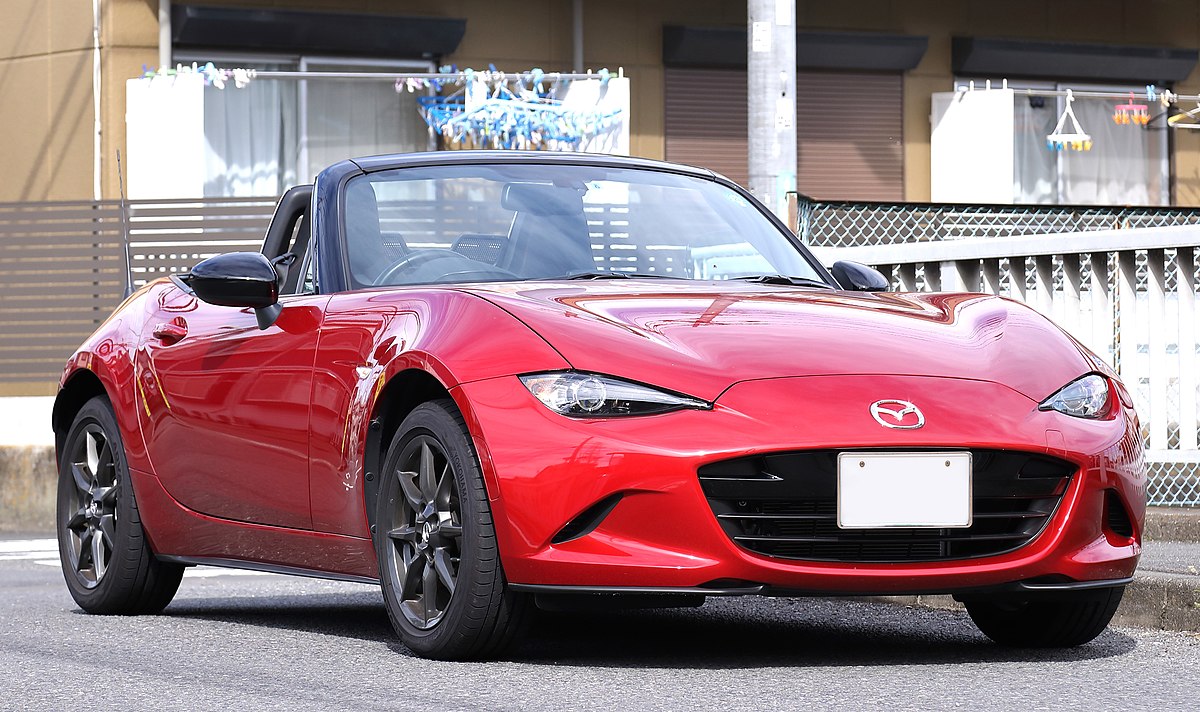
4. ND Miata (2016 to Present)
The fourth-generation ND Miata marked a dramatic return to the lightweight philosophy that originally defined the model. After criticism surrounding the larger NC generation, Mazda focused heavily on reducing weight, improving agility, and restoring the intimate driving feel enthusiasts loved.
The result was one of the most impressive modern sports cars available at any price point. The ND combines contemporary technology with classic roadster values, proving that lightweight engineering still matters in an era dominated by oversized performance vehicles.
Visually, the ND brought aggressive styling and sharper proportions that instantly differentiated it from earlier generations. The compact dimensions and low stance gave the car a purposeful appearance while preserving the playful personality associated with the Miata.
Inside the cabin, Mazda introduced modern infotainment systems, improved materials, and better ergonomics without overwhelming the car with unnecessary complexity. This balance between modern convenience and mechanical purity is one reason the ND appeals to both younger buyers and longtime enthusiasts.
From a driving perspective, the ND feels incredibly alive. The lightweight chassis responds immediately to steering inputs, and the suspension tuning encourages drivers to push harder through corners.
The car changes direction effortlessly, making even ordinary roads entertaining. Mazda also refined the manual transmission to deliver short throws and crisp engagement, creating one of the most satisfying gearboxes in the industry. Every shift contributes to the sense of connection between driver and machine.
The engine lineup evolved significantly during the ND’s production. Early models featured a modestly powered engine that prioritized efficiency and responsiveness over outright speed. Later updates improved horsepower and rev characteristics, giving the car stronger acceleration while maintaining its playful personality.
Unlike many turbocharged sports cars, the naturally aspirated engine delivers linear power delivery and predictable throttle response, enhancing driver confidence during spirited driving sessions.
The ND ranks fourth because, despite its brilliance, it sacrifices some analog charm in pursuit of modern refinement and safety standards. Electric steering, advanced electronics, and stricter regulations slightly reduce the raw mechanical communication found in older Miatas.
Nevertheless, the ND remains one of the finest lightweight sports cars ever built. It successfully modernizes the Miata formula without losing the essence that made the car legendary. For drivers seeking a reliable, modern roadster that still prioritizes engagement over numbers, the ND is exceptionally difficult to beat.
- Engine: 2.0L MZR inline 4 cylinder
- Horsepower: 158 to 167 hp depending on year and market
- Torque: approx 140 lb-ft
- Length: approx 157.3 inches
- Width: approx 67.7 inches
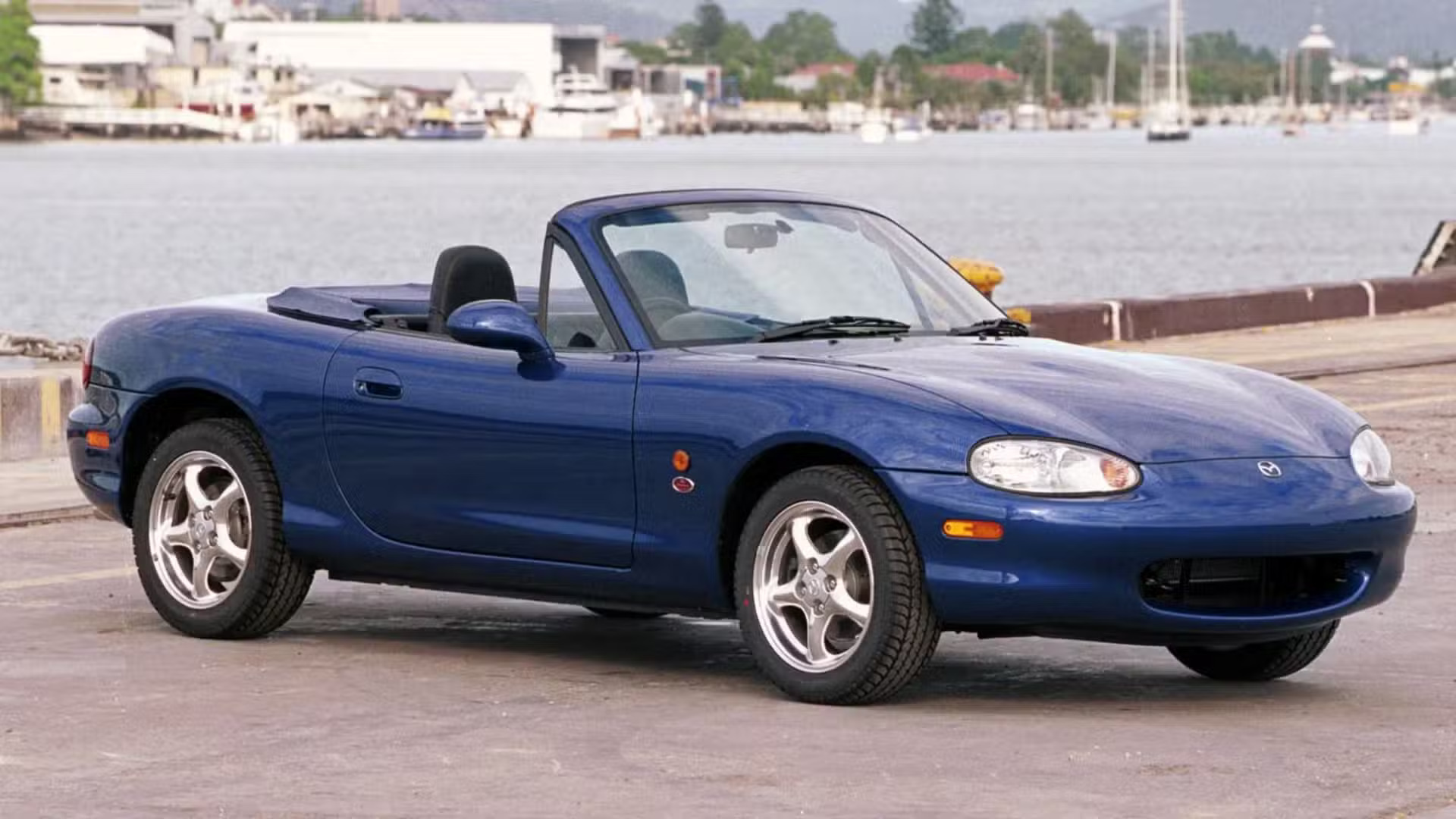
3. NB Miata (1999 to 2005)
The second-generation NB Miata occupies a fascinating position within the Miata lineage. It retains much of the lightweight analog character of the original NA while introducing meaningful improvements in rigidity, power, safety, and refinement.
Many enthusiasts consider the NB the perfect middle ground between old school charm and modern usability. While it lacks the iconic pop-up headlights of the NA, it compensates with sharper handling, stronger engines, and a more mature driving experience that remains deeply engaging.
Mazda refined nearly every aspect of the Miata formula with the NB generation. The chassis became stiffer, improving cornering precision and reducing flex during aggressive driving. Suspension tuning evolved to provide better composure while maintaining the playful balance that defines the Miata experience.
Steering remained hydraulic and wonderfully communicative, allowing drivers to feel subtle changes in grip and road texture through the wheel. This level of feedback creates confidence and encourages spirited driving even at moderate speeds.
The engine lineup also improved significantly during the NB era. The 1.8-liter engine delivered stronger torque and smoother power delivery compared to earlier models. High-performance variants such as the Mazdaspeed Miata introduced turbocharging, offering a unique blend of lightweight agility and boosted acceleration.
Even naturally aspirated models feel eager and responsive because the car remains relatively light. The manual transmission continues to stand out as one of the best in automotive history, rewarding drivers with precise engagement and satisfying mechanical feel.
One reason the NB ranks so highly for driver enjoyment is its versatility. It feels raw enough to satisfy purists while remaining comfortable enough for regular use. The cabin gained small but meaningful improvements in comfort and ergonomics, making longer drives more pleasant without sacrificing simplicity.
Reliability also remained excellent, contributing to the car’s reputation as an accessible and dependable sports car. Enthusiasts appreciate how easy the NB is to modify, maintain, and personalize according to individual driving preferences.
The main reason the NB does not rank higher is emotional identity. While technically superior to the NA in many areas, it lacks some of the whimsical charm and cultural significance associated with the original Miata.
The fixed headlights and more restrained styling removed some of the playful personality that made the NA instantly lovable. However, from a purely driving-focused perspective, the NB is arguably one of the most balanced Miatas ever created. It blends lightweight agility, mechanical honesty, and practical usability into a remarkably rewarding package.
- Engine: 2.0L Skyactiv-G inline 4 cylinder
- Horsepower: 155 hp
- Torque: 148 lb-ft
- Length: approx 154.1 inches
- Width: approx 68.3 inches
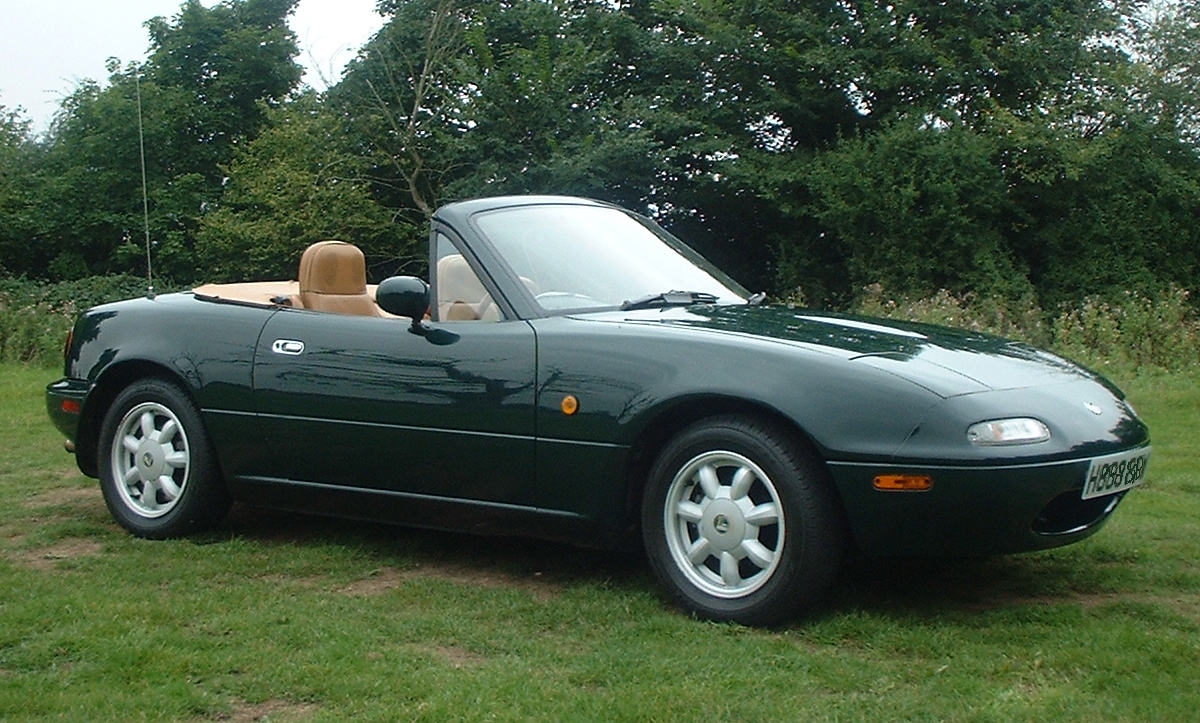
2. NA Miata (1989 to 1997)
The original NA Miata remains one of the most beloved sports cars ever produced because it perfectly captured the spirit of lightweight roadsters from the past while delivering modern reliability and accessibility.
Inspired by classic British sports cars, the NA combined simplicity, balance, and open-air enjoyment in a package that appealed to both hardcore enthusiasts and casual drivers. More than three decades after its debut, the NA continues to symbolize pure driving fun.
One of the defining characteristics of the NA is its lightweight construction. Weighing far less than most modern sports cars, the NA feels incredibly nimble and responsive. Every steering input produces an immediate reaction, and the car dances through corners with remarkable fluidity.
The suspension setup allows enough body movement to communicate weight transfer clearly, giving drivers an intuitive understanding of the car’s behavior. This transparency creates an unmatched sense of connection that many modern vehicles struggle to replicate.
Another major factor behind the NA’s popularity is its personality. The pop-up headlights, compact proportions, and cheerful design give the car a playful identity that instantly makes people smile.
Driving the NA feels less serious and intimidating than driving high-powered sports cars, which encourages owners to push the car harder and enjoy every moment behind the wheel. The experience is not about chasing extreme speed but about maximizing engagement and enjoyment at realistic road speeds.
The engine options in the NA are modest by modern standards, but they perfectly suit the chassis. The naturally aspirated four-cylinder engine loves to rev and delivers predictable power throughout the rev range.
Combined with the legendary manual transmission, the drivetrain encourages constant interaction from the driver. Every shift, throttle input, and steering correction feels mechanical and satisfying. The simplicity of the NA also means fewer electronic systems interfering with the driving experience.
Despite its legendary status, the NA ranks second because later generations improved chassis rigidity, safety, and capability without completely abandoning the Miata philosophy. The NA can feel underpowered and flexible compared to newer models, especially during aggressive driving.
Nevertheless, its charm and purity remain unmatched in many respects. For countless enthusiasts, the NA represents the ideal expression of what a lightweight sports car should be. It transformed the automotive world and proved that affordable driving enjoyment still mattered.
Also Read: 10 Sleeper Sedans With Over 700 Horsepower
- Engine: 2.0L Skyactiv-G inline 4 cylinder (updated tuning)
- Horsepower: 181 hp
- Torque: 151 lb-ft
- Length: approx 154.1 inches
- Width: approx 68.3 inches
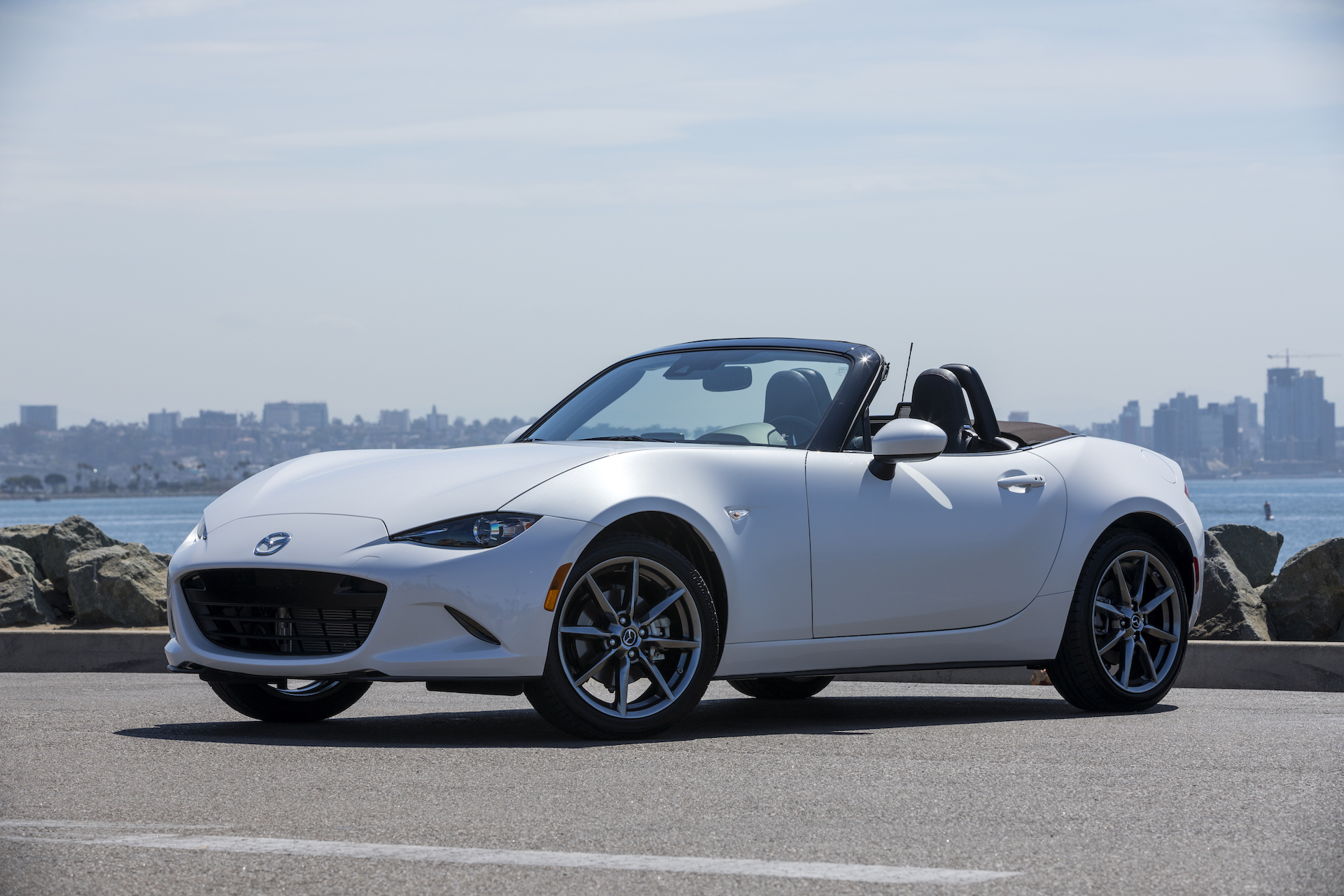
1. ND2 Miata (2019 to Present Updated Version)
The updated ND2 Miata earns the top position because it represents the most complete and rewarding interpretation of the Miata philosophy ever produced.
While earlier generations possess undeniable charm and historical importance, the ND2 combines lightweight agility, modern engineering, reliability, improved power, and everyday usability into an exceptionally polished sports car. It captures the spirit of the original Miata while refining nearly every aspect of the driving experience.
Mazda made significant improvements with the ND2 update, particularly regarding engine performance. The revised naturally aspirated 2.0-liter engine gained more horsepower, a higher redline, and improved responsiveness.
These changes transformed the car’s character by giving drivers stronger acceleration and a more exciting top-end experience without compromising throttle precision. Unlike turbocharged rivals that often rely on sudden torque surges, the ND2 rewards drivers for revving the engine and maintaining momentum through corners.
The lightweight chassis remains the heart of the ND2 experience. Mazda succeeded in creating a car that feels agile, eager, and incredibly communicative despite modern safety regulations. The steering is sharp, the suspension balance is playful, and the handling inspires confidence at every speed.
The ND2 excels on twisty back roads because it encourages smooth driving techniques rather than brute force acceleration. Drivers feel connected to every aspect of the car’s movement, which creates a uniquely immersive experience.
Interior improvements also contribute to the ND2’s top ranking. The cabin is more refined and comfortable than earlier Miatas, while still maintaining a focused driver-oriented layout.
Features such as modern infotainment, improved sound insulation, and enhanced seat support make the car easier to live with daily. Unlike some classic sports cars that require compromises in reliability or comfort, the ND2 delivers excitement without demanding sacrifices from its owner.
Most importantly, the ND2 preserves the emotional essence that made the Miata legendary. It remains light, simple, responsive, and playful in an automotive industry increasingly dominated by heavy performance cars filled with digital interference.
The ND2 proves that driving enjoyment still matters more than raw numbers or excessive complexity. It is not the most powerful sports car on the market, but it consistently delivers smiles behind the wheel in a way few vehicles can match.
The ND2 earns the number one position because it offers the best balance of old-school driving engagement and modern engineering excellence. It honors the Miata legacy while pushing the platform forward in meaningful ways. For enthusiasts seeking the blend of precision, reliability, agility, and pure fun, the ND2 stands as the finest driver-focused Miata ever created.
