
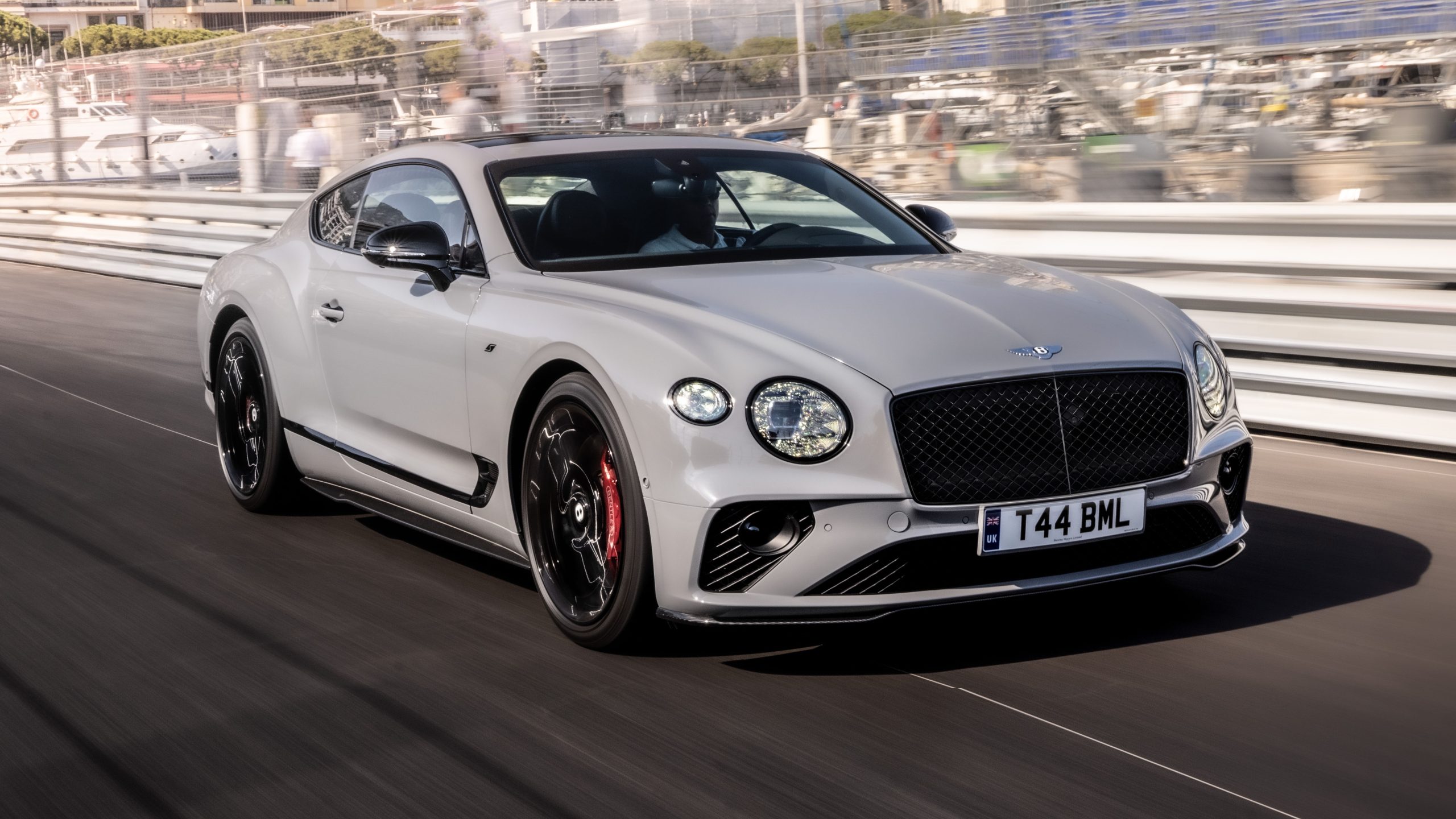
For decades, driving enthusiasts have associated fun cars with lightweight, simplicity, and direct driver engagement. Legendary sports cars from the past often weighed far less than modern vehicles, relied on naturally aspirated engines, and delivered a raw connection between machine and driver that many people still romanticize today.
In contrast, modern cars have become significantly larger, heavier, and more technologically complex. Safety regulations, luxury expectations, emissions standards, hybrid systems, larger wheels, and advanced infotainment features have transformed the automotive industry.
Even performance-oriented vehicles that were once known for agility now carry hundreds of extra kilograms compared to their predecessors. This shift has led many enthusiasts to ask an important question: are modern cars simply too heavy to ever feel truly fun again?
The debate is not merely emotional nostalgia from older generations of drivers. Weight has a direct impact on nearly every aspect of vehicle dynamics. Heavier cars require more energy to accelerate, more braking force to stop, and greater suspension tuning to control body movement.
They often feel less nimble in corners and less responsive during rapid directional changes. Lightweight cars traditionally excelled because they created a sense of immediacy and communication between the driver, chassis, steering system, and road surface. When a car weighs less, every input tends to feel sharper and more rewarding.
However, modern engineering has also dramatically improved vehicle performance. Today’s sports cars produce astonishing power figures, use adaptive suspension systems, sophisticated traction management, and advanced tire technology to mask much of their mass.
Some modern performance cars can outperform lightweight classics on nearly every measurable metric. Electric vehicles, despite carrying extremely heavy battery packs, can deliver breathtaking acceleration and surprisingly low centers of gravity. Many engineers argue that fun has evolved rather than disappeared.
The definition of driving enjoyment itself has become more complicated. Some enthusiasts value mechanical purity and minimalism, while others appreciate speed, comfort, technology, and versatility.
A lightweight roadster from the 1990s may offer unmatched steering feel, but a modern sports coupe can provide supercar-level performance while remaining practical and safe for daily use. The automotive industry now faces the challenge of balancing stricter regulations with consumer demand for excitement and engagement.
This article explores why modern cars have become heavier, how weight affects driving dynamics, whether technology can compensate for added mass, and whether genuinely fun cars can still exist in the future. While the golden era of featherweight sports cars may never fully return, the story of automotive fun is far from over.
Also Read: 10 Sleeper Sedans With Over 700 Horsepower

Why Modern Cars Have Become So Heavy?
One of the primary reasons modern cars have gained so much weight is the increasing importance of safety regulations. Crash structures, reinforced passenger cells, side impact beams, airbags, electronic stability systems, and advanced driver assistance technologies all add mass to a vehicle.
Governments and safety organizations around the world have pushed manufacturers to build safer cars capable of protecting occupants in increasingly severe accidents. Compared to cars from the 1980s or 1990s, modern vehicles offer dramatically improved survival rates during collisions. While few drivers would willingly sacrifice safety, these protective systems inevitably increase curb weight.
Consumer expectations have also changed significantly over the years. Buyers today expect cars to provide luxury, comfort, quietness, and convenience features that were once reserved for premium vehicles.
Heated seats, panoramic sunroofs, large touchscreen displays, premium audio systems, powered adjustments, acoustic insulation, and advanced climate control systems all contribute additional weight. Even mainstream family cars now contain features that would have seemed extravagant decades ago. Automakers respond to market demand, and most customers prioritize comfort and technology over lightweight construction.
Another major contributor to vehicle mass is emissions compliance and electrification. Internal combustion engines now require complex emissions control systems, including turbochargers, particulate filters, catalytic converters, and hybrid components. Electric vehicles face an even greater challenge because battery packs are extremely heavy.
Although electric motors themselves are compact and efficient, the batteries needed to deliver a competitive driving range add hundreds of kilograms to a vehicle. This is one reason why many electric performance cars weigh substantially more than traditional sports cars.
Vehicle size inflation has further intensified the problem. Modern cars are physically larger than their predecessors in nearly every segment. Compact sedans today often have dimensions comparable to midsize sedans from the 1990s.
SUVs and crossovers dominate global markets, encouraging manufacturers to prioritize spacious cabins, higher seating positions, and increased cargo capacity. Larger dimensions naturally require more structural material, bigger wheels, larger brakes, and stronger suspension systems. The cycle becomes self-reinforcing as heavier cars need more robust components to handle their additional mass.
Finally, manufacturers often struggle to justify the cost of lightweight engineering. Materials such as carbon fiber, aluminum, and magnesium can reduce weight significantly, but they are expensive to produce and repair. Most consumers are unwilling to pay dramatically higher prices solely for lower mass.
As a result, automakers frequently choose cost-effective steel construction while using technology to compensate for weight gains. Only high-end sports cars and exotic vehicles consistently prioritize aggressive weight reduction because their buyers are more likely to value performance over affordability.
How Does Weight Change the Driving Experience?
Weight affects nearly every aspect of how a car behaves on the road, which is why enthusiasts often obsess over it. A lighter car generally feels more agile because it changes direction with less resistance. Steering inputs feel quicker, body motions are easier to control, and the vehicle responds more naturally to throttle and braking adjustments.
This responsiveness creates a sense of connection that many drivers describe as engaging or playful. In contrast, heavier cars can feel isolated and reluctant during spirited driving, even when they are objectively fast.
Acceleration is one of the most obvious areas influenced by mass. Physics dictates that heavier objects require more force to move quickly. Modern cars often overcome this issue through enormous horsepower figures and advanced transmission systems. However, massive power does not fully replicate the sensation of a lightweight car.
A light sports car with modest horsepower can feel energetic and eager because the driver experiences the car working dynamically beneath them. By comparison, a heavy high-horsepower car may deliver brutal straight-line speed while still feeling less interactive.
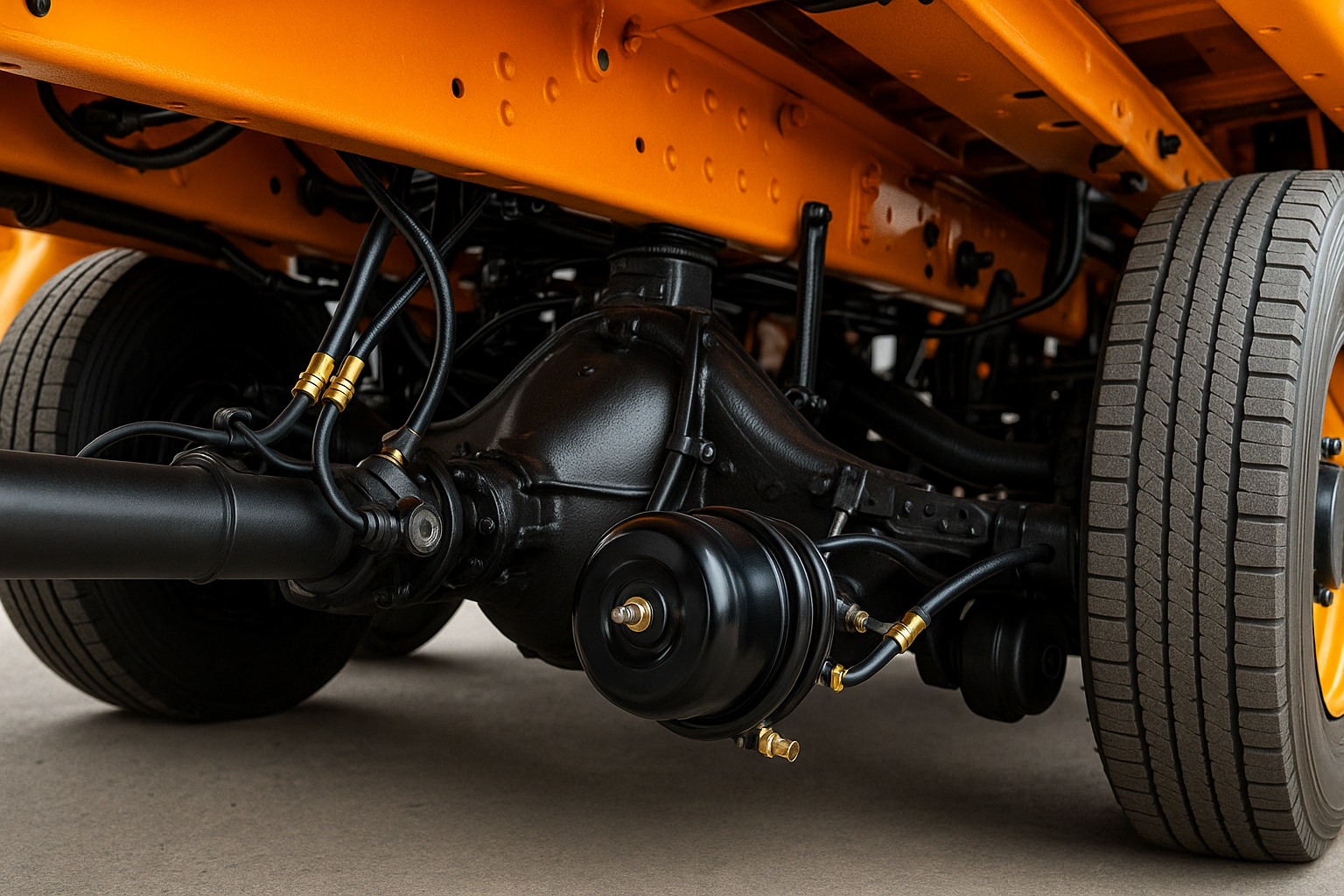
Braking performance also changes dramatically with weight. Heavy vehicles place greater stress on braking systems because they carry more momentum. Engineers compensate with larger brake rotors, sophisticated cooling systems, and electronic assistance technologies, but physics remains unavoidable.
Lightweight cars tend to feel more confidence-inspiring because they stop with less effort and exhibit less inertia during aggressive driving. Drivers often notice this difference most clearly on winding roads or racetracks where repeated braking zones expose the limitations of heavy vehicles.
Cornering dynamics reveal perhaps the most important distinction between light and heavy cars. Weight transfer becomes more pronounced as mass increases, affecting balance and composure during turns. Heavier vehicles may experience greater body roll, understeer, and tire stress.
Even when suspension systems minimize visible movement, drivers can still sense the underlying inertia. Lightweight cars often feel alive and adjustable, encouraging drivers to explore the chassis limits with confidence. This playful quality forms the foundation of what many enthusiasts consider true driving fun.
Tire wear, fuel efficiency, and mechanical stress are additional consequences of increased vehicle weight. Heavier cars consume more resources during normal operation, requiring stronger components and more frequent maintenance in performance applications.
Although modern engineering has made heavy cars impressively capable, many drivers argue that simplicity and low mass create a purer form of enjoyment. The challenge for modern automakers is finding ways to preserve emotional engagement despite the unavoidable realities of contemporary vehicle design.

Can Technology Compensate for Extra Weight?
Modern automotive technology has become astonishingly advanced, allowing engineers to hide or reduce many disadvantages associated with heavy vehicles. Adaptive suspension systems, active aerodynamics, torque vectoring differentials, rear wheel steering, and sophisticated traction management systems can dramatically improve agility and control.
These technologies enable modern performance cars to achieve lap times and handling capabilities that would have seemed impossible decades ago. On paper, many heavy modern sports cars outperform lightweight classics by enormous margins.
One of the most significant innovations is adaptive suspension technology. Modern dampers can continuously adjust stiffness based on driving conditions, reducing body roll and maintaining stability during aggressive cornering. This allows heavier cars to feel flatter and more composed without sacrificing ride comfort during normal driving.
Drivers can enjoy luxury sedan refinement on highways while still accessing sharp handling characteristics when driving enthusiastically. Such versatility was nearly impossible in older lightweight sports cars that relied on fixed suspension setups.
Electronic differential systems and torque vectoring have also transformed vehicle dynamics. By distributing power intelligently between wheels, these systems can rotate a car more effectively during cornering and improve traction under acceleration.
Heavy All Wheel Drive performance cars often feel far more agile than their weight figures suggest because electronics constantly optimize grip and balance. Some modern super sedans weighing nearly two tons can corner with shocking precision due to these sophisticated systems.
Electric vehicles provide another fascinating example of technology overcoming weight challenges. Although battery packs are extremely heavy, they are usually mounted low within the chassis, creating a low center of gravity that improves stability and cornering balance. Instant electric torque also changes the driving experience dramatically.
Electric performance cars accelerate with incredible force and responsiveness, delivering sensations that many drivers find addictive. While some enthusiasts criticize the lack of engine sound and mechanical drama, others argue that electric performance introduces a new form of excitement.
However, technology also introduces new criticisms. Many drivers believe modern cars feel overly filtered and artificial because computers manage so much of the driving experience. Steering systems are often electrically assisted rather than hydraulic, reducing road feedback. Stability systems intervene constantly to maximize safety and speed.
Automatic transmissions dominate performance segments, replacing the involvement of manual gearboxes. As a result, some enthusiasts feel disconnected despite impressive performance numbers. A lightweight analog sports car may provide greater emotional satisfaction even if it is objectively slower.
The question ultimately depends on how individuals define fun. If fun means raw communication, simplicity, and driver involvement, technology may never fully replace lightweight design.
If fun means confidence, speed, and versatility, then modern engineering has arguably succeeded beyond expectations. The automotive industry now balances two philosophies: preserving emotional engagement while embracing innovation and safety requirements.
Also Read: 10 SUVs Where the Cheapest States Sit in the Southwest
The Role of Electric Vehicles in the Weight Debate
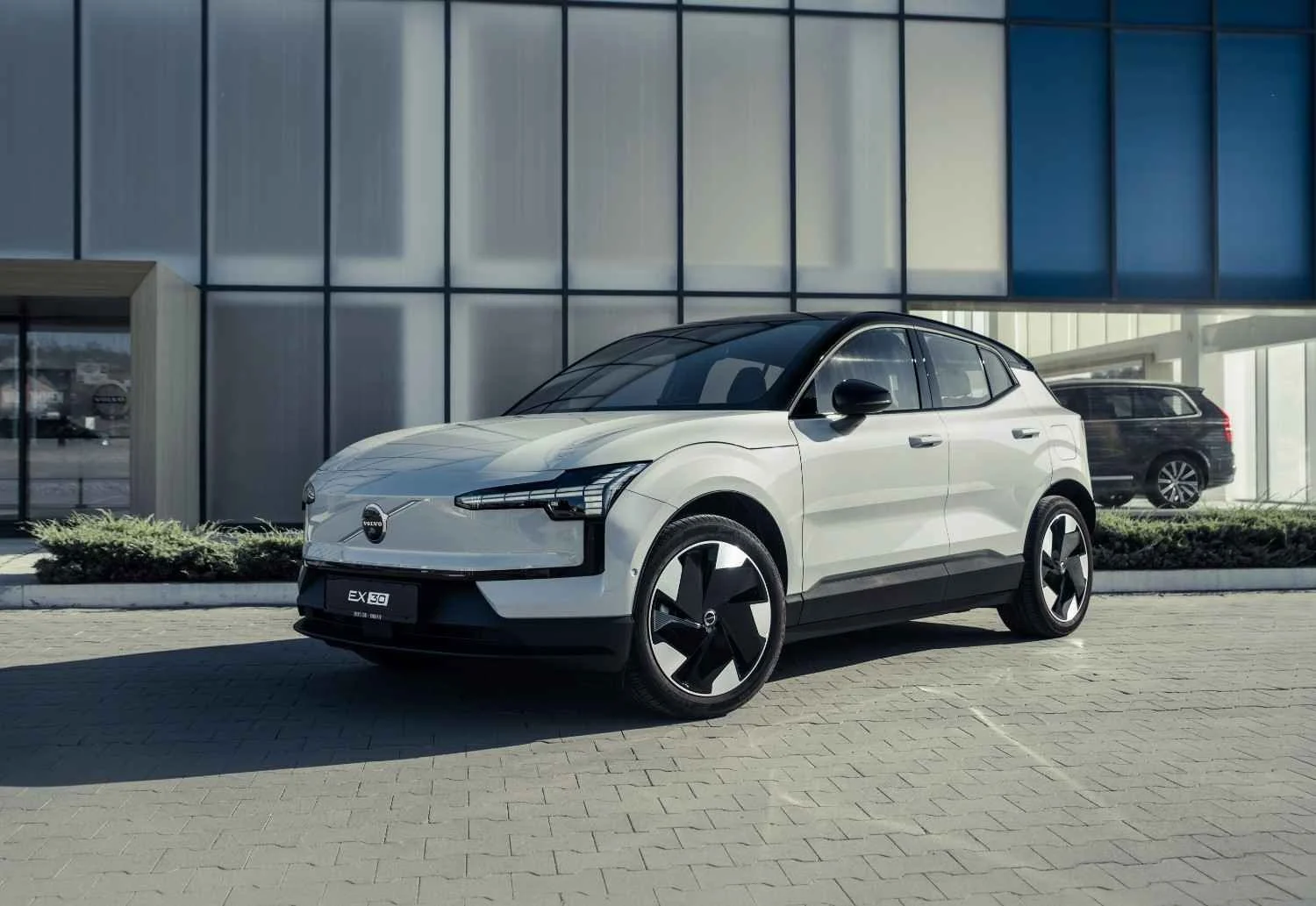
Electric vehicles have completely changed discussions about automotive weight and performance. Most electric cars are significantly heavier than comparable gasoline-powered vehicles because lithium-ion battery packs are extremely dense and heavy.
A high-performance electric sedan can weigh more than many large luxury SUVs from previous decades. This reality initially caused concern among driving enthusiasts who feared that fun, agile cars would disappear entirely as electrification expanded across the industry.
Despite their weight, electric vehicles have demonstrated remarkable performance capabilities. Instant torque delivery allows even relatively ordinary electric cars to accelerate with startling urgency. High-performance models can achieve supercar-level acceleration figures without requiring complex transmissions or high-revving engines.
This instant response creates a unique sense of speed that differs from traditional internal combustion performance. Many first-time electric car drivers are surprised by how aggressive and immediate the acceleration feels.
Battery placement also changes vehicle dynamics in important ways. Unlike gasoline cars that concentrate heavy engine components near the front, electric cars often distribute battery weight across the floor of the chassis.
This creates an exceptionally low center of gravity, improving stability and reducing body roll. Some electric performance cars feel planted and composed during high-speed cornering despite their enormous curb weight. Engineers have successfully used this characteristic to create vehicles with impressive grip and balance.
However, electric vehicles still face criticism regarding emotional engagement and agility. Heavy battery packs increase inertia, making rapid directional changes less natural compared to lightweight sports cars. Steering feel can seem numb, and regenerative braking systems sometimes reduce pedal consistency.
Enthusiasts who value engine sound, gear shifts, and mechanical interaction often find electric driving experiences less immersive. While electric cars excel at speed and efficiency, they do not always deliver the same sense of mechanical theater associated with classic sports cars.
Manufacturers are actively exploring solutions to these concerns. Advances in battery technology may eventually reduce weight significantly while improving energy density. Solid-state batteries, lightweight materials, and modular vehicle architectures could help future electric sports cars become more agile and engaging.
Some companies are also experimenting with synthetic sound systems and simulated gear changes to recreate emotional aspects of traditional performance driving. Whether these solutions will satisfy enthusiasts remains uncertain.
The transition to electrification represents both a challenge and an opportunity for automotive fun. Electric vehicles prove that heavy cars can still deliver excitement, but they also redefine what excitement means.
Future generations of drivers may prioritize instant acceleration, silent speed, and advanced technology over the analog sensations cherished by older enthusiasts. The debate over weight and fun will likely continue evolving alongside the technology itself.
Are Lightweight Fun Cars Still Possible?
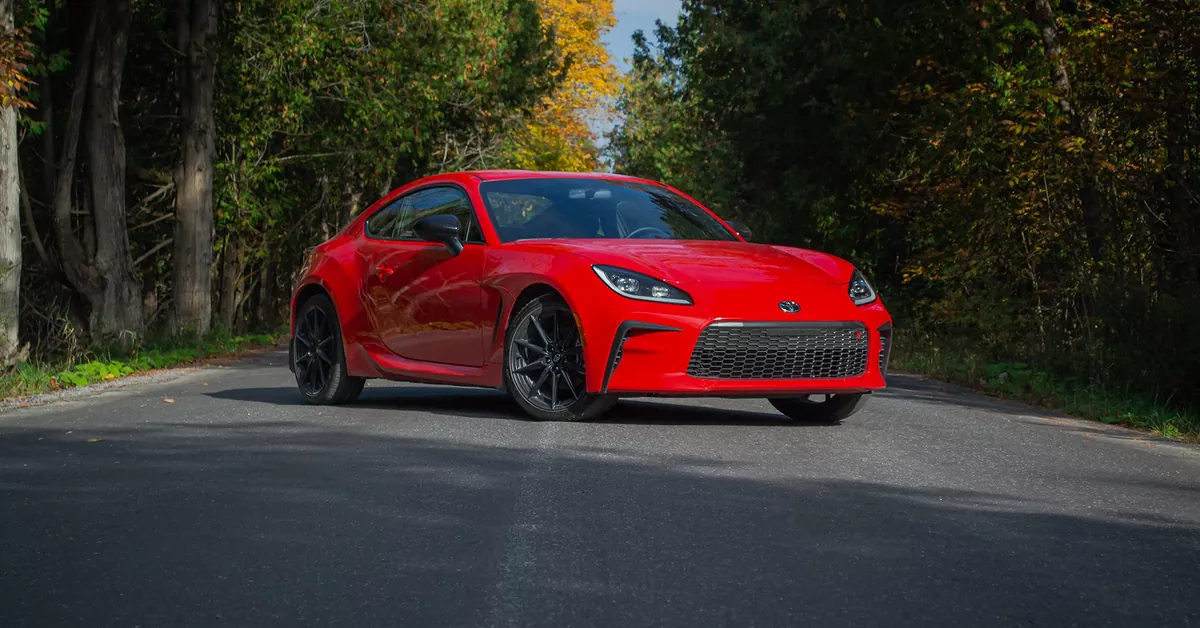
Despite industry trends toward larger and heavier vehicles, lightweight fun cars still exist in limited forms. Certain manufacturers continue prioritizing simplicity, balance, and driver involvement over outright power or luxury.
Small roadsters, compact sports coupes, and track-focused enthusiast cars prove that lightweight engineering has not disappeared completely. These vehicles often attract passionate communities because they preserve many characteristics associated with classic driving enjoyment.
One of the clearest examples is the enduring popularity of lightweight Rear Wheel Drive sports cars. Vehicles designed around modest power outputs and balanced chassis dynamics frequently deliver more engaging experiences than far more expensive high-horsepower machines.
Drivers often praise these cars for their steering feedback, controllable handling, and playful personalities. Rather than relying on brute force acceleration, they emphasize precision and interaction. This philosophy demonstrates that fun does not necessarily require massive horsepower figures.
Manufacturers also increasingly recognize enthusiast demand for authenticity. In recent years, several companies have introduced manual transmission options, lightweight special editions, and stripped-back performance models aimed specifically at driving purists.
These vehicles may not dominate sales numbers, but they generate strong emotional connections and positive brand identities. Automakers understand that enthusiast credibility can influence broader public perception even when niche sports cars represent small portions of profits.
Advances in materials science may eventually make lightweight construction more accessible. Aluminum chassis designs have become more common, and carbon fiber manufacturing techniques continue improving.
As production costs decrease, future vehicles could achieve meaningful weight reductions without becoming prohibitively expensive. Hybrid systems may also evolve into lighter and more compact packages, allowing manufacturers to combine efficiency with engaging handling characteristics more effectively than current designs.
The rise of dedicated enthusiast communities further supports the survival of fun, lightweight cars. Social media, motorsport culture, track day events, and automotive content creators have amplified appreciation for driver-focused vehicles.
Younger enthusiasts who never experienced classic analog sports cars firsthand are still discovering the appeal of lightweight performance. This ongoing enthusiasm suggests that demand for engaging cars will not disappear entirely, even as broader market trends favor crossovers and electrification.
Ultimately, lightweight fun cars may become more specialized rather than mainstream. They are unlikely to dominate global sales in the way practical SUVs currently do, but they will probably survive as enthusiast-focused products.
Automotive history shows that passion-driven niches often endure despite commercial pressures. As long as there are drivers who value connection, responsiveness, and mechanical purity, manufacturers will likely continue building at least a few vehicles designed specifically for driving enjoyment.

The Difference Between Speed and Fun
One reason the weight debate continues so passionately is that speed and fun are not always the same thing. Modern cars are undeniably faster than most vehicles from previous generations.
Even ordinary family sedans now produce acceleration figures that once belonged exclusively to sports cars. Yet many enthusiasts argue that despite these improvements, driving has become less emotionally rewarding. This distinction highlights the important difference between objective performance and subjective enjoyment.
A lightweight, low-power sports car can feel thrilling because drivers experience more of the vehicle’s capabilities at legal road speeds. The sensation of momentum, engine effort, steering communication, and chassis movement creates involvement.
Drivers can explore the limits of grip and balance without immediately reaching dangerous speeds. In contrast, extremely fast modern performance cars often operate far beyond public road limits before revealing their full character. This can make them feel distant or inaccessible during everyday driving.
Manual transmissions historically played a major role in this sense of engagement. Coordinating clutch operation, rev matching, and gear selection added layers of interaction that transformed driving into an active process.
Many modern cars now use automatic or dual clutch transmissions optimized for speed and efficiency. While these systems shift faster than any human driver, they reduce mechanical involvement. Some enthusiasts feel that removing manual participation also removes part of the emotional connection that made driving enjoyable.
Sound and sensation contribute heavily to perceptions of fun as well. Naturally aspirated engines, hydraulic steering systems, and lightweight chassis designs created distinctive feedback that modern cars sometimes struggle to replicate.
Turbocharging, electric assistance, and noise insulation improve efficiency and comfort but can isolate drivers from mechanical sensations. A modern car may be objectively superior in every measurable category while still feeling emotionally muted compared to a simpler older vehicle.
However, fun remains deeply subjective. Some drivers genuinely enjoy the overwhelming acceleration and precision of modern heavy-performance cars. Others appreciate the confidence inspired by advanced stability systems and all-weather capability.
A high-horsepower, All Wheel Drive sedan can provide exhilarating experiences in ways that lightweight classics cannot. Long-distance comfort, reliability, and versatility also matter to many enthusiasts who use their cars daily rather than exclusively for recreational driving.

The Future of Enthusiast Cars
The future of enthusiast cars depends on how manufacturers respond to changing regulations, environmental pressures, and consumer expectations. Governments worldwide continue tightening emissions standards and encouraging electrification, making traditional lightweight gasoline sports cars increasingly difficult to justify economically.
At the same time, automotive passion remains deeply embedded in global culture. Enthusiasts continue supporting motorsports, tuning communities, driving events, and specialty manufacturers, ensuring that demand for engaging vehicles still exists.
Hybrid technology may become one of the most important tools for preserving fun cars. Performance hybrids can combine electric torque with smaller internal combustion engines, creating strong acceleration while reducing emissions.
If engineers successfully minimize battery weight and maintain responsive chassis dynamics, hybrids could provide an effective compromise between regulation compliance and enthusiast appeal. Some modern hybrid supercars already demonstrate how electrification can enhance rather than destroy performance experiences.
Software development will also shape future driving experiences. Adjustable drive modes, customizable steering response, and adaptive suspension systems allow manufacturers to tailor vehicles for multiple personalities. A single car can behave comfortably during commuting while becoming sharper and more engaging on demanding roads.
Future systems may become sophisticated enough to recreate some of the analog sensations enthusiasts miss from older lightweight cars.
Smaller niche manufacturers may play an increasingly important role in preserving lightweight enthusiast philosophy. Large automakers often prioritize mass market profitability, whereas boutique companies can focus on specialized driver-focused products. These smaller manufacturers may continue experimenting with minimalist designs, lightweight materials, and analog driving experiences even as mainstream vehicles become more automated and electrified.
The future of fun cars will likely involve coexistence rather than total replacement. Electric vehicles, hybrids, and lightweight enthusiast models may all serve different audiences within the automotive world.
The emotional appeal of driving remains powerful, and manufacturers understand that passion creates lasting brand loyalty. While the era of simple featherweight sports cars dominating mainstream culture may be over, driving enjoyment itself is unlikely to disappear.
