Ranking the Subaru Outback across multiple model years reveals how steadily it has evolved from a rugged, wagon-based utility vehicle into a refined and highly capable modern crossover. In “7 Subaru Outbacks Ranked by Real-World Reliability,” each generation is assessed based on long-term dependability, mechanical strengths, known issues, and everyday usability rather than just performance or features.
While newer models generally benefit from improved engineering, updated technology, and stronger safety systems, earlier versions still offer value for buyers who prioritize simplicity, affordability, and proven durability.
However, reliability is not uniform across all years, some models stand out for their exceptional build quality and trouble-free ownership, while others are marked by costly engine or transmission concerns. This ranking highlights those differences in practical, real-world terms, helping buyers understand which Outback years are safest bets for long-term ownership and which carry higher risk despite their appeal on paper.
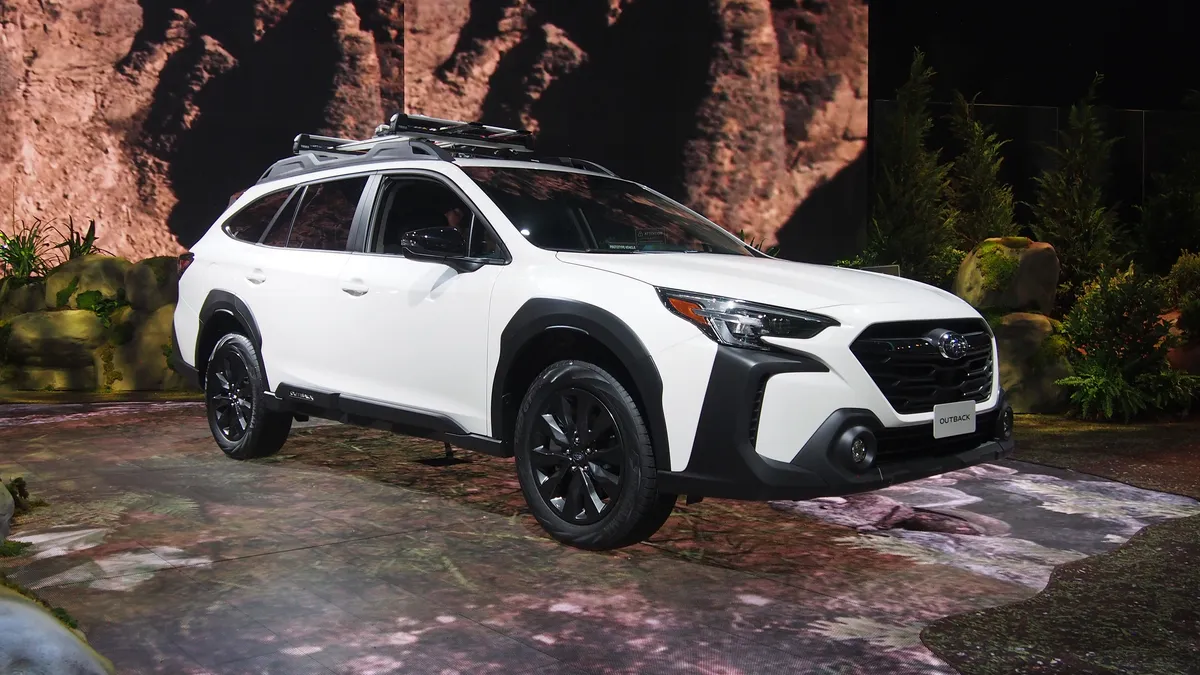
1. 2023 Subaru Outback
Following several improvements throughout the sixth generation, the 2023 Subaru Outback delivers a far more refined and dependable experience than earlier models. Subaru resolved many common complaints involving infotainment malfunctions and battery drain, helping improve long-term usability and driver satisfaction.
A smoother Lineartronic CVT and enhanced EyeSight safety technology further strengthen the vehicle’s appeal, while its spacious interior and practical design continue to make it an excellent choice for daily commuting, family travel, and outdoor adventures.
The Outback offers two flat-four engine options. The standard 2.5-liter engine produces 182 horsepower and prioritizes fuel efficiency, while the optional turbocharged 2.4-liter engine generates 260 horsepower for stronger acceleration and towing capability.
Both engines are paired with a continuously variable transmission and Subaru’s signature all-wheel-drive system. Although the CVT can occasionally feel slow to respond during rapid acceleration, the Outback excels in ride quality and confidence on rough terrain. With 8.7 inches of ground clearance and up to 9.5 inches in the Wilderness trim, it performs well in snow, mud, and uneven road conditions.
Inside, the cabin focuses on comfort and functionality. Higher trims include heated and ventilated seats, dual-zone climate control, premium materials, and a large 11.6-inch touchscreen featuring Apple CarPlay and Android Auto compatibility. Passenger space is generous, especially in the rear seats, while the cargo area provides excellent storage for road trips and outdoor gear.
Safety technology plays a key role in the 2023 Subaru Outback appeal. Every trim comes equipped with Subaru’s EyeSight suite, which includes adaptive cruise control, lane-keeping assistance, forward-collision warning, and automatic emergency braking. Buyers can also add advanced features like blind-spot monitoring and rear cross-traffic alert, providing extra awareness and reassurance during daily driving.
The 2023 Outback successfully combines safety, comfort, off-road capability, and reliability, making it one of the strongest choices in the crossover wagon segment.
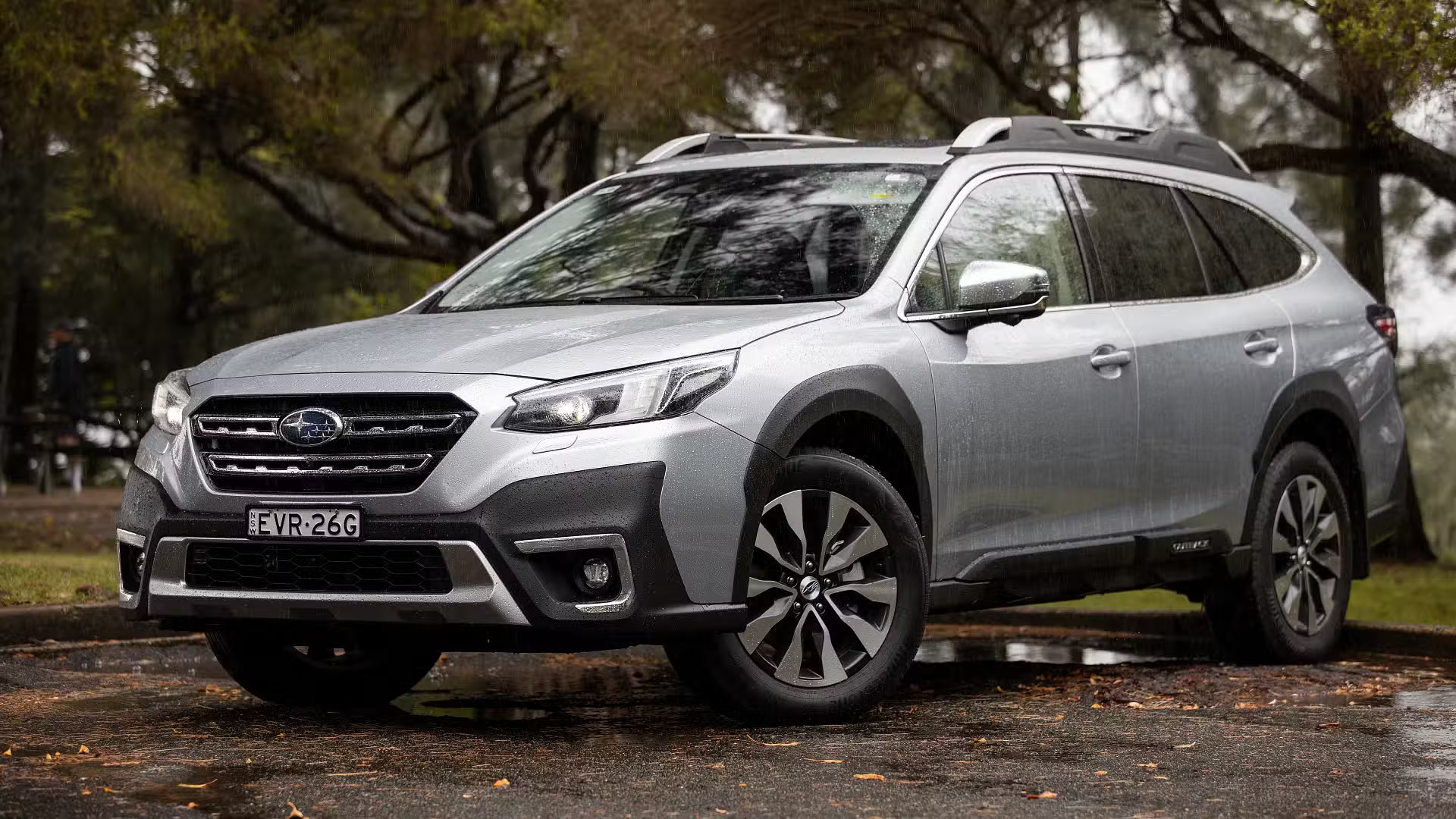
2. 2022 Subaru Outback
The 2022 Subaru Outback is widely regarded as one of the most dependable modern versions of Subaru’s crossover wagon. Automotive reviewers and owners praised the model for its solid construction, reduced mechanical issues, and impressive long-term durability compared to earlier sixth-generation Outbacks.
Cabin insulation was also improved, helping minimize road noise, squeaks, and rattles for a quieter and more refined driving experience. Although some owners reported windshield cracking concerns, the vehicle’s powertrain and standard Symmetrical All-Wheel Drive system proved highly reliable.
Performance comes from two available flat-four engines. The standard 2.5-liter engine produces 182 horsepower and prioritizes fuel efficiency, while the optional turbocharged 2.4-liter engine delivers 260 horsepower and stronger towing capability. Both engines are paired with Subaru’s Lineartronic CVT.
While acceleration from the base engine can feel sluggish and the CVT occasionally hesitant, the Outback performs well in daily driving and light off-road conditions. Standard all-wheel drive and 8.7 inches of ground clearance allow the wagon to confidently handle snow, rain, and rough terrain. Buyers seeking additional off-road capability can choose the Wilderness trim, which adds upgraded suspension, skid plates, and 9.5 inches of ground clearance.
Inside, the Outback emphasizes comfort and practicality. Most trims include heated seats, dual-zone climate control, multiple USB ports, and a large 11.6-inch touchscreen with Apple CarPlay and Android Auto compatibility. Passenger space is generous, especially in the rear seats, while the cargo area provides excellent storage capacity for families and travel.
A strong focus on safety runs throughout the lineup, with Subaru equipping every model with its EyeSight driver-assistance suite. This system brings together adaptive cruise control, lane-keeping assist, forward-collision warning, and automatic emergency braking to support the driver in a wide range of conditions. For added awareness in everyday driving, optional features such as blind-spot monitoring and rear cross-traffic alert provide an extra layer of confidence when changing lanes or reversing.
With its blend of reliability, comfort, safety, and all-weather capability, the 2022 Outback remains an excellent used or family-oriented vehicle choice.
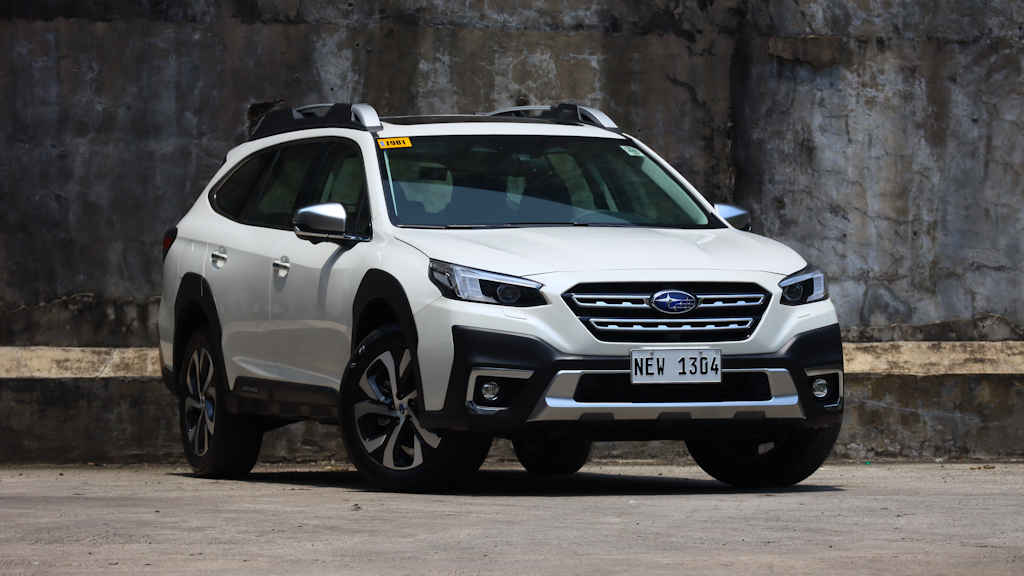
3. 2021 Subaru Outback
The 2021 Subaru Outback builds on the major redesign introduced in 2020 by improving reliability and addressing early software and electrical issues. Many of the initial problems, such as rapid battery drain and touchscreen lag at startup, were reduced or resolved through updates, resulting in a more stable and dependable ownership experience.
Mechanically, the vehicle is considered solid, with both the engine and CVT delivering consistent performance across a wide range of driving conditions. This makes the 2021 model a strong choice for buyers seeking a used wagon with modern features and improved long-term dependability.
Power comes from two flat-four engine options: a 2.5-liter 182-horsepower base engine and an optional 2.4-liter turbocharged engine producing 260 horsepower. Both are paired with a continuously variable transmission and standard all-wheel drive.
While acceleration from the base engine is modest and the CVT can feel unresponsive under hard acceleration, the Outback prioritizes comfort and stability over sportiness. Its 8.7 inches of ground clearance and capable all-wheel-drive system make it well-suited for snow, rain, and light off-road use. The ride is smooth and composed, and highway handling remains predictable and easy to manage.
The interior is designed with everyday comfort and practicality in mind. Standard equipment on most trims includes heated front seats, dual-zone climate control, a power-adjustable driver’s seat, and multiple USB ports for convenience. As you move up the trim levels, the cabin becomes more upscale, offering features like ventilated front seats, heated rear seats, and an upgraded premium sound system. Passenger space is another highlight, with roomy rear seating and a large cargo area that easily accommodates family travel, luggage, and outdoor gear.
Technology is highlighted by Subaru’s large 11.6-inch touchscreen on most trims, featuring Apple CarPlay and Android Auto integration, along with improved usability controls compared to earlier systems.
Safety performance is excellent, with top ratings from both NHTSA and IIHS. Standard EyeSight driver assistance includes adaptive cruise control, lane-keeping assist, forward-collision warning, and automatic emergency braking, with additional optional safety upgrades available.
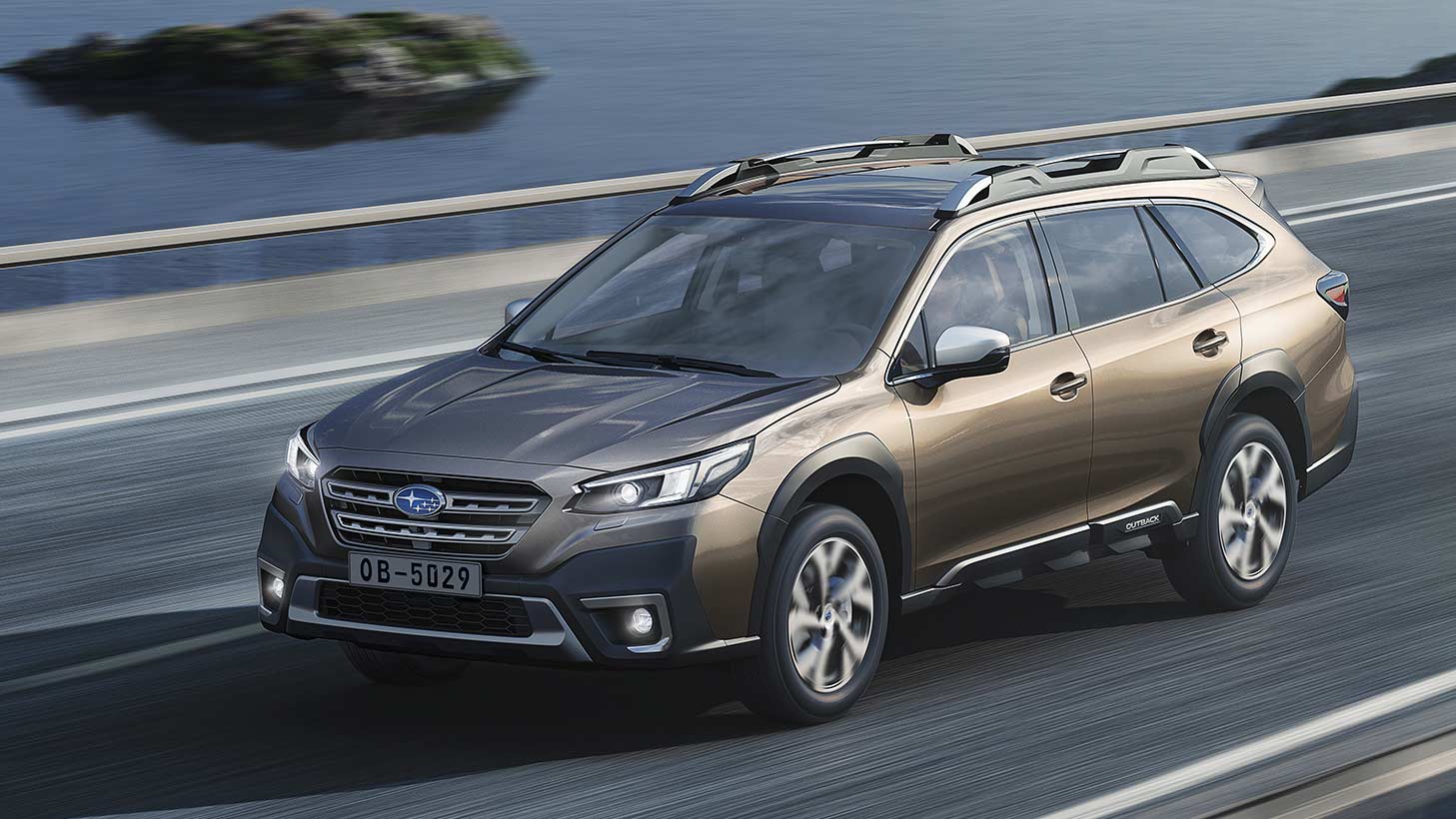
4. 2019 Subaru Outback
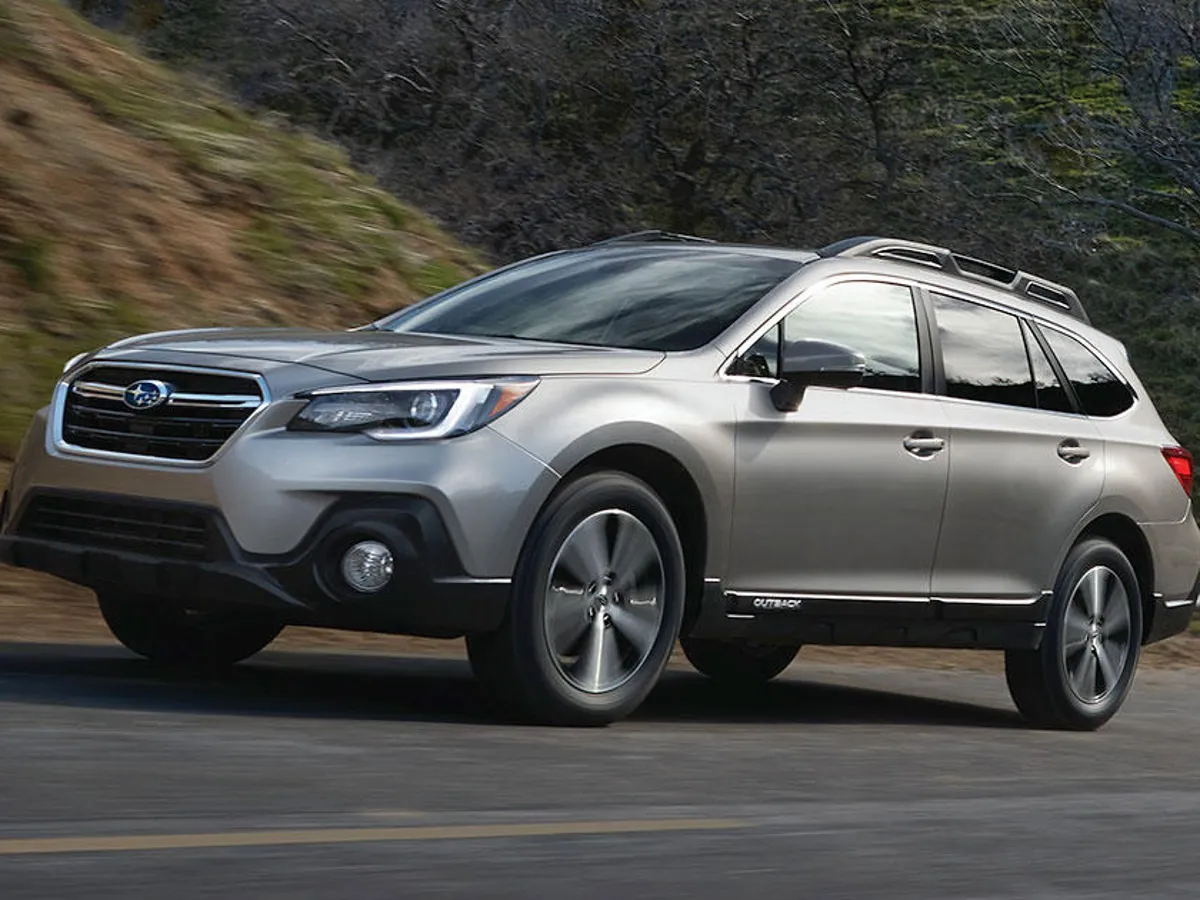
The 2019 Subaru Outback marks the most refined version of the fifth-generation platform, benefiting from years of engineering improvements that eliminated many issues found in earlier Subaru models. By this stage, concerns such as head gasket failures and oil consumption problems had largely been resolved, resulting in a highly durable and mechanically dependable vehicle.
Key components like the suspension, steering system, and drivetrain were also well-proven, contributing to strong long-term reliability. In addition, the infotainment system is more stable and less glitch-prone than newer, more complex setups, making it appealing to drivers who prefer simplicity and physical controls.
Functionally, the Outback blurs the line between wagon and SUV, offering a design that delivers both comfort and utility. Its size and elevated stance give it an SUV-like presence, while still retaining wagon-like efficiency and drivability. The spacious cargo area adds significant practicality, easily accommodating large items and everyday hauling needs, making it well-suited for families and active lifestyles.
The interior prioritizes ease of use and everyday comfort instead of an overcomplicated design. A mix of leather upholstery, wood accents, and an 8-inch infotainment display gives the cabin a refined but approachable feel. Controls are laid out in a simple, logical manner, supported by physical knobs and clearly readable screens that make operation effortless. Combined with strong outward visibility and an elevated seating position, the cabin design helps create a relaxed and confident driving experience.
On the road, the 2019 Outback delivers composed and capable performance, especially in challenging weather conditions. Standard all-wheel drive and available snow tires allow it to handle snow and rough terrain with ease, while still feeling more controlled than most SUVs. The base 2.5-liter engine provides adequate everyday performance, while a more powerful 3.6-liter option is available for stronger acceleration and towing capability.
Safety technology includes Subaru’s EyeSight driver-assistance system, which supports adaptive cruise control, lane-keeping assist, and collision mitigation features, further enhancing its appeal as a practical family vehicle.
Also read: 10 Cars Where Owners Reported Brake Failures Under 30,000 Miles
5. 2017 Subaru Outback
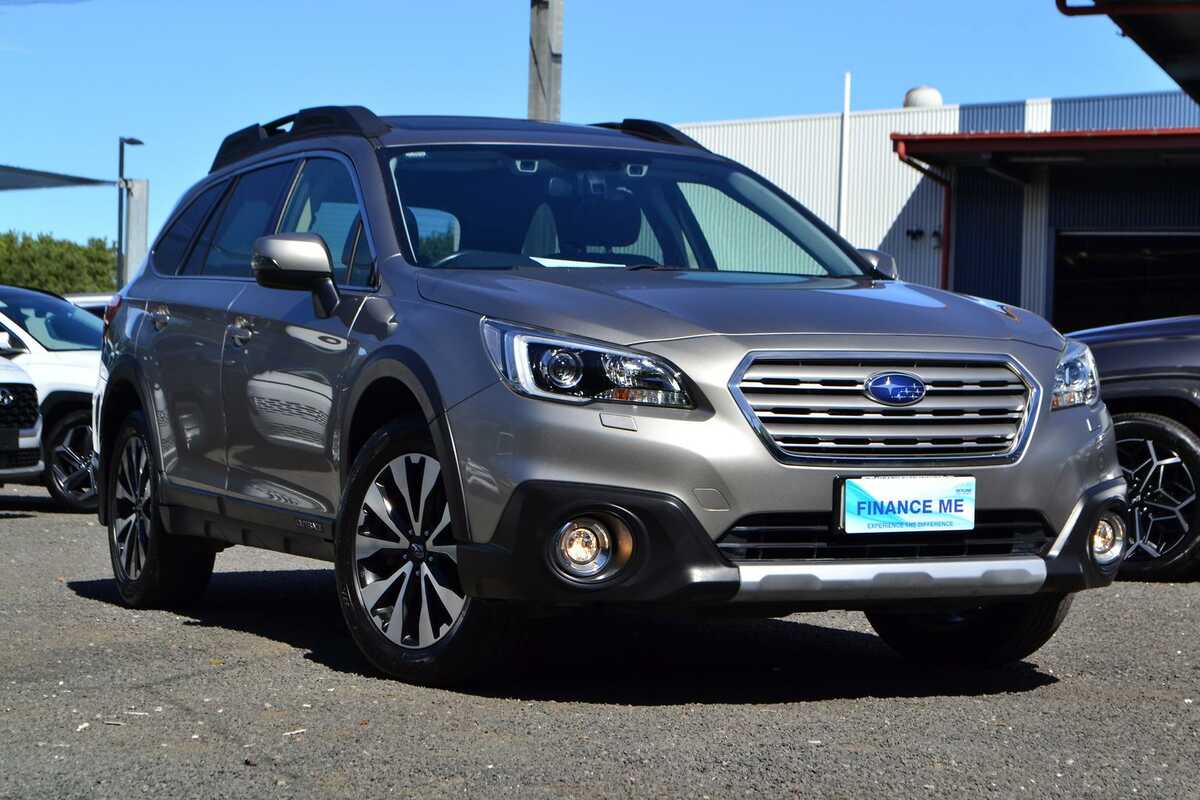
The 2017 Subaru Outback is widely viewed as a practical and affordable crossover wagon that delivers strong long-term value, especially for buyers prioritizing durability over modern tech. Mechanically, both the engine and CVT transmission are known to be reliable, with many examples surpassing 150,000 miles when properly maintained.
However, this model year does have a few known weaknesses, including a factory battery that performs poorly in cold climates and occasional infotainment issues such as frozen or unresponsive screens. Despite these minor electrical concerns, the core engineering remains solid, making it a dependable choice for budget-focused buyers and outdoor use.
Under the hood, the Outback offers two engine options: a base 2.5-liter four-cylinder producing 175 horsepower and a more powerful 3.6-liter six-cylinder delivering 256 horsepower. Both engines use a CVT paired with standard all-wheel drive.
The base engine is adequate but slow, while the six-cylinder provides stronger acceleration at the cost of fuel efficiency. Driving dynamics lean more toward comfort than sportiness, with a smooth ride and stable handling, though steering feedback and grip are limited. This makes it better suited for relaxed commuting and light off-road travel rather than spirited driving.
Inside, the cabin is functional and built with durable materials. Higher trims add more comfort features such as heated seats, leather upholstery, and improved passenger amenities, while lower trims remain basic but usable. Cargo space and interior storage are competitive, making it practical for everyday hauling and travel.
Technology is simple but somewhat outdated. Subaru’s Starlink infotainment system is easy to use and responsive, but lacks modern features like Apple CarPlay and Android Auto. Screen sizes range from 6.2 to 7 inches, depending on trim, and while navigation and satellite radio are available, rear-seat connectivity options are limited.
Safety performance is strong, with good crash test ratings and a reputation for reliability. The 2017 Outback remains a cost-effective option for buyers who value durability and practicality over modern technology.
6. 2014 Subaru Outback
Serving as the final year of the fourth generation, the 2014 Subaru Outback stands out as a budget-conscious option that combines everyday practicality with light off-road ability. By this stage of development, Subaru had already corrected many earlier head gasket issues, resulting in improved long-term reliability.
That said, the 2.5-liter engine may still consume oil at a moderate rate, making regular checks between service intervals important. The early CVT system is another point to consider, as it can develop whining noises or jerky behavior if prior maintenance was neglected. Even with these concerns, examples that have been properly maintained remain dependable choices for buyers focused on value, durability, and versatility.
Where the Outback excels most is in capability. Standard all-wheel drive combined with 8.7 inches of ground clearance allows it to handle snow, dirt roads, and muddy terrain with confidence. It is not intended for extreme off-road use, but it performs reliably for camping trips, mountain driving, and outdoor recreation. Practicality is further supported by a spacious cargo area offering up to 71 cubic feet of storage with the rear seats folded, along with a built-in roof rack system featuring fold-out cross rails for bikes, kayaks, and other gear.
Powertrain choices include a 2.5-liter four-cylinder engine with 173 horsepower and a 3.6-liter six-cylinder producing 256 horsepower. The base engine prioritizes fuel economy, reaching up to 30 mpg on the highway with the CVT, while the manual transmission returns slightly lower efficiency. The six-cylinder provides noticeably stronger acceleration and towing ability, but at the cost of higher fuel consumption. Buyers can choose between a CVT, a six-speed manual, or a five-speed automatic, depending on configuration.
The cabin prioritizes space and everyday functionality, making it well-suited for both commuting and longer journeys. Rear-seat occupants are provided with ample legroom and adjustable seatbacks for added comfort, while the layout supports practical use in daily driving scenarios.
On the downside, the interior makes noticeable use of hard plastics, and stepping up to higher trims does not bring a major improvement in material quality. The infotainment system, particularly in models equipped with navigation, can also feel outdated at times, with occasional lag and inconsistent responsiveness.
Safety performance is a strong point, with excellent crash test ratings and available EyeSight technology offering adaptive cruise control, collision braking, and lane monitoring features.
7. 2013 Subaru Outback
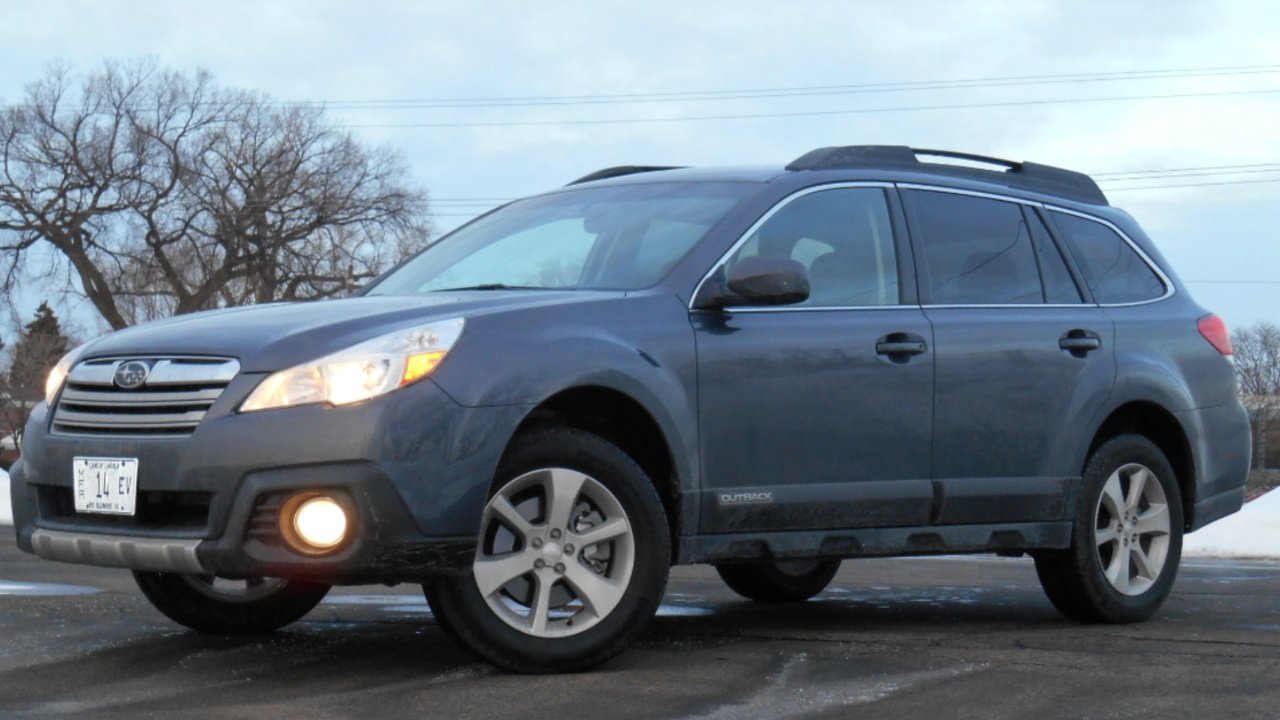
The 2013 Subaru Outback sits near the bottom of Subaru’s reliability rankings for this generation and is generally considered a risky used purchase unless its maintenance history is well documented. The most serious issue involves defective piston rings in the 2.5-liter engine, which can lead to excessive oil consumption and, in severe cases, engine failure.
This model year was also affected by a recall involving the electronic parking brake, along with reports of torque converter problems in the automatic transmission that may cause stalling when stopping. While these concerns are significant, well-maintained or engine-replaced examples can still serve as capable utility vehicles.
Despite its drawbacks, the 2013 Outback remains highly practical. Standard all-wheel drive and 8.7 inches of ground clearance give it strong performance in snow, dirt, and muddy conditions, making it suitable for outdoor and all-weather driving. Its SUV-like capability is paired with wagon-like efficiency, allowing it to function as a versatile family vehicle that bridges multiple segments.
Powertrain options include a revised 2.5-liter four-cylinder engine producing 173 horsepower and a 3.6-liter six-cylinder generating 256 horsepower. The four-cylinder focuses on fuel economy and offers up to 30 mpg on the highway with the CVT, while the manual transmission returns slightly lower figures. The six-cylinder provides smoother and stronger acceleration, but at the cost of significantly reduced fuel efficiency. A CVT, a six-speed manual, and a five-speed automatic are offered depending on configuration.
Inside, the Outback offers generous space for five passengers, with reclining rear seats and strong legroom. Cargo capacity reaches over 71 cubic feet with the rear seats folded, supported by a flexible roof rack system designed for outdoor equipment. However, interior materials include noticeable hard plastics, and infotainment systems feel dated compared to competitors.
Technology highlights include Subaru’s EyeSight driver-assistance system, offering adaptive cruise control, lane-departure warning, and pre-collision braking. While safety ratings remain strong, some testing variability exists depending on configuration.
Driving performance emphasizes stability and confidence rather than sportiness. The Outback handles rough terrain and winter conditions well, though steering feel and grip are modest. It is best suited for practical use rather than spirited driving.
In terms of features, trim levels range from basic to well-equipped Limited models with leather, upgraded audio, and climate options. Pricing remains relatively accessible, making it appealing for buyers who accept its mechanical risks in exchange for capability and space.
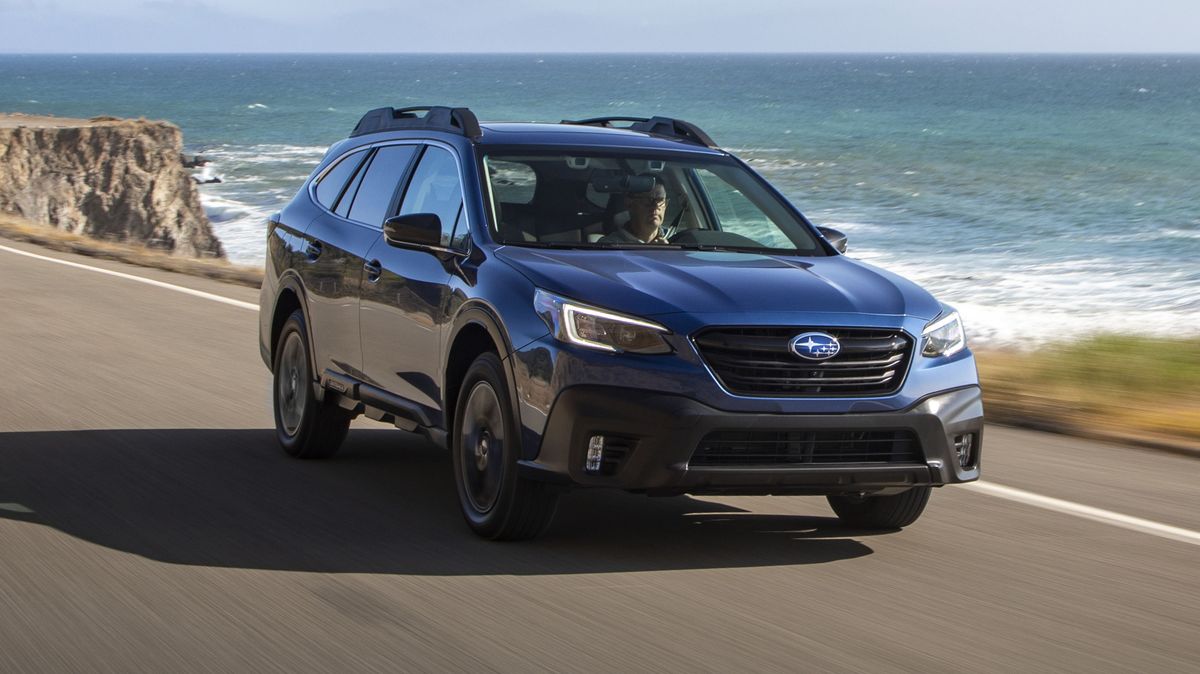
Looking across all seven Subaru Outback model years reveals a clear pattern of gradual improvement in dependability, comfort, and technology. The highest-ranked models stand out for their strong mechanical consistency, advanced safety features, and dependable everyday performance, making them well-suited for families and long-distance driving.
Middle-ranked years deliver a practical balance of capability and value but may include minor issues that require attention over time. The lowest-ranked models present higher risks linked to engine, transmission, or electrical concerns that can increase ownership costs despite lower purchase prices.
Even with these differences, every Outback maintains its core strengths, including standard All Wheel Drive, generous interior space, and strong versatility across different road conditions. For buyers, the most important takeaway is that service history and condition play a major role in long-term satisfaction, and careful selection can make even older models a practical and dependable choice for everyday use.
Also read: 12 Cars With Bulletproof Drivetrains You Can Buy for Peanuts