
German automakers have long mastered the art of blending speed, luxury, practicality, and engineering precision into a single package. While enthusiasts often celebrate iconic performance machines like the BMW M3, Audi RS4, or Mercedes-Benz AMG sedans, an entire class of performance vehicles remains overlooked by mainstream collectors and younger enthusiasts alike.
That class is the German sports wagon. These machines delivered sports car pace with family-friendly practicality, making them some of the most versatile vehicles ever produced. Yet many of the best examples have quietly disappeared from conversations about collectible European performance cars.
Sport wagons occupied a unique niche during the late 1980s, 1990s, and early 2000s. In Europe, wagons represented sensible daily transportation, but German manufacturers understood that practicality did not have to mean boring.
Engineers took powerful engines from sports sedans, paired them with sophisticated suspension systems, advanced All Wheel Drive technology, manual transmissions, and refined interiors, then wrapped everything inside long roof body styles capable of hauling luggage, pets, and entire families. The result was a category of vehicles that could dominate mountain roads during the weekend while handling grocery duty during the week.
Unfortunately, the rise of SUVs and crossovers slowly pushed wagons out of the mainstream market. Many buyers shifted toward taller vehicles despite the superior handling dynamics and lower center of gravity offered by wagons. As a result, several incredible German sport wagons became forgotten gems.
Some were produced in limited numbers, while others were overshadowed by more famous sedans carrying the same badges. Today, these overlooked machines offer a fascinating combination of analog driving feel, practical usability, and increasing collector appeal.
What makes forgotten German sport wagons particularly attractive is their ability to deliver authentic enthusiast experiences at prices often lower than equivalent coupes or sedans.
Many still feature naturally aspirated engines, hydraulic steering systems, mechanical All Wheel Drive setups, and understated styling that avoids unnecessary attention. Unlike modern performance vehicles overloaded with digital interfaces and electronic intervention, these older wagons provide direct communication between driver and machine.
For collectors, enthusiasts, and anyone searching for a practical classic performance car, these forgotten wagons deserve renewed appreciation. Some remain surprisingly affordable, while others have already started climbing in value due to growing recognition among enthusiasts.
Whether you appreciate turbocharged Audi engineering, BMW inline six balance, or the brute force elegance of AMG creations, there is likely a forgotten German sport wagon waiting to be rediscovered. The following six models represent some of the finest examples of this disappearing breed, and each one offers a unique interpretation of high-performance practicality.
Also Read: 9 Best Cars for First-Time Parents
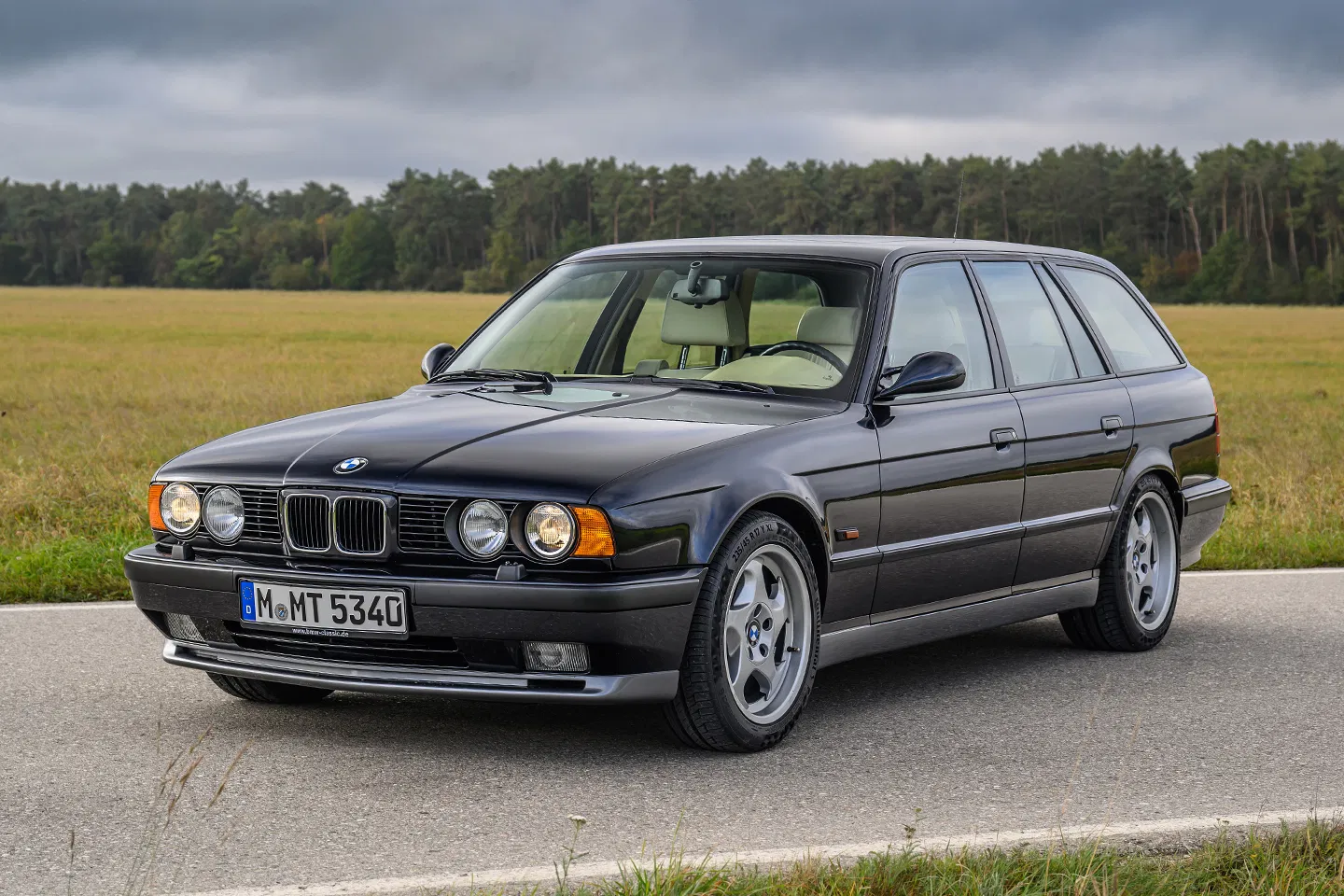
- Engine: 3.8-liter naturally aspirated S38 inline 6
- Horsepower: 340 hp
- Torque: 400 Nm
- Length: approximately 4720 mm
- Width: approximately 1751 mm
1. BMW E34 M5 Touring
The BMW E34 M5 Touring stands as one of the rarest and most desirable sport wagons ever produced by BMW. Built during the early 1990s, this hand-assembled machine combined the practicality of the E34 wagon platform with the high-performance engineering of the legendary M5 sedan.
Unlike many modern performance wagons filled with electronic complexity, the E34 M5 Touring represented a pure analog driving experience powered by one of BMW’s greatest inline six engines.
Under the hood sat the naturally aspirated 3.8-liter S38 inline six engine, producing around 340 horsepower in later versions. This engine traced its roots to BMW’s motorsport programs and delivered a thrilling combination of high-revving character, mechanical sound, and razor-sharp throttle response.
Paired exclusively with a manual transmission, the E34 M5 Touring demanded driver involvement in a way few modern cars can replicate. The engine’s power delivery rewarded enthusiasts willing to explore the upper reaches of the rev range.
Stylistically, the E34 M5 Touring remains understated even by today’s standards. Subtle aerodynamic enhancements, slightly flared wheel arches, and signature M wheels distinguished it from standard wagons without attracting excessive attention. This sleeper appearance became part of the car’s appeal. To most people, it looked like a refined family wagon, yet it possessed genuine high-performance credentials capable of embarrassing sports cars of its era.
Inside, the cabin reflected classic BMW design philosophy focused on driver engagement and ergonomic simplicity. High-quality leather, supportive sport seats, and straightforward analog gauges created a timeless atmosphere free from unnecessary distractions.
Owners appreciated the spacious cargo area and rear seat practicality while still enjoying one of the finest chassis balances ever developed by BMW’s M division.
Production numbers remained extremely limited, particularly because the E34 M5 Touring was never officially sold in certain major markets, including the United States. This rarity has transformed the car into a prized collector’s item among BMW enthusiasts.
Values have steadily increased as appreciation for analog performance cars grows worldwide. For enthusiasts seeking a truly special combination of practicality, exclusivity, and motorsport heritage, the E34 M5 Touring represents one of the most compelling forgotten German sport wagons ever built.
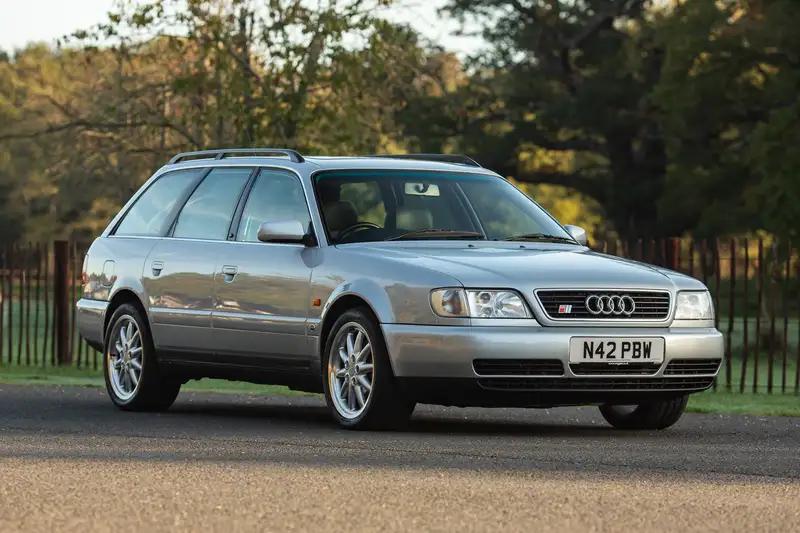
- Engine: 2.2 liter turbocharged inline 5 cylinder (AAN)
- Horsepower: 227 hp
- Torque: 350 Nm
- Length: approximately 4790 mm
- Width: approximately 1780 mm
2. Audi C4 S6 Avant
Before Audi transformed the RS badge into a globally recognized performance icon, the company produced one of the most underrated fast wagons in automotive history: the C4 S6 Avant. Introduced during the mid-1990s, this wagon carried forward Audi’s rally-inspired engineering philosophy and showcased the effectiveness of Quattro All Wheel Drive technology in a practical package.
At the heart of the C4 S6 Avant was Audi’s legendary turbocharged inline five-cylinder engine. The 2.2-liter powerplant generated around 227 horsepower and delivered immense tuning potential.
What truly set the engine apart was its unmistakable sound. The uneven firing order produced a deep, warbling exhaust note directly connected to Audi’s rally racing heritage from the Group B era. Enthusiasts still regard this engine as one of Audi’s greatest achievements.
The Quattro All Wheel Drive system transformed the wagon into an all-weather performance machine capable of handling rain, snow, and rough roads with remarkable confidence.
Unlike Rear Wheel Drive rivals that could become unpredictable in poor conditions, the S6 Avant maintained composure and traction year-round. This practicality made it especially appealing in European markets where changing weather conditions demanded versatility.
The exterior design balanced muscular presence with conservative elegance. Wide stance proportions, subtle body cladding, and clean lines gave the wagon a purposeful appearance without relying on oversized spoilers or aggressive styling gimmicks. Even decades later, the C4 S6 Avant looks mature and sophisticated compared to many modern performance vehicles that prioritize visual drama over timeless design.
Inside, Audi delivered exceptional build quality and comfort. The seats offered long-distance support, while the cabin materials demonstrated the durability for which older Audis became famous. Owners frequently praise these cars for their ability to accumulate massive mileage while remaining mechanically solid when properly maintained. The spacious cargo area further reinforced the wagon’s usability credentials.
Although overshadowed today by later RS models, the C4 S6 Avant deserves recognition as one of the foundational German performance wagons. Its turbocharged character, rally-inspired engineering, and understated styling make it deeply appealing to enthusiasts searching for something different from the usual BMW and Mercedes offerings.
As appreciation for analog turbocharged performance cars continues to rise, the C4 S6 Avant has started earning the respect it always deserved.
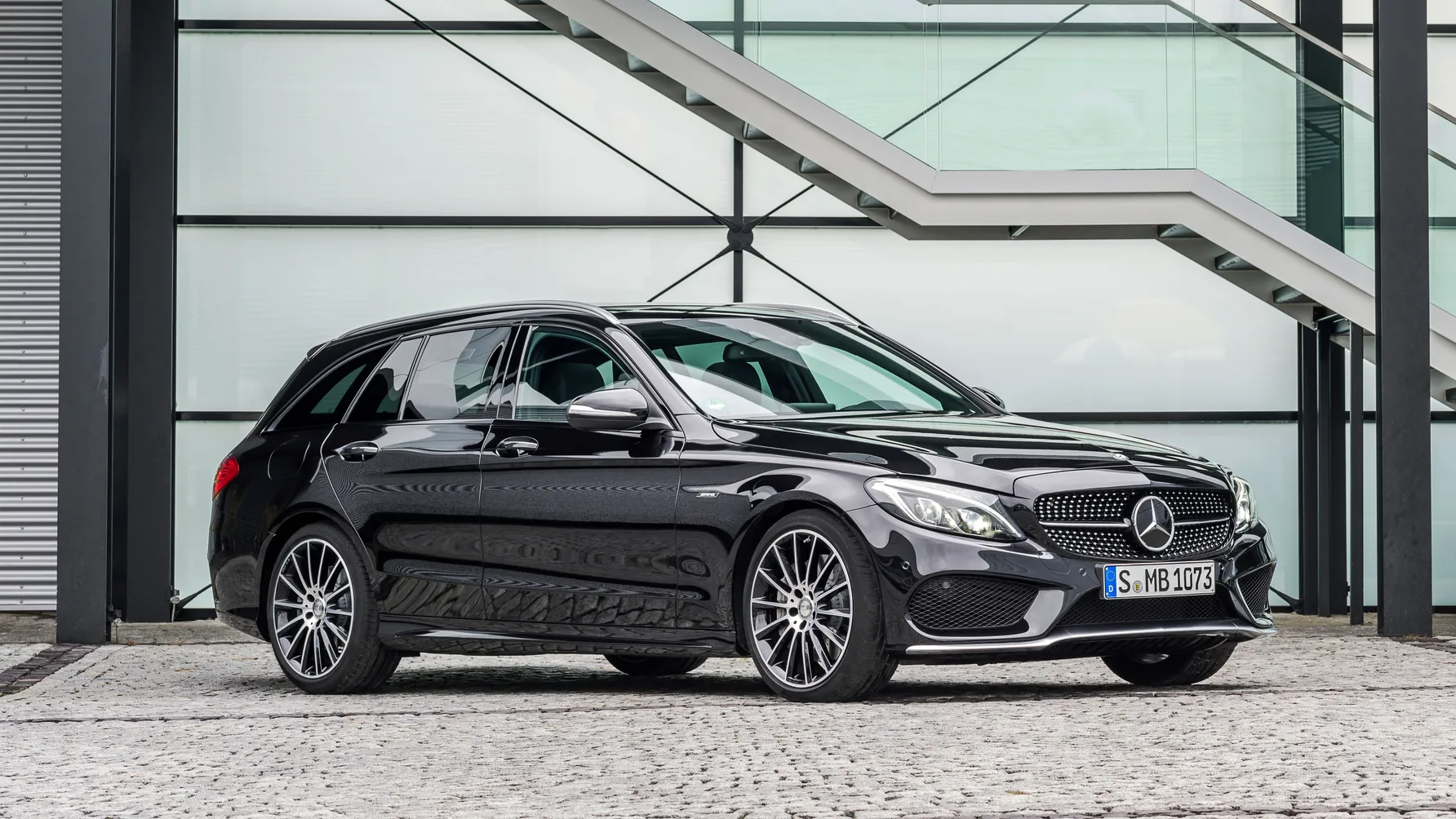
- Engine: 4.3-liter naturally aspirated V8 (M113)
- Horsepower: 302 hp
- Torque: 410 Nm
- Length: approximately 4488 mm
- Width: approximately 1720 mm
3. Mercedes-Benz C43 AMG Wagon
The Mercedes-Benz C43 AMG Wagon remains one of AMG’s most overlooked creations. Produced during the late 1990s, it arrived before AMG evolved into the high-volume performance sub-brand known today. During this era, AMG vehicles retained a hand-built, slightly unpolished character that many enthusiasts now find more authentic and engaging than modern counterparts.
Power came from a naturally aspirated 4.3-liter V8 producing approximately 302 horsepower. The engine delivered effortless torque, deep exhaust rumble, and smooth acceleration that perfectly matched Mercedes-Benz’s luxury philosophy.
Unlike high-revving BMW engines or turbocharged Audi powerplants, the AMG V8 emphasized muscular midrange performance and relaxed confidence. It transformed the compact wagon into a deceptively quick highway cruiser.
One of the most appealing aspects of the C43 AMG Wagon was its sleeper personality. From a distance, it looked remarkably similar to a standard C-Class wagon. Small AMG wheels, subtle badging, and discreet body modifications concealed the performance capabilities underneath. Enthusiasts appreciated this understated approach because it allowed the car to remain elegant while surprising unsuspecting drivers on the road.
The suspension tuning struck a balance between comfort and athleticism. While not as razor-sharp as some BMW rivals, the C43 AMG Wagon excelled as a fast grand touring machine capable of covering long distances effortlessly. The steering retained hydraulic feedback absent in many newer vehicles, while the chassis delivered predictable handling characteristics suitable for daily driving and spirited backroad use alike.
Inside, the cabin reflected traditional Mercedes-Benz craftsmanship. Rich leather upholstery, wood trim, supportive seats, and durable switchgear created an environment focused on comfort and longevity. Even today, well-maintained examples continue to feel solid and refined despite their age. Cargo space and rear passenger accommodation further enhanced the wagon’s practicality.
Because performance wagons never achieved massive popularity in North America, relatively few C43 AMG Wagons survive today. Many were driven extensively or neglected as used luxury cars depreciated.
However, collector interest has recently increased as enthusiasts rediscover older AMG models featuring naturally aspirated engines and analog driving dynamics. The C43 AMG Wagon now represents a unique opportunity to own a practical V8-powered German performance car with genuine character and growing collector appeal.
Also Read: 10 Cars That Are Still Being Driven After 2 Decades
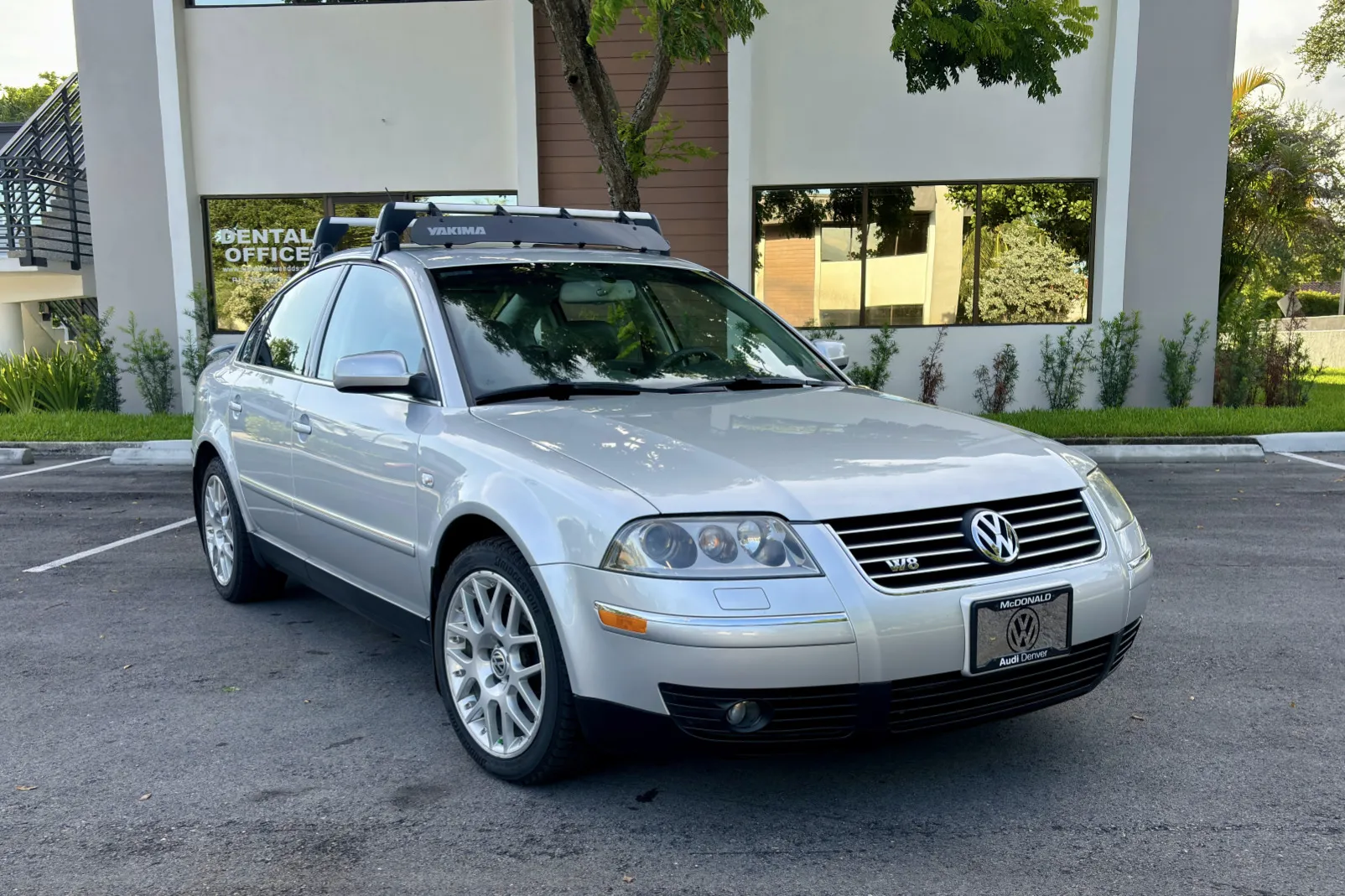
- Engine: 4.0-liter W8 naturally aspirated
- Horsepower: 270 hp
- Torque: 370 Nm
- Length: approximately 4703 mm
- Width: approximately 1740 mm
4. Volkswagen Passat W8
The Volkswagen Passat W8 Variant occupies a fascinating place in German automotive history because it represented one of Volkswagen’s boldest engineering experiments. Introduced during the early 2000s, the W8 Variant attempted to push the Passat into near luxury territory by equipping it with an extremely unusual engine configuration rarely seen outside exotic vehicles.
The centerpiece was the compact 4.0-liter W8 engine producing around 270 horsepower. Essentially combining two narrow-angle VR4 engines into a single package, the W8 delivered smooth power delivery and a unique exhaust sound unlike traditional V8s.
The engine allowed Volkswagen engineers to fit eight cylinders into a relatively compact engine bay while maintaining All Wheel Drive compatibility. Even today, the W8 remains one of the most technically intriguing production engines ever developed by Volkswagen.
Performance was respectable for its time, especially considering the wagon’s understated appearance. The 4MOTION All Wheel Drive system provided strong traction and year-round usability, while the engine’s broad torque curve made highway driving effortless.
Buyers could choose between automatic and manual transmissions, though manual examples have become especially desirable among enthusiasts due to their rarity.
Visually, the Passat W8 Variant avoided excessive styling flourishes. Minor body enhancements, dual exhaust outlets, and subtle badging differentiated it from ordinary Passat wagons. This restrained design philosophy allowed the car to fly under the radar while delivering a surprisingly upscale driving experience. It embodied the concept of a true sleeper vehicle.
Inside, the cabin featured high-quality materials and an elegant design that exceeded expectations for a mainstream Volkswagen product. Soft touch surfaces, comfortable seating, and solid assembly quality gave the W8 Variant a premium atmosphere approaching entry-level Audi territory. The spacious interior and practical cargo area further enhanced its versatility as an everyday performance wagon.
Despite its engineering ambition, the W8 Variant struggled commercially. The engine’s complexity, relatively high fuel consumption, and premium pricing limited its mainstream appeal. However, these same factors have made surviving examples increasingly interesting to collectors and enthusiasts today.
The W8 Variant represents a rare moment when Volkswagen pursued ambitious engineering simply because it could. For enthusiasts who appreciate unusual mechanical designs and understated performance, the Passat W8 Variant remains one of the most forgotten yet fascinating German sport wagons ever built.
- Engine: 2.7-liter twin-turbocharged V6 (APB/BEL)
- Horsepower: 250 hp
- Torque: 350 Nm
- Length: approximately 4510 mm
- Width: approximately 1740 mm
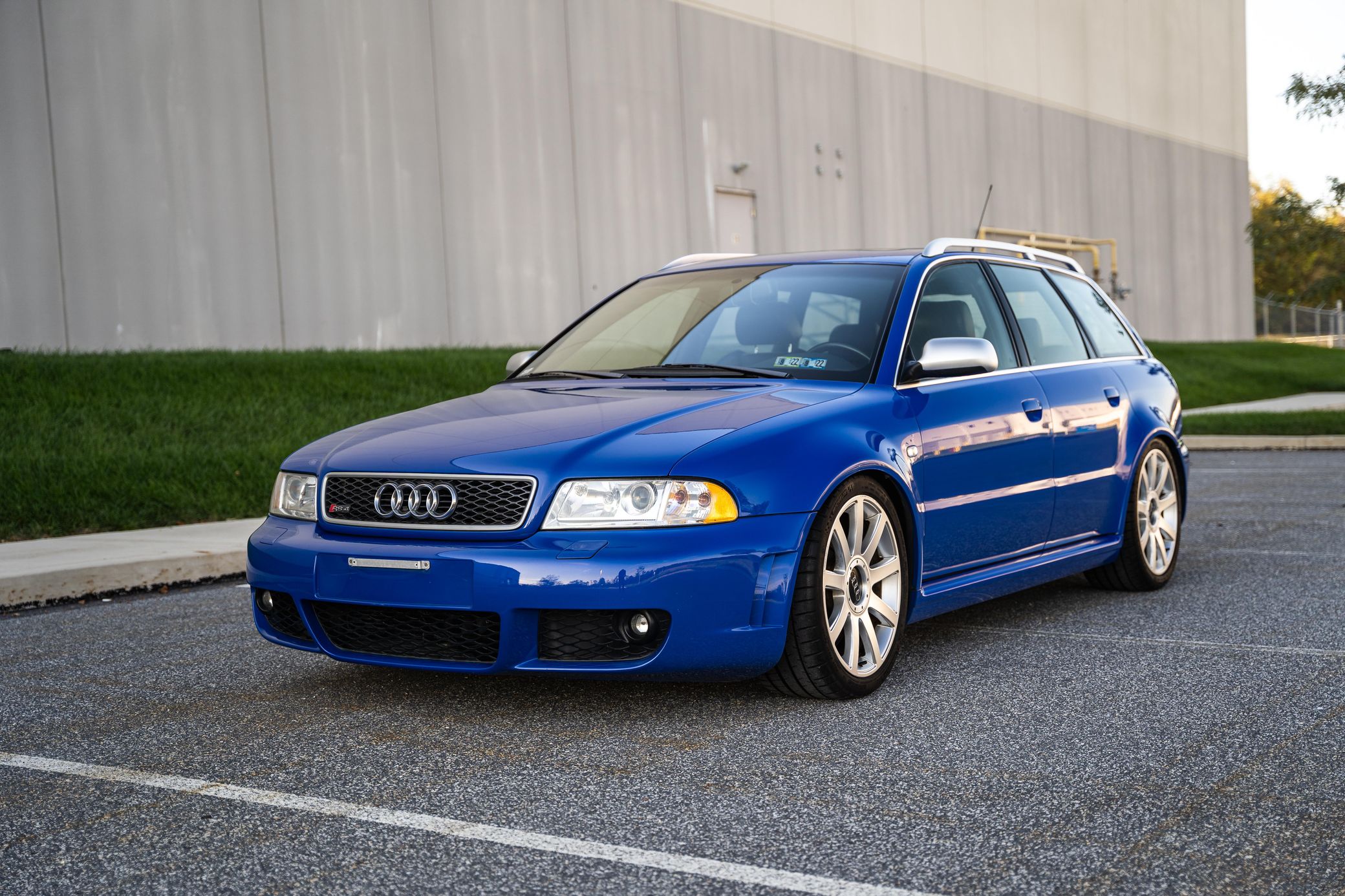
5. Audi B5 S4 Avant
The Audi B5 S4 Avant has quietly become one of the most respected modern classic performance wagons among enthusiasts who value tuning potential and analog turbocharged performance. Released in the late 1990s, the B5 S4 Avant combined compact dimensions, Quattro All Wheel Drive, and twin turbocharged power into a highly versatile package.
Its defining feature was the 2.7-liter twin turbocharged V6 engine producing approximately 250 horsepower from the factory. While those numbers may seem modest today, the engine became legendary for its tuning capability.
Simple modifications could unlock massive performance gains, turning the wagon into a genuine high-performance machine capable of competing with much newer sports cars. This adaptability helped the B5 S4 Avant develop a cult following within the tuning community.
Quattro All Wheel Drive played a major role in the wagon’s appeal. The system delivered exceptional traction and stability in all weather conditions, making the car equally capable during snowy winters and aggressive canyon driving. Combined with a relatively lightweight platform and balanced chassis, the B5 S4 Avant offered engaging handling characteristics without sacrificing practicality.
The exterior styling remains attractive decades later thanks to Audi’s restrained design language. Flared arches, aluminum mirror caps, and subtle body enhancements created a purposeful appearance without unnecessary aggression. Unlike some modern performance vehicles that rely heavily on oversized grilles and exaggerated styling, the B5 S4 Avant achieved elegance through simplicity.
Inside, the cabin reflected Audi’s growing reputation for interior quality during the late 1990s. Supportive sport seats, intuitive controls, and solid construction contributed to a premium driving environment. The wagon body style provided excellent cargo capacity and rear seat functionality, making it suitable for family use while still satisfying enthusiast desires.
Today, finding unmodified or well-maintained examples has become increasingly difficult. Many B5 S4 Avants experienced heavy tuning, aggressive driving, or deferred maintenance during their years as affordable used performance cars.
However, clean survivors have begun appreciating significantly as enthusiasts recognize their importance in Audi’s performance history. The B5 S4 Avant successfully combined turbocharged excitement, everyday practicality, and understated style into a package that now feels refreshingly mechanical compared to modern digital performance vehicles.
- Engine: 3.6-liter twin-turbocharged inline 6
- Horsepower: 377 hp
- Torque: 568 Nm
- Length: approximately 4900 mm
- Width: approximately 1760 mm
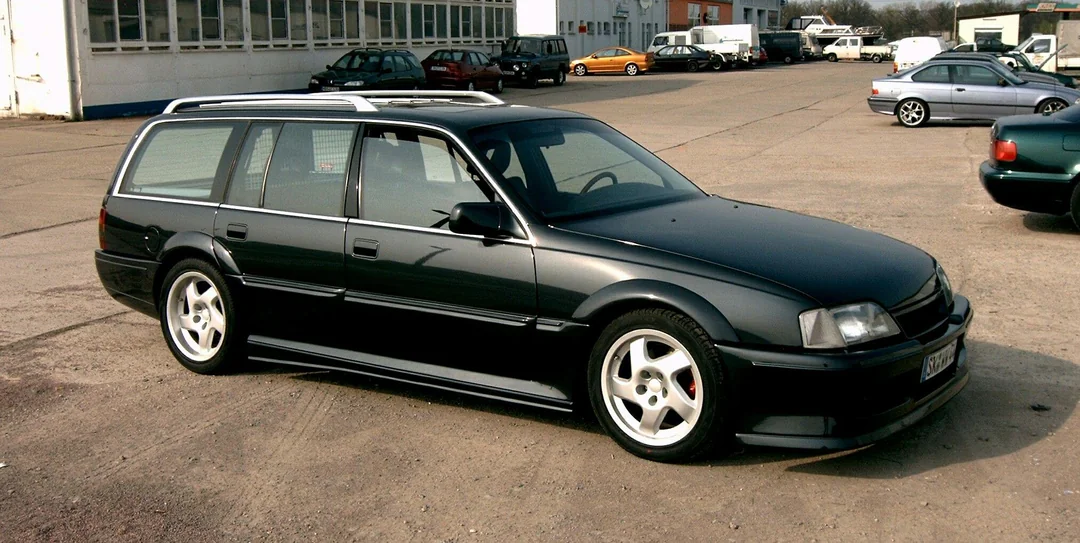
6. Opel Omega Lotus Carlton Wagon
Although technically not a factory production wagon in the traditional sense, the Opel Omega Lotus Carlton wagon conversions deserve recognition because they represent one of the wildest interpretations of the German performance wagon concept ever created.
The original Lotus Carlton sedan shocked the automotive world during the early 1990s with supercar-level performance hidden inside an ordinary executive sedan body. A small number of enthusiasts later transformed Omega wagons using Carlton mechanical components, creating unofficial but astonishingly capable long-roof monsters.
The heart of the Lotus Carlton formula was a twin-turbocharged 3.6-liter inline six engine producing approximately 377 horsepower. At the time, this output allowed the sedan to exceed 170 miles per hour, making it one of the fastest four-door production cars in the world. Applying this mechanical package to a wagon body created an absurdly practical vehicle with genuine supercar performance credentials.
These conversions retained the aggressive mechanical upgrades developed by Lotus engineers, including reinforced transmissions, upgraded brakes, revised suspension geometry, and wider bodywork.
The resulting wagons possessed astonishing acceleration and high-speed stability while still offering large cargo areas and rear passenger space. Few vehicles better embodied the concept of excessive practicality combined with outrageous performance.
Visually, the converted wagons looked menacing yet strangely subtle. Enlarged wheels, flared arches, lowered suspension, and discreet aerodynamic additions hinted at the car’s capabilities without becoming cartoonish. For knowledgeable enthusiasts, spotting one on the road became an unforgettable experience because of their extreme rarity and historical significance.
Inside, the cabins generally retained much of the Omega’s executive car comfort while incorporating sportier details inspired by the Lotus Carlton sedan. Leather seating, analog instrumentation, and spacious accommodations made these wagons surprisingly usable despite their immense performance potential. They remained true long-distance cruisers capable of crossing countries at astonishing speeds.
Because official factory wagon versions never existed in significant numbers, these conversions remain extraordinarily rare today. Nevertheless, they symbolize the peak era of European performance excess before stricter regulations and changing market trends softened automotive experimentation.
For hardcore enthusiasts fascinated by obscure high-performance machines, the Lotus Carlton wagon conversions represent perhaps the ultimate forgotten German sport wagon fantasy.
