
Automakers have always looked for creative ways to improve convenience, safety, storage, and passenger comfort. While most drivers focus on horsepower, fuel economy, technology, or styling, there is another fascinating category of automotive design that often goes unnoticed.
Many vehicles come equipped with hidden storage areas and secret compartments that are cleverly integrated directly from the factory. These concealed spaces are not aftermarket modifications or custom additions made by owners.
Instead, they are intentionally designed by manufacturers to maximize utility, protect valuables, or simply add a layer of innovation to the driving experience. Over the years, hidden compartments have appeared in family SUVs, luxury sedans, pickup trucks, and even compact hatchbacks.
Some of these compartments are designed for practical everyday use. Drivers may use them to store wallets, passports, emergency cash, electronics, or important documents. Others are included for organizational purposes, allowing owners to separate tools, charging cables, and roadside equipment from the main cabin.
Certain vehicles also feature hidden underfloor storage systems that make road trips and long-distance travel far more convenient. In luxury vehicles, concealed compartments can enhance cabin aesthetics by hiding clutter and maintaining a clean interior appearance. Pickup trucks often use these secret spaces to improve cargo versatility and provide weather-protected storage for valuable equipment.
The popularity of factory-built hidden compartments increased significantly during the early 2000s when automakers began competing to offer smarter interior packaging and multifunctional cabins.
Minivans and SUVs especially benefited from this trend because buyers wanted practical vehicles capable of handling family life, work duties, and travel needs simultaneously. Engineers responded with fold-flat seats, removable storage bins, hidden floor wells, and even secret dashboard drawers. Some designs became iconic and developed loyal fan followings because owners appreciated the cleverness behind them.
Today, hidden compartments continue to appear in modern vehicles, although they are often more subtle and integrated into digital or modular interior designs. Certain models include hidden trays beneath infotainment screens, storage areas under rear seats, or disguised compartments inside center consoles.
These features can improve organization while also adding a sense of discovery and exclusivity for owners. In some cases, the hidden storage areas are so well concealed that many owners never realize they exist until years after purchasing the vehicle. Automotive enthusiasts frequently share these discoveries online, creating renewed interest in older vehicles with especially creative factory storage solutions.
This article explores eight vehicles that became known for their factory-built secret compartments. Each model demonstrates how automakers combined engineering creativity with practical functionality.
From innovative SUVs to rugged pickup trucks and versatile family cars, these vehicles prove that hidden storage can be both useful and entertaining. Whether you are a car enthusiast, a practical buyer, or simply curious about automotive design, these examples reveal an often overlooked side of vehicle innovation that continues to capture attention around the world.
Also read: 10 Cars Where Owners Reported Brake Failures Under 30,000 Miles
- Engine: 1.5-liter turbocharged inline 4 engine in newer models
- Horsepower: Around 190 hp
- Torque: Around 179 lb ft
- Length: Approximately 184.8 inches
- Width: Approximately 73.5 inches
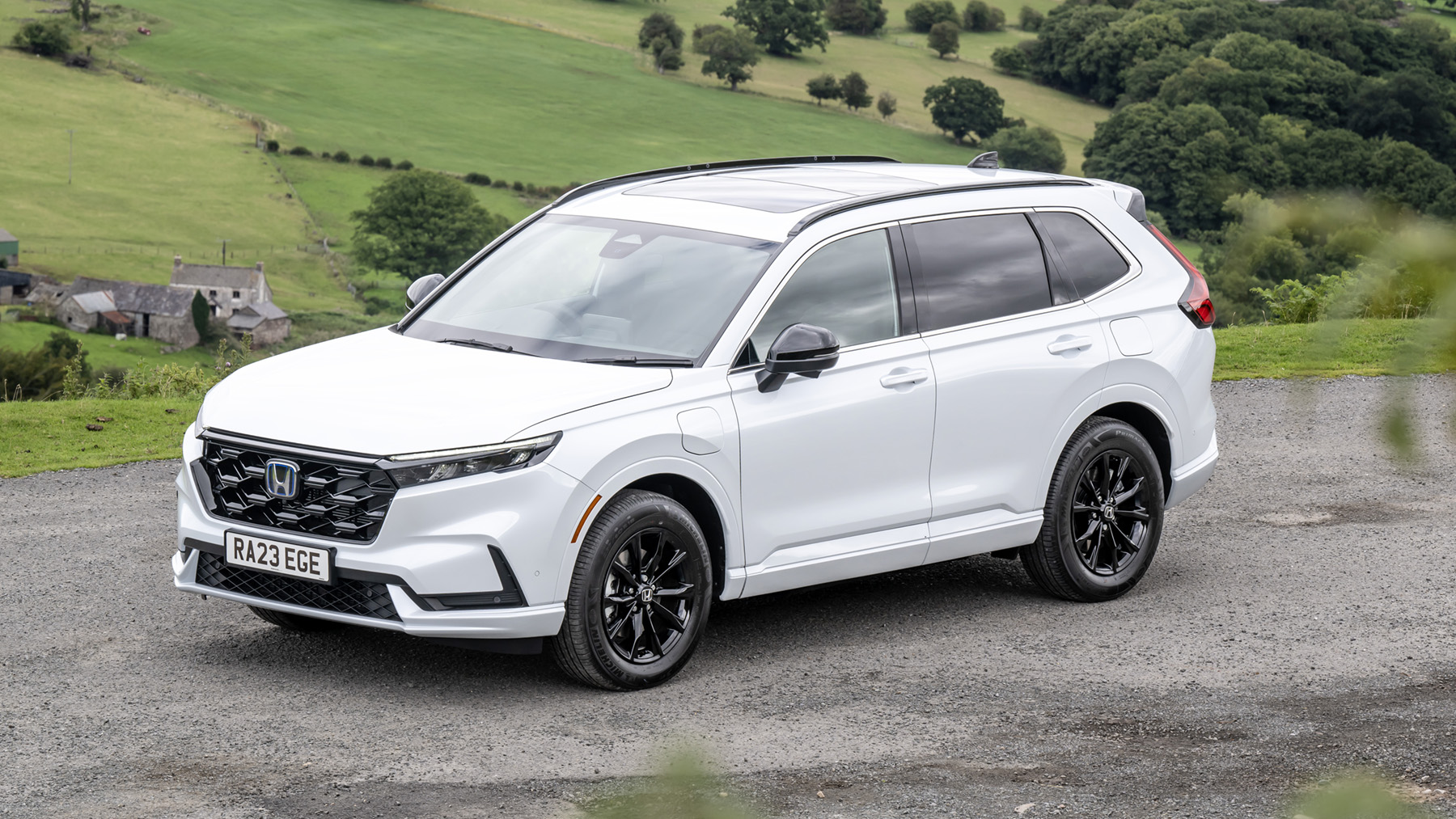
1. Honda CR-V
The Honda CR-V became famous for practicality long before compact SUVs dominated the market. One of the reasons owners appreciated the early generations of the CR V was the presence of hidden and multifunctional storage solutions.
Honda engineers designed the interior with flexibility in mind, and several compartments were cleverly concealed throughout the cabin. These hidden spaces made the CR-V particularly attractive to families, commuters, and travelers who wanted a vehicle capable of carrying both passengers and personal belongings securely.
One of the most memorable hidden features in earlier CR-V models was the removable picnic table stored beneath the rear cargo floor. Many owners initially had no idea the table existed because it blended seamlessly into the trunk area.
The panel could be lifted out and transformed into a functional table for outdoor activities, camping trips, and tailgating events. Underneath the table, additional concealed storage space allowed owners to hide tools, emergency supplies, or valuable items away from plain sight. This combination of practicality and innovation became one of the CR-V’s signature design elements.
Honda also included multiple hidden trays and storage compartments throughout the cabin. Certain generations featured secret compartments under the front seats and within the center console area.
These spaces allowed drivers to organize small electronics, paperwork, sunglasses, and charging accessories without cluttering the visible cabin. Because the compartments were integrated into the design, they maintained the clean and minimalist appearance Honda was known for.
The CR V’s hidden storage features reflected Honda’s broader design philosophy during the late 1990s and early 2000s. Instead of focusing purely on luxury or performance, the company emphasized intelligent engineering and everyday usability. Buyers appreciated vehicles that made life easier without unnecessary complexity.
The hidden storage systems demonstrated attention to detail and gave owners practical solutions for real-world situations such as family road trips, grocery runs, and outdoor adventures.
Even today, automotive enthusiasts frequently discuss the hidden features found in older CR-V models. Many consider the picnic table and concealed cargo area among the most creative factory-built storage ideas ever included in a compact SUV.
While newer CR-V generations focus more heavily on technology and safety systems, the early hidden compartment designs remain an important part of the vehicle’s legacy and continue to influence modern interior packaging strategies.

- Engine: 5.3-liter V8 engine
- Horsepower: Around 320 hp
- Torque: Around 335 lb ft
- Length: Approximately 221.3 inches
- Width: Approximately 79.1 inches
2. Chevrolet Avalanche
The Chevrolet Avalanche stood out immediately because of its unusual combination of SUV comfort and pickup truck utility. Introduced in the early 2000s, the Avalanche featured several factory-built hidden compartments that enhanced both practicality and versatility. General Motors designed the truck for buyers who needed cargo flexibility without sacrificing passenger comfort, and the hidden storage systems played a major role in achieving that goal.
One of the Avalanche’s most impressive hidden features was its integrated side bed storage compartments known as “sail panel storage.” These lockable compartments were built directly into the sides of the truck bed and remained hidden beneath flush-mounted panels.
Owners could store tools, ropes, emergency equipment, or personal belongings securely without using up the main cargo area. Because the compartments were weather-resistant, they provided a safer storage option than leaving items exposed in the open bed.
Another innovative feature was the Midgate system, which allowed the rear wall between the cabin and truck bed to fold down. This created an extended cargo area capable of carrying larger items while still preserving some passenger seating. Hidden storage areas underneath the rear seats further increased utility. Drivers could conceal smaller valuables or equipment inside these compartments while maintaining a clean interior appearance.
The Avalanche appealed to people with active lifestyles who frequently traveled with sports gear, construction tools, camping supplies, or outdoor equipment.
The hidden compartments gave owners the ability to organize their belongings efficiently and keep important items protected from theft or weather conditions. This level of thoughtful engineering helped distinguish the Avalanche from traditional pickup trucks on the market at the time.
Automotive critics often praised the Avalanche for its clever interior and cargo solutions. While some consumers initially questioned its unusual styling, many owners became loyal fans because of the vehicle’s practical innovations. The hidden compartments represented General Motors’ attempt to create a multifunctional vehicle that blended the best qualities of SUVs and trucks into a single package.
Although the Avalanche was eventually discontinued, its hidden storage concepts influenced later truck designs across the industry. Many modern pickups now include lockable bedside compartments, underseat storage bins, and modular cargo systems inspired by ideas popularized by vehicles like the Avalanche.
Its factory-integrated secret compartments remain one of the truck’s most celebrated features and continue to attract appreciation from automotive enthusiasts today.
- Engine: 3.6-liter Pentastar V6 engine
- Horsepower: Around 283 hp
- Torque: Around 260 lb ft
- Length: Approximately 192.4 inches
- Width: Approximately 72.2 inches
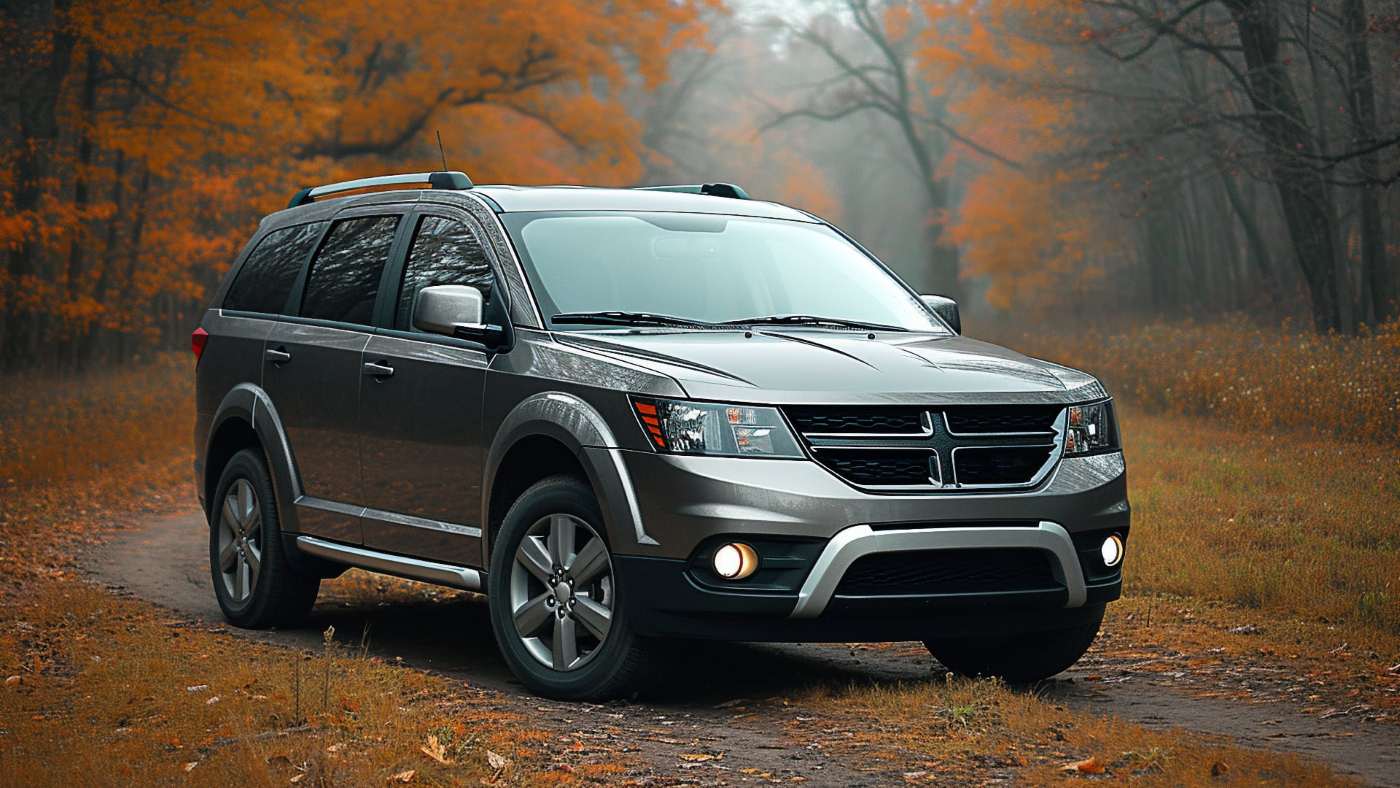
3. Dodge Journey
The Dodge Journey became well known for offering family-friendly practicality at an affordable price. One of its most distinctive features was the large number of hidden storage compartments integrated throughout the vehicle. Dodge marketed the Journey as a versatile crossover suitable for daily commuting, family travel, and long road trips, and the concealed storage spaces helped reinforce that image.
Perhaps the most famous hidden feature in the Dodge Journey was the “Flip ‘n Stow” storage compartment located beneath the front passenger seat.
This hidden area could hold small valuables such as tablets, wallets, paperwork, or electronic devices while keeping them out of sight. The compartment was easy to access yet discreet enough to provide additional security when parked in public areas.
Another standout feature was the hidden floor storage bins located behind the front seats. These compartments were especially useful for families because they could store snacks, toys, emergency supplies, or travel accessories without occupying visible cabin space. Some owners even used them as improvised coolers during road trips because the compartments were removable and easy to clean.
Dodge engineers clearly understood that modern families required flexible storage solutions. The Journey’s cabin featured numerous hidden trays, under-seat compartments, and cleverly designed console spaces that maximized interior usability.
Unlike many vehicles where storage was limited to cup holders and glove boxes, the Journey offered multiple concealed areas that helped reduce clutter and improve organization.
The hidden compartments also contributed to passenger comfort by maintaining a cleaner cabin appearance. Families traveling with children often accumulate large amounts of small items during everyday use, including chargers, snacks, headphones, wipes, and toys.
By integrating hidden storage throughout the interior, Dodge created a more functional environment that simplified travel and reduced visible mess.
- Engine: 3.5-liter EcoBoost V6 engine
- Horsepower: Around 400 hp
- Torque: Around 500 lb ft
- Length: Approximately 231.7 inches
- Width: Approximately 79.9 inches
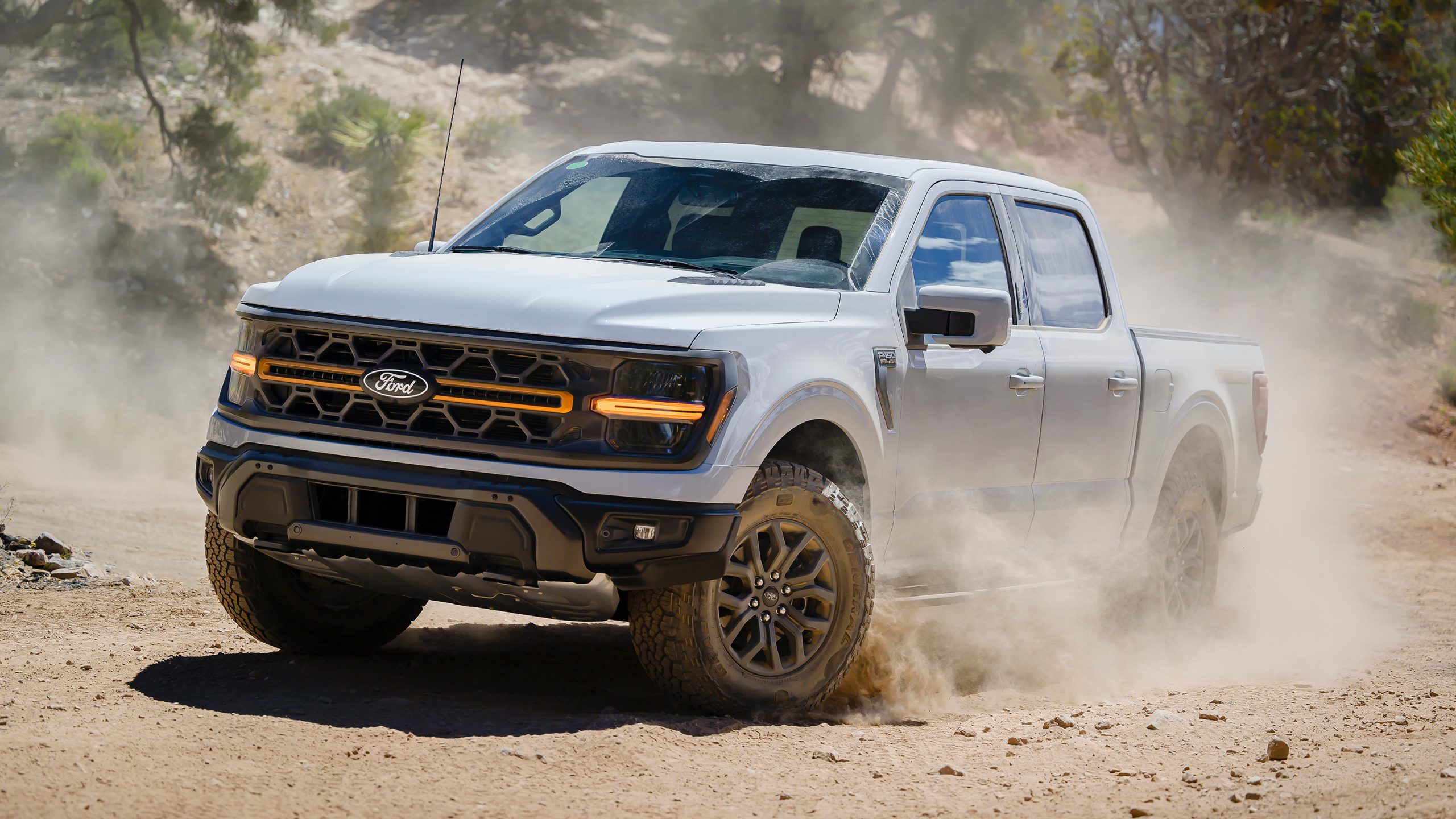
4. Ford F-150
The Ford F-150 has long been one of the most popular pickup trucks in the world, and part of its success comes from constant innovation in practicality and usability.
Over multiple generations, Ford introduced several factory-built hidden compartments and storage systems that transformed the F-150 into more than just a work truck. These features appealed to contractors, outdoor enthusiasts, and everyday drivers alike.
One hidden feature found in certain F-150 models is the lockable underseat rear storage compartment. Built beneath the rear bench seats, this hidden area allows owners to safely store tools, firearms, electronics, or emergency equipment away from public view. The compartment is especially valuable for truck owners who frequently travel with expensive work gear or personal valuables.
Ford also introduced integrated storage solutions within the truck bed itself. Some models include hidden cargo boxes built into the sides of the bed, providing secure storage for smaller items without sacrificing hauling capacity. These compartments are weather-resistant and designed to withstand demanding work environments, making them highly practical for contractors and tradespeople.
Another clever innovation appeared in newer F-150 generations through fold-out work surfaces and hidden console storage systems. Certain center consoles can transform into mobile workstations capable of holding laptops, paperwork, and tools. Hidden compartments within these consoles allow drivers to organize valuables while maintaining a clean and professional cabin appearance.
The practicality of these hidden compartments aligns perfectly with the -150’s reputation as a highly versatile vehicle. Many truck owners use their vehicles for both professional and personal purposes, requiring flexible storage solutions capable of adapting to different situations.
Ford recognized this demand and responded with integrated systems that improved convenience without compromising durability.
Today, hidden storage remains an important selling point for modern F-150 models. Buyers increasingly expect trucks to serve as mobile offices, family vehicles, and adventure machines simultaneously.
Ford’s factory integrated compartments demonstrate how pickup trucks have evolved far beyond simple cargo haulers into sophisticated multifunctional vehicles capable of meeting a wide range of modern lifestyle needs.
- Engine: 3.6-liter Pentastar V6 engine
- Horsepower: Around 287 hp
- Torque: Around 262 lb ft
- Length: Approximately 204.3 inches
- Width: Approximately 79.6 inches
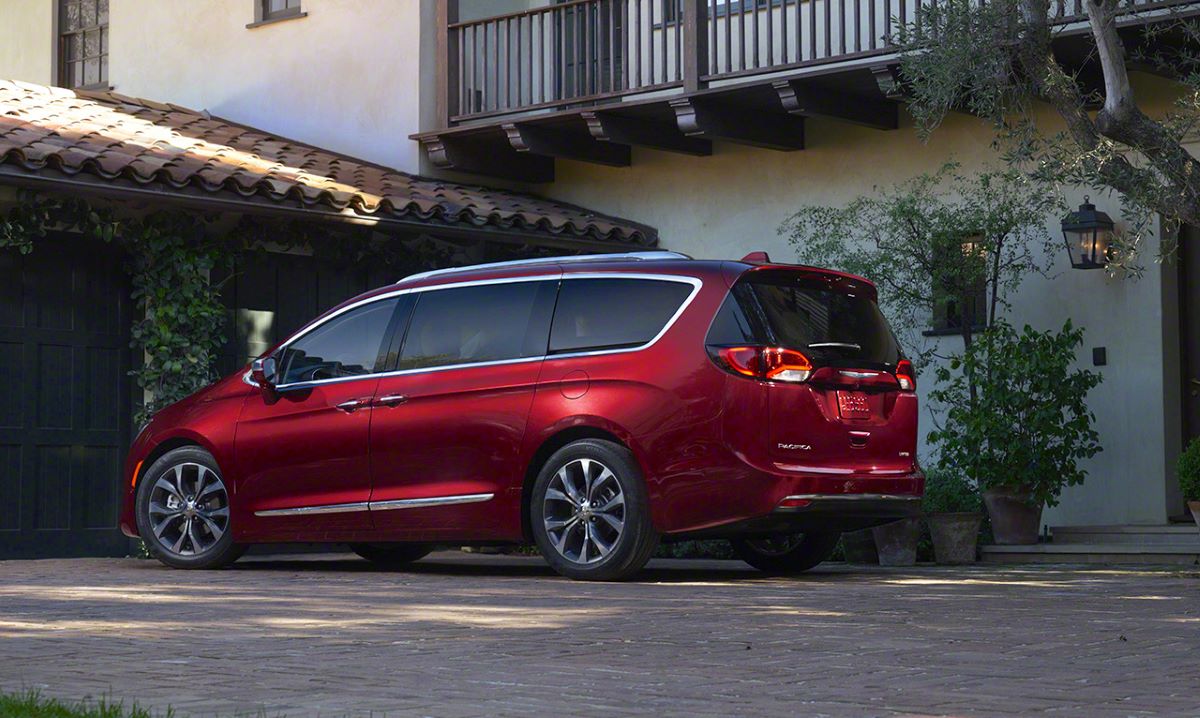
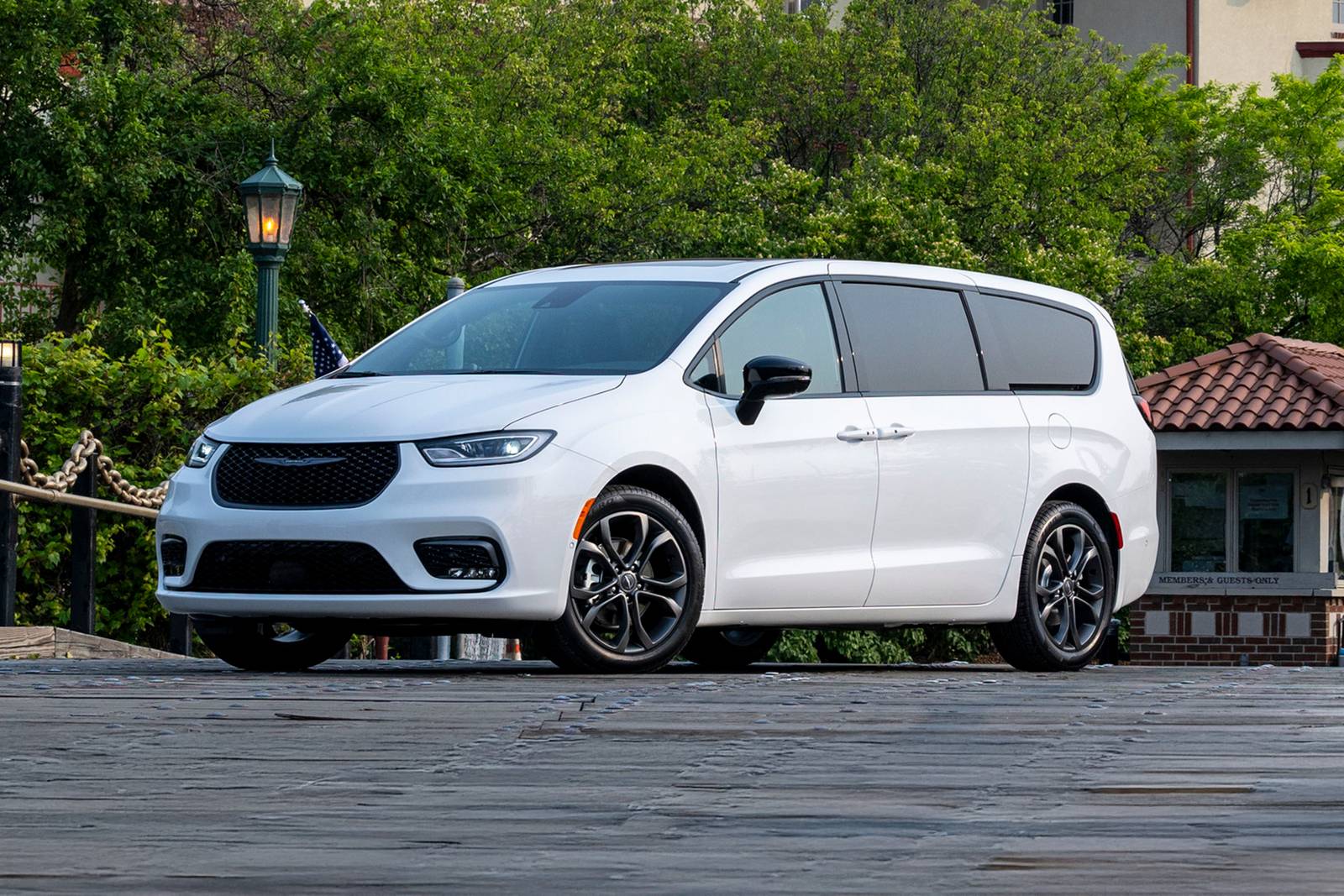
5. Chrysler Pacifica
The Chrysler Pacifica is widely recognized as one of the most innovative family minivans ever produced. Its hidden storage systems helped redefine what consumers expected from a family vehicle. Chrysler focused heavily on maximizing interior flexibility, and the Pacifica’s concealed compartments became some of the most practical features available in the minivan segment.
The most famous hidden feature in the Pacifica is the Stow ‘n Go seating system. While technically designed for seat storage, the large floor wells created by the folding seats also function as hidden cargo compartments when the seats are upright.
Owners can store backpacks, groceries, sports equipment, emergency supplies, and valuables beneath the floor while keeping the cabin uncluttered.
Families especially appreciate these hidden storage areas during long trips because they allow quick access to important items without overloading visible cabin space. Parents can store toys, snacks, blankets, or travel accessories out of sight yet within easy reach. The hidden compartments also improve security by preventing valuable belongings from being visible through the windows.
Chrysler further enhanced practicality by adding numerous concealed trays and bins throughout the interior. Some Pacifica models include hidden console drawers, underfloor cargo storage, and removable organizers that increase flexibility for different family needs. The result is an exceptionally adaptable cabin capable of handling everything from school transportation to vacation travel.
The Pacifica’s hidden storage systems also contribute to a more refined interior appearance. Minivans often struggle with clutter because families carry numerous items daily. By integrating concealed compartments directly into the vehicle’s architecture, Chrysler created a cleaner and more organized environment that improves passenger comfort and convenience.
Automotive reviewers frequently praise the Pacifica for its intelligent packaging and user-friendly design. The hidden compartments demonstrate how thoughtful engineering can significantly improve everyday vehicle ownership.
Even competitors have adopted similar storage concepts in response to the Pacifica’s popularity, proving the lasting influence of Chrysler’s innovative approach to interior functionality.
Also read: 5 Cars That’ll Cost You Under $400/Month
- Engine: 3.5-liter V6 engine
- Horsepower: Around 278 hp
- Torque: Around 265 lb ft
- Length: Approximately 212.3 inches
- Width: Approximately 75.2 inches
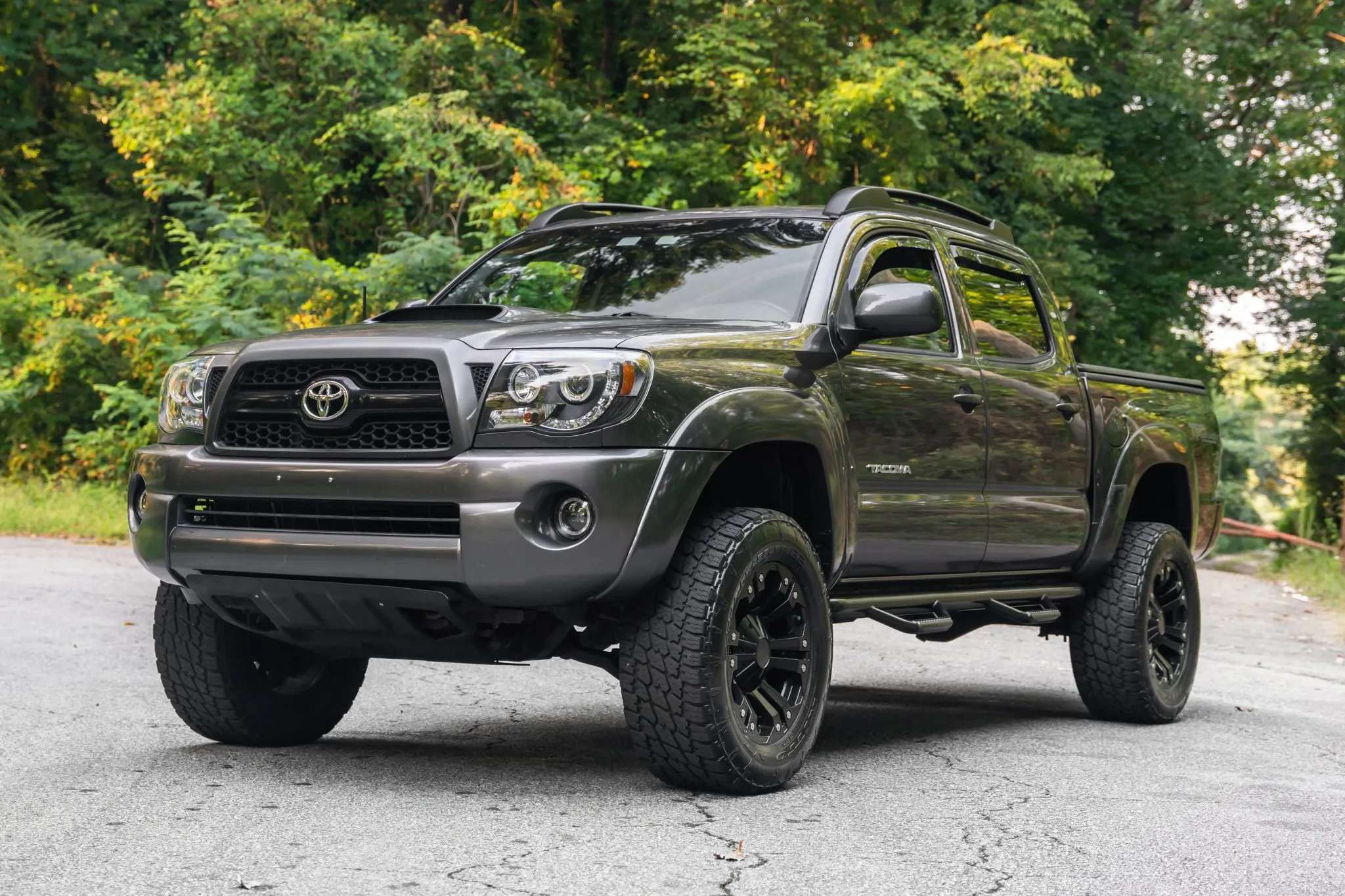
6. Toyota Tacoma
The Toyota Tacoma has developed a reputation for durability, off-road capability, and practicality. Hidden compartments and integrated storage solutions have played an important role in the truck’s appeal, especially among outdoor enthusiasts and adventure travelers. Toyota designed the Tacoma to handle demanding environments while providing drivers with secure and organized storage options.
One of Tacoma’s most useful hidden features is the lockable storage compartment integrated into the truck bed. Positioned discreetly within the bed walls or floor, depending on the generation, these compartments allow owners to secure tools, recovery gear, camping equipment, or valuables during travel. Because the compartments are weather-resistant, they protect contents from rain, dirt, and dust during off-road adventures.
Inside the cabin, Toyota included hidden storage areas beneath rear seats and within center consoles. These concealed spaces are ideal for storing emergency kits, electronics, navigation equipment, or personal belongings. Many Tacoma owners appreciate the ability to keep valuable items hidden while traveling through remote areas or crowded urban environments.
The Tacoma’s hidden compartments are particularly valuable for people who use their trucks for outdoor recreation. Campers, hikers, surfers, and overlanding enthusiasts often carry expensive gear that requires secure storage. By integrating concealed compartments directly into the vehicle, Toyota improved both organization and security without sacrificing passenger comfort or cargo space.
Toyota’s reputation for reliability also enhances the appeal of these storage systems. Owners trust the Tacoma to perform consistently in harsh conditions, and the hidden compartments are designed with similar durability standards. Strong materials, weather sealing, and practical layouts ensure that the storage areas remain functional over many years of heavy use.
The popularity of the Tacoma among adventure-focused buyers continues to grow, and hidden storage remains a significant part of its practicality.
Modern truck buyers increasingly expect multifunctional interiors and secure cargo solutions, especially when traveling long distances or exploring remote environments. Toyota’s thoughtful integration of hidden compartments helps the Tacoma maintain its status as one of the most respected midsize trucks on the market.
- Engine: 3.6-liter Pentastar V6 engine
- Horsepower: Around 293 hp
- Torque: Around 260 lb ft
- Length: Approximately 193.5 inches
- Width: Approximately 77.5 inches
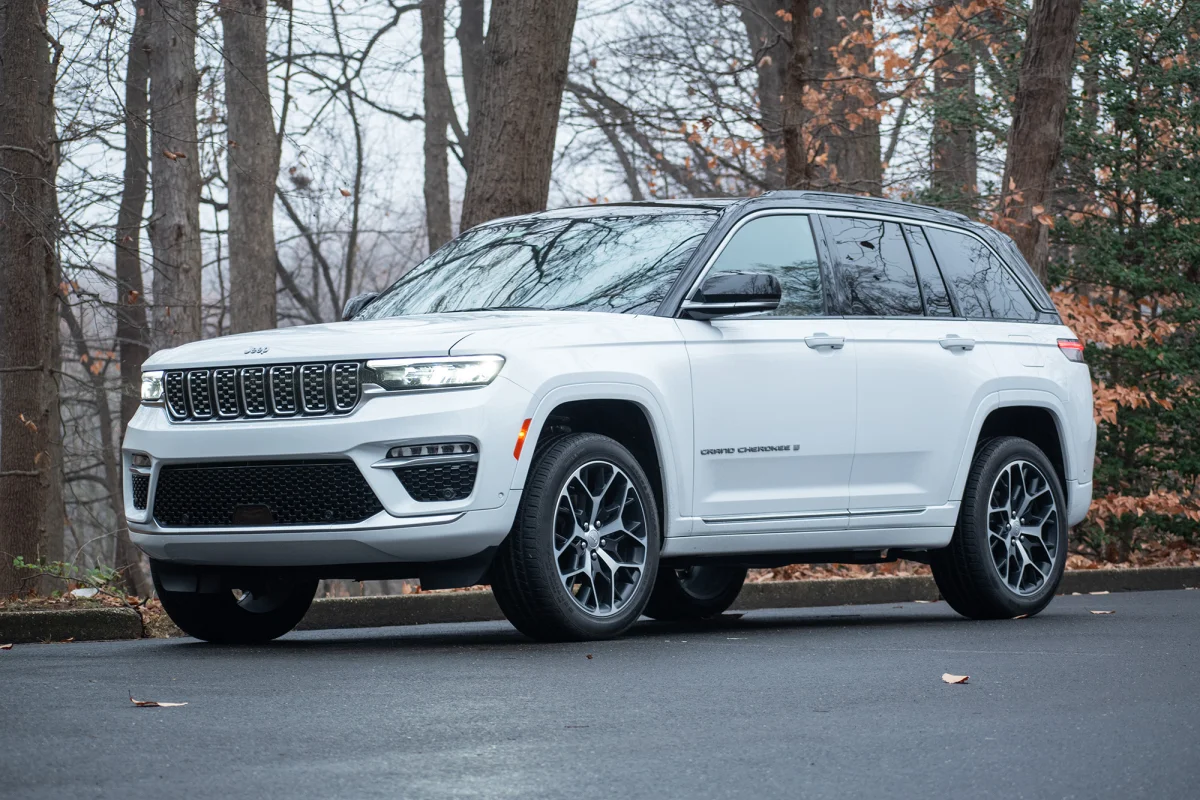
7. Jeep Grand Cherokee
The Jeep Grand Cherokee combines luxury, off-road capability, and practicality in a way few SUVs can match. Hidden compartments have long been part of its interior design philosophy, giving owners secure and discreet storage options suitable for both urban and outdoor environments.
Jeep understood that Grand Cherokee buyers often needed vehicles capable of handling adventure while still providing premium comfort and convenience.
Several generations of the Grand Cherokee featured hidden underfloor cargo storage areas in the rear trunk space. These concealed compartments allow owners to store valuables, emergency supplies, recovery gear, or travel accessories beneath the visible cargo floor. Because the storage areas remain hidden from outside view, they offer additional protection against theft during travel.
Inside the cabin, Jeep incorporated hidden console storage, underseat compartments, and cleverly designed trays that maximize interior functionality. Luxury trims especially focused on maintaining a clean and sophisticated appearance by minimizing visible clutter. Hidden compartments allowed owners to organize electronics, documents, and personal items discreetly while preserving the upscale cabin atmosphere.
The Grand Cherokee’s hidden storage systems are particularly valuable for outdoor enthusiasts and road trip travelers. Drivers exploring remote trails or national parks often carry tools, first aid kits, navigation equipment, and emergency supplies. Concealed storage areas make it easier to organize these essentials without overcrowding the cabin or cargo area.
Jeep also designed many compartments with durability in mind. Because the Grand Cherokee is expected to handle rough terrain and varying weather conditions, storage systems need to remain secure and functional even during demanding off-road use. Strong latches, reinforced panels, and practical layouts contributed to the vehicle’s reputation for rugged versatility.
Over the years, the Grand Cherokee has remained one of the most respected midsize SUVs in the automotive industry. Its hidden compartments may not receive as much attention as its off-road systems or luxury technology, but they represent an important part of the ownership experience.
Thoughtful storage solutions enhance convenience, security, and organization while supporting the adventurous lifestyle associated with the Jeep brand.
- Engine: Dual electric motors
- Horsepower: Around 670 hp
- Torque: Approximately 713 lb ft
- Length: Approximately 198.3 inches
- Width: Approximately 78.7 inches
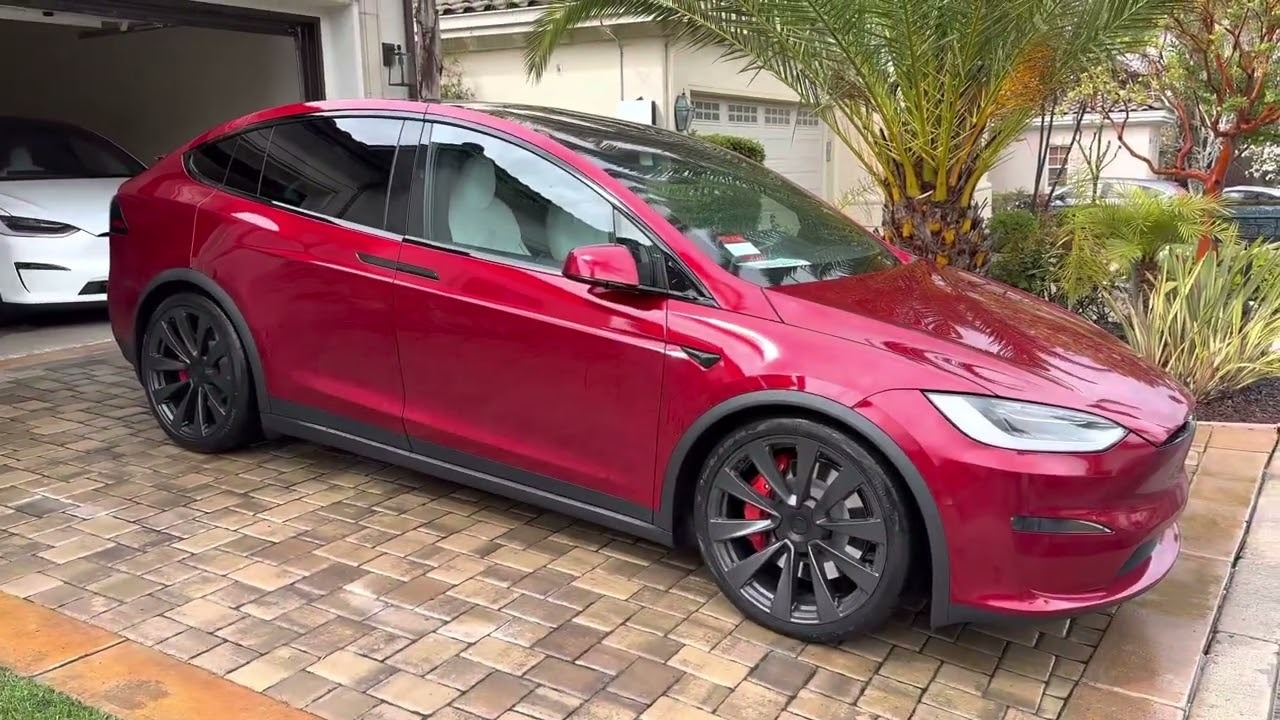
8. Tesla Model X
The Tesla Model X represents a modern interpretation of hidden compartments and intelligent interior packaging. Unlike traditional vehicles that focused mainly on physical storage bins, Tesla combined minimalist design with discreet functionality to create a futuristic cabin environment. The Model X includes several hidden storage areas that align with the company’s emphasis on clean aesthetics and advanced engineering.
One of the most hidden features is the large underfloor cargo compartment located in the rear trunk area. Because electric vehicles do not require traditional fuel systems or large driveline components, Tesla engineers gained additional flexibility in designing hidden storage spaces.
Owners can use these concealed compartments to store luggage, charging equipment, valuables, or travel supplies while maintaining an uncluttered cargo area.
The Model X also benefits from a front trunk, commonly known as a “frunk.” While not entirely secret, the front storage area remains hidden beneath the hood and provides additional secure cargo space unavailable in conventional gasoline-powered SUVs. Many owners use the frunk for storing valuables because it is separated from the main cabin and less obvious to potential thieves.
Tesla’s minimalist interior design further contributes to the feeling of concealed functionality. Hidden console compartments, sliding storage covers, and discreet cabin layouts create a futuristic environment where storage spaces blend seamlessly into the architecture of the vehicle. The absence of excessive buttons and bulky controls enhances the clean appearance while maximizing usable interior space.
The hidden compartments in the Model X also reflect broader trends in electric vehicle design. Without the packaging limitations associated with internal combustion engines, manufacturers can experiment with new interior layouts and storage concepts. Tesla has taken advantage of this freedom by creating innovative cargo solutions that improve practicality without compromising aesthetics.
As electric vehicles continue gaining popularity, hidden storage systems will likely become even more advanced and versatile. The Tesla Model X demonstrates how modern automotive engineering can combine technology, minimalism, and practicality in ways that redefine traditional vehicle design. Its concealed compartments represent the future of intelligent interior packaging and highlight how innovation continues shaping the driving experience.
