
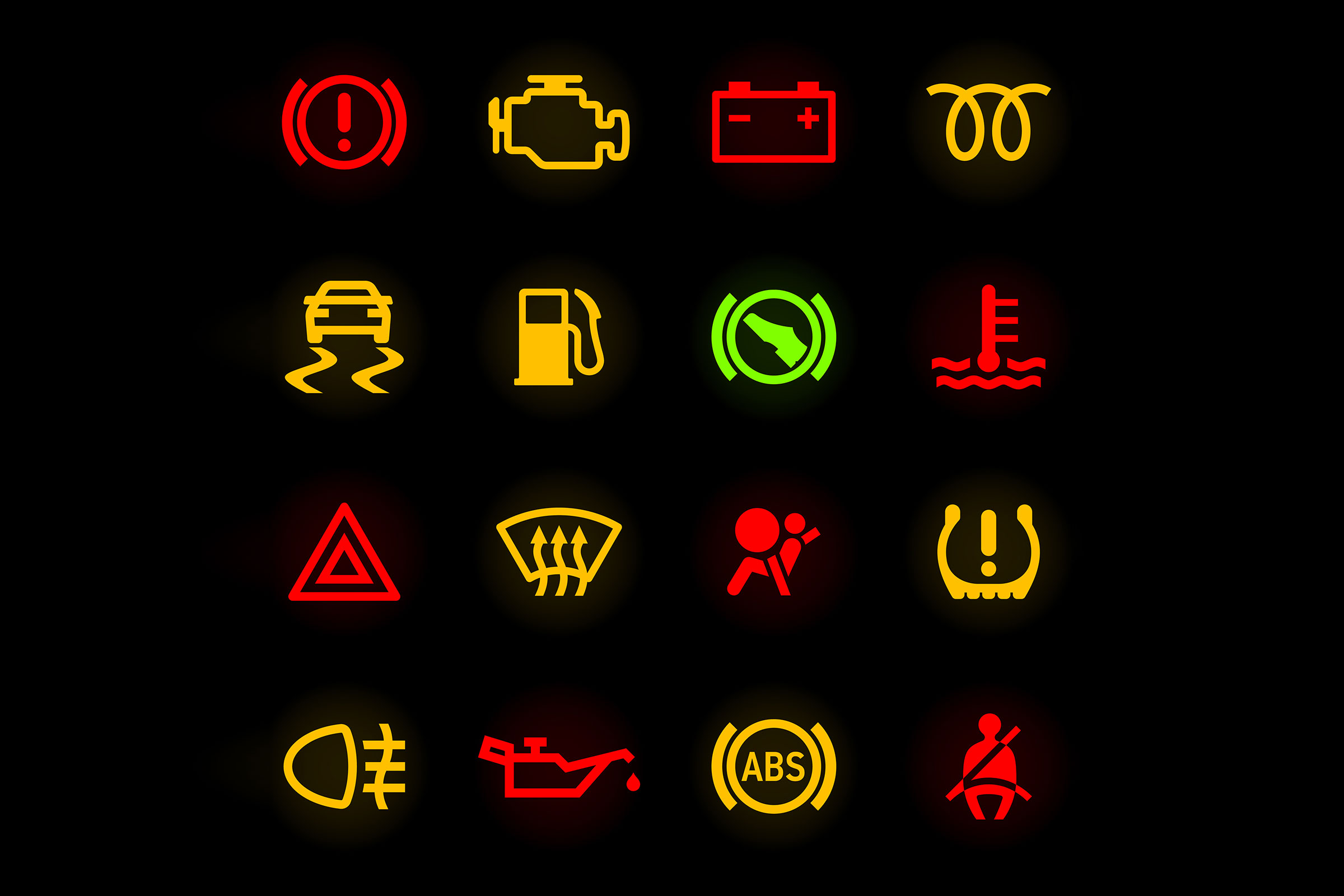
Modern vehicles are smarter, safer, and more connected than ever before, but they still rely on one simple method to communicate urgent problems with drivers. Dashboard warning lights act as the first line of defense against mechanical failure, unsafe driving conditions, and expensive repairs.
Unfortunately, many motorists either misunderstand these alerts or choose to ignore them, assuming the issue is minor or temporary. That decision often leads to severe consequences ranging from engine damage and brake failure to costly transmission repairs and dangerous roadside breakdowns.
While some dashboard symbols may indicate routine maintenance reminders, others signal immediate problems that require professional attention. Understanding the meaning behind these lights can save drivers thousands of dollars, prevent accidents, and extend the life of a vehicle significantly.
One of the biggest reasons drivers ignore warning lights is familiarity. A blinking icon may appear for days or weeks without any noticeable change in vehicle performance, creating a false sense of security. Many drivers continue commuting, traveling long distances, or delaying inspections because the car still “feels fine.”
However, modern automotive systems are designed to detect problems long before symptoms become obvious. A small issue like low oil pressure or overheated coolant can quietly escalate into catastrophic engine failure if left untreated. In many cases, dashboard warnings are early intervention tools that provide an opportunity to address issues before they become dangerous or financially devastating.
Another factor contributing to neglected dashboard lights is confusion. Vehicle dashboards contain dozens of symbols, and not all drivers understand what each one represents. Some warning indicators are self explanatory, while others use abstract symbols that are easy to overlook.
Drivers may confuse a serious malfunction light with a routine maintenance reminder or assume a warning will disappear on its own. This uncertainty often causes delays in seeking repairs, especially when the vehicle still appears operational. Additionally, busy schedules, repair costs, and fear of expensive diagnostics encourage many people to postpone addressing the issue altogether.
Ignoring dashboard warning lights can also impact fuel efficiency, emissions compliance, and driving safety. A malfunctioning engine sensor may reduce fuel economy dramatically, while a neglected brake system alert can compromise stopping power during emergencies.
Tire pressure warnings may seem insignificant at first, but underinflated tires increase the risk of blowouts, poor handling, and uneven tire wear.
In today’s technologically advanced vehicles, warning lights are directly tied to critical safety systems such as anti-lock brakes, traction control, electronic stability management, and engine monitoring systems. Treating these alerts casually places both drivers and passengers at unnecessary risk.
This article explores nine dashboard warning lights drivers routinely ignore until it is too late. Each section explains what the warning light means, why it appears, common causes behind it, and the potential consequences of neglecting it.
Understanding these warnings can help drivers make informed decisions, avoid expensive repairs, and maintain safer vehicles for years to come.
Also Read: 10 Fastest Hennessey-Tuned Models & Ranked by Top Speed
1. Check Engine Light
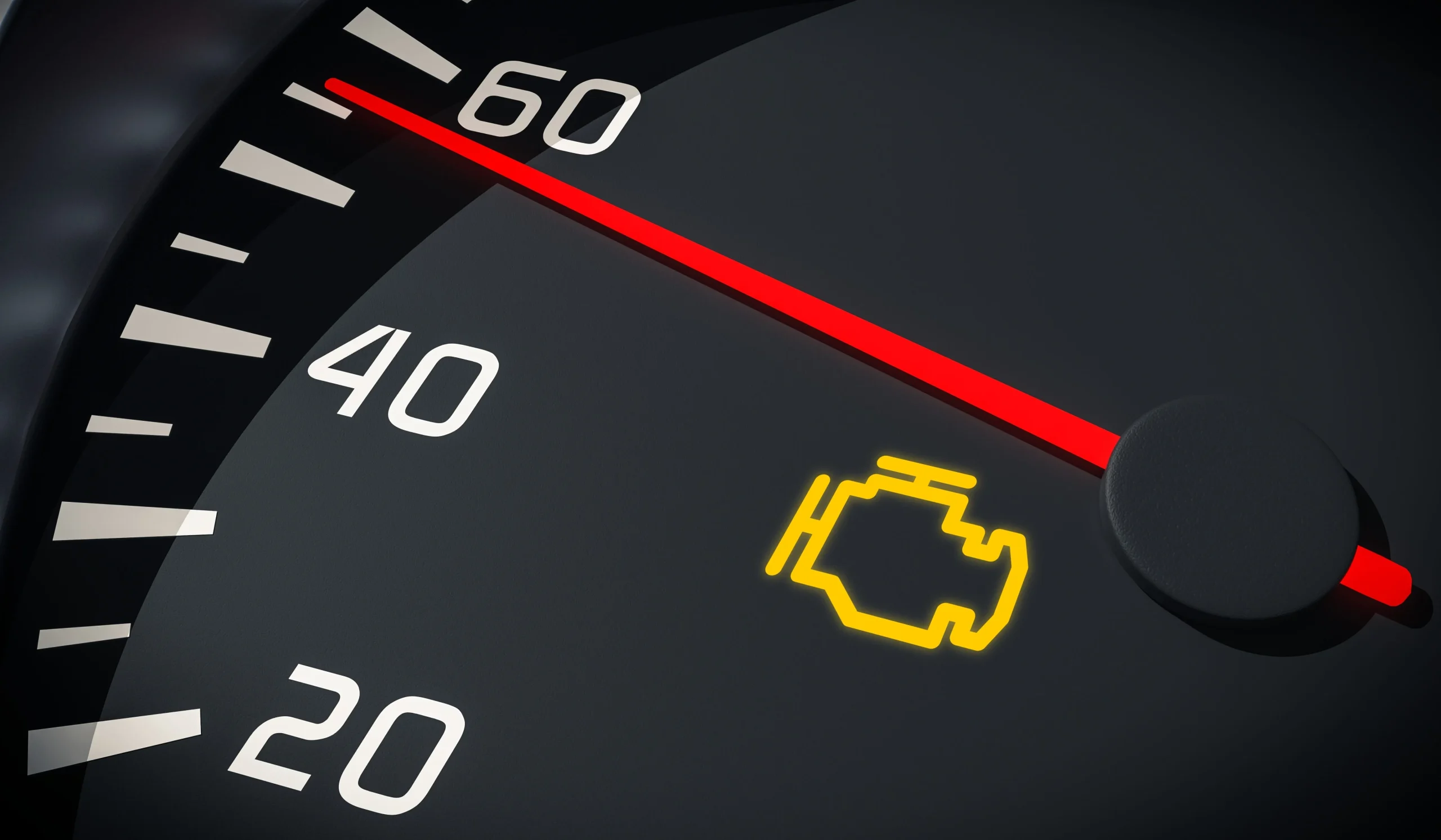
The check engine light is perhaps the most commonly ignored dashboard warning in modern vehicles. Many drivers continue operating their car for weeks or even months after the light appears because the vehicle still seems to run normally.
However, this warning can indicate a wide range of issues, from a loose gas cap to severe engine or transmission problems. Since the check engine light is connected to the onboard diagnostic system, it acts as a general alert that something within the engine management system is malfunctioning.
One reason drivers ignore the check engine light is the inconsistency in severity. Sometimes the issue is relatively harmless, such as a faulty oxygen sensor or evaporative emissions leak. Other times, the warning signals serious misfires, catalytic converter damage, or failing ignition components. Without a proper diagnostic scan, it is impossible to know whether the issue is minor or catastrophic. Drivers who assume the problem is insignificant often risk worsening the underlying condition over time.
A flashing check engine light is especially dangerous and should never be ignored. This typically indicates an active engine misfire that can quickly damage the catalytic converter, one of the most expensive components in a vehicle’s emissions system.
Continuing to drive under these conditions may lead to reduced engine performance, poor fuel economy, overheating, and extensive repair bills. In severe cases, engine failure may occur if the problem is left unresolved.
Another major consequence of ignoring the check engine light is increased emissions and reduced fuel efficiency. Modern engines rely on precise sensor data to maintain optimal combustion.
When sensors malfunction, fuel mixtures become unbalanced, leading to excessive fuel consumption and environmental pollution. Drivers may notice declining gas mileage but fail to connect it to the warning light on the dashboard.
Addressing the check engine light promptly can often prevent small problems from becoming major repairs. A simple diagnostic test performed by a mechanic can identify the issue quickly and allow for affordable repairs before additional damage occurs. Ignoring the warning only increases the likelihood of higher repair costs and potential vehicle breakdowns.
2. Oil Pressure Warning Light
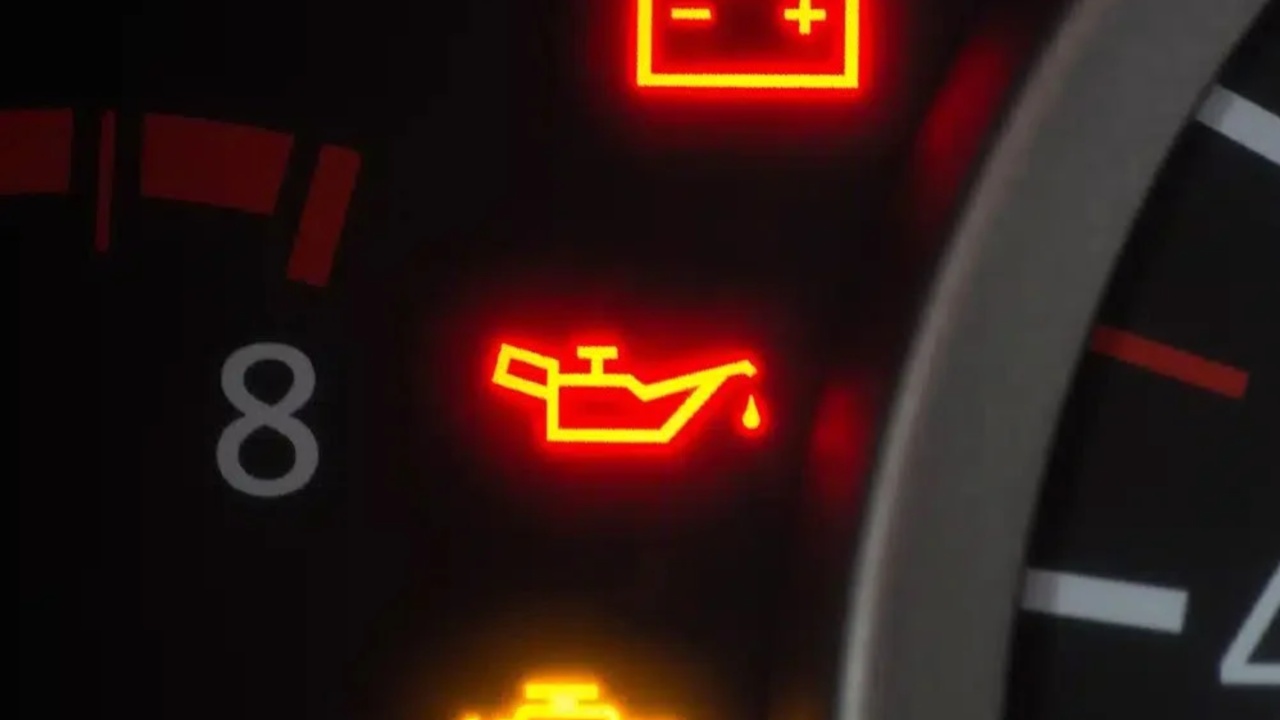
The oil pressure warning light is one of the most critical alerts any driver can encounter. Despite its importance, many motorists continue driving after the light appears, assuming they can “make it home” or delay repairs until later. This decision can destroy an engine within minutes. Engine oil serves as the lifeblood of the vehicle, lubricating moving parts, reducing friction, and preventing excessive heat buildup.
When the oil pressure warning light illuminates, it typically means the engine is not receiving adequate lubrication. Low oil pressure may result from insufficient oil levels, a failing oil pump, clogged oil passages, or internal engine wear. Without proper lubrication, metal components grind against each other at high speeds, generating intense heat and rapid deterioration.
One common mistake drivers make is confusing the oil pressure light with a routine oil change reminder. While maintenance reminders indicate scheduled service intervals, the oil pressure warning represents an active emergency.
Continuing to operate the vehicle can lead to seized engine components, damaged crankshafts, warped bearings, and complete engine failure. Repairs in these situations often require full engine replacement, costing thousands of dollars.
Some drivers temporarily solve the problem by adding more oil without investigating the root cause. While low oil levels may extinguish the warning light temporarily, underlying issues such as leaks, pump failure, or internal engine damage may still exist. Ignoring these deeper problems only postpones inevitable mechanical failure.
The safest response to an oil pressure warning light is to stop driving immediately and shut off the engine. Checking the oil level can provide initial insight, but professional inspection is usually necessary to determine the exact cause. Quick action can mean the difference between a minor repair and catastrophic engine destruction.
3. Brake Warning Light
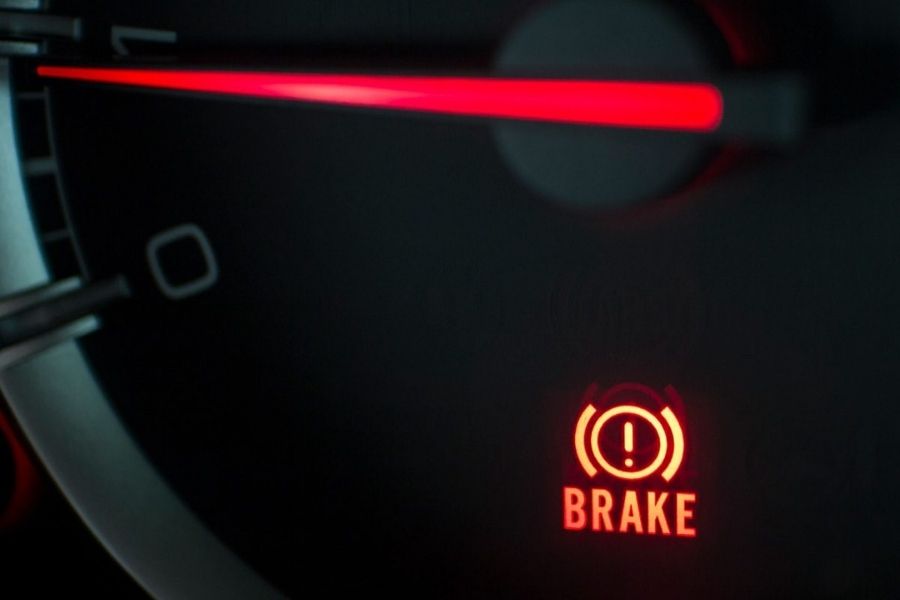
The brake warning light is another dashboard alert that drivers frequently underestimate. Since brake systems often continue functioning initially, many motorists delay inspections until braking performance noticeably worsens. This can be an extremely dangerous gamble because braking systems are directly tied to vehicle safety and accident prevention.
Brake warning lights may indicate several issues, including low brake fluid, worn brake pads, hydraulic system leaks, or anti-lock braking system malfunctions. In some cases, the warning simply means the parking brake is engaged, but if the light remains illuminated after releasing the brake, immediate inspection is necessary. Ignoring this warning can compromise stopping power and increase the likelihood of accidents.
Low brake fluid is one of the most common causes behind this warning light. Brake fluid enables hydraulic pressure transfer within the braking system. When fluid levels drop due to leaks or worn brake components, braking efficiency declines significantly. Drivers may notice a soft brake pedal, longer stopping distances, or unusual noises during braking. Delaying repairs can lead to complete brake failure in extreme situations.
Worn brake pads also trigger warning lights in many modern vehicles. Brake pads naturally wear down over time, and replacing them early is relatively inexpensive. However, ignoring worn pads allows metal components to grind together, damaging rotors and calipers. This dramatically increases repair costs while reducing braking effectiveness.
Another overlooked issue involves anti-lock brake system warnings. ABS systems prevent wheel lockup during sudden stops, especially on wet or slippery roads. If the ABS warning light remains active, the vehicle may lose this safety feature during emergencies. While standard braking may still function temporarily, vehicle control becomes compromised under hard braking conditions.
Prompt attention to brake warning lights ensures safer driving conditions and prevents avoidable accidents. Brake problems rarely improve on their own and typically worsen over time. Immediate inspection and maintenance are essential whenever this warning appears.
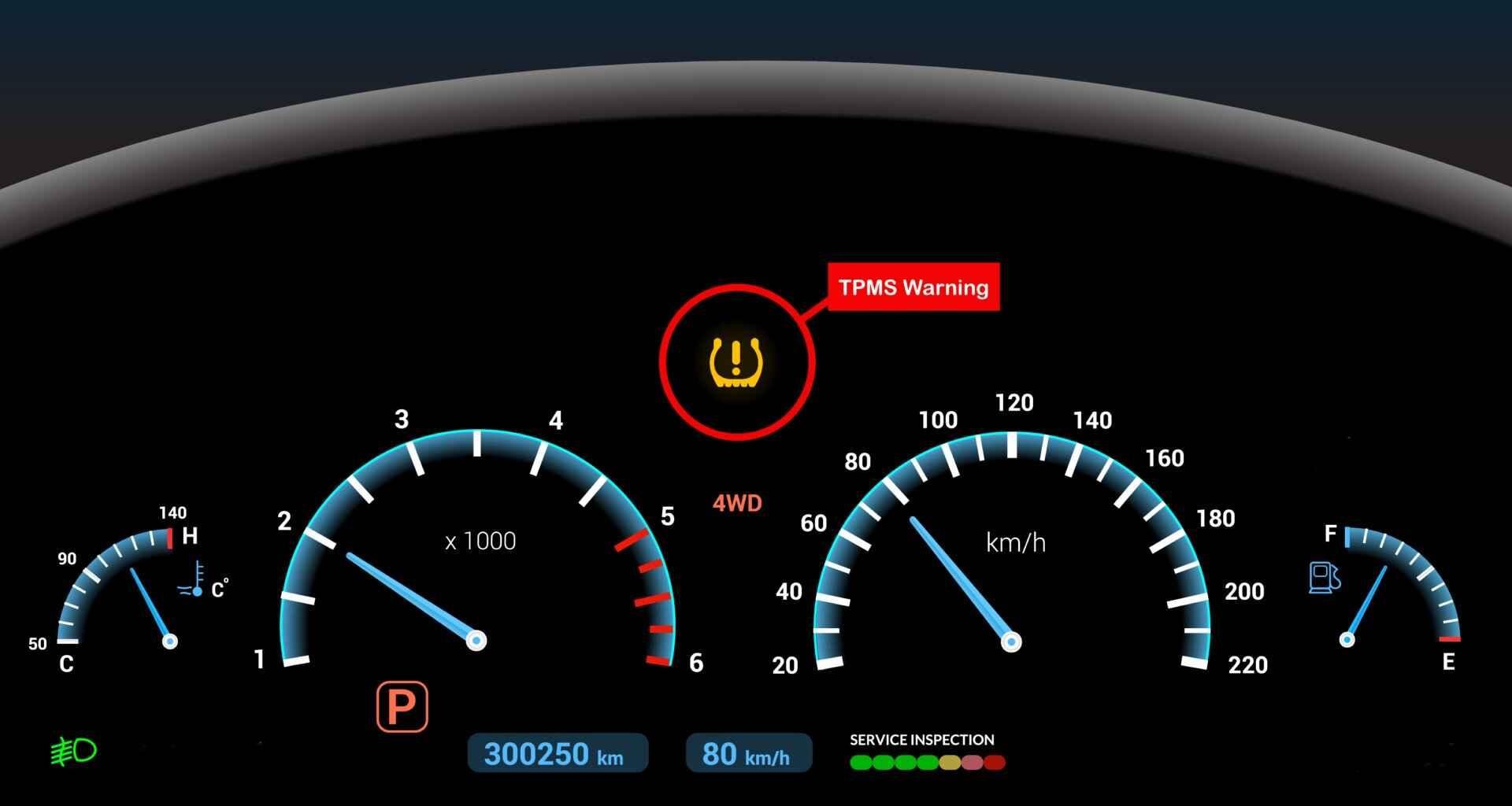
4. Tire Pressure Warning Light
The tire pressure monitoring system warning light is often dismissed as a seasonal annoyance, particularly during temperature changes. Many drivers continue operating their vehicles despite the alert because the tires appear visually acceptable. However, underinflated tires create serious safety risks and contribute to long-term vehicle damage.
Proper tire pressure affects nearly every aspect of driving performance, including handling, braking, fuel efficiency, and tire longevity. When tire pressure drops below recommended levels, the tire generates excess heat due to increased surface contact with the road. This heat buildup can weaken the tire structure and increase the risk of blowouts, especially at highway speeds.
Drivers frequently ignore this warning because underinflated tires may not feel noticeably different during short trips. However, reduced tire pressure impacts steering responsiveness and braking stability. Emergency maneuvers become less predictable, increasing the chance of losing vehicle control during sudden stops or sharp turns.
Another consequence of low tire pressure is uneven tire wear. Underinflated tires wear more rapidly along the outer edges, shortening their lifespan significantly. Replacing tires prematurely becomes far more expensive than maintaining proper inflation. Additionally, low tire pressure forces the engine to work harder, reducing fuel efficiency and increasing fuel costs over time.
Temperature fluctuations often trigger tire pressure warnings during colder months because the air contracts in low temperatures. While this may seem harmless, drivers should still check and adjust tire pressure promptly rather than ignoring the warning indefinitely. Seasonal pressure changes do not eliminate the importance of maintaining safe inflation levels.
Regular tire inspections and proper inflation improve safety, fuel economy, and vehicle performance. Drivers should check tire pressure monthly and follow manufacturer recommendations listed inside the driver’s door frame or owner’s manual.
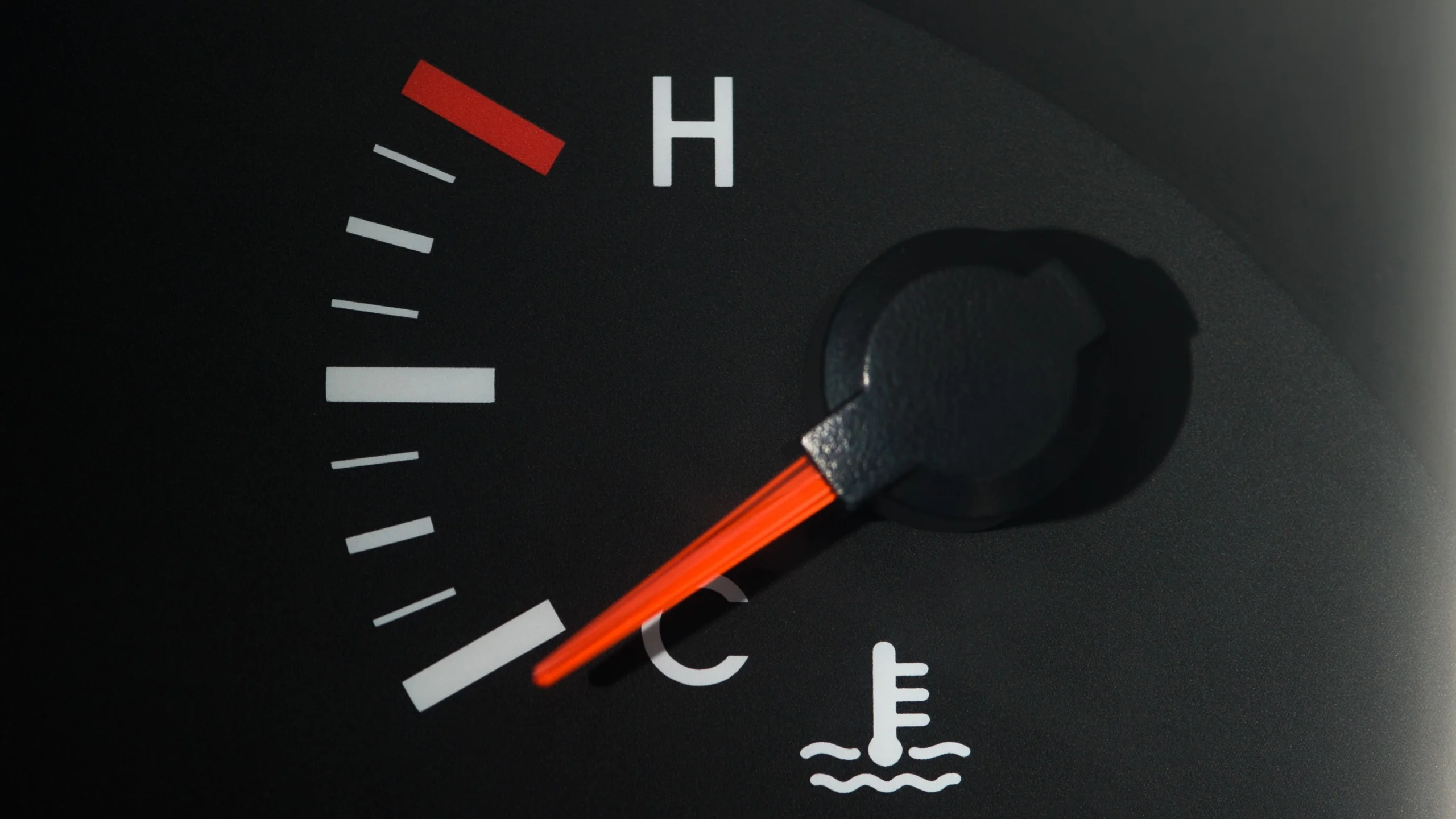
5. Engine Temperature Warning Light
The engine temperature warning light indicates that the engine is overheating, yet many drivers continue driving in hopes the problem will resolve itself. This is one of the fastest ways to cause catastrophic engine damage. Internal combustion engines generate enormous heat, and the cooling system is responsible for maintaining safe operating temperatures.
Overheating may result from low coolant levels, radiator leaks, thermostat failure, broken water pumps, or cooling fan malfunctions. When engine temperatures rise beyond safe limits, metal engine components begin expanding excessively. This can lead to warped cylinder heads, blown head gaskets, cracked engine blocks, and permanent engine damage.
One reason drivers ignore overheating warnings is the absence of immediate performance changes. The car may continue running normally for several minutes despite dangerous temperatures. Unfortunately, severe internal damage can occur silently during this time. Waiting too long to stop the vehicle often transforms a minor cooling system repair into a complete engine rebuild.
Steam from under the hood is a clear sign of overheating, but drivers should never wait for visible smoke before taking action. The warning light itself is sufficient reason to stop driving immediately. Continuing to operate an overheating engine dramatically increases repair costs and safety risks.
Coolant leaks are among the most common causes of overheating. Some drivers repeatedly refill coolant without addressing the source of the leak. While this may temporarily lower engine temperatures, the leak will inevitably worsen. Proper diagnosis and repair are necessary to restore reliable cooling system performance.
Preventive maintenance plays a major role in avoiding overheating issues. Regular coolant flushes, hose inspections, and radiator checks help identify problems before they escalate. Responding quickly to temperature warnings can save drivers from devastating engine failures and expensive repair bills.
Also Read: 10 Honda Cars Cheaper In Japan Than in the USA
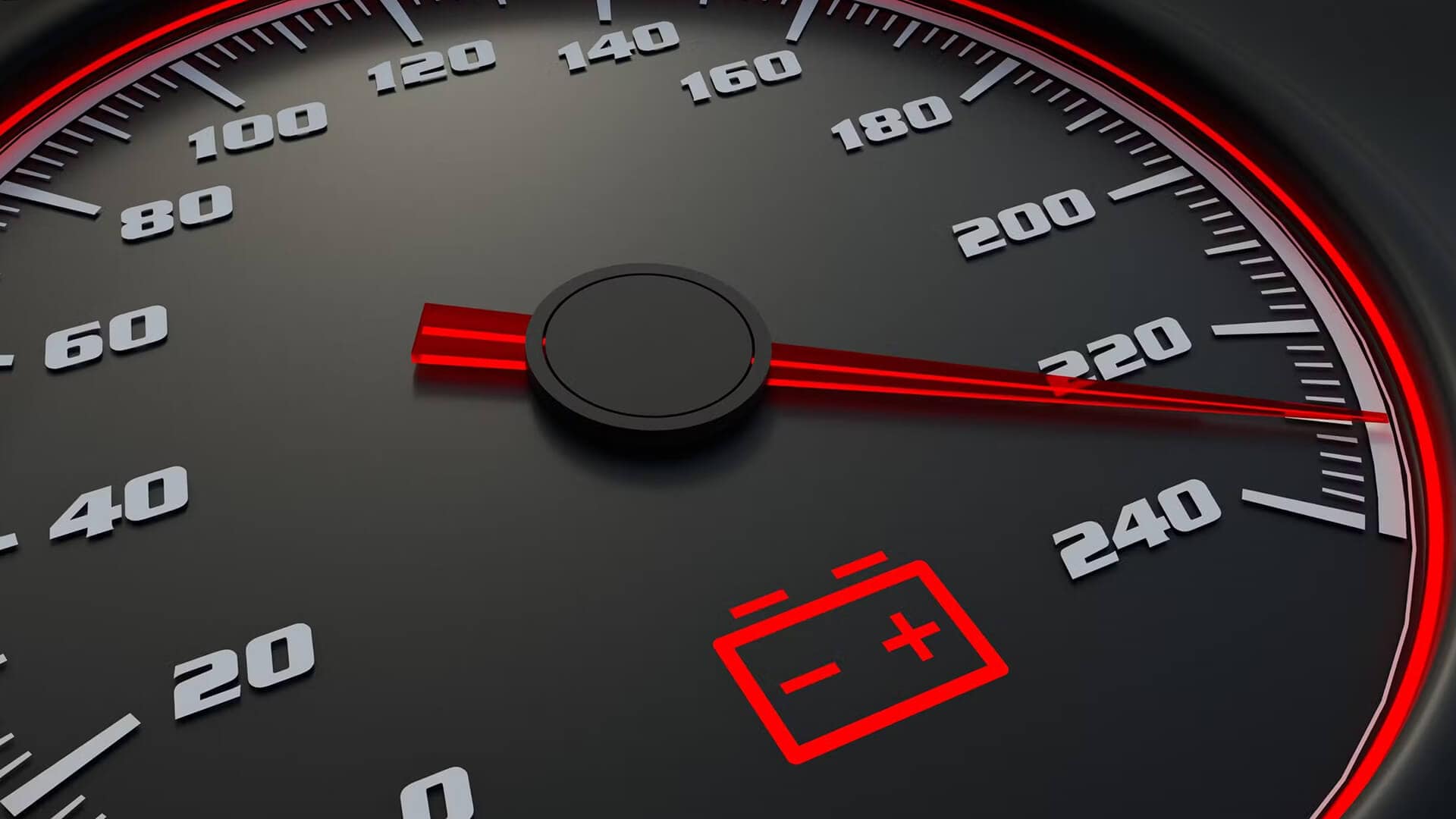
6. Battery Warning Light
The battery warning light is often misunderstood because many drivers assume it simply means the battery itself is weak. In reality, this warning usually indicates a charging system problem involving the alternator, battery connections, or electrical components. Ignoring the warning can leave drivers stranded unexpectedly.
The alternator generates electrical power while the engine runs and recharges the battery continuously. If the alternator fails, the vehicle relies solely on battery power until it becomes depleted. Drivers may initially notice dim headlights, weak power windows, or slow electrical accessories before the vehicle eventually stalls completely.
One reason motorists ignore this warning is that the car often continues running temporarily. Since the engine may operate normally for some time, drivers assume the issue is not urgent. However, once the battery loses sufficient charge, critical systems, including ignition, fuel injection, and engine control modules, stop functioning.
Corroded battery terminals and loose electrical connections are also common causes of battery warning lights. While these issues may seem minor, they can interrupt charging performance and create intermittent electrical failures. Delaying inspection increases the risk of a complete electrical system shutdown.
Extreme weather conditions can worsen charging system problems significantly. Hot temperatures accelerate battery wear, while cold weather reduces battery efficiency. Drivers who ignore battery warnings during seasonal extremes are more likely to experience sudden breakdowns at inconvenient times.
Routine battery testing and charging system inspections help prevent unexpected failures. Most automotive shops can quickly evaluate alternator output and battery condition, allowing drivers to replace failing components before roadside emergencies occur.
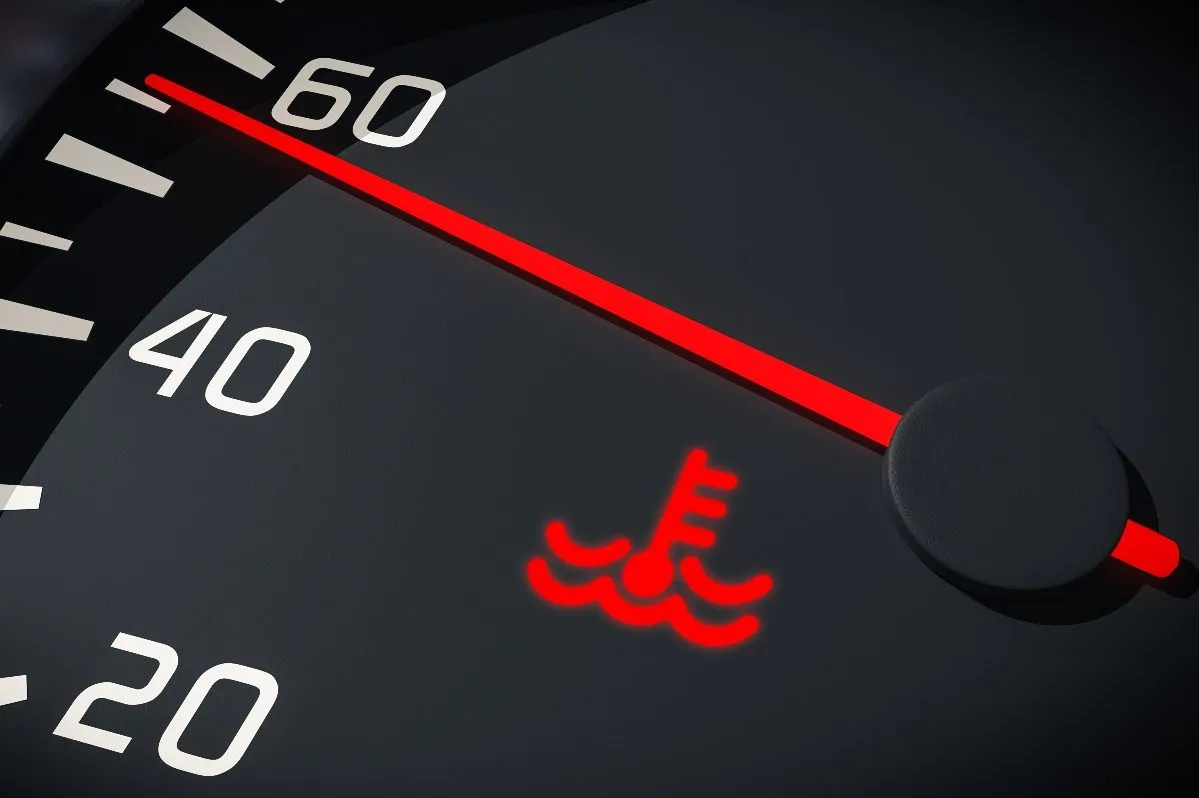
7. Transmission Temperature Warning Light
Transmission problems are among the most expensive vehicle repairs, yet many drivers ignore transmission temperature warnings until severe damage occurs. Automatic transmissions rely on specialized fluid to lubricate gears, transfer hydraulic pressure, and regulate operating temperatures. Excessive heat is one of the leading causes of transmission failure.
Transmission overheating may result from low fluid levels, towing heavy loads, clogged transmission coolers, or internal mechanical wear. When fluid temperatures rise excessively, transmission fluid begins breaking down chemically. This reduces lubrication effectiveness and accelerates wear on gears, clutches, and seals.
Drivers often ignore transmission warnings because symptoms develop gradually. Minor slipping, delayed shifting, or rough gear changes may seem manageable initially. However, overheating continues to damage internal components with every mile driven. By the time major symptoms appear, extensive repairs are usually unavoidable.
Heavy towing and stop-and-go traffic place additional stress on transmission systems. Vehicles used for hauling trailers or driving in mountainous regions are especially vulnerable to overheating. Drivers should monitor transmission warnings carefully during demanding driving conditions.
Burnt transmission fluid is another sign of overheating. Healthy transmission fluid appears bright red and relatively clean, while overheated fluid becomes dark and develops a burnt odor. Ignoring these signs can lead to total transmission failure requiring complete replacement.
Regular transmission fluid changes and cooling system maintenance significantly extend transmission lifespan. Addressing overheating issues early can prevent costly repairs and preserve smooth vehicle operation for years.

8. Airbag Warning Light
The airbag warning light is frequently ignored because airbags are rarely used during normal driving conditions. Many drivers assume the system will still function during an accident even if the warning light remains active. Unfortunately, this assumption can have deadly consequences.
Modern airbag systems rely on sensors, wiring networks, and control modules to deploy correctly during collisions. When the warning light appears, it typically means the system has detected a malfunction that could prevent airbags from deploying properly. In some cases, airbags may deploy unexpectedly or fail entirely during a crash.
Common causes of airbag warnings include faulty seatbelt sensors, damaged wiring, low backup battery voltage, or failed impact sensors. Since these systems are highly sensitive, even minor electrical issues can trigger dashboard alerts. Ignoring the warning compromises a critical layer of occupant protection.
Drivers sometimes postpone repairs because airbag diagnostics can be expensive. However, failing to restore proper functionality places passengers at significant risk during accidents. Airbags are designed to work alongside seatbelts to reduce injuries and fatalities during collisions.
Used vehicle buyers should also pay close attention to airbag warning lights. Some previously damaged vehicles may contain improperly repaired airbag systems or missing components after accidents. Persistent warning lights may indicate unresolved crash damage or tampered safety systems.
Professional diagnosis is essential whenever the airbag warning light appears. Safety systems should never be ignored or bypassed. Restoring proper airbag functionality ensures maximum occupant protection during emergencies.

9. Power Steering Warning Light
The power steering warning light is another commonly neglected dashboard alert. Since steering often remains functional initially, many drivers continue operating the vehicle despite noticeable steering difficulties. However, ignoring this warning can make vehicle control increasingly dangerous.
Power steering systems reduce the physical effort required to turn the steering wheel. Modern vehicles use either hydraulic or electric power steering systems, both of which rely on sensors and mechanical components to operate effectively. When the warning light appears, it usually signals fluid leaks, pump failure, sensor malfunctions, or electrical issues.
Drivers may first notice heavier steering effort, especially at low speeds or while parking. While the vehicle may remain drivable temporarily, steering responsiveness gradually deteriorates. Emergency maneuvers become more difficult, increasing accident risk during sudden obstacle avoidance situations.
Hydraulic power steering systems commonly develop fluid leaks over time. Low fluid levels strain the power steering pump, leading to whining noises and eventual pump failure. Replacing a damaged pump is significantly more expensive than repairing leaks early.
Electric power steering systems can also experience software faults, sensor failures, or electrical malfunctions. Since these systems are integrated with modern driver assistance technologies, steering problems may affect lane-keeping systems and vehicle stability features as well.
Ignoring steering warnings can eventually lead to the complete loss of power assistance. While manual steering remains technically possible, controlling the vehicle becomes physically demanding and potentially unsafe. Prompt repairs restore normal handling and improve driving safety.
