
Luxury cars have traditionally dominated conversations about comfort, technology, refinement, and premium driving experiences.
For decades, buyers believed achieving true automotive sophistication required spending enormous amounts of money on prestigious European badges or flagship sedans loaded with expensive options.
In recent years, however, the automotive market changed dramatically as mainstream manufacturers began producing budget-friendly cars capable of matching or even surpassing luxury rivals in certain areas.
Several factors contributed to this shift. Technology that once existed only in six-figure vehicles gradually became affordable enough for mass-market models. Advanced safety systems, digital dashboards, heated seats, adaptive cruise control, and premium sound systems now appear in surprisingly inexpensive vehicles.
At the same time, improvements in manufacturing quality helped mainstream brands close the gap in ride comfort, cabin quietness, and material refinement.
Another reason involves changing consumer priorities. Many buyers care more about practical comfort, reliability, and usable technology than traditional luxury prestige.
Some mainstream automakers recognized this and focused heavily on delivering upscale experiences without premium-brand pricing. The result is a growing number of affordable cars capable of embarrassing luxury competitors in everyday driving situations.
Certain budget cars also outperform luxury vehicles in areas such as reliability, maintenance costs, interior space, fuel economy, and long-term ownership satisfaction. Expensive badges no longer guarantee superiority the way they once did.
In some cases, luxury manufacturers became so focused on complex technology and aggressive styling that simpler mainstream alternatives actually deliver more comfortable and stress-free ownership experiences.
This article highlights six budget-friendly cars that managed to beat luxury vehicles at their own game. Some deliver quieter cabins and smoother rides than premium sedans costing far more. Others provide technology, comfort, or practicality rivaling expensive luxury models while remaining accessible to ordinary buyers.
These vehicles prove that intelligent engineering and smart design can sometimes matter more than prestige branding and inflated pricing.
Also Read: 10 Car Colors That Lose the Most Value in 3 Years
1. Kia K5
The Kia K5 represents one of the clearest examples of how mainstream manufacturers disrupted the traditional luxury-car hierarchy.
Earlier generations of midsize Kia sedans focused mainly on affordability and practicality, but the K5 introduced a level of style, refinement, and technology that genuinely challenged entry-level luxury sedans costing significantly more.
Visually, the K5 immediately feels more premium than its price suggests. Sharp body lines, aggressive LED lighting, and a sleek fastback-inspired roofline give the sedan an upscale road presence often associated with European sport sedans. Many drivers unfamiliar with the badge are surprised to learn how affordable the car actually is.
Inside the cabin, Kia concentrated heavily on creating a refined atmosphere. Soft-touch materials, modern digital displays, and a clean dashboard design help the K5 feel far more expensive than many buyers expect.
Higher trims include panoramic sunroofs, ventilated seats, ambient lighting, and premium audio systems that rival features once exclusive to luxury brands.
Ride comfort became another area where the K5 impressed drivers. The suspension tuning absorbs rough pavement smoothly while still maintaining composed handling during highway driving.
Many entry-level luxury sedans prioritize sporty stiffness so aggressively that they sacrifice daily comfort. The K5 instead focuses on balance and long-distance usability.
Technology also plays a major role in the car’s success. Kia packed the K5 with advanced safety features, adaptive cruise control, large infotainment screens, smartphone integration, and driver-assistance systems usually associated with more expensive premium vehicles.
Buyers receive modern convenience without paying luxury-brand premiums for basic equipment.
Ownership costs further strengthen the K5’s appeal. Maintenance, reliability, and warranty coverage remain dramatically more affordable than those of many European luxury sedans. Drivers can enjoy upscale comfort and features without constant anxiety regarding expensive repairs or complicated service requirements.
Another surprising strength involves cabin quietness. Improved sound insulation and aerodynamic refinement help the K5 feel calm and composed during highway cruising. In certain driving conditions, the sedan feels just as refined as luxury competitors costing thousands more.
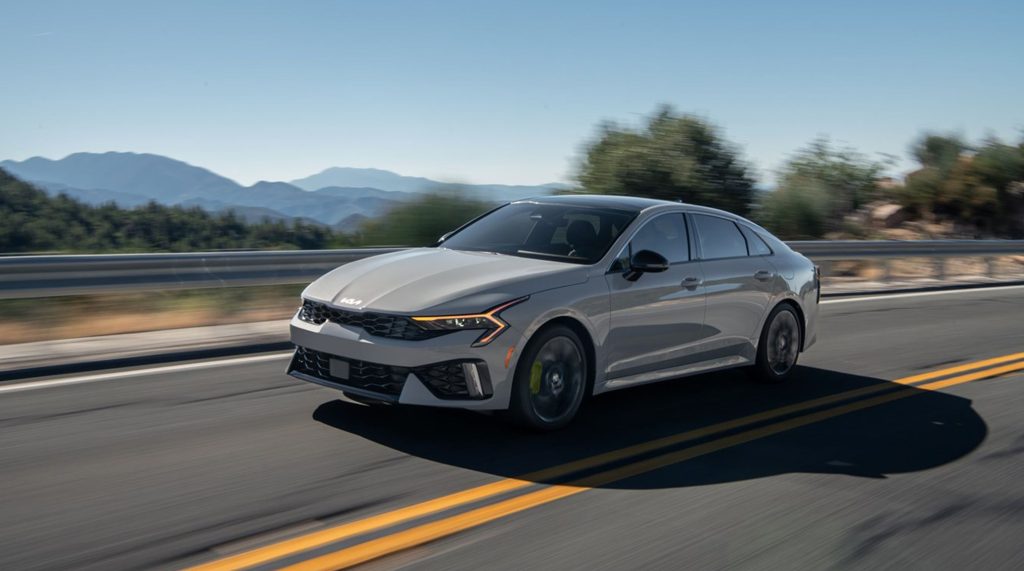
The Kia K5 succeeded because it recognized modern buyers increasingly care about actual experience rather than badge prestige alone. By delivering style, comfort, technology, and refinement at mainstream pricing, Kia created a sedan capable of challenging luxury cars directly in everyday usability and value.
- Engine: 2.5L Turbo Inline 4
- Torque: 311 lb-ft
- Horsepower: 290 HP
- Length/Width: 193.1 inches / 73.2 inches
2. Mazda CX-5
Mazda spent years quietly transforming itself from a mainstream economy brand into one of the most refined manufacturers outside the luxury segment. The CX-5 became the company’s strongest proof that thoughtful engineering and design could rival premium SUVs without requiring premium pricing.
Unlike many budget crossovers focused purely on practicality, the CX-5 prioritizes driver experience and interior quality. The moment occupants enter the cabin, the SUV feels noticeably more upscale than its price category suggests.
Soft materials, elegant dashboard layouts, precise switchgear, and restrained styling create an atmosphere resembling far more expensive European compact luxury SUVs.
Mazda also focused heavily on driving refinement. Steering response feels direct and natural, while suspension tuning balances comfort with composure impressively well. Many mainstream crossovers feel disconnected and numb during driving, but the CX-5 maintains genuine road feel without sacrificing ride quality.
Cabin isolation became another surprising advantage. Wind noise, road harshness, and vibration remain impressively controlled even during highway travel. Some entry-level luxury crossovers struggle to justify their higher prices once drivers compare real-world comfort against the CX-5 directly.
The turbocharged engine option further strengthens the SUV’s premium personality. Strong low-end torque delivers smooth, effortless acceleration without requiring aggressive throttle inputs. Combined with refined transmission tuning, the CX-5 feels mature and polished rather than economy-oriented.
Mazda deliberately avoided excessive gimmicks inside the cabin as well. Instead of overwhelming drivers with huge, distracting screens or complicated controls, the company emphasized intuitive ergonomics and elegant simplicity.
Many luxury manufacturers increasingly prioritize flashy technology over usability, while the CX-5 maintains a calmer and more focused environment.
Reliability and ownership costs create another major advantage. Buyers receive near-luxury comfort and driving quality without expensive maintenance schedules or intimidating repair costs associated with certain premium brands.
The CX-5 also succeeds visually. Its proportions, paint quality, and restrained styling help the SUV look genuinely upscale rather than obviously budget-focused. In traffic, many casual observers mistake it for a luxury vehicle.
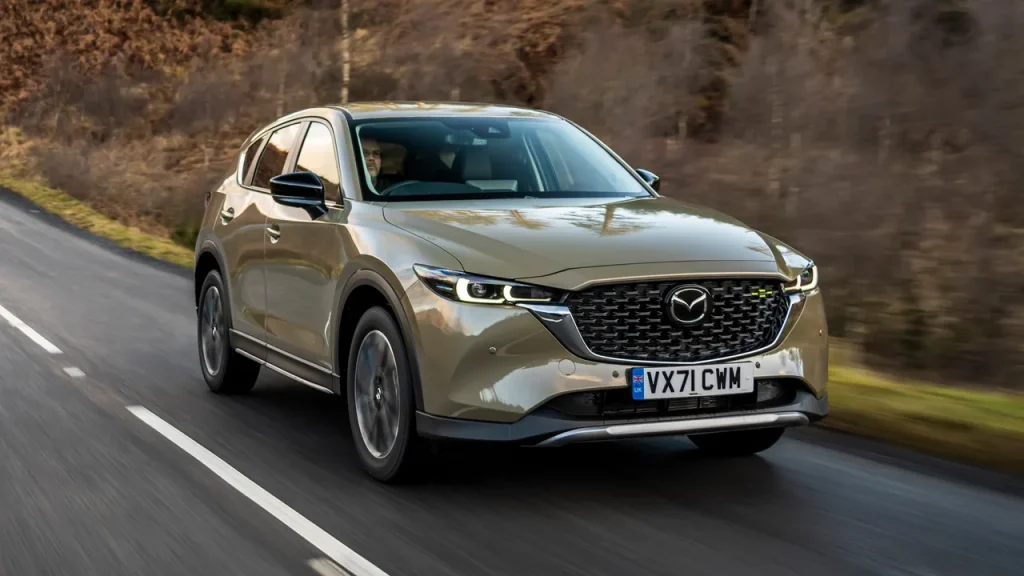
Mazda proved with the CX-5 that refinement no longer belongs exclusively to luxury badges. By emphasizing craftsmanship, driving feel, and thoughtful design, the company created a mainstream SUV capable of outperforming certain premium competitors where it matters most during daily ownership.
- Engine: 2.5L Turbo Inline 4
- Torque: 320 lb-ft
- Horsepower: 256 HP
- Length/Width: 180.1 inches / 72.6 inches
3. Hyundai Sonata
The Hyundai Sonata evolved dramatically from its early generations into one of the strongest examples of a mainstream sedan, challenging traditional luxury cars directly.
Modern versions of the Sonata combine advanced technology, refined ride quality, upscale styling, and premium comfort in ways that would have seemed impossible for an affordable family sedan only two decades ago.
One of the Sonata’s biggest strengths involves interior refinement. Hyundai invested heavily in cabin materials, dashboard design, and full presentation.
Higher trims feature stitched surfaces, large digital displays, ambient lighting, ventilated seats, and sophisticated infotainment systems that rival equipment found in entry-level luxury sedans from Germany and Japan.
The quietness inside the cabin surprises many first-time drivers. Hyundai worked extensively on sound insulation, aerodynamic efficiency, and vibration control, helping the Sonata feel calm and isolated during highway travel.
Some luxury sedans costing far more still struggle to deliver the same level of cabin serenity under everyday driving conditions.
Ride quality became another area where the Sonata impressed critics. The suspension absorbs potholes and rough pavement smoothly without creating the floaty, disconnected sensation often found in softer sedans. Hyundai successfully balanced comfort and stability in a way many buyers associate with premium vehicles.
Technology integration also helped the Sonata challenge luxury brands aggressively. Features such as adaptive cruise control, lane-centring assistance, digital key functionality, panoramic displays, remote parking assist, and advanced safety systems became available at prices far below comparable premium competitors.
In some cases, the Sonata even offered newer technology before established luxury brands adopted similar systems widely.
Another reason the Sonata succeeds involves practicality. Rear-seat space, trunk capacity, fuel economy, and long-term reliability often surpass more expensive luxury sedans focused heavily on image or performance branding. Buyers receive a comfortable and technologically advanced ownership experience without sacrificing everyday usability.
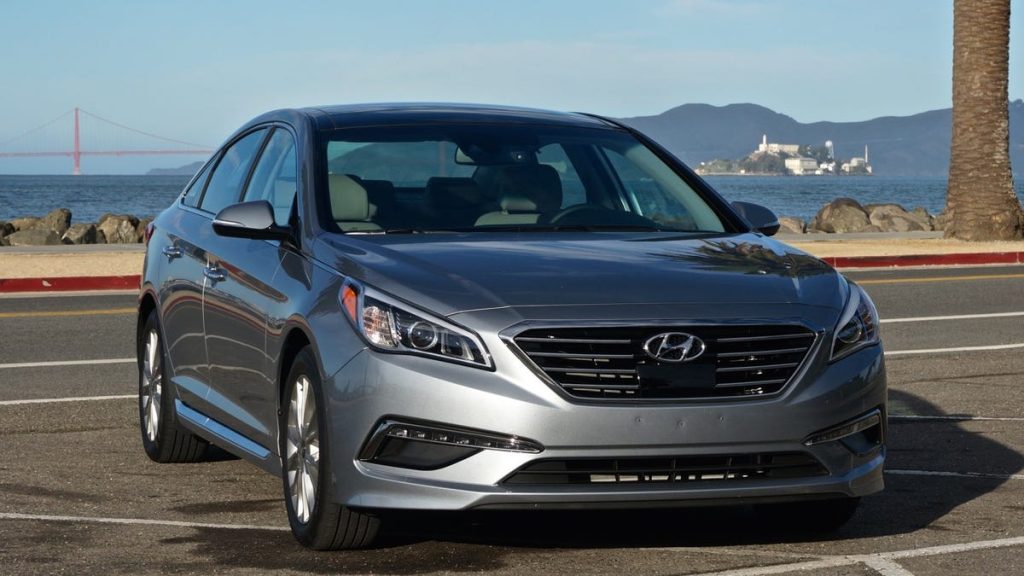
Hyundai also designed the Sonata with striking visual character. The flowing body lines, dramatic front lighting, and coupe-inspired roof profile help the car stand out in traffic. Unlike older mainstream sedans that blended into the background, the Sonata projects confidence and sophistication from nearly every angle.
Ownership costs remain dramatically lower than premium-brand alternatives. Maintenance, insurance, and repair expenses stay relatively manageable, while Hyundai’s warranty coverage adds additional peace of mind.
Many luxury-car owners eventually realize they are paying enormous premiums for badges while receiving surprisingly similar real-world comfort and technology.
The Sonata proves that affordable sedans no longer need to feel basic or compromised. Hyundai created a car capable of delivering many luxury-car experiences without luxury-car financial burdens, reshaping expectations for what mainstream buyers can realistically demand from an affordable midsize sedan.
- Engine: 2.5L Turbo Inline 4
- Torque: 311 lb-ft
- Horsepower: 290 HP
- Length/Width: 193.3 inches / 73.2 inches
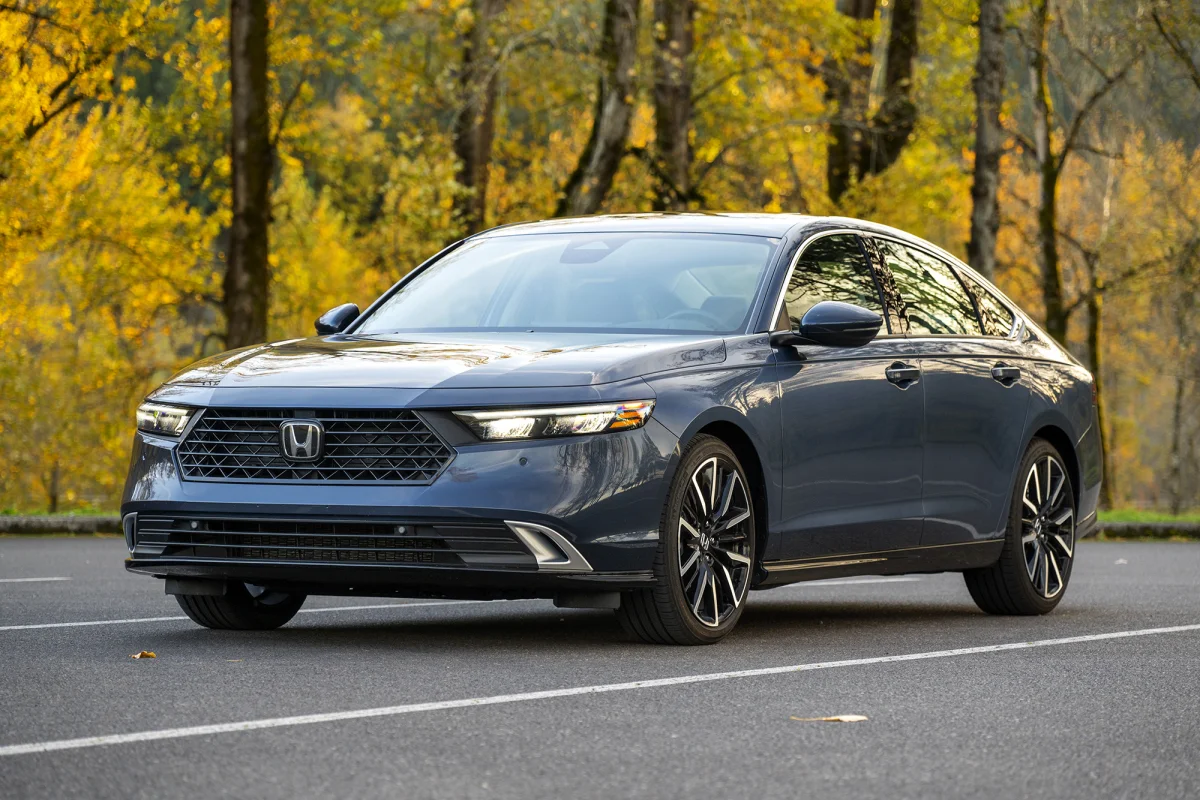
4. Honda Accord Touring
The Honda Accord built its reputation over decades through reliability and practicality, but recent Touring trims upgraded the sedan into territory once dominated almost entirely by luxury brands.
Instead of chasing flashy gimmicks or exaggerated styling, Honda focused on refinement, usability, and intelligent engineering, creating a mainstream sedan that quietly outperforms certain premium competitors in daily life.
One of the Accord Touring’s most impressive qualities involves balance. Many luxury sedans excel in one area while compromising another. Some focus heavily on performance but ride harshly, while others prioritize comfort at the expense of handling precision.
The Accord manages to combine smooth ride quality, responsive steering, strong acceleration, and excellent practicality without feeling compromised.
The interior demonstrates how far mainstream sedans have evolved. High-quality materials, clean dashboard design, heated and ventilated seating, digital instrumentation, and premium audio systems create an upscale atmosphere that feels mature and carefully engineered.
Honda avoided excessive visual clutter, helping the cabin feel calm and sophisticated instead of overloaded with unnecessary complexity.
Space utilization also gives the Accord a major advantage over some compact luxury sedans. Rear passengers enjoy generous legroom, while trunk capacity remains highly practical for everyday use. Certain premium European sedans cost far more yet offer noticeably tighter cabins and reduced comfort for passengers.
The Accord Touring’s highway refinement often surprises drivers transitioning from luxury brands. Wind noise remains low, suspension tuning feels controlled, and the cabin maintains a composed atmosphere during long-distance travel. Honda engineered the car for real-world comfort rather than purely showroom impressions.
Technology integration remains highly competitive as well. Adaptive cruise control, lane-centering assistance, smartphone connectivity, wireless charging, and advanced driver-assistance systems all come packaged at prices dramatically lower than similarly equipped luxury alternatives.
Another important advantage involves ownership experience. Luxury vehicles frequently carry expensive maintenance schedules, higher insurance costs, and complicated repair concerns once warranties expire. The Accord offers near-premium refinement while maintaining Honda’s reputation for reliability and lower operating expenses.
Driving dynamics further strengthen the car’s appeal. Steering response feels natural and predictable, while chassis tuning delivers confidence during cornering without sacrificing comfort.
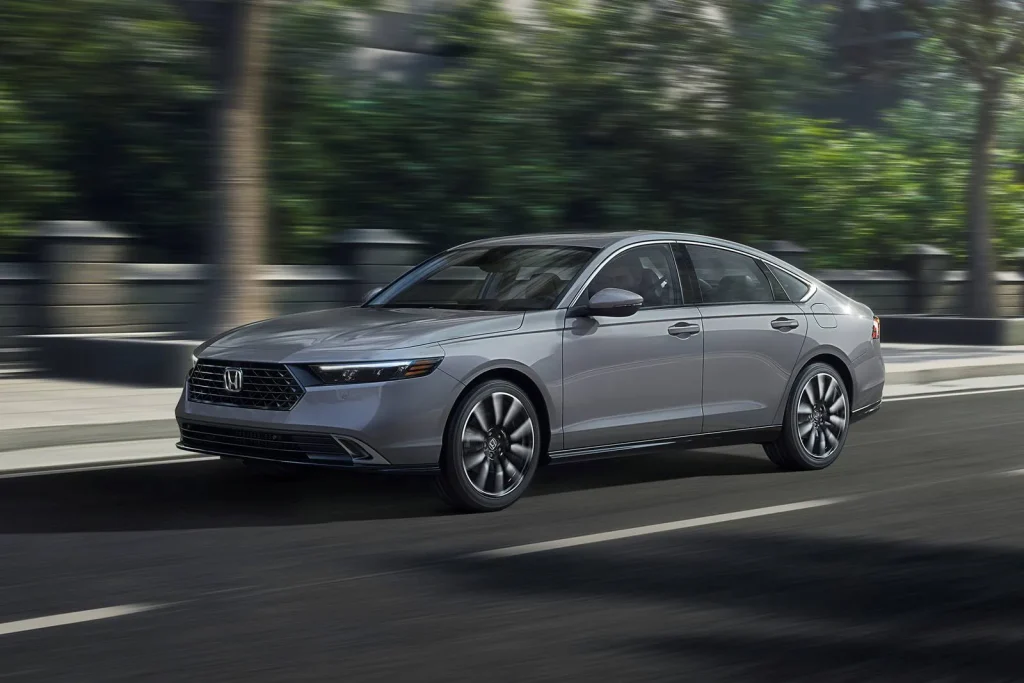
Some luxury sedans isolate drivers so heavily that they feel detached from the road, whereas the Accord maintains excellent communication and balance.
The Accord Touring proves luxury no longer depends entirely on brand prestige. By emphasizing intelligent engineering, comfort, refinement, and long-term usability, Honda created a sedan capable of outperforming certain premium rivals where many owners actually spend most of their time: daily commuting, highway cruising, and everyday living.
- Engine: 2.0L Turbo Inline 4
- Torque: 273 lb-ft
- Horsepower: 252 HP
- Length/Width: 195.7 inches / 73.3 inches
5. Toyota Avalon
The Toyota Avalon spent years living quietly in the shadow of flashier luxury sedans, yet drivers who actually experienced the car often discovered something surprising. In several important areas, the Avalon delivered a more comfortable, refined, and stress-free ownership experience than many premium vehicles costing far more money.
Toyota designed the Avalon with a completely different philosophy from aggressive sport-focused luxury sedans. Instead of emphasizing harsh suspension tuning or flashy branding, the company concentrated on ride comfort, cabin isolation, reliability, and effortless usability.
For many drivers, especially those spending long hours commuting or traveling, those qualities mattered far more than badge prestige.
The first thing many people noticed about the Avalon was its exceptional ride quality. The suspension absorbed rough pavement smoothly without becoming overly soft or disconnected.
Highway cruising felt calm and stable, helping the car compete directly with luxury sedans famous for comfort. Passengers could travel long distances with very little fatigue because Toyota carefully tuned the chassis for composure rather than aggressive handling theatrics.
Cabin quietness became another major strength. Toyota invested heavily in sound insulation, aerodynamic refinement, and vibration reduction. Wind noise remained impressively low even at highway speeds, creating an atmosphere many drivers compared favorably against more expensive luxury sedans.
Inside the cabin, the Avalon focused on space and practicality. Rear passengers enjoyed generous legroom, wide seating surfaces, and excellent comfort during long trips. Some compact luxury sedans priced significantly higher offered noticeably tighter interiors despite carrying prestigious badges.
Toyota also equipped higher Avalon trims with premium features once reserved almost entirely for luxury brands.
Heated and ventilated seats, advanced safety systems, adaptive cruise control, premium audio equipment, digital instrumentation, and high-quality upholstery created an upscale experience without intimidating ownership costs.
Reliability represented perhaps the Avalon’s greatest advantage over luxury competitors. Many premium sedans become expensive liabilities once warranties expire due to complicated electronics and costly repairs.
The Avalon maintained Toyota’s reputation for durability and low maintenance expenses, giving owners luxury-like comfort without constant financial anxiety.
Another reason the Avalon succeeded involved simplicity. Luxury manufacturers are increasingly overloading interiors with complicated touch controls and distracting interfaces. Toyota kept the Avalon intuitive and user-friendly, making everyday operation easier and less frustrating.
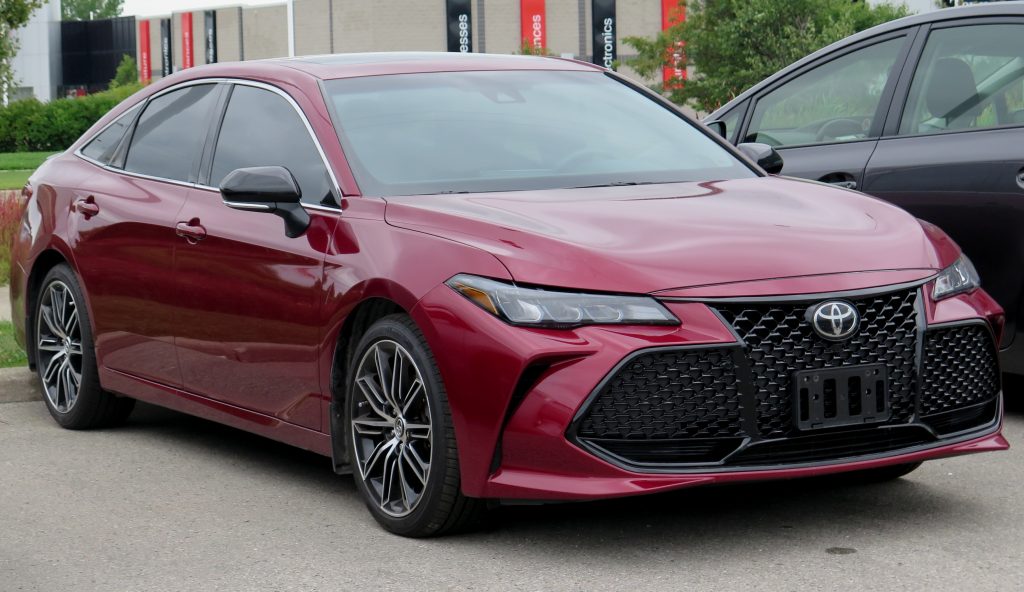
The car also projected understated elegance. Rather than relying on oversized grilles or excessive styling aggression, the Avalon maintained a mature and sophisticated appearance, appealing to buyers who valued comfort and dignity over attention-seeking design.
The Toyota Avalon proved that true luxury often comes from comfort, reliability, quietness, and ease of ownership rather than purely expensive branding. In daily driving situations, it frequently delivered a more satisfying experience than premium sedans costing dramatically more.
- Engine: 3.5L V6
- Torque: 267 lb-ft
- Horsepower: 301 HP
- Length/Width: 195.9 inches / 72.8 inches
6. Buick LaCrosse
The Buick LaCrosse represented one of the automotive industry’s most unexpected luxury challengers because it quietly mastered qualities many premium brands had gradually neglected.
While some luxury sedans chased aggressive styling and sporty handling at the expense of comfort, the LaCrosse focused relentlessly on smoothness, quietness, and relaxed refinement.
For decades, Buick carried a reputation associated mainly with older buyers, but the LaCrosse demonstrated how effective the brand could become when prioritizing genuine comfort and upscale road manners. Drivers expecting an ordinary mainstream sedan were often left impressed by how calm and isolated the car felt during everyday driving.
Ride quality became one of the LaCrosse’s defining strengths. Buick engineers tuned the suspension carefully to absorb broken pavement and highway imperfections with minimal harshness entering the cabin.
Some expensive European luxury sedans prioritized stiff, sporty suspension setups that became tiring during long-distance travel. The LaCrosse instead emphasized serenity and composure.
Cabin quietness also reached genuinely impressive levels. Buick’s QuietTuning technology used extensive insulation, laminated glass, and aerodynamic refinement to suppress outside noise effectively. In many real-world situations, the LaCrosse felt quieter than significantly more expensive luxury competitors.
Interior comfort played a major role in the car’s success as well. The seats were designed for long-distance support rather than aggressive bolstering, and rear passengers benefited from generous space and soft ride characteristics.
Buyers looking for stress-free transportation frequently preferred the Buick’s relaxed atmosphere over sport-focused premium alternatives.
The dashboard design focused on elegance and usability instead of overwhelming technological complexity. Soft-touch materials, ambient lighting, large infotainment screens, and premium trim details helped the LaCrosse feel upscale without becoming visually cluttered.
Another advantage involved value. Buyers could purchase a fully loaded LaCrosse with advanced safety features, heated and ventilated seating, premium audio, and driver-assistance technology for far less money than comparably equipped luxury sedans.
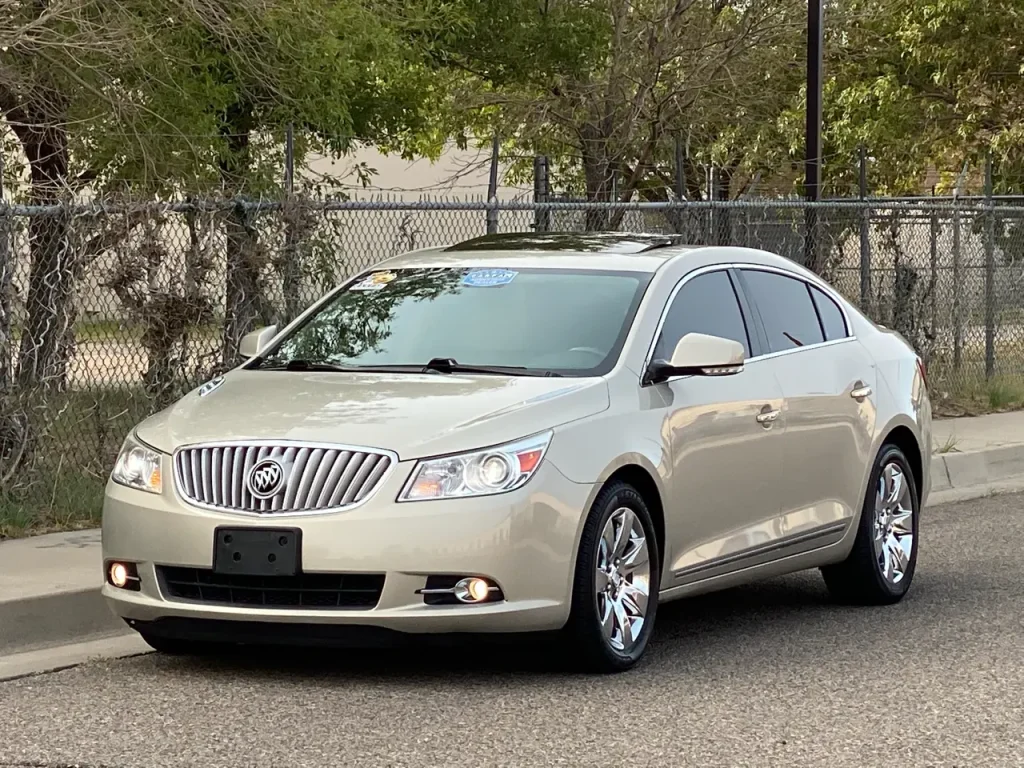
Ownership costs also remained significantly lower regarding insurance, maintenance, and repairs. The V6 engine delivered smooth and effortless acceleration suitable for highway cruising and relaxed driving. Rather than chasing extreme performance numbers, Buick prioritized refinement and low-stress power delivery, perfectly matching the car’s personality.
Perhaps the LaCrosse’s greatest achievement involved redefining what luxury actually means for many drivers.
Instead of focusing on prestige or aggressive performance, the car concentrated on peace, comfort, and effortless daily usability. In those areas, it frequently surpassed premium rivals obsessed with image and sportiness.
The Buick LaCrosse proved mainstream brands could still build genuinely luxurious sedans capable of outperforming expensive competitors where comfort and refinement matter most during everyday ownership.
- Engine: 3.6L V6
- Torque: 268 lb-ft
- Horsepower: 310 HP
- Length/Width: 197.5 inches / 73.1 inches
