
Car buyers usually focus on mileage, reliability, performance, and maintenance costs when thinking about resale value, yet paint color can influence depreciation far more than many people expect.
Some colors remain consistently desirable in the used-car market for years, while others quickly lose popularity and reduce buyer demand. In many cases, a bold or unusual shade may look exciting in the showroom but become difficult to sell after only a few years.
The automotive market changes constantly as trends shift between luxury styling, sporty designs, and minimalist appearances. Neutral shades such as white, silver, black, and gray traditionally hold value better because they appeal to a wider audience.
Bright or highly specific colors often attract a smaller group of buyers, making resale more challenging once the vehicle ages.
Environmental conditions also play a role. Certain paint finishes reveal scratches, fading, swirl marks, or dust more easily than others. Buyers shopping for used vehicles frequently judge exterior condition within seconds, meaning color perception directly affects how expensive or well-maintained a car appears.
Some manufacturers release trends tied closely to a particular era. A shade that feels fashionable during launch year may look outdated only three years later.
Dealers often discount these vehicles more aggressively because resale demand drops faster than expected. Sports cars, luxury sedans, trucks, and crossovers can all experience this issue depending on the color combination.
This article examines ten car colors that commonly lose significant value within the first three years of ownership. Each section focuses on a vehicle strongly associated with one of these less desirable resale colors and explains why buyers often move away from those shades in the used market.
While personal taste will always matter more than resale value for some owners, understanding how color affects depreciation can help shoppers make smarter long-term purchasing decisions before signing for a new car.
Also Read: 10 Times Mustang Made It To The TV For The Craziest Reason
1. Bright Yellow
Bright yellow has long been associated with performance cars, and the Chevrolet Camaro frequently appeared in attention-grabbing shades such as Shock Yellow and Rally Yellow. While these colors helped the Camaro stand out on dealer lots, they often created resale problems only a few years later.
Muscle car buyers tend to love dramatic styling during the initial purchase process. A bright yellow Camaro looks aggressive, loud, and youthful, which matches the character of the car itself. The problem begins once the vehicle enters the used-car market.
Second or third owners usually want something easier to live with daily, and extremely bold paint colors shrink the number of interested buyers considerably.
Another issue involves visual aging. Bright yellow paint tends to highlight panel gaps, scratches, rock chips, and fading more than darker neutral colors.
On a used Camaro driven regularly, the paint can quickly lose the deep, glossy appearance that made it appealing when new. Buyers shopping for used sports cars often inspect cosmetic condition carefully, so visible wear becomes harder to ignore.
Insurance and buyer stereotypes also affect resale perception. Colors are sometimes associated with aggressive driving habits or heavily modified vehicles. Even when the car is completely stock, some used-car shoppers become cautious simply because bright yellow performance cars carry a reputation for hard driving.
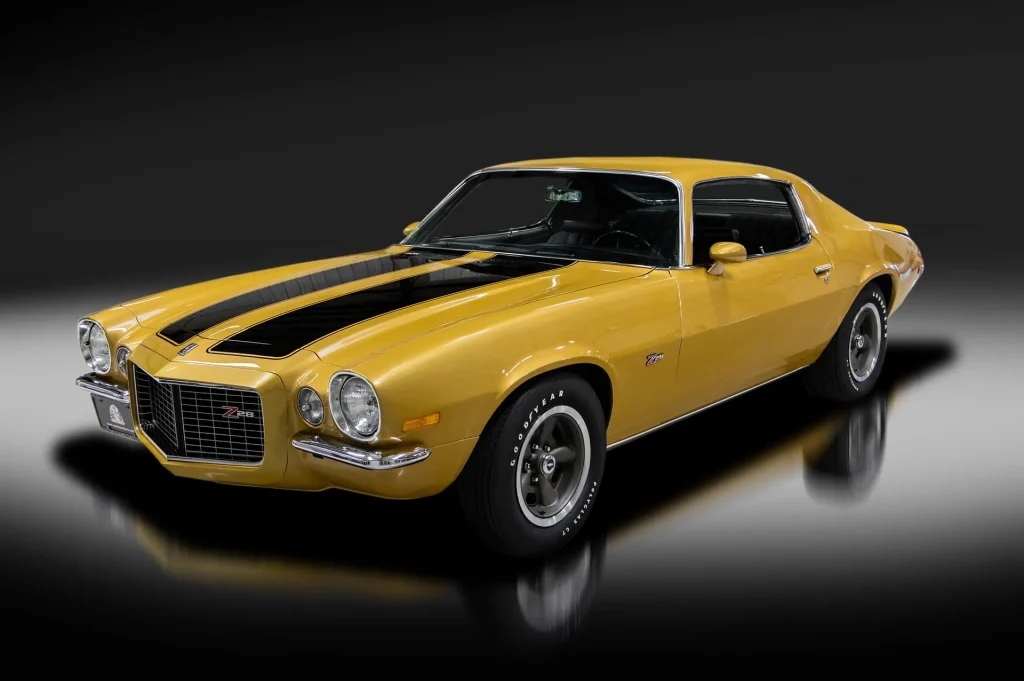
Dealers frequently struggle to move unicolor combinations quickly. Neutral Camaros in black, grey, or white usually appeal to broader audiences, making them easier to resell. Bright yellow examples may sit longer on lots, forcing price reductions to attract buyers.
The irony is that many owners absolutely love these colors during the first few years. Yellow creates excitement and individuality in ways silver or gray never can. Yet once resale time arrives, emotional appeal gives way to market practicality, and that is where bold yellow shades commonly lose ground faster than safer paint choices.
2. Lime Green
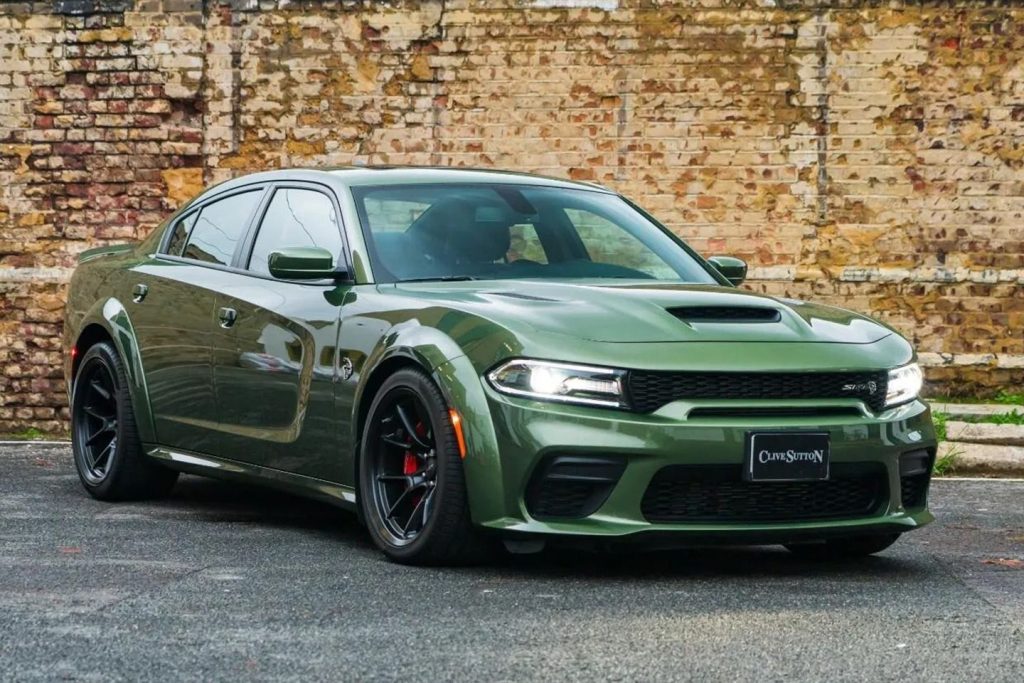
Lime green became one of Dodge’s signature modern muscle-car colors thanks to shades like Sublime Green. On the Dodge Charger, the color perfectly matched the car’s aggressive personality and retro-inspired styling. It delivered instant road presence and guaranteed attention at traffic lights, parking lots, and car meets.
Despite the excitement surrounding these vibrant green shades when new, resale value often declines rapidly after a few years. The biggest reason comes down to buyer demographics.
Only a limited number of people genuinely want a full-size sedan painted in such a loud and unconventional color. While enthusiasts may admire it, many everyday buyers prefer something less visually extreme.
Lime green also creates a strong time-period association. Colors tied heavily to automotive trends or nostalgia can quickly feel dated once public tastes shift. What appears bold and fashionable today may feel excessive only a few years later, especially in the used-car market, where buyers usually prioritize versatility over personality.
Maintenance becomes another hidden factor. Bright green paint tends to show scratches, door dings, and body imperfections very clearly under direct sunlight. Matching paint during repairs can also become more difficult compared to common neutral shades. Buyers aware of repaint history or touch-up inconsistencies may negotiate prices more aggressively.
Interestingly, some rare, limited-production muscle cars eventually regain value in unusual colors decades later.
However, that collector effect rarely helps ordinary used chargers within the first three years of ownership. Short-term depreciation remains heavily influenced by mainstream market demand, and mainstream buyers generally avoid highly saturated colors.
The Charger itself remains desirable because of its performance and practicality combination. Yet resale data consistently shows that unusual colors narrow the pool of interested shoppers. Dealers often discount lime green examples faster simply to keep inventory moving, especially once newer model years arrive with updated styling or features.
For drivers planning long-term ownership, the dramatic color may still feel worthwhile. Buyers concerned primarily with minimizing depreciation, however, usually fare better with less polarizing paint choices.
3. Matte Grey
Matte grey became one of the trendiest performance-car finishes during the past decade, and the BMW M4 helped popularize the look among modern luxury sports coupes.
Colors such as Frozen Grey gave the M4 an aggressive, stealth-like appearance that immediately separated it from ordinary traffic. In photographs and showroom lighting, the finish looked futuristic and extremely expensive.
The problem begins once ownership moves beyond the excitement of the first year or two. Matte finishes are notoriously difficult to maintain properly.
Unlike conventional glossy paint, matte surfaces cannot be polished traditionally because polishing changes the texture and creates shiny patches. Even small scratches or swirl marks become major headaches requiring expensive repair procedures.
Used-car buyers understand these maintenance complications. Many shoppers avoid matte-finished vehicles entirely because long-term upkeep feels risky and expensive. This dramatically reduces resale demand compared to identical M4 models painted in standard metallic colors like black, white, or blue.
Environmental wear also affects matte paint more visibly over time. Bird droppings, harsh sunlight, automatic car washes, and improper cleaning techniques can permanently damage the surface. Owners often need special cleaning products and careful washing methods simply to preserve the original appearance.
Another factor hurting resale involves changing trends. Matte grey looked highly exclusive when manufacturers first introduced it widely, but the market quickly became saturated with similar finishes across sports cars, SUVs, and luxury sedans. What once felt rare and exotic eventually started looking like a fading fashion trend tied to a specific automotive era.
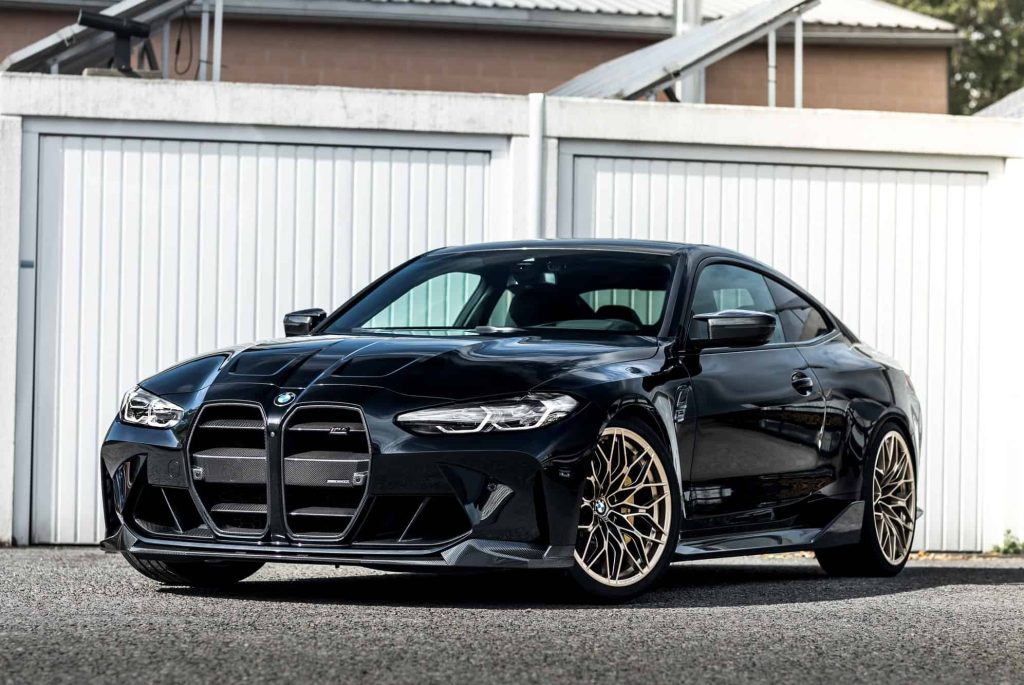
Dealers frequently hesitate to stock used matte-finished vehicles because repairs and cosmetic preparation can become extremely costly. Even minor blemishes may require repainting entire panels rather than simple paint correction. As a result, resale offers often fall below expectations despite the vehicle itself remaining highly desirable mechanically.
The BMW M4 continues to attract enthusiasts for its performance and handling, yet matte grey versions usually experience steeper short-term depreciation compared to more conventional paint finishes. The dramatic appearance wins attention quickly, but rarely helps preserve value during the early years of ownership.
4. Orange
Orange paint became increasingly popular on adventure-oriented trucks during the SUV and off-road boom of the late 2010s. Toyota leaned into this trend with the Tacoma, offering striking shades such as “Inferno Orange” that emphasized a rugged outdoor personality. For buyers wanting a truck that looked adventurous and youthful, the color fit perfectly.
Resale reality often tells a different story. Orange trucks appeal strongly to a specific niche audience but struggle to attract broader used-car buyers after a few years.
Many shoppers searching for pre-owned pickups prefer conservative colors that work comfortably for both personal and professional use. Bright orange can feel too flashy for contractors, commuters, or older buyers wanting a more understated appearance.
The Tacoma itself remains one of the strongest resale vehicles in the truck market, which makes the effect of color differences even more noticeable.
Neutral shades such as white, silver, grey, and black consistently command stronger resale prices because they appeal to nearly every type of truck shopper. Orange examples frequently require larger discounts to move quickly.
Sun exposure presents another issue. Bright orange paint can lose depth and richness faster than darker metallic shades if not cared for properly. Fading becomes especially visible on vehicles frequently used outdoors, which is common for pickup owners involved in camping, hauling, or off-road activities.
Buyer psychology also matters more than many realize. A bright orange truck often suggests recreational use or aggressive off-road driving, even if the vehicle remains mechanically perfect. Some used buyers assume the truck experienced tougher treatment simply because of the adventurous image created by the color itself.
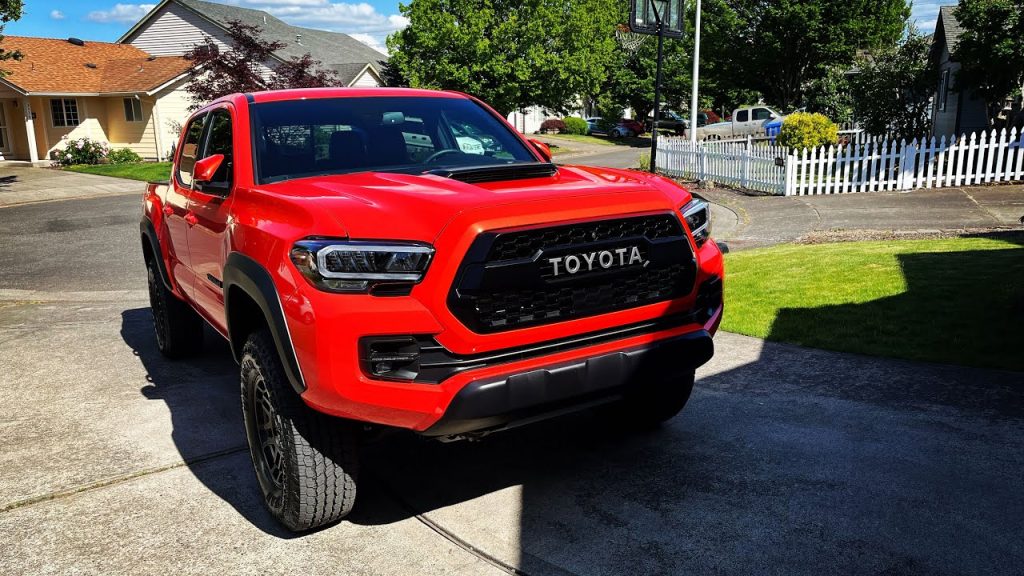
Toyota designed the Tacoma to project toughness and personality, so orange shades succeeded from a branding perspective.
Yet resale markets tend to reward practicality over emotional excitement. Once the initial trend fades, unusual colors lose momentum quickly compared to timeless neutral finishes that remain attractive across multiple buyer generations.
5. Purple
Purple has deep roots in American muscle-car culture, and Dodge embraced that heritage with colors such as Plum Crazy on the Challenger.
The shade instantly connected modern buyers with classic Mopar performance history from the late 1960s and early 1970s. At launch, color created excitement because it looked dramatic, nostalgic, and unapologetically bold.
That same intensity becomes a disadvantage once the car enters the used market a few years later. Purple remains one of the least universally accepted automobile colors, particularly on large coupes.
Many buyers admire the look briefly but hesitate when imagining themselves driving it every day. This hesitation reduces demand significantly compared to neutral-colored Challengers.
The Challenger already has a very strong visual presence due to its size and styling. Adding bright purple paint pushes the car even further into attention-grabbing territory. For younger enthusiasts, that may feel appealing. Older buyers or those seeking a more subtle performance car usually move toward blue grey, grey, white, or dark blue alternatives instead.
Another issue involves regional taste differences. In some areas, loud colors sell reasonably well, especially near enthusiast communities or warm-weather states with active car cultures. In more conservative markets, however, purple cars can remain unsold much longer on dealer lots.
Condition perception matters too. Purple paint often reveals swirl marks and paint imperfections under sunlight.
Because muscle cars attract enthusiastic owners, cosmetic wear can appear quickly if the finish is not maintained carefully. Used-car buyers inspecting a purple Challenger may notice flaws immediately that might remain less visible on darker neutral shades.
Collectors occasionally pay premiums for rare factory colors years later, but short-term depreciation usually follows mainstream market behavior instead of collector logic. During the first three years, unusual colors generally shrink the pool of interested buyers instead of expanding it.
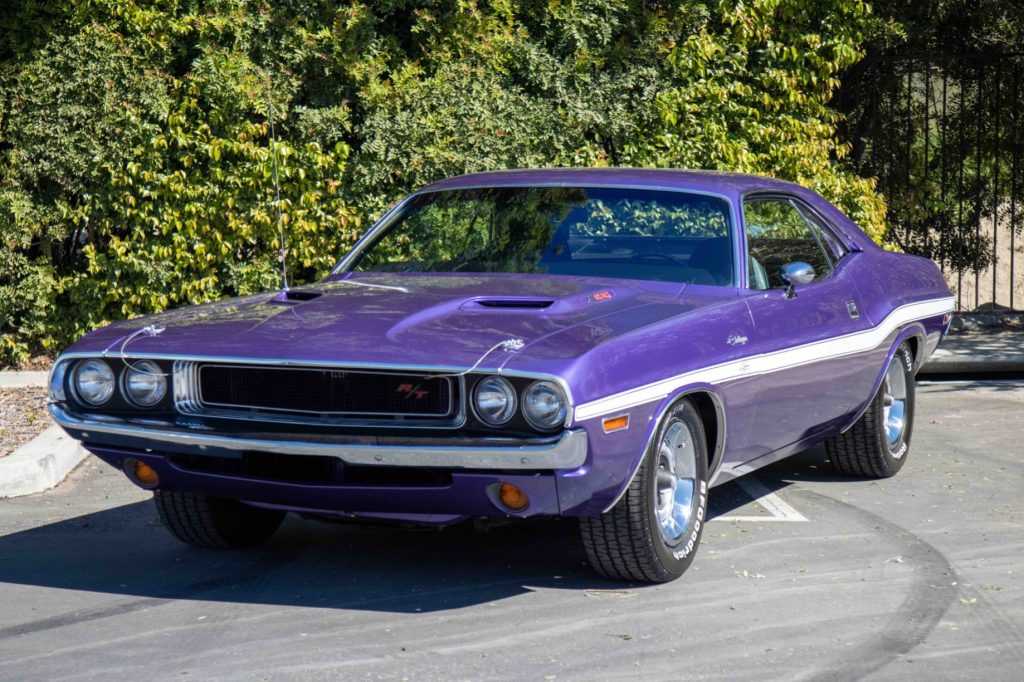
The Challenger remains highly desirable because of its V8 performance and retro appeal. Yet bright purple versions frequently experience steeper depreciation because color appeals strongly to emotion while limiting long-term mainstream resale flexibility.
6. Brown
Brown paint once represented luxury and sophistication during certain automotive design trends, especially in the late 2000s and early 2010s.
Nissan offered several earthy metallic shades on the Murano crossover, hoping to create a premium and upscale appearance. Initially, color felt different from the endless stream of silver and black SUVs dominating dealership lots.
Unfortunately, brown quickly became one of the least desirable colors in the crossover market. Buyers shopping for used family SUVs typically prioritize appearance and broad visual appeal. Brown often feels dated much faster than neutral shades, especially once interior and exterior design trends evolve.
Part of the problem comes from association. Brown vehicles tend to remind buyers of older automotive eras rather than modern styling. While retro-inspired colors can work on sports cars or specialty vehicles, mainstream crossovers usually depend on timelessness to retain strong resale value.
The Murano itself featured futuristic body lines and flowing curves, but brown paint often muted those styling details instead of highlighting them. Lighter metallic grays or pearl white finishes gave the crossover a cleaner and more upscale appearance, making it easier to sell later.
Market psychology also plays a huge role. Used-car shoppers often browse listings quickly online before deciding which vehicles deserve closer attention. Brown rarely photographs as attractively as black, white, or blue, reducing initial buyer interest even before someone sees the vehicle in person.
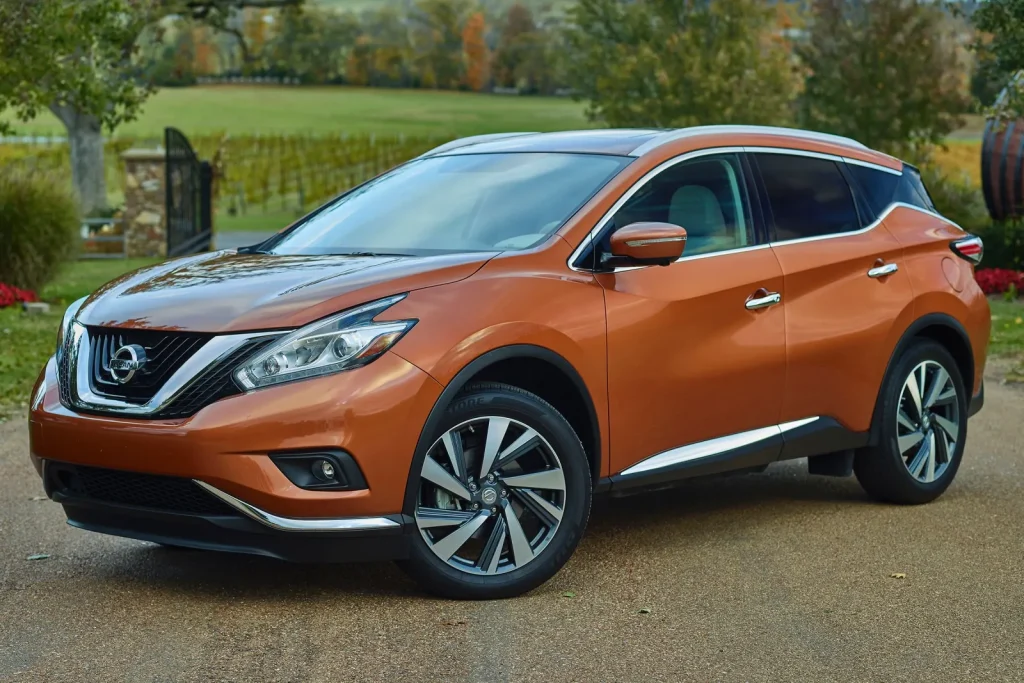
Unlike flashy performance colors, brown does not generate emotional excitement either. It occupies an awkward middle ground where it feels neither sporty nor luxurious enough to attract passionate buyers. That creates weaker resale demand after only a few years.
Many automakers gradually reduced brown paint offerings once sales trends became clear. Consumer preferences shifted heavily toward monochromatic colors and cleaner metallic finishes instead.
The Nissan Murano remained a comfortable and practical crossover, but brown-painted examples typically depreciated faster because the color struggled to maintain broad market appeal over time.
7. Gold
Gold paint symbolized luxury and prestige, especially during the 1990s and early 2000s, when many premium sedans appeared in champagne or beige-gold metallic finishes.
Buick embraced this trend heavily with the LaCrosse, aiming to give the sedan a refined and upscale personality. At the time, the color appealed strongly to traditional luxury buyers who preferred softer and more conservative styling.
The resale market shifted dramatically as automotive tastes evolved. Gold quickly became associated with older vehicle generations, causing depreciation to accelerate faster than many owners expected. Buyers searching for used sedans increasingly favored modern shades like pearl white, metallic grey, deep black, or dark blue instead.
One reason gold loses value quickly involves changing perceptions of luxury. Modern premium design emphasizes sharp lines, contrast accents, and sleek monochromatic finishes. Gold paint often softens a vehicle’s appearance too much, making even newer cars look older than they really are.
The Buick LaCrosse already targeted comfort-focused buyers rather than sporty enthusiasts. Combined with gold paint, the sedan developed a reputation for appealing mainly to an aging demographic. Younger buyers entering the used-car market frequently avoided the color entirely, shrinking resale demand significantly.
Gold also struggles under different lighting conditions. In bright sunlight, the finish can appear faded or washed out compared to stronger metallic shades. During cloudy weather, some gold paints take on a dull beige tone that reduces visual depth and richness.
Dealers often discount gold vehicles more aggressively simply because inventory turnover slows. Neutral colors usually attract immediate interest from a wide range of customers, while gold appeals to a much narrower audience. This creates longer lot times and lower trade-in values.
Ironically, gold was once considered a safe and elegant automotive choice. Over time, however, market trends moved sharply away from the color, leaving many formerly upscale sedans looking outdated in the eyes of modern buyers.
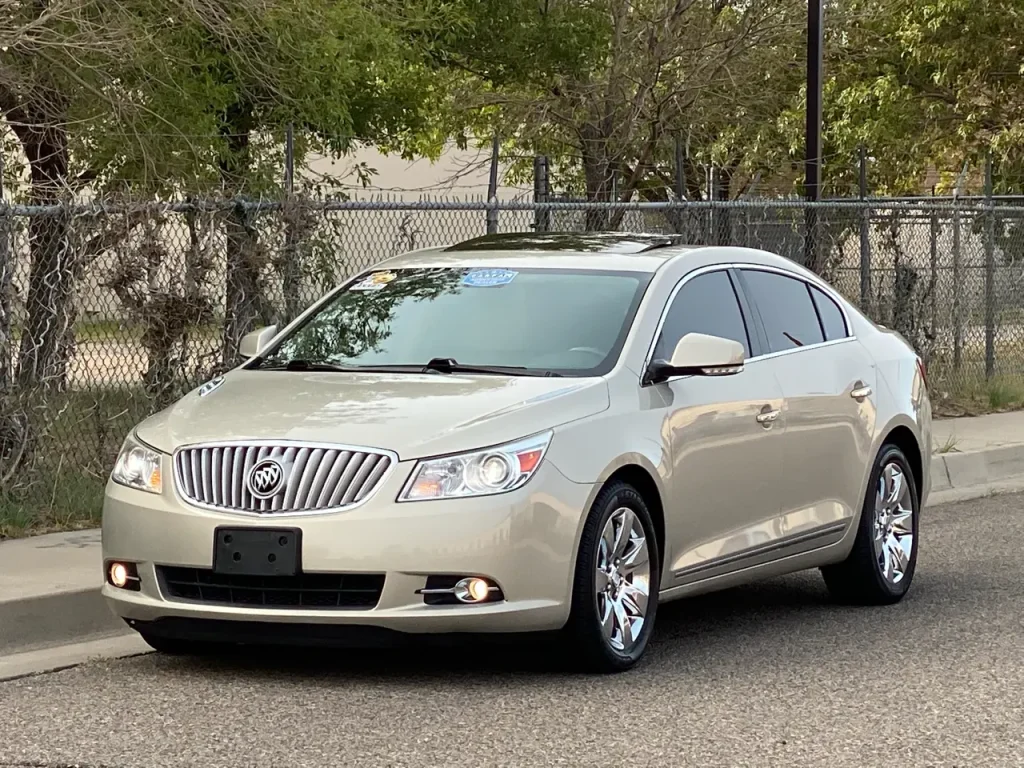
The Buick LaCrosse remained comfortable and refined mechanically, but gold-painted examples commonly suffered faster depreciation due to rapidly changing design preferences.
8. Teal
Teal enjoyed a brief surge in popularity during the 1990s when manufacturers experimented with colorful paint palettes across SUVs, sedans, and minivans.
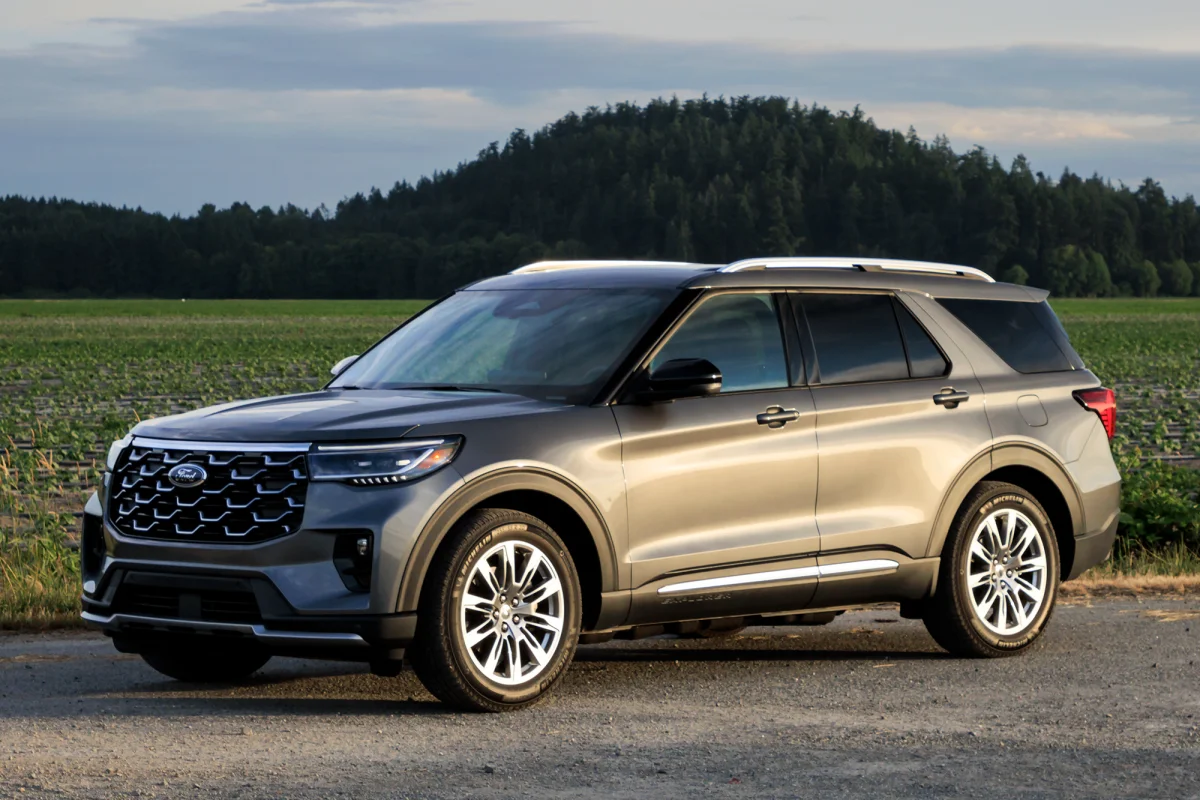
The Ford Explorer frequently appeared in teal metallic shades during that period, helping the SUV stand out in crowded suburban neighborhoods. At launch, Color felt modern, family-friendly, and visually distinct from ordinary black or white vehicles.
A few years later, resale values often told a harsher story. Teal became one of the most era-specific auto colors ever produced. Once trends shifted, the shade quickly started looking outdated rather than unique. Buyers shopping for used SUVs rarely viewed teal as timeless or desirable.
The Explorer itself remained practical and capable, but the color dramatically affected visual perception. Neutral-colored Explorers retained a cleaner and more modern appearance as they aged. Teal examples, on the other hand, often looked much older than identical vehicles finished in silver, grey, or dark grey.
Grayer fading presented another challenge. Many teal metallic finishes lose richness after years of sun exposure, especially on vehicles parked outdoors regularly. As the paint aged, oxidation and discoloration became more noticeable than on more conventional shades.
Consumer psychology strongly influences resale value in cases like this. Buyers usually want used SUVs that feel versatile and easy to own long-term. Teal creates a strong stylistic identity tied closely to one specific automotive era, limiting its ability to remain visually relevant over time.
Unlike rare sports cars, where unusual colors may eventually gain nostalgic value, mainstream SUVs depend heavily on broad market appeal. Dealers frequently found teal vehicles harder to sell because shoppers often ignored them immediately in favor of safer-looking alternatives nearby.
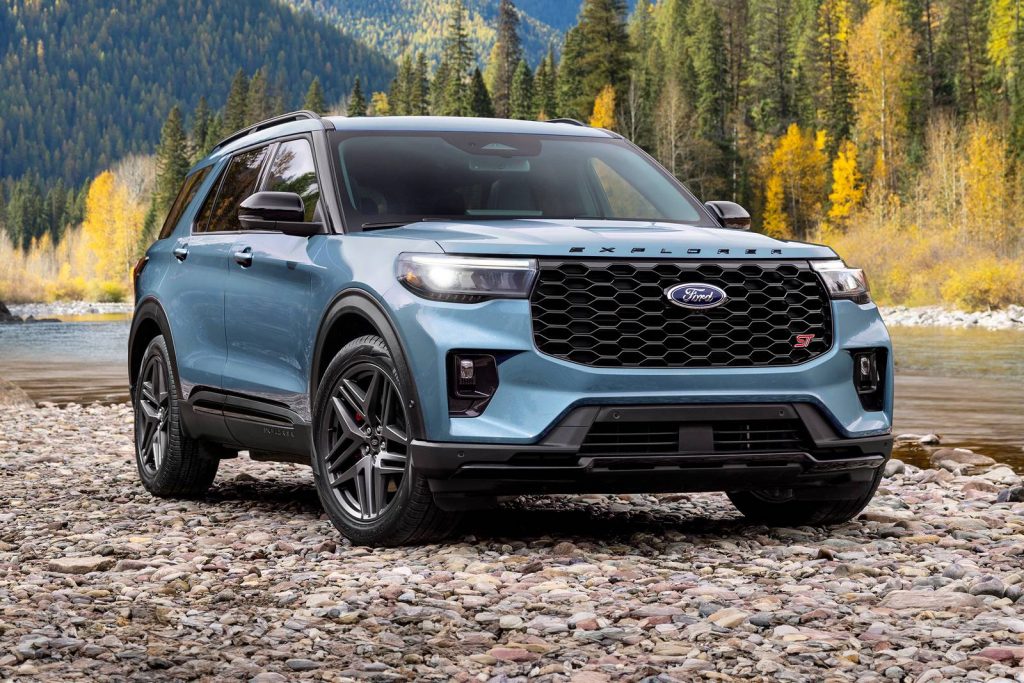
The Ford Explorer continued succeeding because of practicality, interior space, and family usability. Yet teal-painted versions commonly depreciated faster simply because the color aged poorly within changing automotive design trends and buyer preferences.
9. Bright Red
Bright red has always been closely connected to sports cars, and few vehicles wore the color more naturally than the Mazda MX-5 Miata. Shades like Classic Red and Soul Red Crystal helped reinforce the roadster’s playful personality and lightweight driving character.
On showroom floors, a red Miata immediately attracted attention because the colour amplified the car’s energetic design.
Resale trends, however, reveal an interesting contradiction. Although red sports cars remain iconic, bright red examples often depreciate faster within the first few years than more neutral alternatives. The issue is not dislocated for the colour itself. Instead, it comes from buyer practicality and long-term ownership concerns.
Bright red paint tends to fade more noticeably under constant sunlight exposure compared to many darker metal colors. Sports cars are frequently driven with enthusiasm and parked outdoors during recreational trips, accelerating cosmetic wear. Once fading begins, the vehicle can lose much of the vibrant appearance that made it attractive initially.
The MX-5 Miata also appeals to a wide variety of buyers, ranging from young enthusiasts to older drivers wanting a relaxed convertible experience.
Neutral colours such as grey, white, or black broaden resale appeal significantly because they suit more personal tastes. Bright red narrows the audience to shoppers specifically seeking a classic sports-car image.
Insurance perceptions sometimes influence value indirectly as well. Red performance-oriented vehicles carry longstanding stereotypes involving aggressive driving behavior, even though real-world insurance data does not always support those assumptions. Some used buyers still associate bright red sports cars with heavier wear or harder driving histories.
Photographing used red cars can also be challenging. Depending on lighting conditions, bright red paint may appear inconsistent in online listings, making it harder for sellers to present the car attractively compared to simpler neutral shades.
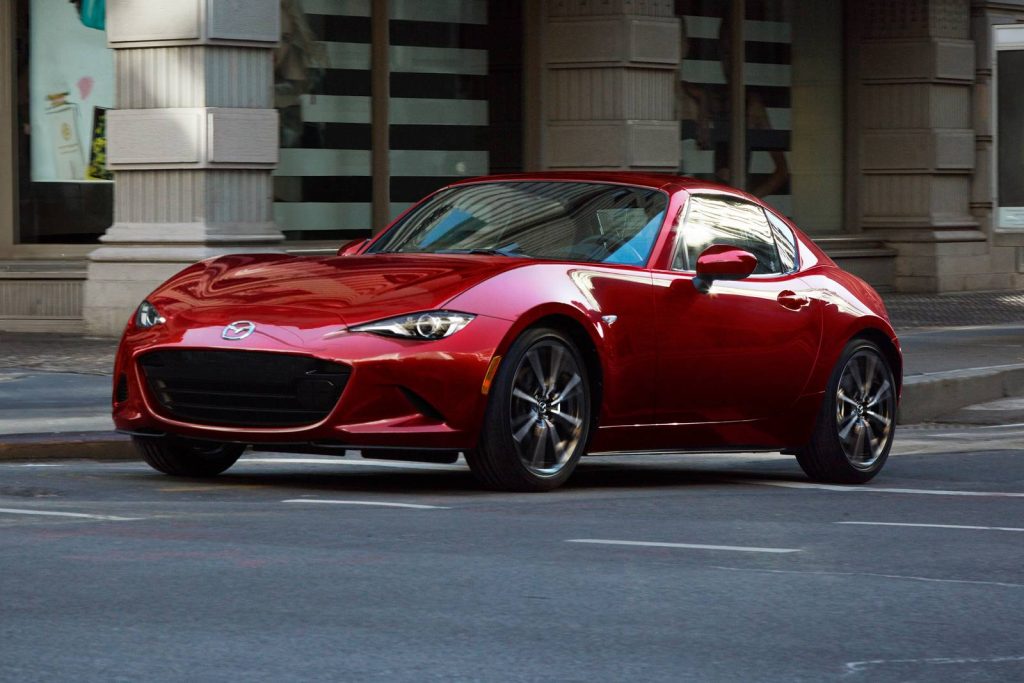
The Miata itself remains one of the most respected affordable sports cars ever built. Yet bright red versions frequently experience slightly steeper short-term depreciation because the colour depends heavily on emotional appeal rather than broad mainstream demand in the used-car market.
10. Beige
Beige once represented calm luxury and understated elegance in large sedans, especially among comfort-focused buyers during the early 2000s. Toyota offered several beige and light champagne finishes on the Avalon, positioning the sedan as a refined and mature alternative to sportier competitors.
As automotive styling trends changed, beige quickly became one of the weakest colors for resale value. Modern buyers increasingly prefer sharper, cleaner-looking tones such as white, black, silver, and dark grey. Beige now often feels visually outdated, even when the vehicle itself remains modern mechanically.
The Avalon built its reputation around reliability, smooth ride quality, and quiet comfort. Unfortunately, beige paint amplified the car’s conservative image too heavily for many younger used-car shoppers.
The sedan already appealed more to practical buyers than emotional enthusiasts, and the color pushed it even further into a low-excitement category.
Another issue involves how beige interacts with body styling. The Avalon featured flowing lines and subtle exterior details, but beige muted those design elements instead of enhancing them. Metallic gray or pearl white versions usually appeared more upscale and contemporary despite being identical vehicles underneath.
Used-car market behavior strongly favors colors with broad visual versatility. Beige struggles because it rarely creates excitement or strong first impressions. Online shoppers scrolling through listings often pass over beige vehicles immediately without investigating further.
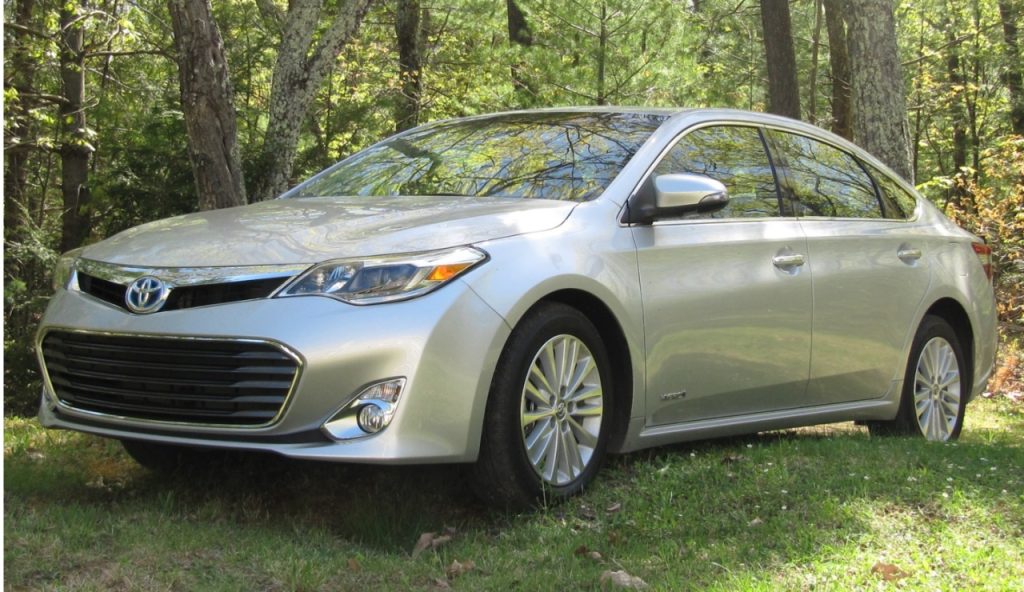
Environmental wear also becomes noticeable. Beige paint can develop uneven discoloration over time, particularly on older vehicles exposed to intense sunlight. Dirt accumulation and paint imperfections may appear more obvious compared to darker metallic finishes.
Toyota’s engineering excellence kept the Avalon desirable for dependability and comfort, but paint color still affected depreciation significantly.
Beige examples commonly lost value faster within the first few years because buyer preferences shifted toward more modern and visually striking color choices across the entire sedan market.
Also Read: 9 Pre-2010 Mustangs Still Worth More Than New Ones
