
The Jeep brand has always been closely tied to off-road adventure, where design goes far beyond looks and focuses on real-world durability, control, and practicality. Over decades of refinement, Jeep engineers have built a range of clever hidden features that quietly improve how the vehicle performs in extreme environments.
These are not flashy add-ons, but purposeful tools designed to handle mud, rocks, water, and unpredictable terrain while keeping drivers confident behind the wheel. From clever storage solutions to intelligent driving systems, each feature reflects a deep understanding of what off-road travel truly demands.
Many of these functions remain unknown to everyday drivers, even though they significantly enhance safety, convenience, and capability. In this breakdown of “7 Hidden Features in Jeep Models Made for Off-Roading,” we explore the subtle engineering details that make a Jeep more than just a vehicle, revealing how thoughtful design choices transform challenging trails into more manageable and enjoyable experiences.
1. Removable Floor Drain Plugs
Jeep vehicles, especially models like the Wrangler and Gladiator, are designed with off-road adventures in mind, where mud, water, and dust are unavoidable. One practical feature that supports this rugged lifestyle is removable floor drain plugs. Hidden beneath the floor carpets, these rubber plugs can be removed to allow water, mud, and debris to drain directly from the vehicle’s cabin. After driving through muddy trails, water crossings, or dusty terrain, owners can simply hose down the interior, making cleanup fast and efficient.
The drain plugs significantly reduce the effort needed to maintain the cabin after outdoor adventures. Instead of spending hours scrubbing dirt from carpets and hard-to-reach areas, users can remove the plugs and rinse the floorboards with a low-pressure hose. This helps prevent long-term problems such as water damage, mold growth, and lingering dirt buildup.
Another advantage of these plugs is their usefulness when driving with the top or doors removed, which is a signature Jeep experience. Sudden rain or water entering during creek crossings can quickly collect inside the cabin. The plugs make it easy to drain trapped water without manually removing it, helping protect the vehicle’s interior.
Modern Jeep models feature several strategically placed drain plugs, often located in footwells, beneath seats, and rear storage spaces to ensure effective drainage. In addition, specially designed water-resistant carpets and all-weather mats work alongside the system, allowing moisture to escape while minimizing interior damage. Removable floor drain plugs are a practical and innovative feature that enhances convenience, durability, and the off-road experience.

2. Electronic Sway Bar Disconnect
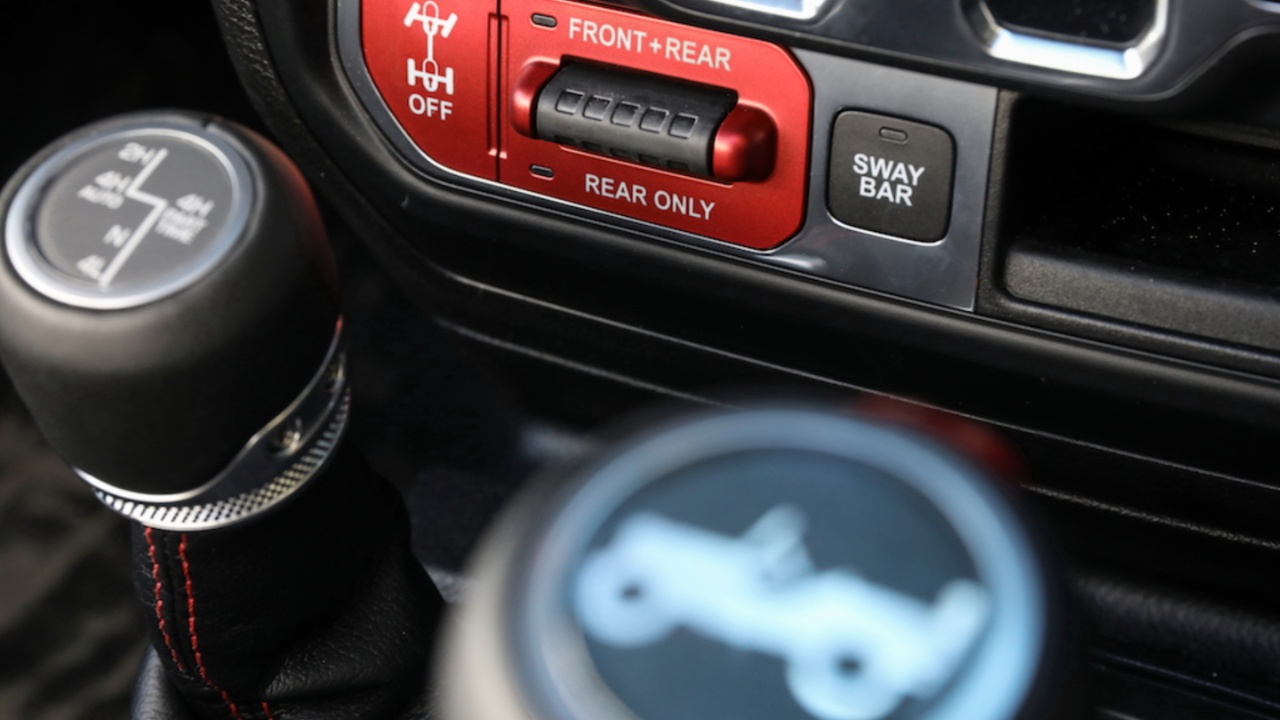
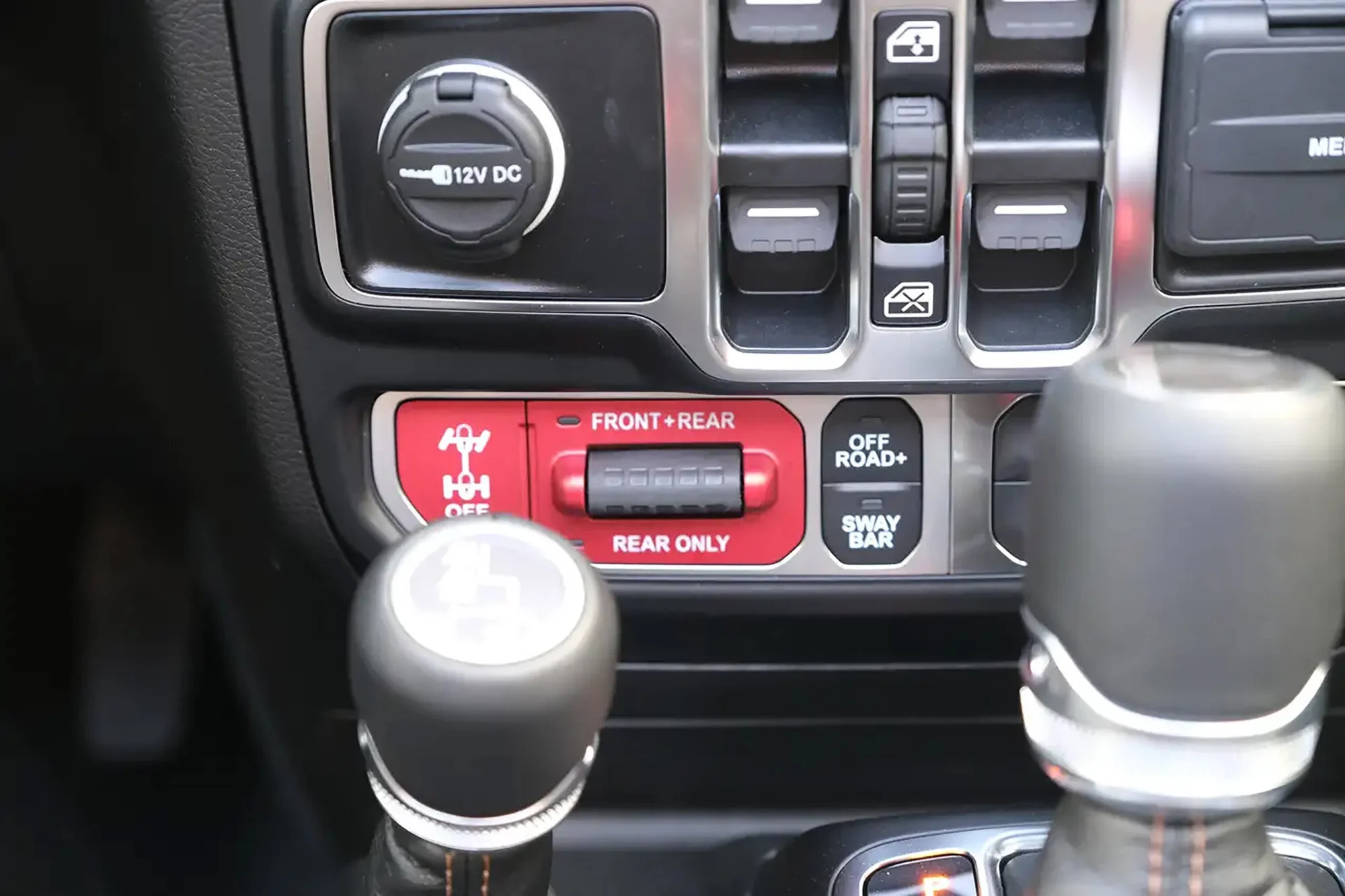
The electronic sway bar disconnect is an advanced off-road feature available on Jeep Rubicon models, designed to improve vehicle performance on rough and uneven terrain. Activated through a dashboard button, the system electronically disconnects the front sway bar, allowing the front wheels to move independently with greater flexibility. This increased suspension articulation helps the tires maintain contact with rocky surfaces, deep ruts, and steep inclines, improving traction, stability, and control in demanding conditions.
A connected sway bar is important during highway driving because it limits excessive body movement and keeps the vehicle stable while cornering. However, on difficult terrain, it can restrict suspension travel and prevent wheels from fully adapting to uneven ground. Disconnecting the sway bar allows the axle to flex more freely, helping all four tires stay firmly planted instead of lifting off the surface. Maintaining tire contact is essential for preserving grip and reducing the risk of wheel slip in technical off-road situations.
The feature also provides convenience compared to traditional systems that require drivers to manually disconnect sway bars using tools. With Jeep’s electronic system, drivers can activate the feature from inside the cabin while in 4-High or 4-Low and traveling below 18 mph. This makes it easier to prepare the vehicle for demanding trails without physical effort or delays.
In addition, disconnecting the sway bar improves ride comfort by allowing the suspension to absorb impacts more smoothly, reducing harsh cabin movement on uneven ground. For safety, the system automatically reconnects once the vehicle exceeds 18 mph, ensuring better stability and handling during regular road travel.
3. Fold-Down Windshield
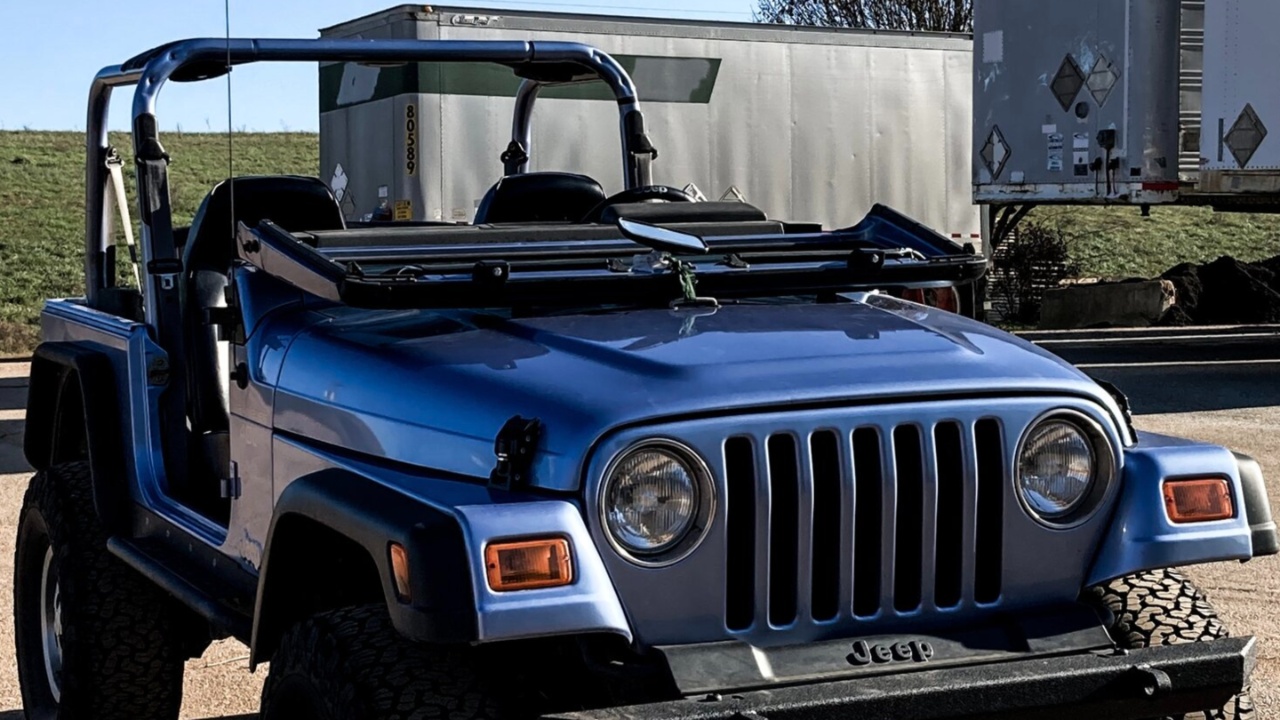
The fold-down windshield is one of Jeep’s most recognizable and historic features, tracing its origins to the 1941 military Willys Jeep. Designed for practicality and utility, the windshield can be folded flat against the hood by removing a few bolts and securing it with durable straps. While it carries historical significance, this feature continues to provide practical benefits for modern off-road enthusiasts.
One major advantage of a fold-down windshield is improved visibility. With the windshield lowered, drivers gain an unobstructed view of the terrain directly ahead, making it easier to identify rocks, dips, and obstacles near the tires. This enhanced sightline can improve precision and control on difficult trails, while also making communication with trail spotters more effective during technical driving situations.
The feature also helps protect the windshield glass from damage. On narrow forest trails, low-hanging branches can crack or shatter traditional windshields. Folding the glass flat against the hood reduces this risk, allowing branches to pass over the vehicle more safely. Additionally, lowering the windshield slightly reduces the vehicle’s center of gravity, which may contribute to improved balance on steep or uneven terrain.
Beyond practicality, the fold-down windshield creates a more immersive open-air driving experience by bringing passengers closer to their surroundings. However, it also exposes the cabin to mud, dust, rain, and debris. Jeep models are prepared for this with weather-resistant materials and drain plugs for easier cleanup. Because the windshield is an important safety component, Jeep recommends using this feature only at low speeds on off-road trails rather than on public roads.
Also read: 10 Cars Where the Cheaper Option Was Always the Smarter One
4. Hidden Locking Cargo Compartments
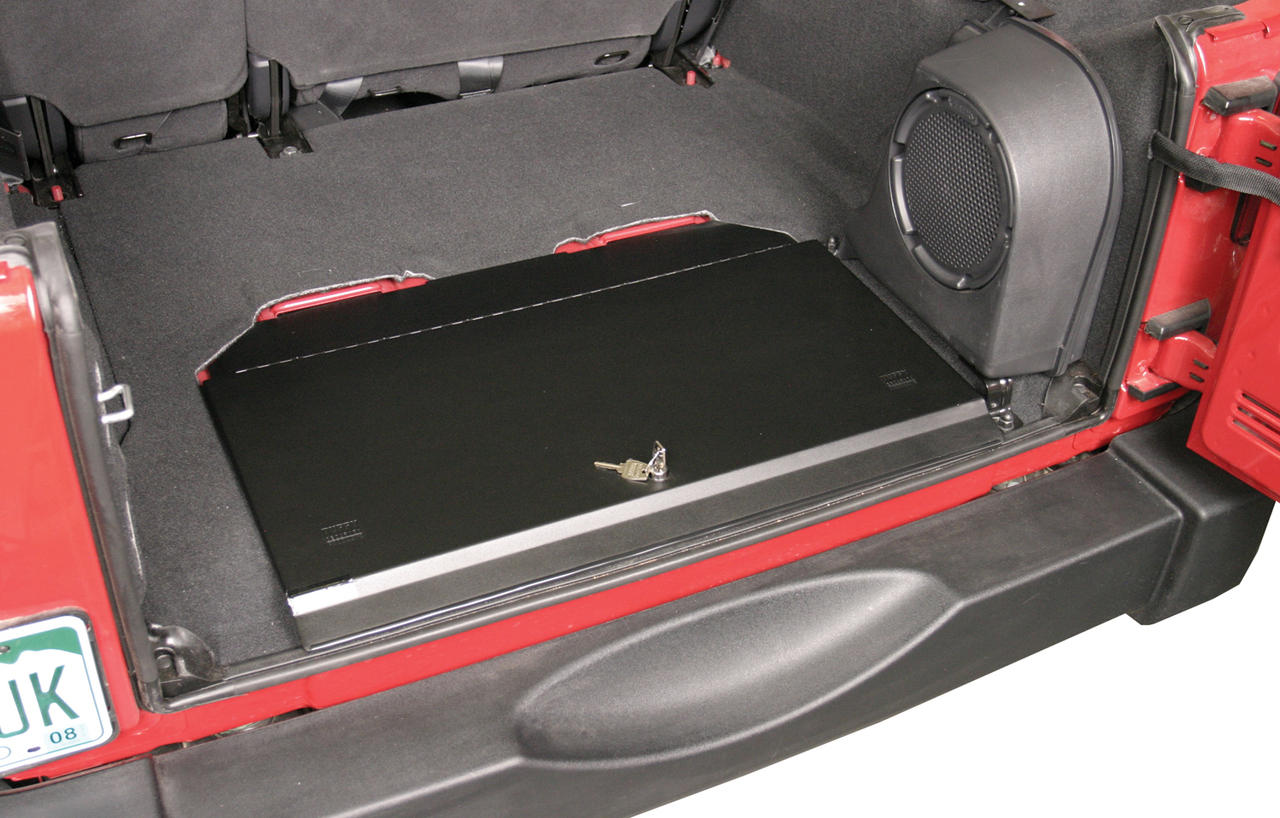
Hidden locking cargo compartments are one of Jeep’s most useful but often overlooked off-road features, offering added security and organization during open-air driving. When doors and roof panels are removed, the interior becomes exposed, creating concerns about theft, loose equipment, and weather-related damage. To address this, Jeep incorporates concealed storage spaces into areas such as the cargo floor, glove box, center console, and under-seat compartments.
Many models include a deep storage section hidden beneath the rear cargo mat, providing space for heavy recovery gear, tow straps, tools, emergency kits, and other trail essentials. These compartments help keep equipment secure and prevent loose objects from shifting around the cabin during rough terrain driving. Since off-road conditions can be unpredictable, keeping heavy gear stored safely also improves passenger safety and cabin organization.
Lockable center consoles and glove boxes offer additional protection for valuables such as wallets, phones, keys, registration documents, and small electronics. In some Jeep models, especially the Jeep Wrangler, security is further improved through tailgate interlock systems. Once the rear swing gate is shut and locked, access to certain hidden compartments becomes physically blocked, reducing the risk of theft.
These enclosed storage areas also help protect sensitive items from mud, dust, rain, and debris, which are common in off-road environments. Since Jeep interiors are designed for rugged use and easy cleanup, hidden cargo compartments add practicality without sacrificing usable space. For outdoor enthusiasts, they provide a simple but valuable combination of security, convenience, and peace of mind.
5. Dash Accessory Ready Mounts
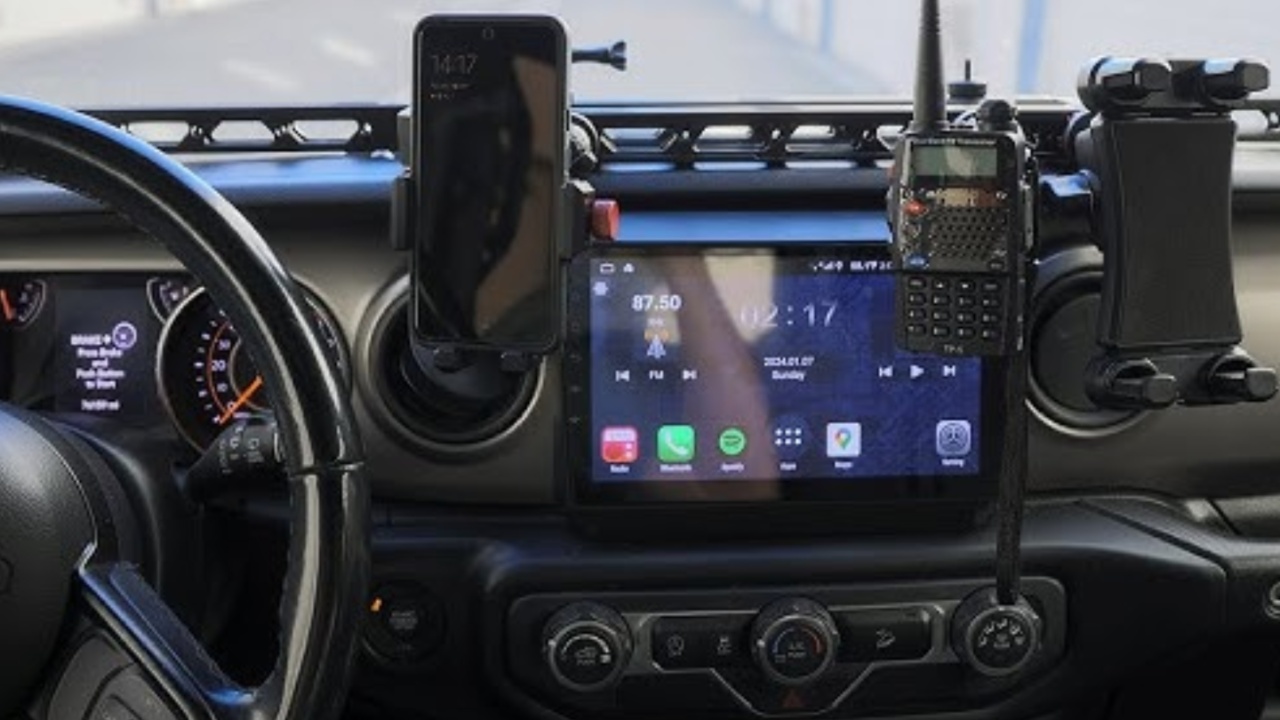
Jeep’s hidden dash accessory-ready mounts are a practical feature designed to keep electronics secure during demanding off-road driving. Found in models such as the Wrangler and Gladiator, these factory-integrated mounting points are built into the top center of the dashboard, giving drivers a stable location to install accessories without relying on unreliable suction mounts or temporary holders.
Since rough terrain generates constant vibration and sudden jolts, traditional phone mounts often loosen or fall off, making a fixed mounting solution especially valuable on trails.
One of the biggest advantages of this system is its factory-threaded design. Drivers can install mounting brackets directly into pre-existing bolt locations hidden beneath the dashboard tray, avoiding drilling or permanent interior modifications. This creates a clean, durable setup while preserving the vehicle’s original finish.
The mounts are also highly versatile. Owners can securely attach smartphones, GPS units, action cameras, radio microphones, or multiple devices at once, depending on their setup. Many aftermarket systems support modular mounting platforms, allowing accessories to be rearranged based on trail or travel needs.
Positioning devices near the driver’s natural field of view also improves convenience by keeping maps, trail guidance, and communications easier to monitor during off-road travel. Most importantly, these mounts remain stable over rocks, uneven surfaces, and steep inclines, reducing movement that could distract the driver or damage equipment. By combining durability, flexibility, and convenience, Jeep’s dash accessory mounts improve organization and make trail-focused technology easier to use in rugged environments.
6. Off-Road+ Mode Button
The Off-Road+ Mode button is an intelligent driving feature designed to automatically adjust vehicle performance for demanding terrain. Found in Jeep models with systems such as Selec-Speed or Off-Road+, it fine-tunes engine response, transmission behavior, and traction control with a single press. This reduces the need for manual adjustments and helps drivers maintain control across a variety of off-road conditions.
When activated in 4-High, the system sharpens throttle response and holds gears longer to preserve momentum on loose surfaces like sand or mud. It also allows controlled wheel slip, which helps clear debris from the tires and maintain forward movement on soft or unstable ground. Stability control becomes less restrictive, giving the driver more freedom to keep the vehicle moving through uneven terrain.
In 4-Low, Off-Road+ shifts the focus toward slow, precise movement for rock crawling and steep obstacles. It can manage throttle input and braking automatically, acting like a controlled crawl system that reduces driver workload. This lets the driver concentrate mainly on steering while the system regulates speed and torque. In certain configurations, it can also enable rear differential locks in 4-High, improving traction for faster off-road driving, such as desert or dirt trails.
The button is typically located in the lower center dashboard near other off-road controls. Once engaged, it adapts vehicle behavior to suit terrain demands, improving traction, stability, and driver confidence in challenging environments.
7. Secret Jeep Easter Eggs
Jeep’s hidden Easter eggs are small, playful design details placed throughout the vehicle that celebrate the brand’s history and off-road identity. These subtle elements are not immediately obvious and are often discovered only by observant owners during cleaning or maintenance.
Examples include a tiny silhouette of the original Willys Jeep climbing the corner of the windshield glass, a molded lizard near the wiper area, topographic engravings of the Moab desert on interior trims, and even miniature seven-slot grille designs hidden inside headlights or tailgate components.
These details serve as more than decoration. They act as a tribute to Jeep’s military origins and long-standing connection to outdoor exploration. Designers incorporate references such as vintage Willys MB outlines, famous trail maps, and even coded symbols like Morse patterns within interior surfaces, reinforcing the brand’s adventurous identity.
Easter eggs also help build a strong sense of community among Jeep owners. Discovering them creates a shared experience where enthusiasts exchange findings and compare hidden features across different models. This “if you know, you know” culture strengthens brand loyalty and makes ownership more interactive and engaging.
Beyond community building, these surprises add personality to the vehicle itself. Instead of purely functional components, drivers encounter thoughtful design touches that reflect creativity from the engineering team. This transforms the Jeep into something more personal, making the connection between driver and vehicle feel more meaningful.
What began as a small design signature in the late 1990s has grown into a defining tradition that continues to reward curiosity long after purchase.

These seven hidden Jeep features highlight how off-road engineering is built on practicality, innovation, and attention to detail rather than surface-level design. Each system, whether it improves traction, protects cargo, supports navigation, or simply adds personality, plays a role in making difficult terrain more manageable and controlled.
What makes them especially impressive is how seamlessly they blend into everyday driving, remaining unnoticed until the moment they are needed most. Together, they reflect Jeep’s long-standing commitment to building vehicles that are not only capable but also intuitive and resilient in real-world conditions.
From intelligent drive modes to small design surprises, every feature contributes to a more confident and connected driving experience. Understanding these hidden functions allows drivers to get far more out of their vehicle, turning routine trips and extreme adventures alike into smoother, safer journeys. Ultimately, these details reinforce why Jeep remains a benchmark in off-road capability, where engineering is focused on function, endurance, and purpose.
Also read: 5 Cars Where Trade-In Beats Private Sale vs 5 Where It Doesn’t