
Modern vehicles contain more technology, electronics, and safety systems than ever before. While those advancements improved comfort and performance in many ways, they also introduced new opportunities for mechanical failures and software-related problems.
When serious issues recur, frustrated owners often turn to the National Highway Traffic Safety Administration (NHTSA) to file complaints about defects, breakdowns, and safety concerns.
NHTSA complaints have become an important part of the automotive industry because they provide insight into real-world ownership experiences. Unlike controlled manufacturer testing, these complaints come directly from drivers dealing with failures during daily use.
Some reports involve minor annoyances such as malfunctioning screens or electrical glitches, while others describe dangerous situations including engine failures, braking problems, steering defects, and fire risks.
Certain vehicles attract dramatically more complaints than others. In many cases, the reason comes down to widespread design flaws affecting thousands of owners across multiple model years.
Sometimes manufacturers respond quickly with recalls and repairs, but other problems continue frustrating owners for years before permanent fixes appear. Vehicles with extremely high complaint counts often develop reputations that follow them long after production ends.
It is also important to understand that popularity plays a role. High-volume vehicles naturally generate more reports simply because more people own them.
However, some models stand out because complaint numbers far exceed what buyers would normally expect for their sales volume. Those vehicles often become symbols of reliability concerns, poor engineering decisions, or inadequate quality control.
This list highlights eight cars and trucks that received unusually high numbers of owner complaints filed with NHTSA over the years. The complaints range from transmission failures and electrical issues to engine defects and safety-related concerns.
Some vehicles eventually improved through recalls and redesigns, while others became infamous examples of how quickly consumer trust can collapse when problems appear repeatedly in everyday driving conditions.
Also Read: 10 Electric Vehicles With Fake Engine Sound
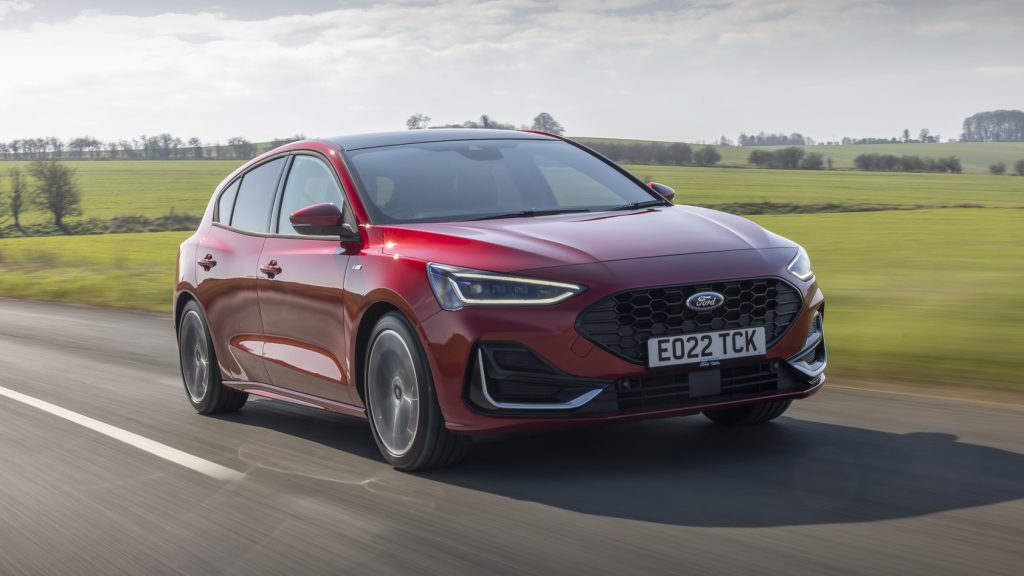
1. Ford Focus
The Ford Focus should have been remembered as a practical and affordable compact car, but instead, it became one of the most complained-about vehicles in recent automotive history. Much of the criticism centered around the PowerShift dual-clutch automatic transmission used in certain model years.
Owners described jerking, hesitation, grinding noises, sudden power loss, and unpredictable shifting behavior that made normal driving frustrating and sometimes dangerous.
Many drivers initially believed the strange transmission behavior was temporary because dealerships often described the symptoms as normal characteristics of the gearbox.
Unfortunately, complaints continued to increase as more owners experienced the same problems repeatedly. Some vehicles required multiple repair attempts, software updates, and clutch replacements without fully solving the issue.
The transmission became especially problematic in stop-and-go traffic. Drivers reported delayed acceleration when pulling into intersections, violent shaking during low-speed driving, and unexpected rolling backwards on inclines.
Those issues created serious safety concerns because drivers could not always predict how the car would respond during everyday situations.
NHTSA received thousands of complaints involving the Focus transmission problems, turning the car into a major public relations disaster for Ford.
Lawsuits and investigations followed as frustrated owners accused the company of failing to address the issue aggressively enough. The situation became even more damaging because the Focus had previously enjoyed a strong reputation for practicality and value.
Beyond the transmission troubles, some owners also reported electrical problems, steering issues, and fuel system concerns.
However, the gearbox dominated nearly every discussion surrounding the vehicle. Many buyers who once trusted the Focus as a dependable commuter eventually abandoned the model entirely because of reliability fears.
The controversy surrounding the Focus demonstrated how a single engineering decision can damage an entire product line. Ford attempted to modernize efficiency with the dual-clutch system, but real-world driving conditions exposed weaknesses that generated enormous customer dissatisfaction.
Even today, used car shoppers remain cautious around affected model years because the transmission reputation has become so widely known.
The Ford Focus stands as one of the clearest examples of how widespread owner complaints can permanently alter public perception of an otherwise promising vehicle.
- Engine: 2.0-liter inline four
- Torque: 146 lb ft
- Horsepower: 160 hp
- Length/Width: 178.5 inches / 71.8 inches
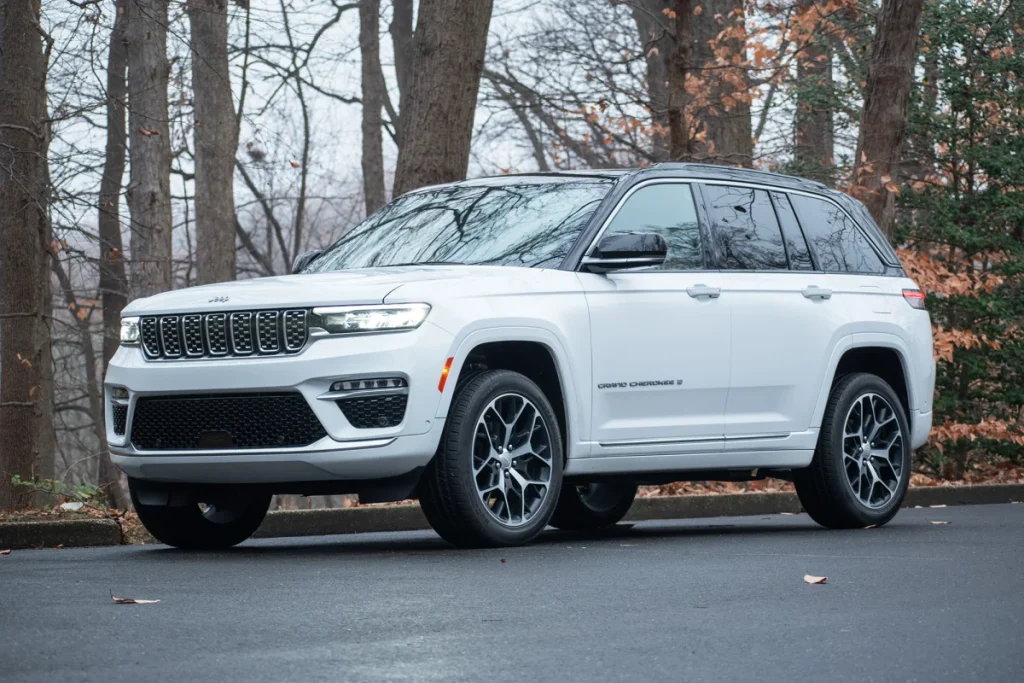
2. Jeep Cherokee
The Jeep Cherokee attracted major attention for its rugged styling and off-road heritage, but several model years also became heavily associated with owner complaints filed through NHTSA. A large number of reports focused on the nine-speed automatic transmission, which many drivers described as unpredictable, rough, and inconsistent during daily driving.
Owners frequently complained about delayed acceleration, harsh shifting, sudden jerking, and confusing gear behavior. Some drivers reported situations where the vehicle hesitated dangerously while entering traffic or attempting to accelerate from intersections.
The transmission often seemed unsure which gear to select, creating awkward and sometimes alarming driving experiences.
Unlike traditional mechanical failures that appear suddenly, the Cherokee’s transmission problems often developed as ongoing frustrations that owners dealt with constantly. Software updates and dealership recalibrations became common attempts to improve shifting quality, yet many drivers claimed the issues never disappeared completely.
NHTSA complaints also included reports involving electronic systems, engine stalling, and power transfer unit failures in four-wheel-drive models.
As modern SUVs became increasingly dependent on software-controlled systems, the Cherokee demonstrated how electronic complexity can create widespread reliability concerns when calibration falls short.
Another reason complaint numbers grew rapidly involved buyer expectations. Jeep marketed the Cherokee as both adventurous and family-friendly, meaning owners expected dependable daily usability alongside off-road capability.
Repeated drivetrain problems damaged confidence because drivers worried about reliability during commutes and long trips alike.
Some owners defended the vehicle’s comfort and capability, but complaint volume remained difficult to ignore. Transmission-related frustration appeared so frequently online and through official channels that the Cherokee developed a reputation for inconsistent driving behavior. That perception affected resale values and buyer confidence significantly.
The Cherokee situation also highlighted the challenge manufacturers face when introducing advanced transmissions with large numbers of gears. While nine-speed automatics promise improved efficiency and performance on paper, tuning them smoothly for real-world traffic conditions proved far more difficult than expected.
Jeep eventually refined software and mechanical components across later production years, but earlier complaints had already shaped public opinion strongly.
The Cherokee became one of the most discussed examples of how complicated modern drivetrains can generate massive consumer dissatisfaction when everyday drivability suffers.
- Engine: 3.2 liter V6
- Torque: 239 lb ft
- Horsepower: 271 hp
- Length/Width: 182 inches / 73.2 inches
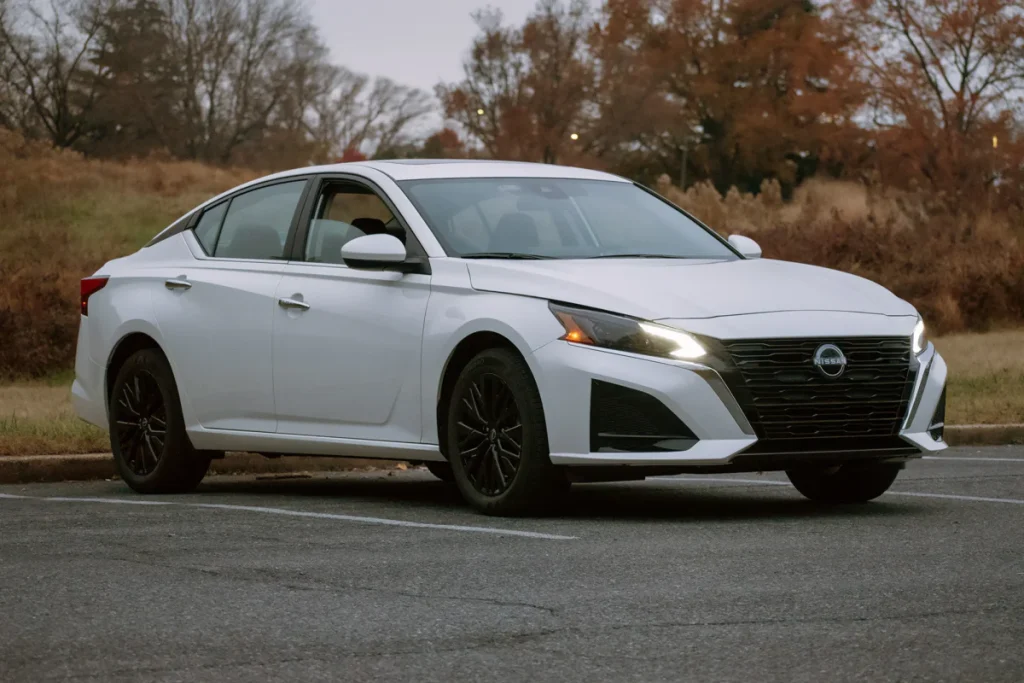
3. Nissan Altima
The Nissan Altima spent years as one of America’s most popular midsize sedans, appealing to commuters who wanted comfort, fuel efficiency, and affordability.
Unfortunately, several generations of the car also became closely linked with a huge number of owner complaints filed with NHTSA, largely because of problems involving Nissan’s continuously variable transmission, commonly called the CVT.
Many owners described symptoms that began gradually before turning into major mechanical headaches. Drivers reported shuddering during acceleration, delayed throttle response, sudden loss of power, overheating transmissions, and complete transmission failures at relatively low mileage.
Some complaints involved situations where the car struggled to accelerate on highways, creating frightening moments during merging or overtaking traffic.
Unlike traditional automatic transmissions that shift between gears, the CVT operates differently to maximize efficiency.
While the design improved fuel economy figures, many drivers felt the system lacked durability under real-world driving conditions. The Altima became one of the most visible examples of growing consumer frustration surrounding early CVT technology.
Complaint numbers increased rapidly because the problems affected ordinary daily driving. Owners commuting to work or taking road trips frequently experienced hesitation and inconsistent acceleration behavior.
Some drivers even reported warning lights appearing shortly before the vehicle entered reduced power mode unexpectedly.
NHTSA filings also mentioned steering issues, electrical problems, and hood latch concerns in certain model years, but the transmission complaints dominated discussions surrounding the Altima. Online forums filled with stories from owners facing expensive repairs shortly after warranty expiration, further damaging confidence in the car.
The situation became especially disappointing because Nissan had once built a reputation for durable and dependable sedans.
Buyers expected the Altima to provide simple transportation with low ownership stress. Instead, many owners felt trapped dealing with recurring drivetrain concerns that dealerships often struggled to solve permanently.
Nissan eventually extended warranties and updated CVT designs in response to mounting criticism, but the damage to public perception had already become significant. Used car shoppers started researching transmission history carefully before considering certain Altima model years.
Despite its strong sales numbers, the Altima’s complaint history remains one of the clearest reminders that reliability matters just as much as fuel economy and technology. A comfortable sedan can lose customer loyalty quickly when major drivetrain problems appear repeatedly across thousands of vehicles.
- Engine: 2.5-liter inline four
- Torque: 180 lb ft
- Horsepower: 188 hp
- Length/Width: 192.9 inches / 72.9 inches
4. Chevrolet Silverado 1500
The Chevrolet Silverado 1500 built a massive following as a hardworking full-size pickup, but it also accumulated a surprisingly high number of NHTSA complaints over multiple generations.
Since trucks often endure demanding use, some complaints are expected, yet the Silverado drew attention because several issues appeared repeatedly across large numbers of owners.
One of the most heavily criticized areas involved transmission problems. Drivers reported harsh shifting, sudden jerking, delayed engagement, and complete transmission failures in certain model years.
Some owners described situations where the truck slammed violently into gear or hesitated unexpectedly while accelerating. Those problems became especially concerning because trucks are frequently used for towing and hauling heavy loads.
Electrical issues also generated thousands of complaints. Silverado owners reported malfunctioning infotainment systems, failing sensors, dashboard warning lights appearing randomly, and battery drain problems.
In modern trucks packed with technology, electrical failures can affect everything from safety systems to towing functions, increasing frustration significantly.
Another major controversy surrounded excessive oil consumption in certain V8 engines. Some drivers discovered their trucks burning oil unusually quickly between service intervals, occasionally leading to engine damage if levels dropped too far.
The issue became widely discussed among truck owners because reliability is one of the most important reasons people buy full-size pickups in the first place.
Brake-related complaints appeared frequently as well. Owners reported soft brake pedals, premature wear, and inconsistent stopping performance on specific production years. Since many Silverado buyers use their trucks for towing trailers and equipment, braking confidence matters enormously in daily operation.
The Silverado’s complaint totals also climbed because of its incredible popularity. Chevrolet sells enormous numbers of these trucks every year, meaning even moderate defect rates can produce thousands of owner reports quickly. Still, some model years generated far more complaints than competitors with similar sales volumes.
Chevrolet addressed many issues through recalls, software updates, and revised components over time. However, repeated complaints involving transmissions and electronics hurt confidence among some longtime truck buyers.
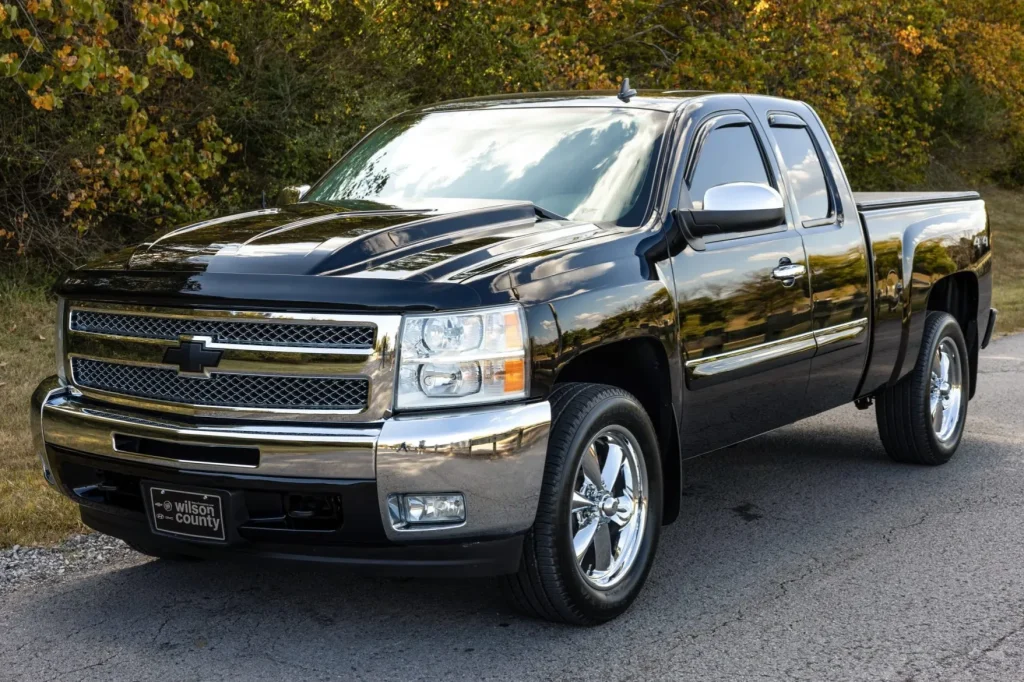
Reliability discussions surrounding the Silverado became increasingly common online as frustrated owners shared repair experiences.
Even with the controversies, the Silverado remained a top-selling truck because many owners still appreciated its power, comfort, and capability. Yet its history of widespread complaints demonstrated how difficult it can be for manufacturers to maintain quality consistency in highly complex modern pickup trucks.
- Engine: 5.3-liter V8
- Torque: 383 lb ft
- Horsepower: 355 hp
- Length/Width: 231.7 inches / 81.2 inches
5. Honda Civic
The Honda Civic built one of the strongest reputations in automotive history thanks to reliability, fuel economy, and affordable ownership costs. That reputation makes its appearance on complaint-heavy vehicle lists especially surprising.
While the Civic remained dependable compared to many rivals, certain generations still accumulated large numbers of NHTSA complaints because of recurring mechanical and safety-related problems affecting huge numbers of owners.
One of the most widely discussed issues involved airbag systems connected to the massive Takata recall crisis. Civic owners filed countless complaints regarding airbag warning lights, defective inflators, and concerns about delayed repairs.
Since the Civic sold in enormous numbers globally, the scale of the airbag issue became enormous quickly.
Certain model years also experienced complaints involving cracked engine blocks, excessive oil dilution in turbocharged engines, power steering failures, and electronic glitches. Drivers reported warning lights appearing unexpectedly, infotainment systems freezing, and occasional braking system irregularities.
Although many problems were eventually addressed through recalls and technical service updates, the complaint totals continued rising because of the Civic’s huge owner base.
Transmission concerns appeared frequently in some generations as well. Owners described rough CVT behavior, hesitation during acceleration, and strange vibrations at highway speeds.
While not every Civic suffered major drivetrain failures, the number of reports became large enough to attract regulatory attention and widespread discussion online.
Another factor contributing to high complaint counts involved owner expectations. Civic buyers typically choose the car specifically to avoid reliability headaches.
When problems appeared, owners were often less tolerant because the vehicle’s reputation promised trouble-free operation. Minor issues that might be ignored in other brands became far more noticeable when attached to the Civic name.
The Civic’s popularity also amplified every defect dramatically. Millions of units on the road meant that even relatively uncommon failures generated huge numbers of reports. NHTSA complaint databases filled steadily with owner concerns ranging from airbags and steering to paint quality and electrical systems.
Honda responded with recalls, warranty extensions, and engineering revisions over time. Many affected vehicles continued operating reliably for years after repairs, but complaint history still shaped perceptions surrounding specific model years.
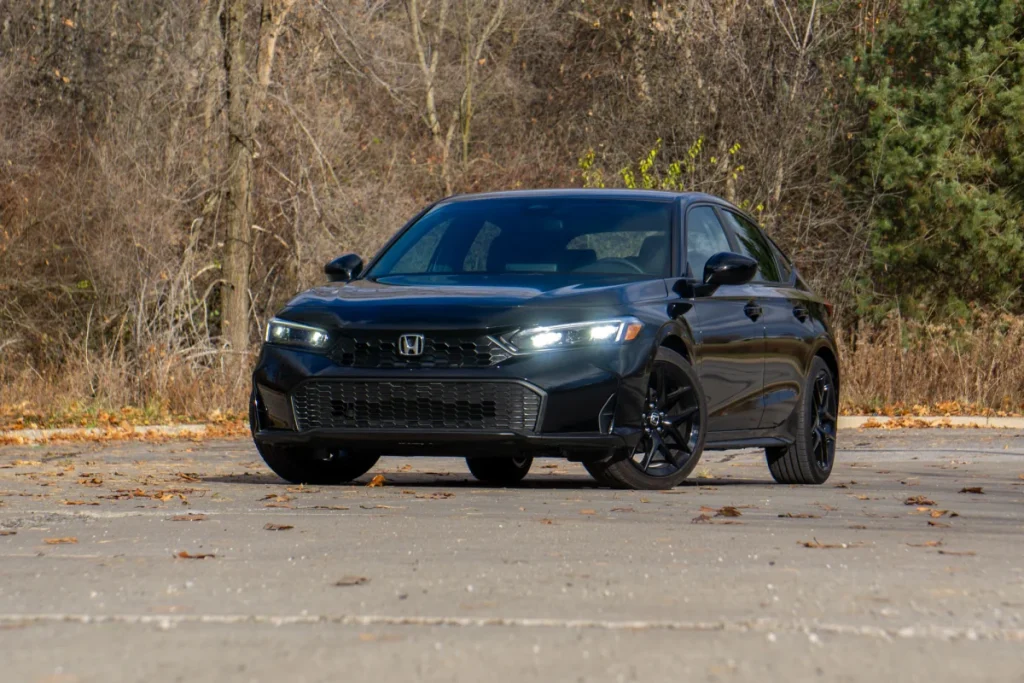
Despite the issues, the Civic remained one of the world’s best-selling compact cars because its strengths in efficiency, practicality, and affordability stayed highly attractive. Still, its complaint history proved that even brands known for dependability can face major public scrutiny when widespread defects affect enough owners simultaneously.
- Engine: 1.5-liter turbocharged inline four
- Torque: 177 lb ft
- Horsepower: 180 hp
- Length/Width: 184 inches / 70.9 inches
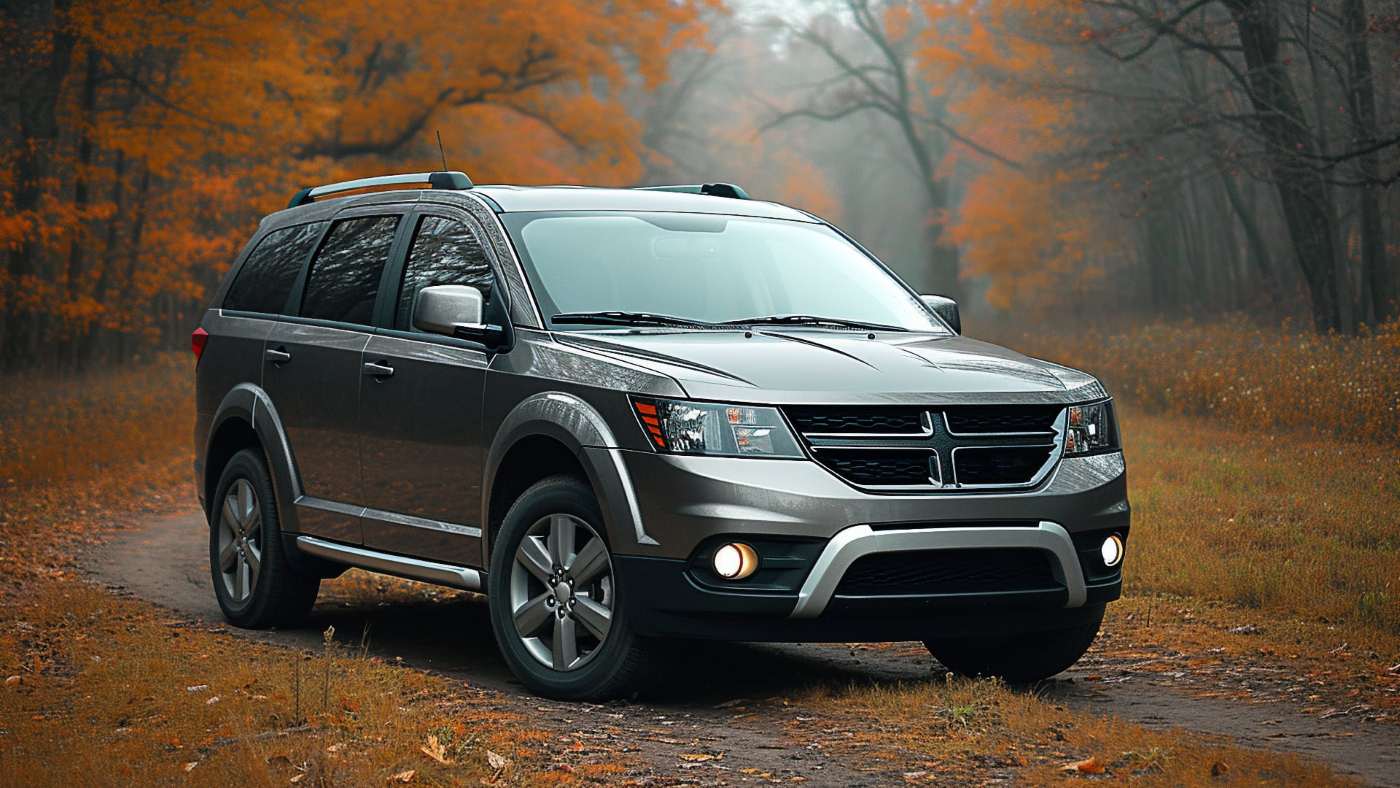
6. Dodge Journey
The Dodge Journey spent years attracting buyers with low prices, available third row seating, and simple family transportation, but it also became one of the most heavily criticized crossovers in NHTSA complaint records.
Owners reported problems across nearly every major system, creating a reputation for poor reliability that followed the vehicle throughout much of its production life.
Electrical failures became one of the Journey’s biggest trouble areas. Drivers described dashboard warning lights appearing randomly, power accessories malfunctioning, battery drain problems, and infotainment systems failing unexpectedly.
Some owners reported situations where the vehicle would not start despite recently installed batteries, while others dealt with recurring sensor failures that dealerships struggled to diagnose properly.
Brake-related complaints also appeared frequently. Owners described premature brake wear, grinding noises, soft brake pedals, and reduced stopping confidence. Many drivers expressed frustration at needing brake repairs far earlier than expected, especially on relatively low-mileage vehicles.
The Journey’s engines and transmissions generated significant criticism, too. Complaints included rough shifting, overheating, engine stalling, excessive oil consumption, and coolant leaks. Some drivers reported sudden loss of acceleration during traffic situations, raising safety concerns alongside reliability frustration.
Unlike some vehicles where complaints focused mainly on one defective component, the Journey attracted reports involving multiple systems simultaneously. That broad range of problems damaged owner confidence because drivers often felt uncertain about what might fail next.
Interior quality concerns added to the negative reputation. Owners mentioned failing climate controls, worn trim pieces, malfunctioning touchscreens, and inconsistent build quality.
While the Journey remained affordable compared to many competitors, buyers increasingly questioned whether the lower purchase price justified the long-term repair headaches.
The vehicle also suffered from an aging design and outdated engineering as competitors improved rapidly throughout the crossover market. By the later years of production, many buyers viewed the Journey as old-fashioned, mechanically and technologically. That perception intensified criticism whenever problems appeared.
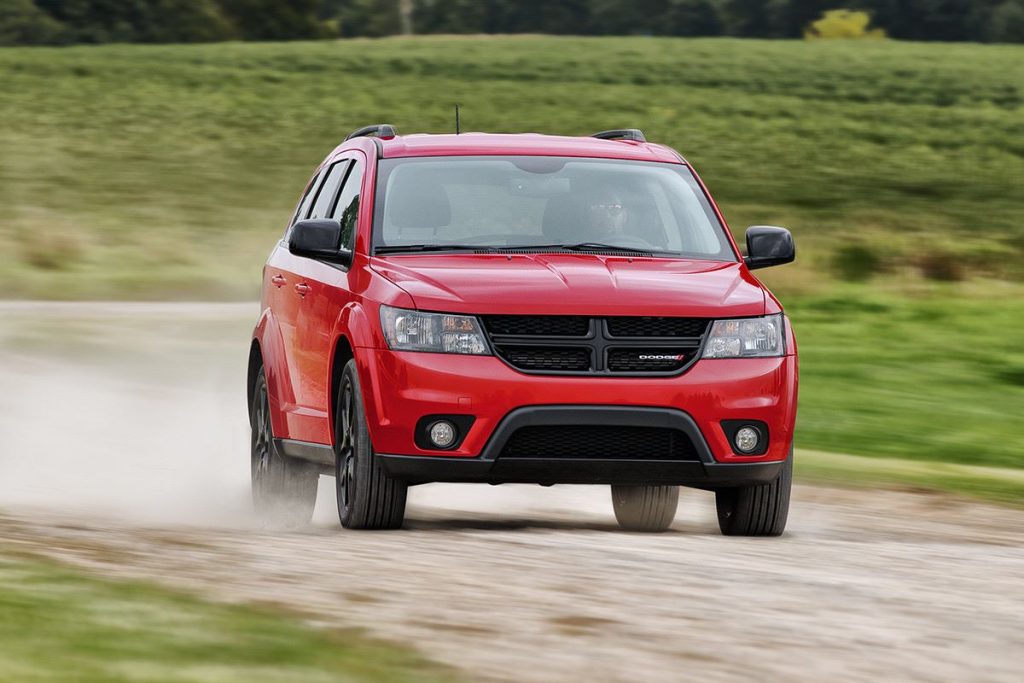
Dodge issued recalls and service bulletins addressing certain defects, but complaint totals continued growing because reliability concerns persisted across multiple model years. Online discussions frequently warned used car shoppers to approach the Journey cautiously due to its history of recurring issues.
Even though the crossover remained reasonably spacious and budget-friendly, its reputation became dominated by complaints and repair frustrations. The Dodge Journey stands as one of the clearest examples of how repeated reliability concerns can overshadow practicality and affordability in the automotive world.
- Engine: 3.6-liter V6
- Torque: 260 lb ft
- Horsepower: 283 hp
- Length/Width: 192.4 inches / 72.2 inches
7. Toyota Camry
The Toyota Camry is usually associated with durability and long-term dependability, which makes its appearance in NHTSA complaint discussions particularly unexpected.
While the Camry remained one of the most trusted midsize sedans on the market, certain generations still accumulated enormous numbers of owner complaints because of specific widespread defects and recall-related issues.
One of the largest complaint waves involved unintended acceleration concerns that gained national attention years ago. Drivers reported situations where the vehicle accelerated unexpectedly or failed to slow down properly.
The controversy triggered massive investigations, recalls, and public scrutiny surrounding floor mats, throttle systems, and electronic controls. Because the Camry sold in such enormous numbers, complaint totals climbed rapidly during that period.
Beyond the acceleration controversy, owners also filed complaints involving excessive oil consumption in certain four-cylinder engines.
Some drivers discovered their cars burning oil at unusually high rates between maintenance intervals, occasionally leading to engine wear concerns if levels were not monitored carefully. Toyota eventually addressed some affected vehicles through warranty programs and repairs.
Transmission hesitation complaints appeared in newer generations as well. Drivers described delayed throttle response, awkward gear changes, and inconsistent acceleration behavior during city driving.
While not always catastrophic mechanically, these issues frustrated owners expecting the smooth driving experience traditionally associated with the Camry name.
The sedan also received complaints involving infotainment systems, melting dashboards, brake performance, and steering feel across different production years. Since Camry buyers typically prioritize reliability above all else, even moderate defects attracted significant attention among owners.
Another reason complaint totals became so high involved the sheer scale of Camry sales. Few sedans have achieved similar long-term popularity in the United States. Millions of vehicles on the road naturally produce more owner reports, particularly when recall campaigns affect large production ranges simultaneously.
Toyota responded aggressively to many problems through recalls, service campaigns, and engineering revisions.
The company worked hard to preserve the Camry’s reputation because the model remained central to Toyota’s image globally. Many repaired vehicles continued delivering years of dependable service afterwards.
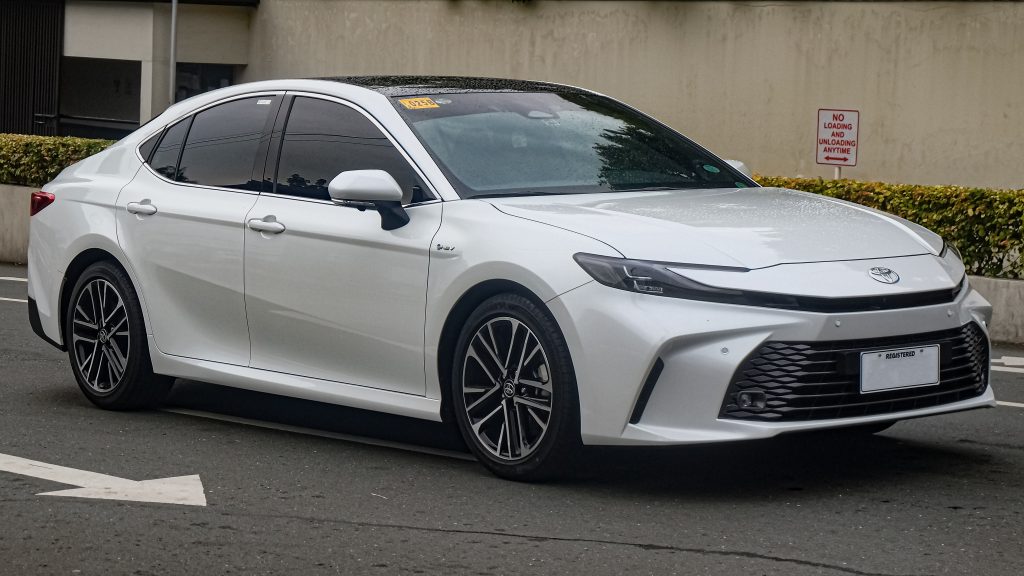
Still, the Camry demonstrated that even highly respected manufacturers can face intense criticism when major defects affect enough customers.
The complaint history surrounding certain generations became a reminder that reputation alone cannot prevent owner frustration when safety and reliability concerns emerge repeatedly.
Despite the controversies, the Camry continued to dominate the midsize sedan segment because many buyers still trusted its long-term durability more than most competitors. Yet its extensive complaint record proved that no vehicle is completely immune from widespread owner dissatisfaction under the right circumstances.
- Engine: 2.5-liter inline four
- Torque: 184 lb ft
- Horsepower: 203 hp
- Length/Width: 192.1 inches / 72.4 inches
8. Hyundai Sonata
The Hyundai Sonata transformed Hyundai’s image during the last two decades by offering stylish design, modern technology, and strong value for money. However, several generations of the sedan also generated extremely high numbers of NHTSA owner complaints, particularly regarding engine reliability and fire-related concerns.
One of the most serious issues involved catastrophic engine failures affecting certain four-cylinder engines. Owners reported knocking noises, sudden stalling, loss of power, and complete engine seizures, sometimes occurring without much warning. In some cases, drivers described frightening situations where the car shut down unexpectedly at highway speeds.
The problem became even more alarming after reports emerged involving engine compartment fires. Hyundai eventually issued large recalls and extended warranties related to manufacturing debris and bearing wear inside affected engines. Complaint numbers surged as more owners experienced failures or worried about potential safety risks.
Beyond engine concerns, Sonata owners also filed reports involving electrical problems, transmission hesitation, steering issues, and malfunctioning safety systems. Some drivers mentioned backup cameras failing intermittently, warning lights appearing unexpectedly, and infotainment glitches disrupting daily usability.
The Sonata’s complaint history stood out because Hyundai had worked aggressively to improve quality perception during that era.
Buyers increasingly viewed the sedan as a legitimate alternative to Japanese rivals, so widespread engine failures damaged trust significantly. Many owners who initially praised the vehicle’s comfort and features became frustrated by expensive repairs and repeated dealership visits.
Another reason complaint totals climbed rapidly involved Hyundai’s rapid sales growth. As more Sonatas reached the road, recurring engine defects affected a larger population of owners. Online forums and complaint databases are filled with stories from drivers experiencing similar symptoms across multiple model years.
Hyundai responded with recalls, software updates, inspection programs, and warranty extensions intended to rebuild customer confidence.
The company also introduced knock sensor detection systems designed to warn drivers before catastrophic engine failure occurs. Those efforts helped some owners avoid complete engine destruction, though criticism remained strong for years afterward.
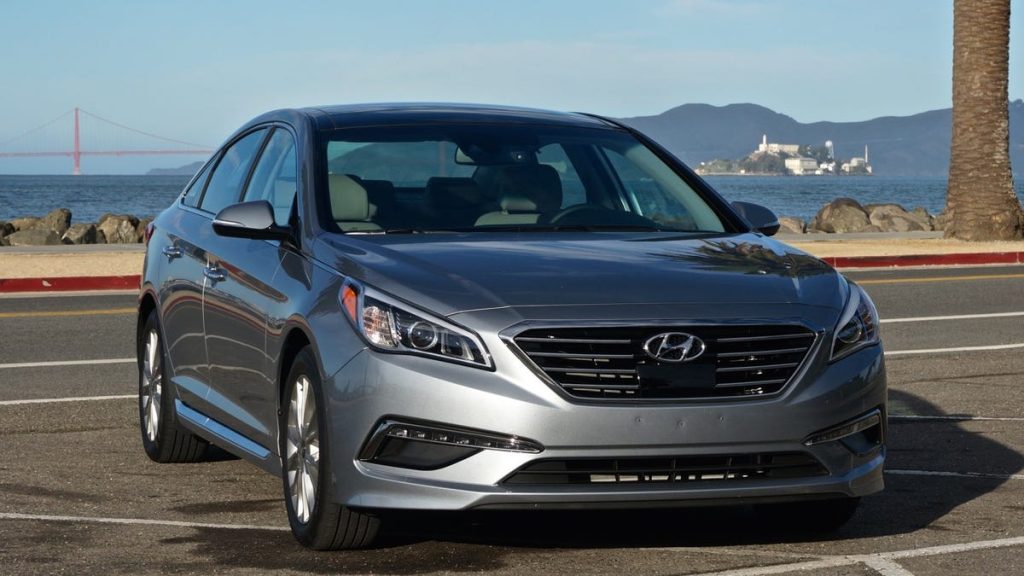
The Sonata controversy became one of the most visible reliability challenges Hyundai faced in the modern era. It demonstrated how quickly consumer confidence can weaken when mechanical failures become widespread across popular family vehicles.
Even with the complaints, many Sonata owners still appreciated the sedan’s comfort, features, and pricing. Yet its extensive NHTSA complaint history remains closely tied to discussions about engine reliability and large-scale automotive recalls.
- Engine: 2.5-liter inline four
- Torque: 181 lb ft
- Horsepower: 191 hp
- Length/Width: 192.9 inches / 73.2 inches
Also Read: 10 Cars Where the Cheaper Option Was Always the Smarter One
