
Despite the rapid advancement of automotive security technology, traditional steering wheel locks continue to remain surprisingly relevant in 2026. Modern vehicles now come equipped with keyless entry systems, biometric authentication, GPS tracking, smartphone connectivity, and advanced anti-theft software designed to improve convenience and security.
However, as vehicles become smarter, the methods used to compromise them have also evolved. Digital vulnerabilities, signal amplification devices, and sophisticated electronic tools have created new challenges for vehicle owners, proving that high-tech systems alone are not always enough to guarantee protection.
In this changing environment, the simple steering wheel lock has regained attention as a practical and visible layer of security.
What makes steering wheel locks unique is their effectiveness through physical deterrence rather than digital complexity. Unlike electronic systems that operate invisibly in the background, a steering wheel lock provides an immediate visual barrier. Its presence alone can discourage unwanted access by increasing the time and effort required to move a vehicle.
In many cases, people looking for easy opportunities are more likely to avoid vehicles with obvious physical security devices and instead choose less protected targets. This psychological advantage remains one of the biggest reasons why steering wheel locks still hold value even in an era dominated by smart technology.
Certain types of vehicles are especially suited for additional physical protection in 2026. Pickup trucks, luxury SUVs, hybrid vehicles, and popular commuter cars often attract greater attention because of their high demand, expensive components, or widespread use.
Vehicles equipped with push-button start systems can sometimes be more vulnerable to relay-based signal interception, making supplementary protection increasingly important. Similarly, older vehicles that lack modern encrypted security systems can also benefit from visible deterrents that provide an extra layer of defense.
In both cases, steering wheel locks offer a low-cost and accessible solution that complements existing technology rather than replacing it.
Another reason these devices continue to remain relevant is their simplicity and reliability. Unlike software-based systems that may require updates, battery power, or internet connectivity, steering wheel locks function mechanically and are easy to install within seconds.
Their durability and straightforward design make them practical for everyday use, particularly for drivers who park in public spaces, travel frequently, or leave vehicles unattended for extended periods. Modern versions have also evolved significantly, featuring hardened steel construction, compact designs, alarm integration, and resistance to cutting or tampering.
As vehicle security challenges continue to evolve in 2026, some models stand out as particularly suitable for additional steering wheel protection. Whether because of their popularity, advanced electronic systems, or everyday practicality, these vehicles highlight why a traditional steering wheel lock can still make sense in today’s automotive environment.
Also read: 10 Cars Where the Cheaper Option Was Always the Smarter One
- Engine: 2.5-liter inline 4 cylinder
- Horsepower: Approximately 203 hp
- Torque: Approximately 184 lb ft
- Length: Approximately 180.9 inches
- Width: Approximately 73 inches
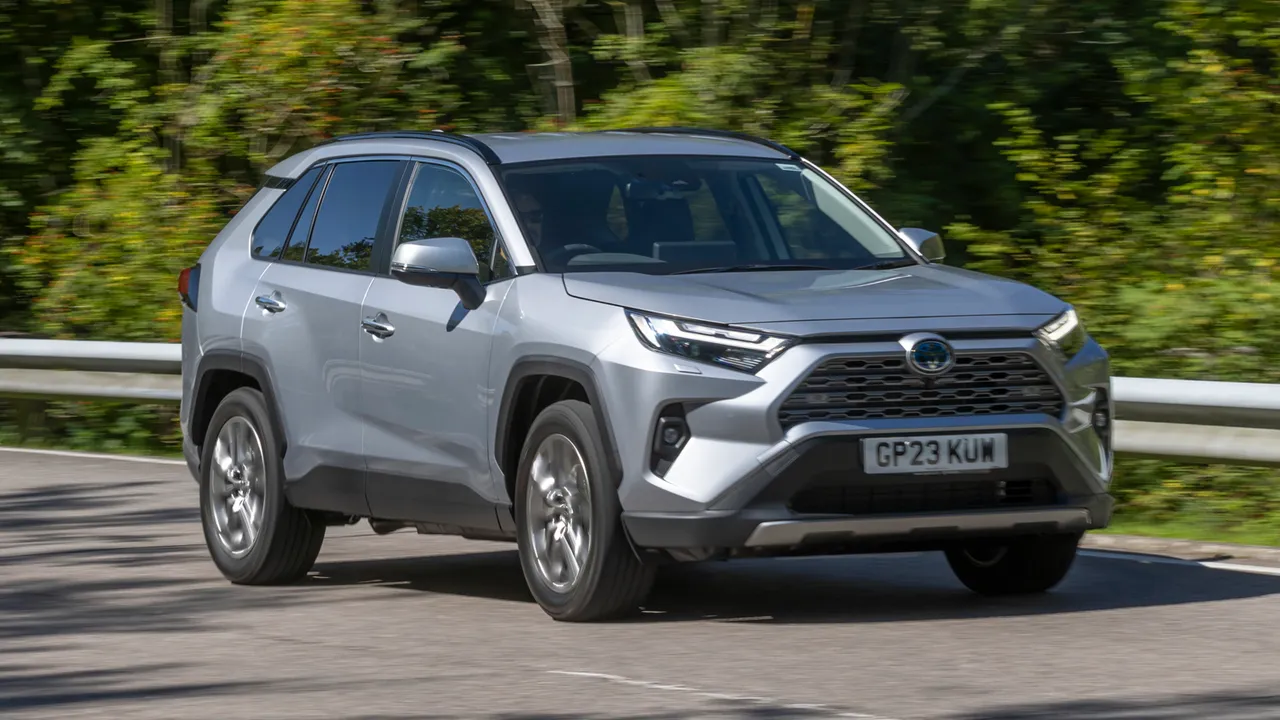
1. Toyota RAV4
The Toyota RAV4 continues to dominate global compact SUV sales, and with popularity comes attention from thieves. In many regions, the RAV4 remains one of the most stolen SUVs because of its high resale value, reliable powertrain, and strong demand for replacement parts.
Organized theft groups often target vehicles like the RAV4 because they can quickly export them or dismantle them for profitable component sales. Hybrid versions are especially attractive due to expensive battery systems and electronic components that command high prices on black markets.
One reason a steering wheel lock still makes sense for the RAV4 in 2026 is the vehicle’s continued exposure to electronic theft methods. Relay attacks remain a concern for push-button start models. Criminals can amplify the signal from a nearby key fob and trick the vehicle into unlocking and starting.
Even though Toyota has implemented stronger security updates over time, determined thieves constantly adapt. A visible steering wheel lock introduces a physical barrier that electronic tools alone cannot easily overcome.
The RAV4 is also a common urban vehicle. Owners frequently park it in apartment complexes, shopping centers, train stations, and airport parking areas where thieves can operate anonymously. Since the SUV blends into traffic easily, criminals often see it as a low-profile theft candidate.
Adding a steering wheel lock changes that equation because it immediately signals additional resistance. Most thieves prefer a quick theft rather than dealing with noisy cutting tools or prolonged tampering in public areas.
Another important factor is the growing market for exported SUVs. The RAV4’s global popularity means stolen units can be shipped internationally and sold quickly.
Criminal organizations often target practical SUVs because they attract less suspicion compared to exotic luxury vehicles. A steering wheel lock can disrupt these operations simply by increasing the time needed to steal the vehicle. In many cases, criminals abandon attempts when they encounter layered security.
For RAV4 owners in 2026, combining factory security with visible physical deterrents remains a smart strategy. A steering wheel lock may not make theft impossible, but it significantly raises the difficulty level. Since thieves usually choose the easiest available target, this simple device can dramatically reduce risk in real-world parking situations.
- Engine: 2.0-liter inline 4 cylinder
- Horsepower: Approximately 158 hp
- Torque: Approximately 138 lb ft
- Length: Approximately 184 inches
- Width: Approximately 70.9 inches
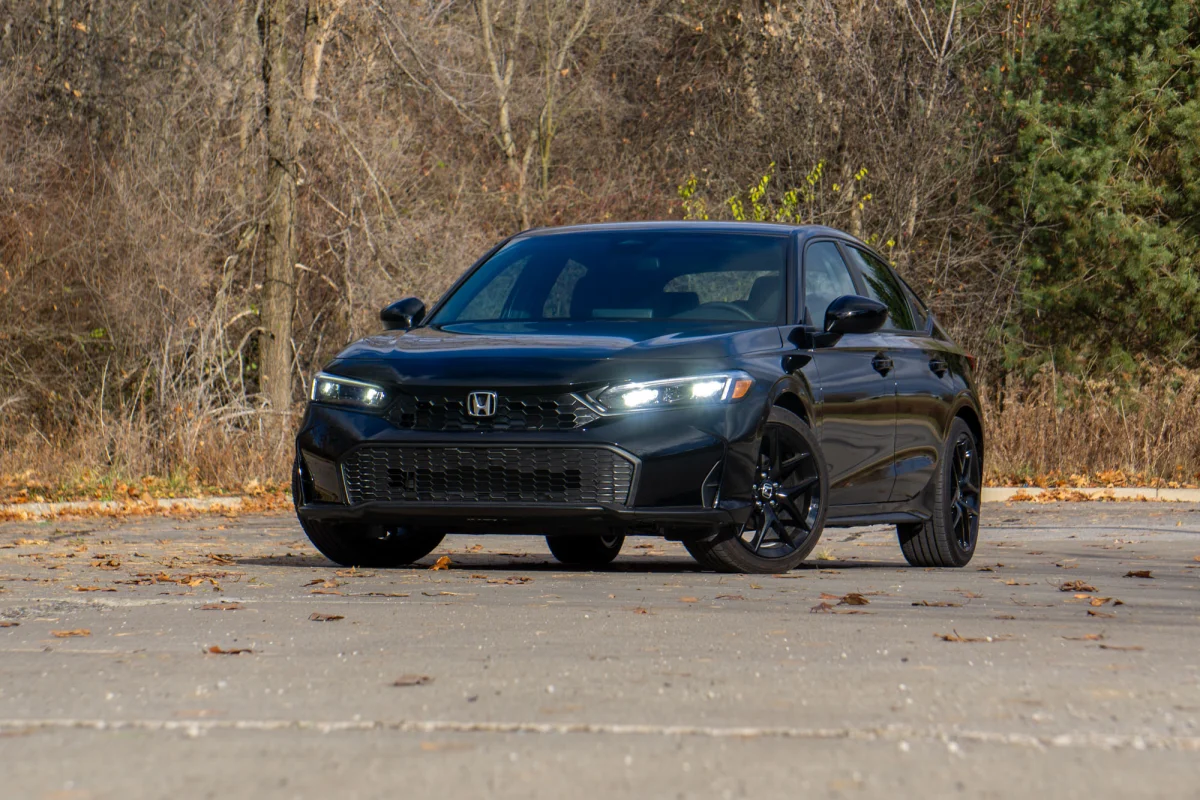
2. Honda Civic
The Honda Civic has been a theft target for decades, and despite major security improvements, it still attracts criminals in 2026. The Civic’s popularity, reliability, and massive aftermarket parts ecosystem make it highly desirable for theft operations. Older Civics remain vulnerable because of outdated security systems, while newer models continue to face electronic theft attempts due to widespread demand.
One major reason steering wheel locks make sense for the Civic is the enormous number of these vehicles on the road. Because Civics are everywhere, thieves can blend stolen units into traffic without attracting much attention. Criminals also know the platform well. Familiarity allows experienced thieves to work quickly, especially when targeting vehicles parked overnight in residential neighborhoods or public lots.
The Civic is also heavily modified by enthusiasts, which creates another layer of theft risk. Performance parts, custom wheels, upgraded electronics, and aftermarket accessories increase a vehicle’s street value.
Thieves often target modified Civics not only for resale but also for stripping valuable components. A steering wheel lock adds visible protection that may discourage opportunistic criminals looking for quick access.
Insurance considerations also play a role. In some high-theft regions, insurers increasingly recommend supplementary anti-theft devices for commonly targeted vehicles. Civic owners who install steering wheel locks demonstrate proactive security awareness. Even if the lock never directly stops a theft attempt, it can contribute to peace of mind and potentially lower perceived risk.
For drivers who rely on the Civic as a daily commuter vehicle, the combination of practicality and theft exposure makes additional physical protection worthwhile. In crowded urban areas, especially, steering wheel locks remain surprisingly relevant and effective for this long-standing theft target.
- Engine: 3.5-liter EcoBoost V6
- Horsepower: Approximately 400 hp
- Torque: Approximately 500 lb ft
- Length: Approximately 232 inches
- Width: Approximately 80 inches
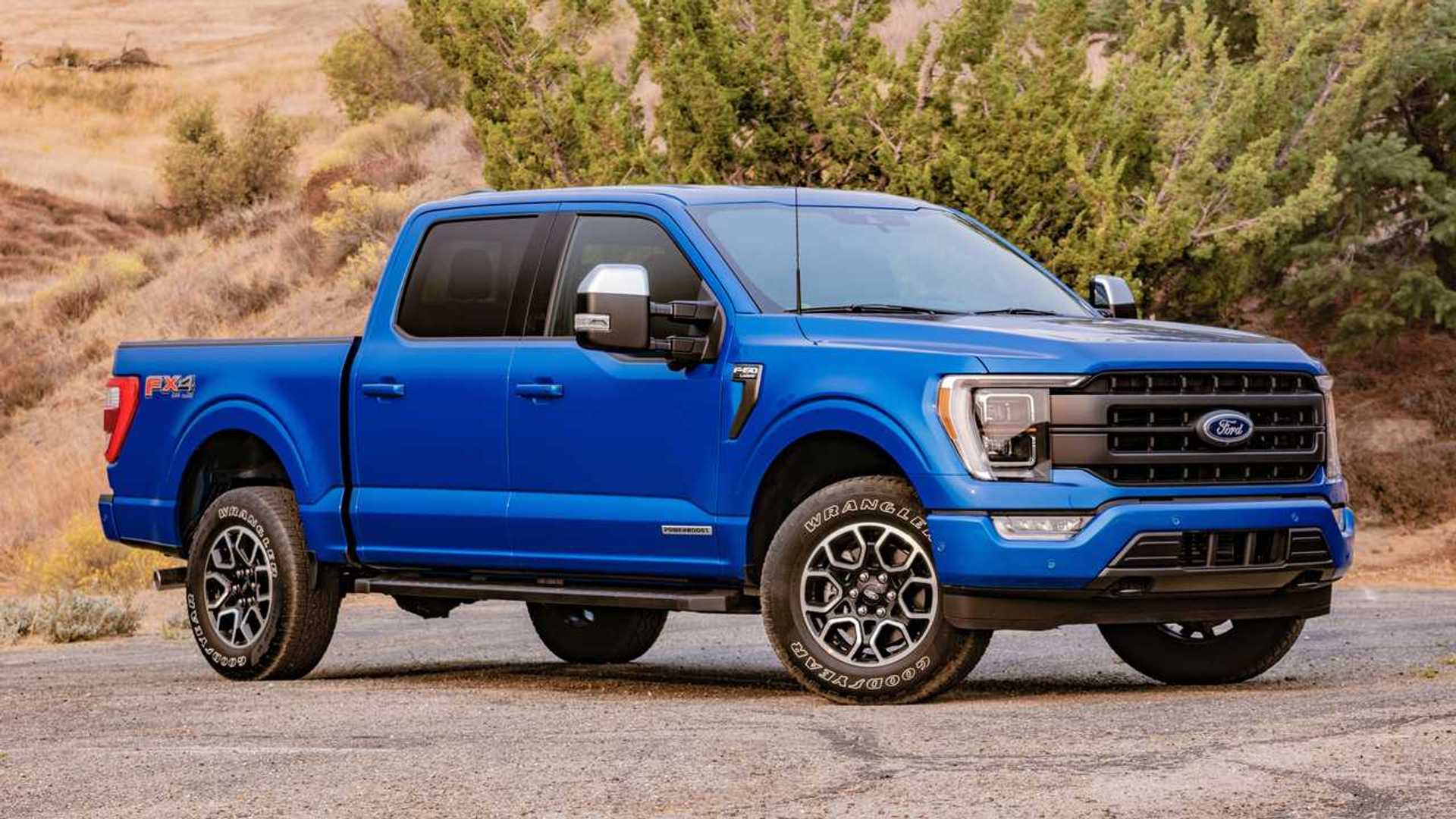
3. Ford F Series Trucks
The Ford F Series has consistently ranked among the most stolen vehicles in North America. These trucks are incredibly valuable because of their popularity, high resale prices, expensive parts, and widespread commercial use. In 2026, theft rings continue targeting F-150 and Super Duty models for export, dismantling, and fraudulent resale schemes.
Pickup trucks face unique theft risks because many owners use them for work. Construction sites, industrial areas, hotel parking lots, and remote job locations often expose trucks to criminals for long periods.
Thieves know work trucks may contain valuable tools, equipment, and cargo in addition to the vehicle itself. A steering wheel lock creates an immediate visual barrier that can discourage both vehicle theft and break-in attempts.
Another issue involves keyless entry vulnerabilities. Modern trucks increasingly rely on electronic access systems, and thieves exploit these technologies using relay attacks or signal cloning devices. While Ford has strengthened security protocols over time, no electronic system is completely immune. Physical deterrents remain valuable because they cannot be bypassed digitally.
High trim trucks present an even bigger target. Luxury versions of the F Series often include premium interiors, advanced infotainment systems, expensive wheels, and powerful engines. These features increase black market demand. Organized theft groups frequently prioritize vehicles that can generate maximum profit quickly, and premium trucks fit that profile perfectly.
For F Series owners, layered security is essential in 2026. Alarm systems, GPS trackers, secure parking, and steering wheel locks work best together rather than individually. Since these trucks remain among the world’s most desirable stolen vehicles, visible anti-theft measures continue to provide meaningful protection.
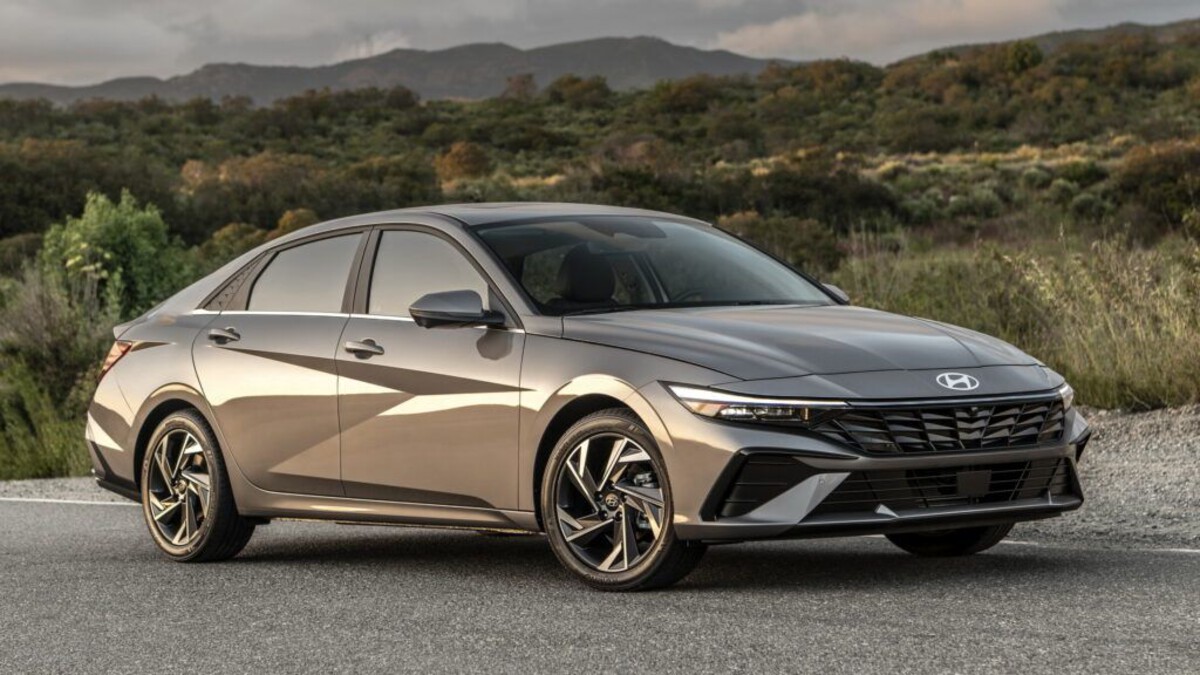
- Engine: 2.0-liter inline 4 cylinder
- Horsepower: Approximately 147 hp
- Torque: Approximately 132 lb ft
- Length: Approximately 184.1 inches
- Width: Approximately 71.9 inches
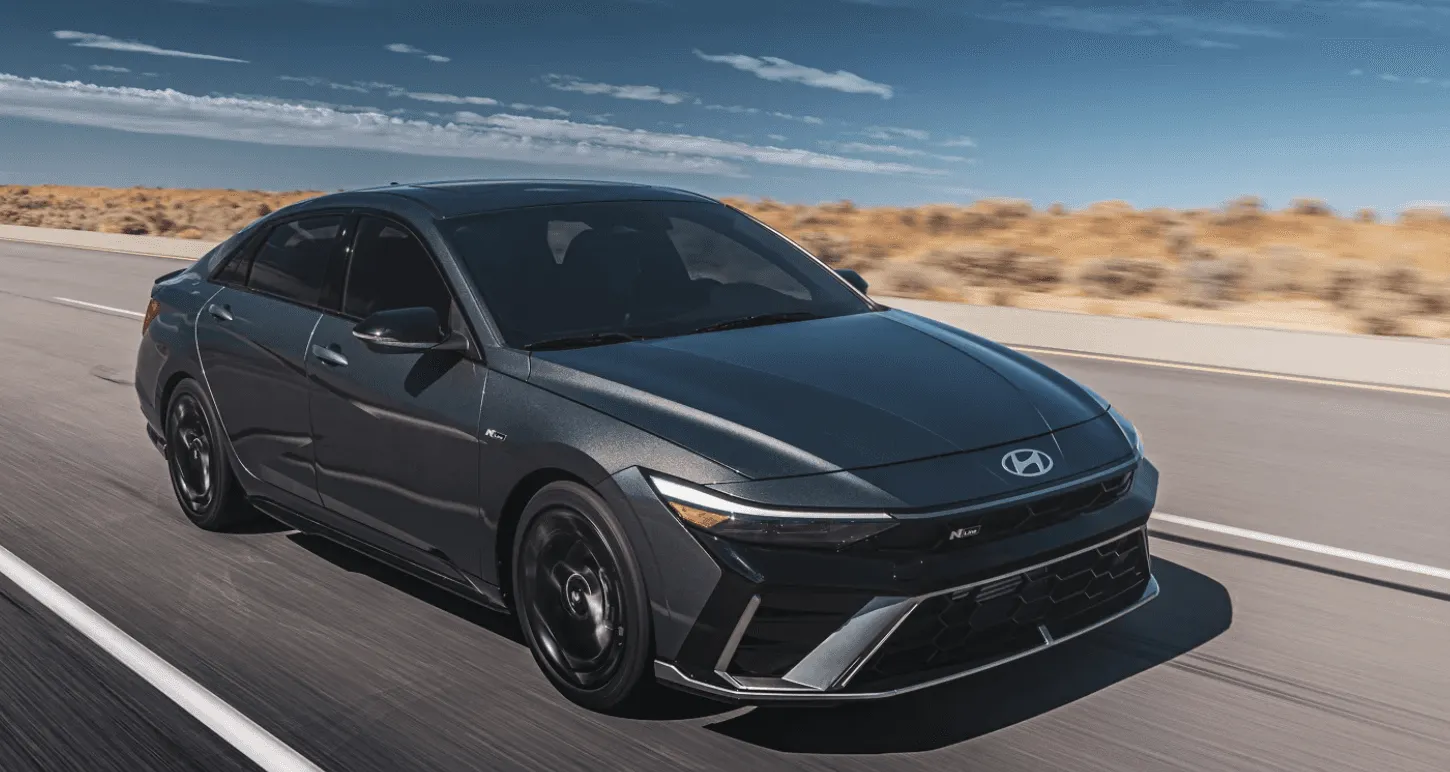
4. Hyundai Elantra
The Hyundai Elantra became infamous during the early 2020s due to viral theft trends that exposed vulnerabilities in certain models. Although Hyundai implemented software updates and security improvements, the reputation remained. In 2026, many criminals still associate Hyundai sedans with easier theft opportunities, making steering wheel locks highly relevant for owners.
A major issue is perception. Even newer Elantra models with improved immobilizers may still attract theft attempts because thieves assume they are vulnerable.
Criminals do not always verify production years before attempting entry. As a result, owners of newer vehicles may still experience broken windows or tampering incidents. A visible steering wheel lock can discourage these attempts before damage occurs.
The Elantra’s affordability also contributes to its theft appeal. Criminals often target practical, common vehicles because replacement parts move quickly on secondary markets. Engines, transmissions, body panels, and electronics can all generate profit. Since Elantras are widespread, stolen components are easy to distribute without raising suspicion.
Hyundai has encouraged many owners to use supplementary anti-theft devices following past theft waves. In some cases, local police departments even distributed steering wheel locks to vulnerable vehicle owners. This reflects a broader recognition that physical deterrents remain effective despite advances in digital security technology.
For Elantra drivers in 2026, steering wheel locks serve both practical and psychological purposes. They reduce theft risk while also signaling awareness and preparedness. In environments where thieves actively search for easy opportunities, this visible layer of defense can make a meaningful difference.
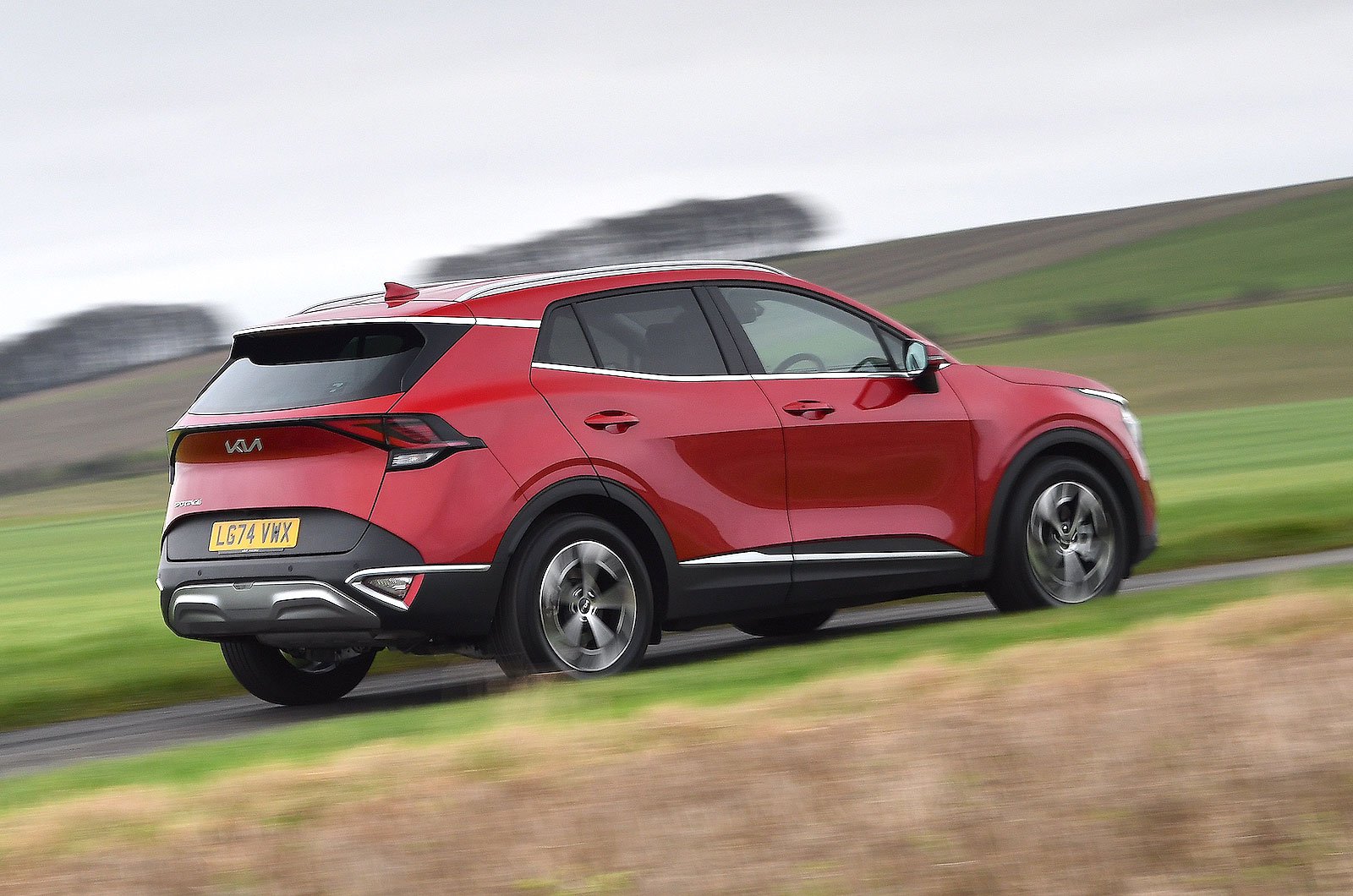
- Engine: 2.5-liter inline 4 cylinder
- Horsepower: Approximately 187 hp
- Torque: Approximately 178 lb ft
- Length: Approximately 183.5 inches
- Width: Approximately 73.4 inches
5. Kia Sportage
The Kia Sportage remains another vehicle where steering wheel locks continue to make practical sense. Like Hyundai models, Kia vehicles faced intense scrutiny during widespread theft incidents linked to immobilizer vulnerabilities. Even though modern Sportage models include upgraded protections, criminal attention has not disappeared.
SUV popularity contributes heavily to the Sportage’s theft risk. Compact SUVs are among the most desirable vehicle categories worldwide because they combine practicality, fuel efficiency, and family usability. Stolen SUVs can be resold domestically, exported internationally, or dismantled for parts with strong profit margins.
Visibility matters significantly in theft prevention. Many criminals seek the quickest and quietest target available. A steering wheel lock instantly changes the risk calculation because removing it may require noisy cutting tools or prolonged effort. In public parking areas, that extra time can increase exposure and attract unwanted attention.
Another consideration is owner complacency. Many drivers assume factory security systems are fully sufficient. While modern anti-theft technology is certainly advanced, determined thieves continue finding new bypass techniques.
Layered protection remains the most effective strategy. Steering wheel locks complement alarms, immobilizers, GPS trackers, and secure parking practices rather than replacing them.
In 2026, the Sportage remains a practical, popular SUV with broad market appeal. Unfortunately, these same qualities attract criminals. Owners who add visible physical deterrents significantly improve their odds of avoiding theft-related incidents.
Also read: 12 Cars With Bulletproof Drivetrains You Can Buy for Peanuts
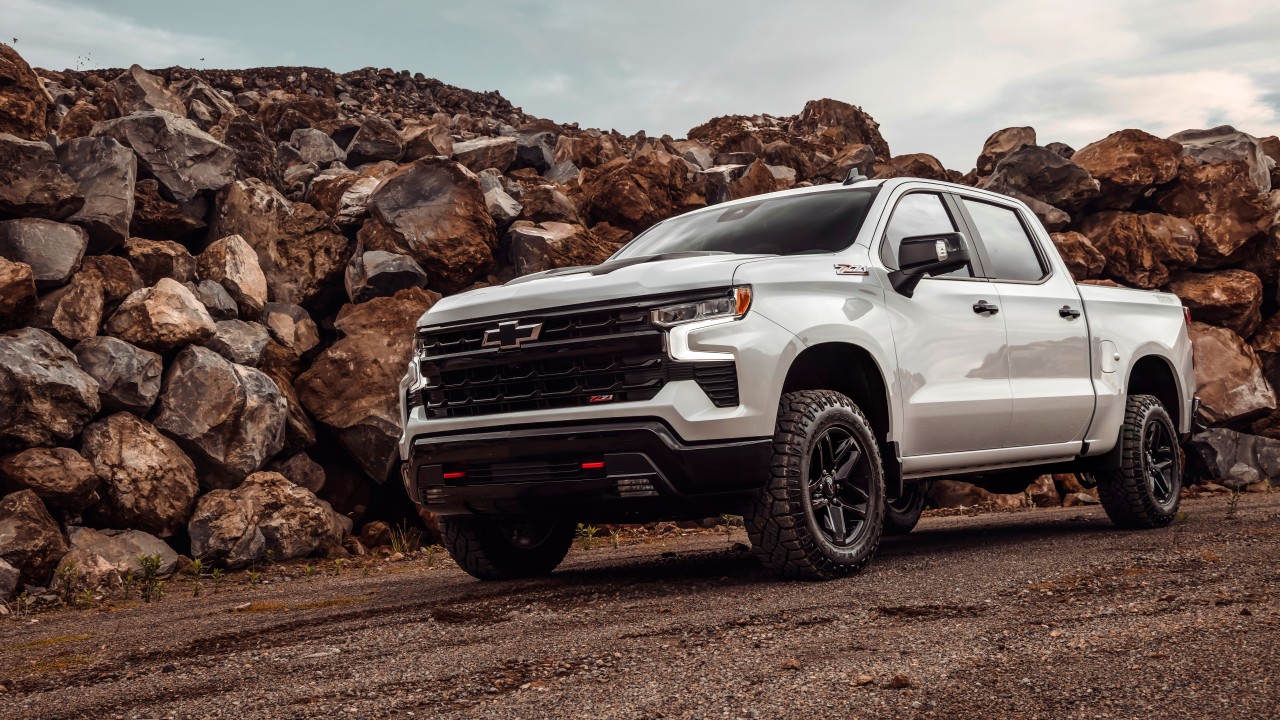
- Engine: 5.3-liter V8
- Horsepower: Approximately 355 hp
- Torque: Approximately 383 lb ft
- Length: Approximately 231.9 inches
- Width: Approximately 81.2 inches
6. Chevrolet Silverado
The Chevrolet Silverado continues to rank among the most targeted pickup trucks in North America. Its popularity among contractors, fleet operators, outdoor enthusiasts, and daily drivers makes it extremely valuable to both legitimate buyers and criminal organizations.
In 2026, theft rings still prioritize full-size pickups because they are profitable, versatile, and easy to move across state or national borders. A steering wheel lock remains a practical defense because it slows down theft attempts and creates a visible obstacle many criminals prefer to avoid.
Silverado trucks are frequently parked in vulnerable locations. Construction sites, warehouse lots, roadside hotels, campgrounds, and suburban driveways all create opportunities for thieves to operate with minimal interference.
Work trucks are especially attractive because they may contain expensive tools and equipment in addition to the truck itself. Criminals often look for quick access and rapid escape routes. A steering wheel lock disrupts that process immediately by making the vehicle harder to maneuver.
Another reason the Silverado benefits from a steering wheel lock is its high component value. Modern pickups include sophisticated infotainment systems, large touchscreens, advanced driver assistance technology, and expensive powertrain components.
The Silverado’s towing capability also contributes to its theft appeal. Criminals sometimes steal trucks not only for resale but also for use in other illegal operations involving trailers, equipment transport, or cargo movement. This broader criminal utility means popular pickups remain high-priority targets.
Because of this, owners often benefit from combining several security layers, including tracking systems, driveway cameras, alarm systems, and visible wheel locks.
There is also a psychological factor involved in theft prevention. Most thieves seek efficiency and low risk. When they see two similar trucks parked nearby and one has a steering wheel lock while the other does not, they usually choose the easier target.
Steering wheel locks work partly because they force criminals to reconsider whether the theft is worth the time and attention required. In busy parking environments, that hesitation alone can prevent an incident.
For Silverado owners in 2026, physical deterrents continue to provide real value despite increasingly digital theft methods. A steering wheel lock may appear old-fashioned, but in practical terms, it remains one of the simplest and most visible ways to reduce theft risk for a highly targeted truck.
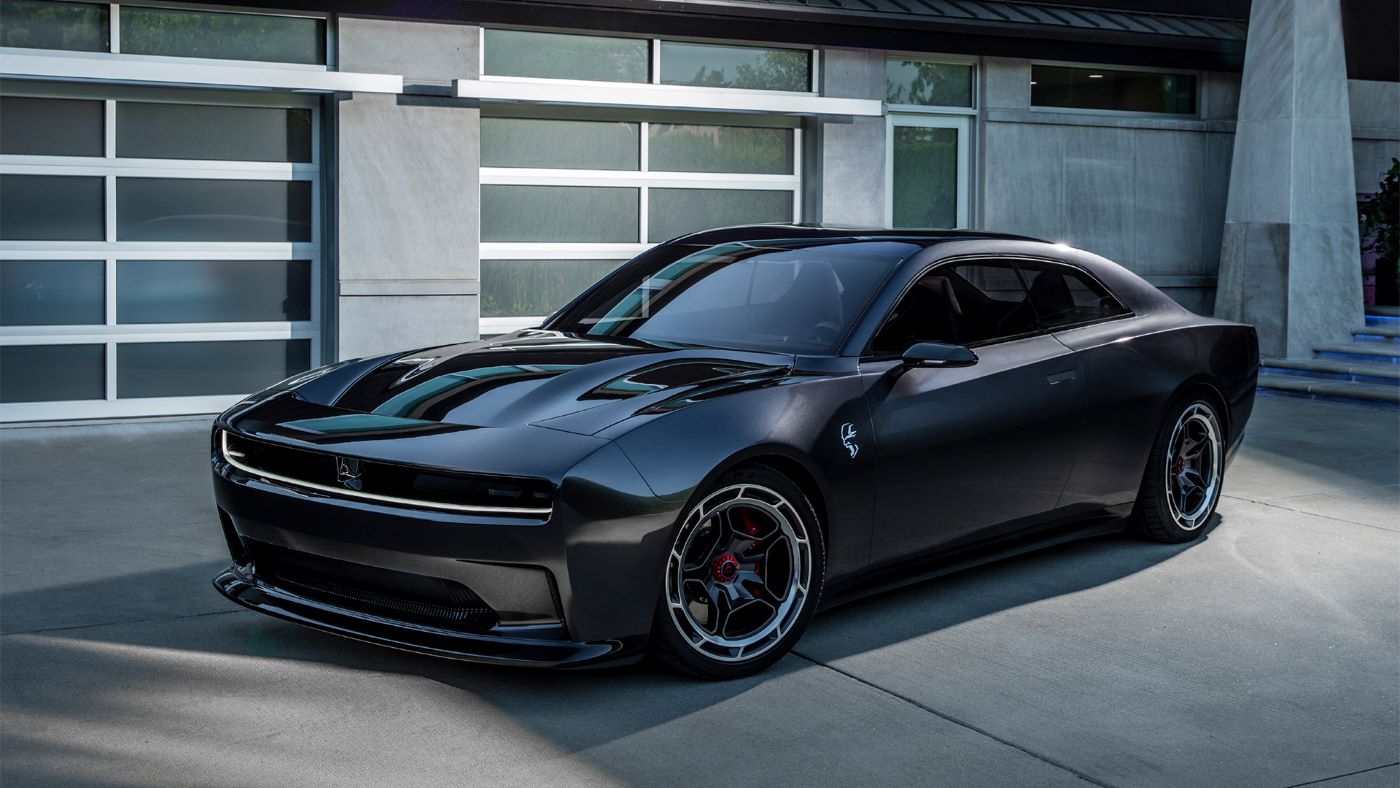
- Engine: 3.6-liter Pentastar V6
- Horsepower: Approximately 292 hp
- Torque: Approximately 260 lb ft
- Length: Approximately 198.4 inches
- Width: Approximately 75 inches
7. Dodge Charger
The Dodge Charger has become one of the most stolen performance sedans in recent years, and that trend continues into 2026. Powerful engines, aggressive styling, and strong enthusiast demand make the Charger extremely desirable.
High-performance trims such as the Scat Pack and Hellcat are especially vulnerable because of their exceptional resale value and popularity in illegal street racing scenes.
One of the biggest reasons steering wheel locks make sense for Chargers is the speed at which thefts can occur. Criminals targeting performance cars often operate in organized teams using advanced electronic bypass tools. Some thefts happen within minutes. A visible steering wheel lock adds a physical complication that disrupts these rapid theft attempts and increases the chance of detection.
Chargers also attract attention because they are highly recognizable. Unlike ordinary commuter sedans, performance muscle cars stand out visually and emotionally.
Unfortunately, this visibility extends to criminals. Stolen Chargers may be exported, dismantled, or used in reckless driving activities before abandonment. In some cases, thieves specifically target high-horsepower models for joyriding or criminal operations.
Another factor is owner’s lifestyle. Chargers are frequently parked at entertainment venues, sporting events, nightlife districts, and large public gatherings where thieves can blend into crowds.
Busy parking lots often provide ideal conditions for organized theft groups. A steering wheel lock serves as an immediate visual deterrent that may push criminals toward less protected vehicles nearby.
For Charger owners, steering wheel locks represent a low-cost but effective addition to broader security strategies. While no device guarantees complete protection, visible physical barriers remain highly effective against opportunistic theft. In a market where performance sedans continue attracting criminal attention, even simple deterrents can significantly reduce risk.
- Engine: 2.4-liter turbocharged inline 4 cylinder
- Horsepower: Approximately 265 hp
- Torque: Approximately 310 lb ft
- Length: Approximately 194.9 inches
- Width: Approximately 76 inches
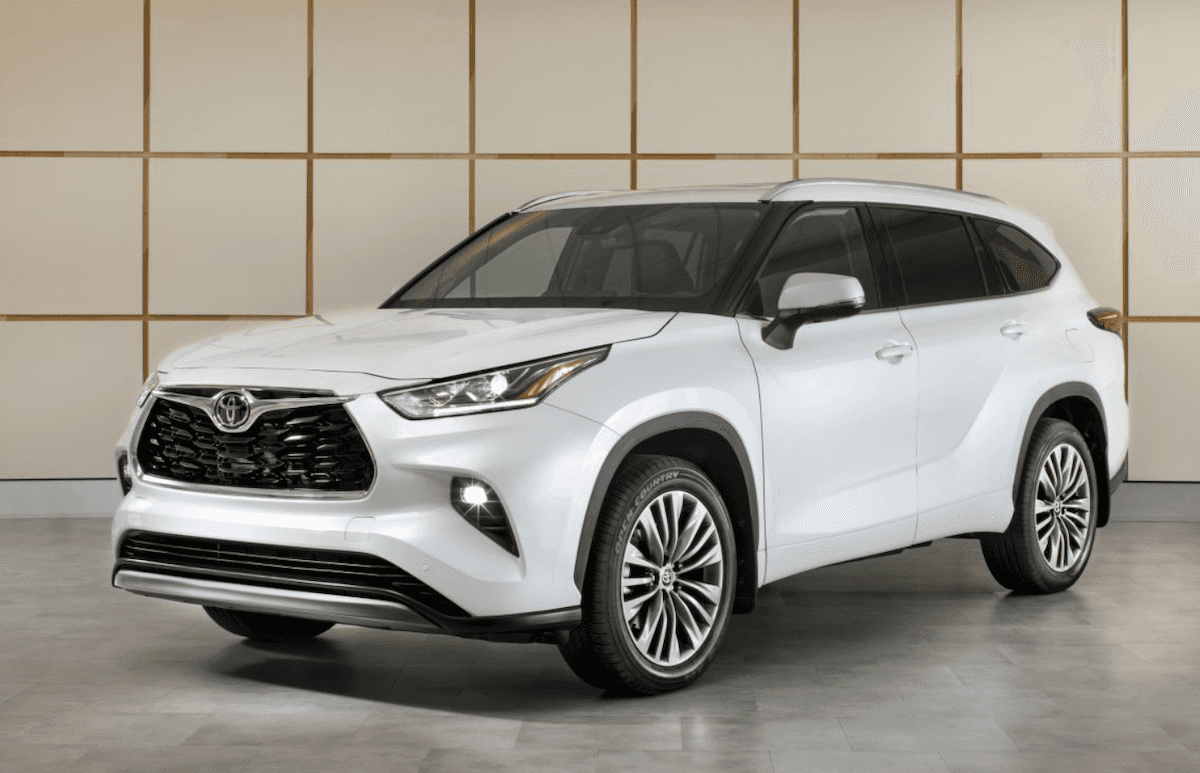
8. Toyota Highlander
The Toyota Highlander remains one of the world’s most trusted family SUVs, but its popularity also creates theft exposure. In 2026, the Highlander continues attracting thieves due to strong resale demand, dependable engineering, and widespread global recognition. Hybrid variants are especially valuable because of their expensive battery systems and fuel-efficient drivetrains.
Family-oriented SUVs often spend long hours parked in predictable locations such as school parking lots, residential neighborhoods, grocery centers, and commuter stations. Thieves exploit these routines because they allow repeated observation and planning. A steering wheel lock introduces uncertainty by signaling that the owner takes vehicle security seriously.
The Highlander also contains increasingly sophisticated electronics. Modern SUVs rely heavily on sensors, cameras, navigation systems, and connected technologies. These components are expensive to replace and attractive to criminal dismantling operations.
Some thieves target vehicles specifically for parts harvesting rather than complete resale. Steering wheel locks may not stop every determined criminal, but they can significantly reduce opportunistic attacks.
In 2026, the Highlander remains an excellent family vehicle, but its strong reputation and market demand also make it appealing to thieves. Steering wheel locks continue serving as practical, affordable tools that reduce vulnerability in everyday parking situations.
- Engine: 3.6-liter V6
- Horsepower: Approximately 293 hp
- Torque: Approximately 260 lb ft
- Length: Approximately 193.5 inches
- Width: Approximately 77.5 inches
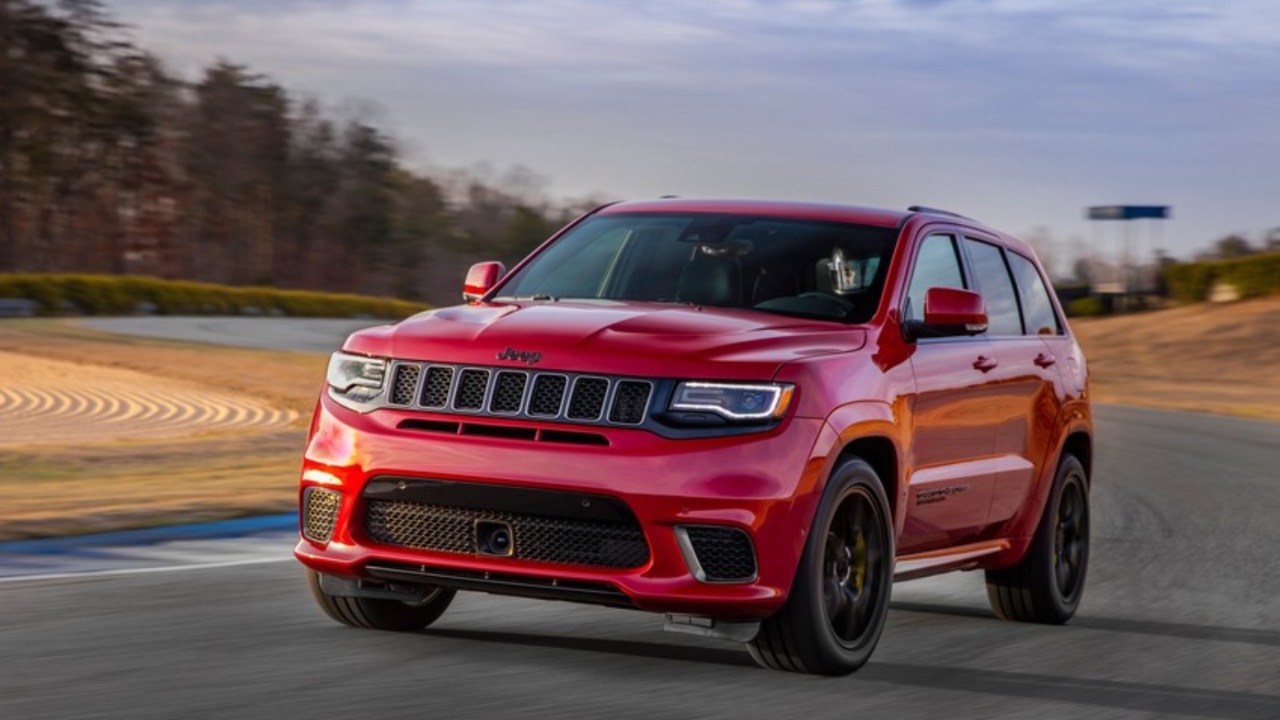
9. Jeep Grand Cherokee
The Jeep Grand Cherokee combines luxury, off-road capability, and strong brand recognition, making it a persistent theft target. In many regions, SUVs with rugged styling and premium features remain highly desirable among both legitimate buyers and criminal organizations. The Grand Cherokee’s combination of performance and utility ensures that theft risks remain relevant in 2026.
One major reason steering wheel locks make sense for the Grand Cherokee is its broad appeal. Luxury trims include expensive technology, premium interiors, and powerful engines that command high resale values. At the same time, the vehicle’s off-road capability and utility make it useful in a wide range of environments. Criminals value versatility, and the Grand Cherokee delivers it.
Another issue is geographic exposure. Jeep vehicles are popular in suburban, rural, and outdoor-oriented communities where owners may leave them parked at trailheads, campsites, or remote lodging locations. These environments can provide thieves with additional time and privacy. A steering wheel lock complicates theft in situations where immediate police response may not be available.
The Grand Cherokee’s aftermarket scene further increases theft risk. Owners frequently customize these SUVs with upgraded wheels, lighting systems, suspension kits, and off-road accessories. These modifications add value and attract criminal attention. In some cases, thieves specifically target vehicles for expensive aftermarket components rather than the SUV itself.
Visible deterrence remains important because many vehicle thefts are crimes of opportunity. A steering wheel lock changes the visual profile of the vehicle instantly.
Criminals who seek speed and minimal resistance often abandon targets that appear difficult or time-consuming. For Grand Cherokee owners in 2026, combining factory security with physical barriers continues to make practical sense.
- Engine: 2.4-liter turbocharged inline 4 cylinder hybrid setup
- Horsepower: Approximately 275 hp
- Torque: Approximately 317 lb ft
- Length: Approximately 192.5 inches
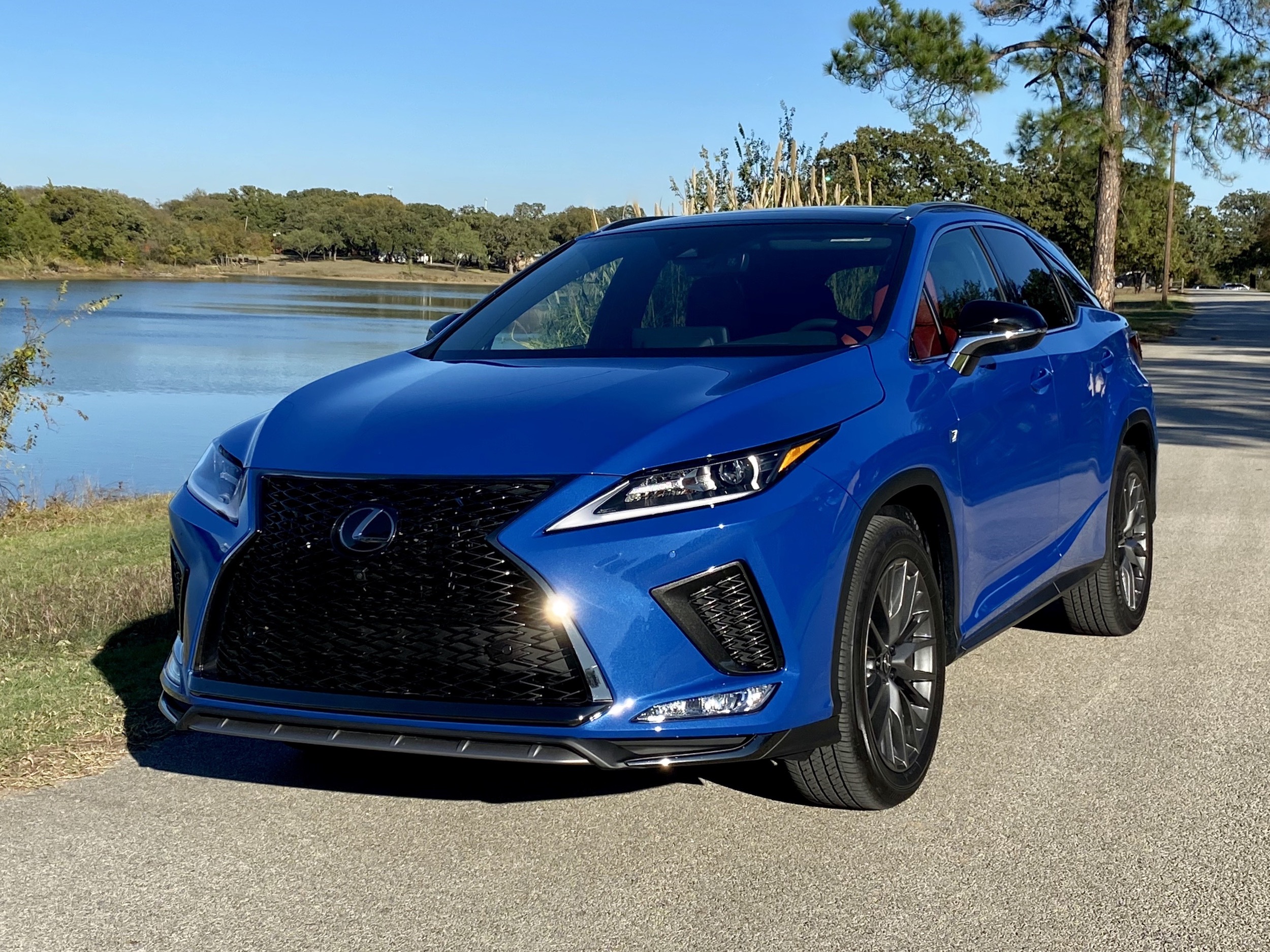
10. Lexus RX
The Lexus RX remains one of the most popular luxury SUVs globally, and its premium reputation contributes significantly to theft risk. Luxury vehicles attract criminals because of high resale prices, advanced components, and strong export demand. In 2026, the RX continues to be targeted in many urban areas, especially where organized theft groups focus on upscale SUVs.
One reason steering wheel locks are valuable for the Lexus RX is the rise of sophisticated electronic theft techniques. Luxury vehicles often include advanced keyless systems and connected technologies that criminals actively study and exploit.
Relay attacks and signal amplification methods remain ongoing concerns. While manufacturers continuously improve encryption and security, visible physical barriers still play an important role in theft prevention.
Another important factor is parts value. Premium headlights, infotainment systems, sensors, cameras, and hybrid components can generate substantial profit when sold illegally. As vehicles become more technologically complex, component theft becomes increasingly lucrative. Organized criminal groups often dismantle stolen luxury SUVs rapidly to maximize profits and reduce recovery chances.
Owners of luxury vehicles sometimes assume factory security systems provide complete protection. However, experienced criminals continuously adapt their methods. Steering wheel locks remain effective because they force thieves to deal with a visible physical challenge. In many cases, this added complication encourages criminals to search for easier targets instead.
For Lexus RX owners, layered protection remains the smartest strategy in 2026. Secure parking, motion-activated lighting, alarm systems, GPS tracking, and steering wheel locks work best together. Although no anti-theft measure is perfect, physical deterrents continue proving their value in real-world situations where convenience-focused electronic systems alone may not be enough.
