
Cold weather changes the entire camper van experience. A van that feels comfortable during summer road trips can quickly become miserable once temperatures drop below freezing.
Heat escapes through thin metal walls, windows collect condensation, and poorly insulated interiors struggle to retain warmth overnight. That is why factory insulation matters far more than many buyers initially realize.
Some vans are designed primarily for cargo hauling and commercial work, with little attention given to thermal comfort. Others receive thicker insulation materials, tighter sealing, quieter cabins, and advanced climate management systems directly from the manufacturer.
These features help maintain stable interior temperatures while also reducing outside noise and improving long-distance driving comfort.
For people planning winter camping trips, mountain travel, ski adventures, or full-time van life in colder regions, stock insulation becomes extremely important. Proper insulation reduces heating costs, prevents excessive moisture buildup, and creates a more livable environment during harsh weather conditions.
A well-insulated van can also improve fuel efficiency because the heating system does not need to work as aggressively to maintain cabin warmth.
Modern vans have improved significantly in this area. Manufacturers now understand that many buyers use these vehicles not just for work, but also for recreation and long-distance travel. Better sound deadening, insulated body panels, thicker window seals, and advanced HVAC systems all contribute to warmer and quieter interiors.
Of course, many camper van owners still add aftermarket insulation during custom conversions. Yet starting with a van that already offers strong factory insulation provides a major advantage. It reduces the amount of additional work required and helps create a more comfortable foundation for cold-weather adventures.
The vans on this list stand out because they provide some of the best stock insulation and cabin warmth in their segments.
Some focus on luxury refinement, while others achieve impressive thermal performance through clever engineering and practical design. Each one offers a solid starting point for travelers who refuse to let cold nights ruin life on the road.
Also Read: 8 Cars With the Best-Rated Headlights by IIHS
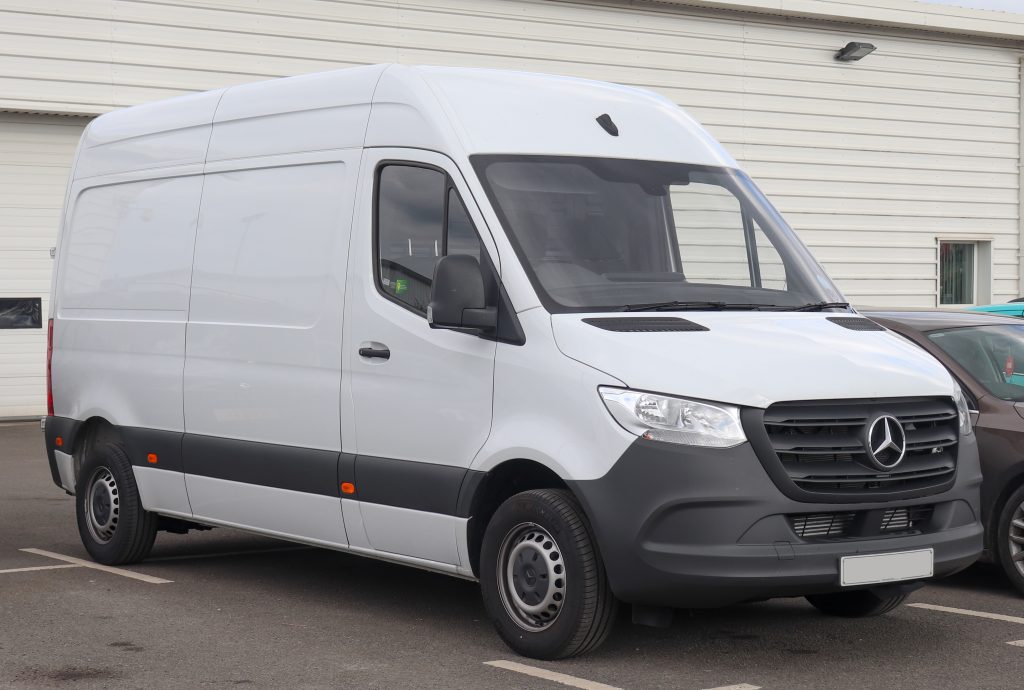
1. Mercedes-Benz Sprinter
The Mercedes-Benz Sprinter has built a strong reputation among winter travelers because of its impressive factory insulation and refined cabin design. Many luxury camper conversion companies choose the Sprinter not only for its size but also because the van already provides a quieter and warmer interior than many commercial rivals.
Mercedes paid close attention to cabin sealing and thermal management when developing the modern Sprinter. Doors close with a solid and insulated feel, while wind and road noise remain surprisingly controlled during highway driving. Those same features help trap warmth inside during freezing nights, reducing heat loss through gaps and thin panels.
The high-roof body style also contributes to its cold-weather practicality. Thick wall sections and strong factory lining materials create a more temperature-stable interior than older cargo vans that feel bare and hollow. Travelers often notice that the cabin warms up faster and retains heat longer after the heater has been running.
Diesel engine variants provide another benefit in winter conditions. The available diesel heater systems commonly found in camper builds pair naturally with the Sprinter’s efficient drivetrain, making it easier to maintain comfortable sleeping temperatures overnight.
In snowy regions, four-wheel-drive versions also add confidence during icy road trips and mountain travel.
Another major strength involves comfort during extended journeys. Heated seats, advanced climate controls, and premium interior materials help the Sprinter feel closer to a luxury SUV than a commercial work van. That higher level of refinement becomes especially valuable when spending long periods inside during bad weather.
The downside remains cost. Sprinters are expensive to purchase and maintain, particularly in high specification trims. Repairs and replacement parts can also cost more than domestic alternatives.
Even so, for people prioritizing cold-weather comfort and factory-quality insulation, the Sprinter continues to stand near the top of the camper van market.
- Engine: 2.0-liter turbocharged inline 4-cylinder diesel
- Torque: 295 lb-ft
- Horsepower: 170 HP
- Length/Width: 233.5 inches / 79.7 inches
2. Ford Transit Trail
The Ford Transit takes the already practical Transit platform and adapts it for harsher environments, making it an excellent option for cold-weather camping and winter travel.
Ford recognized that many van buyers were transforming their vehicles into adventure campers, so the Trail variant received upgrades that improved both comfort and all-terrain capability.
One area where the Transit Trail performs particularly well is cabin sealing. Compared to older commercial vans, the modern Transit feels much tighter and more insulated from outside temperatures. Thick door seals, better floor insulation, and improved sound deadening all contribute to a warmer interior during cold nights.
The available all-wheel-drive system adds another major advantage. Winter travel often means snow-covered roads, muddy campsites, and icy mountain passes. The Transit Trail handles those conditions with far more confidence than traditional rear-wheel-drive cargo vans, making it appealing for ski trips and remote cold-weather adventures.
Inside the cabin, the driving experience feels surprisingly refined. The dashboard layout resembles a modern passenger vehicle rather than a bare work van, and climate control performance is strong even during freezing conditions.
Heated seating options and efficient airflow management help keep occupants comfortable during long highway drives.
Camper builders also appreciate the van’s boxy interior dimensions. The shape makes it easier to install additional insulation, wall panels, and storage systems without wasting valuable space. Since the factory insulation is already respectable, conversion companies often spend less effort correcting weak thermal protection compared to older van platforms.
Another important benefit is service accessibility. Ford dealerships and repair centers are common throughout North America, which matters greatly during long winter road trips where mechanical problems can quickly become dangerous.
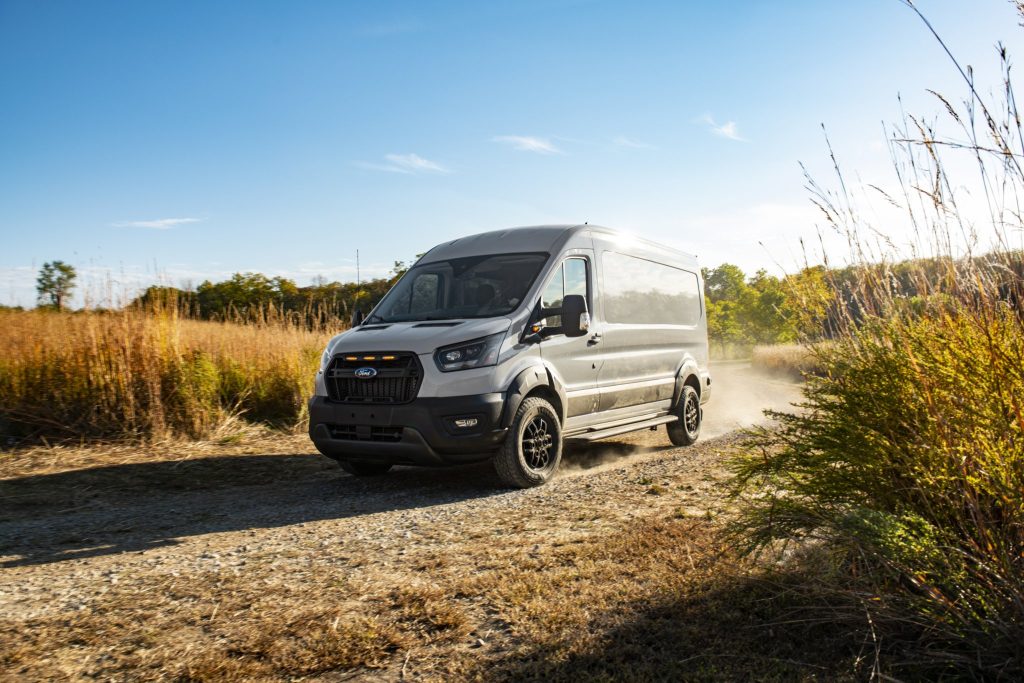
Fuel economy may not match smaller diesel vans, especially with aggressive all-terrain tires installed, but the Transit Trail balances comfort, winter capability, and practical insulation extremely well for travelers who regularly camp in cold climates.
- Engine: 3.5-liter twin-turbocharged V6
- Torque: 400 lb ft
- Horsepower: 310 HP
- Length/Width: 235.5 inches / 81.3 inches
3. Volkswagen California
The Volkswagen California approaches cold-weather camping differently from oversized cargo-based camper vans.
Instead of focusing purely on massive interior space, Volkswagen engineered the California to feel refined, cozy, and thermally efficient straight from the factory. This makes it one of the most comfortable compact camper vans for chilly nights and winter road trips.
Unlike many DIY camper conversions, the California was designed from the beginning as a factory-supported recreational vehicle. Because of that, the insulation quality feels more integrated and carefully planned.
The side panels, roof materials, and interior trim all help reduce heat loss while also limiting outside noise during windy or snowy weather.
The smaller cabin size actually becomes an advantage in cold climates. Since there is less open air inside compared to huge high-roof vans, the heating system warms the living space much faster. Travelers frequently mention how quickly the interior becomes comfortable even after stepping inside from freezing outdoor temperatures.
Volkswagen also equipped the California with efficient auxiliary heating systems that work exceptionally well for overnight camping. Combined with insulated curtains and tightly sealed doors, the van can remain surprisingly warm during mountain trips and winter camping adventures.
Another factor helping California stand out is driving comfort. The van behaves more like a large family vehicle than a commercial transporter. Steering is smooth, highway stability feels excellent, and the cabin remains impressively quiet. During long, cold weather journeys, that calmer atmosphere makes travel far less tiring.
The compact dimensions create practical advantages, too. Drivers can fit the California into normal parking spaces, city streets, and tighter campsites where oversized camper vans struggle. This flexibility appeals strongly to travelers who alternate between urban areas and remote winter destinations.
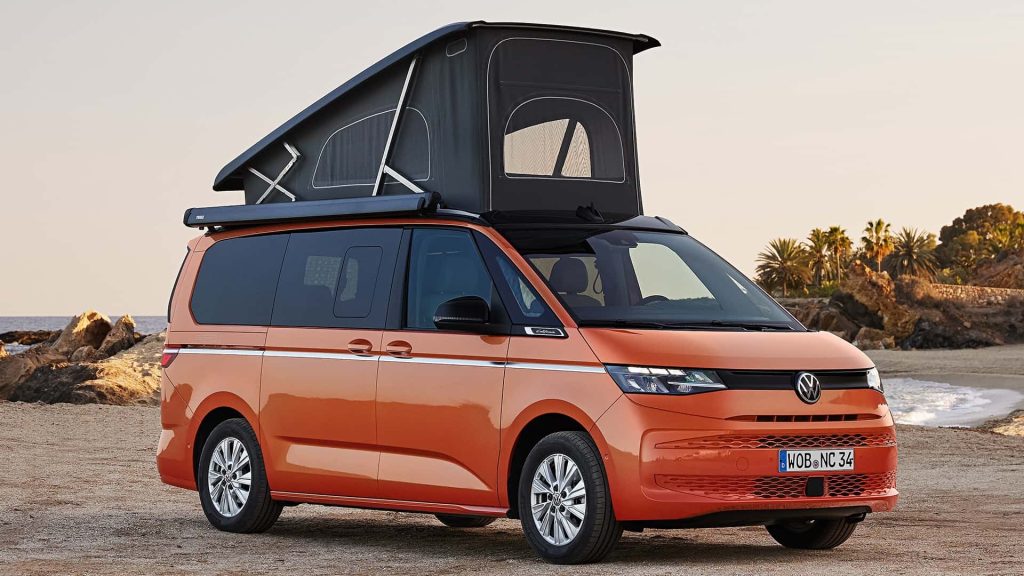
Interior space is naturally smaller than larger Sprinter or Transit-based conversions, so families wanting permanent bathrooms or large kitchens may feel restricted. Yet for couples or solo travelers seeking warmth, refinement, and factory-integrated camper convenience, the California remains one of the strongest cold-weather options available.
- Engine: 2.0-liter turbocharged inline 4-cylinder diesel
- Torque: 258 lb ft
- Horsepower: 201 HP
- Length/Width: 193 inches / 75.9 inches
4. Ram ProMaster
The Ram ProMaster may not carry the premium image of European camper vans, but it quietly performs very well in colder conditions thanks to its smart body design and practical cabin layout. Camper builders often praise the ProMaster because its structure helps retain heat more effectively than many traditional cargo vans.
One of the biggest advantages comes from the van’s shape. The nearly vertical side walls and flatter interior surfaces simplify insulation upgrades, but even in stock form, the ProMaster already feels less drafty than older commercial vans. Thick door seals and tighter body construction reduce unwanted airflow during windy winter nights.
The front-wheel-drive layout creates another subtle benefit. Since there is no large driveshaft tunnel underneath the cargo area, the floor sits lower and flatter. This helps builders install insulated flooring systems more efficiently while maximizing usable interior height. Even factory passenger versions feel relatively enclosed and thermally stable.
Heating performance inside the ProMaster is also impressive. The cabin warms quickly, and airflow distribution reaches passengers effectively during freezing conditions. Travelers driving through snowy highways or cold rain often notice how rapidly the van maintains comfortable temperatures compared to stripped-out work vans.
Another reason winter campers appreciate the ProMaster is snow traction. The front-wheel-drive system provides predictable grip on slippery roads, especially when combined with the extra weight of camper equipment and supplies. While it is not a hardcore off-road machine, it handles typical winter travel situations confidently.
The wide-body design contributes to sleeping comfort as well. Many owners can install transverse beds, allowing more compact and insulated living layouts without sacrificing interior functionality. Less open cabin space means heat stays concentrated more efficiently overnight.
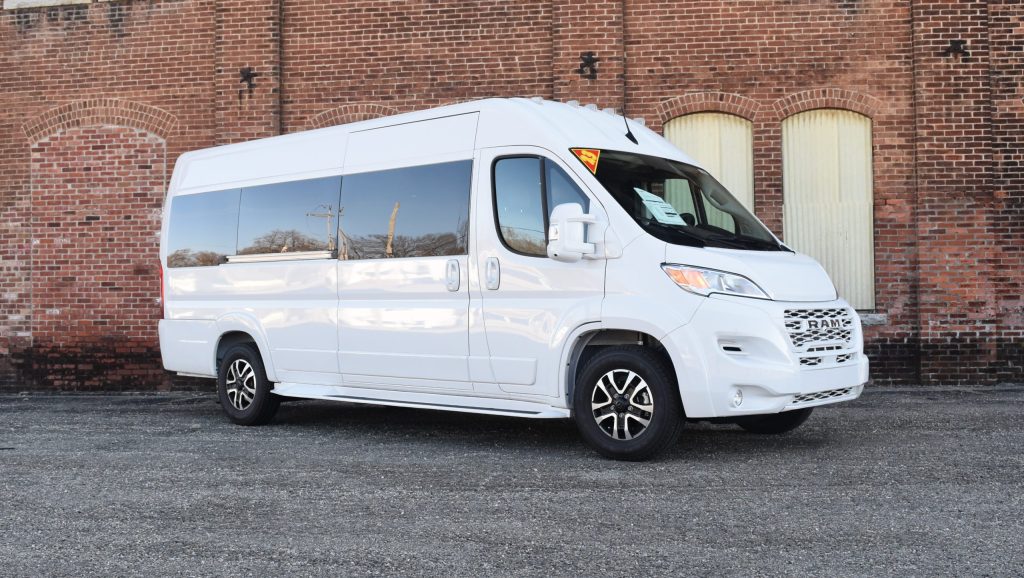
Its naturally aspirated V6 engine is not the most fuel-efficient choice for long-distance travel, and the van lacks the prestige associated with luxury camper platforms. Still, the ProMaster remains highly appealing for cold-weather camper conversions because of its practical, insulation-friendly structure and dependable winter usability.
- Engine: 3.6-liter naturally aspirated V6
- Torque: 260 lb ft
- Horsepower: 276 HP
- Length/Width: 250.6 inches / 80.3 inches
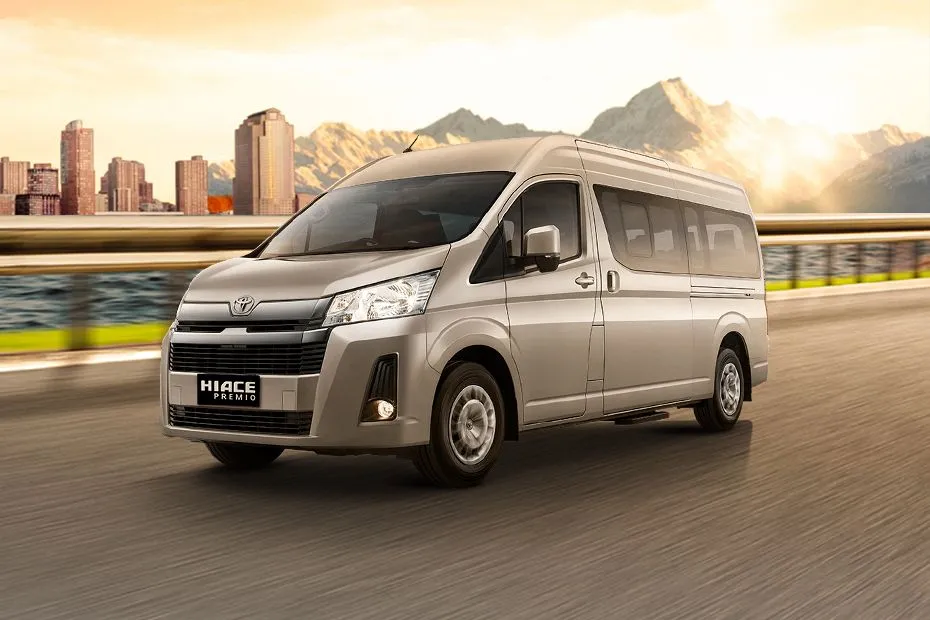
5. Toyota HiAce
The Toyota HiAce built its reputation through durability and practicality, but many travelers underestimate how comfortable the van can feel during colder conditions.
Toyota designed the HiAce for global markets with vastly different climates, which pushed engineers to focus heavily on cabin sealing, dependable heating systems, and long-term reliability in difficult weather.
One of the first things drivers notice during winter travel is how quickly the interior heater becomes effective. The climate control system distributes warmth evenly throughout the cabin, helping passengers remain comfortable even during freezing early morning drives.
This characteristic matters greatly for camper conversions because cold interiors can become exhausting during extended trips.
The HiAce also benefits from solid body construction and well-insulated panels compared to many older commercial vans. Road noise stays relatively controlled, and outside air intrusion feels minimal once doors and windows are fully sealed. These details contribute directly to better heat retention overnight.
Another important strength is the compact but efficient cabin design. Large cargo vans sometimes struggle to maintain warmth because they contain huge empty spaces requiring constant heating. The HiAce avoids that issue by balancing interior room with manageable dimensions. Smaller living spaces warm faster and remain comfortable using less energy.
Diesel engine options provide strong low-end torque while maintaining respectable fuel economy during long winter journeys. Many camper owners pair the van with auxiliary diesel heaters, creating highly efficient heating systems ideal for snow-covered campsites and mountain travel.
Reliability also plays a huge role in the HiAce’s appeal. Winter breakdowns can quickly become dangerous in remote locations, especially during subzero temperatures. Toyota’s reputation for dependable engineering gives travelers extra confidence when crossing isolated regions or camping far from major towns.
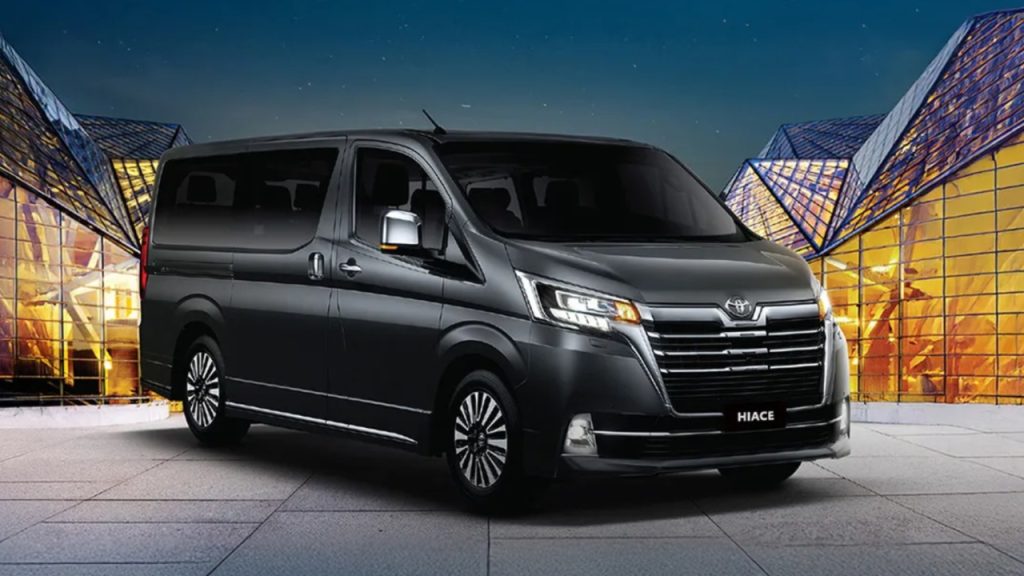
The HiAce may not deliver luxury-level refinement like premium German vans, and full standing height can be limited depending on configuration. Still, its balance of thermal comfort, durability, and efficient packaging makes it one of the smartest cold-weather camper platforms available globally.
- Engine: 2.8-liter turbocharged inline 4 diesel
- Torque: 332 lb ft
- Horsepower: 174 HP
- Length/Width: 232.9 inches / 76.9 inches
6. Nissan NV3500
The Nissan NV approaches winter comfort from a more traditional American van philosophy, combining a rugged body structure with a surprisingly refined cabin environment. While the model never became as trendy as the Sprinter or Transit, many camper owners discovered that the NV3500 performs impressively well during cold-weather travel.
One major reason involves the van’s heavily insulated front cabin area. Nissan designed the NV with inspiration from its truck lineup, resulting in thick doors, solid dashboard materials, and excellent noise suppression. Those same features also help maintain cabin warmth during freezing nights and snowy highway drives.
The available high-roof version improves cold-weather livability significantly. Travelers can move around inside more comfortably while still benefiting from a relatively enclosed interior that retains heat effectively. Combined with proper bedding and minimal camper upgrades, the stock insulation already provides a strong starting point for winter camping.
Heating performance is another highlight. The HVAC system produces substantial airflow and warms the cabin quickly, even after the van has been parked outside in harsh temperatures. Front seat comfort also stands out because the NV feels more spacious and supportive than many commercial cargo vans during long-distance travel.
The strong V8 engine options help the van handle winter gear and heavy camper builds without strain. Whether carrying ski equipment, water tanks, batteries, or additional insulation materials, the NV3500 rarely feels overwhelmed. Highway stability also remains solid during windy or snowy conditions.
Because the NV series never reached massive popularity in the camper scene, used examples can often be found at lower prices than comparable Sprinter or Transit models. That affordability leaves more room in the budget for upgraded insulation, diesel heaters, or off-grid electrical systems.
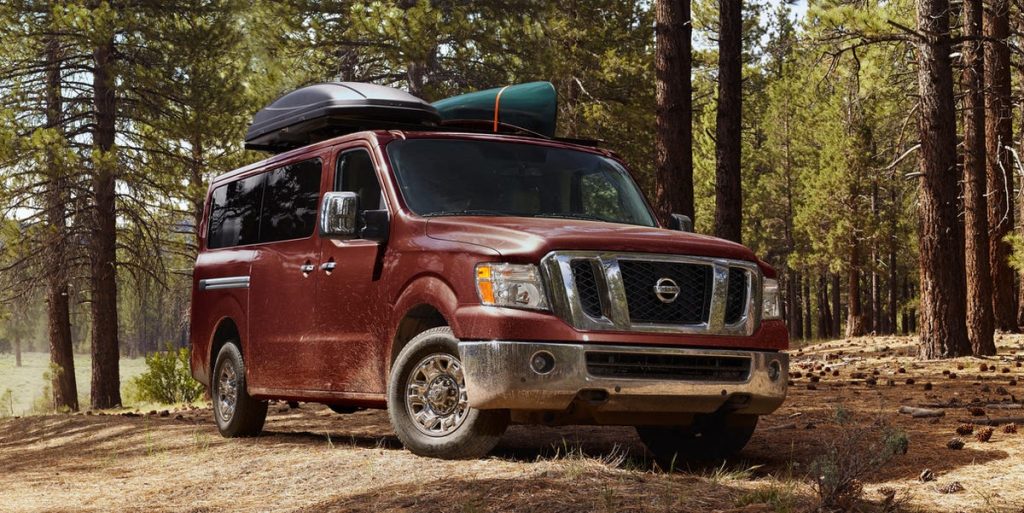
Fuel economy is not its strongest attribute, and aftermarket camper accessories are less abundant than those available for mainstream platforms. Even so, the NV3500 remains an underrated choice for travelers wanting warmth, durability, and comfortable winter road trip capability.
- Engine: 5.6-liter naturally aspirated V8
- Torque: 387 lb ft
- Horsepower: 375 HP
- Length/Width: 240.6 inches / 79.9 inches
7. Fiat Ducato
The Fiat Ducato became a favorite among European camper manufacturers because of its excellent balance between practicality and cold-weather comfort.
Many factory-built motorhomes are based on the Ducato platform, partly because the van already provides solid thermal insulation and an interior layout that works extremely well in changing climates.
One reason the Ducato performs effectively during cold nights is its tightly packaged body structure. The cabin feels less hollow than older commercial vans, and the insulation materials used throughout the doors and side panels help reduce temperature fluctuations during overnight camping. This creates a calmer and warmer atmosphere inside the vehicle.
The front-wheel drive architecture also contributes indirectly to thermal efficiency. With a flatter floor design, camper builders can install insulated flooring systems more effectively while preserving interior space.
Many winter travelers appreciate how easy it is to create a warm sleeping environment without sacrificing too much space.
Another important advantage is heating efficiency. The Ducato cabin warms quickly, and modern climate control systems distribute heat consistently across both front and rear passenger areas. During long winter drives, this makes the van feel much more refined than older, work-focused alternatives.
The driving experience also helps during cold-weather travel. Steering feels light, visibility remains excellent, and highway stability inspires confidence even during rain or snow. Drivers covering long winter routes benefit from a van that feels less tiring to operate over extended distances.
European camper conversion companies have also developed countless insulation upgrades, thermal window covers, and cold-weather accessories specifically for the Ducato platform. Since the van is so widely used, owners can easily find solutions for improving warmth even further.
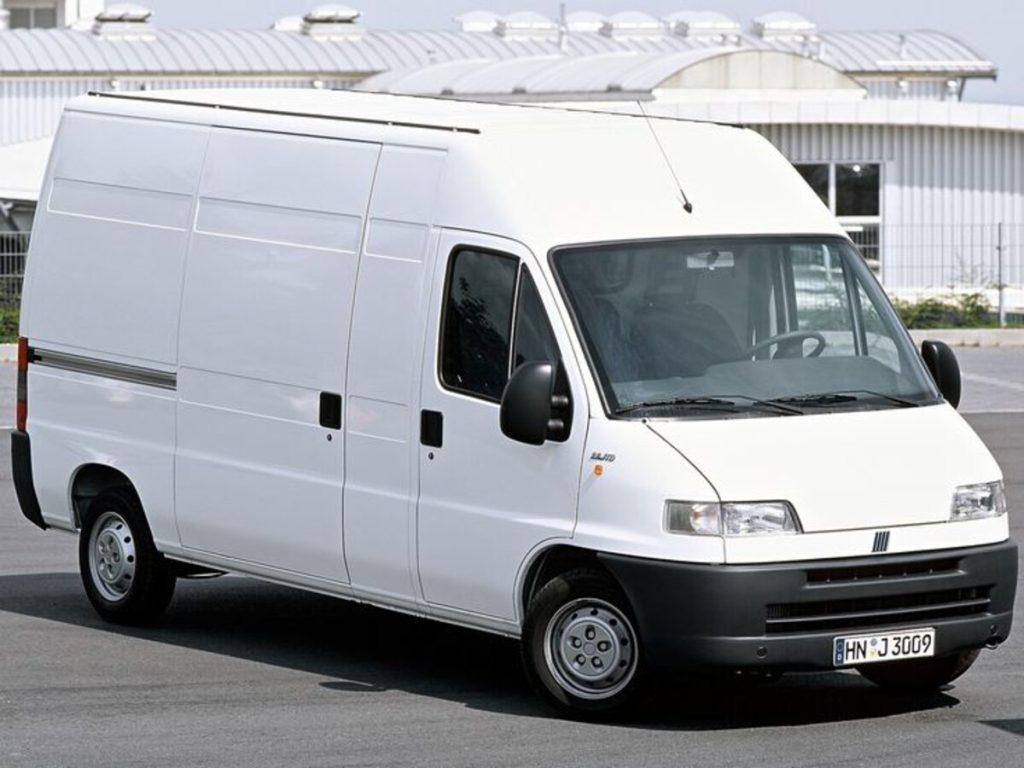
Its diesel engines remain efficient during long road trips, though some buyers may prefer more powerful setups when carrying extremely heavy camper interiors.
Still, the Ducato continues earning praise because it combines practical winter usability, strong factory insulation, and comfortable road manners into one highly adaptable camper van platform.
- Engine: 2.2-liter turbocharged inline 4 diesel
- Torque: 332 lb ft
- Horsepower: 180 HP
- Length/Width: 236.4 inches / 80.7 inches
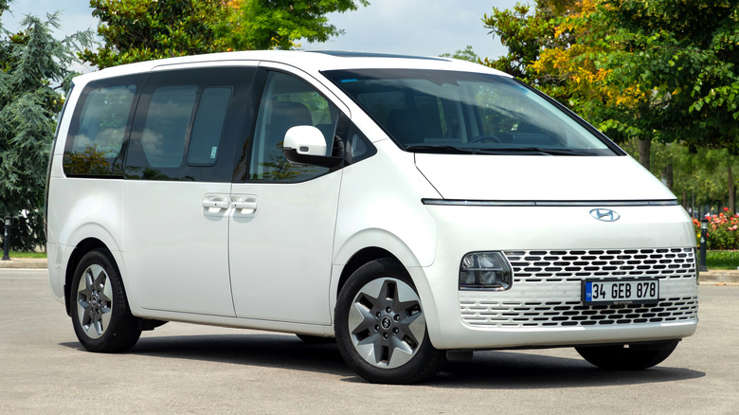
8. Hyundai Staria Lounge Camper
The Hyundai Staria brings a far more modern and futuristic approach to camper comfort compared to traditional cargo vans. Hyundai designed the Staria with passenger refinement as a major priority, and that decision created a van that feels impressively warm and insulated during cold weather conditions.
The first thing many people notice is how quiet the cabin feels. Thick glass, carefully insulated body panels, and advanced sound-deadening materials help isolate passengers from wind and road noise. Those same features also help maintain stable interior temperatures when camping overnight in colder climates.
Unlike stripped commercial vans converted into campers later, the Staria already feels highly refined from the factory. Premium interior materials, strong climate control performance, and tightly sealed doors create an atmosphere closer to a luxury SUV than a cargo van. During freezing nights, that extra refinement becomes especially valuable.
The heating system itself performs extremely well. Warm air reaches passengers quickly, and rear cabin airflow remains effective even in larger seating configurations. Travelers spending long periods inside during rain or snow appreciate how evenly the interior temperature is maintained.
Another advantage involves efficiency. The Staria’s diesel powertrain provides good fuel economy while still producing enough torque for carrying camping equipment and passengers comfortably. For travelers planning winter road trips across long distances, lower fuel consumption can make a noticeable difference.
The van’s lower ride height and streamlined design also improve driving confidence during strong winds and icy weather. Compared to tall commercial vans, the Staria feels more stable and easier to maneuver through crowded urban areas or slippery roads.
Its biggest limitation is camper conversion space. While the Lounge Camper configuration offers smart interior packaging, it cannot match the massive storage and standing room available in larger high-roof vans.
Yet for couples or smaller families wanting warmth, technology, and modern comfort during cold-weather travel, the Staria stands out as one of the most interesting new options available.
- Engine: 2.2-liter turbocharged inline 4 diesel
- Torque: 317 lb ft
- Horsepower: 177 HP
- Length/Width: 207.9 inches / 78.1 inches
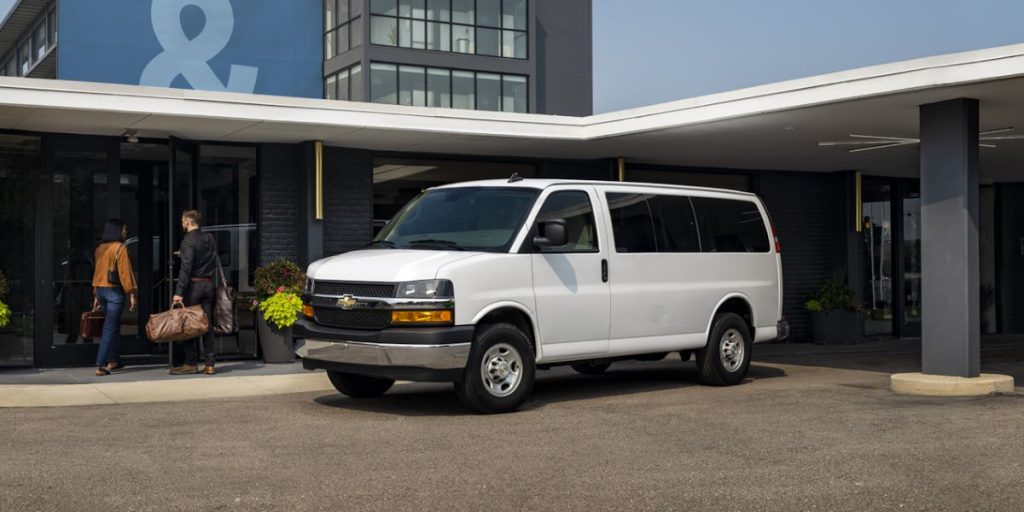
9. Chevrolet Express AWD
The Chevrolet Express may come from an older generation of vans, but its cold-weather capability continues to earn respect among winter campers and overland travelers. While newer vans often focus on digital technology and luxury styling, the Express concentrates on durability, mechanical simplicity, and dependable performance in difficult conditions.
One major advantage during cold nights is the van’s thick and solid body construction. The cabin feels sturdier than many lightweight commercial vans, helping reduce drafts and outside air intrusion once properly sealed.
Passenger versions especially provide decent stock insulation because they were designed with comfort in mind rather than pure cargo hauling.
The available all-wheel-drive setups transform the van into a surprisingly capable winter machine. Snow-covered roads, icy parking areas, and muddy campsites become much easier to handle compared to traditional rear-wheel-drive vans. Travelers heading toward ski resorts or mountain regions often appreciate that extra traction.
Heating performance is another area where the Express performs well. The large front HVAC system produces strong airflow and warms the interior quickly during freezing mornings. Many camper builders also like how easily auxiliary heaters can be integrated into the van because of its straightforward mechanical layout.
Another important strength is reliability in harsh environments. Older-style naturally aspirated V8 engines remain dependable under heavy loads and cold temperatures, especially compared to smaller turbocharged motors that may require more complex maintenance.
Long-distance winter travelers frequently value simplicity more than cutting-edge engineering.
Interior space may not feel as modern or open as high-roof European vans, yet creative camper conversions can still create highly comfortable cold-weather living setups. Insulated wall panels, raised sleeping platforms, and compact heating systems fit well within the sturdy structure.
Fuel consumption remains one of the van’s biggest compromises, particularly with heavier camper builds and all-terrain tires installed. Standing room is also limited without aftermarket roof modifications.
Still, the Chevrolet Express AWD continues attracting winter adventurers because it delivers toughness, warmth, and trustworthy cold-weather performance.
- Engine: 5.3-liter naturally aspirated V8
- Torque: 334 lb ft
- Horsepower: 310 HP
- Length/Width: 224.1 inches / 79.4 inches
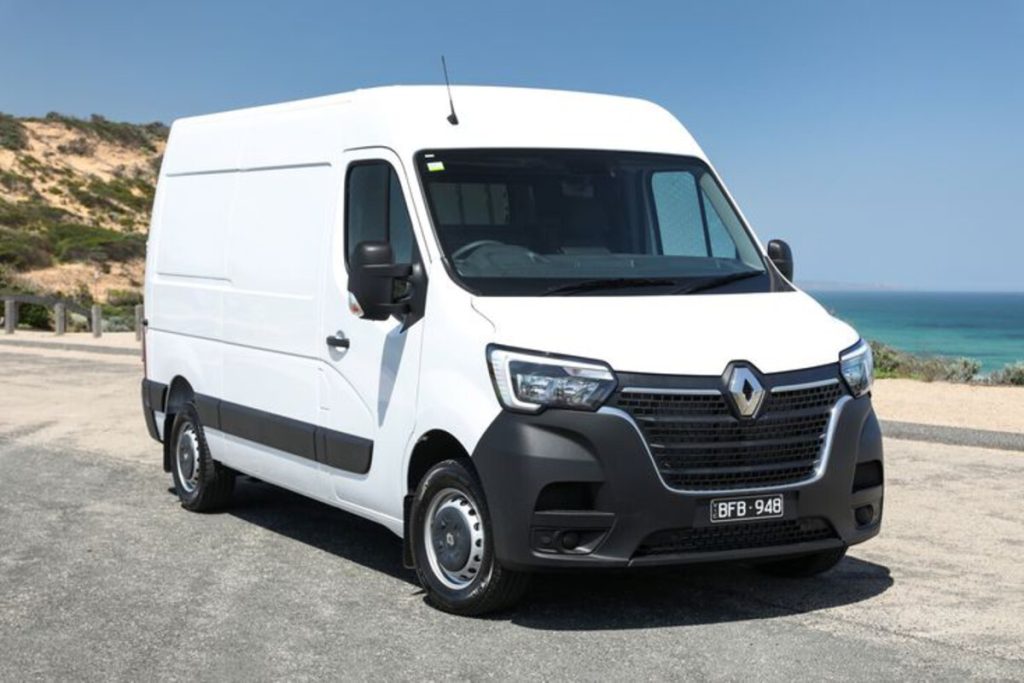
10. Renault Master
The Renault Master finishes this list because of its impressive balance between factory comfort, insulation quality, and practical cold-weather usability. Widely used throughout Europe for commercial transport and camper conversions, the Master quietly developed a reputation as a dependable van for winter travel.
One reason the Master performs well in colder climates is its carefully insulated cabin structure. Renault improved sound deadening and thermal protection significantly compared to older commercial vans, resulting in a quieter and warmer driving environment. Long winter road trips feel less exhausting because outside wind and road noise remain controlled.
The high roof variants also help create a more livable camper experience. Despite the larger interior volume, the heating system distributes warmth effectively throughout the cabin. Many owners mention how quickly the van reaches comfortable temperatures after cold starts during snowy mornings.
The driving experience deserves attention, too. Steering feels lighter than expected for a large cargo van, visibility is excellent, and the suspension absorbs rough winter roads comfortably. These characteristics become especially important when traveling long distances through rain, snow, or icy highways.
Diesel engine options deliver strong low-end torque while remaining efficient enough for extended road trips. Camper owners benefit from lower fuel costs and dependable highway cruising even when carrying heavy gear or insulated camper interiors.
Another factor helping the Renault Master stand out is customization flexibility. Camper conversion companies across Europe offer thermal window covers, insulated flooring systems, diesel heaters, and modular furniture kits specifically for this platform.
Since the van already starts with respectable stock insulation, upgrading it for severe winter conditions becomes easier.
The Master may not receive the same attention as luxury camper vans, and service availability can vary depending on the country. Even so, it remains one of the smartest choices for cold-weather camper builds because of its practical layout, warm cabin design, and comfortable long-distance driving manners.
- Engine: 2.3-liter turbocharged inline 4 diesel
- Torque: 266 lb ft
- Horsepower: 180 HP
- Length/Width: 247.4 inches / 81.3 inches
