
The global automotive industry is evolving at an extraordinary pace, with electric vehicles, connected technology, autonomous driving systems, and sustainable manufacturing practices reshaping how consumers think about transportation.
While the United States has long been one of the most competitive automotive markets in the world, the next decade may bring a fresh wave of foreign car brands eager to establish a foothold in America.
As consumer preferences continue to shift toward electric mobility, affordable luxury, advanced safety systems, and high-performance innovation, several overseas automakers are preparing for international expansion. Some of these companies already enjoy massive success in Europe, China, India, and Southeast Asia, while others are rapidly emerging as disruptive startups capable of challenging established manufacturers.
American buyers have become increasingly open to new automotive brands over the last twenty years. Korean automakers transformed from budget alternatives into mainstream leaders, while electric vehicle startups proved that traditional legacy status is no longer required for market success.
This changing environment creates an opportunity for international carmakers that previously viewed the American market as too difficult or expensive to enter. Improvements in global supply chains, digital sales models, and EV-focused platforms have lowered some of the barriers that once prevented foreign companies from expanding into North America.
Many overseas automakers are also benefiting from aggressive investments in battery technology and software integration. Governments around the world are pushing stricter emissions regulations, forcing companies to innovate faster than ever before.
Brands that have successfully adapted to these changes in Europe or Asia may find the American market increasingly attractive by 2030, especially as demand for electric crossovers, compact SUVs, and affordable EVs continues to rise. Some of these manufacturers already sell vehicles in neighboring markets such as Mexico or Canada, making future US expansion more realistic than ever.
The possibility of new entrants arriving in America could significantly reshape competition within the automotive sector. Established brands may face pressure to improve pricing, increase technology offerings, and accelerate EV development.
Consumers, meanwhile, could gain access to a wider selection of vehicles featuring unique styling, innovative engineering, and competitive pricing structures. Whether through partnerships, direct market launches, or localized manufacturing facilities, several foreign automakers appear positioned to make serious moves toward the United States before the end of the decade.
The following brands represent some of the most likely candidates to enter the American automotive market by 2030. Each company brings distinct strengths, ranging from affordable electric mobility and luxury craftsmanship to advanced autonomous systems and performance engineering.
While not every expansion plan has been officially confirmed, industry trends and strategic investments suggest these manufacturers could become familiar names on American roads in the years ahead.
Also read: Top 10 Cars With the Shortest Turning Radius Ranked
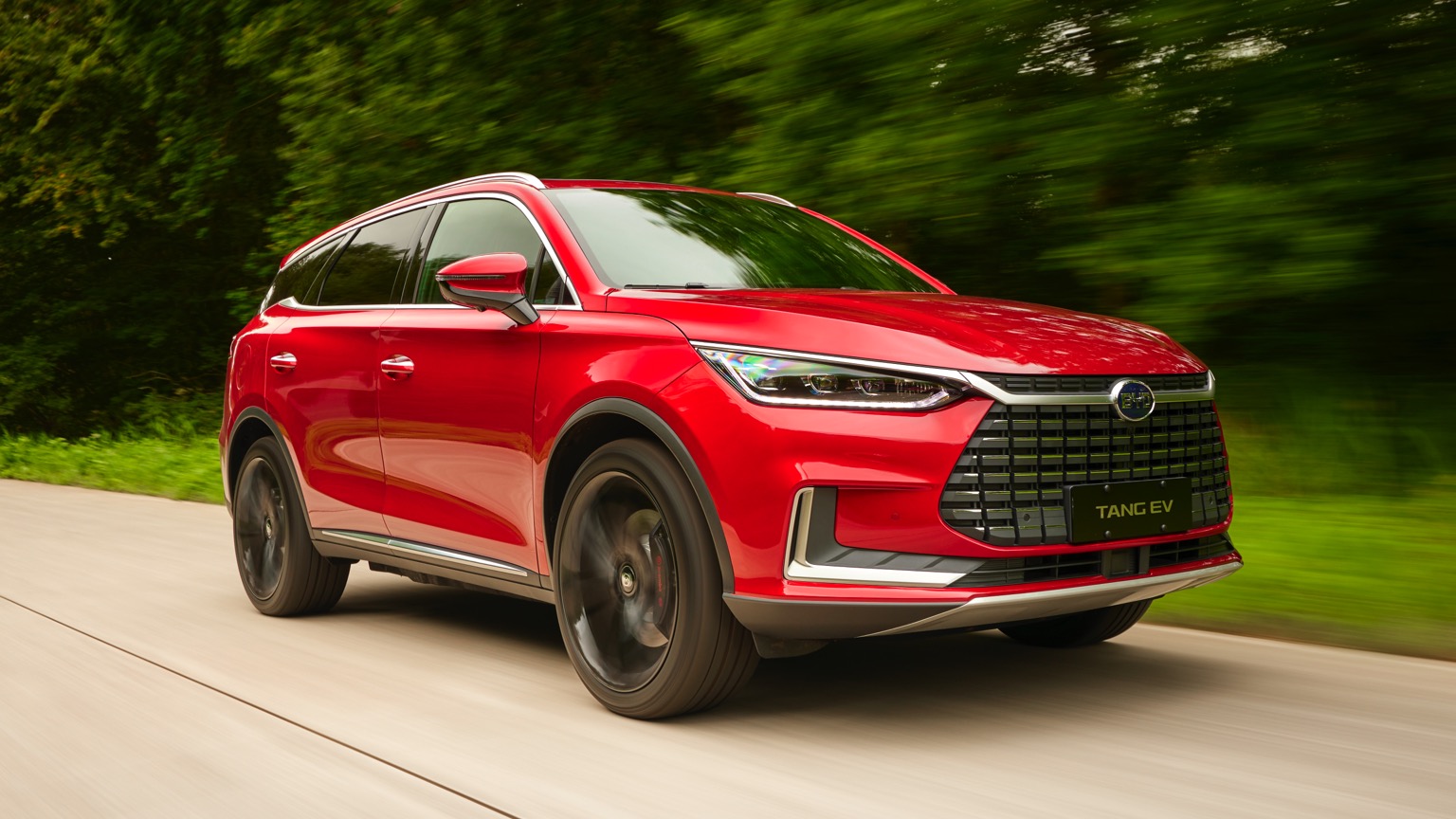
1. BYD
Chinese automotive giant BYD has become one of the most closely watched car manufacturers in the world. Originally known for battery production, the company transformed itself into a global electric vehicle powerhouse capable of competing with some of the industry’s most recognized names.
BYD’s rapid expansion across Europe, Asia, South America, and Australia demonstrates that the brand is no longer focused solely on the domestic Chinese market. By 2030, the United States could become one of its most ambitious targets.
One of BYD’s greatest advantages lies in vertical integration. The company produces many of its own batteries, semiconductors, and electric powertrain components, allowing it to maintain tighter control over costs and production efficiency.
This strategy has enabled BYD to introduce competitively priced electric vehicles without sacrificing technology or driving range. American consumers increasingly searching for affordable EV alternatives may eventually find BYD products highly appealing.
The company already manufactures electric buses in North America, giving it some operational experience within the United States. That presence could help pave the way for passenger vehicle expansion later in the decade.
Establishing local manufacturing facilities or assembly partnerships may also allow BYD to navigate import tariffs and government regulations more effectively. If the company can secure sufficient infrastructure and dealership support, it could quickly emerge as a major competitor in the affordable EV category.
BYD’s vehicle lineup is another reason analysts believe the company has strong US market potential. Models such as the Seal, Dolphin, and Atto 3 combine modern design language with advanced infotainment systems and practical driving capabilities.
The company has also demonstrated an ability to innovate rapidly, introducing blade battery technology designed to improve safety and durability. These advancements align with growing consumer interest in reliable long-range electric transportation.
Challenges certainly remain for BYD. Political tensions between the United States and China could complicate market entry efforts, while consumer trust and brand recognition may take years to establish.
However, if BYD can successfully position itself as a technology-focused and value-driven automaker, it could become one of the most influential new automotive entrants in America by 2030.
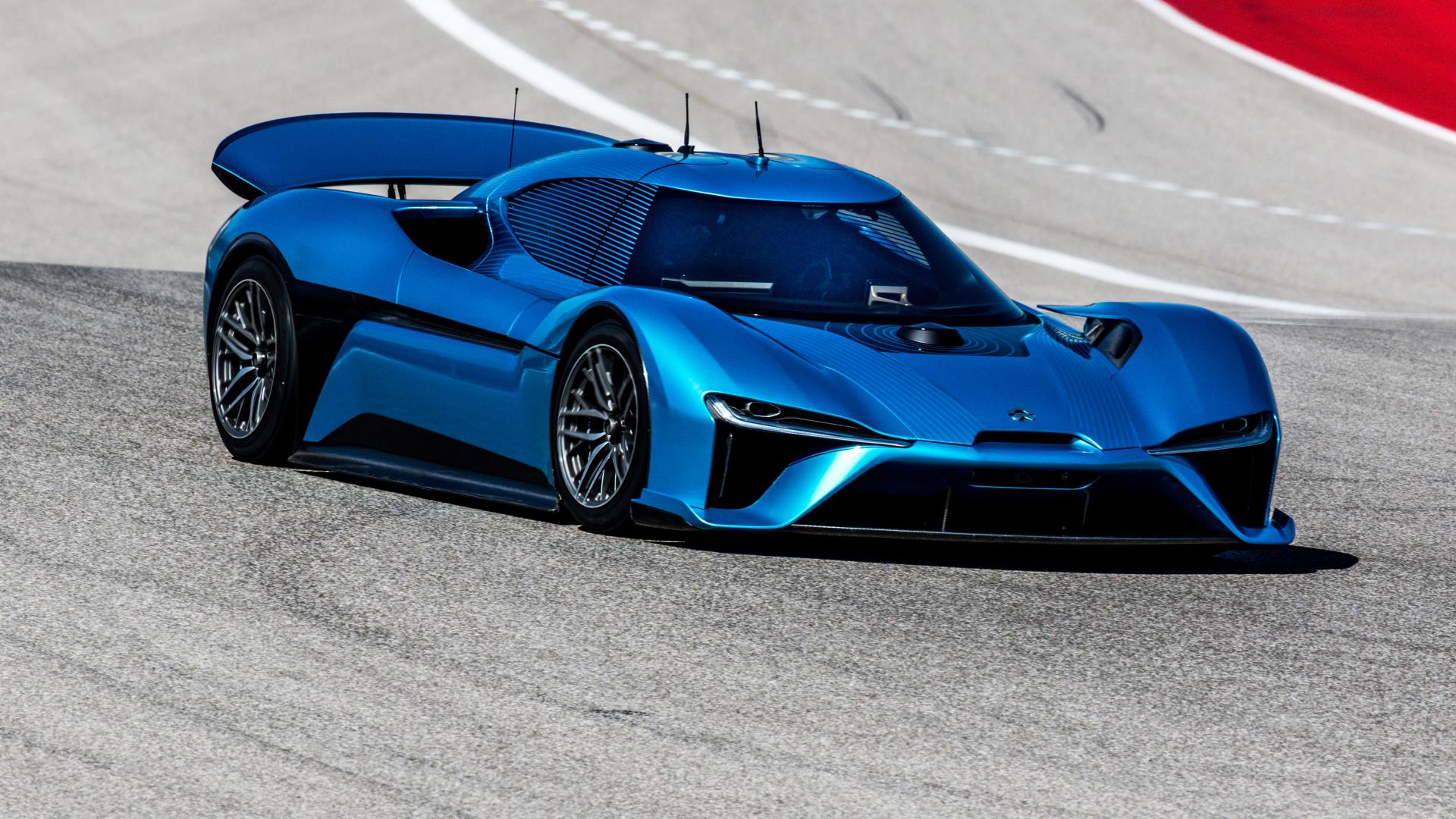
2. NIO
NIO has often been described as one of China’s most premium electric vehicle manufacturers, and its global ambitions continue to attract widespread attention. The company has already expanded into several European markets, where it markets itself as a luxury technology brand focused on performance, digital integration, and battery innovation.
By the end of the decade, NIO could become one of the first Chinese luxury EV makers to seriously challenge established premium automakers in the United States.
One of NIO’s most unique features is its battery swapping technology. Instead of waiting for vehicles to recharge, drivers can replace depleted batteries with fully charged units at dedicated stations in just a few minutes.
This approach addresses one of the biggest concerns surrounding electric vehicle ownership, namely charging convenience. If NIO successfully develops a reliable battery swapping infrastructure in North America, it could offer a compelling alternative to traditional charging networks.
The company’s vehicles are also designed to emphasize premium comfort and advanced digital experiences. Interiors often feature minimalist aesthetics, artificial intelligence assistants, large touchscreen interfaces, and extensive driver assistance capabilities. NIO’s focus on creating a lifestyle-oriented ownership experience could resonate with younger luxury buyers seeking something different from traditional German or American brands.
NIO has demonstrated impressive engineering capabilities through vehicles such as the ET7 sedan and EL7 SUV. These models deliver competitive driving range, fast acceleration, and advanced autonomous driving hardware. As American consumers become more comfortable with software-centered automotive ecosystems, NIO’s technology-heavy approach may become increasingly attractive within the premium EV segment.
Despite its potential, NIO would face several significant hurdles in entering the United States. Building infrastructure, establishing regulatory compliance, and earning consumer confidence would require enormous investment.
The company would also compete directly against powerful EV leaders already established in the American market. Nevertheless, NIO’s innovative business model and luxury positioning make it one of the most likely foreign brands to attempt US expansion before 2030.
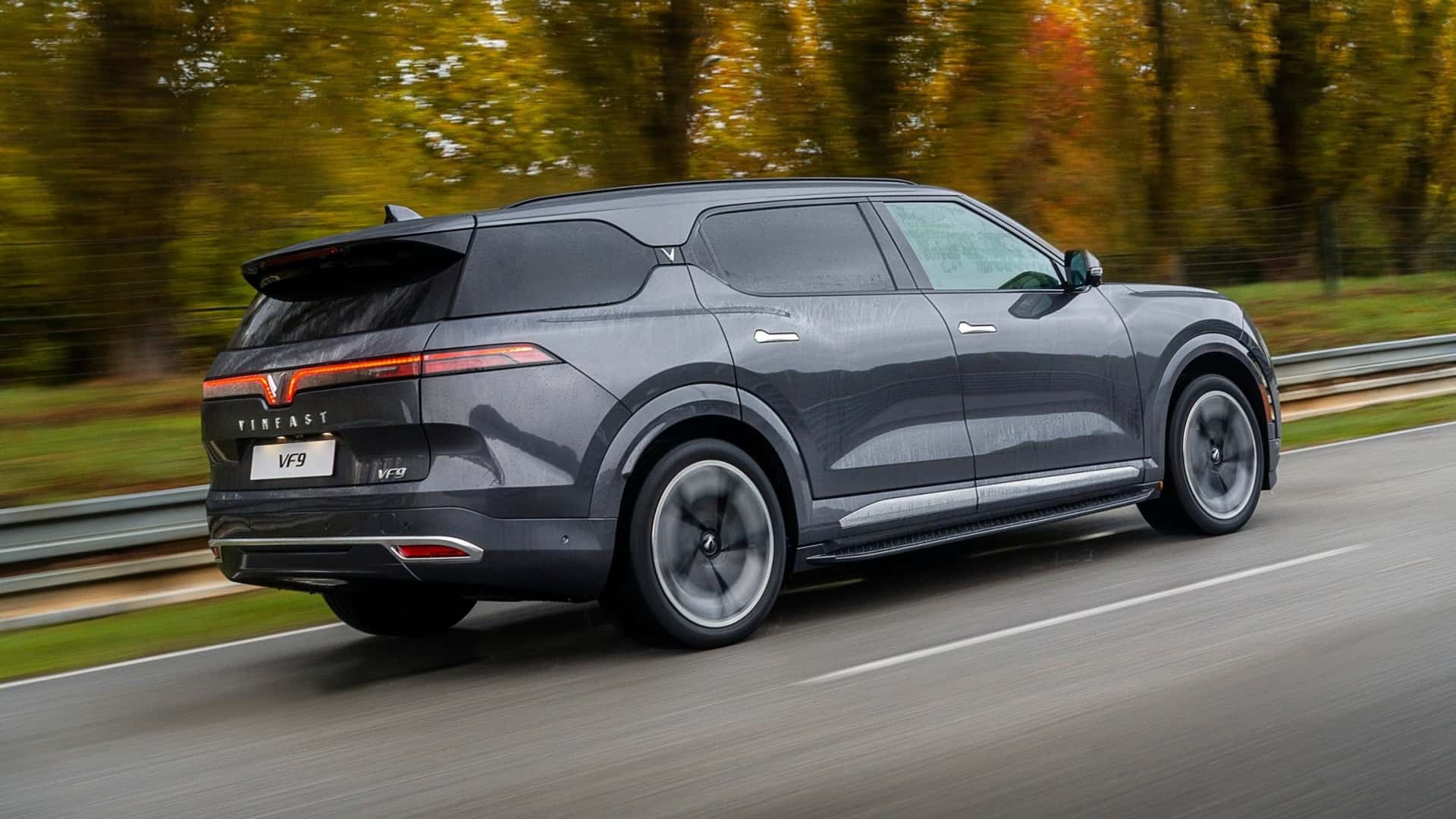
3. VinFast
Vietnamese automaker VinFast has already demonstrated serious intentions regarding the American market. Unlike some companies that remain speculative possibilities, VinFast has actively pursued US expansion through vehicle launches, showroom openings, and manufacturing investments.
The company’s aggressive international strategy suggests it could become a recognizable automotive name in America well before the decade ends.
VinFast benefits from strong financial backing through Vietnam’s Vingroup conglomerate, one of the country’s largest business organizations. This support has allowed the automaker to accelerate development timelines and invest heavily in electric vehicle production.
The company has focused almost entirely on EVs, positioning itself to capitalize on the global transition away from internal combustion engines.
One of VinFast’s key strategies involves targeting mainstream consumers with electric SUVs and crossovers. Vehicles such as the VF 8 and VF 9 feature modern styling, spacious interiors, and competitive technology packages designed specifically for international markets. By focusing on practical family-oriented vehicles, VinFast hopes to appeal to the broad consumer base that dominates American automotive sales.
The company has also invested in plans for manufacturing facilities within the United States. Domestic production could help VinFast avoid certain import related costs while qualifying for potential government incentives tied to local manufacturing. Establishing factories in America would also demonstrate long-term commitment to the market, potentially improving consumer confidence in the relatively unknown brand.
VinFast still faces major challenges, including quality perception, dealership development, and competition from more established automakers.
Early reviews of some models highlighted areas requiring improvement, particularly regarding software refinement and ride quality. However, the company’s willingness to adapt and invest heavily in the American market suggests it may remain a serious contender for long-term success by 2030.
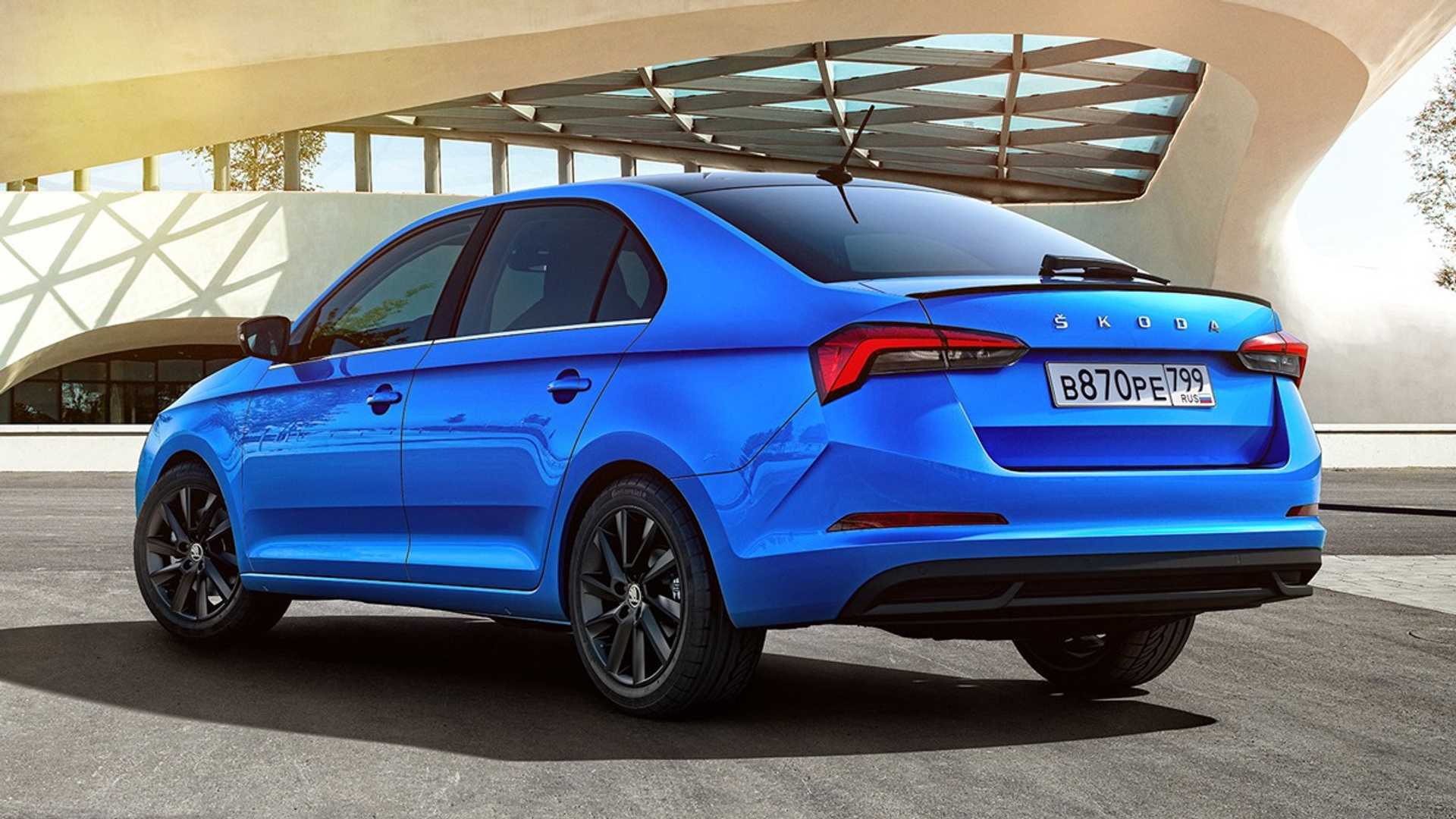
4. Skoda
Skoda may not be a familiar name to many Americans, but the Czech automaker has developed a strong reputation throughout Europe for producing reliable, practical, and well-engineered vehicles.
As part of the Volkswagen Group, Skoda benefits from access to advanced platforms, proven engineering resources, and large-scale manufacturing capabilities. These advantages could eventually support a carefully planned expansion into the United States.
One reason Skoda could succeed in America is its focus on delivering excellent value. The company often offers vehicles with spacious interiors, solid build quality, and impressive technology at prices lower than comparable mainstream competitors. This formula has helped Skoda become one of Europe’s fastest-growing automotive brands over the last decade.
The brand’s SUV lineup could prove particularly appealing to American buyers. Models such as the Kodiaq and Enyaq combine practicality with understated styling and efficient performance. The Enyaq, in particular, represents Skoda’s growing commitment to electric mobility and could potentially compete in the expanding US EV crossover segment by the end of the decade.
Skoda’s connection to Volkswagen may also simplify expansion efforts. Shared platforms and existing service infrastructure could reduce costs associated with entering a new market.
If Volkswagen decides to broaden its portfolio in North America, introducing Skoda as a value-oriented alternative could make strategic sense. This approach would mirror successful multi-brand strategies used in other global markets.
Brand awareness would remain one of Skoda’s biggest obstacles in the United States. American consumers unfamiliar with the company may initially hesitate to consider its vehicles. However, if marketed effectively as a practical European alternative offering strong value and dependable engineering, Skoda could eventually carve out a meaningful niche in the US automotive industry.
Also read: 5 Cars Where Trade-In Beats Private Sale vs 5 Where It Doesn’t
5. Zeekr
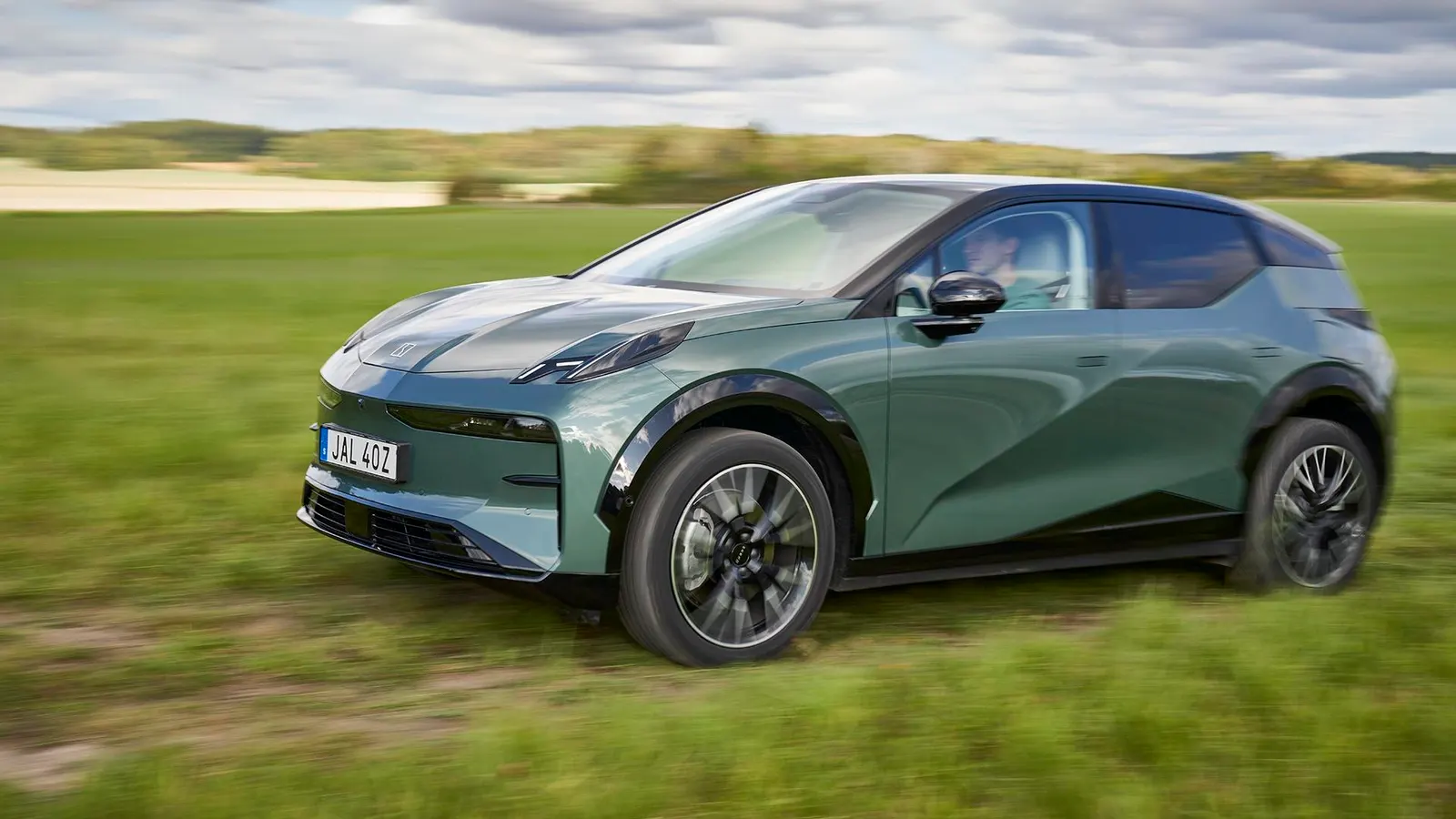
Zeekr represents a newer generation of premium electric vehicle manufacturers emerging from China’s rapidly evolving automotive sector. Owned by Geely, the same parent company behind Volvo and Polestar, Zeekr combines advanced EV technology with premium styling and software-focused innovation. Industry analysts increasingly view the brand as a serious future competitor within the global luxury EV market.
One major factor supporting Zeekr’s potential US expansion is its connection to Geely’s international automotive network. Access to shared technology, engineering expertise, and manufacturing resources gives Zeekr advantages that many startups lack. This relationship may also help the company navigate regulatory and logistical challenges associated with entering the American market.
Zeekr’s vehicles emphasize performance, connectivity, and upscale design. Models such as the Zeekr 001 shooting brake and Zeekr X compact SUV feature distinctive styling and advanced digital ecosystems aimed at younger premium buyers.
As consumer demand for technology-driven luxury vehicles increases, Zeekr’s offerings could attract attention from shoppers seeking alternatives to traditional European brands.
The company has also demonstrated strong battery and charging capabilities, including fast charging systems designed to reduce downtime during long trips. By focusing on both hardware and software integration, Zeekr aligns itself with broader industry trends shaping the future of electric mobility. This strategy may help the brand appeal to American consumers who prioritize innovation and convenience.
Entering the US market would still require overcoming geopolitical concerns, building trust, and establishing service infrastructure. Luxury buyers often place significant importance on brand heritage and dealership support.
However, Zeekr’s modern approach, combined with Geely’s global experience, could position it as one of the more credible international brands seeking American expansion before 2030.
6. Tata Motors
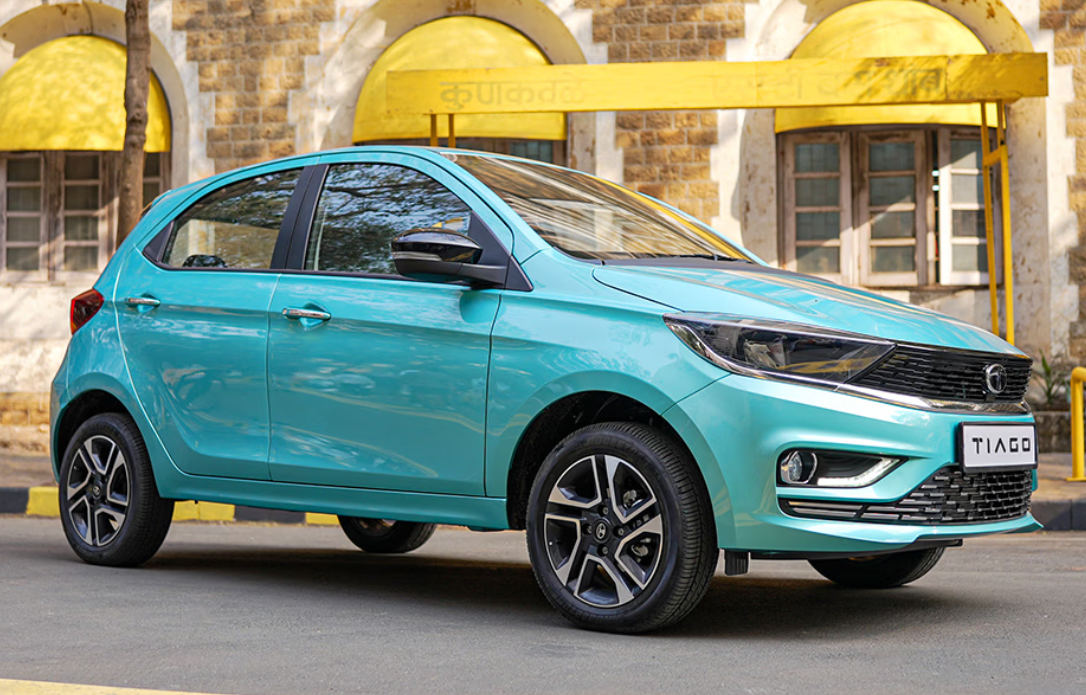
India’s Tata Motors has evolved dramatically over the past two decades, transforming from a largely domestic manufacturer into a global automotive player with expanding technological capabilities. The company already owns prestigious British brands Jaguar and Land Rover, giving it substantial international experience.
While Tata itself has never sold passenger vehicles in the United States, changing market conditions may eventually create an opportunity.
One of Tata Motors’ strongest advantages lies in affordability. The company has extensive experience producing cost-effective vehicles tailored to emerging markets, and that expertise could become increasingly valuable as American consumers seek lower-priced electric transportation options. Affordable EVs remain relatively limited in the US market, leaving room for new entrants capable of balancing price and functionality.
Tata has also made major investments in electric mobility within India. Vehicles such as the Nexon EV have gained popularity due to their practicality and accessible pricing.
As battery costs continue declining globally, Tata may be able to adapt its EV platforms for international markets, including North America. Success would likely depend on redesigning vehicles to meet stricter American safety and consumer expectations.
Another important factor is Tata’s growing technological sophistication. Through its ownership of Jaguar Land Rover and partnerships with various global suppliers, the company has gained access to advanced engineering resources and premium automotive expertise. These capabilities could support the development of more refined products suitable for Western markets.
Still, Tata Motors faces substantial obstacles. Brand recognition in America remains extremely limited, and perceptions surrounding low-cost manufacturing may prove difficult to overcome.
Regulatory compliance, dealership development, and customer service infrastructure would also require major investment. Yet if Tata introduces competitively priced EVs with strong reliability and modern technology, it could surprise industry observers during the next decade.
7. Chery
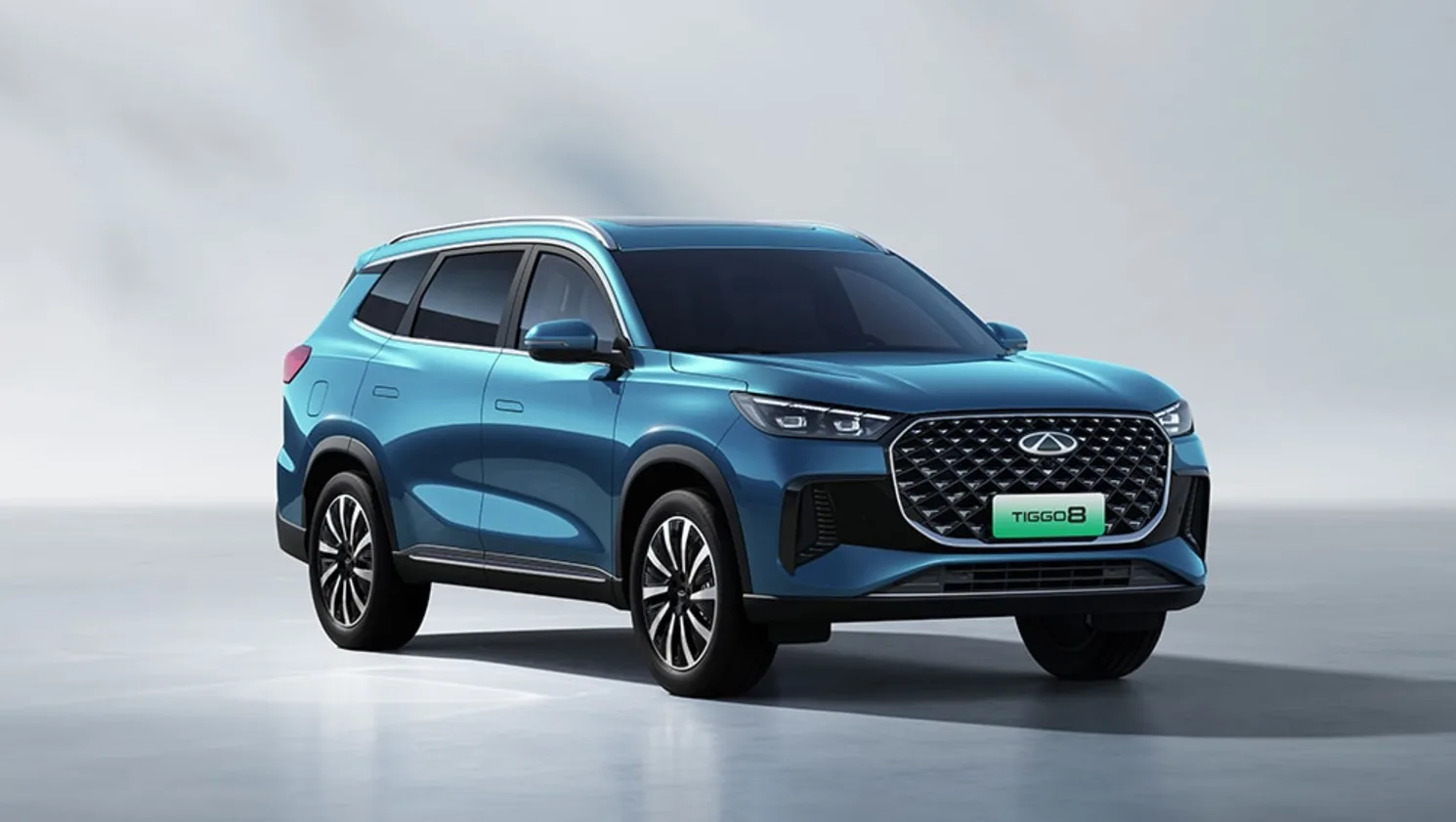
Chery has spent years building its international presence across South America, the Middle East, Africa, and parts of Europe. As one of China’s oldest major automotive exporters, the company has accumulated valuable experience adapting vehicles for diverse global markets. By 2030, Chery may decide the time is right to pursue one of the world’s most competitive automotive arenas, the United States.
The company offers a wide range of vehicles, including compact sedans, crossovers, SUVs, and electric models. This flexibility could help Chery tailor products specifically for American consumers. Compact SUVs remain particularly important within the US market, and Chery already possesses extensive expertise in producing affordable family-oriented utility vehicles.
Chery has also improved significantly in terms of design and technology over the past decade. Earlier criticisms regarding quality and refinement have gradually diminished as the company invested in international engineering talent and modern manufacturing techniques.
Newer models feature advanced infotainment systems, contemporary styling, and improved safety technologies that better align with global consumer expectations.
Partnerships could play an important role in Chery’s future US ambitions. Collaborating with local distributors, manufacturing firms, or technology companies may allow the automaker to reduce entry risks while building consumer confidence. Several international automakers have successfully entered foreign markets through strategic alliances, and Chery could adopt a similar approach.
Like many Chinese brands, Chery would face political and economic challenges related to tariffs and trade tensions. Consumer skepticism toward unfamiliar foreign brands could also create difficulties. However, if the company continues improving quality while maintaining aggressive pricing, it may eventually secure a position within America’s growing budget EV and crossover segments.
8. IM Motors
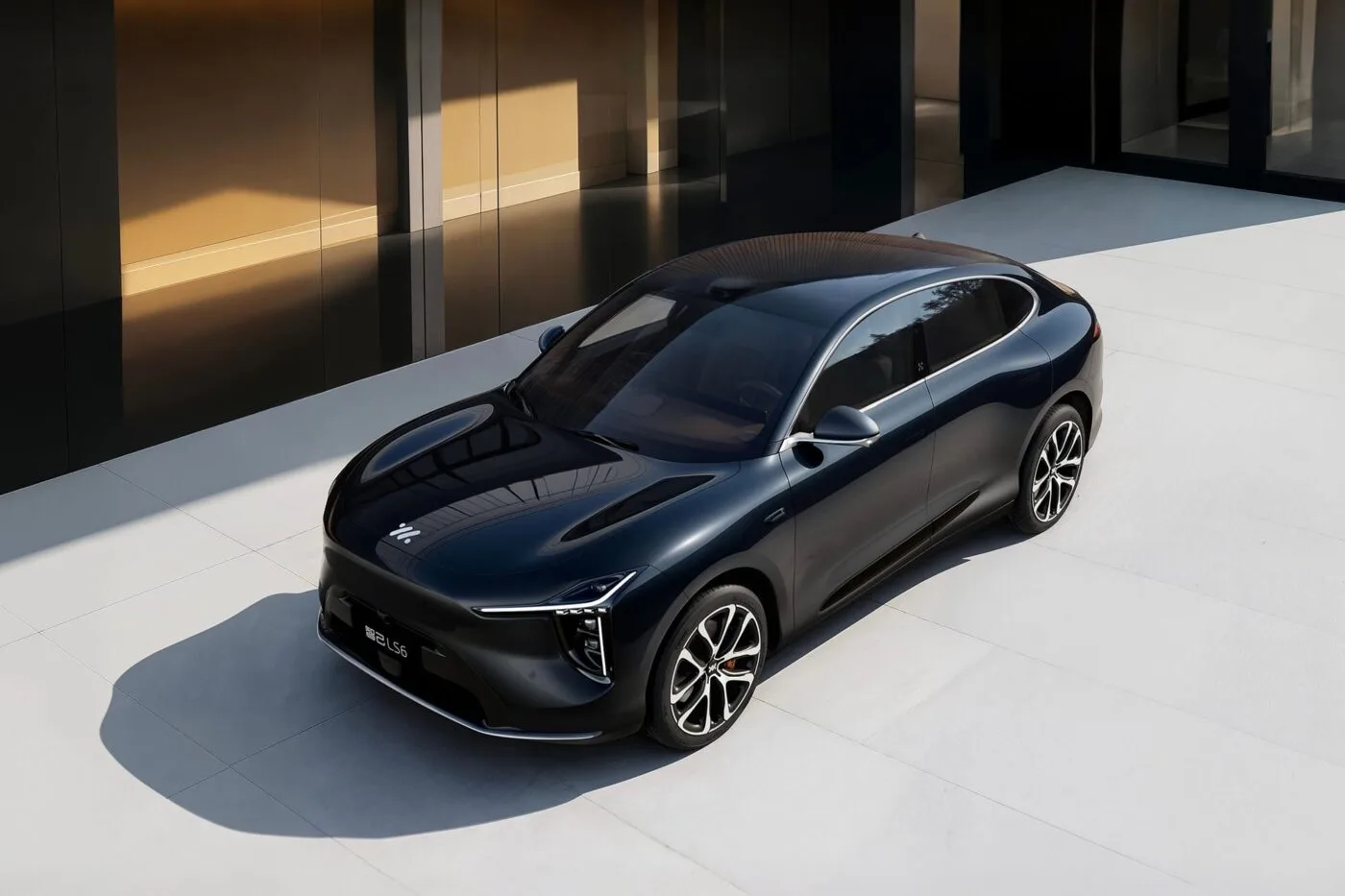
IM Motors may not yet possess the international recognition of some other emerging automakers, but the Chinese premium EV startup has generated considerable attention for its ambitious technology-focused strategy.
Backed by major Chinese corporations, including SAIC Motor, Alibaba, and Zhangjiang Hi Tech, IM Motors aims to position itself within the high-end electric vehicle market where innovation and digital integration play critical roles.
The company’s vehicles emphasize futuristic design, artificial intelligence integration, and advanced autonomous driving capabilities.
Interiors often feature expansive digital displays, premium materials, and software ecosystems designed to create highly connected user experiences. These characteristics align closely with evolving consumer expectations in the luxury EV segment.
IM Motors could appeal to American buyers seeking alternatives to premium electric brands already operating in the market.
As competition intensifies within the luxury EV category, consumers may become increasingly interested in fresh designs and cutting-edge technologies. If IM Motors successfully demonstrates reliability and performance, it could attract early adopters eager to explore new automotive experiences.
Another factor supporting IM Motors’ potential expansion is the growing importance of software-defined vehicles. Modern consumers increasingly expect cars to function similarly to smart devices, receiving updates and improvements over time. IM Motors has prioritized this approach from the beginning, potentially giving it an advantage in attracting tech-oriented customers.
The road to entering the United States would still be difficult. Building trust in a completely unfamiliar luxury brand requires substantial investment in marketing, infrastructure, and customer service. Political considerations could also complicate expansion plans.
Nevertheless, IM Motors represents the type of ambitious technology-driven automaker that may attempt to reshape the luxury EV industry globally by 2030.
