
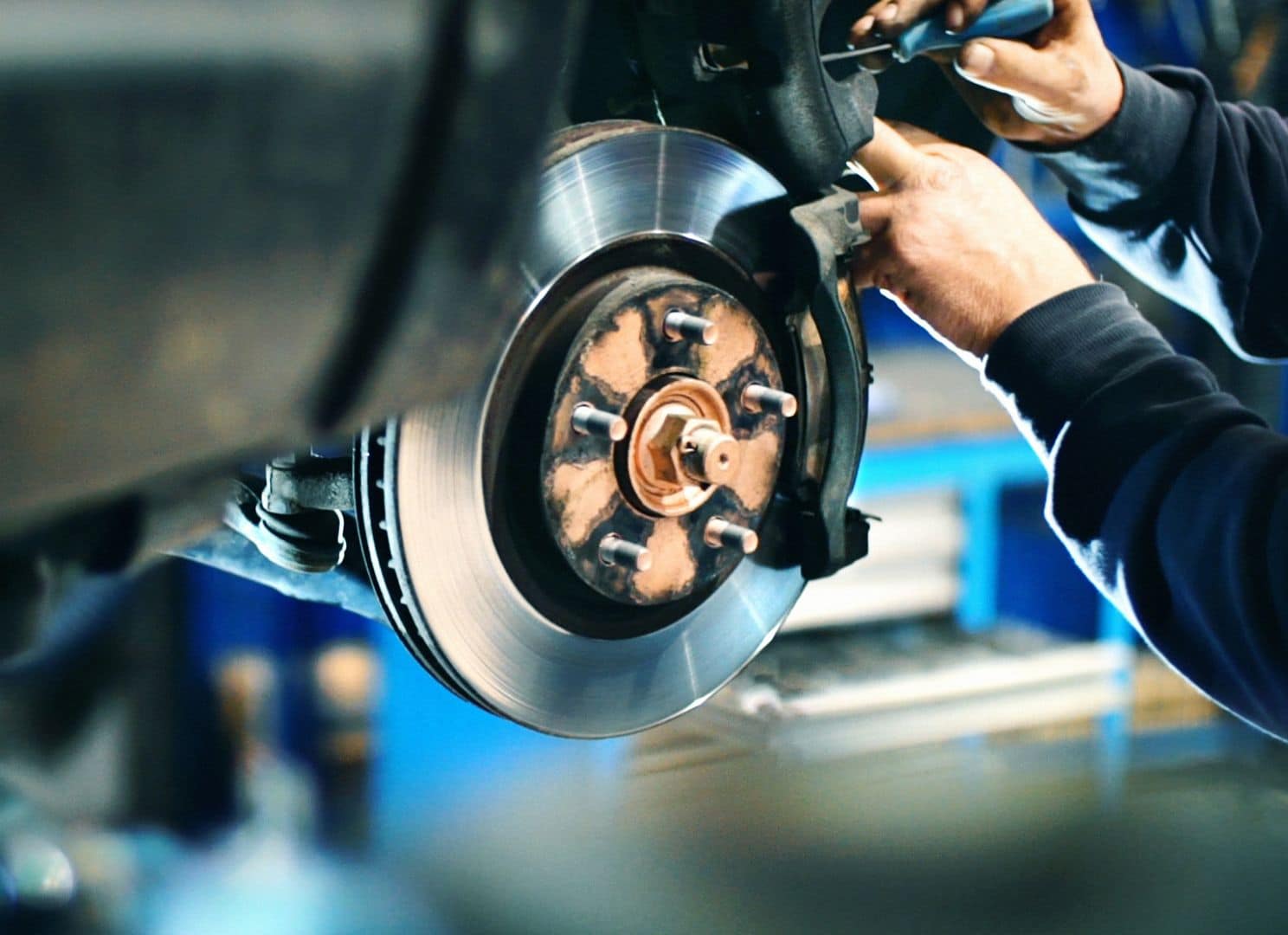
Your vehicle’s braking system is one of the most important safety components on the road. Whether you drive daily through busy city traffic or take long highway trips every week, your brakes work constantly to keep you safe. Unfortunately, many drivers unknowingly develop habits that place excessive stress on brake pads, rotors, calipers, and other braking components.
Over time, these habits lead to faster wear, expensive repairs, reduced fuel efficiency, and even dangerous driving conditions. Understanding what causes premature brake wear can help you save money, improve vehicle performance, and extend the life of your entire braking system.
Modern braking systems are designed to last for thousands of miles under normal driving conditions. However, aggressive driving, poor maintenance, and simple driving mistakes can significantly shorten their lifespan. Many drivers only think about their brakes when they hear squealing noises or notice reduced stopping power.
By that stage, the damage may already be severe enough to require complete brake replacement. Brake repairs are not only costly but can also compromise road safety if ignored for too long. This is why learning about the common causes of brake wear is essential for every vehicle owner.
Brake pads naturally wear down over time because they create friction against the rotors to slow the vehicle. While some wear is unavoidable, excessive heat, unnecessary pressure, and poor driving habits accelerate the process dramatically.
Something as simple as riding the brakes downhill or carrying too much unnecessary weight in your car can create added stress on the braking system. Even neglecting routine inspections can allow minor problems to turn into major mechanical failures.
Drivers who understand proper braking techniques often experience smoother driving, lower maintenance costs, and better vehicle reliability.
Smart driving habits not only extend brake life but also improve tire longevity and fuel economy. Preventive maintenance plays an equally important role. Regular inspections help identify worn brake pads, damaged rotors, leaking brake fluid, and other issues before they become dangerous.
In this article, we will explore nine common mistakes that wear out brakes early. Each section explains how these habits damage your braking system, why they are harmful, and what you can do to avoid unnecessary repairs.
By recognizing these mistakes and making small adjustments to your driving behavior, you can keep your brakes functioning properly for a much longer time while improving your safety on the road.
Also read: Top 10 Cars With the Shortest Turning Radius Ranked
1. Riding the Brakes While Driving
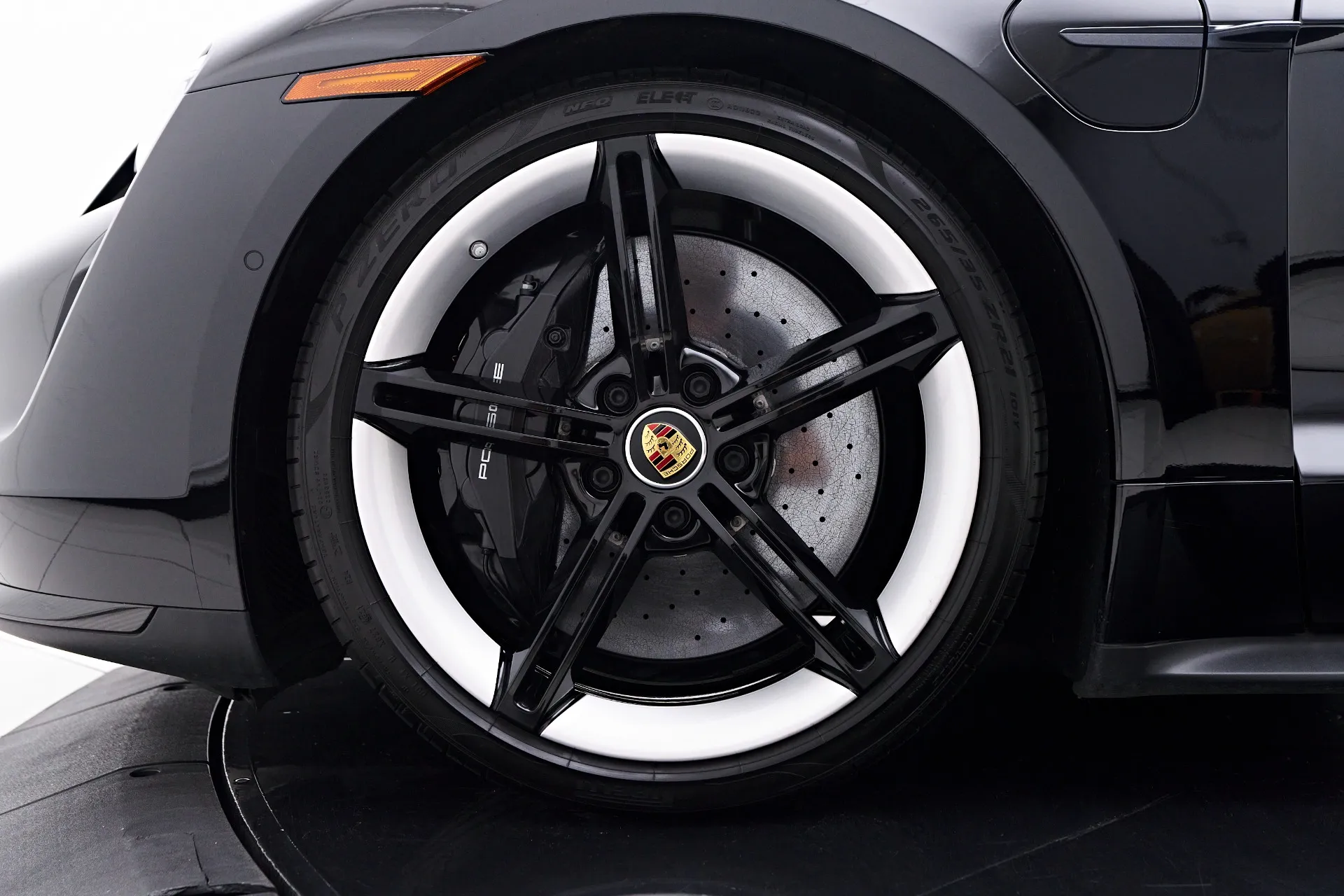
One of the most common mistakes drivers make is riding the brakes while driving. This habit occurs when a driver keeps slight pressure on the brake pedal even when braking is unnecessary. Many people do this unconsciously in heavy traffic, while driving downhill, or during stressful driving situations.
Although it may seem harmless, constant pressure on the brake pedal creates continuous friction between the brake pads and rotors. This unnecessary friction generates excessive heat and causes the brake components to wear out much faster than normal.
Brake systems are designed to operate with periods of engagement followed by cooling time. When drivers ride the brakes, the braking system does not get enough time to cool down properly. Excessive heat can damage brake pads, warp rotors, and reduce braking performance over time.
Heat buildup is especially dangerous because it can lead to brake fade, a condition where the brakes become less effective due to overheating. This can significantly increase stopping distances and create dangerous driving conditions.
Drivers often ride the brakes while driving downhill because they fear gaining too much speed. However, continuously applying the brakes on steep roads can quickly overheat the braking system. Instead, using lower gears helps control vehicle speed without placing unnecessary stress on the brakes.
Modern vehicles are designed to use engine braking effectively, particularly during long descents. Learning how to use this technique can greatly extend brake life.
Heavy traffic conditions also encourage brake riding. Some drivers keep their foot hovering over the brake pedal with slight pressure because they expect sudden stops.
While defensive driving is important, constant brake contact unnecessarily wears down the pads. Maintaining a safe following distance allows drivers to react smoothly without constantly applying the brakes. Smooth acceleration and gradual braking are much healthier for the braking system.
Breaking the habit of riding the brakes requires conscious effort and better driving awareness. Drivers should regularly check their foot positioning and avoid resting their foot on the brake pedal unless actively stopping.
Practicing smoother driving techniques can reduce brake wear, improve fuel efficiency, and create a safer driving experience. Even small adjustments in driving habits can lead to significant long term savings on brake maintenance and repairs.
2. Sudden Hard Braking
Sudden hard braking is another major cause of premature brake wear. Aggressive braking places enormous pressure on the brake pads and rotors within a very short period.
While emergency braking situations are sometimes unavoidable, many drivers develop habits that involve frequent abrupt stops. Tailgating, speeding, distracted driving, and poor anticipation often force drivers to slam on the brakes repeatedly. Over time, this aggressive driving behavior severely damages the braking system.
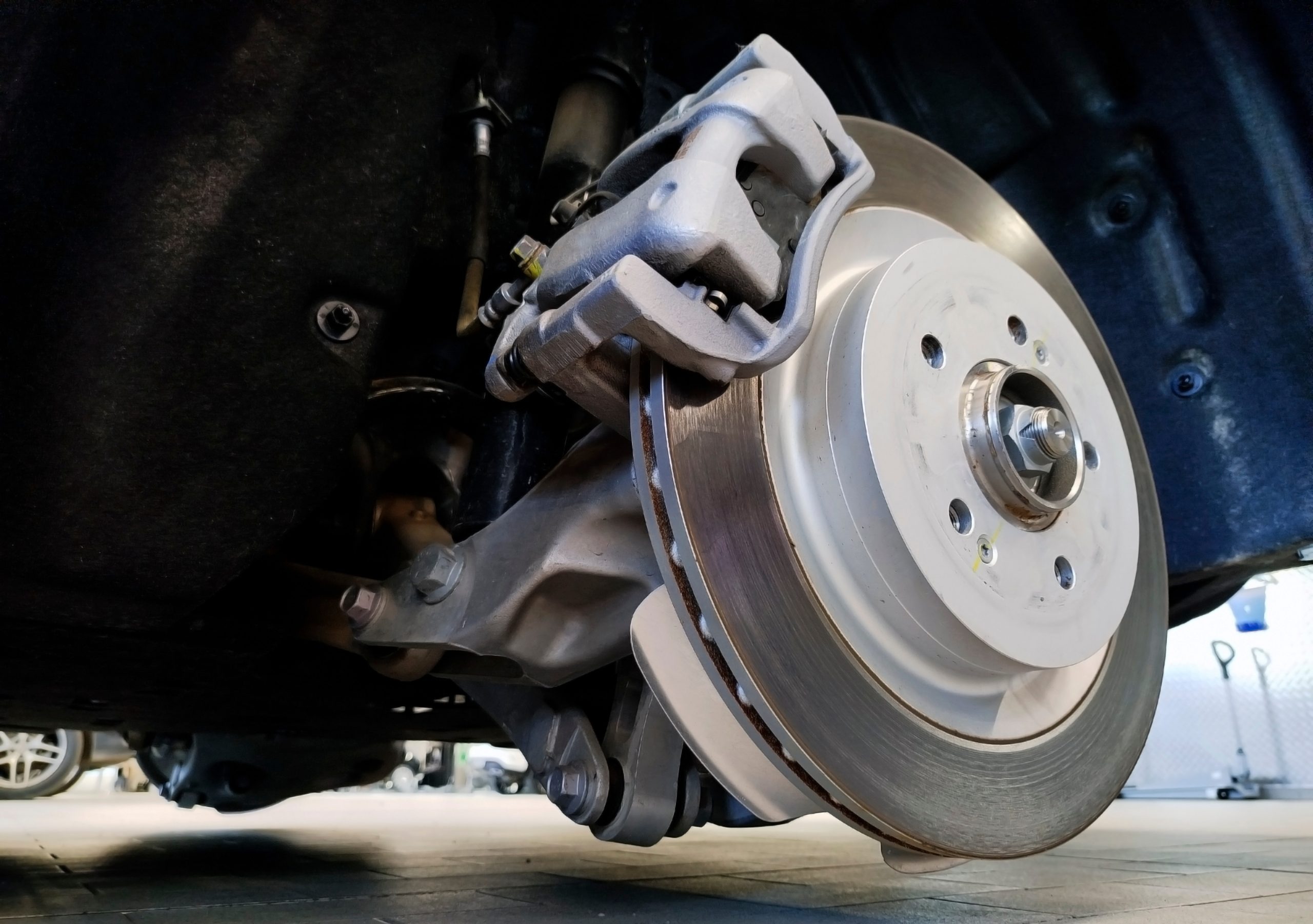
When brakes are applied forcefully, the friction generated between the pads and rotors increases dramatically. This intense friction creates excessive heat that accelerates wear on the brake pads. Hard braking can also cause the brake rotors to develop uneven surfaces or warping.
Warped rotors often create vibrations in the steering wheel or brake pedal, making driving uncomfortable and potentially unsafe. Replacing damaged rotors can become a costly repair if aggressive braking continues unchecked.
Aggressive braking not only affects the brakes but also impacts tires and suspension components. Sudden stops place additional stress on the entire vehicle, reducing mechanical longevity.
Drivers who brake harshly frequently may notice uneven tire wear and reduced fuel efficiency as well. This driving style also increases the likelihood of rear-end collisions because sudden stops are harder for other drivers to anticipate.
One effective way to reduce hard braking is by improving driving awareness. Looking further ahead on the road allows drivers to anticipate traffic changes earlier.
Gradual deceleration gives the braking system time to work efficiently without excessive stress. Maintaining proper following distances also reduces the need for sudden stops. Drivers who leave enough space between vehicles can brake smoothly rather than react aggressively at the last second.
Developing calm and patient driving habits benefits both the driver and the vehicle. Smooth braking extends brake life significantly and improves driving comfort. Many modern vehicles also include brake assist technologies and anti-lock braking systems that function best when drivers apply controlled braking pressure.
By reducing aggressive driving habits, vehicle owners can lower maintenance costs, improve road safety, and enjoy a more reliable braking system over the long term.

3. Ignoring Brake Warning Signs
Ignoring early brake warning signs is a mistake that often leads to serious and expensive damage. Braking systems usually provide several warning signals before a major failure occurs.
Unfortunately, many drivers delay inspections or repairs because the vehicle still seems drivable. Small issues such as squeaking noises or minor vibrations are often dismissed until they develop into severe mechanical problems that compromise safety and increase repair costs.
One of the most common warning signs is squealing or grinding noises when braking. Squealing often indicates worn brake pads that need replacement soon.
Grinding sounds usually mean the brake pads have worn down completely, causing metal to grind against the rotors. Continuing to drive in this condition can severely damage the rotors and calipers, turning a simple brake pad replacement into a much larger repair job.
Vibrations in the brake pedal or steering wheel are another common warning sign. These vibrations often indicate warped rotors caused by excessive heat or uneven wear. Drivers may also notice the vehicle pulling to one side while braking, which can signal caliper problems or uneven brake pad wear.
Soft or spongy brake pedals may indicate air in the brake lines or brake fluid leaks, both of which reduce braking effectiveness and require immediate attention.
Dashboard warning lights should never be ignored, either. Many modern vehicles include brake system monitoring sensors that detect low brake fluid levels, worn pads, or system malfunctions. Ignoring these alerts increases the risk of brake failure and puts both the driver and passengers at risk. Regular inspections help catch problems early before they become dangerous or expensive.
Preventive maintenance is the best defense against major brake repairs. Drivers should have their brakes inspected regularly according to manufacturer recommendations.
Paying attention to unusual noises, smells, or braking behavior can help identify issues before they worsen. Addressing small brake problems early not only extends the life of the braking system but also improves vehicle safety and reduces long term maintenance costs significantly.
Also read: 5 Cars Where Trade-In Beats Private Sale vs 5 Where It Doesn’t

4. Overloading the Vehicle
Carrying excessive weight in a vehicle places significant strain on the braking system. Many drivers underestimate how much extra stress overloaded vehicles place on brake components. Every vehicle has a maximum weight capacity designed by the manufacturer.
Exceeding this limit forces the brakes to work much harder during acceleration, deceleration, and stopping. Over time, this additional pressure causes premature wear on brake pads, rotors, and suspension parts.
Heavier vehicles require more force to slow down effectively. This means the brake pads must generate more friction against the rotors to stop the vehicle safely.
Increased friction produces more heat, which accelerates brake wear and increases the likelihood of rotor warping. Overloaded vehicles also require longer stopping distances, especially during emergency braking situations. This creates additional safety risks for drivers, passengers, and other vehicles on the road.
Many drivers unknowingly overload their vehicles with unnecessary cargo, tools, equipment, or luggage. Trucks and sport utility vehicles are particularly vulnerable because their larger cargo spaces encourage carrying heavy loads regularly.
Towing trailers without proper brake support can further strain the braking system. In some cases, overloaded vehicles may experience brake fade during long downhill drives due to excessive heat buildup.
Excess weight also affects tire performance and fuel efficiency. The engine must work harder to move the vehicle, while the brakes work harder to stop it. This creates a cycle of increased wear across multiple vehicle systems. Drivers may notice reduced handling performance, slower acceleration, and increased fuel consumption when carrying excessive loads regularly.
To reduce brake wear caused by overloading, drivers should remove unnecessary items from the vehicle whenever possible. Checking the manufacturer’s recommended weight limits is also important, especially before road trips or towing heavy loads.
Using proper trailer braking systems can help distribute braking force more effectively and reduce stress on the main vehicle brakes. Smart load management improves brake longevity, enhances driving safety, and helps maintain vehicle performance.

5. Driving Aggressively in Traffic
Aggressive driving in traffic is one of the fastest ways to wear out brakes prematurely. Constant acceleration followed by abrupt braking places repeated stress on the entire braking system.
Drivers who weave through traffic, speed excessively, or constantly switch lanes often rely heavily on their brakes to avoid collisions. This aggressive stop-and-go driving style dramatically increases brake pad and rotor wear.
Urban driving conditions already create significant brake usage because of traffic lights, congestion, and frequent stops. Aggressive driving makes these conditions even more damaging.
Rapid acceleration increases vehicle momentum, requiring greater braking force to slow down. The repeated cycle of speeding up and stopping creates excessive heat buildup in the brakes, leading to faster deterioration of brake components.
Tailgating is another aggressive behavior that contributes to brake wear. Drivers who follow vehicles too closely have less reaction time and often brake suddenly to avoid accidents. Frequent hard braking not only damages brake pads but also creates dangerous road situations. Maintaining a safe distance allows for smoother deceleration and reduces unnecessary strain on the brakes.
Stress and impatience often contribute to aggressive traffic behavior. Many drivers become frustrated during heavy congestion and attempt to save time through risky driving maneuvers. However, studies consistently show that aggressive driving rarely saves significant travel time in urban environments. Instead, it increases fuel consumption, accident risk, and vehicle maintenance costs.
Practicing calm and defensive driving habits can greatly reduce brake wear in traffic. Smooth acceleration, steady speeds, and gradual braking help preserve brake components while improving fuel efficiency.
Drivers who remain patient and anticipate traffic flow changes experience less mechanical stress on their vehicles. Consistent defensive driving habits not only extend brake life but also create a safer and more comfortable driving experience for everyone on the road.
6. Neglecting Brake Fluid Maintenance
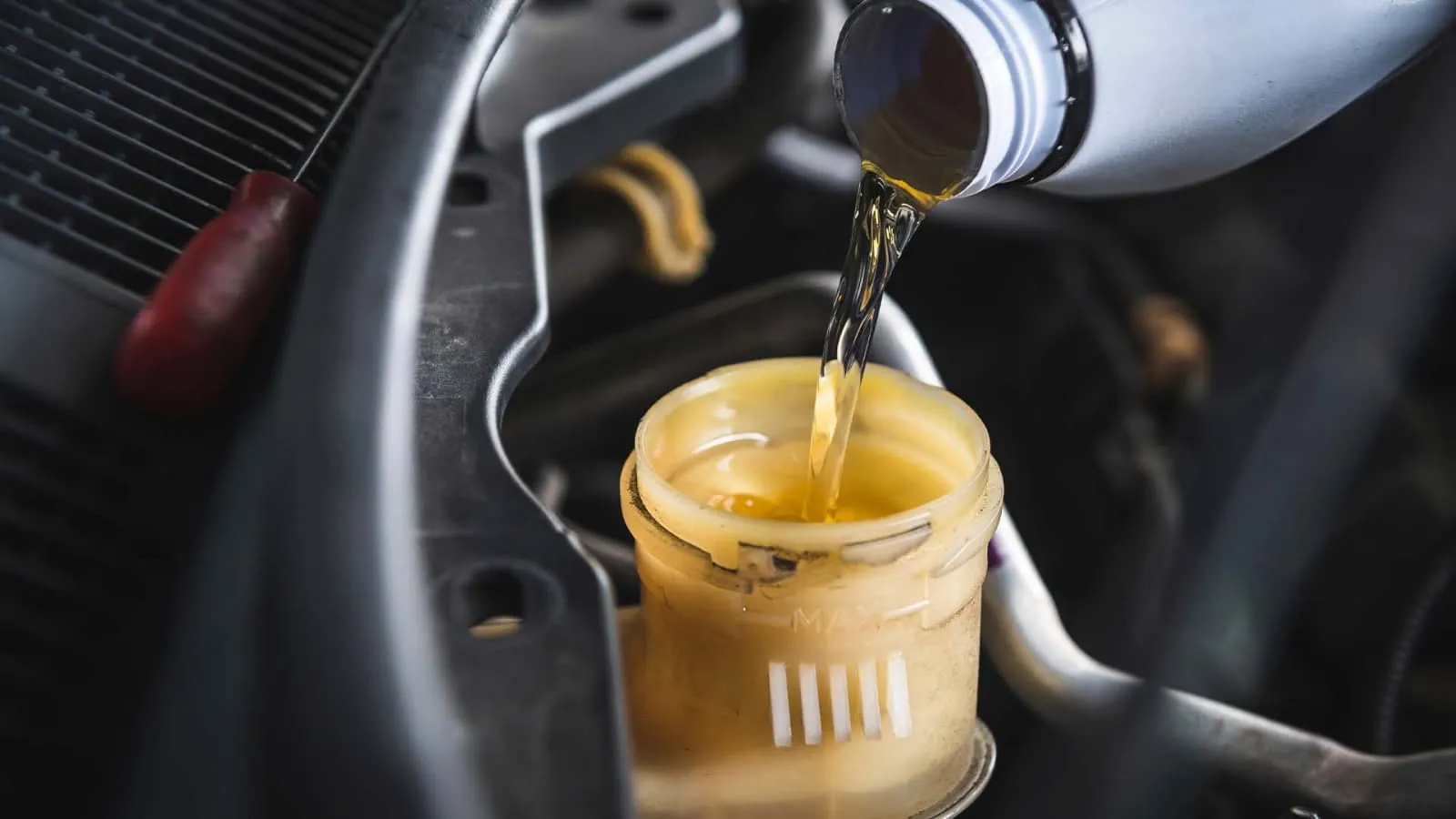
Brake fluid plays a critical role in the performance and safety of the braking system, yet many drivers completely overlook its maintenance. Brake fluid transfers the force from the brake pedal to the braking components at each wheel.
Without clean and properly functioning brake fluid, the braking system cannot operate efficiently. Neglecting brake fluid maintenance can lead to reduced braking power, corrosion inside the brake lines, and premature wear of important components.
Unlike engine oil, brake fluid is often forgotten because it does not require replacement as frequently. However, brake fluid naturally absorbs moisture over time.
This moisture contamination lowers the fluid’s boiling point and reduces braking efficiency. During heavy braking, contaminated fluid can overheat and create vapor bubbles inside the brake lines. This condition reduces hydraulic pressure and can make the brake pedal feel soft or unresponsive.
Dirty brake fluid can also damage internal brake components. Moisture and contaminants contribute to corrosion inside the brake lines, calipers, and master cylinder. Corroded parts may eventually leak or fail completely, resulting in expensive repairs and dangerous driving conditions. In severe cases, neglected brake fluid can lead to total brake failure if the hydraulic system becomes compromised.
Many vehicle owners ignore brake fluid because there are no immediate symptoms during the early stages of contamination. However, by the time drivers notice reduced braking performance, internal damage may already be occurring.
Manufacturers typically recommend brake fluid replacement every few years, although the exact interval depends on driving conditions and vehicle type. Frequent towing, mountain driving, or aggressive braking may require more frequent maintenance.
Regular brake fluid inspections are essential for maintaining brake health. Drivers should check fluid levels periodically and pay attention to changes in fluid color.
Fresh brake fluid is usually clear or light yellow, while dark fluid often indicates contamination. Following manufacturer maintenance schedules and replacing old brake fluid on time helps preserve braking performance, extend component life, and improve vehicle safety.
7. Using Cheap or Low Quality Brake Parts
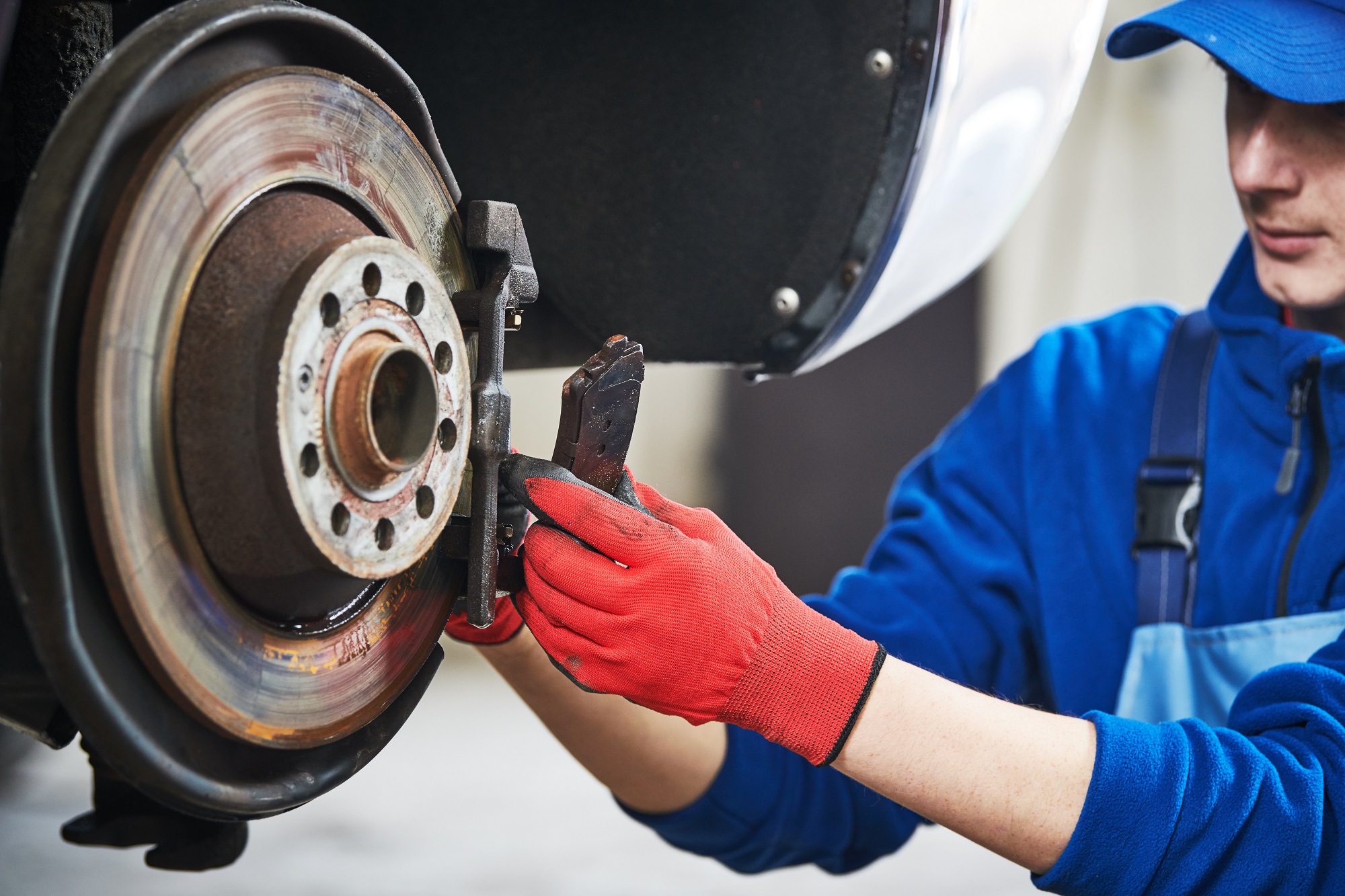
Choosing cheap or low quality brake components may seem like a good way to save money initially, but it often leads to faster brake wear and higher repair costs in the long run.
Braking systems rely on precision-engineered components designed to withstand extreme heat and pressure. Poor quality brake pads, rotors, and hardware frequently wear out faster and may even compromise vehicle safety.
Low-quality brake pads are often made from inferior materials that cannot handle high temperatures effectively. As a result, they wear down quickly and may produce excessive dust, noise, or vibration.
Cheap pads can also create uneven wear patterns on the rotors, reducing braking efficiency and increasing the need for frequent repairs. In some cases, poor-quality brake materials can even crack or separate under heavy braking conditions.
Inferior rotors present similar problems. Cheap rotors may lack proper heat resistance, making them more prone to warping. Warped rotors create vibrations during braking and reduce stopping performance.
Drivers who repeatedly install low-quality parts often find themselves replacing brake components much more frequently than expected. What initially appears to be a cost-saving measure can quickly become an ongoing maintenance expense.
Another issue with low-quality brake parts is inconsistent manufacturing standards. Reliable brake manufacturers perform extensive testing to ensure durability, heat resistance, and compatibility with specific vehicle models. Cheap aftermarket parts may not meet these standards, increasing the risk of premature failure. This becomes especially dangerous during emergency braking situations where reliable stopping power is essential.
Investing in high-quality brake components helps improve safety, performance, and long-term value. Original equipment manufacturer parts or reputable aftermarket brands are generally designed to provide better durability and more consistent performance.
Although premium brake parts may cost more upfront, they often last significantly longer and reduce the frequency of repairs. Drivers who prioritize quality over short-term savings usually experience smoother braking, lower maintenance costs, and greater peace of mind on the road.
8. Failing to Replace Worn Brake Pads on Time
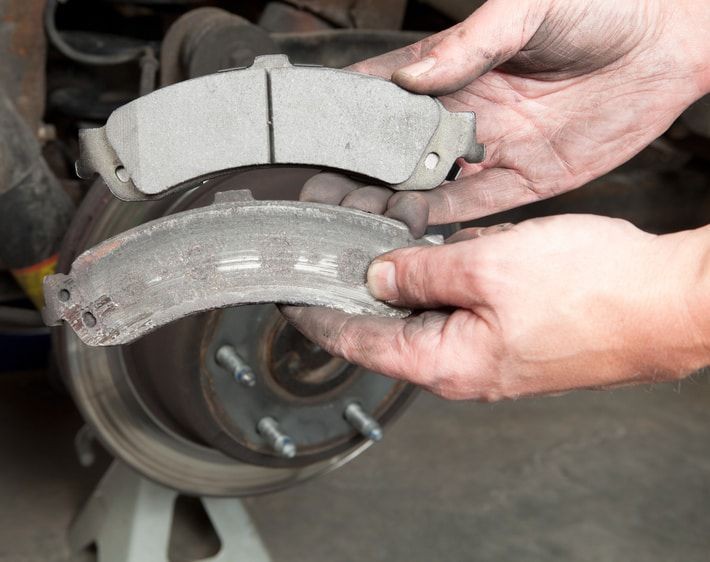
Delaying brake pad replacement is a serious mistake that can cause extensive damage to the braking system. Brake pads are designed to wear down gradually through normal use, but once they become too thin, they lose their ability to protect the rotors effectively.
Continuing to drive with worn brake pads increases stopping distances, reduces braking performance, and often leads to much more expensive repairs.
Brake pads contain friction material that presses against the rotors to slow the vehicle. Over time, this material wears away naturally. Most brake pads include wear indicators that produce squealing noises when replacement becomes necessary.
Ignoring these warning sounds allows the pads to wear down completely, exposing the metal backing plate underneath. When metal contacts the rotors directly, severe damage occurs rapidly.
Driving with completely worn brake pads often destroys the brake rotors. Deep grooves and scoring develop on the rotor surface, making resurfacing impossible in many cases. Damaged rotors usually require full replacement, significantly increasing repair costs. In difficult situations, excessive heat and friction can even damage calipers and wheel bearings.
Worn brake pads also compromise road safety. Thin pads generate less friction and reduce stopping effectiveness, especially during emergency braking. Drivers may notice longer stopping distances, unusual noises, or vibrations while braking. Ignoring these symptoms increases accident risk and places unnecessary strain on other brake system components.
Routine brake inspections help prevent these problems. Mechanics can measure brake pad thickness and identify wear patterns before serious damage occurs.
Replacing brake pads early is far less expensive than repairing damaged rotors or calipers later. Vehicle owners who stay proactive with brake maintenance enjoy better safety, smoother driving performance, and lower repair expenses throughout the life of the vehicle.

9. Ignoring Proper Driving Techniques on Hills
Driving improperly on steep hills is another major factor that contributes to premature brake wear. Many drivers rely entirely on the brake pedal to control speed during uphill and downhill driving, especially in mountainous areas.
Constant brake use on hills generates excessive heat, leading to rapid brake pad deterioration and rotor damage. Learning proper hill driving techniques can significantly extend brake life and improve vehicle safety.
Descending steep hills while continuously pressing the brakes is particularly harmful. The braking system must work constantly to counter gravity and control vehicle speed.
This prolonged friction creates intense heat that can quickly overheat the brake pads and rotors. In severe cases, overheated brakes may experience brake fade, reducing stopping power and creating dangerous driving conditions.
Engine braking is one of the most effective ways to reduce brake strain on hills. Lower gears naturally slow the vehicle by using engine resistance instead of relying entirely on the brake system.
Drivers of automatic vehicles can often select lower gears manually when descending steep roads. Manual transmission vehicles provide even greater control through gear selection. Using engine braking properly reduces heat buildup and preserves brake components.
Improper hill driving also affects vehicles carrying heavy loads or towing trailers. Extra weight increases downhill momentum, requiring even more braking force. Drivers who fail to use appropriate gears may overheat their brakes quickly during long descents. In extreme situations, overheated brakes can fail completely, making it difficult to control the vehicle safely.
Good hill driving habits involve maintaining controlled speeds, using lower gears, and avoiding constant brake pressure. Drivers should apply brakes firmly for short periods rather than lightly pressing them continuously.
Allowing the brakes time to cool between applications helps prevent overheating. Understanding proper hill driving techniques not only extends brake life but also improves confidence and safety when driving in challenging terrain.
