
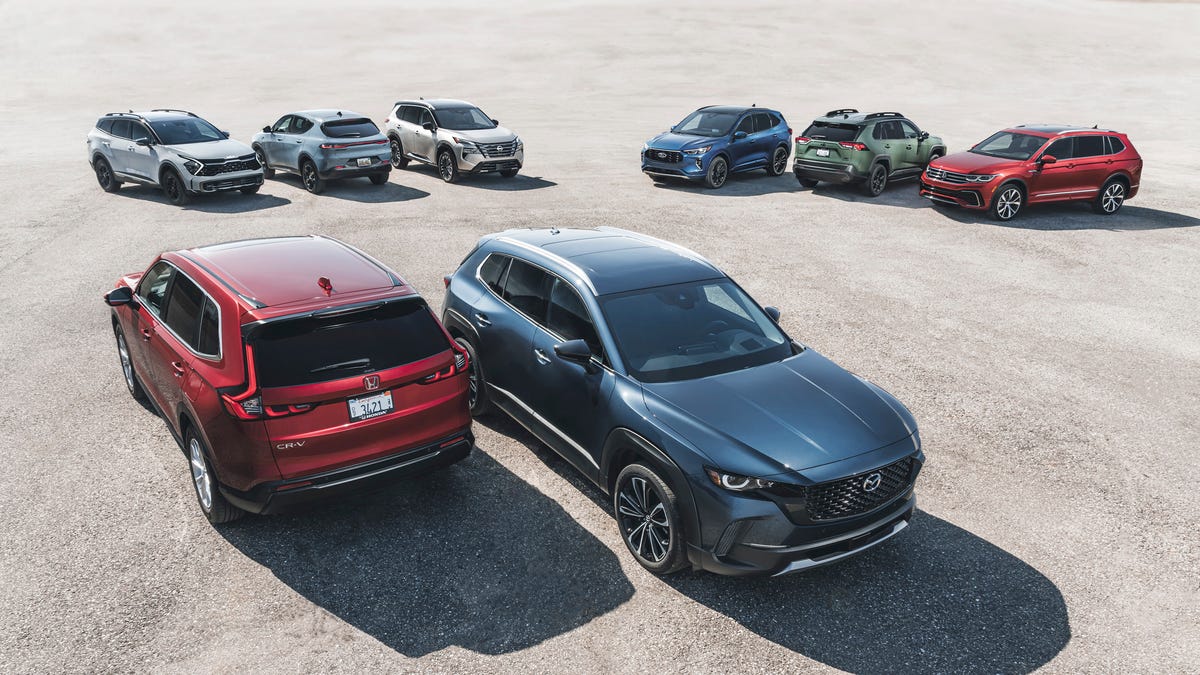
Crossovers and compact SUVs dominate modern roads, yet a surprising number of them are not true sport utility vehicles at all. Beneath rugged styling, chunky wheel arches, and raised ride heights, several popular SUVs are basically hatchbacks wearing hiking boots.
That does not automatically make them bad vehicles. In fact, some drivers prefer these models because they combine the comfort and easy handling of a small car with extra cargo space and a higher seating position. Automakers discovered years ago that buyers enjoy the idea of an SUV, even if they rarely drive off-road.
As a result, companies started transforming ordinary hatchback platforms into taller crossovers with tougher styling and slightly increased ground clearance. Results vary wildly. Some models still feel practical and fun, while others barely disguise their hatchback roots.
A few of these vehicles share engines, chassis parts, and even interior layouts with compact cars sitting elsewhere in the same showroom. Certain models are so closely related to hatchbacks that the distinction becomes almost meaningless once you get behind the wheel.
The list below highlights ten SUVs that feel much closer to hatchbacks than rugged utility machines. Some became huge sales successes because they nailed the formula perfectly. Others received criticism for pretending to be more adventurous than they really are.
Here are ten SUVs that are basically tall hatchbacks with extra attitude.
1. Toyota C-HR
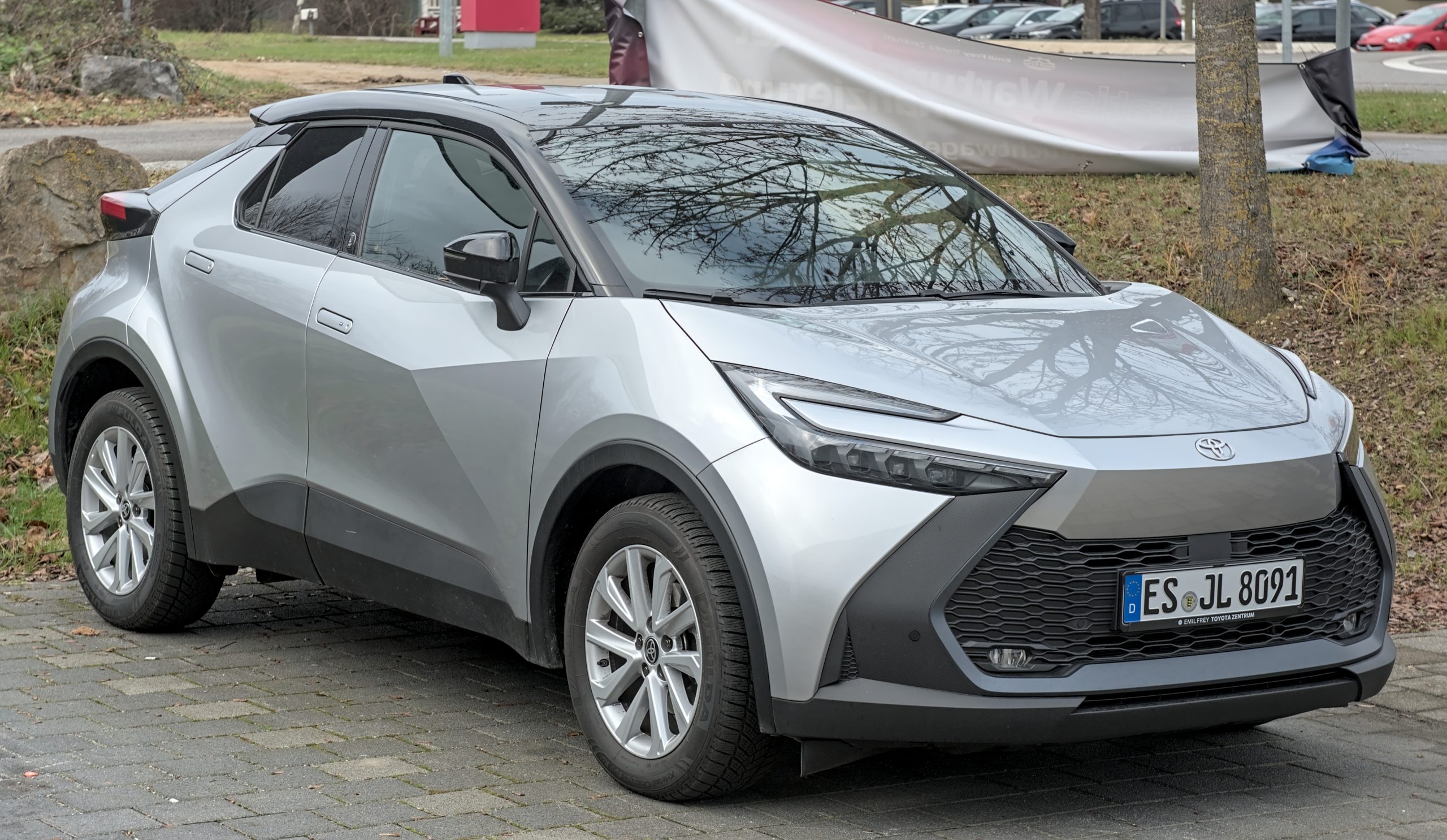
Sharp styling helped the Toyota C-HR stand apart immediately after release. Huge curves, aggressive body creases, hidden rear door handles, and dramatic lighting gave the vehicle a futuristic personality that looked more like a concept car than an ordinary commuter crossover. Despite that visual drama, the C-HR behaved far more like a hatchback than a traditional SUV.
Underneath the styling sat a compact front-wheel-drive platform shared with smaller Toyota passenger cars. Drivers expecting rugged capability quickly realized the C-HR focused almost entirely on city life. Ground clearance stayed modest, cargo space remained closer to hatchback territory, and all-wheel drive was unavailable in several markets.
Driving manners revealed the car’s true identity almost instantly. Steering felt light, suspension tuning leaned toward comfort, and body dimensions made parking easy in crowded urban areas. Tight city streets suited the C-HR perfectly because it carried the nimble personality of a compact hatch rather than a bulky utility vehicle.
Exterior proportions also reinforced that impression. Sloping rooflines and compact dimensions gave the vehicle a sporty appearance, though rear passenger headroom suffered slightly because of the dramatic styling choices. Rear windows felt unusually small, too, creating a somewhat enclosed feeling for passengers sitting in back.
Toyota targeted younger buyers heavily with the C-HR. Bright paint colors, stylish wheel designs, and edgy bodywork aimed to attract drivers wanting something more expressive than a basic economy car. That strategy worked because the vehicle looked far more exciting than several competitors in the segment.
Performance remained modest throughout most versions. Small four-cylinder engines focused mainly on fuel efficiency rather than speed. Acceleration felt adequate for commuting, though nobody would confuse the C-HR with a performance crossover.
2. Honda HR-V
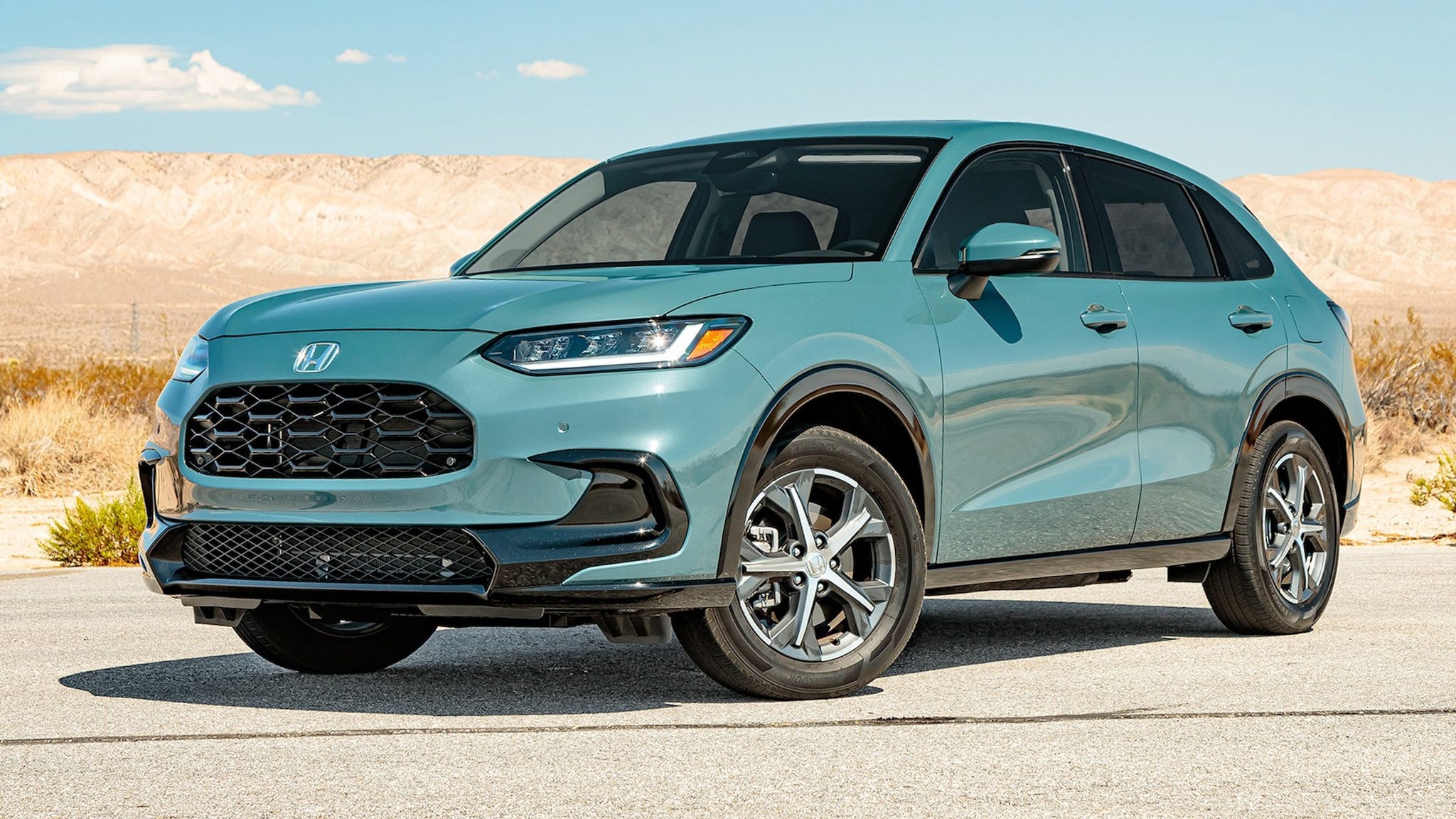
Clever packaging has always been one of Honda’s greatest strengths, and the Honda HR-V demonstrates that talent beautifully. Although marketed as a compact SUV, the HR-V often feels much closer to a practical hatchback with extra ride height.
Honda based earlier HR-V generations heavily on the Honda Fit platform, and that connection became obvious once drivers spent time behind the wheel. Small exterior dimensions, responsive handling, and efficient use of cabin space all mirrored hatchback characteristics far more than rugged SUV behavior.
One especially smart feature was Honda’s famous Magic Seat system. Rear seats fold in multiple ways, allowing owners to transport surprisingly tall or awkward cargo. That flexibility gave the HR-V practicality levels several compact hatchbacks would envy.
Exterior styling stayed clean and understated compared to aggressively styled rivals. Honda avoided fake off-road theatrics and instead focused on simple lines and balanced proportions. Hidden rear door handles added a slightly sporty touch while preserving the vehicle’s hatchback-like profile.
Engine choices prioritized fuel efficiency above outright performance. Most HR-V models delivered calm and predictable acceleration suitable for commuting and errands. Drivers seeking excitement usually looked elsewhere, though buyers wanting reliability and practicality appreciated the straightforward approach.
Interior space impressed strongly, considering the compact exterior footprint. Rear passengers enjoyed decent legroom, and cargo storage remained highly usable for grocery runs, luggage, or everyday hauling duties. Technology improved steadily through newer generations.
Touchscreen infotainment systems, smartphone integration, and driver assistance features helped modernize the HR-V without making the cabin feel cluttered.
Also Read: 5 SUVs With Brakes That Last 80,000 Miles vs 5 That Need New Pads at 25,000
3. Mazda CX-30
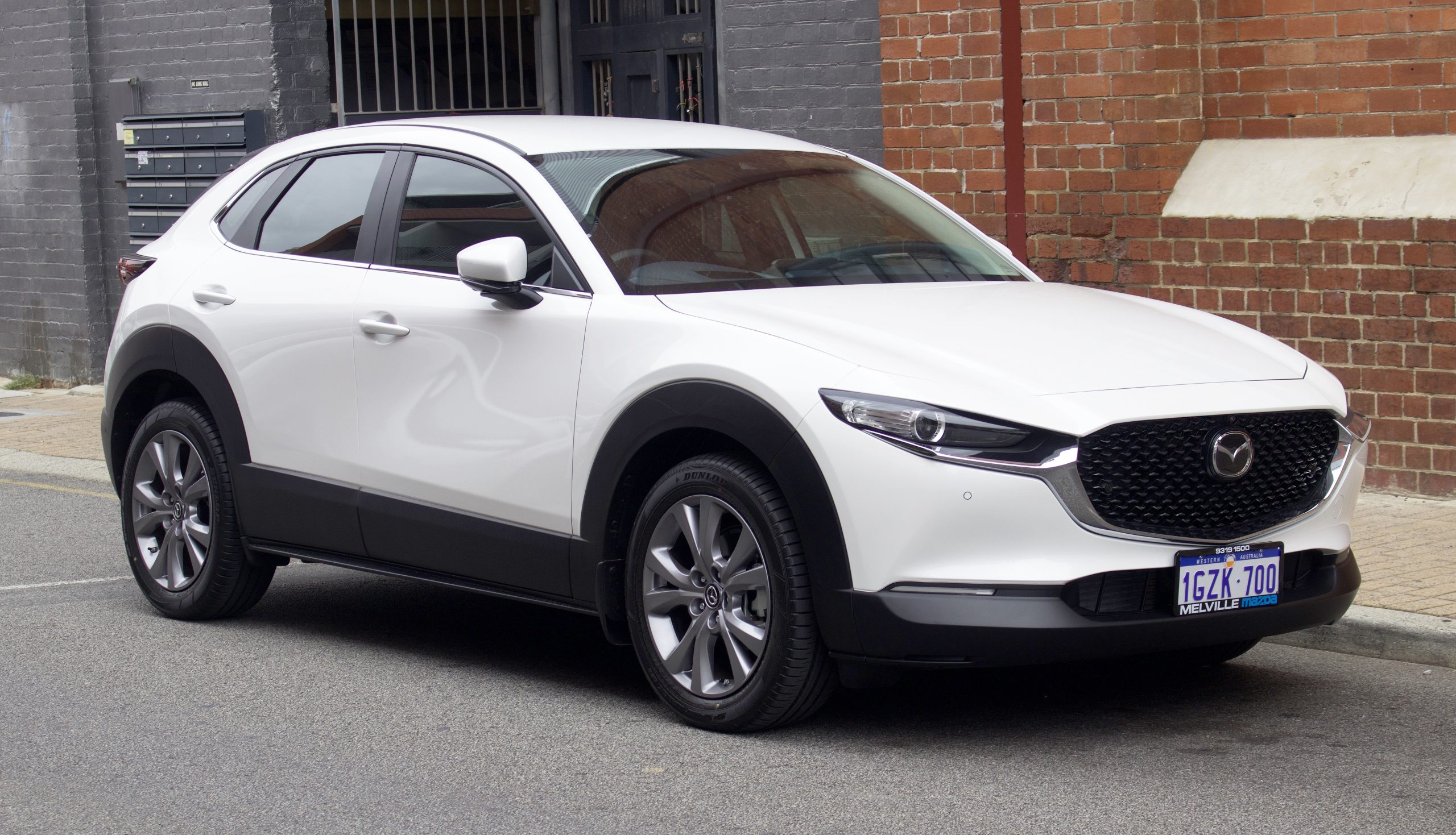
Mazda approached the compact crossover segment differently from several rivals. Rather than focusing purely on utility or rugged styling, the company aimed to create something refined, stylish, and enjoyable to drive. Result: the Mazda CX-30 ended up feeling remarkably close to a premium hatchback wearing crossover clothing.
Platform sharing made that connection obvious. Mazda built the CX-30 directly alongside the Mazda3 hatchback, and both vehicles share deep similarities beneath the surface. Steering feel, driving position, suspension tuning, and cabin layout all reveal strong hatchback DNA.
Handling stands out immediately during the first drive. Several small SUVs feel top-heavy or disconnected around corners. The CX-30 behaves with surprising agility and precision instead. Drivers who normally dislike crossovers often appreciate how balanced the vehicle feels on winding roads.
Exterior styling gives the CX-30 a premium appearance far above its price range. Smooth curves, slim headlights, and sculpted bodywork create an upscale personality. Large plastic cladding around the wheel arches attempts to reinforce the SUV character, though the car still resembles a raised hatchback from several angles.
Cabin quality deserves serious praise. Soft materials, tasteful controls, and elegant design details create an interior atmosphere closer to entry-level luxury vehicles than economy crossovers. Mazda paid close attention to simplicity and driver comfort throughout the cabin.
Performance feels stronger than several competitors in the segment. Responsive engines and refined transmissions help the CX-30 feel lively during acceleration. Turbocharged versions add even more punch for drivers wanting extra excitement.
Despite its crossover label, cargo space remains closer to hatchback levels. Sloping rooflines and compact proportions limit storage slightly compared to larger SUVs. Buyers prioritizing maximum practicality may prefer roomier alternatives.
Fuel efficiency stays competitive thanks to efficient engine tuning and lightweight construction. Daily commuting remains affordable without sacrificing driving enjoyment. Mazda also avoided filling the cabin with excessive digital clutter. Physical controls remain available for several functions, allowing drivers to interact with the vehicle naturally instead of relying solely on touchscreens.
4. Hyundai Kona
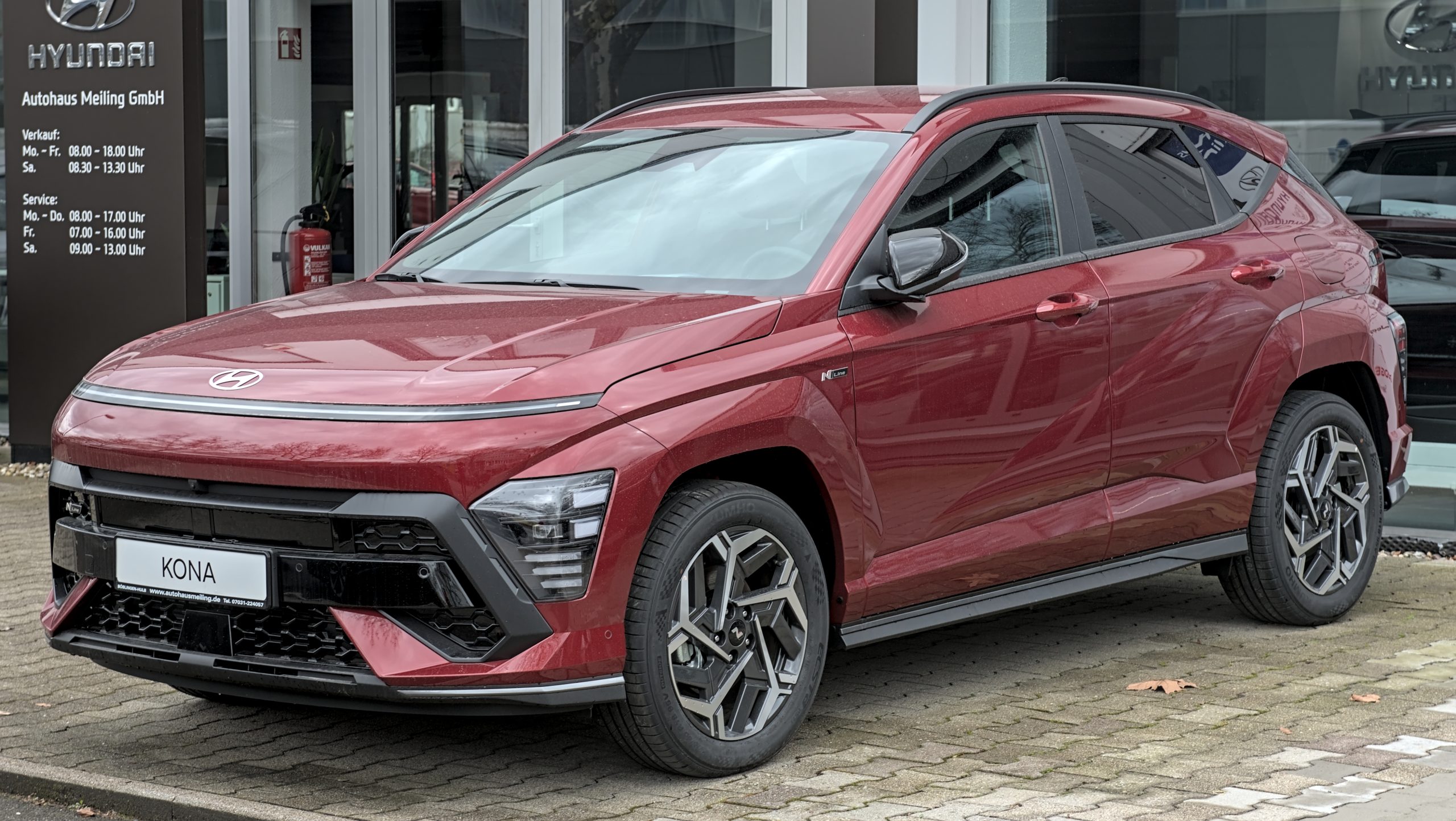
Bright styling and compact dimensions helped the Hyundai Kona attract attention quickly after launch. Although marketed as a crossover SUV, the Kona behaves much more like a cheerful hatchback designed for city life and short road trips.
Small proportions make the vehicle incredibly easy to maneuver. Tight parking garages, crowded streets, and narrow urban roads pose little challenge because the Kona feels nimble and lightweight from behind the wheel. Hyundai gave the Kona playful styling cues to separate it from bland commuter vehicles.
Split headlights, bold color options, chunky wheel arch trim, and sharp body lines create a youthful personality. Even so, the low roofline and compact wheelbase reveal hatchback roots clearly. Driving dynamics strengthen that impression immediately.
Steering feels quick, suspension tuning leans toward responsive handling, and body roll stays reasonably controlled during corners. Drivers familiar with compact hatchbacks adapt to the Kona almost instantly. Engine choices vary depending on trim level, though turbocharged versions provide surprisingly lively acceleration for such a small vehicle. Quick throttle response makes city driving feel energetic and entertaining.
Cabin design balances practicality with modern technology. Digital screens, straightforward controls, and smart storage areas help maximize usability despite the compact footprint. Front-seat comfort remains especially strong for daily commuting.
Rear-seat space feels tighter than several larger crossovers, reinforcing the Kona’s hatchback-like proportions. Cargo capacity also sits closer to subcompact hatch territory rather than traditional SUV expectations. Fuel economy remains one of the vehicle’s strongest selling points. Efficient engines help keep ownership costs low while still delivering enough performance for regular driving duties.
Hyundai also expanded the Kona lineup with electric and high-performance variants, giving buyers multiple personalities within the same basic package. That flexibility broadened the vehicle’s appeal considerably. Ride height sits slightly above ordinary hatchbacks, giving drivers a more commanding seating position without dramatically changing driving feel.
That balance appeals strongly to buyers wanting crossover style without bulky dimensions. Safety technology became another major advantage. Hyundai packed the Kona with driver assistance systems often reserved for more expensive vehicles, helping strengthen value for money.
5. Nissan Kicks
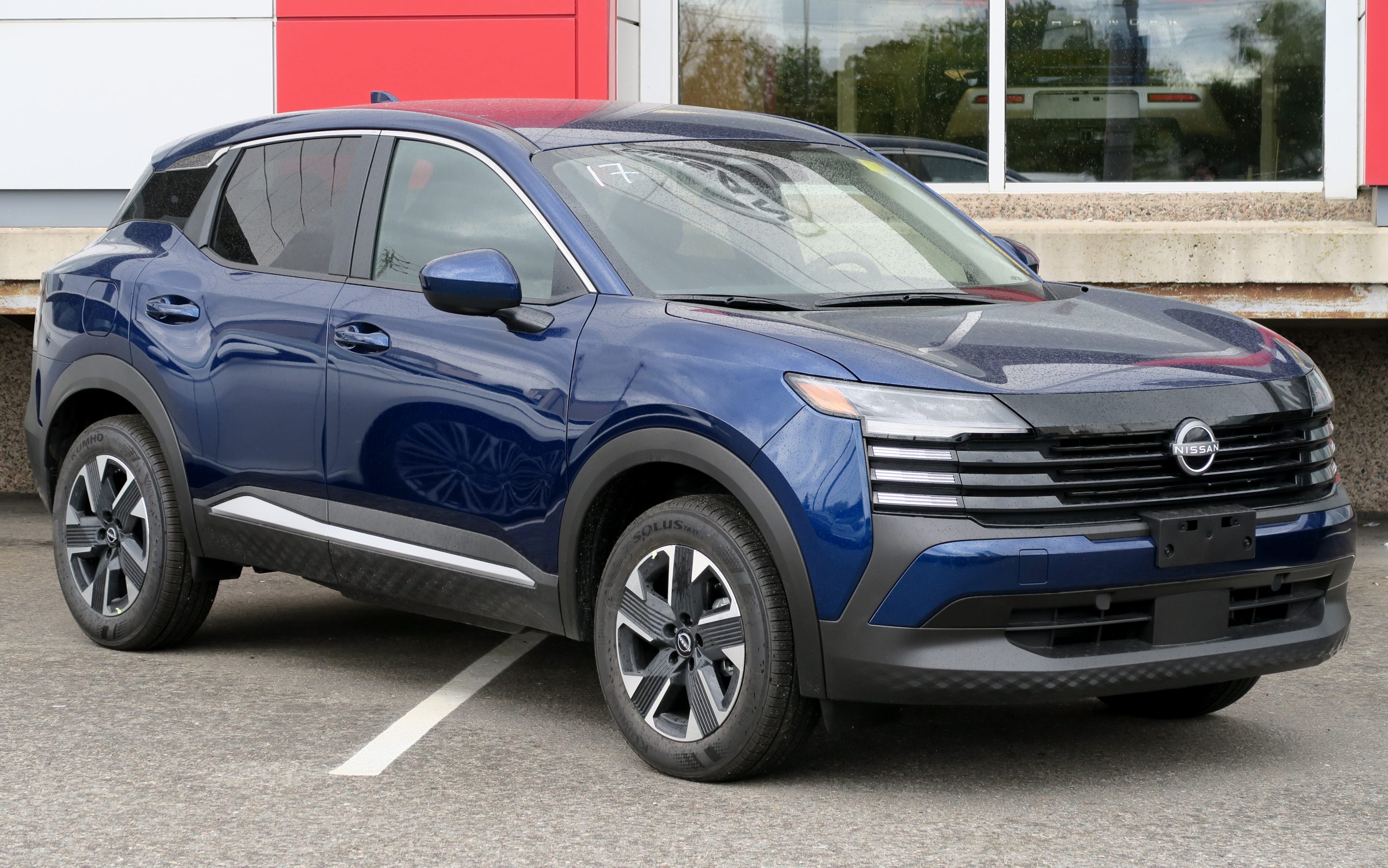
Affordability helped the Nissan Kicks become popular quickly, though the vehicle’s personality feels far closer to a hatchback than a true utility vehicle. Compact dimensions, front-wheel-drive layouts, and lightweight handling all reinforce that identity strongly.
First impressions often surprise people because the Kicks looks taller and tougher than it actually feels on the road. Chunky styling details and roof rails attempt to project SUV confidence, yet the driving experience tells a different story almost immediately.
City commuting fits the Kicks perfectly. Small exterior dimensions allow easy parking, light steering reduces effort during traffic, and excellent visibility helps drivers feel comfortable in crowded environments. Fuel efficiency remains one of the model’s strongest advantages.
Efficient four-cylinder engines focus on saving fuel rather than delivering aggressive acceleration. Drivers seeking affordable daily transportation appreciate that approach greatly. Interior packaging makes smart use of limited space. Front passengers receive decent comfort, while rear seats remain usable for shorter trips or smaller families.
Cargo storage stays practical enough for groceries, luggage, or daily errands. Nissan also added youthful styling elements to prevent the Kicks from feeling boring. Floating roof designs, bright paint options, and sharp grille treatments create a modern appearance despite the vehicle’s budget-friendly positioning.
Technology features have improved steadily through newer versions. Smartphone integration, touchscreen infotainment systems, and safety assistance technology became available even in lower trims, helping boost value considerably. Road manners stay calm and predictable.
Suspension tuning favors comfort, making rough pavement easier to tolerate during commuting. Sharp cornering or sporty handling never became priorities for the Kicks. One especially revealing detail is the lack of all-wheel drive in certain markets.
Genuine SUVs often emphasize traction and rough-weather capability. The Kicks instead focuses heavily on urban practicality and low ownership costs.
6. Subaru Crosstrek
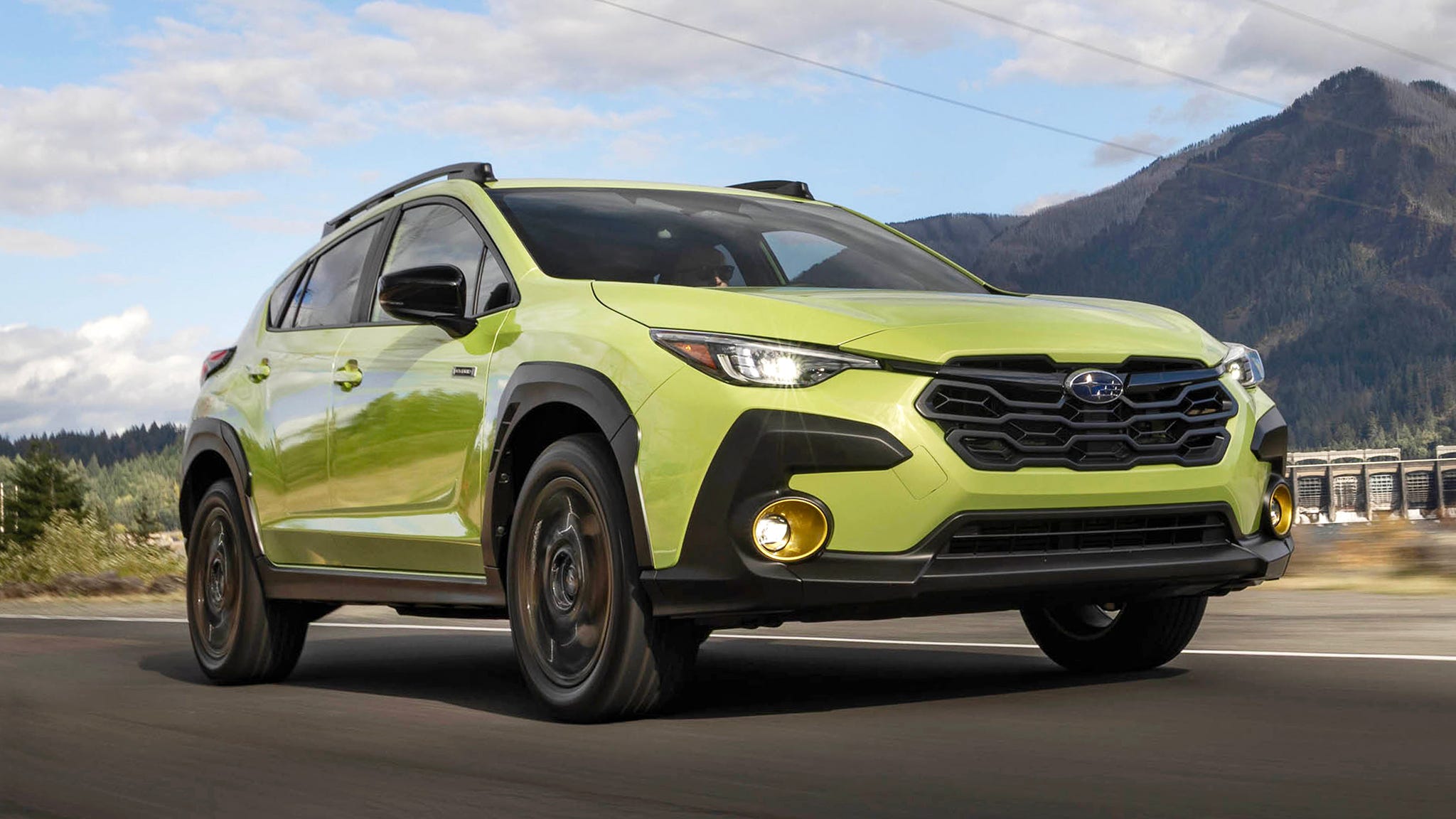
Adventure styling gives the Subaru Crosstrek a rugged personality at first glance. Plastic body cladding, raised suspension, roof rails, and Outdoorsy marketing all suggest a compact SUV prepared for wilderness duty. Spend time driving one, though, and the truth becomes obvious very quickly. Beneath the rugged appearance sits something much closer to a lifted hatchback.
That connection makes perfect sense because the Crosstrek shares deep roots with the Subaru Impreza hatchback. Both vehicles use extremely similar platforms, dimensions, engines, and cabin layouts. Subaru essentially added extra ride height, tougher styling elements, and mild off-road upgrades before presenting the Crosstrek as a crossover.
Driving strongly reinforces the hatchback comparison. Steering remains light and predictable, the vehicle feels compact through corners, and body control stays impressively balanced for a raised crossover. Tight urban roads and parking lots never feel stressful because the Crosstrek behaves much more like a small car than a bulky SUV.
One reason the Crosstrek became so popular is its practicality. Owners receive hatchback simplicity paired with enough extra clearance for rough weather and light dirt trails. Snowy roads, gravel paths, and muddy parking lots pose little challenge thanks to Subaru’s well-known all-wheel-drive system.
Fuel economy remains respectable, especially in models equipped with smaller engines. Daily commuting stays affordable without sacrificing versatility. Drivers who split time between city life and weekend travel appreciate that balance greatly.
Interior layout emphasizes usability instead of flashy design. Controls stay easy to understand, visibility remains excellent, and seating comfort works well for long drives. Subaru focused heavily on function, which fits the vehicle’s straightforward personality.
Cargo space feels closer to hatchback territory than midsize SUV levels, though folding rear seats improve flexibility considerably. Camping gear, groceries, luggage, or bicycles fit reasonably well considering the compact exterior footprint.
7. Chevrolet Trax
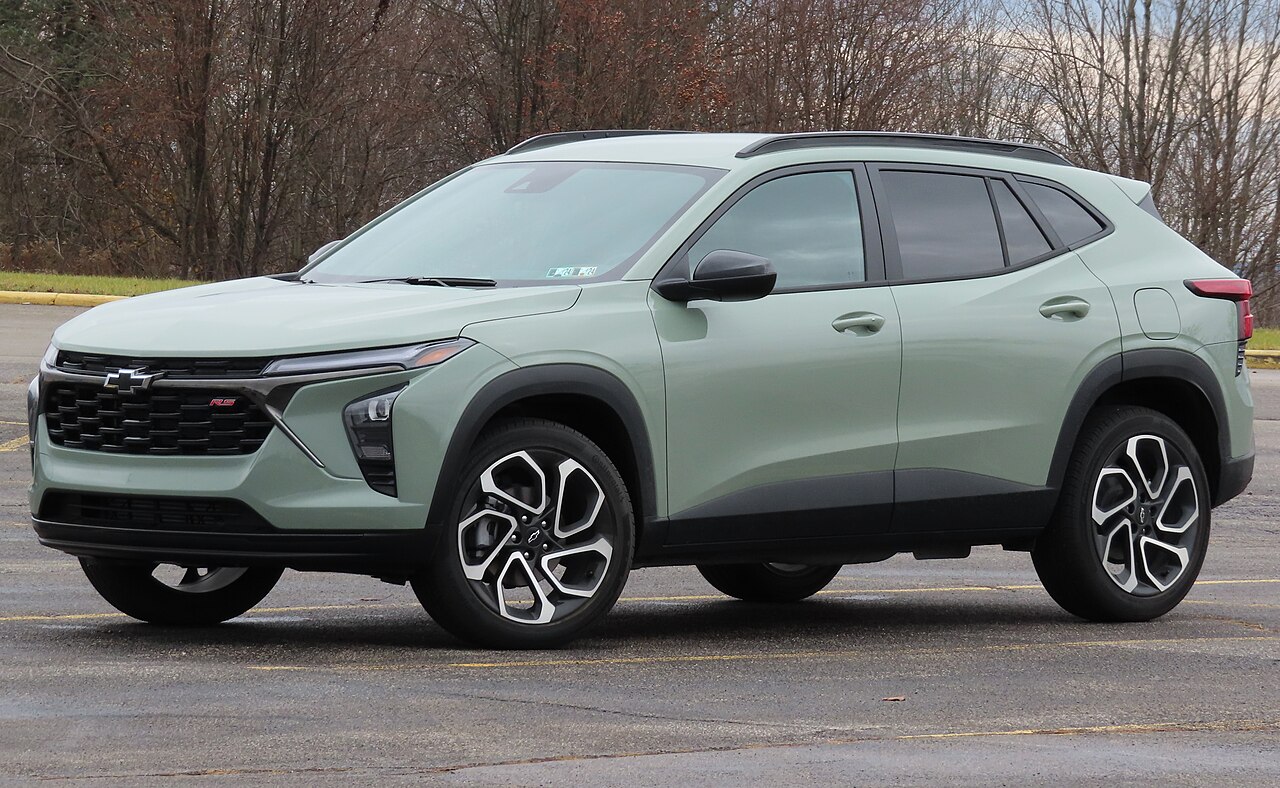
Chevrolet redesigned the Trax with a much sharper personality, though beneath the fresh styling and crossover branding, the vehicle still behaves very much like a compact hatchback with extra ride height. Earlier versions of the Trax already carried strong hatchback characteristics because of their tiny footprint and city-focused driving manners.
The newer generation refined the formula considerably while preserving the same basic identity. Compact dimensions immediately shape the ownership experience. Urban commuting becomes easy thanks to quick maneuverability and excellent parking friendliness. Drivers uncomfortable with large SUVs often appreciate how approachable the Trax feels during daily use.
Exterior styling now looks far more mature and athletic than before. Wider proportions, slim lighting, aggressive grille designs, and sculpted body lines give the vehicle a stronger road presence. Chevrolet clearly wanted the Trax to appear more upscale and modern without pushing pricing too high.
Driving experience remains firmly rooted in small-car territory. Steering feels responsive, suspension tuning leans toward comfort, and lightweight handling makes the vehicle surprisingly easy to place on the road. Drivers familiar with hatchbacks adapt almost instantly.
Turbocharged four-cylinder power helps the Trax feel reasonably lively during city driving. Acceleration stays adequate for commuting and highway merging, though performance enthusiasts will naturally want more punch. Interior space improved dramatically in newer versions.
Rear-seat passengers receive better legroom, while cargo flexibility remains practical for shopping trips or luggage. Even so, the vehicle still feels much closer to a roomy hatchback than a genuine SUV. Technology integration became one of Trax’s strongest upgrades.
Large infotainment screens, smartphone connectivity, and driver assistance features help modernize the cabin effectively. Chevrolet also simplified the dashboard layout, making controls easier to understand.
8. Volkswagen Taos
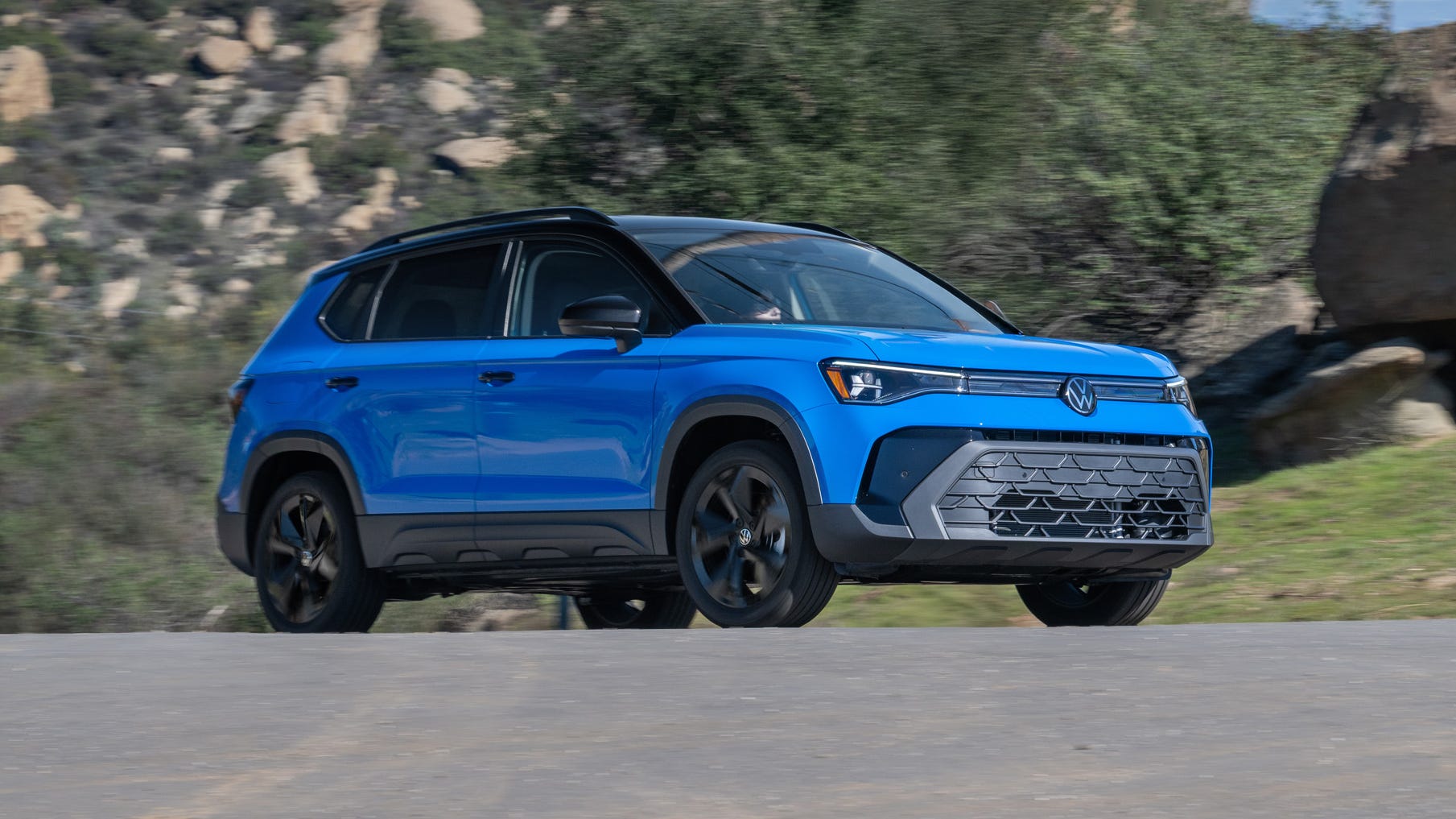
Volkswagen built its reputation partly through practical hatchbacks, so it makes sense that several of the company’s crossovers still feel closely related to compact passenger cars. The Volkswagen Taos represents one of the clearest examples of that connection.
At first glance, the Taos looks like a scaled-down SUV with clean styling and sturdy proportions. Spend time driving it, though, and the vehicle quickly reveals itself as something far closer to a tall Golf hatchback than a rugged utility machine.
Road manners highlight that reality immediately. Steering feels precise, suspension tuning stays controlled, and the vehicle carries itself with the balanced confidence people often associate with European hatchbacks. Tight corners and crowded city streets feel natural instead of awkward.
Volkswagen avoided exaggerated styling tricks with the Taos. Straightforward body lines, restrained detailing, and clean proportions create a mature appearance without trying too hard to appear aggressive. That simplicity helps the design age gracefully.
Turbocharged engines provide smooth, low-end power suitable for daily commuting. Acceleration feels responsive enough during city driving and highway merging without becoming overly sporty. Cabin space remains respectable considering the compact exterior dimensions.
Rear passengers receive decent legroom, and cargo flexibility works well for errands, luggage, or small road trips. Fold-flat rear seats improve practicality further. Fuel efficiency stays competitive because the Taos avoids excessive weight.
Buyers wanting crossover style without huge fuel bills often appreciate that balance. Ride height increases modestly compared to ordinary hatchbacks, though the vehicle still feels planted and car-like from behind the wheel. Body roll remains well controlled, adding confidence during cornering.
Volkswagen also equipped the Taos with modern safety and infotainment technology. Digital instrument displays, smartphone integration, and driver assistance systems help the vehicle feel current without overwhelming users. One especially appealing trait involves refinement.
Highway cruising feels calm and composed, with good noise insulation and stable road manners. Several cheaper crossovers struggle in that area.
9. Kia Soul
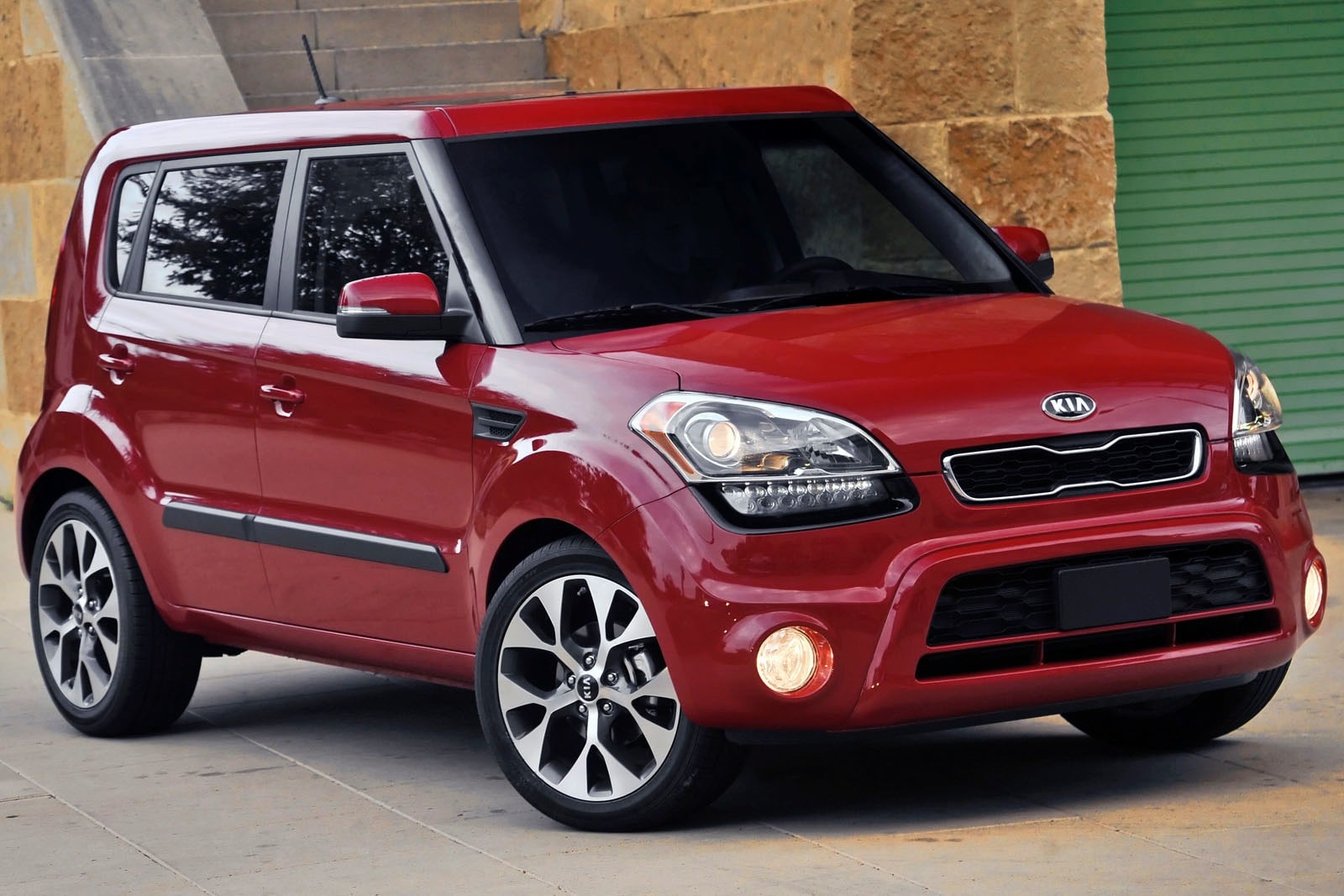
Few vehicles blur the line between hatchback and SUV quite like the Kia Soul. Depending on who you ask, the Soul is either a tiny crossover or an oversized hatchback with unusual styling. Truthfully, it sits somewhere directly between both categories.
Boxy proportions make the Soul instantly recognizable. Tall rooflines, upright windows, and short overhangs create a quirky personality unlike nearly anything else on the road. Instead of pretending to be rugged or aggressive, the Soul embraces its oddball identity proudly.
Driving experience reveals hatchback DNA immediately. Compact dimensions, light steering, and responsive handling make the Soul extremely easy to maneuver in urban environments. Parking feels effortless, and visibility remains excellent from nearly every angle.
Technology became one of the vehicle’s strongest advantages during newer generations. Large infotainment screens, smartphone connectivity, premium audio systems, and modern safety features help the Soul feel far more upscale than older budget hatchbacks.
Road trips suit the Soul better than expected because upright seating positions and supportive seats help reduce fatigue. Large windows also create an airy cabin atmosphere during long drives. Several buyers choose the Soul specifically because it avoids oversized SUV dimensions.
The vehicle delivers practicality and elevated seating without becoming difficult to park or expensive to operate. Calling the Soul an SUV still sparks debate among enthusiasts. From a driving perspective, it behaves far more like a practical tall hatchback than anything remotely rugged.
Yet that exact formula helped the Soul build a loyal following. Buyers wanting individuality, practicality, and easy city driving continue to gravitate toward it year after year.
Also Read: 5 SUVs That Hold Value in Snow States vs 5 That Don’t
10. Lexus UX 250h
Luxury crossovers continue growing more popular every year, though the Lexus UX 250h feels far closer to a premium hatchback than a traditional SUV. Compact dimensions, low seating feel, and urban-focused driving manners reveal that identity almost immediately.
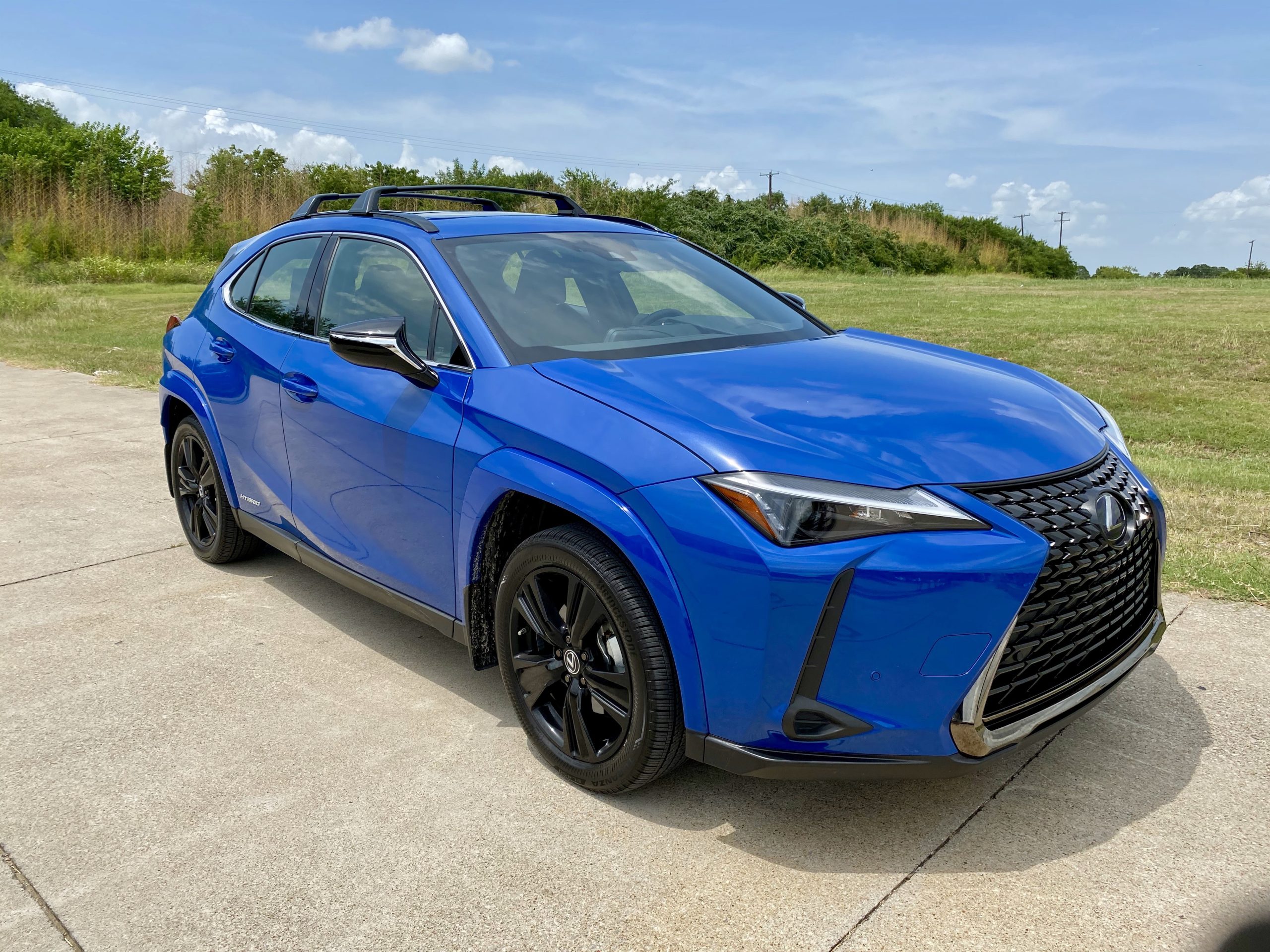
Lexus designed the UX primarily for city life. Tight streets, crowded parking structures, and daily commuting fit the vehicle perfectly because it behaves with the nimbleness of a compact car rather than a bulky luxury utility machine. Exterior styling carries sharp angles and dramatic detailing typical of modern Lexus vehicles.
Large spindle grilles, sculpted bodywork, and aggressive lighting create a bold appearance despite the small footprint. Hybrid efficiency became one of the UX 250h’s biggest strengths. Drivers benefit from excellent fuel economy while still enjoying the quiet refinement expected from a luxury brand. Smooth hybrid transitions also help city driving feel especially calm.
Handling feels surprisingly car-like. Steering remains responsive, suspension tuning keeps body movements controlled, and low center-of-gravity characteristics improve stability through corners. Drivers upgrading from hatchbacks adapt quickly because the UX never feels oversized.
Interior quality reflects Lexus craftsmanship nicely. Soft materials, supportive seating, and solid build quality create a premium atmosphere despite the compact dimensions. Attention to detail appears throughout the cabin. Technology integration balances modern features with physical controls.
Lexus avoided forcing every function into touchscreens, which several drivers still appreciate during daily use. Cargo space remains modest compared to larger SUVs. Sloping rooflines and compact exterior proportions limit storage slightly, reinforcing the vehicle’s hatchback-like personality once again.
Ride comfort deserves praise, too. Road imperfections get absorbed effectively, helping the cabin remain quiet and composed during commuting or highway driving.
