For many consumers, purchasing a new vehicle feels like the start of a long-term relationship. Attractive styling, premium branding, cutting-edge technology, and promises of comfort or performance create the impression that the perfect daily driver has finally been found. However, the excitement of ownership does not always last as long as expected.
Surprisingly, a number of vehicles return to dealership lots within the first year as owners rethink their decision. In many cases, drivers begin to notice drawbacks that were easy to overlook during the buying process, including steep depreciation, expensive maintenance, reliability frustrations, or interiors that fail to deliver the practicality they expected. Luxury models are especially common among early trade-ins, often because premium ownership costs outweigh the initial appeal.
Whether it is a compact SUV or a sporty sedan, some vehicles struggle to keep owners satisfied beyond the honeymoon period. Here are the 9 vehicles consumers most often trade in within a year and why buyers move on so quickly.
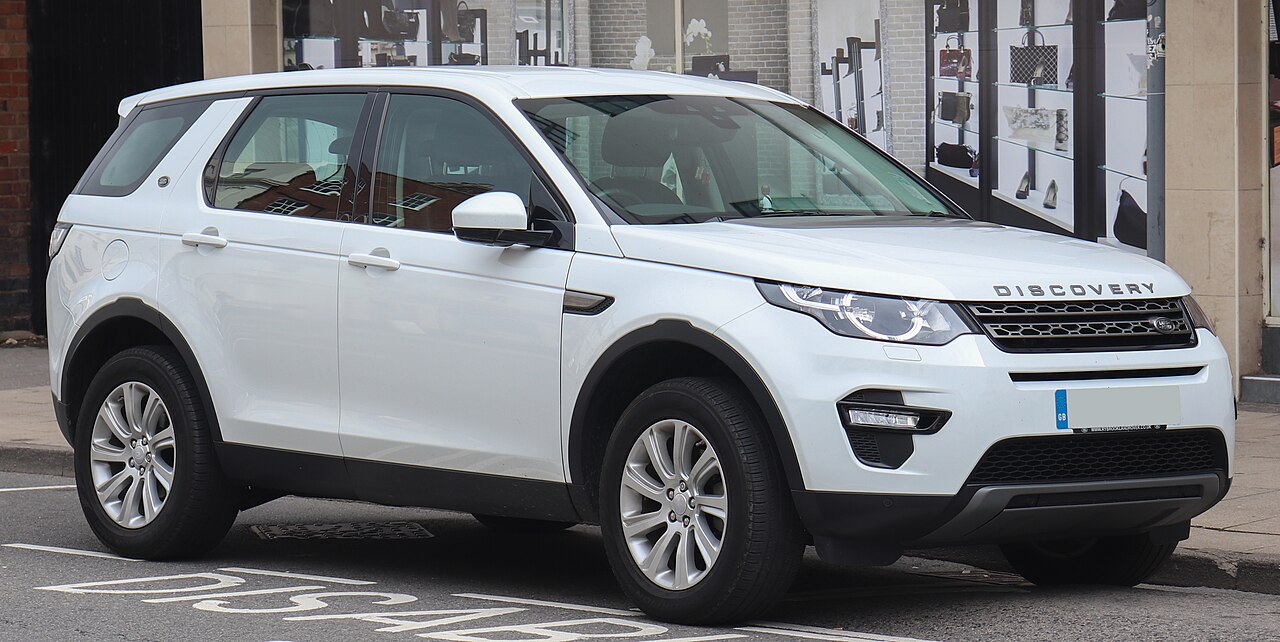
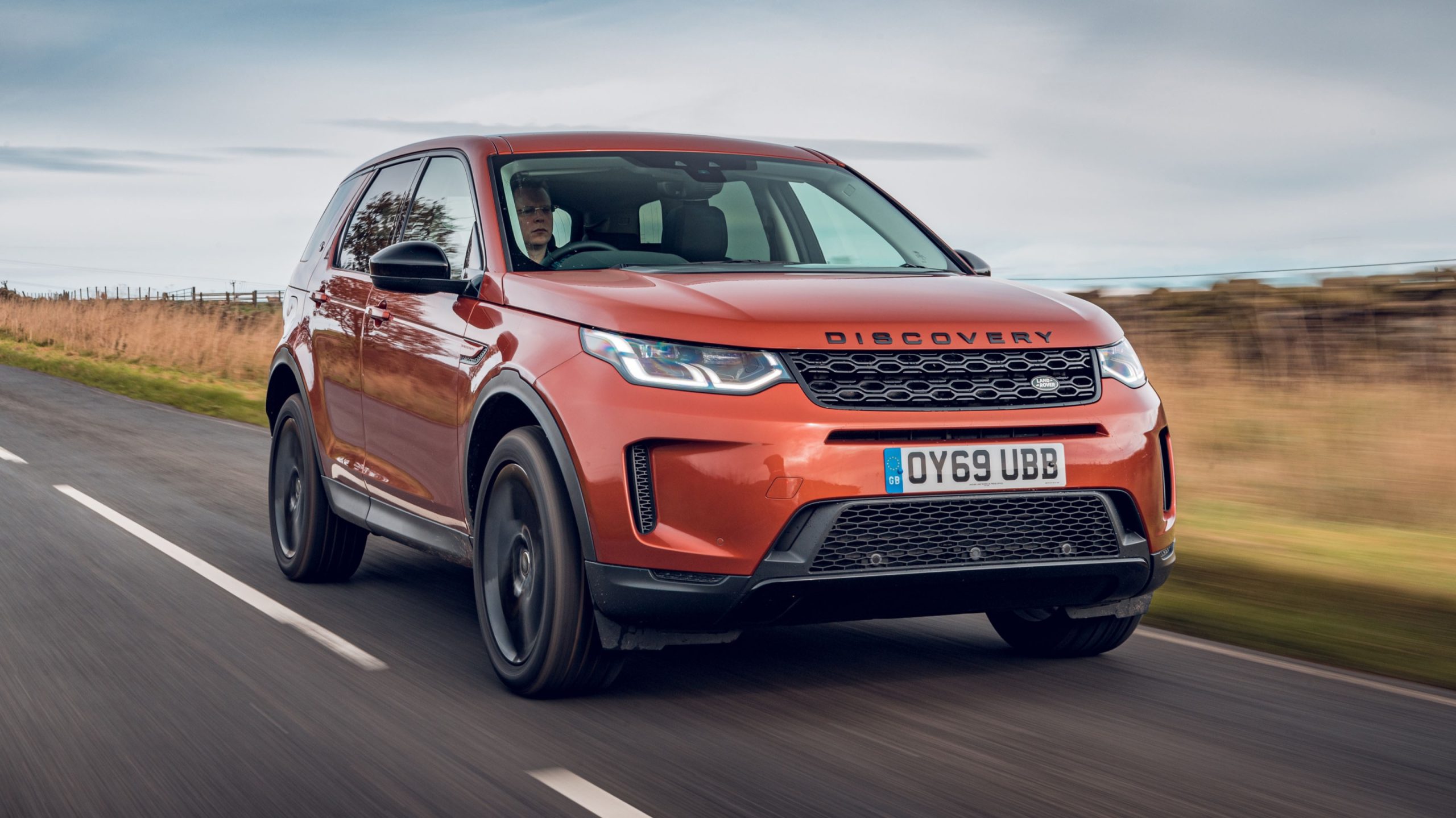
1. Land Rover Discovery Sport
The Land Rover Discovery Sport attracts buyers with its premium styling, upscale cabin, and strong off-road image, but many owners end up trading it in within the first year. Reports show that nearly 28% of buyers part ways with the SUV early, making it one of the most commonly traded-in luxury vehicles. The combination of reliability concerns, expensive ownership costs, and disappointing practicality often outweighs its initial appeal.
A major factor behind the high turnover rate is depreciation. Like many luxury SUVs, the Discovery Sport loses value quickly, but the drop is especially noticeable during the first year. Owners who realize the vehicle may continue to decline sharply in value often trade it in early to minimize financial losses. Reliability problems also hurt long-term satisfaction. Land Rover has long faced criticism for frequent repairs and costly maintenance, and many buyers become frustrated with repeated dealership visits and unexpected service expenses.
Technology-related complaints add to the problem. The Discovery Sport includes modern features such as an 11.4-inch touchscreen, wireless Apple CarPlay, Android Auto, and a digital gauge cluster, but infotainment glitches and inconsistent software performance have been common concerns. For buyers paying premium prices, these electronic issues can quickly become irritating during daily use.
Practicality also falls short for some families. Although the SUV offers optional third-row seating and flexible cabin configurations, the interior space is tighter than many owners expect. Cargo capacity and rear-seat room trail several competitors in the luxury compact SUV segment, leading some drivers to upgrade to larger models after only a short time.
Under the hood, the turbocharged four-cylinder engine produces 246 horsepower and delivers respectable towing and off-road capability. However, acceleration is slower than that of many rivals, and fuel economy remains below average. While the Discovery Sport offers comfort, premium design, and strong all-weather performance, many buyers ultimately feel its ownership costs and reliability concerns outweigh its benefits.
- Engine: 2.0L turbocharged Ingenium inline-4 petrol (P250) / 2.0L turbo-diesel inline-4 (D200) / 2.0L mild-hybrid turbo-diesel inline-4 (D165)
- Horsepower: 247–249 hp (P250) / ~201 hp (D200) / ~161 hp (D165)
- Torque: 269 lb-ft (365 N·m) (P250) / 317 lb-ft (430 N·m) (D200) / 280 lb-ft (380 N·m) (D165)
- Length: 181 in (4.60 m)
- Width: 75.0 in (1.91 m, mirrors folded) / 85.5–85.6 in (2.07 m with mirrors)
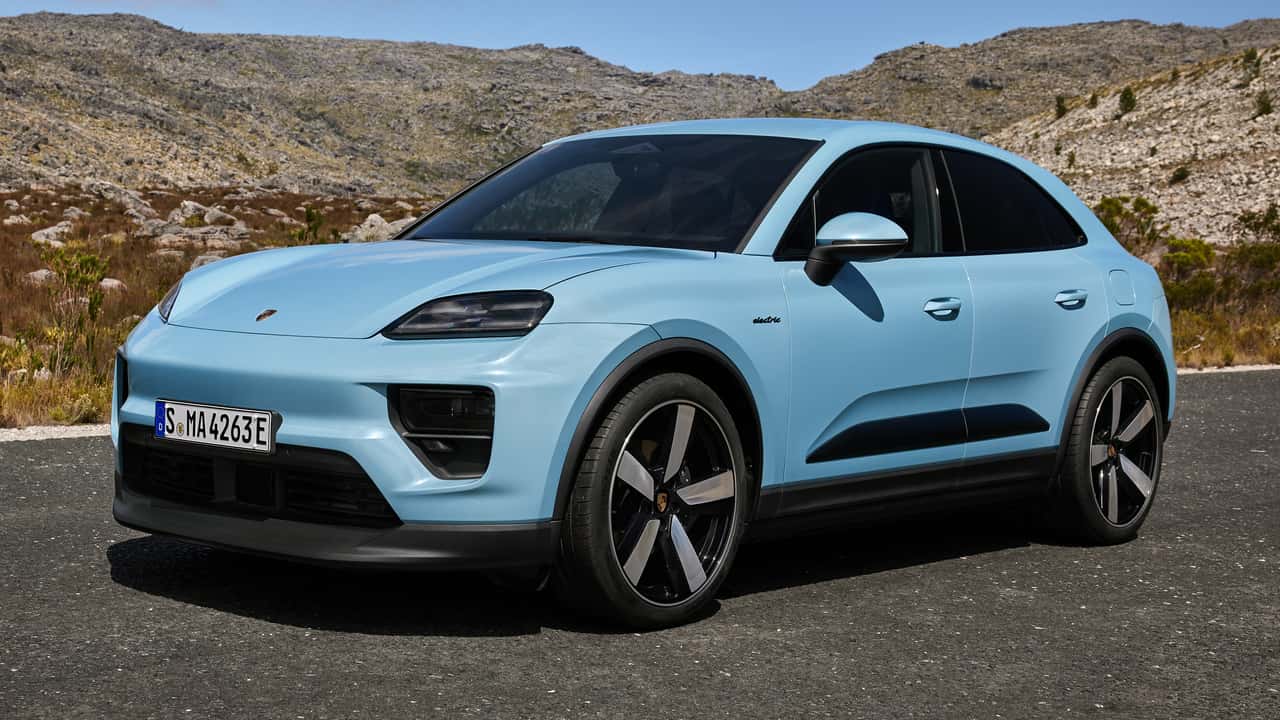
2. Porsche Macan
The Porsche Macan is widely praised for combining sports-car dynamics with SUV practicality, yet it also experiences a surprisingly high rate of early trade-ins. Many buyers are initially drawn to the Macan because it offers an accessible entry point into Porsche ownership, but that excitement often fades once the realities of pricing, practicality, and long-term ownership become clear.
One of the biggest reasons owners trade in the Macan within the first year is the vehicle’s expensive options structure. While the base model appears reasonably priced for a luxury SUV, Porsche’s extensive list of optional features can quickly raise the final cost by tens of thousands of dollars. Buyers frequently realize after purchase that the vehicle they truly wanted required a more powerful trim or additional premium equipment, leading some to upgrade to the Macan S, GTS, or even larger Porsche models like the Cayenne.
The Macan also acts as a gateway vehicle for first-time Porsche customers. After experiencing the brand’s performance and driving character, many owners eventually move toward more specialized Porsche vehicles such as the 911 or higher-performance SUV variants. Strong resale values make these upgrades easier because the Macan tends to hold its value better than many competing luxury SUVs.
Despite its impressive performance, practicality remains a weakness. The cabin offers less rear-seat space and cargo room than many rivals, making it less suitable for growing families or drivers needing everyday utility. Interior quality is another common criticism, as many luxury features expected at this price point require expensive upgrades. Even leather-covered dashboard materials cost extra, reinforcing Porsche’s reputation for costly customization.
On the road, however, the Macan delivers one of the most engaging driving experiences in the segment. Sharp steering, composed handling, and rapid acceleration give it a sports-sedan feel that few SUVs can match. Still, the combination of premium ownership costs, limited practicality, and temptation to upgrade within the Porsche lineup explains why so many owners trade it in after only a short period.
- Engine: 2.0L turbocharged inline-4 (Base / Macan T) / 2.9L twin-turbo V6 (Macan S / GTS)
- Horsepower: 261 hp (Base / T) / 375 hp (Macan S) / 434 hp (Macan GTS)
- Torque: 295 lb-ft (Base / T) / 383 lb-ft (Macan S) / 405 lb-ft (Macan GTS)
- Length: 186.1 in (4.73 m)
- Width: 75.7 in (1.93 m)
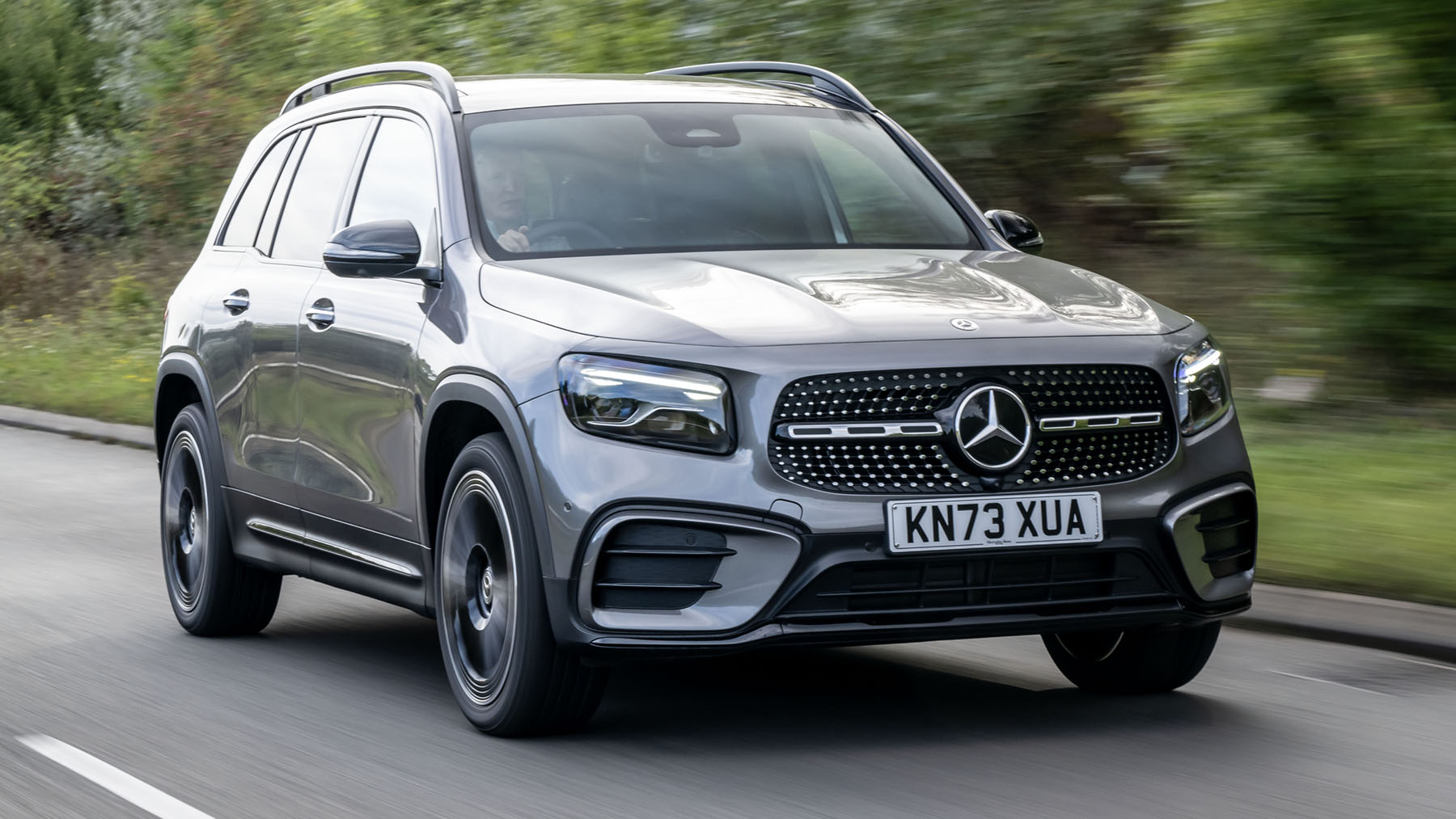
3. Mercedes-Benz GLB
The Mercedes-Benz GLB attracts buyers with its bold styling, premium branding, and rare seven-seat layout in the compact luxury SUV segment. However, many owners trade it in within the first year after discovering that its practicality and refinement do not fully align with expectations. While the GLB appears versatile on paper, real-world ownership often reveals compromises that become difficult to overlook.
A major issue centers on the optional third-row seating. Although Mercedes markets the GLB as a family-friendly seven-seater, the rear-most seats are extremely cramped and best suited only for small children. Once occupied, cargo capacity also becomes severely limited. Many buyers expecting a genuinely spacious family SUV eventually realize the GLB cannot comfortably handle larger households or long-distance travel, prompting them to move into larger models like the GLC or GLE.
The GLB also serves as an entry point into the Mercedes-Benz lineup, and that contributes heavily to its high trade-in rate. Buyers new to the brand are often attracted by the lower starting price compared to larger Mercedes SUVs. After experiencing ownership, however, many drivers decide they want more premium materials, smoother performance, or greater interior comfort, leading them to upgrade quickly.
Driving refinement has been another common complaint. The dual-clutch transmission can feel abrupt during low-speed driving, and the engine may struggle when carrying passengers or cargo. These traits contrast with the smooth and effortless driving experience many consumers expect from a luxury vehicle wearing the Mercedes-Benz badge.
Technology frustrations further affect owner satisfaction. The MBUX infotainment system offers advanced digital features and connectivity, but some drivers find the interface overly complex and distracting. False warnings from driver-assistance systems have also become a frequent criticism among owners.
Despite its shortcomings, the GLB still delivers a comfortable ride, upscale design, and impressive efficiency in newer electrified models. However, for many buyers, the SUV ultimately feels more like a compact crossover with luxury branding than a truly premium family vehicle, which explains why so many owners trade it in after only a short time.
- Engine: 2.0L turbocharged mild-hybrid I4 (GLB 250 / 250 4MATIC) / 1.3L turbocharged I4 (GLB 180 / 200) / AMG-tuned 2.0L turbocharged I4 (AMG GLB 35)
- Horsepower: 221 hp (GLB 250) / 163 hp (GLB 180/200) / 302 hp (AMG GLB 35)
- Torque: 258 lb-ft (GLB 250) / 184 lb-ft (250 N·m) (GLB 180/200) / 295 lb-ft (AMG GLB 35)
- Length: 182.4–183.1 in (4.63–4.65 m)
- Width: 72.2 in (1.83 m)
4. Mercedes-Benz CLA
The Mercedes-Benz CLA is designed to attract buyers looking for an affordable entry into the luxury market, and its sleek coupe-like styling successfully grabs attention. However, many owners trade the vehicle in within the first year after discovering that its sporty design comes with several everyday compromises. While the CLA delivers premium branding and modern technology, practicality and comfort often fall short of expectations.
A major reason behind the high turnover rate is the car’s limited interior space. The aggressively sloped roofline reduces rear-seat headroom, making the back seats uncomfortable for taller passengers. Visibility can also feel restricted because of the narrow windows and coupe-inspired shape. Buyers who initially prioritize appearance frequently realize later that the CLA lacks the comfort and usability needed for daily family life or long commutes.
Ride quality is another issue that pushes owners away. Mercedes tuned the CLA with a firm suspension to create a sportier driving experience, but this setup can make rough roads feel especially harsh. Drivers expecting the soft and refined comfort traditionally associated with Mercedes-Benz often end up disappointed by the stiff ride and less forgiving handling characteristics.
Ownership costs also become a concern shortly after purchase. The CLA experiences heavy early depreciation, which encourages some owners to trade it in before its value falls further. Maintenance and repair expenses can also escalate quickly, particularly when problems such as transmission shuddering or electronic issues appear outside warranty coverage. Buyers attracted by affordable lease deals sometimes discover that long-term ownership costs are much higher than expected.
The CLA still offers clear strengths. Modern versions feature advanced infotainment systems, impressive efficiency, and striking exterior styling that helps the car stand out in the compact luxury segment. New electrified variants also deliver strong driving range and fast-charging capability, making them more practical for everyday use.
Even so, many owners eventually conclude that the CLA prioritizes design and image over comfort and versatility. As their needs change, they often move toward larger sedans or SUVs that provide more space, smoother ride quality, and a more traditional luxury experience.
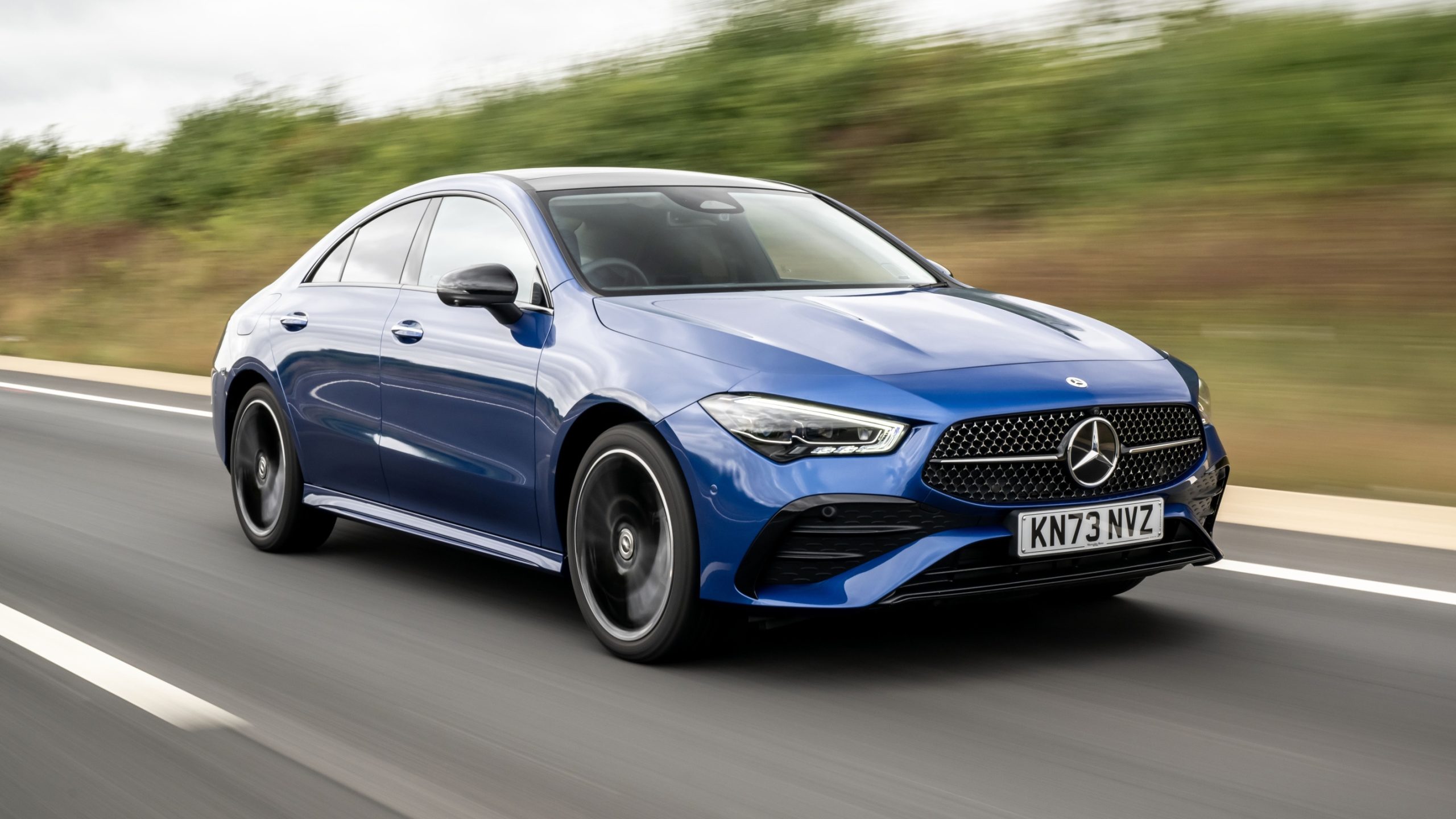
- Engine: 2.0L turbo I4 / 1.5L mild-hybrid turbo I4 / AMG 2.0L turbo I4 / electric motor (EV & hybrid variants)
- Horsepower: 163–224 hp (standard models) / 302–416 hp (AMG) / 221–416 hp (EV & hybrid)
- Torque: 184–258 lb-ft (250–350 N·m) (standard) / 295–369 lb-ft (400–500 N·m) (AMG) / 258–380 lb-ft (EV & hybrid)
- Length: ~184.6–186.3 in (4.69–4.73 m)
- Width: ~72.0–78.7 in (1.83–2.00 m, mirror dependent)
5. Mercedes-Benz GLA
The Mercedes-Benz GLA is often chosen as an entry point into the luxury SUV market, but it also has one of the highest early trade-in rates in its segment. Buyers are initially drawn to its premium badge, compact footprint, and urban-friendly design. However, within months of ownership, many decide to switch to a larger and more comfortable Mercedes model.
At the core of this pattern is a disconnect between expectations and real-world usability. The GLA looks like a traditional SUV, but its interior space tells a different story. Rear-seat room is limited, and cargo capacity is closer to a hatchback than a true utility vehicle. This becomes especially noticeable for families or drivers with active lifestyles, who often end up upgrading to the GLB or GLE.
Comfort is another factor that pushes owners away. The GLA’s ride can feel firm over rough roads, and cabin noise is more noticeable than many expect from a luxury-branded vehicle. While it delivers decent handling for its size, it leans more toward sportiness than plush comfort, which can disappoint buyers expecting a softer Mercedes driving experience.
Cost also plays a role in early turnover. Like most luxury vehicles, the GLA depreciates quickly in its first year. Combined with premium maintenance schedules and expensive consumables like tires, the total cost of ownership can feel high relative to its size and practicality. As a result, some owners choose to trade it in before these costs accumulate further.
Despite these drawbacks, the GLA still serves an important role. It offers modern infotainment, efficient engine options, and easy maneuverability in tight urban environments. It also remains an attractive “first Mercedes” for younger buyers entering the luxury market. However, the GLA is often viewed as a stepping stone rather than a long-term fit, with many owners moving on once their needs for space, comfort, and refinement increase.
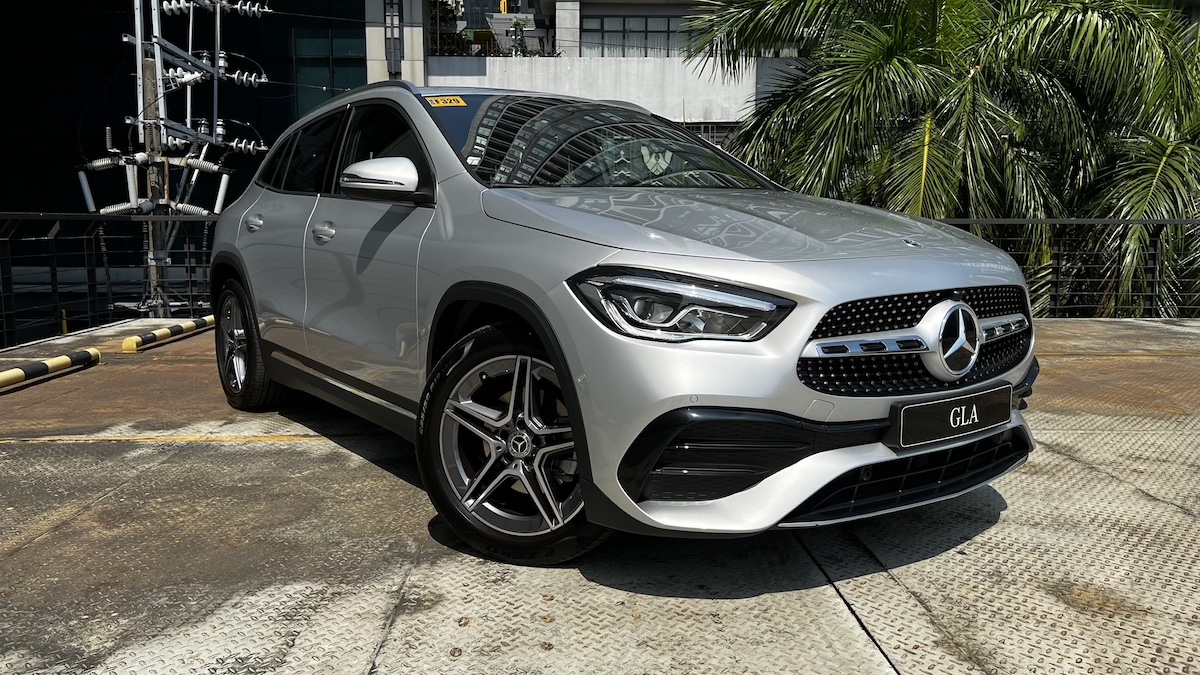
- Engine: 1.3L turbo I4 (GLA 180/200) / 2.0L turbo I4 (GLA 250) / 2.0L turbo-diesel I4 (GLA 200d/220d) / AMG 2.0L turbo I4 (GLA 35/45)
- Horsepower: 136–163 hp (GLA 180/200) / 221 hp (GLA 250) / 150–190 hp (diesel) / 302–387 hp (AMG)
- Torque: 170–199 lb-ft (230–270 N·m) (GLA 180/200) / 258 lb-ft (GLA 250) / 236–295 lb-ft (320–400 N·m) (diesel) / 295–350 lb-ft (AMG)
- Length: ~173.6 in (4.41 m)
- Width: ~72.2–72.8 in (1.83–1.85 m, without mirrors) / up to 79.5 in (2.02 m with mirrors)
Also read: Top 10 Cars With the Shortest Turning Radius Ranked
6. Land Rover Range Rover Evoque
The Land Rover Range Rover Evoque is admired for its stylish design and upscale image, but many owners choose to trade it in within the first year due to practical and reliability concerns. While its sleek exterior and premium branding attract buyers, day-to-day ownership often reveals compromises that reduce long-term satisfaction.
One of the biggest complaints involves reliability and maintenance costs. The Evoque has historically received below-average dependability ratings, with recurring issues linked to power tailgates, oil dilution, and failures in the all-wheel-drive (AWD/Haldex) system. Because repair expenses can become significant once the factory warranty ends, many owners prefer to sell or trade the vehicle before facing costly out-of-pocket maintenance.
Practicality is another challenge. Despite its SUV appearance, the Evoque’s compact size and sloping roofline limit rear-seat space and cargo capacity. Families or drivers needing greater everyday usability often find the interior cramped, particularly for passengers in the back. Visibility also becomes a concern, as the narrow rear window and rising body design create blind spots that can make parking and lane changes feel stressful.
Performance offers mixed results. The Evoque is powered by a 246-horsepower turbocharged 2.0-liter engine paired with a nine-speed automatic transmission and all-wheel drive. Although capable and reasonably lively, some drivers report jerky acceleration in stop-and-go traffic. Fuel economy also disappoints for a compact luxury SUV, with real-world efficiency often feeling poor compared to competitors of a similar size.
On the positive side, the Evoque includes premium cabin materials, a modern 11.4-inch touchscreen infotainment system with wireless smartphone integration, and standard driver-assistance technologies such as emergency braking and lane-keeping assist. However, its stiff ride quality, limited practicality, modest warranty coverage, and rapid depreciation often outweigh these strengths, leading owners to trade it in early for larger, more comfortable, or more dependable luxury alternatives.
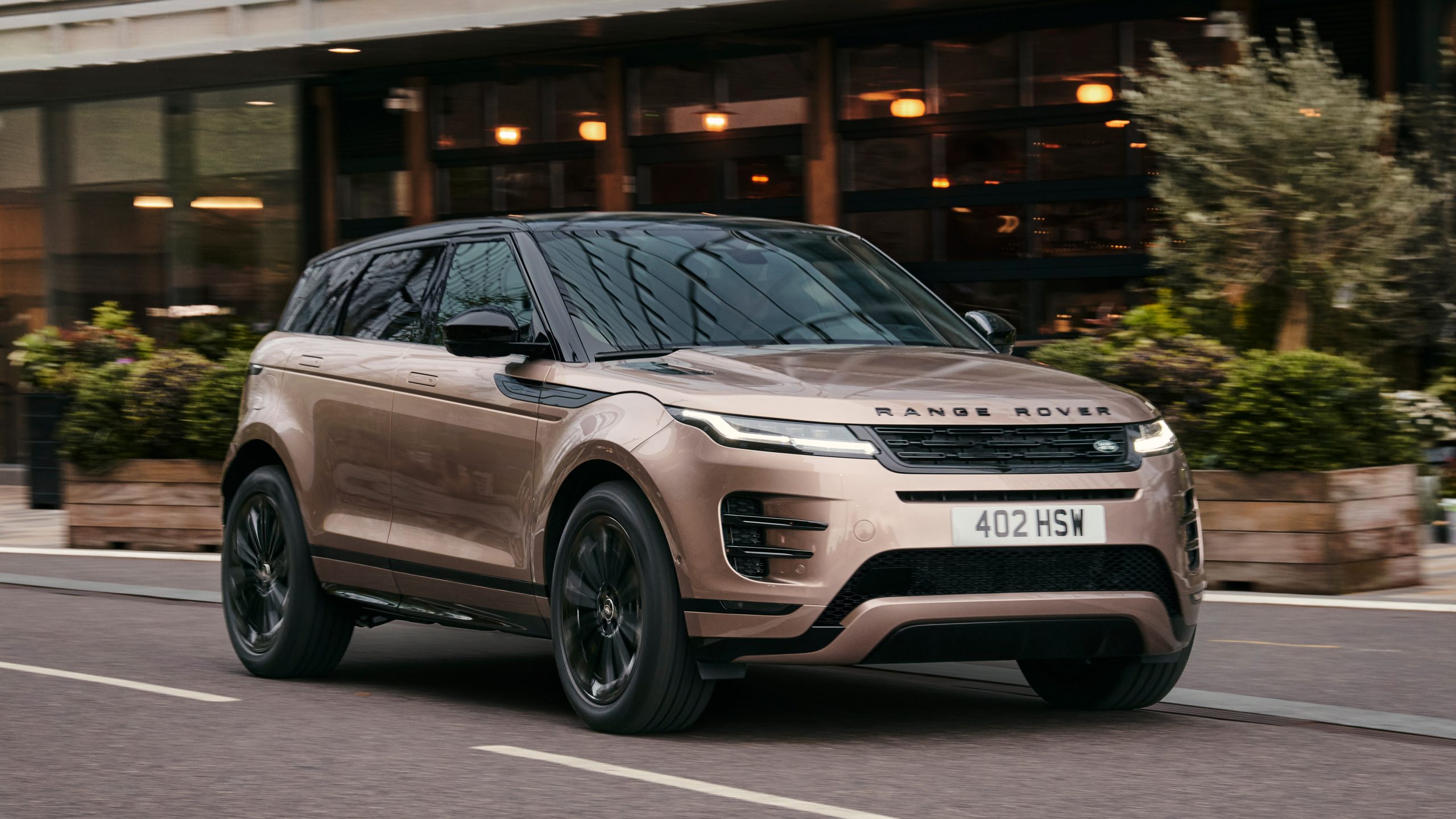
- Engine: 2.0L turbocharged inline-4 petrol (P250/Si4) / 2.0L turbo-diesel inline-4 (D165/TD4)
- Horsepower: 237–246 hp (petrol) / 148–204 hp (diesel)
- Torque: 251–269 lb-ft (340–365 N·m) (petrol) / 280–317 lb-ft (380–430 N·m) (diesel)
- Length: 172.1 in (4.37 m)
- Width: 78.6 in (2.00 m, with mirrors) / ~74.8 in (1.90 m body width)
7. MINI Clubman
The MINI Clubman is a distinctive compact wagon that attracts buyers with its retro charm, customization options, and fun driving character, but it also sees a high number of first-year trade-ins due to practicality and cost concerns.
At first glance, the Clubman stands out with its iconic MINI styling, split rear barn doors, and highly customizable exterior and interior design. Buyers are drawn to its playful personality, circular infotainment display, premium-feeling cabin materials, and engaging “go-kart” handling. Even base versions offer enjoyable performance, while sportier Cooper S and John Cooper Works models deliver strong acceleration and sharp driving dynamics.
However, ownership often reveals limitations. Despite offering more space than a standard MINI Hatch, the Clubman’s low wagon stance, small door openings, and limited boot capacity reduce its everyday usefulness. Rear-seat space is adequate for two adults but becomes cramped with three passengers, while cargo capacity (around 360 liters) trails practical rivals like the VW Golf Estate. The split rear doors, while stylish, can also obstruct rear visibility and complicate loading in tight spaces.
Comfort is another compromise. The firm suspension, low seating position, and large wheel options can make city driving less comfortable, especially on rough roads. Visibility is also restricted due to thick pillars and the rear door design, which can make urban driving more stressful than expected.
Financial factors also influence early trade-ins. The Clubman is expensive when heavily optioned, and depreciation can be steep, especially after the warranty period ends. Many owners choose to upgrade before facing potential European maintenance costs outside coverage.
On the positive side, the Clubman offers stable motorway performance, fun handling on winding roads, and a premium-feeling interior with strong infotainment features and safety tech. However, its mix of high cost, modest practicality, and comfort compromises often leads owners to switch early to more conventional, space-efficient alternatives.
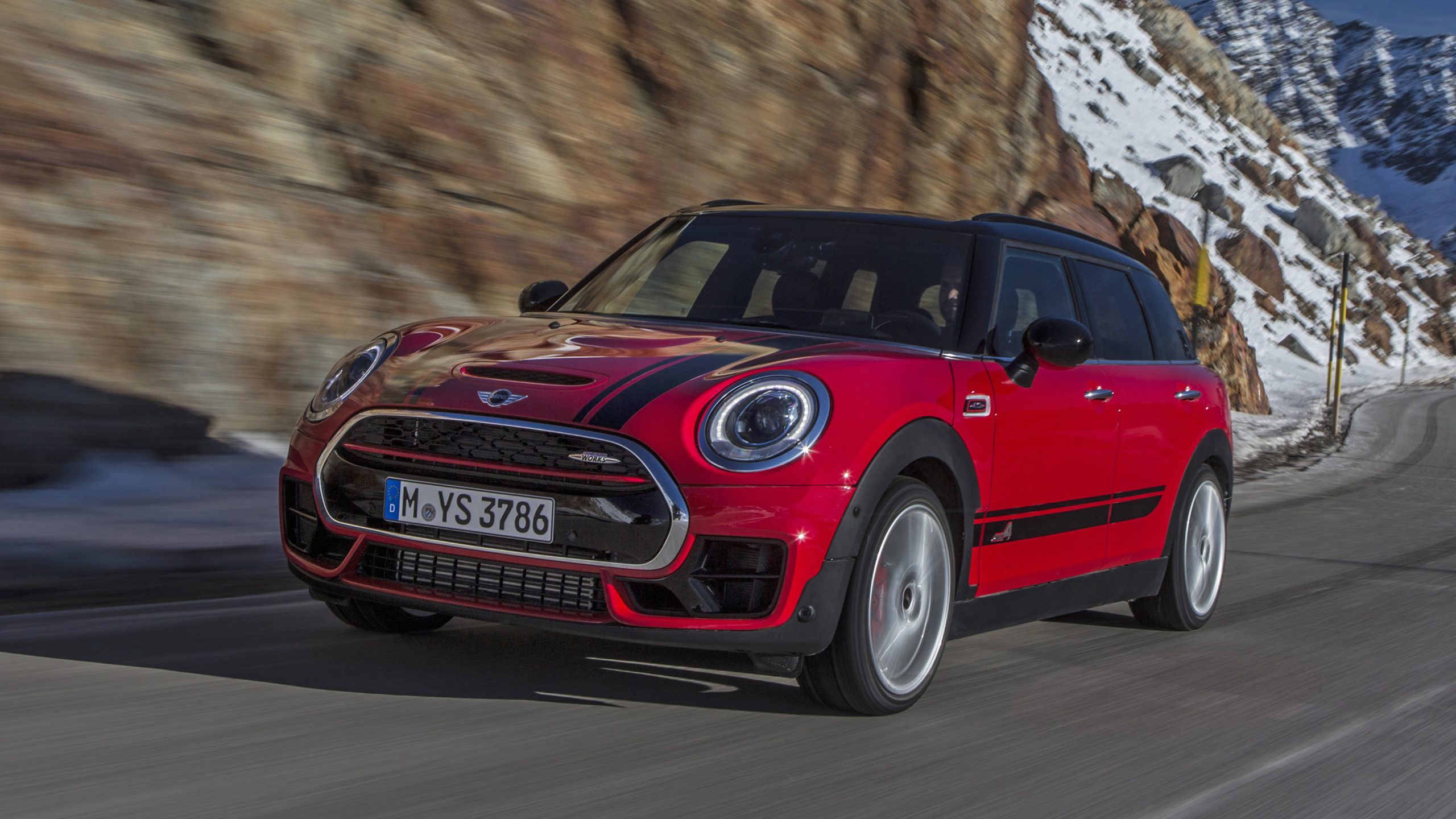
- Engine: 1.5L turbocharged 3-cylinder (Cooper) / 2.0L turbocharged 4-cylinder (Cooper S & JCW)
- Horsepower: 134 hp (Cooper) / 189 hp (Cooper S) / 301 hp (JCW ALL4)
- Torque: 162 lb-ft (Cooper) / 206 lb-ft (Cooper S) / 331 lb-ft (JCW ALL4)
- Length: 167.4 in (4.25 m)
- Width: 70.9 in (1.80 m)
8. BMW X1
The BMW X1 is designed as BMW’s smallest and most accessible SUV, but many owners move on within a year after reassessing comfort, cost, and long-term satisfaction. While it delivers strong acceleration, modern technology, and practical cargo space, expectations tied to the BMW badge often lead to disappointment.
A major factor behind early trade-ins is the gap between price and perceived refinement. The X1’s turbocharged 2.0-liter engine produces solid performance, yet its front-wheel-drive–based layout and firm suspension tuning make it feel closer to mainstream compact SUVs than a traditional rear-drive BMW. Drivers expecting a distinctly premium, smooth driving experience sometimes find it less special than anticipated.
Financial considerations also play a significant role. The model is subject to steep early depreciation, which encourages owners to trade it in while the value is still relatively high. Many also take advantage of dealership incentives, loyalty programs, or lease upgrade deals that make switching into a newer BMW financially attractive. After the initial complimentary maintenance period, service costs can also feel noticeably higher compared to non-luxury alternatives.
Practicality shifts influence decisions as well. Although the X1 offers good cargo capacity and a modern interior with BMW’s latest iDrive infotainment system, it can feel tight for families or drivers whose needs expand quickly. This often pushes owners toward larger models such as the X3 or X5, which offer more space and comfort.
Performance is a mixed experience depending on the trim. The standard version is quick and efficient, while the M35i delivers strong acceleration but introduces a firmer ride and occasional drivability quirks that reduce comfort in daily use. Despite its capable handling and tech-forward cabin, the X1’s compromises in ride quality, perceived luxury feel, and ownership costs contribute to its reputation as a short-term vehicle for many buyers.
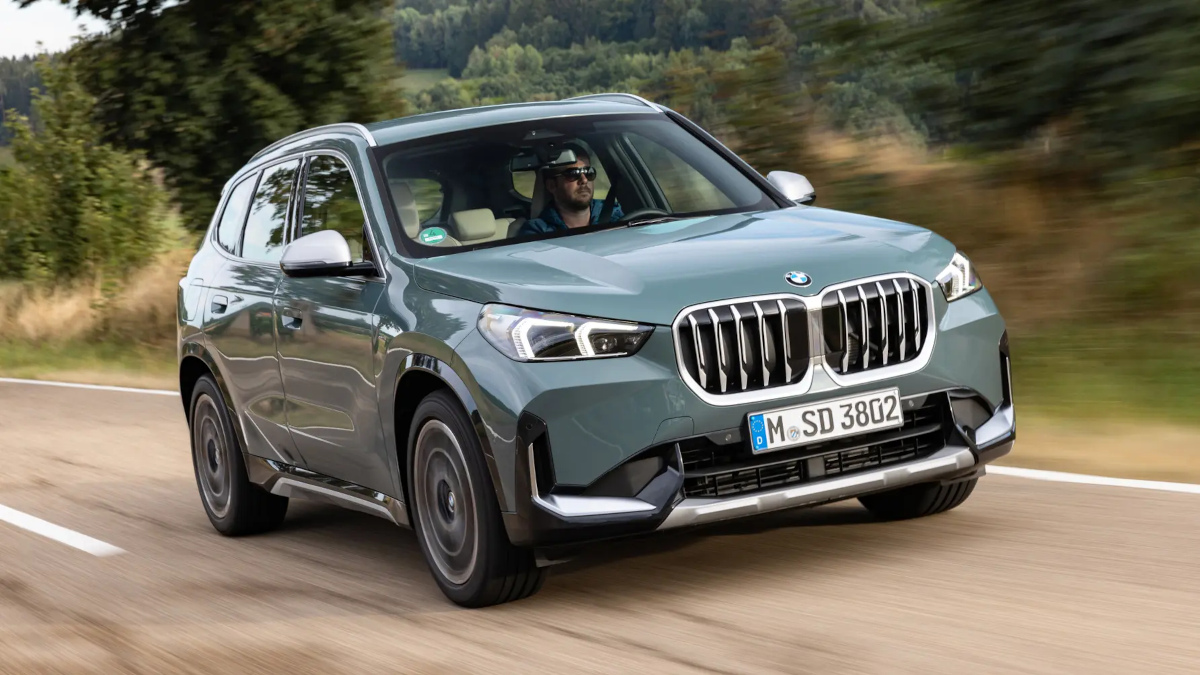
- Engine: 1.5L turbo 3-cylinder (sDrive18i) / 2.0L turbo 4-cylinder mild-hybrid (sDrive20i / xDrive20i) / 2.0L turbo 4-cylinder high-output (M35i xDrive)
- Horsepower: 134–136 hp (1.5L) / 170–241 hp (2.0L standard) / 300–312 hp (M35i)
- Torque: 170 lb-ft (230 N·m) (1.5L) / 207–295 lb-ft (280–400 N·m) (2.0L) / 295 lb-ft (400 N·m) (M35i)
- Length: 177.2 in (4.50 m)
- Width: 72.6 in (1.85 m)
9. BMW 3 Series
The BMW 3 Series is known as a benchmark in the sport sedan category, offering strong engines, sharp handling, and a refined interior. Even with these strengths, many owners trade it in within the first year as real-world needs begin to outweigh the appeal of a performance-focused sedan.
At purchase, the 3 Series attracts drivers with its premium badge, responsive turbocharged engines (including a 255-hp four-cylinder and a 386-hp inline-six), and an advanced infotainment system with large dual displays and modern connectivity features. On the road, it feels quick and composed, with the M340i delivering sports-car-like acceleration. However, its sedan layout limits flexibility for growing families or users needing more cargo versatility.
Ownership costs become a turning point for many buyers. After the initial complimentary maintenance period, servicing, parts, and repairs can feel expensive compared to non-luxury vehicles. Combined with strong first-year depreciation, this often pushes financially aware owners to sell or trade the car while it still retains relatively strong resale value.
Another factor is dealership influence. Lease-end and loyalty programs frequently encourage early upgrades, making it easy for drivers to switch into a newer model with minimal financial friction. This marketing cycle contributes significantly to short ownership periods.
Lifestyle changes also play a role. While the 3 Series offers a premium driving experience, its limited trunk flexibility and tighter rear seating can become inconvenient for users who shift toward travel-heavy or family-oriented routines. This leads many to transition into SUVs such as the BMW X3 or X5, which better suit changing space requirements.
Despite its limitations in practicality, the 3 Series remains a standout performer in driving dynamics, fuel efficiency, and interior quality. Yet the combination of ownership costs, practicality constraints, and upgrade incentives often results in it being a short-term choice rather than a long-term vehicle for many buyers.
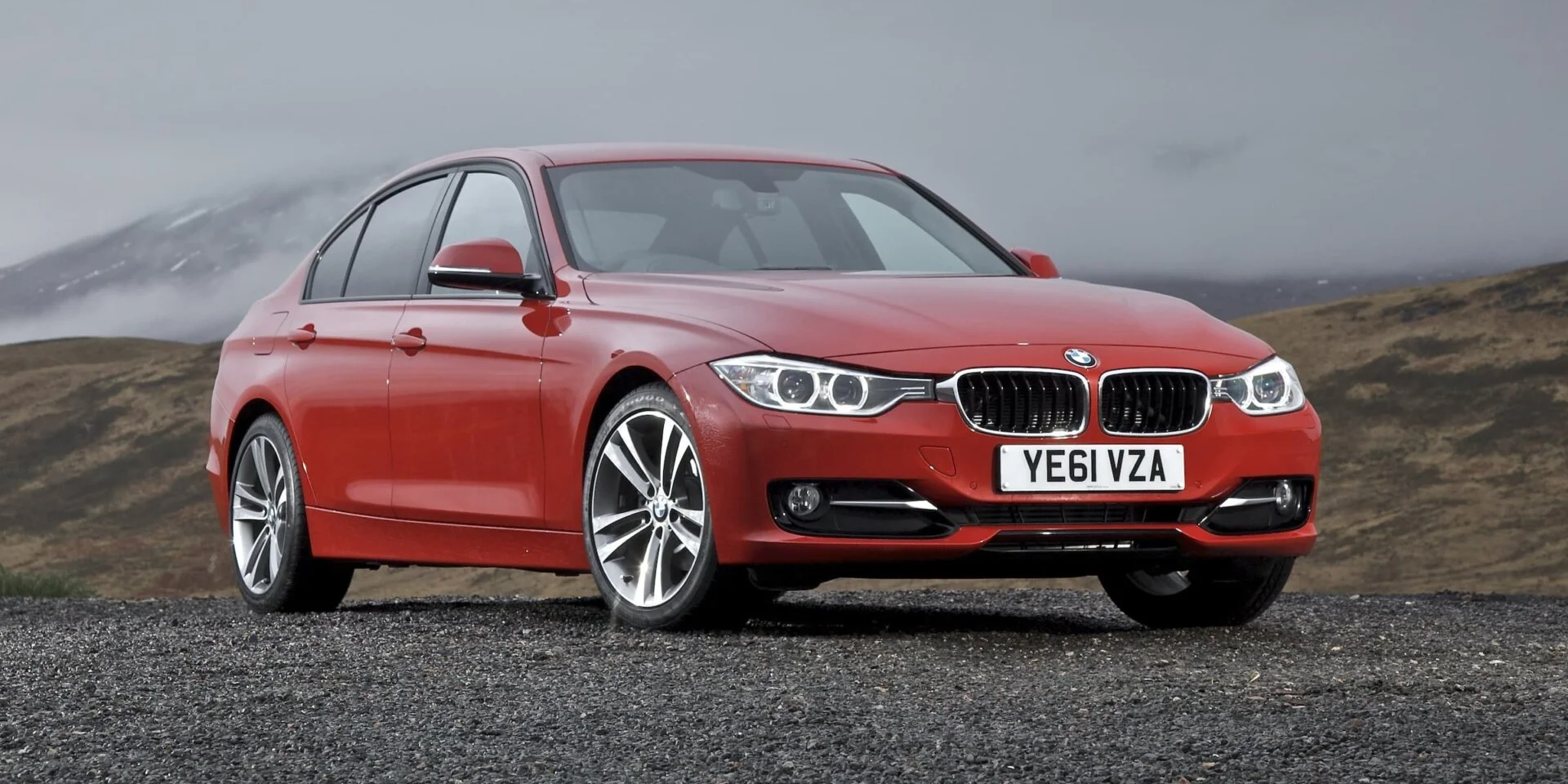
- Engine: 2.0L twin-turbo I4 (320i/330i) / 2.0L turbo I4 plug-in hybrid (330e) / 3.0L twin-turbo I6 (M340i/M3)
- Horsepower: 184–255 hp (2.0L gas) / 288 hp (330e hybrid) / 374–382 hp (M340i) / 480–530 hp (M3 variants)
- Torque: 221–295 lb-ft (2.0L gas) / 310 lb-ft (330e hybrid) / 369 lb-ft (M340i) / 406–479 lb-ft (M3 variants)
- Length: 185.4 in (4.71 m)
- Width: 71.9 in (1.83 m)
Also read: 5 Cars Where Trade-In Beats Private Sale vs 5 Where It Doesn’t