
Honda has long been recognized as one of the most dependable automotive brands in the global market, particularly in the SUV segment where durability, low maintenance costs, and long-term value matter most. As we move into 2026, the Honda SUV lineup continues to attract buyers who prioritize reliability over flashy redesigns or overly complex technology.
From compact crossovers like the Honda HR-V to family-focused midsize models such as the Honda Pilot and adventure-ready options like the Honda Passport, each vehicle brings a different balance of performance, practicality, and long-term dependability.
However, not all Honda SUVs are equal when it comes to reliability performance, and recent data from industry reliability indexes and owner-based reports reveals clear differences across the lineup.
In 2026, reliability scoring systems typically evaluate vehicles based on long-term failure rates, recall history, owner complaints, repair frequency, and predicted durability over time. According to aggregated automotive reliability data, Honda as a brand maintains an above-average reliability rating, with most models falling in the “good” to “excellent” category depending on model year and configuration.
However, individual SUV models such as the HR-V, CR-V, Passport, and Pilot show variation in performance due to redesign cycles, powertrain updates, and technology integration changes. Newer generations often introduce improved safety and efficiency but may temporarily reduce reliability consistency due to early production adjustments.
Among Honda SUVs, the HR-V consistently stands out as one of the most reliable subcompact options, especially in recent model years like 2025, which achieved some of the highest reliability scores in Honda’s lineup.
Meanwhile, the Honda CR-V, one of the brand’s most popular SUVs globally, shows strong long-term dependability but has experienced fluctuating reliability scores across different model years, particularly after redesign updates.
The Honda Passport and Honda Pilot, both built for larger families and more demanding driving conditions, tend to perform well but can vary depending on drivetrain configuration and software updates.
This article ranks every major Honda SUV available in 2026 based on the most recent reliability data, combining owner reports, reliability indexes, and predicted durability assessments.
The goal is to give you a clear, practical breakdown of which Honda SUVs are the most dependable, which are improving, and which models require more careful consideration before purchase. Whether you are buying new or used, understanding these reliability rankings can help you make a smarter long-term investment in a vehicle that is designed to last.
Also Read: 8 Cars That Are Nearly Impossible to Steal
- Engine: 2.0L naturally aspirated 4-cylinder
- Horsepower: 158 hp
- Torque: 187 Nm
- Length: 4,567 mm
- Width: 1,840 mm
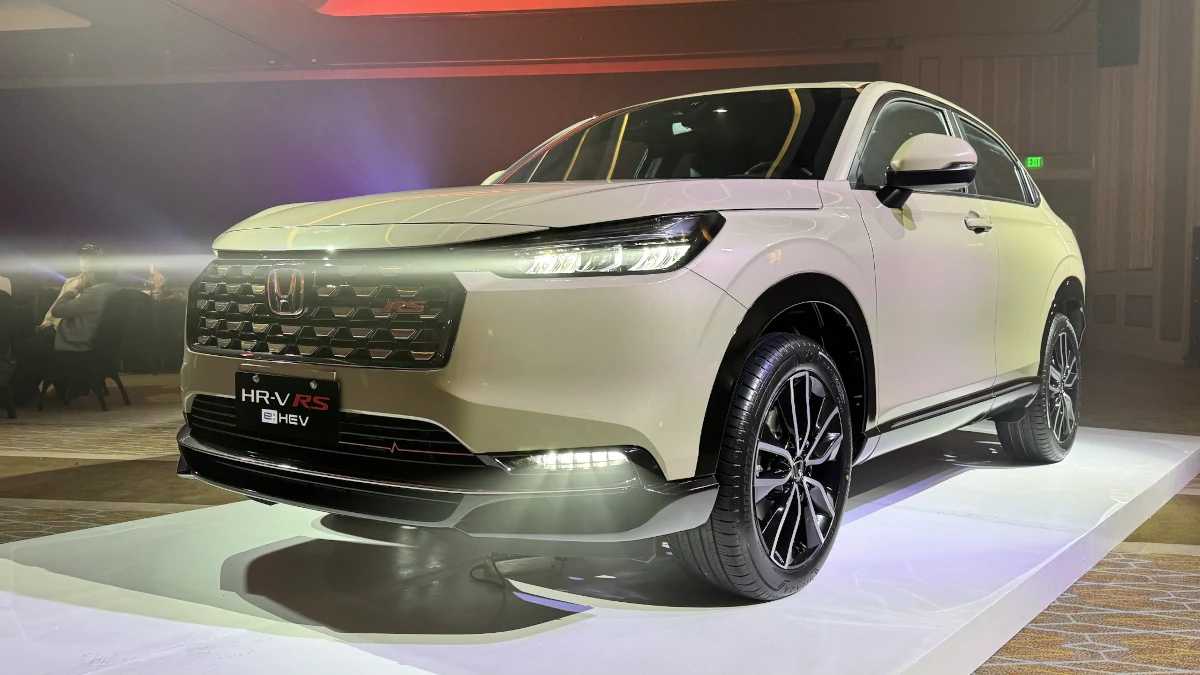
1. Honda HR-V
The Honda HR-V continues to dominate Honda’s SUV lineup in 2026 when it comes to reliability, largely because of its simplicity, efficient engineering, and long-standing reputation as a low-maintenance subcompact crossover. Unlike larger SUVs that incorporate heavier drivetrains and more complex systems, the HR-V is designed to prioritize durability and everyday usability.
This focus on practical engineering gives it a strong advantage in long-term reliability studies, especially when compared to more feature-heavy or performance-oriented vehicles. Over time, the HR-V has built a reputation as one of the most dependable entry-level SUVs in global markets.
One of the strongest contributors to the HR-V’s reliability is its naturally aspirated engine setup and conservative tuning approach. Honda has intentionally avoided overly aggressive turbocharging in this segment, which reduces long-term stress on internal engine components.
As a result, the HR-V tends to experience fewer mechanical failures related to overheating, turbo wear, or transmission strain. Owners consistently report that the vehicle performs smoothly even after several years of use, with routine maintenance being the primary requirement for sustained performance. This makes it particularly appealing for first-time SUV buyers and long-term commuters.
Another key factor supporting the HR-V’s strong reliability ranking is its simplified electronic architecture. While modern vehicles are increasingly dependent on software systems, the HR-V keeps its electronic complexity relatively moderate compared to larger Honda models.
Although it still includes essential driver assistance features and infotainment systems, it avoids excessive layering of high-end tech that can sometimes introduce long-term glitches. This balance helps reduce the likelihood of costly electrical repairs, which are often among the most common issues in modern SUVs.
In terms of ownership experience, the HR-V also benefits from Honda’s established global parts availability and cost-effective maintenance structure. Replacement components are widely accessible and generally affordable, which significantly lowers the total cost of ownership over time.
Even when minor issues do occur, they are typically easy to diagnose and repair due to the vehicle’s straightforward mechanical layout. This contributes to its strong resale value and long-term desirability in both new and used markets.
The Honda HR-V stands as the most reliable Honda SUV in 2026, offering a near-perfect balance of simplicity, durability, and cost efficiency. It is especially well-suited for urban drivers, small families, and individuals who prioritize long-term dependability over high-performance features or luxury enhancements. Its consistent track record places it at the top of Honda’s SUV reliability hierarchy.
- Engine: 1.5L turbocharged 4-cylinder / 2.0L hybrid option
- Horsepower: 190 hp (turbo) / up to 204 hp (hybrid system combined)
- Torque: 243 Nm (turbo) / higher instant torque in hybrid variant
- Length: 4,691 mm
- Width: 1,866 mm
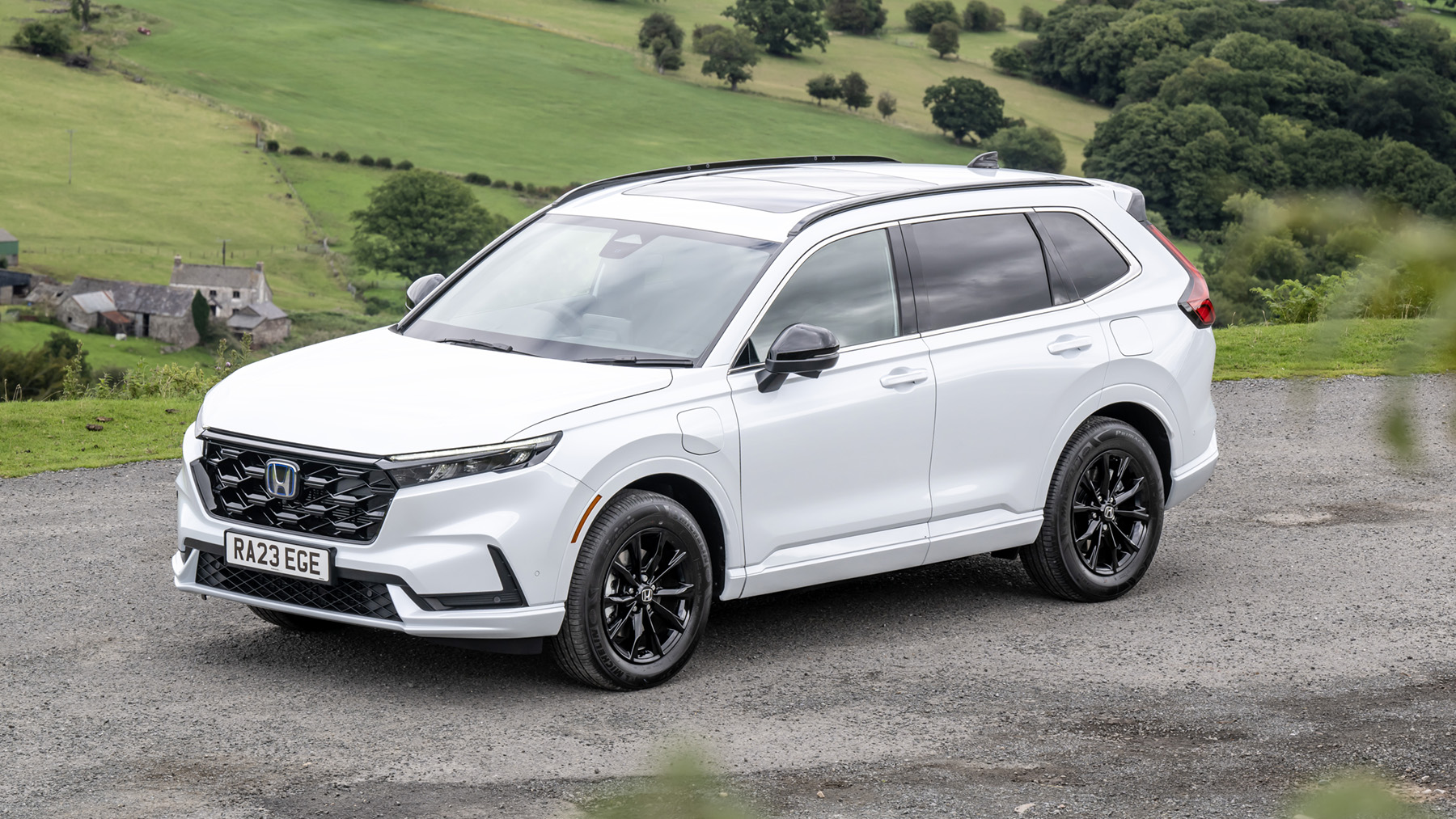
2. Honda CR-V
The Honda CR-V remains one of the most influential and widely purchased compact SUVs in the world, and in 2026 it continues to maintain a strong but slightly more variable reliability reputation compared to the HR-V.
The CR-V is designed as a versatile family SUV, offering more space, comfort, and technology than smaller models, which naturally introduces additional mechanical and electronic complexity. Despite this, it still holds a strong position in reliability rankings due to Honda’s long-term refinement of the platform over multiple generations.
A major factor contributing to the CR-V’s reliability is its highly evolved engine and drivetrain system. Honda has continuously improved this model over decades, resulting in a powertrain that is generally durable and capable of handling high mileage with consistent maintenance.
Many CR-V vehicles are known to exceed 150,000 to 200,000 miles without major engine or transmission failures, particularly in non-turbocharged or hybrid configurations. This long-term durability makes it one of the most trusted SUVs for families and daily commuters alike.
However, the CR-V’s increased reliance on modern technology has introduced some variability in reliability scores across different model years. Features such as advanced infotainment systems, hybrid components, and driver assistance technologies add convenience but also increase the number of potential failure points.
Some owners report occasional software bugs, sensor calibration issues, or electronic glitches, especially in newer redesign cycles. While these problems are usually not severe, they can temporarily impact reliability perception.
Another important aspect of the CR-V’s reliability is its strong but sometimes inconsistent build quality during generation transitions.
When Honda introduces major redesigns, early production units occasionally experience minor manufacturing inconsistencies that are later resolved in subsequent model years. This means that while the CR-V is generally dependable, its reliability score can vary depending on the specific production year and configuration.
The Honda CR-V remains one of the most balanced SUVs in Honda’s lineup in 2026, offering strong long-term reliability combined with practicality and efficiency. It is best suited for families and professionals who need a dependable daily vehicle that combines comfort, space, and proven long-term durability, even if it carries slightly more complexity than smaller Honda SUVs.
- Engine: 3.5L V6 naturally aspirated
- Horsepower: 280 hp
- Torque: 355 Nm
- Length: 4,839 mm
- Width: 1,999 mm
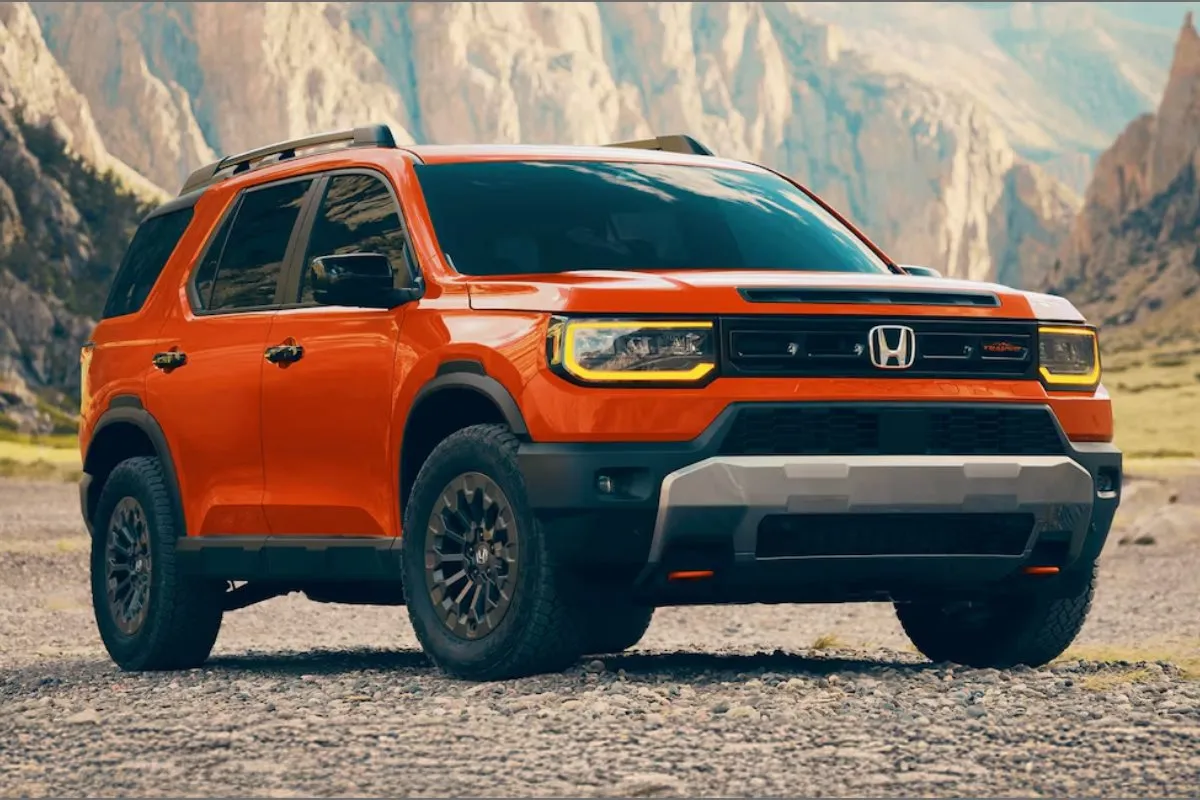
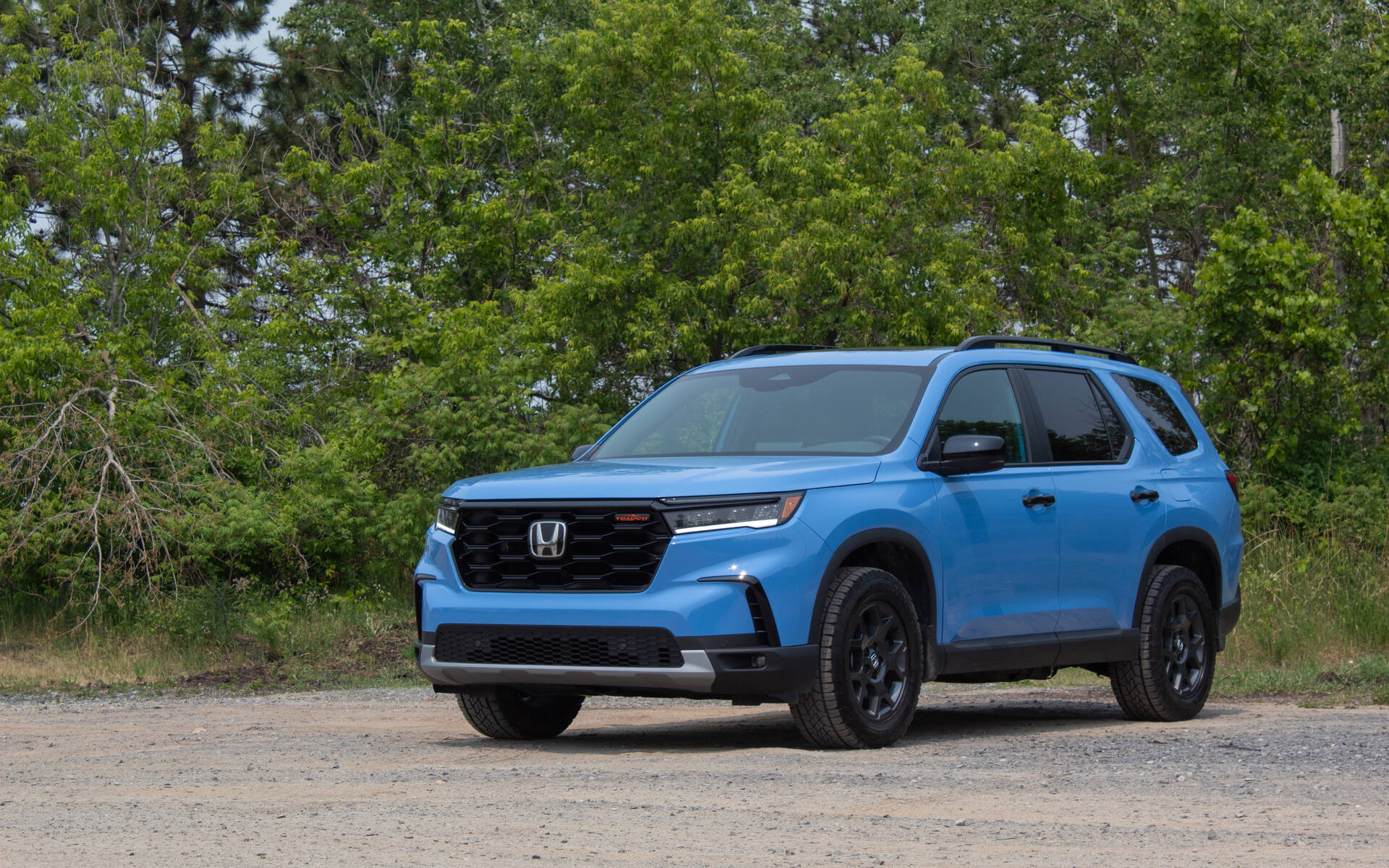
3. Honda Passport
The Honda Passport is positioned as a midsize two-row SUV that emphasizes power, comfort, and light off-road capability, and in 2026 it maintains a generally strong but slightly more variable reliability profile compared to Honda’s smaller SUVs.
Built on a robust platform shared with the Honda Pilot, the Passport benefits from a durable mechanical foundation, but its performance-oriented tuning and heavier structure introduce additional stress on components over time.
At the core of the Passport’s reliability is its naturally aspirated V6 engine, which is widely regarded as one of Honda’s most durable modern engines. Unlike turbocharged alternatives, the V6 provides smooth and predictable power delivery with fewer long-term maintenance concerns related to forced induction systems.
This engine has proven itself capable of handling high mileage, towing demands, and long-distance driving without significant degradation when properly maintained. This makes it a strong choice for drivers who prioritize mechanical durability.
However, the Passport’s larger size and performance focus mean that it operates under greater mechanical load compared to smaller Honda SUVs.
The transmission, suspension, and drivetrain components are all designed to handle more demanding usage scenarios, which can lead to slightly higher wear over time. While these systems are generally well-engineered, they require consistent maintenance to maintain peak reliability, especially in vehicles used for towing or rough-road driving.
Electronic systems in the Passport are another factor influencing its reliability score. While Honda has improved software stability in recent model years, earlier versions of the Passport experienced occasional issues related to infotainment responsiveness and driver-assist calibration.
These issues have largely been reduced in newer generations, but they still contribute to a slightly lower reliability ranking compared to simpler Honda SUVs like the HR-V.
The Honda Passport in 2026 is a solid midsize SUV with strong mechanical reliability and a durable engine platform. It ranks slightly below Honda’s compact models due to its complexity and performance orientation, but it remains a dependable option for buyers who need power, space, and versatility without moving into luxury SUV territory.
- Engine: 3.5L V6 naturally aspirated
- Horsepower: 285 hp
- Torque: 355 Nm
- Length: 5,077 mm
- Width: 2,029 mm
4. Honda Pilot
The Honda Pilot is the largest mainstream SUV in Honda’s lineup and is designed primarily for families requiring three-row seating, maximum passenger capacity, and long-distance comfort.
In 2026, the Pilot continues to maintain a respectable reliability ranking, although it naturally falls below smaller Honda SUVs due to its increased size, mechanical complexity, and feature-rich design. Despite this, it remains one of the more dependable options in the midsize three-row SUV segment.
A major strength of the Pilot lies in its well-established V6 engine and 10-speed automatic transmission combination. These components have been refined over multiple generations and are generally known for their durability when properly maintained.
The engine delivers consistent performance for family hauling and highway driving, while the transmission is designed to balance efficiency with smooth shifting. Together, they form a strong mechanical foundation that supports long-term reliability.
However, the Pilot’s size and functionality introduce additional stress on its systems. As a three-row SUV, it must support higher passenger loads, heavier cargo, and more complex interior systems than smaller vehicles.
This naturally increases wear on suspension components, braking systems, and drivetrain parts. While these components are engineered for durability, they may require more frequent maintenance compared to compact Honda SUVs.
Another factor influencing the Pilot’s reliability is its extensive use of modern technology. The vehicle includes advanced infotainment systems, multiple driver-assistance features, and complex electronic controls for comfort and safety.
While these systems enhance the driving experience, they also increase the potential for minor electronic issues such as sensor malfunctions or software glitches, particularly in early production runs of redesigned models.
The Honda Pilot in 2026 is a reliable and practical three-row SUV that excels in family utility and long-distance comfort. While it is not as mechanically simple or consistently reliable as smaller Honda SUVs, it remains a strong choice for buyers who need space and versatility without sacrificing Honda’s core reputation for durability.
- Engine: Dual-motor electric AWD system (EV)
- Horsepower: 288 hp (estimated combined output)
- Torque: ~451 Nm (instant electric torque)
- Length: 4,877 mm
- Width: 1,989 mm
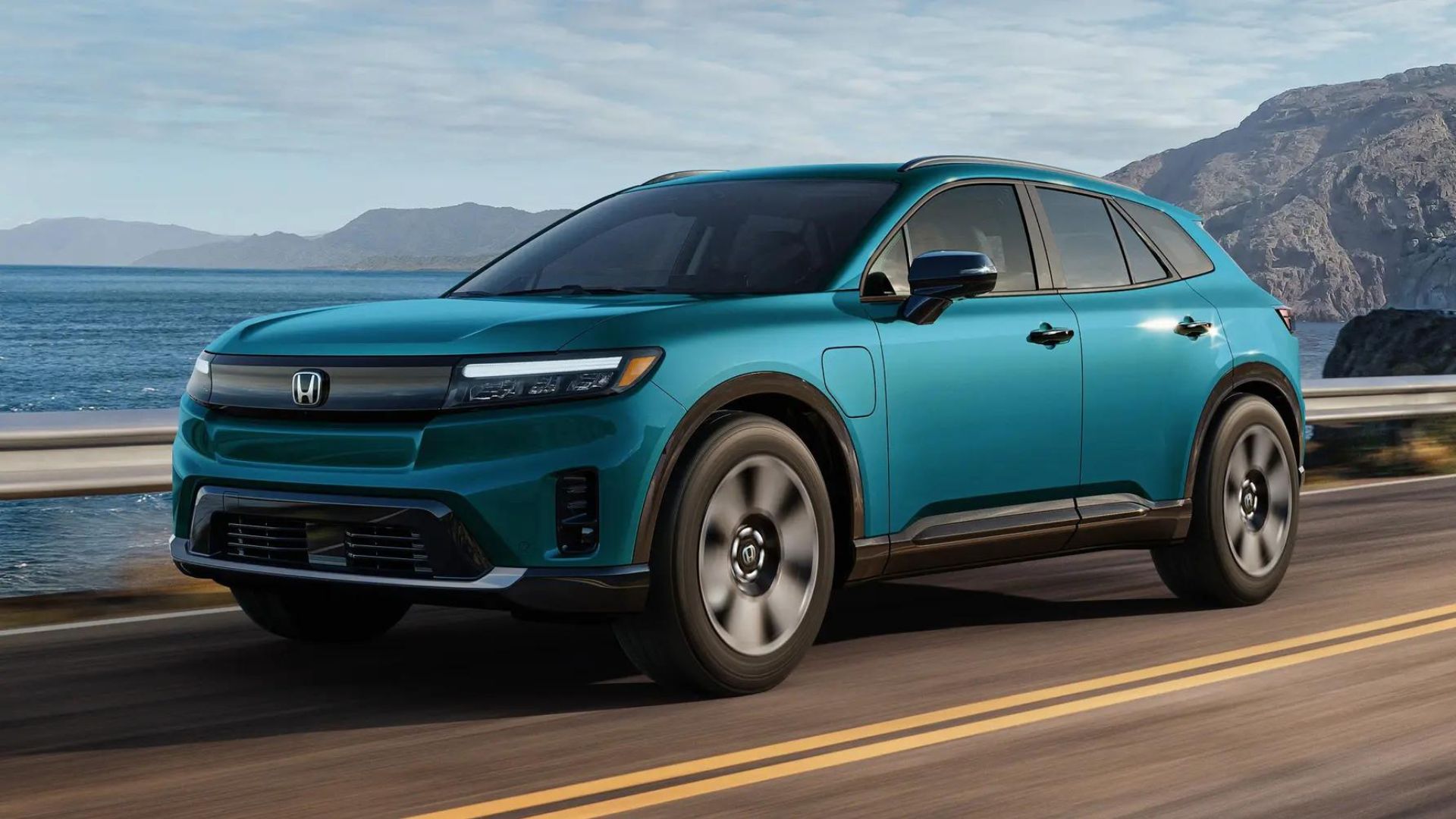
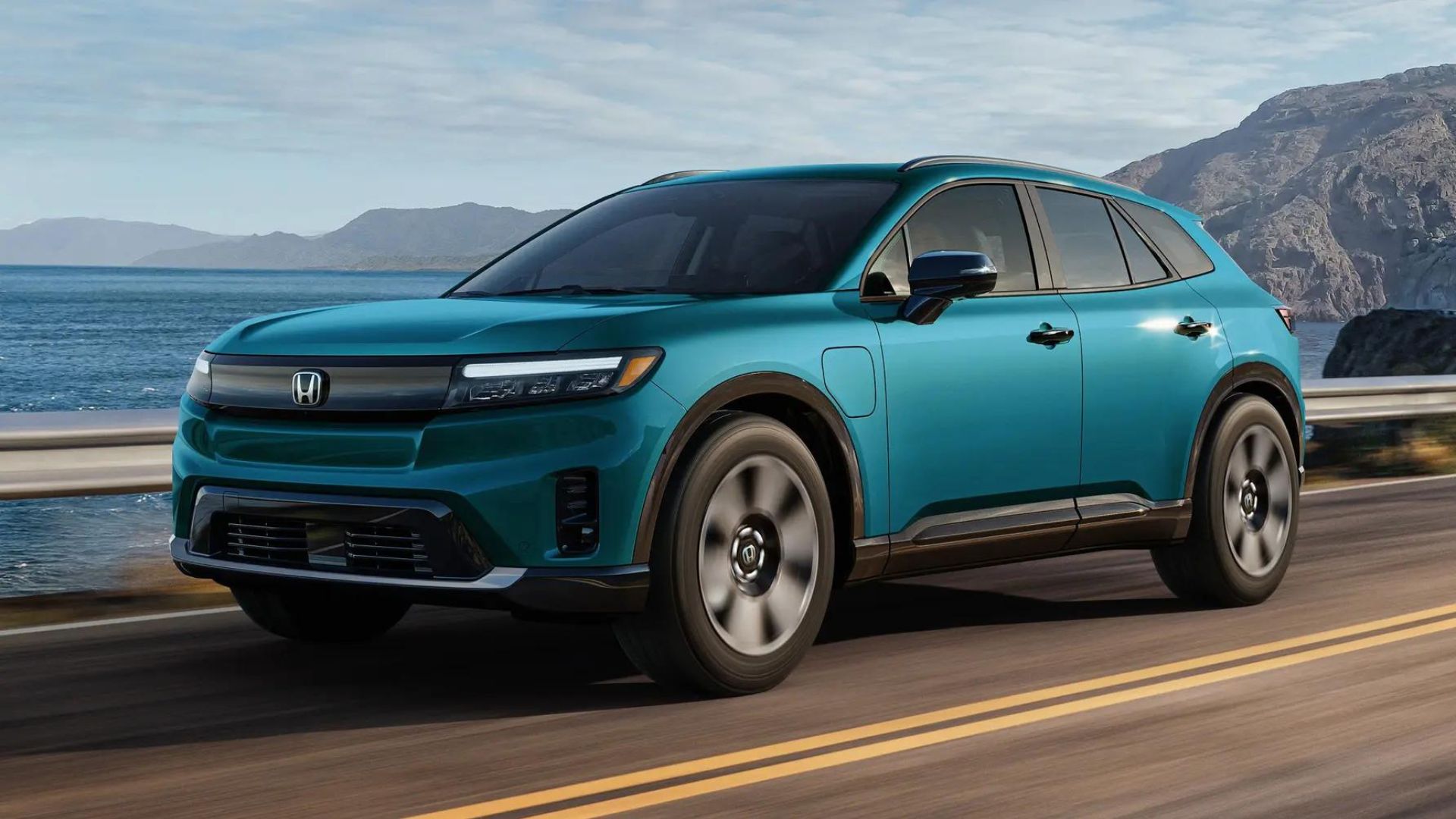
5. Honda Prologue
The Honda Prologue is Honda’s entry into the fully electric SUV segment, and in 2026 it represents a major shift in the brand’s engineering direction. Unlike traditional Honda SUVs that rely on long-established internal combustion engines, the Prologue is built on an electric vehicle platform developed in collaboration with General Motors.
This means its reliability profile is evaluated differently compared to the rest of the Honda SUV lineup, as electric vehicles generally have fewer moving mechanical parts but rely heavily on software and battery systems.
In early reliability expectations, the Prologue is considered a developing model in terms of long-term dependability. Since it is still relatively new in Honda’s global lineup, there is limited long-term ownership data available.
However, based on platform sharing with established electric architectures, initial reliability projections place it in a moderate reliability range, especially in its first production cycles. Early ownership trends for similar EV platforms suggest that mechanical reliability is typically strong, but electronic and software related issues may appear during the initial years of rollout.
One of the strongest advantages of the Prologue is its simplified drivetrain. Electric motors are generally more durable than combustion engines because they contain fewer wearable components such as pistons, timing chains, and traditional transmissions.
This can potentially lead to lower long-term maintenance requirements, assuming the battery system remains stable over time. This simplicity is a key reason many analysts expect EV SUVs like the Prologue to improve in reliability rankings after their early adoption phase.
However, the most critical factor influencing the Prologue’s reliability in 2026 is its battery system and software integration. Battery degradation, charging efficiency, and thermal management systems are all essential components that determine long-term durability.
Additionally, infotainment software and driver assistance systems in early EV models are often updated frequently, which can temporarily affect perceived reliability due to bugs or system recalibrations.
The Honda Prologue in 2026 sits in a mid-tier reliability position within the Honda SUV lineup. It shows strong potential for long-term durability due to its electric architecture, but its actual reliability score remains cautious until more real-world data becomes available. It is best suited for early EV adopters who value innovation and efficiency while accepting some uncertainty in long-term reliability history.
Also Read: 8 Car Mods That Actually Raise Resale Value
- Engine: 2.0L hybrid / 1.5L turbo (market dependent)
- Horsepower: 180–184 hp (hybrid system combined)
- Torque: ~315 Nm (hybrid system combined)
- Length: 4,568 mm
- Width: 1,840 mm
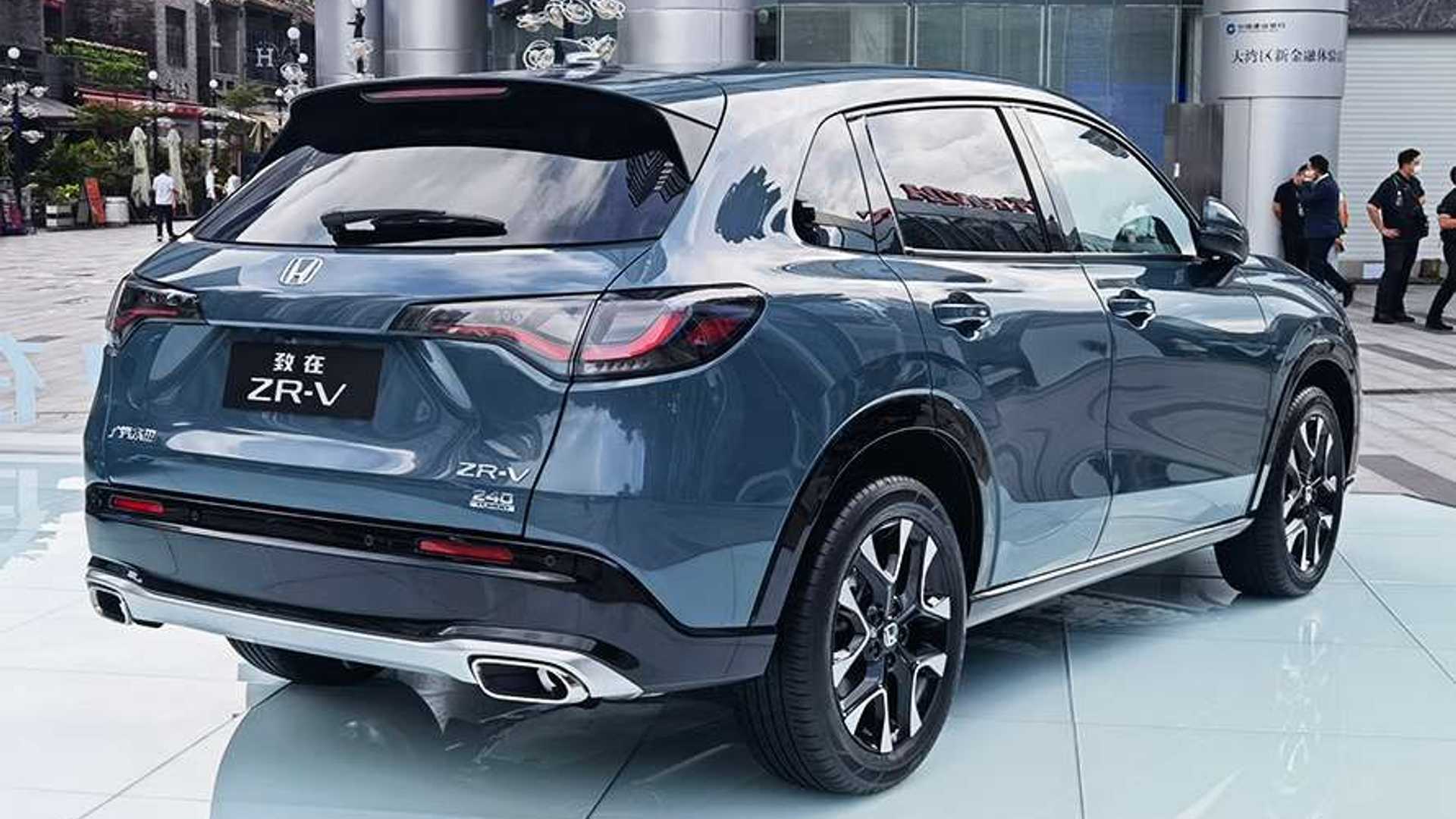
6. Honda ZR-V
The Honda ZR-V is a compact crossover positioned between the HR-V and CR-V in Honda’s global SUV lineup. In some markets it is closely related to hybrid and sport-oriented versions of Honda’s compact platforms, offering a balance of efficiency, driving comfort, and modern design. In 2026, the ZR-V is gaining attention for its refined engineering and improving reliability reputation as it becomes more established in global markets.
Reliability assessments for the ZR-V indicate a generally positive outlook, especially for newer production years where manufacturing quality has stabilized.
Since it is built on a relatively mature platform shared with other Honda compact vehicles, it benefits from proven mechanical components and well-tested hybrid systems in certain variants. This platform sharing typically enhances reliability because many potential design flaws are already addressed in earlier models.
One of the key strengths of the ZR-V is its hybrid powertrain options, which are engineered for efficiency and long-term durability.
Honda’s hybrid systems have historically shown strong reliability when properly maintained, with electric motor assistance reducing strain on the internal combustion engine. This results in smoother operation and potentially longer engine life compared to traditional gasoline-only SUVs in similar categories.
However, the ZR-V is still relatively new compared to long-standing models like the CR-V and HR-V, which means its long-term reliability reputation is still developing.
Early ownership reports suggest generally solid performance, but as with most newer models, minor issues related to infotainment systems, electronic sensors, or early production software calibration may occur. These issues are typically not severe but can influence early reliability scoring.
In 2026, the Honda ZR-V is positioned as a strong mid-range reliability SUV with promising long-term potential. It is not yet as proven as the HR-V or CR-V, but it offers a modern design, efficient hybrid technology, and improving dependability. It is best suited for buyers who want a balance between innovation, fuel efficiency, and expected long-term reliability without stepping into fully new or untested EV territory.
