
Learning to drive has always focused on the basics. Students are taught how to steer, brake, park, obey traffic laws, and safely interact with other road users.
Those lessons remain essential, but today’s vehicles are dramatically different from the cars that many driver education programs were originally designed around.
Modern automobiles contain advanced electronics, sophisticated safety systems, powerful onboard computers, and technologies that would have seemed futuristic only a couple of decades ago.
As vehicles have evolved, the gap between what drivers learn in traditional driving courses and what they encounter in real life has grown larger.
Many people earn their licenses without fully understanding how adaptive cruise control works, what blind spot monitoring can and cannot detect, or why modern turbocharged engines require different driving habits than older naturally aspirated powerplants.
Some drivers assume technology can compensate for every mistake, while others disable useful features because they do not understand their purpose.
Modern cars are designed to make driving safer, more efficient, and more comfortable. However, these benefits can only be fully realized when drivers understand how the systems function. Misusing advanced technology can reduce safety rather than improve it.
At the same time, knowing how these systems operate allows owners to get better fuel economy, extend vehicle life, and avoid costly repairs.
Another important reality is that vehicles now generate enormous amounts of data. Computers constantly monitor engine performance, braking systems, steering inputs, and safety equipment. Understanding even a small portion of this technology can help drivers become more informed and confident behind the wheel.
The following lessons are rarely discussed in traditional driver’s education classes, yet they are highly relevant to anyone driving a modern vehicle today. These insights go beyond basic driving skills and focus on the practical realities of living with today’s increasingly sophisticated automobiles.
Also Read: 10 Most Popular Car Colors That Are No Longer Available
1. Driver Assistance Systems Are Not Self-Driving Technology
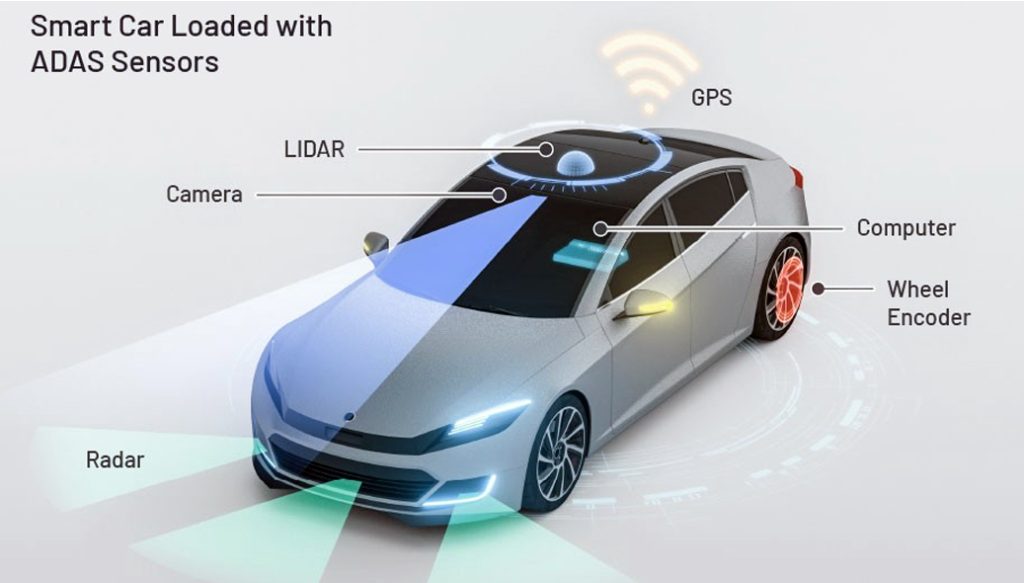
One of the biggest misconceptions among modern drivers involves advanced driver assistance systems. Features such as adaptive cruise control, lane keeping assist, automatic emergency braking, and traffic jam assist have become common in new vehicles.
Because these technologies can perform certain driving tasks, many people assume their car is capable of driving itself.
That assumption can be dangerous. Driver’s education courses traditionally teach vehicle control and road awareness, but they rarely spend much time explaining the limitations of modern assistance technologies.
Manufacturers often market these features heavily because they improve convenience and safety. Yet every major automaker continues to emphasize that the driver remains responsible for monitoring the road at all times.
Adaptive cruise control, for example, can automatically maintain a distance from vehicles ahead. Lane-centring systems can help keep a car positioned within lane markings. Automatic emergency braking can reduce collision severity or even prevent some crashes. While impressive, these systems are not perfect.
Cameras can become obstructed by dirt, snow, fog, or heavy rain. Sensors may misinterpret road conditions or fail to recognize unusual hazards.
Many drivers discover these limitations only after experiencing unexpected system behavior. A lane assist feature may temporarily disengage when markings disappear. Adaptive cruise control may struggle in severe weather. Automatic braking systems might not react to every obstacle in every circumstance.
The safest approach is to treat these technologies as assistants rather than replacements. They provide an extra layer of support but should never substitute for attention, judgment, and active vehicle control.
Another factor rarely discussed in driver education is driver complacency. Research has shown that people sometimes become less attentive when they believe technology is handling critical tasks. This can increase reaction times during emergencies.
Modern safety systems have undoubtedly prevented countless accidents, but their effectiveness depends heavily on informed use. Understanding both their capabilities and limitations is essential for safe driving.
2. Turbocharged Engines Behave Differently Than Older Engines
For decades, naturally aspirated engines dominated the automotive industry. Many driving habits taught in traditional driver’s education were developed during that era. Today, however, turbocharging has become widespread as manufacturers pursue improved fuel economy and stronger performance from smaller engines.
A turbocharger uses exhaust gases to spin a turbine that forces additional air into the engine. This allows a relatively small engine to produce power that once required a much larger displacement. While the concept sounds straightforward, it changes how a vehicle responds to driver inputs.
One aspect many drivers never learn is the importance of torque delivery. Turbocharged engines often generate substantial low-end torque, meaning strong acceleration can occur with relatively little throttle input. Drivers accustomed to older engines may initially underestimate how quickly a modern turbocharged vehicle can gain speed.
Heat management is another important consideration. Turbochargers operate at extremely high temperatures. Although modern engineering has greatly improved durability, allowing the engine to reach proper operating temperature before demanding maximum performance remains a sensible practice. Consistent maintenance also becomes particularly important.
Fuel quality can matter more as well. Many turbocharged engines are designed to perform optimally using specific fuel grades. While some vehicles can operate on lower octane fuel, performance and efficiency may be reduced.
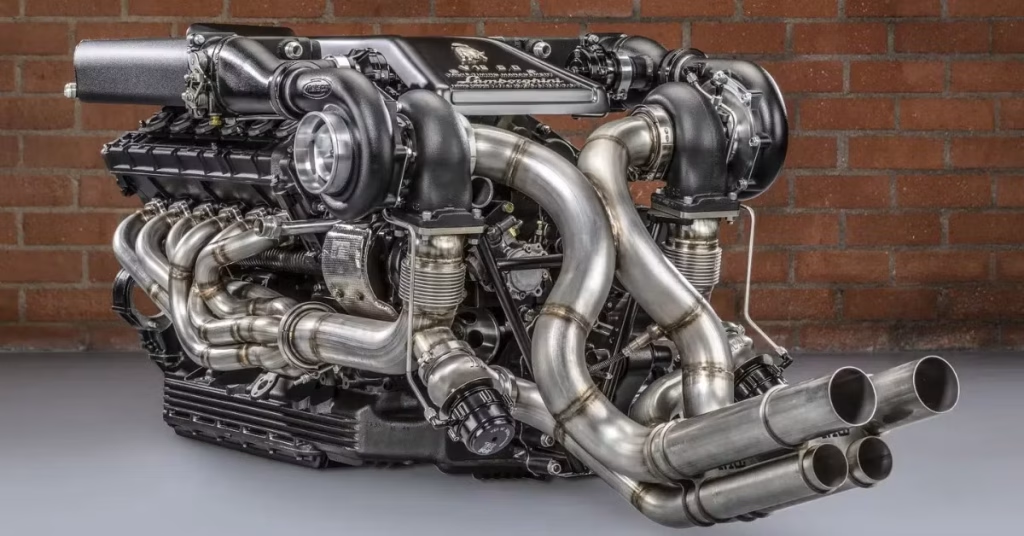
Modern engine management systems help protect components, but understanding how turbocharged engines work enables drivers to operate them more effectively. Smooth throttle application, proper maintenance intervals, and awareness of operating conditions can all contribute to long-term reliability.
Another lesson rarely covered in beginner driving courses is that smaller turbocharged engines often achieve their best efficiency when driven smoothly rather than aggressively. Rapid acceleration frequently triggers higher fuel consumption despite the engine’s compact size.
The widespread adoption of turbocharging represents one of the most significant changes in modern vehicle design. Drivers who understand these differences are better equipped to maximize both performance and efficiency while reducing unnecessary wear.
3. Blind Spot Monitoring Cannot See Everything
Ask most drivers whether blind spot monitoring makes lane changes safer, and the answer will almost certainly be yes. The technology has become one of the most appreciated safety features in modern automobiles.
Small warning lights illuminate in side mirrors when another vehicle occupies a difficult-to-see area, helping drivers avoid dangerous lane-change mistakes. What driver’s education rarely explains, however, is that blind spot monitoring is not a perfect substitute for visual checks and proper mirror use.
Many new drivers assume that if the warning light is off, the lane beside them must be completely clear. In reality, the system only monitors specific zones around the vehicle. Different manufacturers use different sensor placements, detection ranges, and operating parameters.
A motorcycle approaching at high speed, a vehicle entering the monitored area suddenly, or unusual traffic situations may not always be interpreted exactly as drivers expect.
Weather conditions can also influence performance. Heavy rain, snow accumulation, mud, or dirt covering sensors may reduce effectiveness. In some vehicles, warning messages appear when sensors become obstructed, but many drivers overlook these notifications or fail to understand their significance.
There is also the issue of overreliance. Before blind spot monitoring existed, drivers were trained to check mirrors, scan traffic patterns, and perform shoulder checks before moving laterally. Those habits remain essential today. The monitoring system should serve as a backup layer of protection rather than the primary decision-making tool.
Another fact that surprises many owners is that blind spot systems can sometimes detect objects that do not present an immediate hazard.
Guardrails, roadside barriers, or vehicles in adjacent lanes following unusual trajectories may occasionally trigger warnings. Understanding that the technology provides assistance rather than certainty helps drivers react appropriately.
Modern safety systems work best when paired with attentive driving. The most effective strategy combines mirror awareness, shoulder checks, traffic anticipation, and electronic monitoring. When all these elements work together, lane changes become significantly safer than relying on any single method.
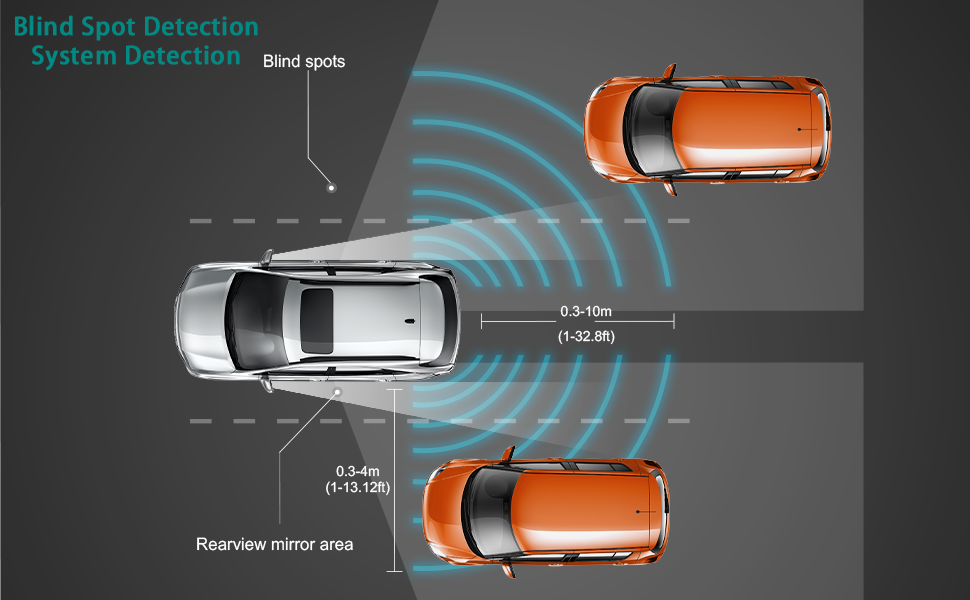
Blind spot monitoring has undoubtedly prevented countless accidents since its introduction. Yet its true value emerges when drivers recognize both its strengths and its limitations. The technology is a highly capable assistant, but responsibility for safe lane changes still belongs to the person behind the wheel.
4. Modern Automatic Transmissions Need Different Driving Habits
Older automatic transmissions were relatively simple machines. They typically had three or four gears, shifted at predictable points, and responded directly to throttle input. Modern automatics are vastly more sophisticated.
Many now feature eight, nine, or even ten forward gears, advanced computer controls, adaptive learning functions, and continuously variable operating strategies.
Most driver’s education programs still treat automatic transmissions as though they all behave the same way. In practice, modern systems require a different understanding.
One characteristic that surprises many drivers is how frequently newer transmissions shift gears. To maximize efficiency, the transmission control unit constantly seeks the most economical gear ratio.
This means the vehicle may reach higher gears much sooner than drivers expect. Someone accustomed to older cars might mistakenly assume the transmission is malfunctioning when it is actually operating as designed.
Adaptive learning technology introduces another layer of complexity. Many modern transmissions adjust their behavior according to driving style.
A driver who frequently accelerates aggressively may notice later shift points and more responsive performance. A person who drives gently may experience smoother, efficiency-focused behavior. The vehicle effectively learns patterns over time.
Driver’s education also rarely discusses the importance of allowing transmissions to manage themselves. Constantly overriding shifts, rapidly switching between drive modes, or forcing unnecessary gear changes can reduce the benefits built into the system.
Manufacturers spend thousands of engineering hours calibrating transmission behavior for optimal performance and efficiency.
Heat remains an important factor as well. Transmission fluid plays a crucial role in lubrication, cooling, and hydraulic operation. While modern units are durable, towing heavy loads, climbing long grades, or operating in extreme temperatures places additional stress on components.
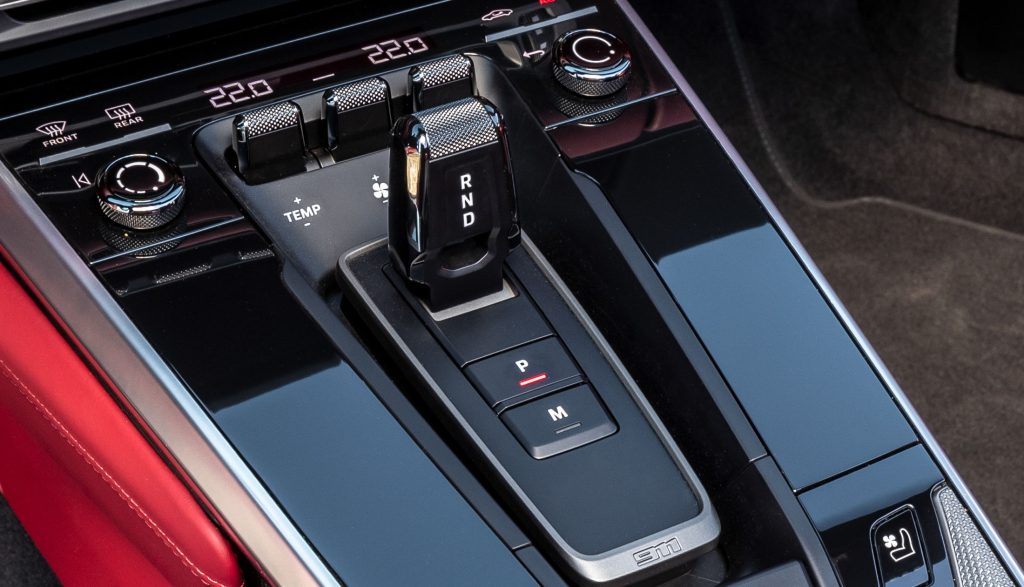
Many newer vehicles include manual shift modes, paddle shifters, or sport settings. These features can enhance engagement, but they do not transform the transmission into a racecar gearbox. Understanding their intended purpose helps drivers use them appropriately.
The modern automatic transmission is one of the most technologically advanced components in today’s vehicles. Learning how it operates allows drivers to enjoy smoother performance, improved fuel economy, and potentially longer component life. These practical lessons rarely appear in traditional driver’s education classes, yet they affect every mile driven.
5. Your Car Is Constantly Collecting Data About How It Operates
One of the biggest differences between modern vehicles and the cars driven by previous generations is the sheer amount of information being processed every second.
Most driver’s education programs focus on traffic laws, road signs, and safe driving techniques, yet they rarely mention that today’s automobiles function more like rolling computers than purely mechanical machines.
Hidden beneath the bodywork are dozens of sensors and electronic control modules that continuously monitor virtually every aspect of vehicle operation.
The average modern vehicle tracks engine temperature, fuel delivery, air intake, transmission behavior, wheel speed, steering angle, braking force, battery condition, and countless other variables.
This information allows systems throughout the vehicle to communicate and react instantly to changing conditions. When a driver presses the accelerator, multiple computers analyze data and determine the most efficient response within fractions of a second.
Many drivers only become aware of this technology when a warning light appears on the dashboard. In reality, the vehicle has likely been monitoring that issue long before the warning became visible.
Diagnostic systems are designed to identify abnormalities early, helping prevent more serious mechanical failures. This is one reason modern vehicles can often achieve impressive reliability despite their increasing complexity.
Another aspect that surprises many owners is the role data plays in maintenance. Service technicians no longer rely solely on visual inspections and mechanical testing. Specialized diagnostic equipment can communicate directly with vehicle computers, providing detailed information about performance history, stored fault codes, and system behavior.
Some vehicles also record driving-related information that helps improve safety systems. Features such as adaptive cruise control, collision avoidance technology, and stability control rely heavily on constant data collection. Without accurate information, these systems could not function effectively.
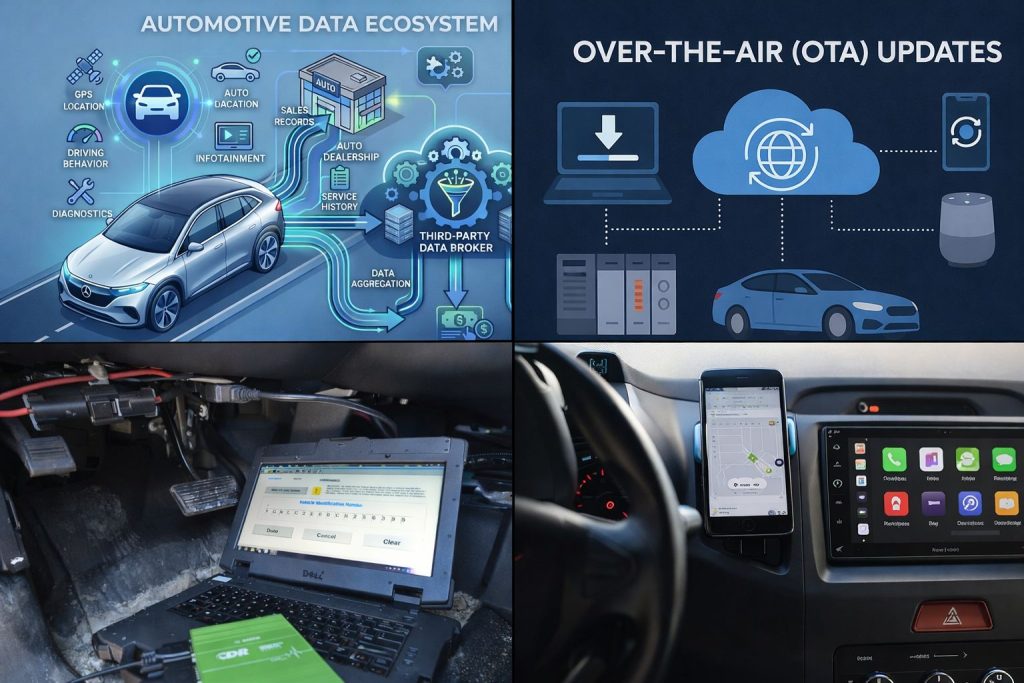
Understanding this reality changes how drivers should think about vehicle care. Ignoring warning lights, postponing software updates, or neglecting routine maintenance can affect systems that depend on accurate data and proper calibration. Small issues can sometimes influence multiple components because modern vehicles are so interconnected.
Driver’s education rarely discusses the digital side of automobile ownership, yet it has become one of the most important aspects of modern driving.
Knowing that your vehicle is continuously monitoring itself helps explain why preventative maintenance, prompt repairs, and attention to dashboard alerts matter more than ever. The car is constantly communicating information. The key is learning how to listen.
6. Tire Technology Has Become Just as Important as Engine Technology
Ask a new driver what determines how a vehicle handles, brakes, and accelerates, and many will immediately point to the engine. While engine performance remains important, modern automotive engineering has revealed a truth that driver’s education often overlooks: tires have an enormous influence on nearly every aspect of vehicle behavior.
The only part of a car that actually touches the road is its four tires. Everything from acceleration and braking to steering response and emergency maneuvering depends on the small contact patches connecting the vehicle to the pavement. Despite this critical role, tire education usually receives very little attention during basic driver training.
Modern tires are far more advanced than many people realize. Manufacturers develop specialized compounds, tread designs, and internal structures tailored for specific driving conditions. Summer tires prioritize grip in warm weather.
All-season tires attempt to balance performance across multiple conditions. Winter tires are engineered to maintain flexibility and traction in cold temperatures. Each design serves a different purpose.
Many drivers assume that all tires perform similarly as long as they fit the vehicle. The difference can actually be dramatic.
A car equipped with high-quality tires may stop significantly shorter during emergency braking than the same vehicle fitted with lower-performing alternatives. This can be the difference between avoiding a collision and becoming involved in one.
Tire pressure is another topic frequently underestimated. Modern vehicles are equipped with tire pressure monitoring systems, but many owners still ignore warnings or fail to check pressures regularly.
Underinflated tires can increase fuel consumption, accelerate wear, reduce handling precision, and generate excess heat. Overinflated tires may compromise ride quality and traction.
Even tire age matters. Rubber gradually degrades over time regardless of tread depth. A tire that appears visually acceptable may no longer provide optimal performance if it has aged significantly.
Today’s advanced safety systems also depend heavily on tire condition. Antilock braking, traction control, stability control, and driver assistance technologies all assume the tires are capable of delivering expected levels of grip. If the tires cannot provide that grip, system effectiveness may be reduced.
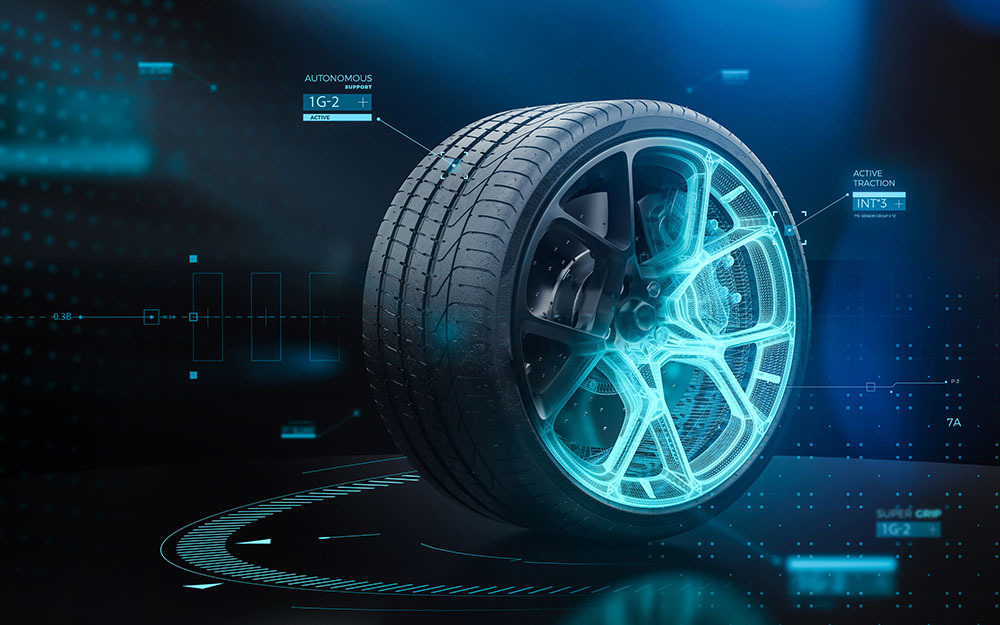
Driver’s education often teaches how to operate a vehicle, but not enough about the components that determine how safely it responds.
Understanding tire technology allows drivers to make better purchasing decisions, maintain safer vehicles, and gain a deeper appreciation for the engineering that keeps modern automobiles connected to the road.
7. Software Updates Can Change How Your Vehicle Drives
For most of automotive history, a car’s characteristics were largely fixed the moment it left the factory. If a vehicle produced a certain amount of horsepower, shifted in a specific manner, or operated with particular fuel economy figures, those traits generally remained unchanged throughout its life.
Modern automobiles have altered that reality completely. One of the most surprising things many drivers never learn in driver’s education is that software updates can significantly affect how a vehicle performs long after it has been purchased.
Today’s vehicles contain dozens of electronic control units responsible for managing everything from engine behavior and transmission operation to safety features and infotainment systems.
These computers rely on software just as smartphones and laptops do. As a result, manufacturers can improve, modify, or correct vehicle behavior through updates rather than mechanical changes.
Some updates address reliability concerns. Engineers may discover ways to improve component longevity by adjusting operating parameters. In other cases, updates refine transmission shift patterns, improve fuel efficiency calculations, enhance battery management systems, or optimize safety technologies.
Drivers may notice smoother acceleration, more responsive controls, or improved system performance after an update is installed.
Electric vehicles have accelerated this trend dramatically. Many manufacturers can deliver over-the-air updates directly to the vehicle without requiring a dealership visit. Features can be added, modified, or improved while the car sits in the owner’s driveway. This concept would have seemed extraordinary only a few decades ago.
Another aspect that surprises many people is the importance of cybersecurity. Modern vehicles communicate with networks, mobile applications, and external systems. Software updates often include security enhancements designed to protect those connections. Ignoring update notifications may leave systems operating with outdated protections.
Driver’s education courses rarely discuss software because traditional driving instruction evolved long before digital technology became central to vehicle design. Yet understanding updates has become part of responsible vehicle ownership.
Just as routine maintenance protects mechanical components, software maintenance helps ensure electronic systems operate properly.
There are also situations where updates improve the performance of advanced driver assistance systems. Camera recognition, sensor processing, and emergency intervention technologies can sometimes be refined through software revisions. These improvements may increase accuracy and reduce false alerts.
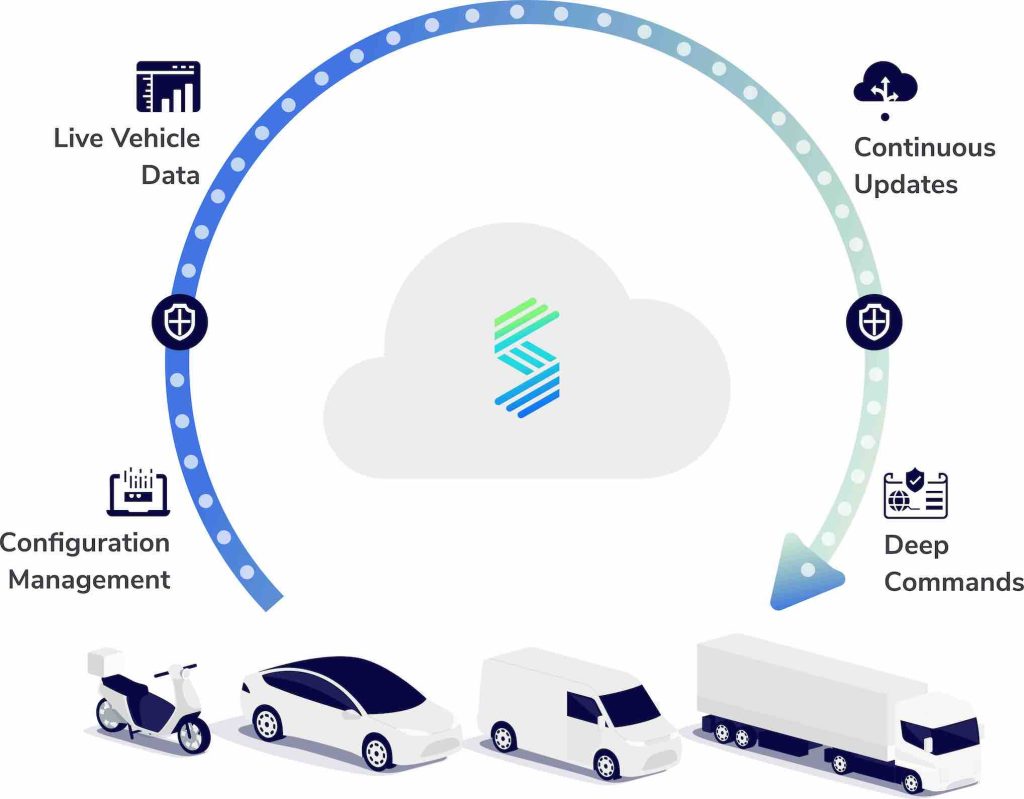
Modern automobiles continue to evolve even after they are sold. This represents one of the most significant shifts in automotive history. Drivers who recognize the importance of software updates are better prepared to maintain reliability, safety, and efficiency throughout the life of their vehicles.
The days when a car remained the same year after year are rapidly disappearing. Software has become an essential part of the driving experience, and understanding its role is increasingly important for every modern motorist.
8. Regenerative Braking Changes the Way Modern Vehicles Slow Down
Most people learn to drive with a simple understanding of braking. Press the brake pedal, friction materials clamp onto rotors, and the vehicle slows down.
While that remains true for many vehicles, the rise of hybrid and electric powertrains has introduced a concept that traditional driver’s education programs rarely cover in detail: regenerative braking.
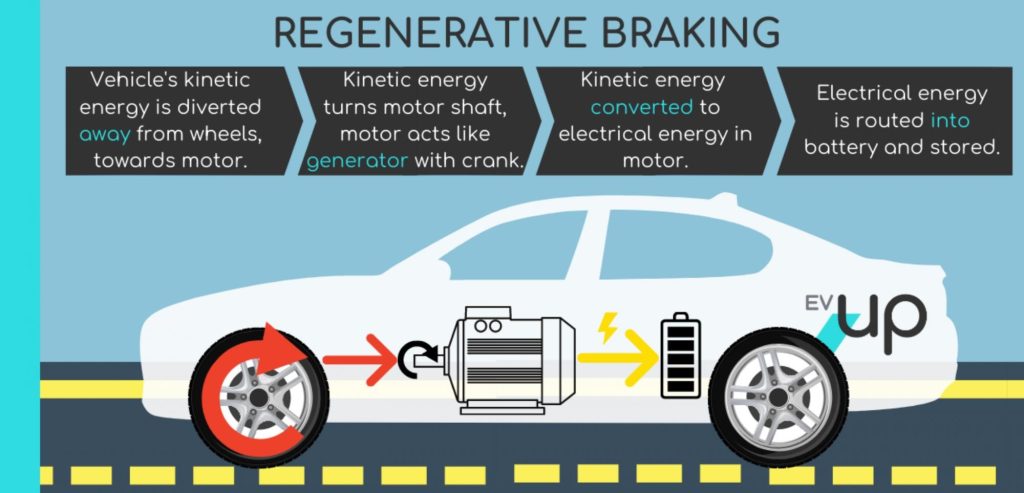
Regenerative braking fundamentally changes how a vehicle manages deceleration. Instead of relying entirely on friction brakes, electric motors can function as generators when the driver lifts off the accelerator or applies the brake pedal.
During this process, kinetic energy that would normally be lost as heat is converted into electricity and stored in the battery. The result is a driving experience that feels noticeably different from that of conventional vehicles.
Many first-time hybrid and electric vehicle owners are surprised by how strongly some models slow down when they release the accelerator. In certain vehicles, this effect is substantial enough to allow what is commonly called one-pedal driving.
The driver can accelerate and decelerate primarily using the accelerator pedal, with the conventional brake pedal needed only for stronger stopping situations.
This technology offers several advantages. Energy that would otherwise be wasted is recovered and reused, helping improve efficiency and driving range. Brake components may also experience less wear because regenerative systems handle a significant portion of routine deceleration.
However, regenerative braking requires a period of adaptation. Drivers accustomed to traditional vehicles may initially find the response unusual. Smooth operation often involves learning how much deceleration occurs when lifting off the accelerator and adjusting driving habits accordingly.
Weather conditions can influence regenerative braking performance as well. Battery temperature, state of charge, and traction conditions may affect how aggressively the system operates. Modern vehicle computers manage these variables automatically, but understanding their influence helps drivers interpret changes in vehicle behavior.
An additional benefit involves driving comfort. Experienced electric vehicle drivers often become skilled at anticipating traffic flow and using regenerative braking smoothly. This can create a more relaxed driving experience while maximizing efficiency.
The technology also demonstrates how rapidly automobiles are evolving. Driver’s education has historically focused on mechanical braking systems because they dominated transportation for more than a century.
As electrification becomes increasingly common, regenerative braking is becoming a fundamental part of vehicle operation.
Understanding how this system works helps drivers transition more comfortably into modern vehicles and gain the full benefits of the technology. It is one of the clearest examples of how today’s automobiles differ from the cars many driving manuals were originally written to describe.
