
Vintage Yamaha motorcycles occupy a special place in motorcycling history. While many manufacturers have produced iconic machines over the decades, Yamaha developed a reputation for blending performance, reliability, innovation, and affordability in ways that appealed to both everyday riders and serious enthusiasts.
From lightweight two-stroke screamers to groundbreaking four-stroke sport bikes, Yamaha consistently introduced motorcycles that pushed the industry forward while remaining accessible to a wide range of riders.
Today, collectors and enthusiasts continue searching for classic Yamaha models because they represent important milestones in motorcycle development and often deliver an engaging riding experience that remains enjoyable even decades after their introduction.
The term “vintage Yamaha” covers an incredibly diverse range of motorcycles. Some were designed for commuting and practicality, while others were built specifically for racing, homologation, or high-performance street riding. Certain models became famous because of their technological breakthroughs, whereas others earned loyal followings through durability and simplicity.
As a result, ranking vintage Yamaha motorcycles is never easy. Every rider values different qualities, including speed, handling, styling, rarity, collectability, and historical significance. A motorcycle that one enthusiast considers legendary might be viewed by another as merely a stepping stone toward something greater.
For this ranking, several factors have been considered. Historical importance, influence on the motorcycle industry, performance relative to competitors of the era, collectability, reliability, and long-term reputation all play a role.
This list focuses on motorcycles that left a lasting impact on Yamaha’s legacy and continue to attract attention among vintage bike enthusiasts. Lower-ranked motorcycles are still excellent machines in their own right, but the models near the top achieved a level of significance that helped define not only Yamaha’s identity but also the broader motorcycle market.
Whether you are a collector searching for your next project, a rider interested in classic motorcycles, or simply a fan of Yamaha’s rich history, these machines showcase the company’s evolution from a growing manufacturer into one of the most influential names in motorcycling.
From beloved two-stroke twins to revolutionary superbikes, these are nine vintage Yamaha motorcycles ranked from worst to best.
Also Read: 8 Family Cars With Secret Performance Versions
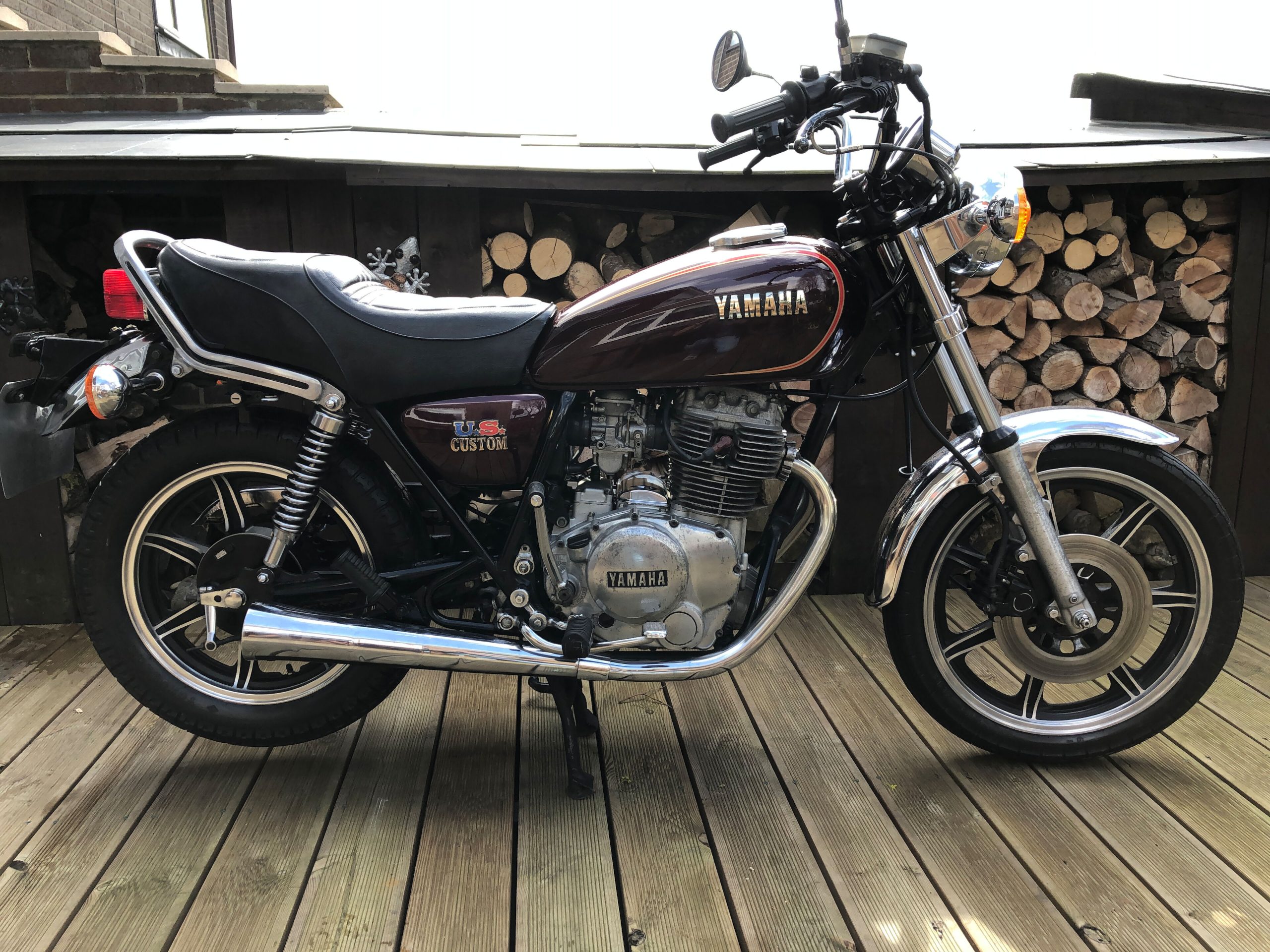
- Engine: 392 cc air-cooled parallel twin, 4-stroke
- Horsepower: Approximately 36 hp
- Torque: Approximately 31 Nm
- Length: Approximately 2,090 mm
- Width: Approximately 835 mm
9. Yamaha XS400
The Yamaha XS400 was introduced during a period when motorcycle manufacturers were battling intensely for dominance in the small and middleweight segments. Yamaha understood that not every rider wanted a large displacement machine, and the XS400 was developed to offer a practical, economical, and dependable alternative.
It quickly found favor among commuters, students, and first-time motorcycle owners who appreciated its approachable nature. While it never generated the excitement associated with Yamaha’s high-performance models, it quietly became one of the company’s most successful everyday motorcycles.
Power came from a parallel twin engine that balanced efficiency and usability. The engine produced enough performance for highway travel while remaining friendly for newer riders.
Unlike larger motorcycles that could feel intimidating, the XS400 encouraged confidence through predictable power delivery and smooth operation. Riders appreciated its ability to handle daily transportation duties without unnecessary complexity or high operating costs.
Reliability became one of the defining traits of the XS400. Many owners reported years of trouble-free riding with only routine maintenance. The motorcycle’s durable engineering helped strengthen Yamaha’s reputation for building machines that could withstand regular use.
During an era when reliability was becoming increasingly important to consumers, the XS400 proved that practicality could be just as valuable as outright performance.
In today’s collector market, the XS400 remains one of the more affordable vintage Yamaha models. While it may not command the premium prices associated with legendary performance machines, its accessibility makes it attractive to newcomers interested in classic motorcycles. Restoration projects are generally manageable thanks to the bike’s mechanical simplicity.
Another reason for the model’s continued appeal is the availability of aftermarket support and owner communities. Enthusiasts frequently share restoration advice, maintenance tips, and customization ideas, helping preserve these motorcycles for future generations.
Although it ranks at the bottom of this list, that placement should not be interpreted as a criticism of the XS400. Rather, it reflects the extraordinary quality and historical significance of the motorcycles ranked above it. The XS400 fulfilled its mission exceptionally well and played a vital role in Yamaha’s expansion during a highly competitive era.
The Yamaha XS400 deserves recognition as one of the company’s most dependable and approachable vintage motorcycles. Its combination of practicality, reliability, and timeless simplicity continues to earn respect among riders and collectors alike.
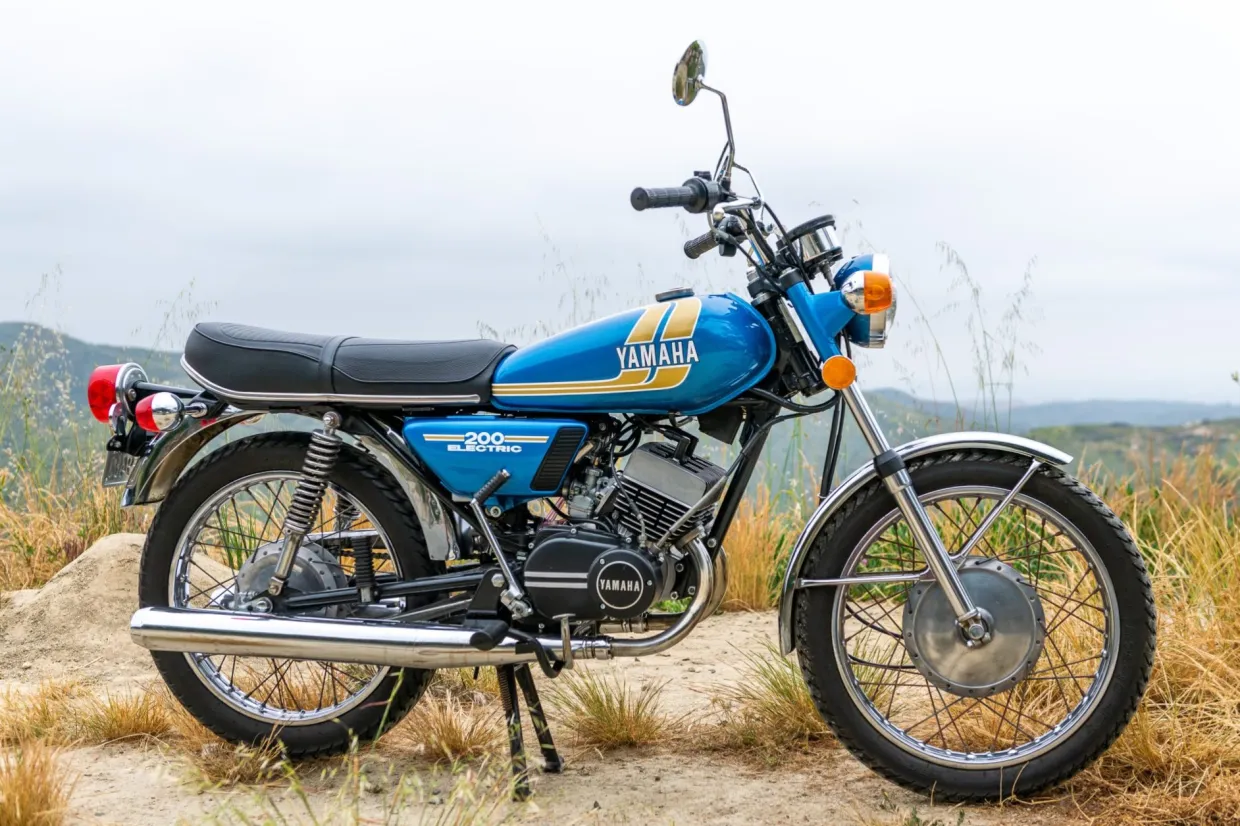
- Engine: 195 cc air-cooled parallel twin, 2-stroke
- Horsepower: Approximately 24 hp
- Torque: Approximately 20 Nm
- Length: Approximately 1,980 mm
- Width: Approximately 760 mm
8. Yamaha RD200
The Yamaha RD200 represented an important entry point into the world of performance-oriented two-stroke motorcycles. Introduced during the golden age of lightweight sports machines, it embodied many of the characteristics that would make the RD series famous.
Although overshadowed by its larger siblings, the RD200 delivered an engaging riding experience that appealed to enthusiasts seeking excitement without the cost or intimidation of a bigger motorcycle.
At the heart of the RD200 was a compact two-stroke twin engine known for its lively personality. The motorcycle responded eagerly to throttle inputs, providing brisk acceleration and a sense of urgency uncommon in many small-displacement motorcycles of the era. Riders often found themselves surprised by how energetic the bike felt despite its modest specifications.
One of the RD200’s greatest strengths was its lightweight construction. Its low mass contributed to excellent agility and responsive handling. Whether riding through city streets or taking on a winding country road, the RD200 felt playful and eager. This nimble character allowed riders to get the most out of its performance without needing extreme speeds.
While larger RD models offered greater performance, the RD200’s smaller engine provided practical benefits. Fuel consumption was generally reasonable, maintenance costs were manageable, and insurance expenses were often lower than those associated with larger motorcycles. These factors made ownership more accessible to younger riders.
The RD200 also benefited from Yamaha’s growing reputation for engineering quality. Riders trusted the brand’s commitment to reliability and innovation, which helped the motorcycle gain acceptance in numerous markets. As Yamaha’s popularity expanded globally, models like the RD200 played a key role in attracting new customers.
Collectors today appreciate the RD200 for its purity and simplicity. Finding well-preserved examples can be challenging, as many were heavily used during their lifetimes. Surviving motorcycles often attract enthusiasts who value lightweight performance and vintage two-stroke character.
The motorcycle’s historical significance extends beyond sales figures. It helped establish Yamaha’s reputation in the lightweight sport segment and contributed to the broader success of the RD family. Without models like the RD200, Yamaha’s performance legacy might have developed differently.
Although it does not enjoy the same legendary status as the RD350 or RD400, the RD200 remains a charming and historically important motorcycle. Its combination of accessibility, agility, and two-stroke excitement ensures a lasting place in Yamaha’s heritage.
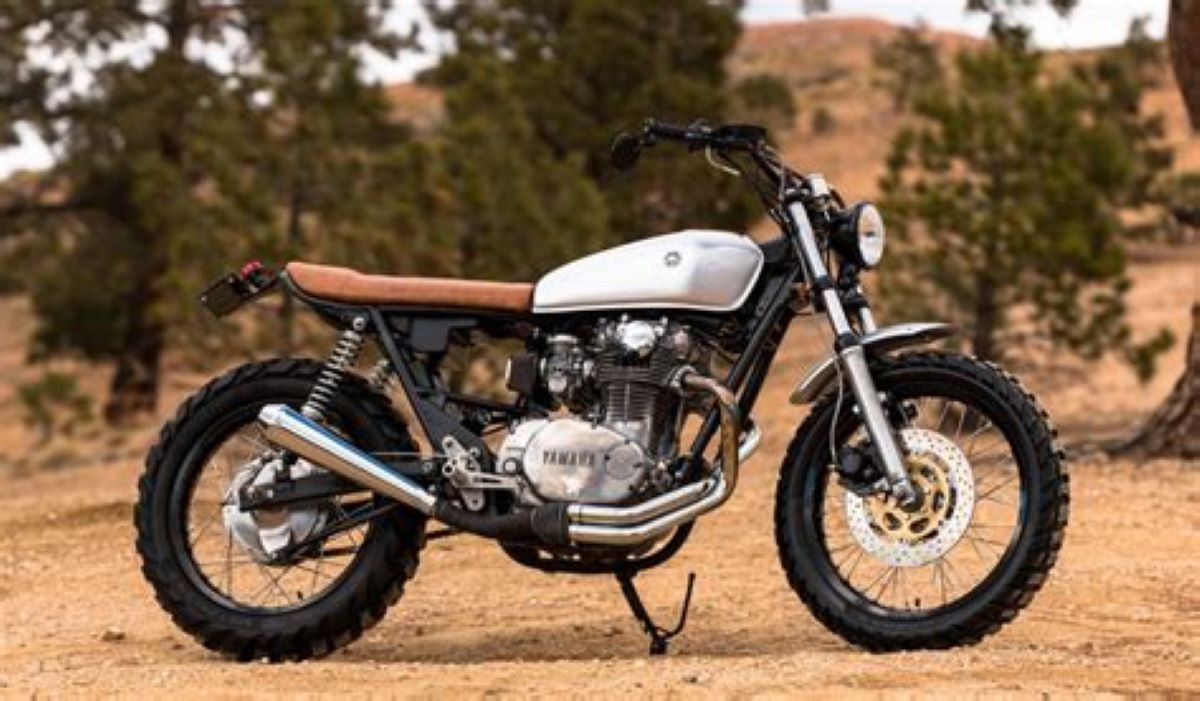
- Engine: 653 cc air-cooled parallel twin, 4-stroke
- Horsepower: Approximately 50 hp
- Torque: Approximately 52 Nm
- Length: Approximately 2,160 mm
- Width: Approximately 890 mm
7. Yamaha XS650
The Yamaha XS650 occupies a unique and respected position within motorcycle history. Introduced in an era dominated by British parallel twins, it offered riders a similar riding experience combined with the reliability and engineering precision associated with Japanese manufacturers.
The result was a motorcycle that successfully bridged two different worlds and earned a loyal following that remains strong decades later.
Its air-cooled parallel twin engine became the defining feature of the motorcycle. Producing strong low and mid-range torque, the engine delivered a satisfying and engaging riding experience. Riders appreciated the distinctive vibrations and character that gave the motorcycle a personality often lacking in more refined machines.
Perhaps no vintage Yamaha has had a greater influence on custom motorcycle culture. Builders around the world have transformed XS650s into café racers, bobbers, scramblers, trackers, and countless other custom creations. The bike’s adaptable platform makes it one of the most versatile foundations for personalization.
Performance was respectable for its era. While it was not the fastest motorcycle available, it offered enough power for spirited riding and long-distance touring. Riders valued its balanced nature and predictable behavior on a variety of roads.
The motorcycle also benefited from Yamaha’s commitment to quality manufacturing. Strong engineering and durable construction allowed many examples to survive for decades, often remaining operational with proper maintenance. This longevity has enhanced the model’s reputation among collectors.
Modern appreciation for the XS650 continues to grow as enthusiasts seek motorcycles that offer authentic mechanical experiences. In an age increasingly dominated by electronics and technology, the XS650 provides a direct connection between rider and machine.
For its blend of character, reliability, custom potential, and historical significance, the XS650 remains one of Yamaha’s most beloved vintage motorcycles. Its influence extends far beyond its original production years and continues to inspire riders worldwide.
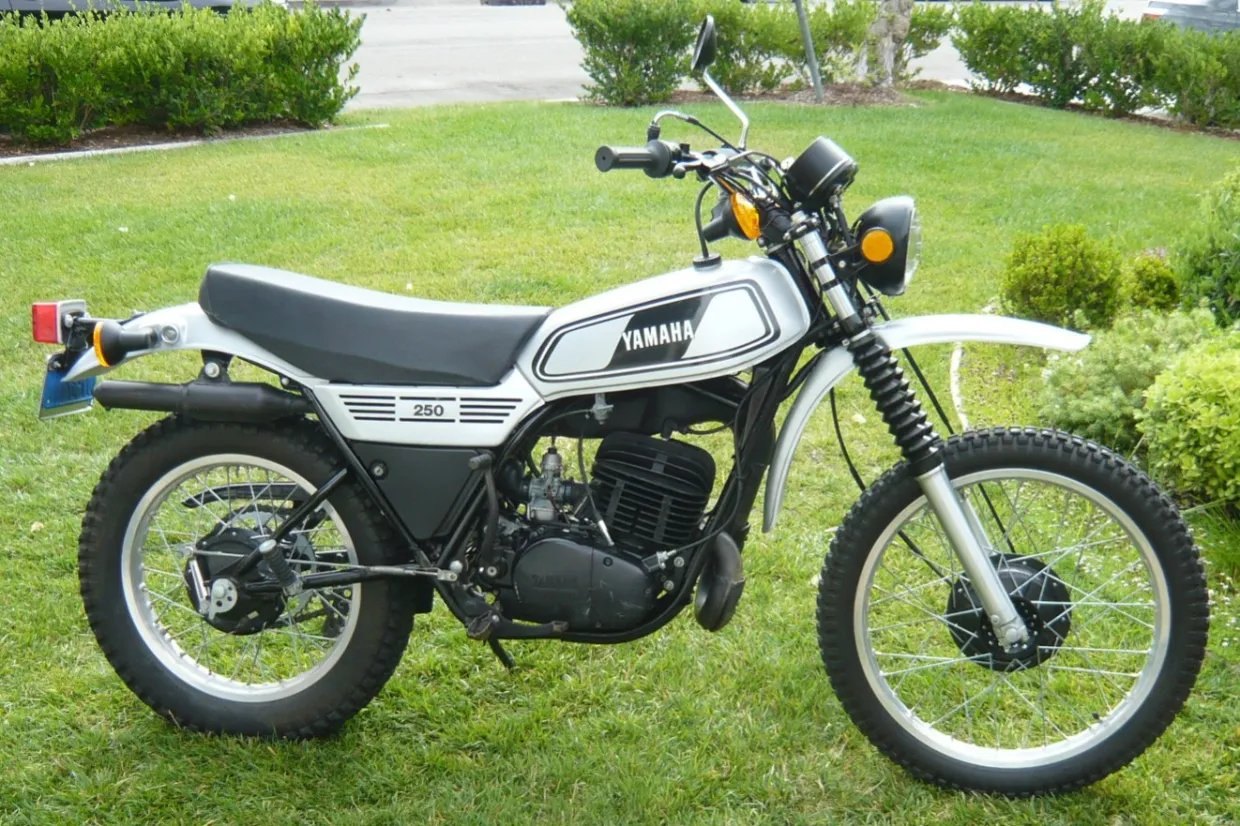
- Engine: 246 cc air-cooled single cylinder, 2-stroke
- Horsepower: Approximately 21 hp
- Torque: Approximately 27 Nm
- Length: Approximately 2,120 mm
- Width: Approximately 865 mm
6. Yamaha DT250
The Yamaha DT250 played a crucial role in establishing the dual sport motorcycle category. During a period when most motorcycles were designed primarily for either street or off-road use, the DT250 successfully combined both capabilities into a single package. This versatility appealed to adventurous riders who wanted the freedom to explore beyond paved roads.
Powered by a capable two-stroke engine, the DT250 delivered strong low-end response and lively acceleration. The engine’s characteristics suited off-road riding particularly well, allowing riders to tackle trails, dirt roads, and uneven terrain with confidence. At the same time, the motorcycle remained practical enough for everyday transportation.
As outdoor recreation gained popularity during the 1970s, the DT250 found itself perfectly positioned to meet changing consumer preferences. Riders increasingly sought machines capable of supporting exploration and adventure, and Yamaha delivered exactly that.
The DT250 also influenced future motorcycle development. Many modern dual sport and adventure motorcycles can trace elements of their design philosophy back to pioneering models like the DT250. Its success demonstrated that riders valued versatility and practicality alongside performance.
Collectors today appreciate the motorcycle not only for its historical importance but also for its usability. Unlike some vintage motorcycles that spend most of their lives on display, a well-maintained DT250 can still provide enjoyable riding experiences on both pavement and dirt.
Restoration projects are particularly rewarding because the bike’s simple engineering makes maintenance relatively straightforward. Enthusiasts often enjoy bringing neglected examples back to life and returning them to the environments for which they were originally intended.
The Yamaha DT250 remains one of the most influential dual-sport motorcycles ever produced. Its combination of reliability, versatility, and adventure-focused design helped shape an entire category that continues to thrive today.
Also Read: 9 Vehicles with Worst Blind Spots
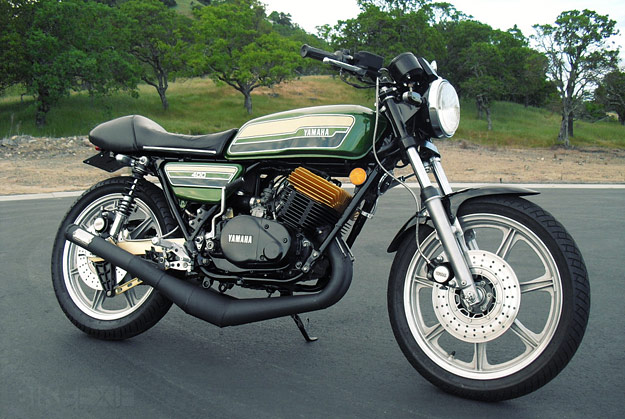
- Engine: 398 cc air-cooled parallel twin, 2-stroke
- Horsepower: Approximately 44 hp
- Torque: Approximately 39 Nm
- Length: Approximately 2,050 mm
- Width: Approximately 820 mm
5. Yamaha RD400
The Yamaha RD400 represented the ultimate evolution of Yamaha’s highly successful middleweight two-stroke road bikes. Building upon the foundation established by earlier RD models, it delivered improved performance, better refinement, and a more polished riding experience. For many enthusiasts, it remains one of the greatest street-legal two-stroke motorcycles ever produced.
The RD400 gained a reputation for delivering serious performance without becoming excessively demanding. Skilled riders could exploit its capabilities to impressive effect, yet the motorcycle remained approachable enough for enthusiasts transitioning from smaller machines. This balance broadened its appeal considerably.
Styling reflected the motorcycle’s sporting intentions. Aggressive lines, attractive paint schemes, and purposeful proportions helped distinguish the RD400 from more conventional motorcycles. Even today, well-preserved examples attract attention wherever they appear.
The motorcycle arrived during a period when performance motorcycles were becoming increasingly popular. Riders sought machines capable of delivering excitement without requiring superbike budgets, and the RD400 fulfilled that role exceptionally well.
Another factor contributing to its success was its strong connection to racing culture. Many enthusiasts viewed the RD400 as a street-legal machine with genuine competition-inspired DNA. This association enhanced its desirability and reinforced its performance credentials.
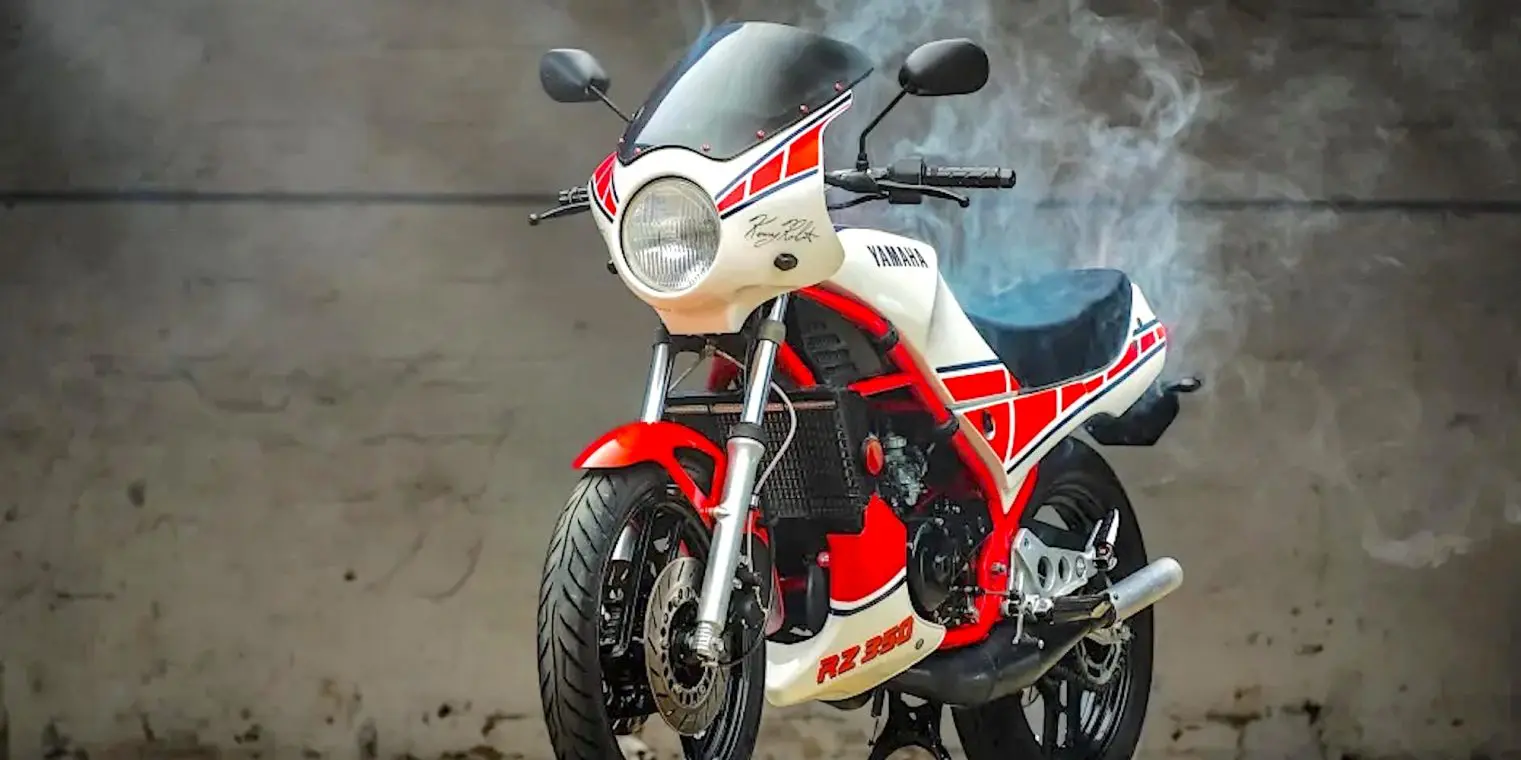
- Engine: 347 cc liquid-cooled parallel twin, 2-stroke
- Horsepower: Approximately 59 hp
- Torque: Approximately 39 Nm
- Length: Approximately 2,060 mm
- Width: Approximately 740 mm
4. Yamaha RZ350
The Yamaha RZ350 occupies a legendary position in motorcycle history and is widely regarded as one of the finest street-legal two-stroke motorcycles ever produced. Introduced during a period when emissions regulations were beginning to threaten the future of high-performance two-stroke motorcycles, the RZ350 represented Yamaha’s determination to continue delivering exciting motorcycles while adapting to changing market demands.
The result was a machine that combined raw performance with innovative engineering and established a devoted following that remains strong today.
The motorcycle’s lightweight design played a major role in its success. Reduced weight allowed the RZ350 to accelerate quickly, change direction effortlessly, and provide an engaging riding experience that many larger motorcycles struggled to match. Riders often described the bike as feeling agile and responsive, encouraging spirited riding whenever the road conditions allowed.
Handling was another area where the RZ350 excelled. Yamaha equipped the motorcycle with a capable chassis that complemented its powerful engine. The combination of strong acceleration, precise steering, and balanced suspension created a machine that inspired confidence through corners and rewarded skilled riders with exceptional performance.
As environmental regulations became increasingly strict, motorcycles like the RZ350 became rarer. The model effectively marked the end of an era for street-legal performance-oriented two-stroke motorcycles in many markets. This historical significance has contributed greatly to its collectability and desirability.
Modern collectors often view the RZ350 as one of the most important motorcycles of the 1980s. Well-preserved examples command strong prices, reflecting the enduring demand among enthusiasts who recognize the bike’s unique place in motorcycle history.
For many riders, the RZ350 represents the perfect balance between usability and excitement. It delivers enough practicality for regular use while retaining the thrilling performance characteristics that made two-stroke motorcycles so beloved. Few motorcycles have managed to leave such a lasting impression on enthusiasts across multiple generations.
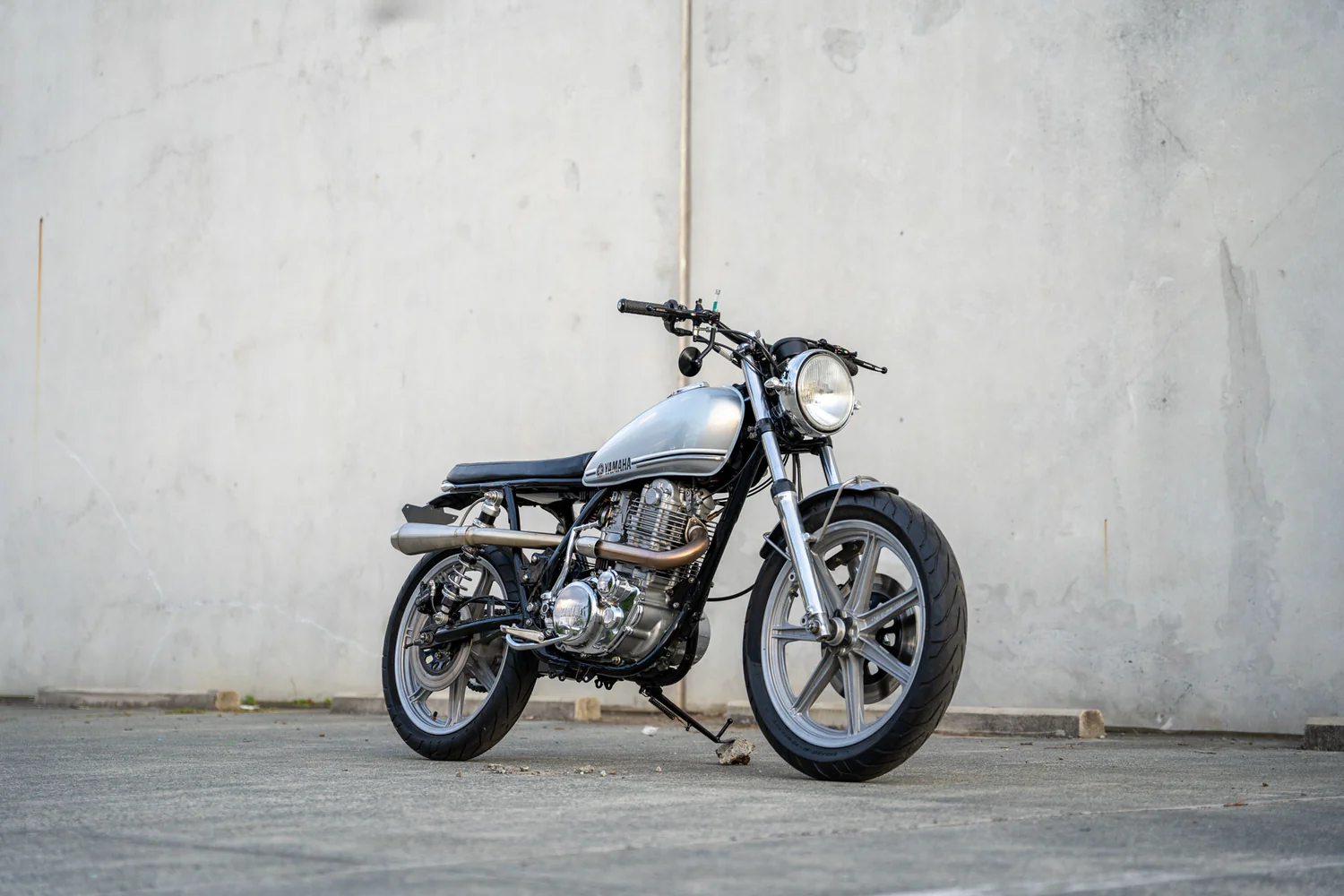
- Engine: 499 cc air-cooled single cylinder, 4-stroke
- Horsepower: Approximately 32 hp
- Torque: Approximately 37 Nm
- Length: Approximately 2,135 mm
- Width: Approximately 850 mm
3. Yamaha SR500
The Yamaha SR500 stands as one of the purest expressions of motorcycling simplicity ever produced. Introduced during a time when manufacturers were increasingly focused on complexity, additional cylinders, and advanced technology, the SR500 took a different path.
Yamaha created a motorcycle that celebrated mechanical honesty, rider involvement, and timeless design. Decades later, it remains one of the most respected classic motorcycles in the world.
The centerpiece of the SR500 was its large air-cooled single-cylinder engine. Known for producing strong torque and a distinctive riding character, the engine delivered performance that felt engaging rather than overwhelming.
Every twist of the throttle provided immediate feedback, creating a direct connection between rider and machine that many modern motorcycles struggle to replicate.
Starting the motorcycle required a kickstarter, a feature that became part of its charm. Riders often developed a specific routine for starting the engine, transforming a simple task into a ritual. While some viewed this as inconvenient, enthusiasts appreciated the additional level of involvement that made ownership feel more personal and rewarding.
The motorcycle’s styling has aged exceptionally well. Clean lines, a classic fuel tank, minimal bodywork, and balanced proportions give the SR500 a timeless appearance. Unlike motorcycles heavily influenced by short-lived design trends, the SR500 remains visually appealing decades after its introduction.
Another factor behind the SR500’s enduring reputation is its versatility. Owners have transformed these motorcycles into café racers, scramblers, trackers, and custom creations of every description. The bike’s adaptable platform has inspired countless builders and continues to influence modern custom motorcycle culture.
The SR500 also played a significant role in shaping the retro motorcycle movement. Long before manufacturers began producing factory-built retro models, enthusiasts recognized the timeless appeal of machines like the SR500. Its popularity demonstrated that simplicity and authenticity could remain desirable even as technology advanced.
Collectors appreciate the SR500 not only because of its historical significance but also because it remains highly usable. A properly maintained example can still provide a rewarding riding experience, offering qualities that many modern motorcycles no longer prioritize.
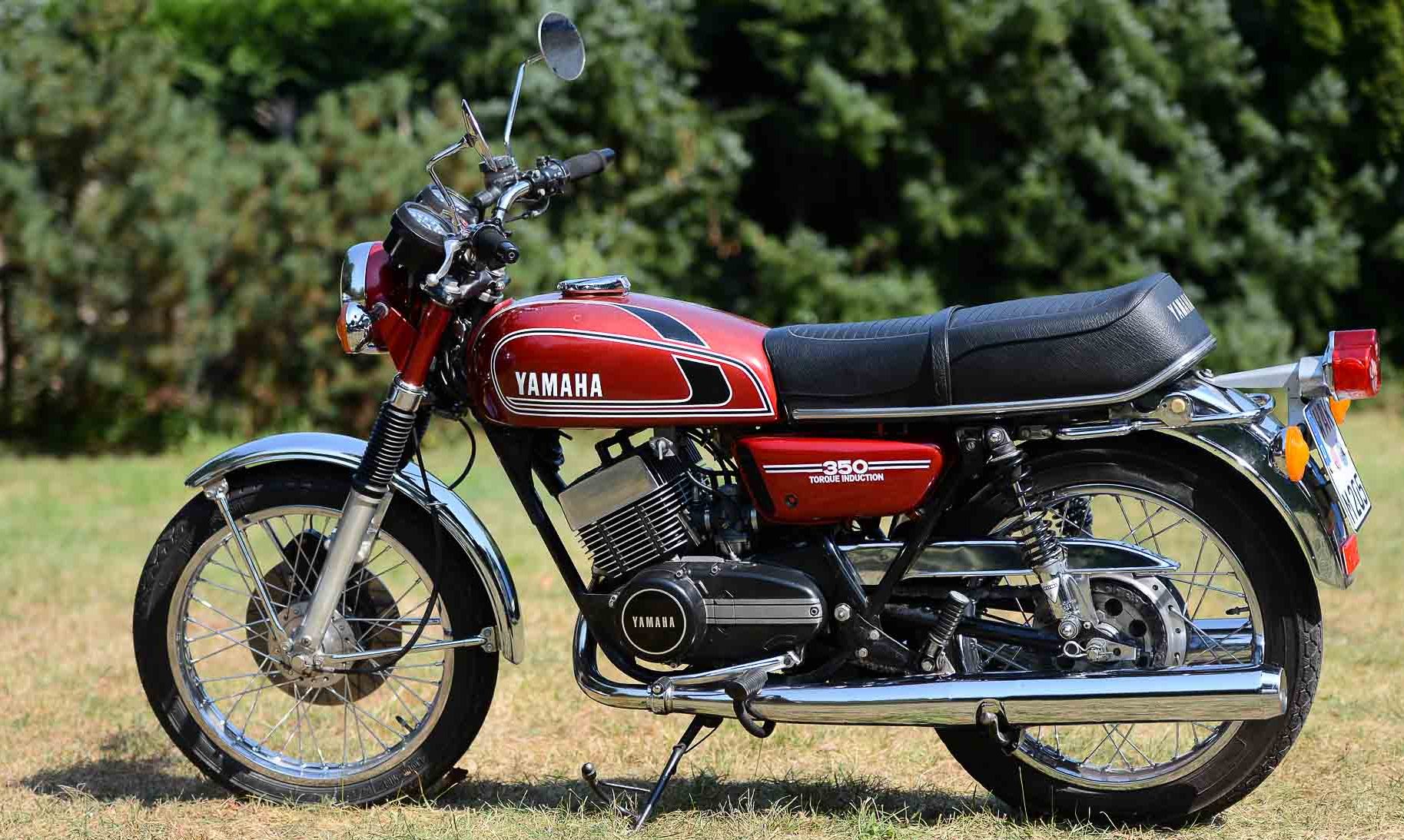
- Engine: 347 cc air-cooled parallel twin, 2-stroke
- Horsepower: Approximately 39 hp
- Torque: Approximately 33 Nm
- Length: Approximately 2,020 mm
- Width: Approximately 790 mm
2. Yamaha RD350
Few motorcycles have achieved the legendary status enjoyed by the Yamaha RD350. Widely considered one of the greatest two-stroke street motorcycles ever built, the RD350 became famous for delivering extraordinary performance in a lightweight and affordable package. Its influence extended far beyond Yamaha’s lineup, helping define an entire era of motorcycling.
The RD350’s engine was the primary reason for its remarkable reputation. The parallel twin two-stroke powerplant produced impressive horsepower relative to its size, allowing the motorcycle to accelerate with startling intensity. Riders often found themselves surprised by the machine’s ability to outperform motorcycles with significantly larger engines.
Power delivery was both thrilling and demanding. As the engine entered its powerband, acceleration increased dramatically, creating an exhilarating sensation that became a defining feature of the RD350 experience. Riders who mastered the engine’s characteristics were rewarded with performance levels that rivaled much more expensive motorcycles.
The motorcycle also became famous for its tuning potential. Owners frequently modified engines, exhaust systems, and suspension components to unlock additional performance. This culture of customization and experimentation further strengthened the bike’s connection to enthusiast motorcycling.
Today, surviving RD350s are among the most sought-after vintage Yamaha motorcycles. Collectors value them for their historical significance, performance credentials, and role in shaping motorcycle culture. Well-preserved examples often command substantial prices in the collector market.
The Yamaha RD350 remains an icon because it perfectly captured the spirit of lightweight performance motorcycling. Fast, exciting, and endlessly entertaining, it continues to represent one of the greatest achievements in Yamaha’s history.
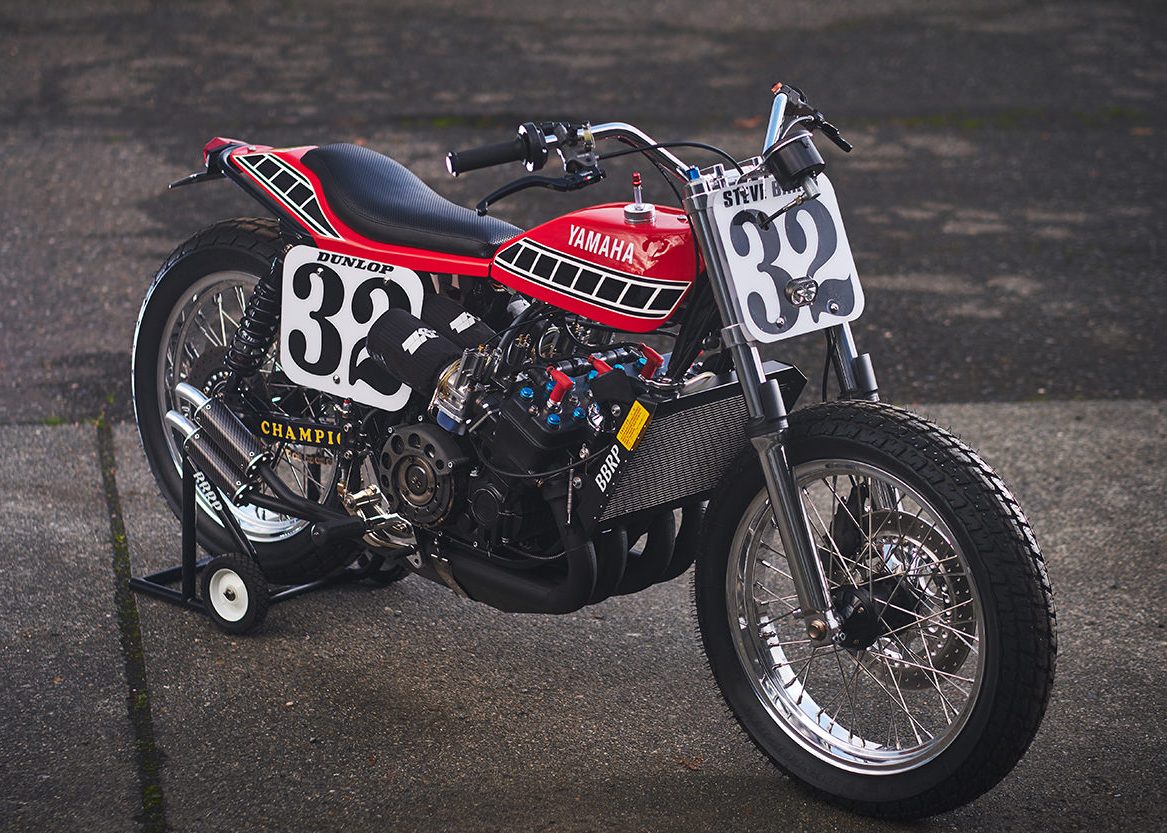
- Engine: 747 cc liquid-cooled inline four, 2-stroke
- Horsepower: Approximately 120 hp
- Torque: Approximately 83 Nm
- Length: Approximately 2,050 mm
- Width: Approximately 620 mm
1. Yamaha TZ750
The Yamaha TZ750 sits at the pinnacle of vintage Yamaha motorcycles because of its revolutionary impact on motorcycle racing and performance engineering. Introduced in the 1970s, the TZ750 immediately established itself as one of the most formidable racing machines ever built.
Its combination of extraordinary power, advanced engineering, and competitive dominance secured a place among the greatest motorcycles in history.
At the center of the TZ750 was a powerful four-cylinder two-stroke engine that produced astonishing performance for its era. The motorcycle delivered acceleration and top speed figures that pushed the boundaries of what riders believed possible. Competitors quickly realized that the TZ750 represented a significant leap forward in racing technology.
The motorcycle’s power became legendary. Riders frequently described the machine as both exhilarating and intimidating, capable of overwhelming even experienced racers if treated carelessly. This reputation contributed to the TZ750’s mystique and cemented its status as a machine that demanded respect.
Yamaha’s engineering expertise was evident throughout the motorcycle. Every aspect of the TZ750 was designed with performance as the primary objective. From engine development to chassis design, the motorcycle reflected Yamaha’s commitment to creating a dominant racing platform.
Success on the racetrack followed almost immediately. The TZ750 achieved victories in numerous competitions and became a preferred choice among professional racers. Its consistent competitiveness helped strengthen Yamaha’s reputation as a manufacturer capable of producing world-class racing motorcycles.
Collectors regard the TZ750 as one of the most desirable racing motorcycles ever produced. Genuine examples are exceptionally valuable due to their rarity, historical importance, and connection to one of the most exciting periods in motorcycle racing history.
Beyond statistics and race results, the TZ750 symbolizes Yamaha’s ambition. It demonstrated the company’s willingness to pursue excellence without compromise and showcased what could be achieved when engineering talent was focused entirely on performance.
For its revolutionary engineering, racing success, historical significance, and enduring legendary status, the Yamaha TZ750 deserves the number one position on this ranking. Few motorcycles have influenced the sport as profoundly, and even fewer continue to inspire such admiration decades after their introduction.
