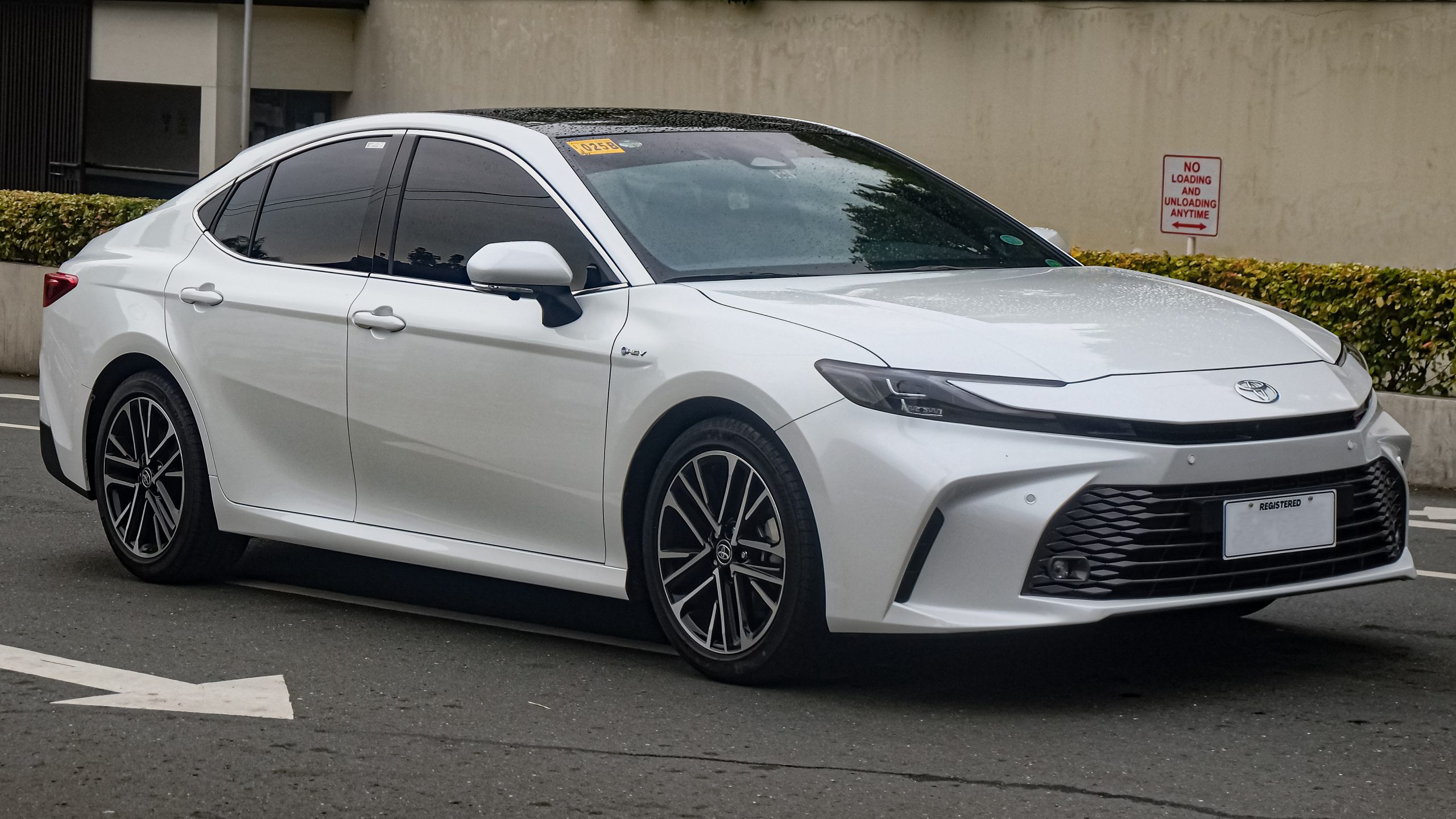
For much of the past decade, the automotive industry operated under a simple assumption. SUVs would continue growing while sedans slowly faded into the background. Sales trends seemed to support that belief as crossovers captured buyers who once would have purchased traditional family cars. Yet 2026 is telling a different story.
The midsize sedan segment is experiencing an unexpected resurgence, and the Hyundai Sonata is now emerging as one of the biggest beneficiaries.
Long dominated by the Toyota Camry and Honda Accord, the category is showing renewed strength as consumers return to vehicles that offer strong fuel economy, lower purchase prices, and increasingly sophisticated technology packages.
The Sonata’s recent sales momentum has placed it alongside the Camry and Accord as one of the segment’s most important players, signaling that reports of the sedan’s demise may have been greatly exaggerated.
For Hyundai, the development represents a significant turnaround. Only a few years ago, many analysts questioned whether the Sonata could remain competitive as consumer attention shifted toward SUVs and trucks.
Today, the sedan is helping lead a broader recovery within a segment that many industry observers once considered to be in permanent decline.
Also Read: 5 Best Hybrids vs 5 Best EVs for 2026
Buyers Are Rediscovering the Value of Sedans
Several factors appear to be fueling the renewed interest in midsize sedans. Affordability has become one of the most important.
As vehicle prices continue climbing across the industry, many consumers are discovering that midsize sedans offer similar passenger space to compact crossovers while often costing thousands less.
Better fuel economy, lower insurance costs, and improved driving dynamics only strengthen the value proposition. The Sonata has positioned itself particularly well within that environment.
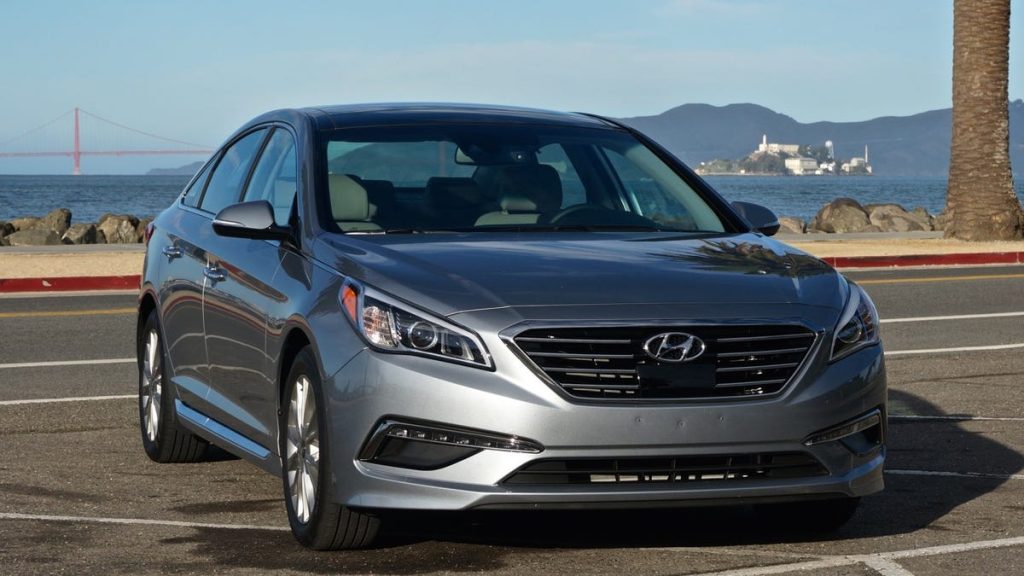
Hyundai’s latest design updates gave the sedan a far more distinctive appearance than many competitors. The full-width lighting signature, modern cabin technology, and available all-wheel drive have helped separate it from traditional perceptions of midsize family cars.
Buyers looking for practicality no longer feel like they are sacrificing style. Technology has become another major advantage.
Modern sedans now offer large digital displays, advanced safety systems, wireless smartphone connectivity, and premium interior features once reserved for luxury vehicles.
The gap between mainstream and premium segments continues narrowing, making vehicles like the Sonata increasingly attractive to budget-conscious shoppers. Meanwhile, fuel economy remains a powerful selling point.
With gasoline prices remaining unpredictable in many regions, efficient sedans continue appealing to commuters and families seeking lower operating costs. Hybrid variants from Hyundai, Toyota, and Honda have become particularly popular among buyers prioritizing long-term savings.
Camry, Accord, and Sonata Form a Strong Trio
The Toyota Camry continues serving as the benchmark for the midsize sedan market. Its reputation for reliability, strong resale values, and hybrid efficiency keeps it near the top of the sales charts year after year. Toyota’s decision to make the latest Camry lineup hybrid-only has further strengthened its position among efficiency-focused consumers.
The Honda Accord remains another dominant force. Known for its spacious interior, comfortable ride quality, and balanced driving dynamics, the Accord has maintained a loyal customer base even as many competitors struggled.
Honda’s hybrid technology has also helped the model remain relevant in a rapidly changing market.
Now the Sonata is increasingly joining that conversation. While it does not yet match the historic sales volumes of its Japanese rivals, Hyundai has successfully repositioned the model as a legitimate alternative rather than merely a lower-cost option.
The company’s emphasis on technology, warranty coverage, and distinctive styling continues attracting buyers who may have previously defaulted to a Camry or Accord.
Industry observers note that the competition among the three models is becoming tighter than it has been in years.
Each vehicle now offers strong hybrid options, advanced safety features, and modern interiors. As a result, purchasing decisions increasingly come down to individual preferences rather than obvious advantages in one category. That competitive balance benefits consumers.
Automakers are being forced to innovate more aggressively, improve standard equipment levels, and maintain attractive pricing in order to win customers within a segment that has become surprisingly active again.
Sedans Are Not Disappearing After All
The recent sales surge does not mean SUVs are losing their dominance. Crossovers still account for a significant portion of the American vehicle market and remain the preferred choice for many families.
However, the performance of vehicles like the Sonata, Camry, and Accord demonstrates that demand for traditional sedans remains stronger than many forecasts predicted. Consumers appear to be reevaluating priorities.
Higher vehicle prices, rising fuel costs, and concerns about affordability are pushing some buyers back toward practical sedans that deliver strong value without unnecessary size or complexity. At the same time, automakers have improved their sedan offerings significantly, making them more appealing than earlier generations.
For Hyundai, the Sonata’s resurgence represents an important victory. The model has survived an era when numerous manufacturers abandoned sedans entirely. Ford exited the segment. Chevrolet dramatically reduced its passenger car lineup. Several other brands shifted resources almost exclusively toward SUVs and trucks.
Hyundai chose a different path. Instead of abandoning the Sonata, the company continued investing in design updates, technology improvements, and hybrid development. That commitment now appears to be paying off as consumer interest returns.
The broader lesson may be that market trends rarely move in a straight line. SUVs transformed the industry, but they did not eliminate the need for efficient, comfortable, and affordable passenger cars. Vehicles like the Hyundai Sonata, Toyota Camry, and Honda Accord continue proving that a well-executed sedan still has a place in modern showrooms.
As 2026 progresses, the midsize sedan segment is becoming one of the automotive industry’s more surprising success stories. And the Hyundai Sonata is increasingly becoming a central part of that narrative.
Also Read: 5 Reliable Toyotas vs 5 Reliable Hondas