
Movies have a unique ability to turn ordinary objects into cultural icons. A memorable line of dialogue, a dramatic action sequence, or a perfectly timed reveal can transform a little-known item into something recognized around the world. Few objects have benefited from this phenomenon more than automobiles.
While many vehicles become associated with films through repeated appearances or franchise status, some cars achieved legendary recognition because of a single unforgettable scene. In these moments, the vehicle was not merely a mode of transportation.
It became a central part of the storytelling experience, helping define the mood, character, or emotional impact of the film. Audiences often remember these scenes years after forgetting other plot details, proving just how powerful the combination of cinema and automotive design can be.
The relationship between movies and cars stretches back more than a century. Filmmakers have long understood that vehicles can symbolize freedom, wealth, rebellion, innovation, or danger. A carefully chosen car can instantly communicate something important about a character without requiring a single word of dialogue.
In some cases, the vehicle’s appearance is brief, yet the scene leaves such a lasting impression that the car becomes permanently linked to the movie in popular culture. Enthusiasts seek out surviving examples, collectors pay enormous sums at auctions, and manufacturers often benefit from renewed interest in models that might otherwise have faded into history.
What makes these moments particularly fascinating is that many of the vehicles involved were real production cars rather than futuristic concepts or custom-built movie props. They existed before the films were made, often with modest reputations. Then a single cinematic moment elevated them to legendary status.
Whether it was a dramatic jump, a stunning reveal, a time-traveling departure, or a thrilling chase sequence, these scenes created a powerful emotional connection between audiences and automobiles.
This article explores eight real cars that became famous because of one unforgettable movie scene. While some of these vehicles later appeared in additional sequences, their reputations were largely established by one defining cinematic moment.
These scenes helped shape automotive history, influenced popular culture, and ensured that the cars involved would be remembered for generations. From classic muscle cars to futuristic sports cars, each vehicle demonstrates how a few minutes of screen time can create an enduring legacy.
Also Read: 5 Best Hybrids vs 5 Best EVs for 2026
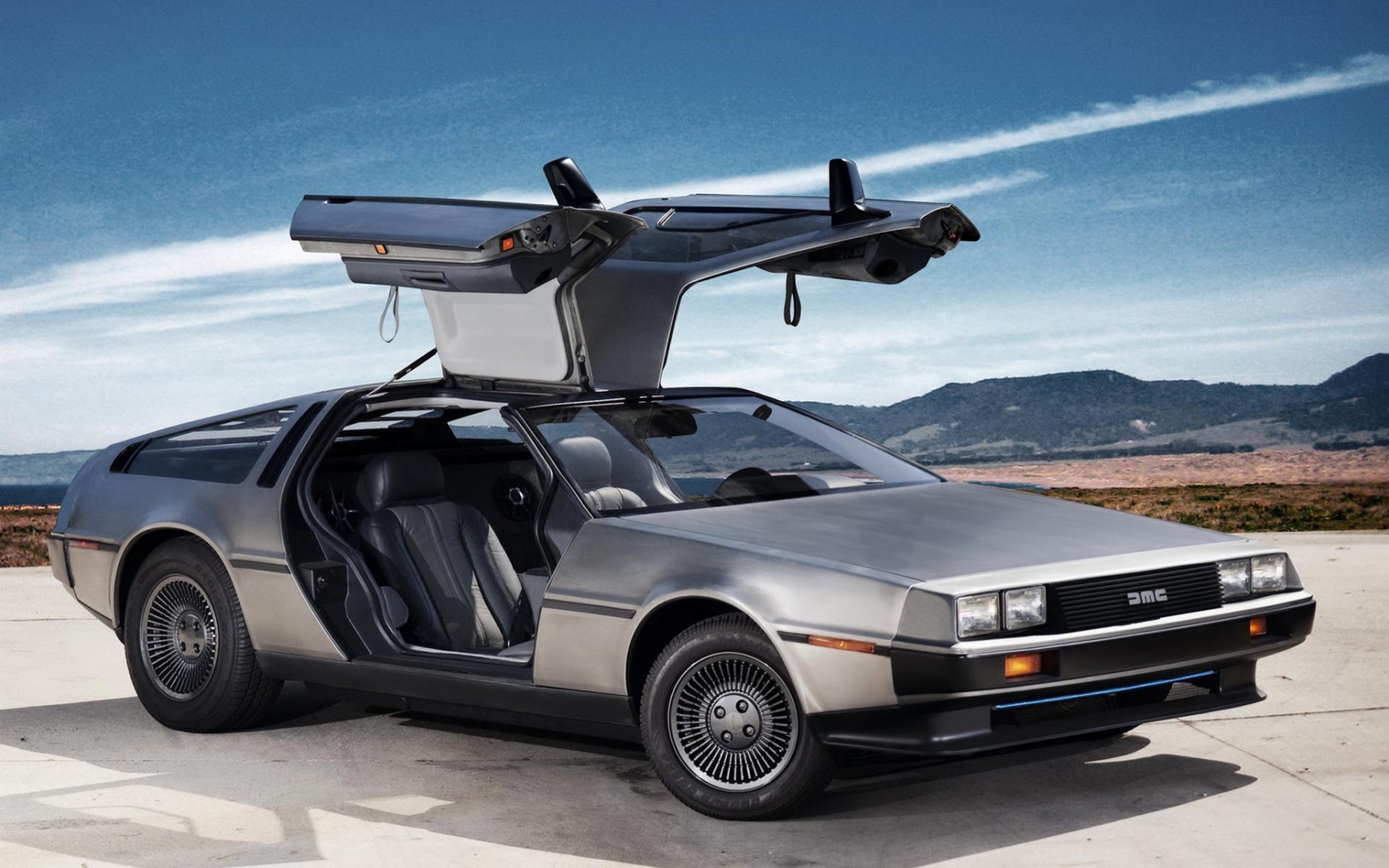
- Engine: 2.85 L PRV V6
- Horsepower: 130 hp
- Torque: 153 lb ft (207 Nm)
- Length: 168.0 in (4,267 mm)
- Width: 78.3 in (1,989 mm)
1. DeLorean DMC 12 in Back to the Future
The DeLorean DMC 12 was already a distinctive vehicle before it appeared in the 1985 science fiction classic Back to the Future. Its stainless steel body panels and gullwing doors made it look unlike almost anything else on the road. However, the car’s commercial performance had been disappointing, and production ended after a short lifespan. Without cinematic intervention, it might have remained a fascinating footnote in automotive history.
Everything changed during the film’s iconic time travel scene. As the vehicle accelerated to 88 miles per hour and disappeared in a burst of light, audiences witnessed one of the most memorable moments in movie history.
The scene instantly elevated the DeLorean from an obscure sports car to a global pop culture symbol. The visual effects combined with the car’s futuristic design created a perfect match that held audiences’ attention and left a lasting impression.
What made the scene particularly effective was the way the car appeared both believable and extraordinary. It looked like a real vehicle that someone could drive, yet it also seemed capable of impossible feats. This balance allowed audiences to imagine themselves behind the wheel while simultaneously embracing the fantasy of time travel.
The scene generated massive interest in the DeLorean long after production of the vehicle had ceased. Collectors began preserving examples, enthusiasts formed clubs, and the car became a fixture at automotive events. Many people who had never seen a DeLorean in person could instantly recognize it because of that single cinematic moment.
Today, the DeLorean remains one of the most famous movie cars ever created. Although the entire film contributed to its legacy, the first successful time travel sequence is the moment that transformed the vehicle into a legend. Few cars owe their reputation so completely to one unforgettable scene.
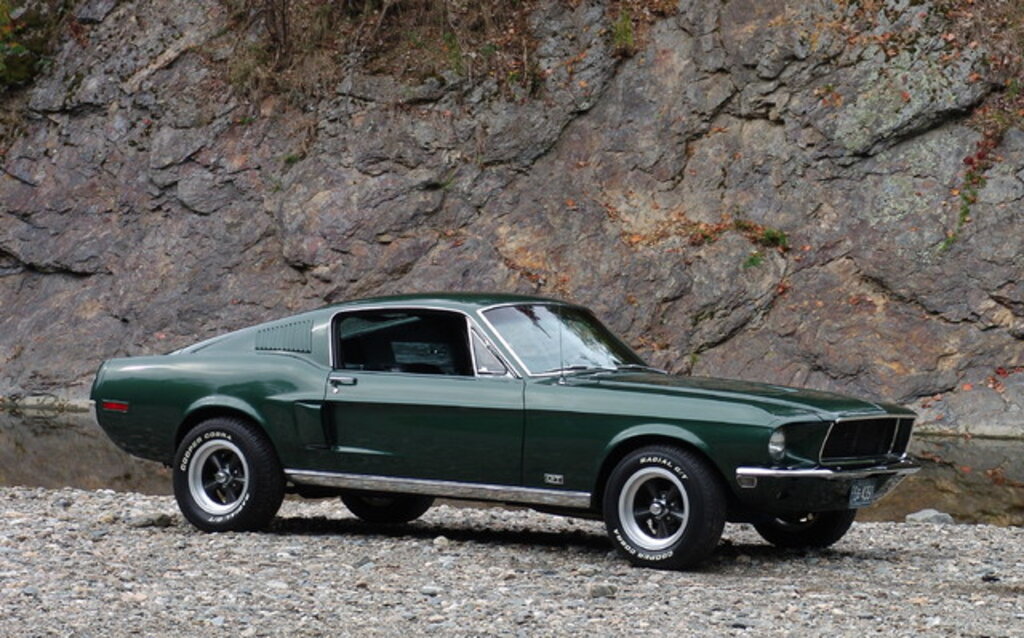
- Engine: 6.4 L (390 cu in) V8
- Horsepower: 325 hp
- Torque: 427 lb ft (579 Nm)
- Length: 183.6 in (4,663 mm)
- Width: 70.9 in (1,801 mm)
2. Ford Mustang GT 390 in Bullitt
The 1968 film Bullitt featured many memorable elements, but one scene stands above all others. The legendary chase through the streets of San Francisco forever changed how people viewed the Ford Mustang GT 390. Before the film, the Mustang was already a successful and popular muscle car. After the movie, it became a symbol of cinematic cool.
The chase sequence placed actor Steve McQueen behind the wheel and showcased the car’s performance in a way audiences had never experienced before. The camera angles, realistic driving, and absence of excessive special effects created a level of authenticity that was revolutionary for its time.
Viewers felt every gear change, every corner, and every jump over San Francisco’s steep hills. The Mustang became more than a vehicle. It became an extension of McQueen’s character, representing determination, confidence, and controlled aggression. The scene demonstrated that a car chase could be a vital storytelling tool rather than merely an action spectacle.
Automotive enthusiasts frequently cite the sequence as one of the greatest chase scenes ever filmed. Its influence can be seen in countless movies that followed. Directors and stunt coordinators studied the scene to understand how realistic driving could create excitement and tension.
The Ford Mustang’s association with Bullitt remains strong decades later. Special edition models have been produced in tribute to the film, and surviving original cars have achieved remarkable auction values. One extraordinary chase scene permanently linked the Mustang to cinematic history.
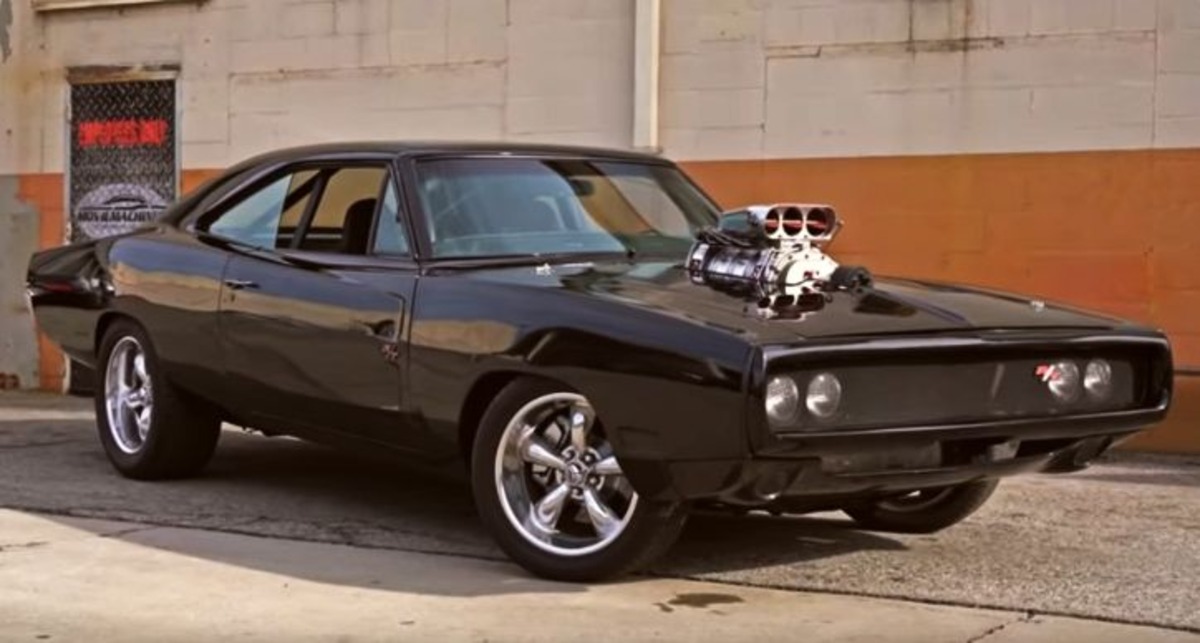
- Engine: 7.2 L (440 cu in) Magnum V8
- Horsepower: 375 hp
- Torque: 480 lb ft (651 Nm)
- Length: 208.0 in (5,283 mm)
- Width: 76.6 in (1,946 mm)
3. Dodge Charger RT in The Fast and the Furious
When The Fast and the Furious debuted in 2001, it introduced a new generation of viewers to car culture. Among the many vehicles featured in the film, none left a greater impression than Dominic Toretto’s black Dodge Charger R T. The car became iconic thanks largely to a single dramatic scene involving its explosive power.
The moment occurs when the Charger launches forward with such force that its front wheels lift from the ground. The image instantly captured audience attention and became one of the defining visuals of the entire franchise. It conveyed raw power in a way that dialogue never could.
The scene also served an important storytelling function. Throughout the movie, the Charger is discussed almost like a mythical beast. Characters describe its performance and dangerous history, building anticipation for its eventual appearance in action. When the car finally demonstrates its strength, the payoff feels enormous.
For many younger viewers, this was their introduction to classic American muscle cars. The Charger represented a different automotive philosophy than the import tuners featured elsewhere in the film. It emphasized displacement, torque, and intimidating presence rather than lightweight agility.
The success of the scene helped revive interest in vintage Chargers and other muscle cars. Collectors, enthusiasts, and casual fans alike became fascinated with the vehicle. A single wheel lifting launch transformed the Charger into one of the most recognizable movie cars of the modern era.
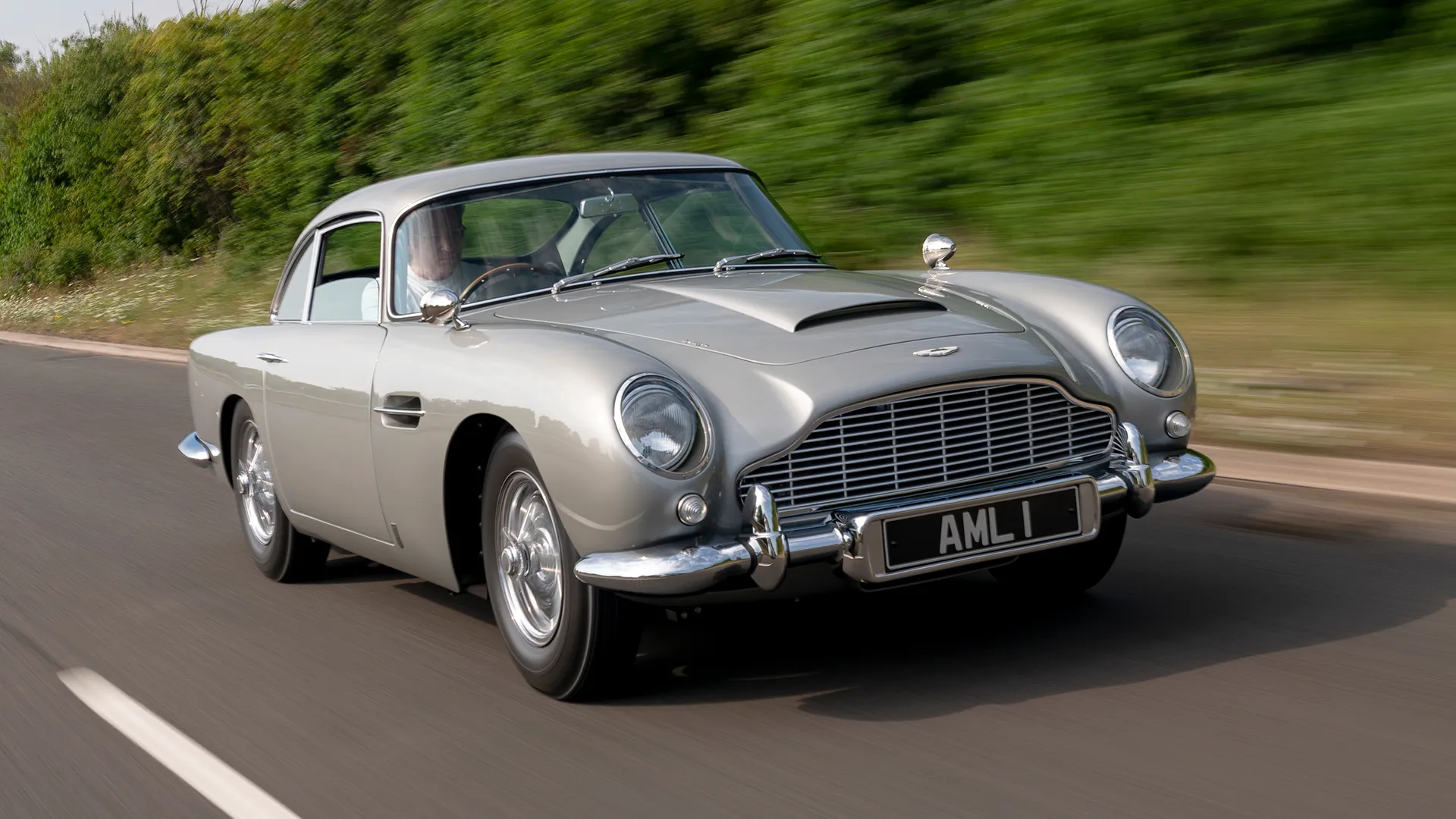
- Engine: 4.0 L Inline 6
- Horsepower: 282 hp
- Torque: 288 lb ft (390 Nm)
- Length: 180.0 in (4,572 mm)
- Width: 66.0 in (1,676 mm)
4. Aston Martin DB5 in Goldfinger
The Aston Martin DB5 had elegance, performance, and style long before appearing in the James Bond film Goldfinger. Yet one particular scene elevated the car from luxury grand tourer to international icon. The moment Bond reveals the vehicle’s hidden gadgets remains one of cinema’s most influential automotive sequences.
Audiences were fascinated as machine guns, revolving license plates, and an ejector seat were demonstrated. The scene transformed the DB5 into far more than a sophisticated automobile. It became a technological marvel capable of handling extraordinary situations.
The genius of the sequence lies in how naturally it integrates the gadgets into the narrative. Rather than feeling absurd, the equipment appears practical within the world of Bond. This approach encouraged viewers to see the car as an essential tool of espionage rather than a simple accessory.
The scene had a profound impact on automotive marketing and pop culture. It reinforced the idea that a vehicle could possess personality and capabilities beyond ordinary transportation. Manufacturers around the world took note of how effectively the DB5 captured audience imagination.
Even decades later, the Aston Martin DB5 remains inseparable from the Bond franchise. Although it appears in multiple films, its legendary status can largely be traced to that first gadget demonstration scene. The sequence established a standard that countless movie vehicles have attempted to match.
- Engine: 1.0 L Inline 4
- Horsepower: 55 hp
- Torque: 57 lb ft (77 Nm)
- Length: 120.3 in (3,056 mm)
- Width: 55.0 in (1,397 mm)
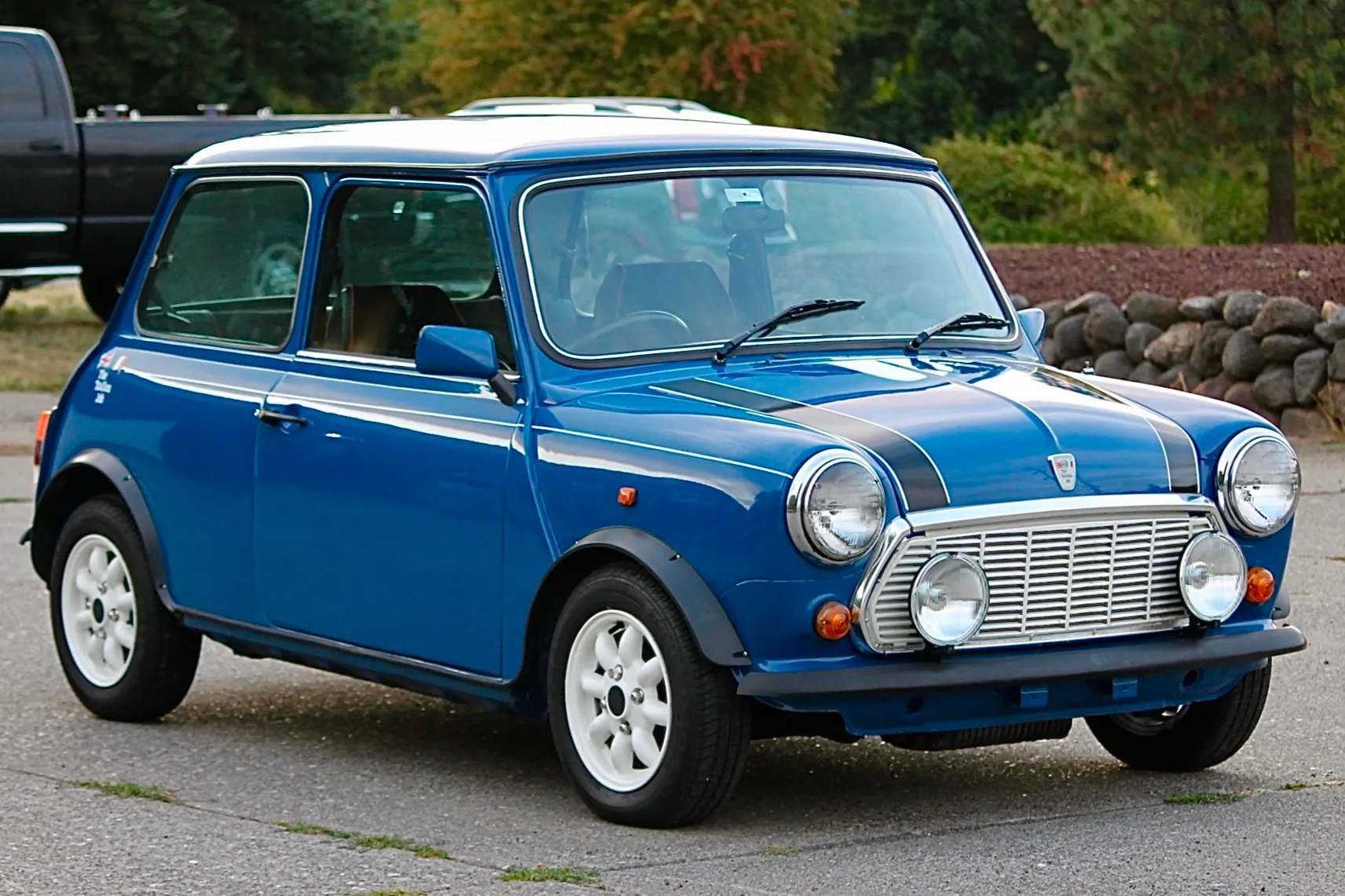
5. Mini Cooper in The Italian Job
The original 1969 version of The Italian Job contains many memorable moments, but one sequence stands above the rest. The Mini Cooper’s high-speed escape through the streets, staircases, and rooftops of Turin transformed the compact British car into a cinematic superstar.
Before the film, the Mini was admired for its efficiency and clever engineering. It was practical, affordable, and widely respected. However, it was not typically viewed as an action hero. The movie changed that perception completely.
The chase scene demonstrated the unique advantages of a small vehicle. While larger cars struggled to navigate narrow spaces, the Mini darted through obstacles with remarkable agility. The sequence showcased how intelligence and maneuverability could overcome brute force.
Audiences were amazed by the creativity of the chase. Rather than relying solely on speed, the scene highlighted precision driving and inventive route selection. The Minis seemed capable of reaching places no other vehicle could access, adding a playful quality to the action.
As a result, the Mini Cooper gained international recognition beyond its traditional market. The film helped establish the car as an enduring symbol of British automotive culture. One brilliantly executed chase sequence secured its place in movie history.
Also Read: 10 Vintage Honda Motorcycles Worth More Than $100,000
- Engine: 6.6 L (400 cu in) V8
- Horsepower: 200 hp
- Torque: 325 lb ft (441 Nm)
- Length: 196.8 in (4,999 mm)
- Width: 73.4 in (1,864 mm)
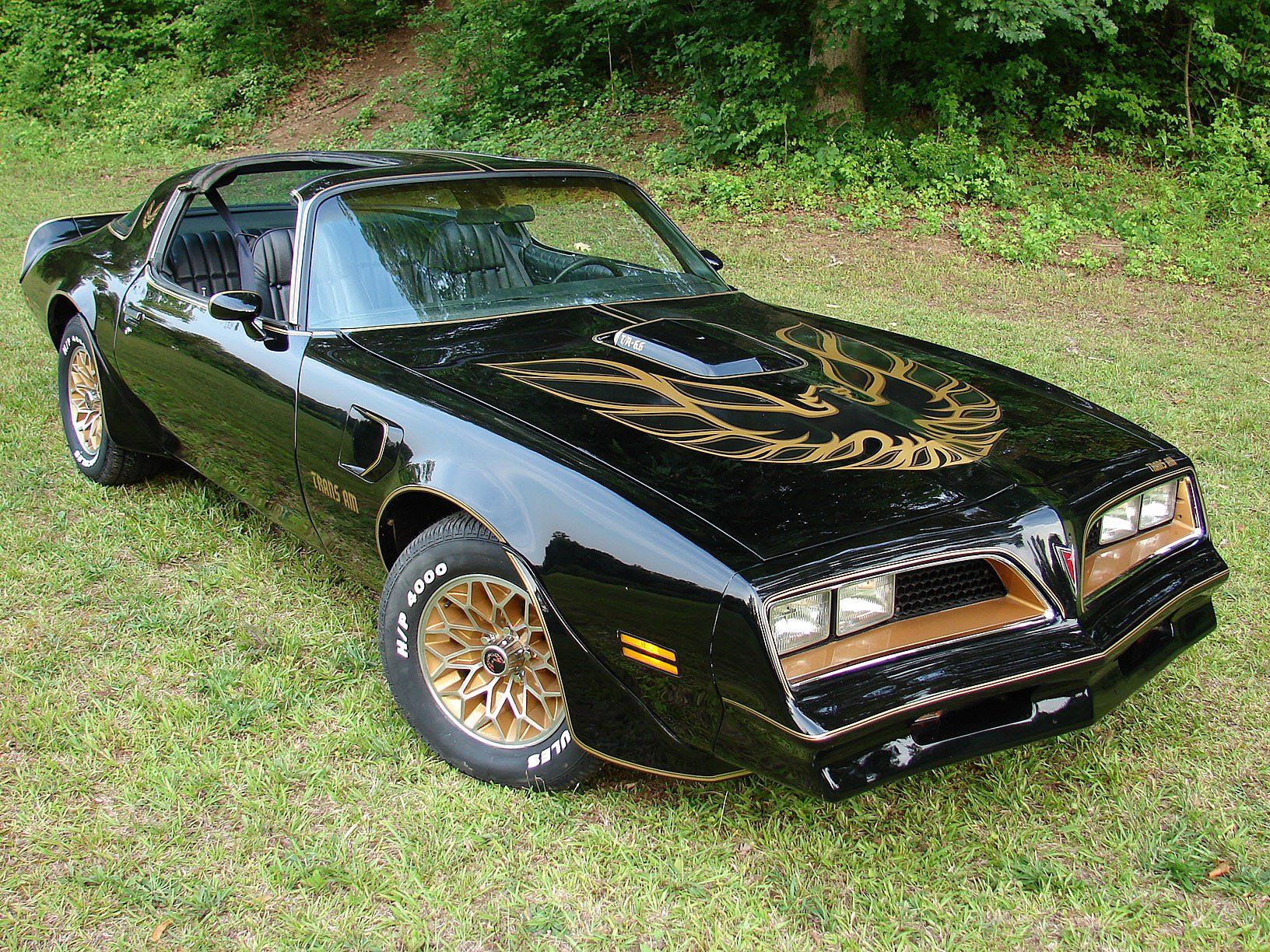
6. Pontiac Trans Am in Smokey and the Bandit
The black and gold Pontiac Trans Am featured in Smokey and the Bandit became an instant sensation thanks to one spectacular scene. While the entire film celebrated driving culture, the vehicle’s most famous moment involved an impressive jump that captured audience’s imagination.
The sequence showcased the Trans Am soaring through the air in dramatic fashion. It was exciting, visually striking, and perfectly suited to the film’s adventurous spirit. The scene reinforced the car’s image as a symbol of freedom and rebellion.
At the time, the Trans Am already had a loyal following, but the movie dramatically expanded its appeal. Viewers associated the vehicle with fun, confidence, and independence. It became more than a performance car. It became a cultural statement.
Dealerships experienced increased interest in Trans Am models following the film’s release. The connection between the movie and the car proved incredibly powerful. Many buyers wanted a vehicle that reminded them of the excitement they experienced while watching the film.
Decades later, the black and gold Trans Am remains one of the most recognizable cars in cinema. Its airborne leap stands as one of the defining moments in automotive movie history and continues to inspire enthusiasts around the world.
- Engine: 6.2 L V8 (production SS version)
- Horsepower: 426 hp
- Torque: 420 lb ft (569 Nm)
- Length: 190.4 in (4,836 mm)
- Width: 75.5 in (1,918 mm)
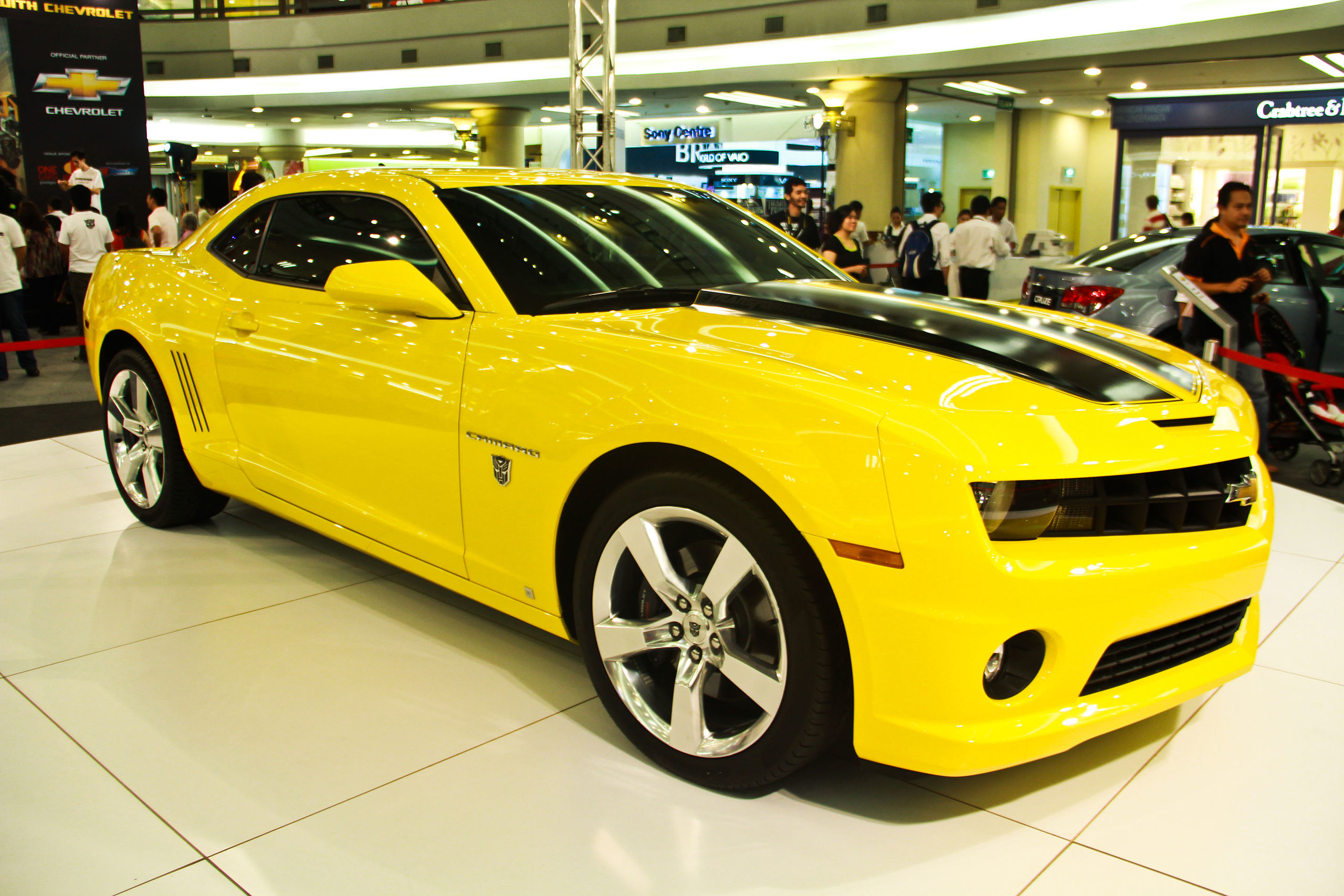
7. Chevrolet Camaro in Transformers
The 2007 film Transformers introduced audiences to a modern interpretation of the Chevrolet Camaro through the character Bumblebee. While the robot itself became enormously popular, one specific scene transformed the Camaro into a cultural phenomenon.
The pivotal moment occurs when the worn and neglected car reveals its true identity by scanning a modern Camaro and instantly transforming its appearance. The sequence created a dramatic before-and-after contrast that impressed viewers worldwide.
The scene functioned as a perfect reintroduction for the Camaro brand. Audiences watched an outdated vehicle become a sleek modern performance machine in a matter of seconds. The transformation generated excitement and curiosity about Chevrolet’s upcoming production model.
Unlike traditional automotive advertising, the scene created an emotional connection. The car was not simply displayed. It became a character with personality, loyalty, and heroism. This approach resonated strongly with audiences of all ages.
The impact on public awareness was enormous. Interest in the Camaro surged, and the vehicle became closely associated with Bumblebee. A single transformation sequence helped launch one of the most successful automotive movie partnerships of the twenty-first century.
- Engine: 3.0 L Colombo V12
- Horsepower: 240 hp
- Torque: 195 lb ft (264 Nm)
- Length: 174.0 in (4,420 mm)
- Width: 63.0 in (1,600 mm)
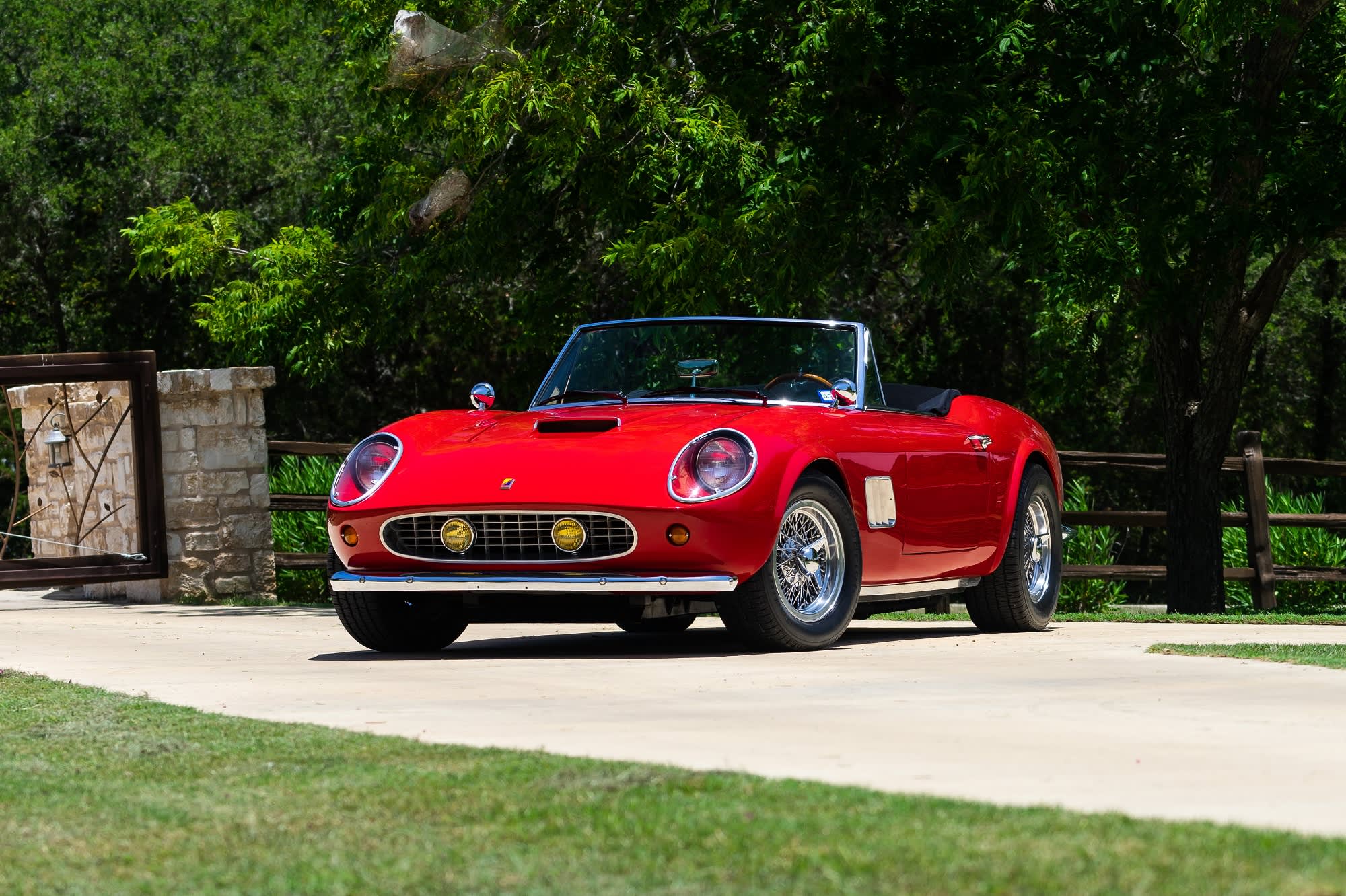
8. Ferrari 250 GT California Spyder in Ferris Bueller’s Day Off
One of the most unforgettable automotive moments in comedy film history involves the Ferrari featured in Ferris Bueller’s Day Off. Although the movie actually used replicas rather than an original Ferrari 250 GT California Spyder, the vehicle became legendary because of a single dramatic scene.
Throughout the film, the car is treated as a prized possession. Characters admire it, worry about it, and recognize its immense value. This constant emphasis builds anticipation and emotional investment among viewers.
The defining moment arrives when an attempt to reverse the car’s mileage goes disastrously wrong. The vehicle crashes through a window and plunges downward in a scene that combines comedy, shock, and tragedy. Audiences remember the moment because it is both hilarious and heartbreaking.
The scene highlights how material possessions can become symbols of identity and status. Watching the car’s destruction creates an emotional reaction far beyond the loss of a vehicle. It represents the collapse of a carefully maintained image.
As a result, the Ferrari became one of the most discussed automobiles in movie history. The dramatic crash scene ensured that the vehicle would remain firmly embedded in popular culture. Few cinematic moments have done more to cement a car’s reputation in the public imagination.
