
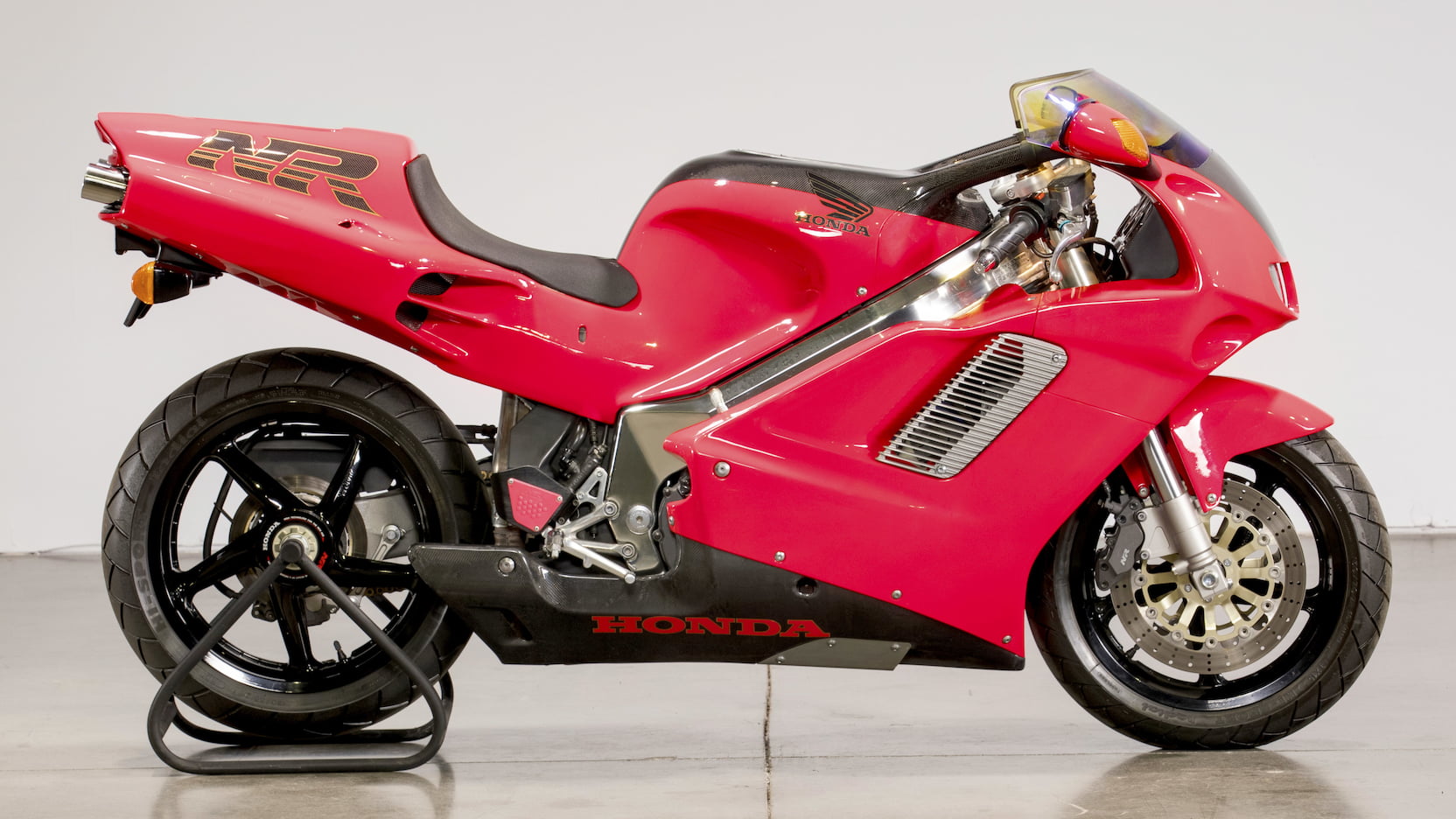
Honda has built some of the most influential motorcycles in history. While the company is often associated with reliable commuter bikes and mass-market success, its legacy stretches far beyond practical transportation.
Over the decades, Honda has produced groundbreaking racing machines, limited-production homologation specials, and technologically advanced motorcycles that have become prized collector pieces.
Today, some of these vintage Hondas command prices exceeding $100,000 at auctions and private sales, placing them among the most valuable Japanese motorcycles ever built.
The rise in value is not simply a result of age. Many of these machines earned their status through racing achievements, engineering innovation, rarity, or historical importance. Some were produced in extremely limited numbers to satisfy racing regulations.
Others became icons because they dominated tracks around the world or introduced technology years ahead of competitors. Collectors are willing to pay substantial sums because these motorcycles represent key moments in Honda’s evolution from a small Japanese manufacturer into a global performance powerhouse.
Another factor driving prices upward is originality. A well-preserved motorcycle with matching numbers, factory components, and documented ownership history can be worth dramatically more than a restored example.
As surviving motorcycles become harder to find, competition among collectors continues to increase. This trend has pushed values of certain Hondas into territory once reserved almost exclusively for rare European motorcycles.
Not every old Honda qualifies for six-figure status. Many classic models remain affordable and accessible to enthusiasts. The motorcycles featured in this list belong to a different category entirely. They are machines that collectors pursue aggressively, often waiting years for the right example to appear on the market.
From legendary Grand Prix racers to exotic homologation specials, these are ten vintage Honda motorcycles whose value can exceed $100,000 under the right conditions. Each tells a unique story and demonstrates why Honda occupies such a respected place in motorcycle history.
Also Read: 10 Hidden Features in Hyundai Cars That Add Real Value
1. Honda RC166
Among all vintage Hondas, few motorcycles capture the imagination quite like the RC166. Built specifically for Grand Prix competition during the 1960s, this extraordinary machine represents one of the most ambitious engineering projects ever undertaken by a motorcycle manufacturer.
Even today, the RC166 remains astonishing because of what Honda achieved with the technology available at the time.
At the heart of the motorcycle sits a remarkably complex 250cc six-cylinder engine. While modern riders may associate six-cylinder engines with large touring motorcycles, Honda managed to package six tiny cylinders into a lightweight racing machine.
The engine produced impressive power for its displacement and revved to speeds that were virtually unheard of during the era. The sound alone became legendary, creating a high-pitched mechanical scream that distinguished the RC166 from every rival on the grid.
The motorcycle’s importance extends far beyond technical specifications. During the mid-1960s, Honda was determined to establish itself as a serious force in international racing. The RC166 played a crucial role in achieving that objective.
Its success in Grand Prix competition demonstrated Honda’s engineering capabilities to audiences around the world and helped shape the company’s performance-oriented reputation.
Very few original examples exist today. Most spent their lives as factory race bikes rather than privately owned motorcycles, making surviving machines exceptionally rare. When one appears in collector circles, interest is immediate because opportunities to acquire an authentic RC166 are extraordinarily uncommon.
Collectors view the motorcycle as more than a valuable asset. It represents a defining chapter in motorcycle racing history and serves as evidence of Honda’s willingness to pursue engineering excellence regardless of complexity or cost.
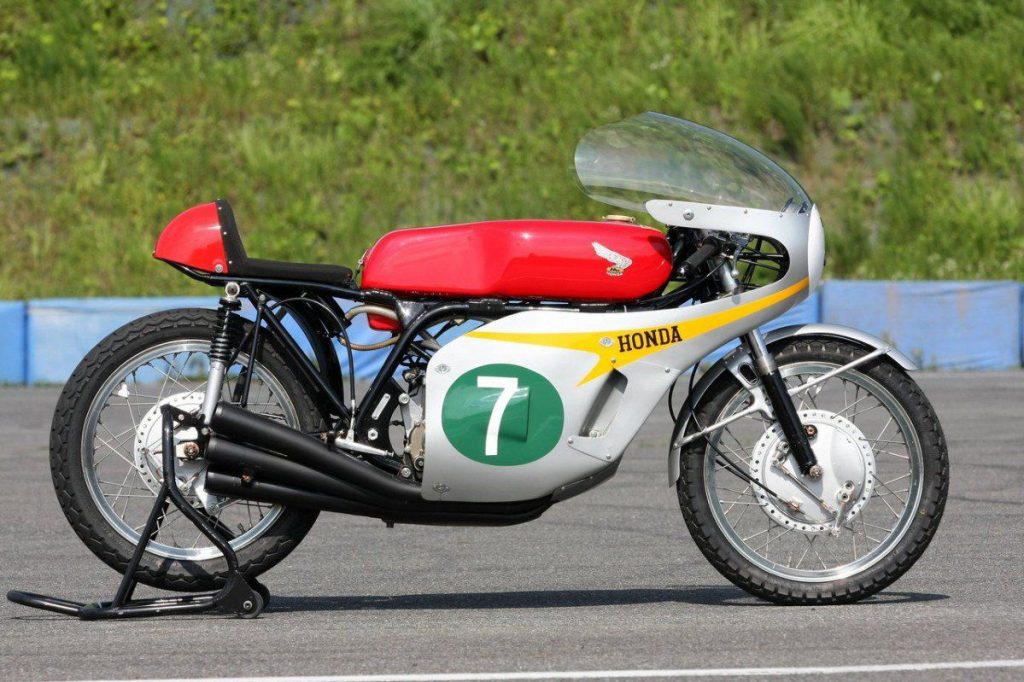
Because of its rarity, racing significance, and historical importance, values can comfortably exceed the $100,000 threshold. Exceptional examples have the potential to command far higher figures, making the RC166 one of the most desirable Hondas ever produced.
Specifications
- Engine: 249cc Inline 6
- Torque: Approximately 16 lb-ft
- Horsepower: 60 hp
- Length/Width: 77.2 in / 22.8 in
2. Honda RC174
If the RC166 demonstrated Honda’s mastery of the 250cc Grand Prix class, the RC174 showed what the company could accomplish in the fiercely competitive 350cc category. Developed during the late 1960s, the RC174 remains one of the most sophisticated racing motorcycles ever created and is now among the most sought-after Hondas in existence.
The motorcycle featured another remarkable six-cylinder engine, this time enlarged to 297cc for competition in the 350cc class. Honda engineers continued pushing the boundaries of mechanical design, creating an engine capable of extraordinary rotational speeds.
The combination of six cylinders, lightweight construction, and advanced engineering delivered performance that left many competitors struggling to keep pace.
What makes the RC174 particularly special is its connection to one of the most successful periods in Honda’s racing history. The machine helped the company dominate Grand Prix competition and reinforced Honda’s image as an innovator willing to challenge conventional thinking.
During an era when many manufacturers relied on simpler engine configurations, Honda pursued complexity in search of maximum performance.
Unlike production motorcycles that could be purchased by ordinary enthusiasts, the RC174 existed solely for competition. Its purpose was to win races, and every aspect of its design reflected that objective. Weight reduction, aerodynamics, chassis development, and engine refinement received constant attention from Honda’s racing division.
The rarity of surviving examples cannot be overstated. Factory race motorcycles often experienced hard lives, and many were modified, dismantled, or lost over time.
Authentic RC174 machines, therefore,e occupy a unique position within the collector market. Ownership offers not only exclusivity but also a direct connection to one of the most innovative eras in motorcycle racing.
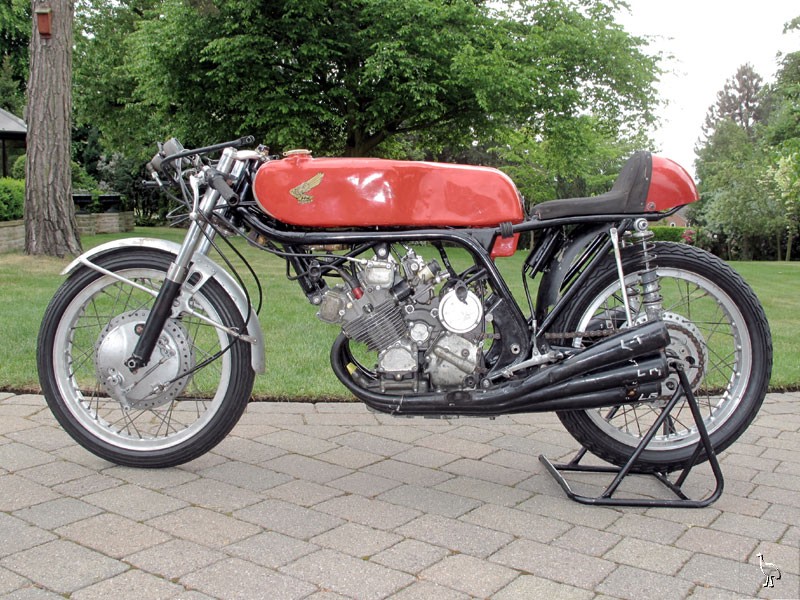
Auction houses and private collectors regard the RC174 as a centerpiece motorcycle capable of attracting global interest. When rare Honda racing machines change hands, prices frequently enter six-figure territory due to their historical significance.
For collectors seeking the pinnacle of Honda’s Grand Prix engineering achievements, few motorcycles rival the prestige and desirability of the RC174.
Specifications
- Engine: 297cc Inline 6
- Torque: Approximately 20 lb-ft
- Horsepower: 66 hp
- Length/Width: 77.5 in / 23.0 in
3. Honda NR750
Some motorcycles become valuable because they win races. Others achieve legendary status because they challenge conventional engineering.
The Honda NR750 belongs firmly in the second category. Introduced in the early 1990s, it remains one of the most technologically ambitious motorcycles ever sold to the public, and today it is among the most collectible Hondas in existence.
To understand why the NR750 is so special, it is necessary to look at its unusual engine design. Honda spent years developing oval-piston technology as a way to achieve the performance characteristics of a V8 engine while remaining within racing regulations that limited cylinder counts.
The result was an engineering masterpiece unlike anything else on the market. Each piston featured an oval shape and utilized multiple connecting rods and valves, creating a level of complexity rarely seen in motorcycle production.
The motorcycle itself looked every bit as futuristic as its engine. Carbon fiber bodywork, underseat exhausts, fuel injection, and advanced aerodynamics helped distinguish the NR750 from contemporary superbikes. Even decades later, the design still appears modern and sophisticated.
What truly drives collector demand is rarity. Honda produced only a limited number of NR750 motorcycles, and the original selling price was extraordinarily high.
Because of that, ownership was restricted to a small group of enthusiasts and collectors from the very beginning. Many examples spent their lives in climate-controlled collections rather than accumulating significant mileage.
Unlike many motorcycles whose value comes from racing success, the NR750 earns admiration because it represents a bold engineering experiment that reached production. It demonstrated Honda’s willingness to invest heavily in innovation even when commercial success was uncertain.
Collectors actively pursue low-mileage examples with original components and complete documentation. Values have risen steadily as appreciation for the motorcycle’s engineering significance continues to grow.
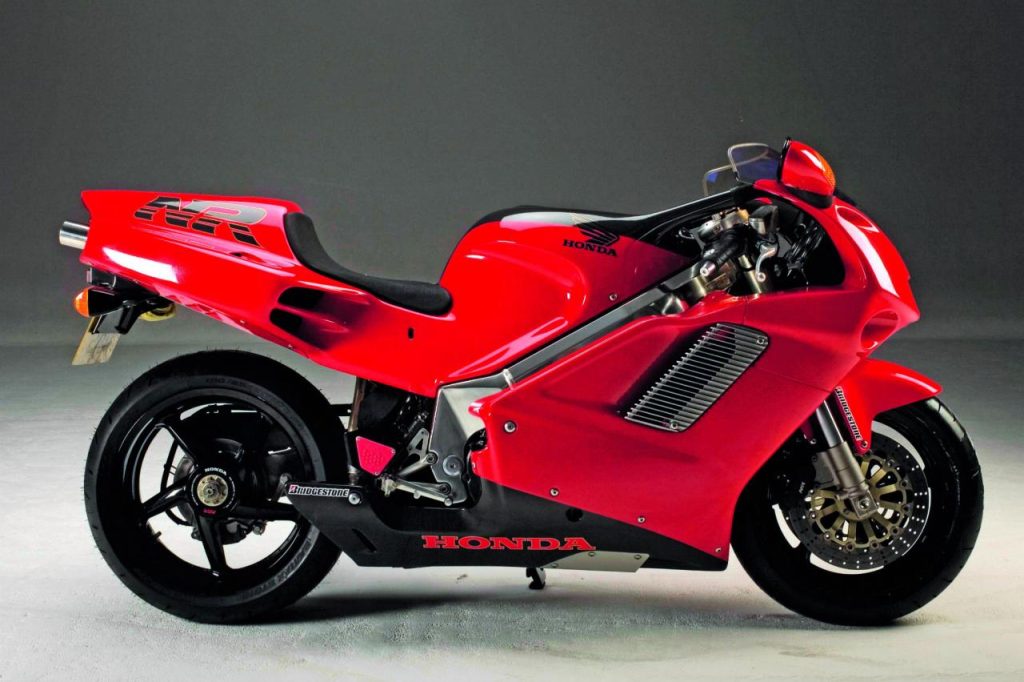
Today, pristine NR750 models regularly exceed the $100,000 mark in collector circles. Some exceptional examples have sold for considerably more, reflecting their status as one of the most unusual and technically fascinating motorcycles Honda has ever created.
Specifications
- Engine: 747cc 90° V4 Oval-Piston
- Torque: 54 lb-ft
- Horsepower: 125 hp
- Length/Width: 79.1 in / 28.0 in
4. Honda RC30 (VFR750R)
While the NR750 gained fame through engineering innovation, the Honda RC30 earned its reputation on racetracks around the world.
Introduced in 1987 as the VFR750R, the RC30 was developed as a homologation special, meaning it existed primarily so Honda could compete in international superbike racing. That purpose helped create one of the most respected motorcycles in Honda history.
Unlike ordinary production motorcycles built to satisfy broad consumer demands, the RC30 was designed with competition as the priority.
Honda engineers paid extraordinary attention to detail, creating a machine that balanced power, handling, durability, and rider confidence. The result was a motorcycle capable of dominating race circuits while remaining surprisingly usable on public roads.
The heart of the RC30 was a gear-driven cam V4 engine that quickly became famous for its reliability and performance. Smooth power delivery combined with impressive top-end capability allowed riders to exploit the motorcycle’s full potential.
The engineering quality extended throughout the machine, from its lightweight frame to its single-sided swingarm.
Success on the track upgraded the RC30 from a desirable motorcycle to a genuine legend. The model accumulated victories in major championships and endurance races, helping establish Honda as a dominant force in superbike competition. Riders and enthusiasts soon recognized that the RC30 represented something far beyond a typical sportbike.
Production numbers remained relatively low, which contributes significantly to modern values. Many motorcycles were ridden hard, modified, or raced, making untouched examples increasingly difficult to find. Collectors place enormous importance on originality because factory-correct motorcycles are becoming scarce.
The RC30 occupies a unique place in motorcycle culture. It appeals equally to collectors, racers, and Honda enthusiasts. Some admire its engineering excellence, while others appreciate its role in shaping modern superbike history.
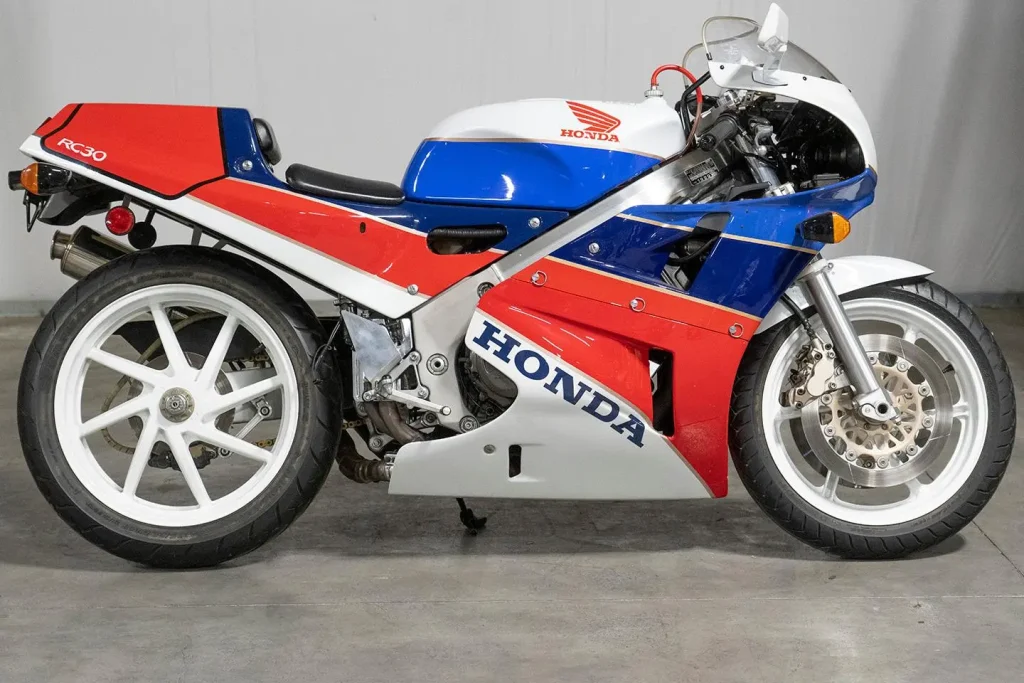
As demand continues to increase and available examples become rarer, values have climbed dramatically. Exceptional RC30 motorcycles frequently command six-figure prices, confirming their status as one of the most valuable and influential Hondas ever built.
Specifications
- Engine: 748cc Liquid-Cooled V4
- Torque: 53 lb-ft
- Horsepower: 112 hp
- Length/Width: 81.3 in / 27.2 in
5. Honda RC45 (RVF750R)
Replacing a legend is never easy, yet Honda faced exactly that challenge when it introduced the RC45, officially known as the RVF750R. Tasked with following the immensely successful RC30, the RC45 arrived in the mid-1990s carrying enormous expectations.
While it was initially overshadowed by its predecessor in the eyes of some enthusiasts, time has transformed the RC45 into one of the most valuable and respected Honda motorcycles ever built.
The RC45 was developed with racing at the forefront of every engineering decision. Honda’s goal was not simply to produce another high-performance sportbike. The company wanted a machine capable of winning championships at the highest level of superbike competition.
To accomplish that objective, engineers created a highly sophisticated motorcycle featuring fuel injection, titanium connecting rods, advanced suspension components, and a chassis optimized for racing success.
Its 749cc V4 engine delivered strong performance, but the motorcycle’s true strength came from its precision. Riders frequently described the RC45 as a machine that rewarded skill and confidence.
It excelled in corners, maintained exceptional stability at speed, and offered the kind of handling characteristics that professional racers demanded.
Track success eventually validated Honda’s efforts. The RC45 achieved victories in major international competitions and demonstrated its capability against fierce rivals from Europe and Japan. Those achievements significantly enhanced its reputation and helped secure its place in motorcycle history.
From a collector’s perspective, rarity is one of the RC45’s greatest assets. Production numbers were limited because the motorcycle existed primarily to satisfy homologation requirements. Unlike mass-market sportbikes, relatively few examples reached customers, making surviving motorcycles increasingly difficult to locate.
Another factor driving values upward is originality. Collectors place tremendous importance on motorcycles that retain factory bodywork, components, and documentation. Because many RC45s were modified or raced during their active years, pristine examples command substantial premiums.
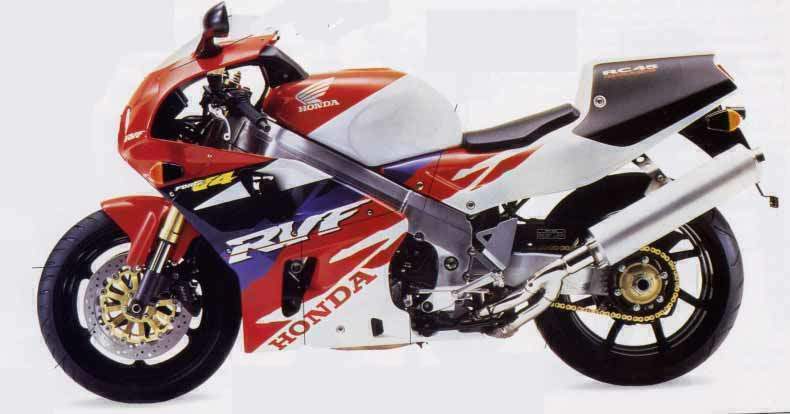
Today, the RC45 occupies a special place in Honda’s performance heritage. It represents the culmination of Honda’s homologation-special philosophy and stands as one of the most technically advanced motorcycles of its era.
Exceptional examples regularly exceed $100,000 in the collector market, and the most desirable motorcycles can attract even greater sums.
Specifications
- Engine: 749cc Liquid-Cooled V4
- Torque: 57 lb-ft
- Horsepower: 118 hp
- Length/Width: 80.9 in / 27.4 in
6. Honda CB750 Factory Racer
Long before Honda dominated Grand Prix racing and produced exotic homologation specials, the company changed the motorcycle industry with the CB750. While standard production CB750 models remain highly respected classics, the factory racing versions occupy an entirely different level of desirability and value.
When Honda introduced the CB750 in 1969, it revolutionized motorcycling. The motorcycle combined a powerful four-cylinder engine, electric start, and impressive reliability in a package that immediately attracted attention worldwide.
It quickly became known as the world’s first superbike and reshaped expectations for performance motorcycles.
Honda recognized the model’s competitive potential and developed factory racing variants that participated in prestigious endurance events and production-based competitions.
These motorcycles differed significantly from showroom models. Engineers modified engines, reduced weight, improved suspension systems, and refined countless details to maximize performance under racing conditions.
The factory racers gained additional historical significance through their success in competition. Victories against established European manufacturers helped cement Honda’s growing reputation as a performance leader. These accomplishments also demonstrated that Japanese motorcycles could compete successfully at the highest levels of international racing.
Unlike production CB750s, factory race machines were built in extremely limited numbers. Many were subjected to years of hard use on racetracks, and surviving examples are exceptionally rare today. Their scarcity makes them highly desirable among serious collectors seeking historically important motorcycles.
Another reason values continue climbing is the motorcycle’s role in Honda’s development. The CB750 represented a turning point not only for the company but also for the entire industry. Collectors often view factory racing versions as artifacts from one of the most important chapters in motorcycle history.
When authentic factory racers become available, they attract attention from museums, private collections, and enthusiasts around the world. Documentation, originality, and race history can dramatically influence final sale prices.
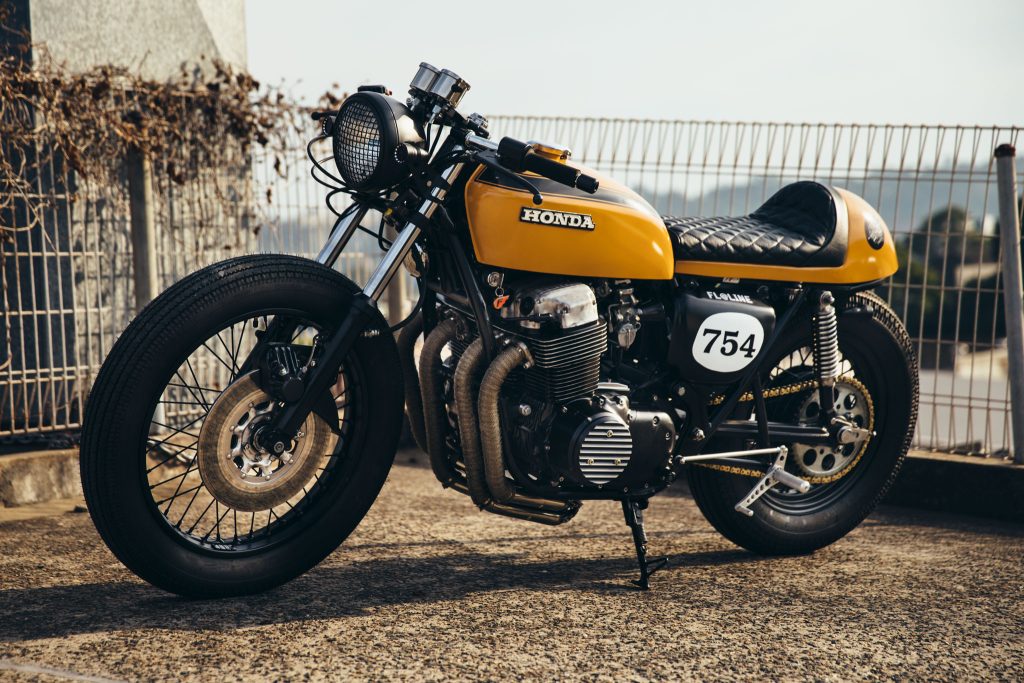
Because of their rarity, historical importance, and direct connection to Honda’s early racing achievements, genuine CB750 factory racers frequently surpass the $100,000 threshold. In many cases, significant examples are valued far beyond that figure.
Specifications
- Engine: 736cc Inline 4
- Torque: Approximately 48 lb-ft
- Horsepower: 90 hp
- Length/Width: 84.3 in / 35.0 in
7. Honda RS750 Dirt Tracker
Not every six-figure Honda earned its reputation on paved circuits. The RS750 achieved legendary status in the uniquely American world of flat-track racing, where speed, control, and bravery mattered just as much as engineering sophistication.
Introduced in the early 1980s, the RS750 became one of the most dominant dirt-track motorcycles ever built and remains highly sought after by collectors today.
Before the arrival of the RS750, Harley-Davidson largely controlled the upper levels of American flat-track competition. Honda wanted to challenge that dominance and invested heavily in developing a purpose-built race machine capable of winning on dirt ovals across the United States.
The result was the RS750, a motorcycle engineered specifically for competition rather than adaptation from an existing production model.
Power came from a liquid-cooled V-twin engine that delivered strong acceleration and impressive durability under demanding racing conditions.
Unlike road-racing motorcycles that prioritized top speed, the RS750 focused on delivering immediate power and controllable performance while sliding through corners at high speeds. This combination quickly made it a favorite among professional racers.
The motorcycle’s competitive success upgraded its reputation dramatically. Riders aboard the RS750 earned victories and championships, proving Honda could compete successfully in one of America’s most challenging racing disciplines. Its achievements helped diversify Honda’s racing heritage beyond Grand Prix and superbike competition.
Collectors value the RS750 because it represents a specialized chapter of Honda history. Very few were produced, and most spent their lives in active competition. As a result, authentic examples with documented provenance are extremely rare.
Race-winning motorcycles are even more desirable and can attract fierce bidding when they appear at auction.
Unlike many collectible motorcycles that owe their value primarily to production rarity, the RS750 combines scarcity with competitive significance. It stands as a machine that changed the balance of power within an established racing series and demonstrated Honda’s ability to succeed in unfamiliar territory.
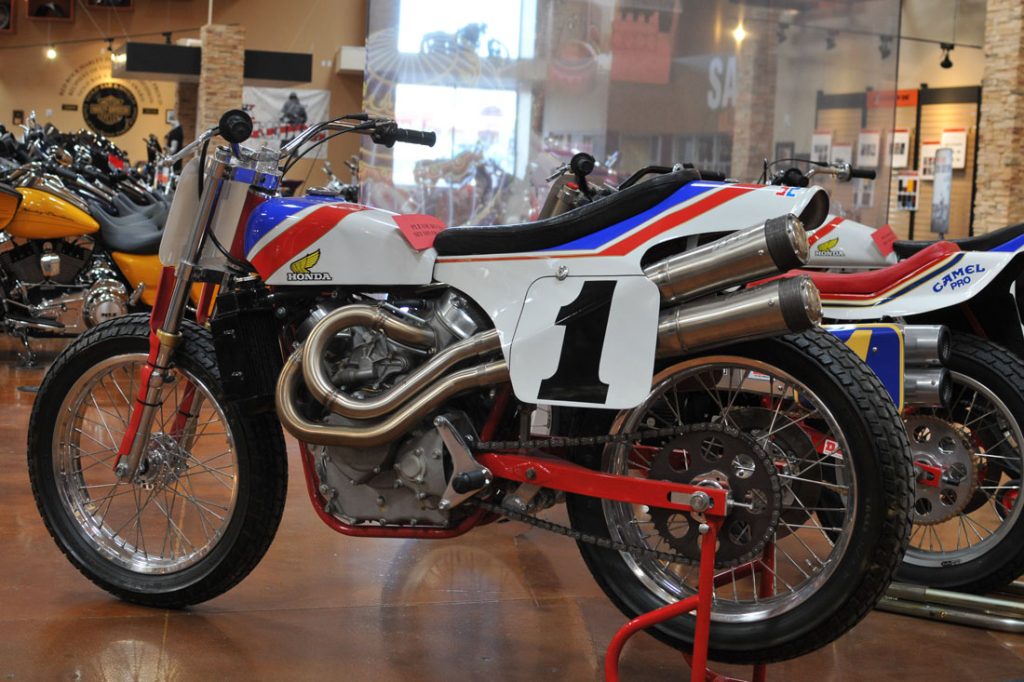
Interest in vintage racing motorcycles continues to grow, particularly among enthusiasts who appreciate machines with genuine competition credentials. For that reason, the RS750 remains one of the most valuable Hondas ever produced, with exceptional examples capable of comfortably exceeding the $100,000 mark.
Specifications
- Engine: 748cc Liquid-Cooled V-Twin
- Torque: Approximately 55 lb-ft
- Horsepower: 90 hp
- Length/Width: 82.0 in / 31.0 in
8. Honda RC181
The 1960s were a period of relentless innovation for Honda’s racing division, and few motorcycles illustrate that ambition better than the RC181. Built to compete in the premier 500cc Grand Prix category, this remarkable machine showcased Honda’s determination to challenge the world’s best manufacturers on the biggest stage in motorcycle racing.
The RC181 arrived during an era when Grand Prix competition was becoming increasingly sophisticated. Manufacturers constantly searched for new ways to gain performance advantages, and Honda responded by creating a motorcycle that combined advanced engineering with exceptional power.
At its heart sat a four-cylinder engine capable of producing impressive output for the period, allowing the RC181 to compete against the strongest rivals of its time.
Performance alone does not explain the motorcycle’s significance. The RC181 represented Honda’s commitment to international racing excellence.
Success in Grand Prix competition was critical for building credibility, particularly as Japanese manufacturers sought recognition in markets traditionally dominated by European brands. Every race became an opportunity to demonstrate engineering capability and strengthen Honda’s reputation.
The motorcycle gained additional prestige through its association with notable riders and historic racing events.
Grand Prix machines from this era occupy a special place in the collector world because they symbolize a period when technological progress occurred at a breathtaking pace. Each season brought innovations that would later influence production motorcycles.
Authentic RC181 examples are exceptionally rare. Unlike street motorcycles that survive in garages and private collections, factory race bikes often disappear over time due to accidents, modifications, or retirement from competition. The few that remain are considered treasures within the motorcycle community.
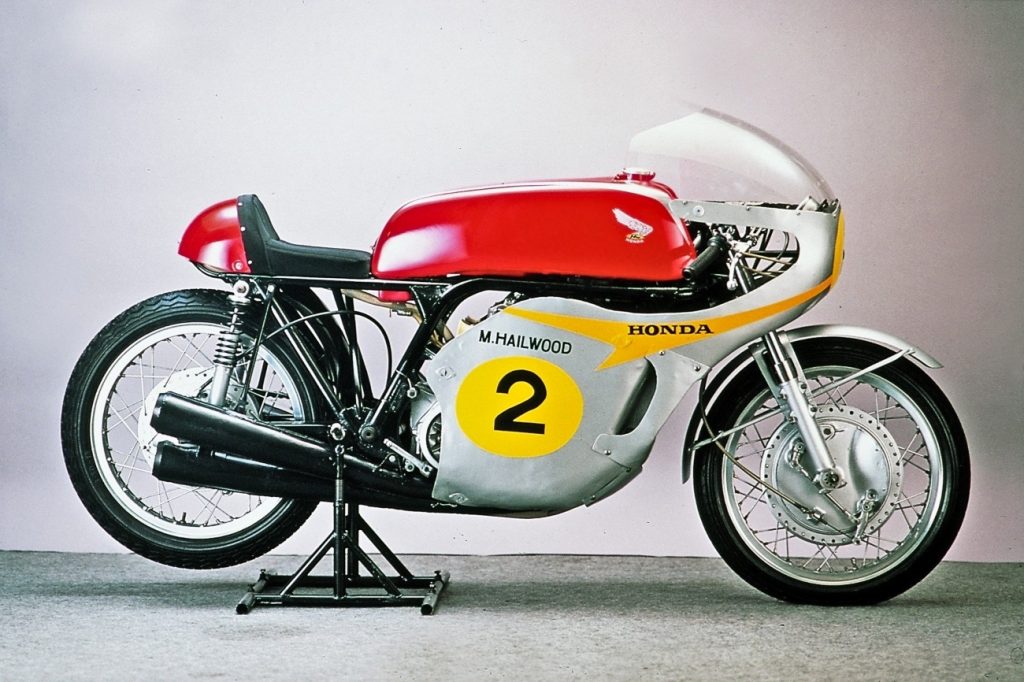
Collectors are particularly attracted to motorcycles that played meaningful roles in motorsport history, and the RC181 fits that description perfectly. Its connection to Honda’s Grand Prix campaign adds immense historical value beyond its technical specifications.
Because of its rarity, racing pedigree, and importance within Honda’s development as a global performance brand, the RC181 commands extraordinary respect among collectors. When genuine examples surface, valuations frequently move well beyond six figures, placing the motorcycle among the most valuable Hondas ever created.
Specifications
- Engine: 499cc Inline 4
- Torque: Approximately 36 lb-ft
- Horsepower: 85 hp
- Length/Width: 78.0 in / 23.5 in
9. Honda CBX1000 Prototype Racer
The production Honda CBX1000 already occupies a special place in motorcycle history thanks to its unforgettable six-cylinder engine. However, prototype racing versions and factory-developed competition machines based on the CBX platform belong to an entirely different category of collectibility.
These motorcycles are exceptionally rare, historically significant, and capable of commanding values well beyond $100,000 when authentic examples become available.
When Honda introduced the CBX1000 in 1978, the motorcycle world was stunned. The massive inline-six engine stretched across the frame and instantly became the centerpiece of the machine.
Smooth, powerful, and mechanically fascinating, it represented Honda’s willingness to push engineering boundaries even when simpler solutions would have been easier and less expensive.
Behind the scenes, Honda and various factory-supported racing programs experimented with competition-oriented CBX machines.
These motorcycles featured extensive modifications designed to improve performance, reduce weight, and enhance handling. In many cases, they shared little more than their fundamental architecture with standard production models.
What makes these prototype racers so desirable is their exclusivity. Unlike production CBX motorcycles that were sold in relatively large numbers, racing and development versions were created in extremely limited quantities.
Some existed only for testing programs, while others participated in special racing events before disappearing into private collections.
Collectors are naturally drawn to motorcycles that reveal an unseen side of a manufacturer’s history. The CBX prototype racers provide exactly that. They offer a view into Honda’s engineering process and showcase how the company sought to transform an already remarkable motorcycle into a competitive performance machine.
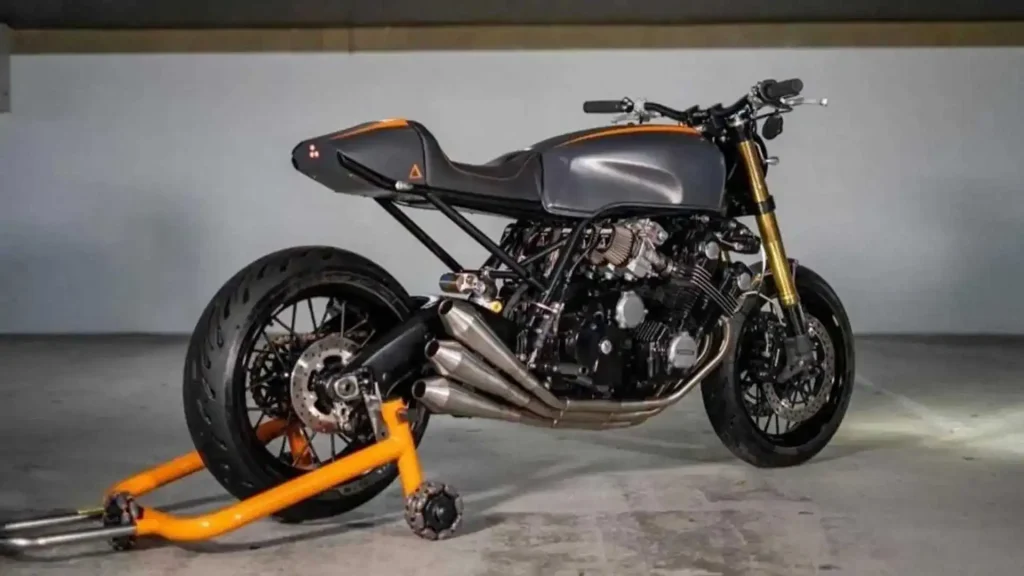
Historical significance also plays a major role in market value. The CBX engine remains one of the most celebrated powerplants Honda ever produced, and any factory-associated racing version immediately attracts attention from enthusiasts around the world.
Because these motorcycles rarely appear on the market, establishing exact values can be difficult. Yet when documented examples change hands, prices often exceed six figures due to their rarity, engineering significance, and connection to one of Honda’s most iconic motorcycles.
For collectors seeking something truly unusual, few Hondas can match the appeal of a genuine CBX1000 prototype racer.
Specifications
- Engine: 1047cc Inline 6
- Torque: Approximately 63 lb-ft
- Horsepower: 120 hp
- Length/Width: 87.0 in / 30.5 in
10. Honda RVF400 HRC Endurance Racer
The final motorcycle on this list is proof that collector value is not always tied to engine size. The Honda RVF400 HRC Endurance Racer may have displaced far less than many of the machines featured here, but its rarity and racing heritage make it one of the most coveted vintage Hondas in existence.
Developed with direct involvement from Honda Racing Corporation, these endurance-racing machines represented the pinnacle of what could be achieved with a lightweight V4 platform.
Built for competition rather than mass production, they featured specialized components, race-tuned engines, upgraded suspension systems, and chassis refinements unavailable on standard road-going motorcycles.
The RVF400 platform already enjoyed a reputation for precision handling and impressive engineering. HRC’s modifications upgraded the machine even further, creating a motorcycle capable of competing at a very high level despite its modest displacement.
Riders appreciated the balance, responsiveness, and confidence the motorcycle inspired on demanding circuits.
One reason collectors prize these motorcycles is their connection to Honda’s racing division. HRC-built machines carry an aura that standard production motorcycles simply cannot replicate. They represent factory expertise applied without the compromises necessary for everyday street use.
Availability is another major factor influencing value. Genuine HRC endurance racers were never produced in large numbers, and many spent years competing under demanding conditions. As time passed, surviving examples became increasingly scarce.
Finding one with documented history, original racing components, and verified authenticity is exceptionally difficult.
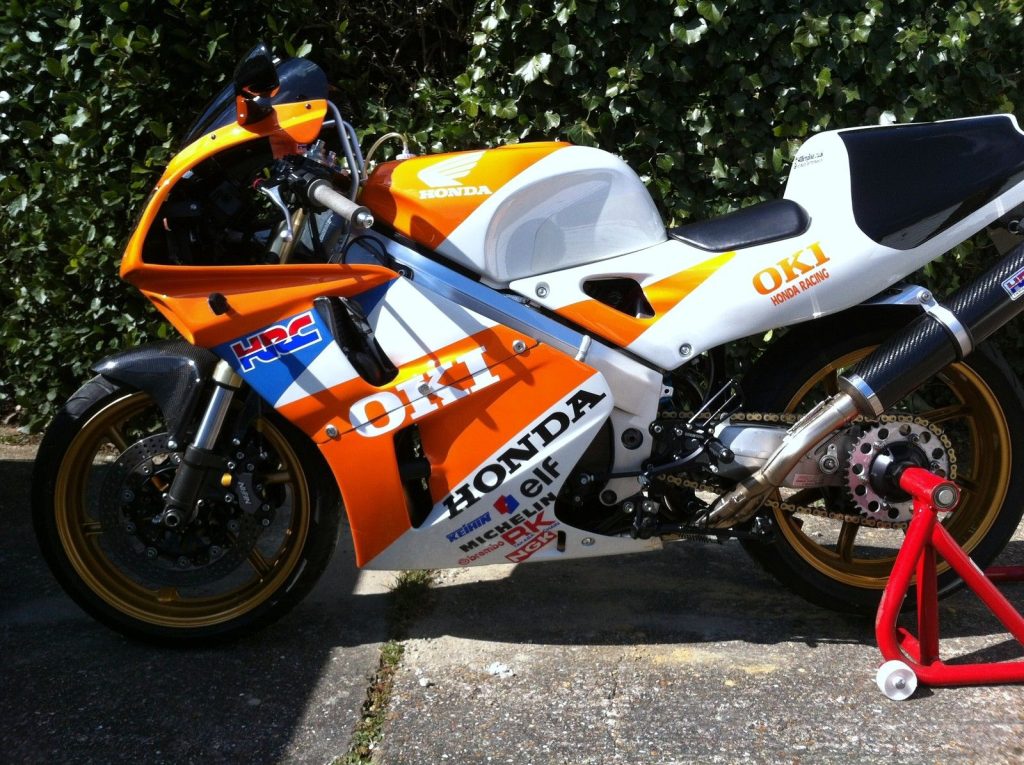
The motorcycle also benefits from growing appreciation for smaller-displacement performance machines. Enthusiasts increasingly recognize that engineering sophistication and historical significance matter far more than outright size. The RVF400 HRC Endurance Racer embodies that philosophy perfectly.
Auction houses and specialist collectors frequently place a premium on motorcycles with direct factory racing connections. When a verified example reaches the market, interest tends to come from buyers around the globe rather than a single region.
That combination of rarity, HRC pedigree, competition history, and collector demand allows exceptional RVF400 endurance racers to exceed the $100,000 threshold, securing their place among the most valuable vintage Hondas ever built.
Specifications
- Engine: 399cc Liquid-Cooled V4
- Torque: 28 lb-ft
- Horsepower: 72 hp
- Length/Width: 78.7 in / 26.9 in
Also Read: 8 Things Driver’s Ed Never Taught You About Modern Cars
