
Movies have a unique way of turning ordinary objects into cultural icons, and few props achieve legendary status quite like cars. From high-speed chases and dramatic crashes to impossible stunts and explosive action sequences, automobiles have played a central role in some of cinema’s most memorable moments.
While audiences often admire these vehicles on screen, many people are unaware of the sacrifices made behind the scenes to create those thrilling scenes. In countless productions, filmmakers have intentionally damaged or completely destroyed valuable cars in pursuit of realism, excitement, and cinematic spectacle. Sometimes these vehicles were custom-built specifically for dangerous sequences, while in other cases rare and expensive automobiles met their end for the sake of storytelling.
The destruction of movie cars is often a carefully planned process involving stunt coordinators, engineers, mechanics, and special effects teams. Modern filmmaking may rely heavily on computer-generated imagery, but practical effects continue to hold a special place in action cinema.
Real crashes, flips, and explosions often look more convincing than digital alternatives, prompting filmmakers to use actual vehicles during production. This commitment to authenticity can come at a high cost, especially when the cars involved are rare classics, high-performance sports cars, or custom-built machines created exclusively for a film.
Over the decades, numerous famous vehicles have been damaged beyond repair while filming blockbuster movies. Some were destroyed during high-risk stunts, while others were sacrificed intentionally because multiple identical versions had been built for production.
In certain cases, surviving examples of these cars have become valuable collector’s items because so few remain. The stories behind these destroyed automobiles offer fascinating insights into the lengths filmmakers go to entertain audiences around the world.
The relationship between movies and cars has always been strong. Iconic vehicles often become as recognizable as the actors who drive them. Fans remember the roaring engines, spectacular jumps, and dramatic crashes long after leaving the theater.
Yet behind every unforgettable stunt lies a real vehicle that may have suffered serious damage or complete destruction. Understanding the fate of these cars helps audiences appreciate the craftsmanship, planning, and risk involved in creating cinematic history.
This article explores eight famous movie cars that were destroyed during filming. Each vehicle played an important role in its respective film and contributed to some of the most exciting scenes ever captured on camera. Their stories reveal how far filmmakers are willing to go in pursuit of unforgettable action and visual storytelling.
Also Read: 5 Best Hybrids vs 5 Best EVs for 2026
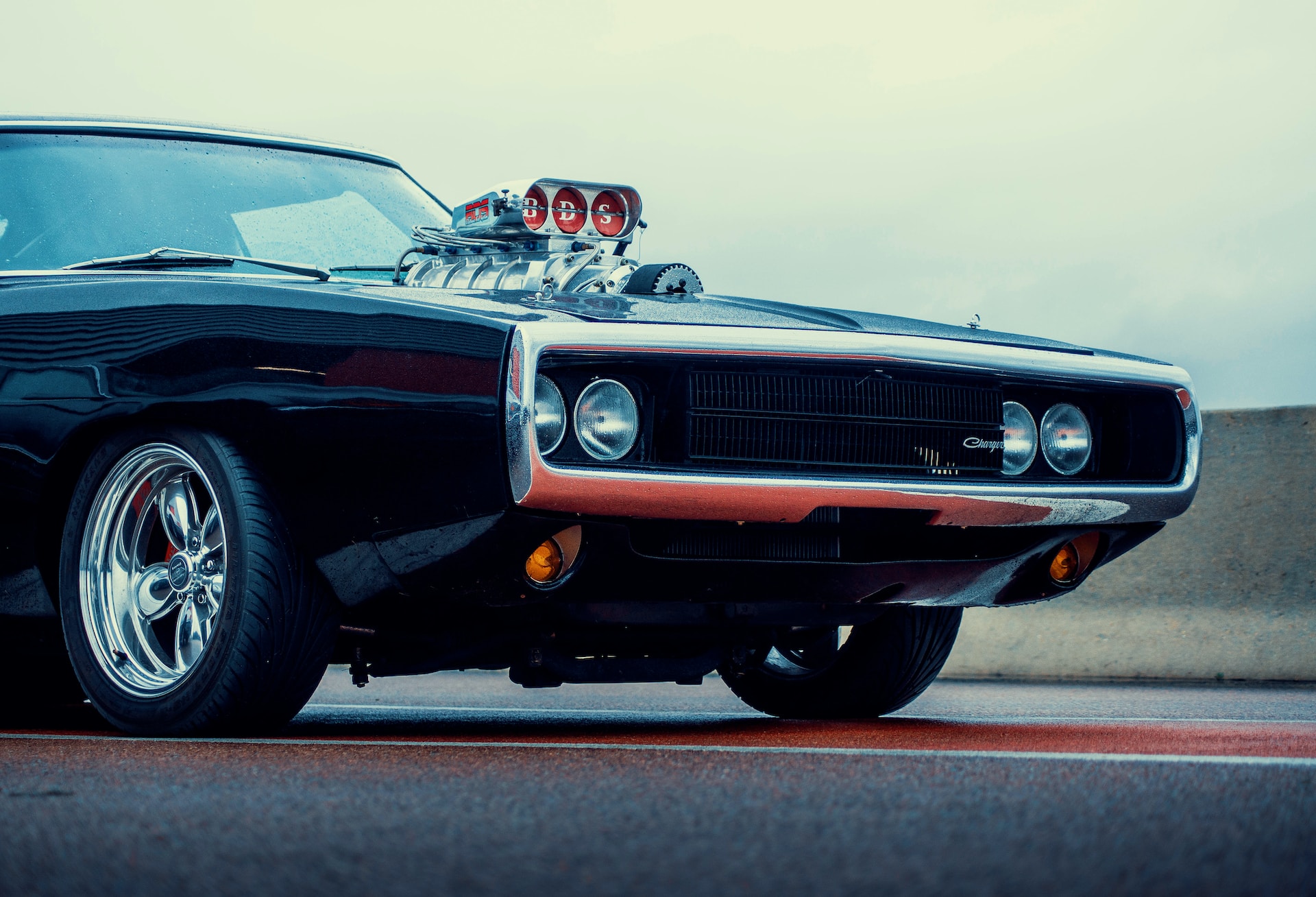
- Engine: 7.2L 440 Magnum V8 (movie car variants differed, hero car featured a supercharged setup)
- Horsepower: Approximately 375 hp (stock 440 Magnum)
- Torque: Approximately 480 lb ft (651 Nm)
- Length: 208 inches (5,283 mm)
- Width: 76.6 inches (1,946 mm)
1. The 1970 Dodge Charger from The Fast and the Furious
The black 1970 Dodge Charger driven by Dominic Toretto became one of the defining symbols of the Fast and Furious franchise. Its aggressive styling, supercharged engine, and intimidating presence made it an instant favorite among viewers. From its first appearance on screen, the Charger established itself as more than just a vehicle. It became a visual representation of Dom’s personality, strength, and connection to his family’s racing legacy.
The filmmakers carefully selected the Charger because of its reputation in American muscle car culture. The model was already well known among automotive enthusiasts, but its appearance in the movie elevated it to an entirely new level of fame.
The combination of the exposed blower protruding from the hood and the deep black paint job created a look that audiences immediately associated with power and speed.
Producing the film required several versions of the Charger. Some vehicles were built for beauty shots and close-up scenes, while others were modified specifically for stunt sequences. This approach ensured that important hero cars remained intact while stunt teams could push other examples to their limits. Different setups allowed the production crew to capture a wide range of action without compromising continuity.
One of the most memorable scenes involving the Charger occurs during the climactic street race. The sequence demanded high-speed driving, precise stunt coordination, and carefully timed camera work.
The resulting footage delivered an adrenaline-filled experience that helped define the tone of the entire franchise. Achieving such realism required real vehicles performing real maneuvers rather than relying solely on visual effects.
Several Chargers used during production sustained extensive damage. Certain stunt cars were subjected to crashes, hard landings, and repeated takes that gradually weakened their structural integrity. Once a vehicle reached a point where repairs were no longer practical, it was retired from production. Some examples were ultimately destroyed in the process of creating key action scenes.
The destruction of these stunt cars contributed significantly to the authenticity of the movie. Audiences could sense the weight and physical presence of the vehicles because actual cars were being driven and damaged on camera. This realism became one of the reasons the franchise resonated so strongly with car enthusiasts worldwide.
Over the years, the Charger has remained one of the most recognizable vehicles associated with the Fast and Furious series. Numerous replicas have been built by fans hoping to recreate its iconic appearance. Automotive shows and conventions frequently feature tributes to the famous muscle car, demonstrating its enduring popularity.
The surviving Chargers connected to the film have become highly valuable pieces of movie history. Collectors appreciate not only their cinematic significance but also their role in launching one of the most successful action franchises ever created. Meanwhile, the destroyed stunt vehicles remain an important part of the story behind the movie’s production and success.
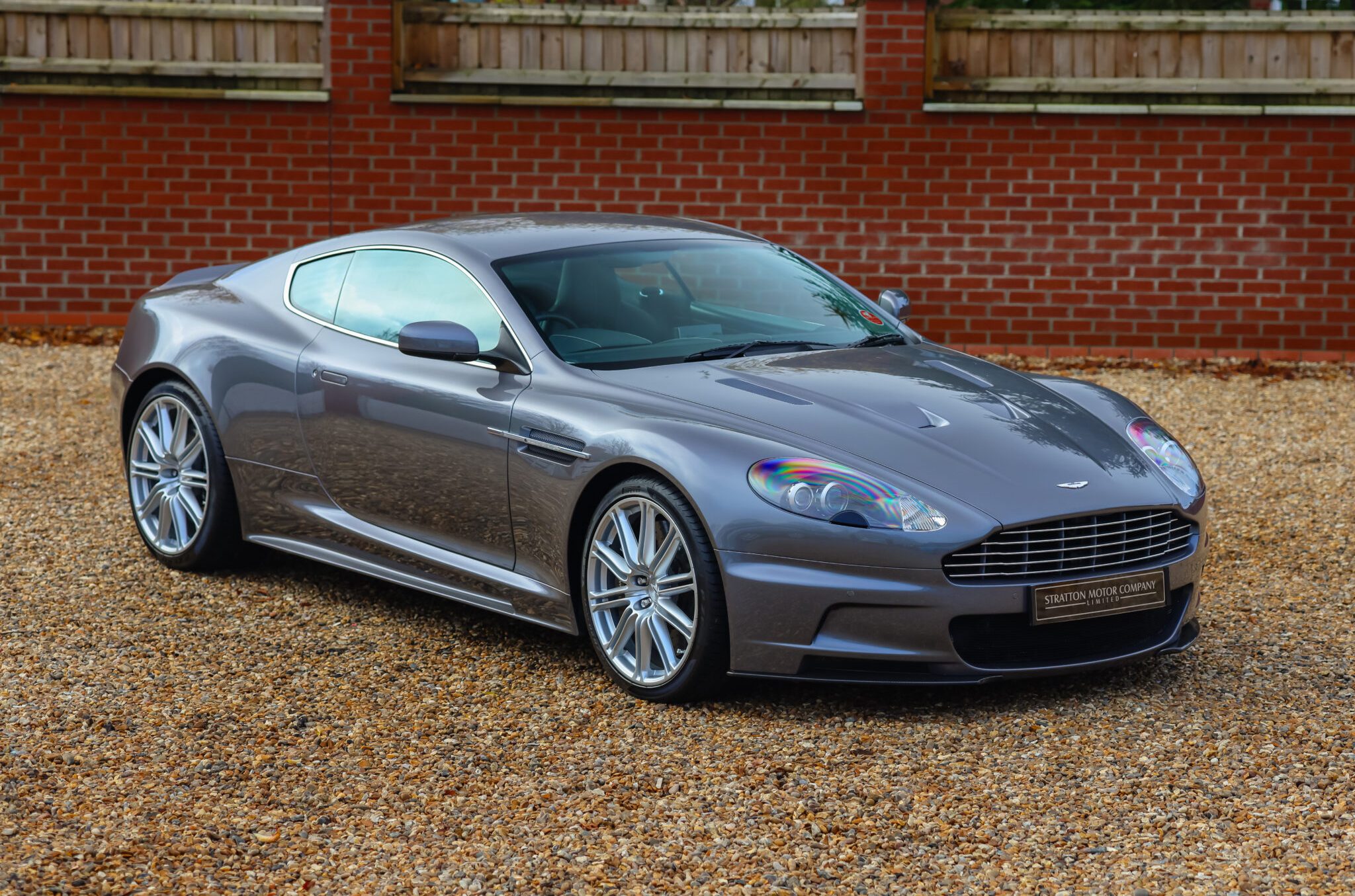
- Engine: 5.9L V12
- Horsepower: 510 hp
- Torque: 420 lb ft (570 Nm)
- Length: 185.5 inches (4,712 mm)
- Width: 74.0 inches (1,880 mm)
2. The Aston Martin DBS from Casino Royale
The Aston Martin DBS introduced in Casino Royale represented a new era for James Bond. The vehicle combined elegance, luxury, and high performance in a package that perfectly matched Daniel Craig’s modern interpretation of the famous spy. Its sleek design and impressive capabilities helped make it one of the standout elements of the film.
The vehicle played a prominent role throughout the film, appearing in several key scenes that highlighted both its beauty and performance. Cinematographers carefully captured the car from multiple angles, ensuring that viewers appreciated its design. Every appearance reinforced its status as one of the most desirable automobiles featured in the James Bond franchise.
One of the most famous moments in Casino Royale involves Bond losing control of the DBS while attempting to avoid an obstacle in the road. The resulting rollover sequence became an instant classic. The car flips multiple times in dramatic fashion, creating a shocking and unforgettable scene that significantly raises the tension of the story.
Achieving this stunt required months of planning and engineering. The production team collaborated with experts to design a mechanism capable of initiating the rollover while maintaining control over the vehicle’s movement. Extensive testing was conducted to ensure that the stunt would appear realistic while meeting strict safety standards.
The car used for the rollover sequence was effectively destroyed during filming. The violent nature of the stunt left the vehicle severely damaged, making restoration impractical. Although sacrificing such an expensive automobile was a significant decision, the filmmakers believed the resulting footage justified the loss.
The scene earned widespread recognition within the film industry because of its technical achievement. Many experts praised the production for relying on practical effects rather than computer-generated imagery. The realistic movement and impact of the vehicle helped create a level of authenticity that audiences could immediately appreciate.
Today, the destroyed DBS remains one of the most famous stunt vehicles in modern cinema. Its sacrifice contributed to one of the greatest action sequences in James Bond history and demonstrated the value of practical filmmaking in an increasingly digital age.
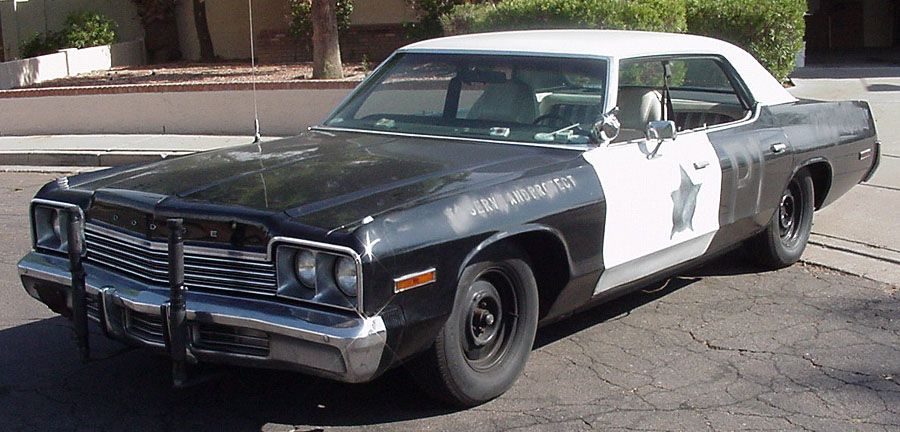
- Vehicle Base: 1974 Dodge Monaco Sedan
- Engine: 7.2L 440 V8
- Horsepower: Approximately 275 hp
- Torque: Approximately 375 lb ft (508 Nm)
- Length: 220.9 inches (5,611 mm)
- Width: 79.3 inches (2,014 mm)
3. The Bluesmobile from The Blues Brothers
The Bluesmobile is one of the most beloved cars ever featured in a comedy film. Based on a retired police sedan, the vehicle became an integral part of The Blues Brothers and developed a personality of its own throughout the story. Its battered appearance and seemingly limitless endurance turned it into an unforgettable cinematic icon.
From the beginning, the filmmakers understood that the car would play a central role in the movie’s humor and action. As a result, the production acquired numerous vehicles to ensure that filming could continue even when individual cars were damaged. This decision proved essential given the scale of the automotive stunts planned for the film.
The Bluesmobile appeared in countless scenes involving high-speed pursuits, sudden turns, dramatic jumps, and collisions. Rather than minimizing physical action, the filmmakers embraced chaos and pushed the vehicles to their limits. This approach helped create a unique blend of comedy and spectacle that distinguished the movie from its contemporaries.
One of the film’s defining characteristics is its massive chase sequences. Hundreds of vehicles were used throughout production, making it one of the most ambitious automotive projects of its era. The Bluesmobile frequently found itself at the center of these scenes, narrowly escaping disaster or causing destruction wherever it went.
Several Bluesmobiles were ultimately destroyed during production. While this may seem excessive, it reflected the filmmakers’ commitment to practical effects and authentic action. The damage seen on screen was often genuine, adding a level of realism that audiences found both exciting and entertaining.
The destruction of multiple cars also contributed to the film’s comedic identity. Watching the Bluesmobile survive impossible situations became a recurring joke that resonated with viewers. Each new scrape, dent, and collision added to the vehicle’s legendary status.
Today, surviving Bluesmobiles are treasured by fans and collectors. They serve as reminders of a film that pushed the boundaries of automotive action in a comedic setting. The destroyed examples may be gone, but their contribution to one of cinema’s greatest car movies remains unforgettable.
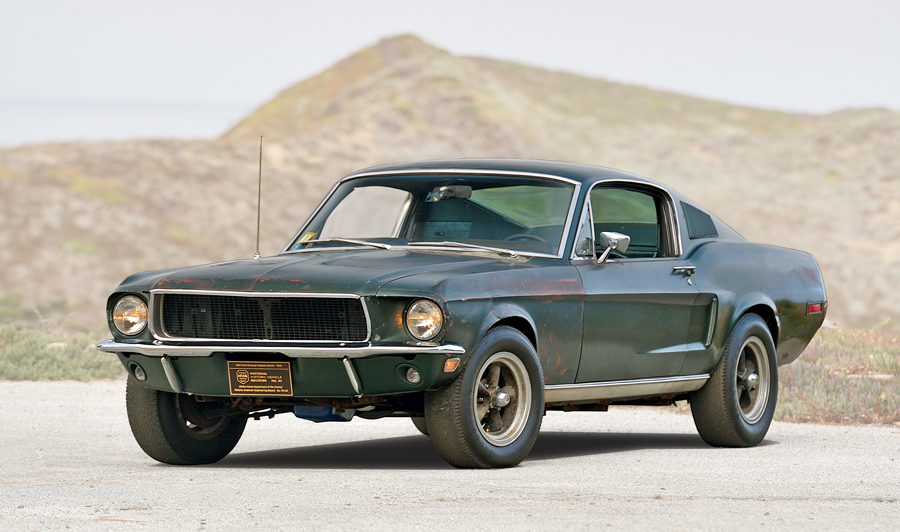
- Engine: 6.4L 390 FE V8
- Horsepower: 325 hp
- Torque: 427 lb ft (579 Nm)
- Length: 183.6 inches (4,663 mm)
- Width: 70.9 inches (1,801 mm)
4. The Ford Mustang GT390 from Bullitt
The Ford Mustang GT390 featured in Bullitt occupies a special place in movie history. Driven by Steve McQueen, the vehicle became the centerpiece of one of the most influential chase sequences ever filmed. Its understated appearance and powerful performance helped establish a new standard for realistic automotive action.
Before Bullitt, many car chases relied on exaggerated editing techniques and unrealistic driving. The filmmakers wanted something different. They aimed to create a sequence that felt authentic and immersive, allowing audiences to experience the intensity of a real pursuit through city streets.
The Mustang’s design played a major role in its appeal. Finished in a distinctive dark green color, it stood apart from the brightly colored sports cars often seen in films. Its subtle appearance made it feel believable as an everyday vehicle while still delivering the performance necessary for dramatic action scenes.
Filming the chase required extraordinary effort. Streets were carefully selected, cameras were mounted in innovative positions, and drivers practiced extensively before production began. The goal was to capture genuine speed and excitement without relying on visual tricks or excessive editing.
Multiple Mustangs were used during filming. Hero vehicles handled close-up scenes and promotional photography, while stunt cars endured the rigors of aggressive driving. This separation allowed the production team to preserve certain cars while pushing others to their limits.
The demanding chase sequence placed immense stress on the stunt vehicles. Hard braking, rapid acceleration, jumps, and repeated takes caused significant wear. One stunt Mustang suffered extensive damage during production and was eventually discarded because repairs were not considered worthwhile.
The destruction of stunt vehicles was viewed as a necessary part of achieving realism. Rather than avoiding damage, filmmakers accepted it as a consequence of capturing authentic action. The resulting footage became legendary and continues to influence directors and stunt coordinators decades later.
Today, the surviving Bullitt Mustang is celebrated as one of the most important movie cars ever created. While the damaged and destroyed examples are often forgotten, their role in producing one of cinema’s greatest chase sequences cannot be overstated.

- Engine: 5.7L Chevrolet V8 (custom-built stunt vehicle)
- Horsepower: Approximately 500 hp
- Torque: Approximately 500 lb ft (678 Nm)
- Length: 181 inches (4,597 mm)
- Width: 110 inches (2,794 mm)
5. The Batmobile from The Dark Knight
Christopher Nolan’s The Dark Knight introduced audiences to a radically different Batmobile known as the Tumbler. Unlike previous versions that emphasized sleek styling, the Tumbler resembled a heavily armored military vehicle. Its aggressive design immediately set it apart from earlier interpretations and reinforced the grounded tone of Nolan’s Batman universe.
The Tumbler was designed with practicality in mind. Rather than existing solely as a visual effect, fully operational vehicles were constructed for filming. These machines possessed real driving capability, allowing the production team to capture authentic movement and interactions with the environment.
Building the vehicles required a significant engineering effort. Designers combined elements of race cars, military hardware, and custom fabrication to create a machine capable of handling demanding stunt work. The result was a vehicle unlike anything audiences had previously seen on screen.
Throughout the film, the Tumbler participates in numerous action sequences involving sharp turns, high-speed pursuits, and dramatic collisions. These scenes showcased the vehicle’s unique appearance and reinforced its reputation as a powerful crime-fighting machine capable of surviving extreme situations.
Because the production relied heavily on practical effects, the vehicles were subjected to genuine physical stress. Stunt teams pushed the Tumblers through difficult conditions that included crashes, impacts, and rapid maneuvers. Some vehicles sustained extensive damage while helping create these memorable scenes.
Also Read: 10 Vintage Honda Motorcycles Worth More Than $100,000
- Vehicle Base: 2010 Chevrolet Camaro SS
- Engine: 6.2L LS3 V8
- Horsepower: 426 hp
- Torque: 420 lb ft (569 Nm)
- Length: 190.4 inches (4,836 mm)
- Width: 75.5 inches (1,918 mm)
6. The Chevrolet Camaro from Transformers
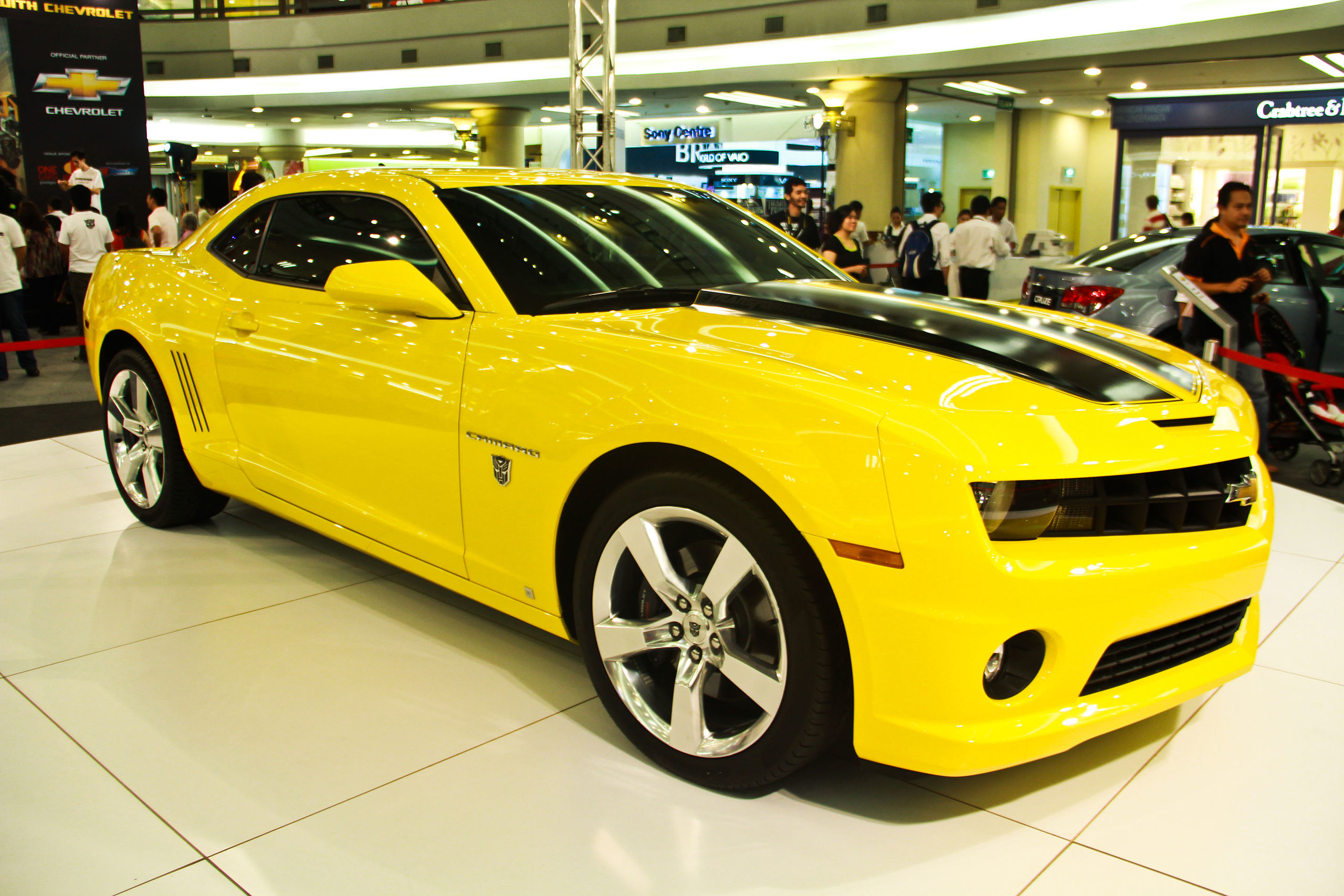
The Chevrolet Camaro that portrayed Bumblebee in Transformers became one of the most recognizable movie vehicles of the twenty-first century. Before the release of the film, the Camaro was already respected among muscle car enthusiasts, but its starring role introduced it to an entirely new generation of fans. The car’s aggressive styling, distinctive yellow paint, and black racing stripes helped create a visual identity that instantly stood out on screen.
To accommodate the demands of filming, multiple Camaros were constructed and modified for different purposes. Some were reserved for close-up shots where visual perfection was essential.
Others were built specifically for action scenes involving aggressive driving, rapid acceleration, and potentially damaging stunt work. This strategy allowed production to continue efficiently even when individual vehicles suffered damage.
The Transformers films are famous for their large-scale action sequences. High-speed chases, explosions, collisions, and elaborate stunts became central elements of the franchise’s visual identity. Although advanced visual effects played a major role in bringing the robots to life, practical vehicles remained critical for grounding the action in reality.
Many scenes required the Camaro to perform demanding maneuvers that subjected it to considerable stress. Drivers executed precise turns, sudden stops, and high-speed runs under carefully controlled conditions. Repeated takes often placed additional strain on the vehicles, increasing the likelihood of mechanical wear and physical damage.
Following the movie’s success, interest in the Camaro surged dramatically. Many fans associated the vehicle directly with Bumblebee, leading to increased public attention and renewed enthusiasm for the model. The film demonstrated the powerful influence cinema can have on automotive culture and consumer perception.
Today, surviving Camaros used in the Transformers films are highly sought after by collectors and movie enthusiasts. The destroyed stunt vehicles may no longer exist, but their contribution to one of the most successful action franchises in modern cinema remains significant and widely appreciated.
- Vehicle Base: DeLorean DMC 12
- Engine: 2.85L PRV V6
- Horsepower: 130 hp
- Torque: 153 lb ft (207 Nm)
- Length: 166 inches (4,216 mm)
- Width: 78.3 inches (1,989 mm)
7. The DeLorean Time Machine from Back to the Future
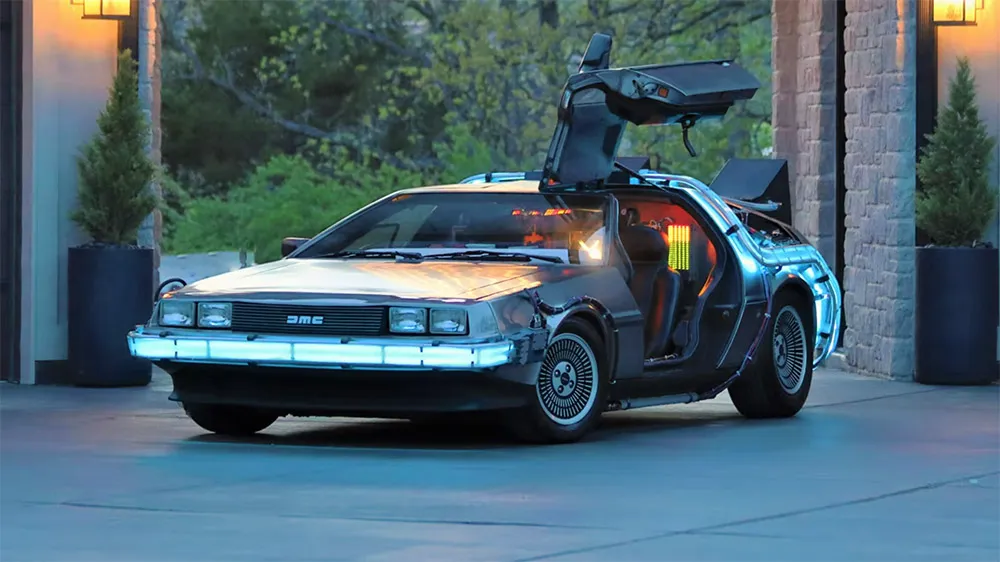
The DeLorean Time Machine from Back to the Future is widely regarded as one of the most iconic movie vehicles ever created. While the original DeLorean DMC 12 was already an unusual automobile because of its stainless steel body panels and gullwing doors, the filmmakers transformed it into something extraordinary. Through creative modifications and imaginative design, the car became a believable machine capable of traveling through time.
From its very first appearance, the Time Machine captured the imagination of audiences around the world. The combination of futuristic components, glowing electronics, and scientific equipment gave the vehicle a distinctive look unlike anything previously seen in cinema. It quickly became the visual centerpiece of the franchise and remains one of the most recognizable movie props ever built.
The vehicle’s importance extended beyond aesthetics. The entire story revolved around the Time Machine and its ability to transport characters between different eras. Every major event in the trilogy was connected to the DeLorean in some way, making it arguably the most important object within the narrative.
Creating the Time Machine required extensive customization. Designers added fictional technological components, cables, vents, and specialized equipment to make the vehicle appear capable of performing impossible tasks. These modifications transformed an already distinctive sports car into a cinematic legend.
Because filming involved numerous complex sequences, multiple DeLoreans were used throughout production. Different cars were assigned to specific purposes such as close up photography, driving scenes, special effects work, and stunt sequences. This approach allowed filmmakers to preserve certain vehicles while adapting others for demanding production requirements.
Over time, the vehicles endured significant wear and tear. Repeated filming, transportation between locations, and constant modifications gradually affected their condition. Some cars suffered damage during production, while others experienced deterioration as a result of long-term use.
Not every movie DeLorean survived in complete form. Several vehicles were dismantled, heavily modified, or damaged beyond practical restoration. Components from one car were sometimes transferred to another, a common practice in film production when budgets and schedules demanded efficiency.
The surviving Time Machines eventually became treasured pieces of entertainment history. Museums, exhibitions, and fan events frequently display restored examples, attracting visitors eager to see the legendary vehicle in person. Their continued popularity demonstrates the lasting cultural impact of the franchise.
- Vehicle Base: Replica built on various custom chassis
- Engine: Typically Ford 5.0L V8 (used in movie replicas)
- Horsepower: Approximately 225 hp
- Torque: Approximately 300 lb ft (407 Nm)
- Length: 173 inches (4,394 mm)
- Width: 63 inches (1,600 mm)
8. The Ferrari 250 GT California Replica from Ferris Bueller’s Day Off
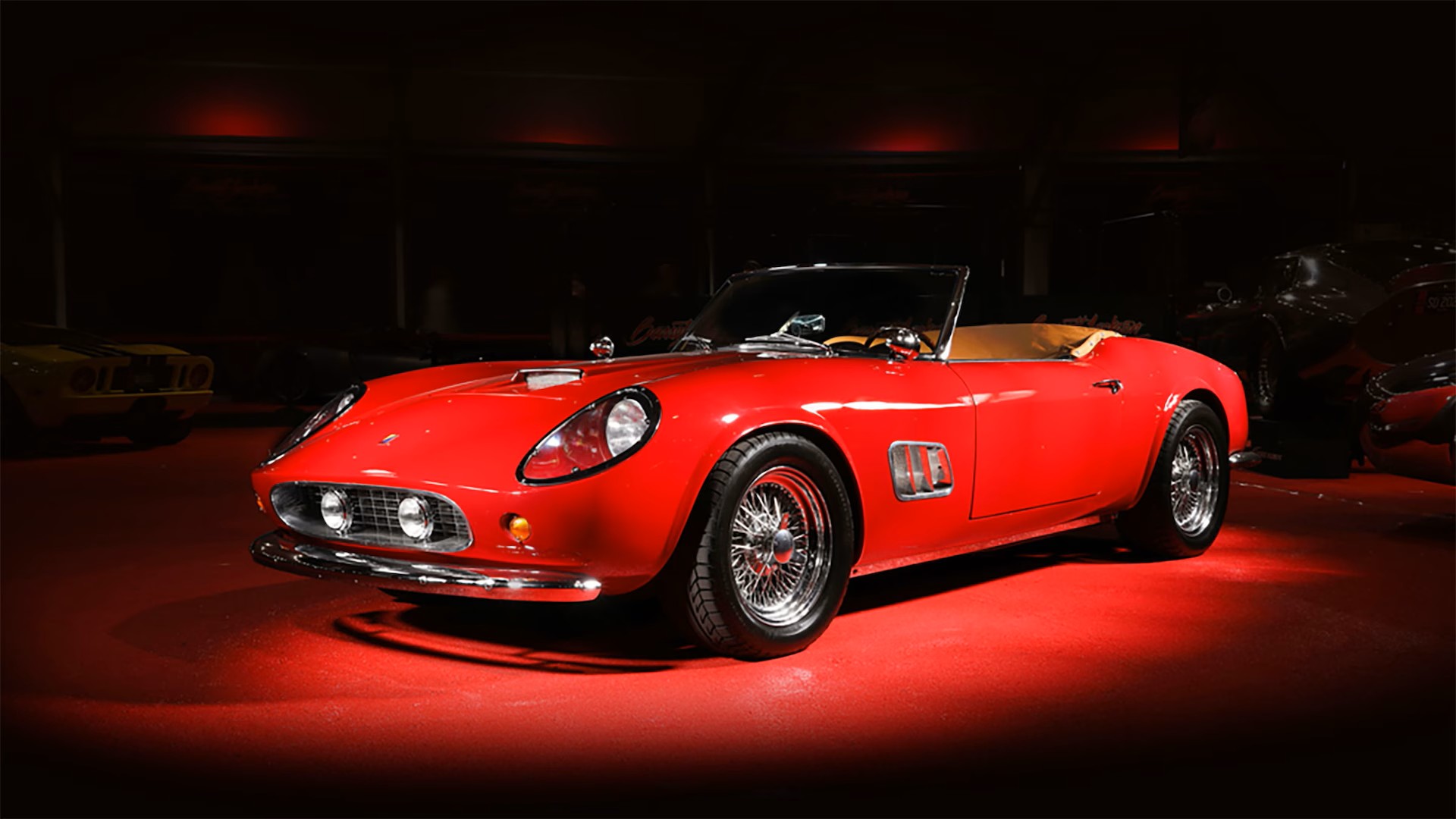
Ferris Bueller’s Day Off features one of the most memorable automobiles in comedy film history. The car, presented as a Ferrari 250 GT California, became an essential part of the story and served as a symbol of wealth, luxury, and prestige. Its appearance immediately communicated the importance of the vehicle to both the characters and the audience.
The genuine Ferrari 250 GT California is one of the rarest and most valuable classic automobiles ever produced. Because of its extraordinary value, using a real example for risky filming would have been impractical and financially irresponsible. As a result, the production relied on specially constructed replicas designed to resemble the legendary Ferrari.
These replicas were created with considerable attention to detail. Although not identical to the original vehicle in every respect, they successfully captured the elegant appearance and emotional impact required for the film. Most viewers never realized they were looking at replicas rather than authentic Ferraris.
Within the story, the car belongs to Cameron Frye’s father and represents everything Cameron fears damaging. The vehicle becomes a source of anxiety throughout the film, creating tension that gradually builds as the narrative progresses. This emotional investment makes the car far more significant than a typical movie prop.
Several scenes highlight the beauty and exclusivity of the automobile. The filmmakers carefully photographed the vehicle to emphasize its status and desirability. These moments encouraged audiences to appreciate the car while simultaneously worrying about what might happen to it.
As the story approaches its climax, the Ferrari becomes central to one of the movie’s most famous sequences. In a desperate attempt to reverse the vehicle’s mileage, the characters place it on a stand and run the wheels in reverse. What begins as a seemingly harmless plan quickly turns into a disaster.
The destroyed replica played a crucial role in the success of the scene. Had the filmmakers relied entirely on visual tricks or editing, the emotional impact might not have been as powerful. Watching a real car fall and break apart gave the moment a level of authenticity that resonated strongly with viewers.
Decades after the film’s release, the Ferrari crash remains one of the most discussed automotive moments in comedy cinema. The sacrifice of the replica vehicle helped create a scene that continues to entertain audiences and contribute to the enduring popularity of Ferris Bueller’s Day Off.
