
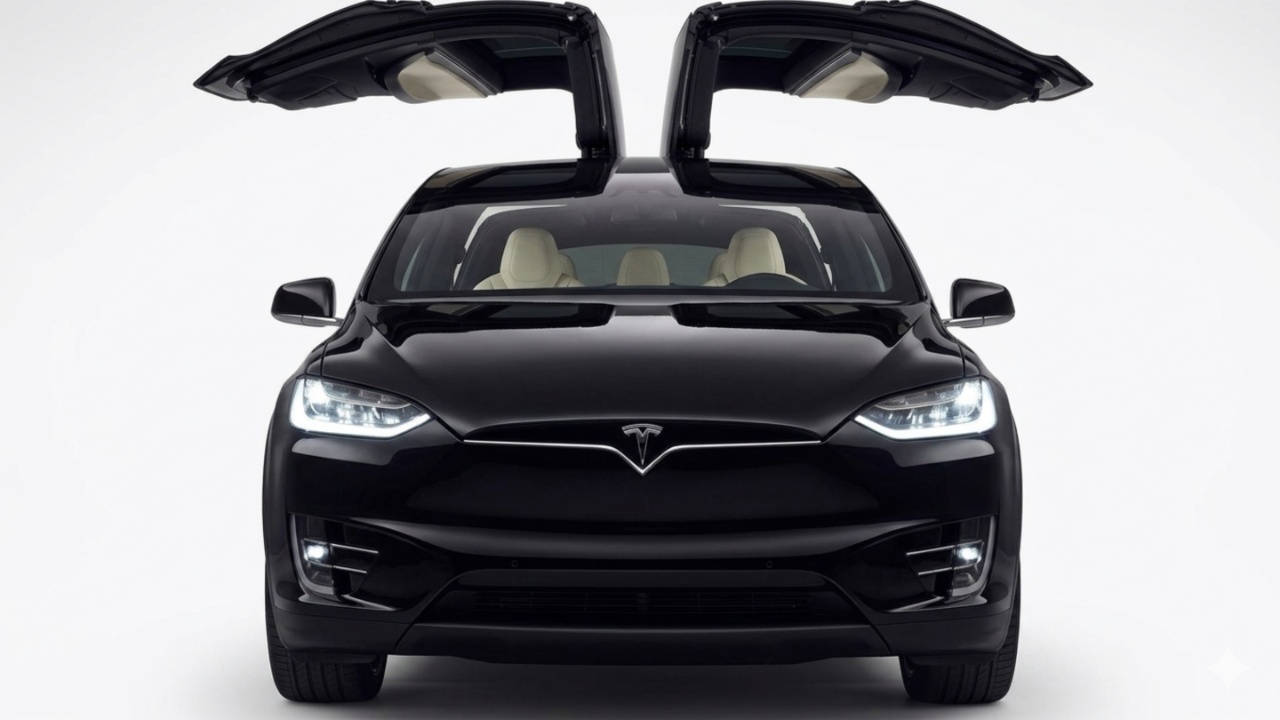
For years, the Tesla Model X occupied a unique position in the automotive market. It combined supercar-like acceleration, futuristic technology, and family-friendly practicality in a package unlike anything else on the road.
The distinctive Falcon Wing doors, expansive windshield, and cutting-edge electric powertrain helped make it one of the most recognizable luxury EVs ever produced.
Yet despite its technological appeal and premium image, the Model X is now making headlines for a very different reason.
According to recent depreciation data, the Tesla Model X loses approximately 61% of its value after five years of ownership, placing it among the worst-performing luxury vehicles when it comes to retaining value. The findings highlight a growing challenge facing many high-end electric vehicles as the used EV market continues to evolve rapidly.
For buyers who purchased a new Model X at six-figure prices, the numbers can be difficult to ignore. A vehicle that originally cost around $100,000 can be worth less than $40,000 after five years, representing one of the steepest depreciation curves in the luxury SUV segment.
While depreciation affects every vehicle, the Model X illustrates how quickly values can change in a market driven by technology, battery improvements, and shifting consumer demand.
Also Read: 5 Land Rover Models Worth the Risk VS 5 To Avoid
The Numbers Behind the Depreciation
Data compiled by automotive research firm iSeeCars shows that the Tesla Model X depreciates by approximately 61.1% over five years, leaving it with a residual value of just 38.9% of its original price. The average resale value after five years sits at roughly $38,862.
To put that into perspective, the average vehicle across all categories loses around 41.5% of its value over the same period. SUVs as a group perform better as well, averaging approximately 44.9% depreciation after five years. The Model X, therefore, loses value significantly faster than the typical SUV.
Interestingly, the vehicle’s depreciation curve is particularly aggressive during the first few years. According to iSeeCars data, the Model X loses roughly 56% of its value after only three years, meaning much of the depreciation occurs early in the ownership cycle.
This pattern is becoming increasingly common among luxury electric vehicles. Unlike traditional luxury SUVs, where styling and brand prestige often remain relevant for many years, EV values are heavily influenced by technology improvements.
Range increases, charging enhancements, software updates, and battery advancements can make older models feel outdated much faster.
Why the Model X Loses Value So Quickly
Several factors contribute to the Model X’s depreciation challenges. One of the biggest is Tesla’s rapid pace of innovation. The company frequently updates its vehicles, sometimes introducing major improvements without waiting for a traditional model-year redesign.
A three-year-old Model X can feel noticeably older compared to a newly updated version. Newer Teslas often arrive with better range, faster processors, improved driver-assistance hardware, enhanced charging performance, and updated interior technology.
That constant evolution puts pressure on used vehicle values. Tesla’s pricing strategy has also played a role. Over the past several years, the company has repeatedly adjusted new vehicle prices, sometimes cutting prices dramatically.
While lower prices help attract new buyers, they can also reduce used vehicle values because older models must compete against cheaper new alternatives. The broader EV market has contributed as well.
As more electric vehicles enter the market, consumers now have far more choices than they did when the Model X first launched. Luxury buyers can choose from offerings produced by Mercedes-Benz, BMW, Audi, Rivian, Cadillac, Lucid, and several other manufacturers. Increased competition naturally affects resale values.
The Luxury EV Market Faces Similar Challenges
The Model X is not alone. Recent studies show that many luxury electric vehicles depreciate more rapidly than conventional gasoline-powered vehicles. High purchase prices, rapid technological change, and concerns about long-term battery health all contribute to weaker residual values.
Consumers often approach used EV purchases differently than traditional used vehicles. When evaluating a used luxury SUV with a gasoline engine, buyers typically focus on mileage, maintenance history, and mechanical condition. Used EV shoppers must also consider battery degradation, software support, charging capability, and how well the vehicle’s technology will remain relevant in the years ahead.
Even though Tesla batteries have generally demonstrated strong durability, concerns about long-term battery performance still influence buyer behavior.
Those concerns can suppress used vehicle prices even when actual reliability remains relatively strong. The result is a market where depreciation often exceeds that of comparable luxury SUVs.
Bad News for Sellers, Good News for Buyers
While steep depreciation is frustrating for original owners, it creates significant opportunities for used vehicle shoppers.
A five-year-old Model X still offers many of the qualities that made it attractive when new. It remains exceptionally quick, provides access to Tesla’s charging ecosystem, offers generous passenger space, and includes many advanced technology features.
The difference is that buyers can now access those benefits at a fraction of the original purchase price.
Someone purchasing a used Model X today may effectively receive a luxury electric SUV that originally sold for around $100,000 while paying less than half that amount.
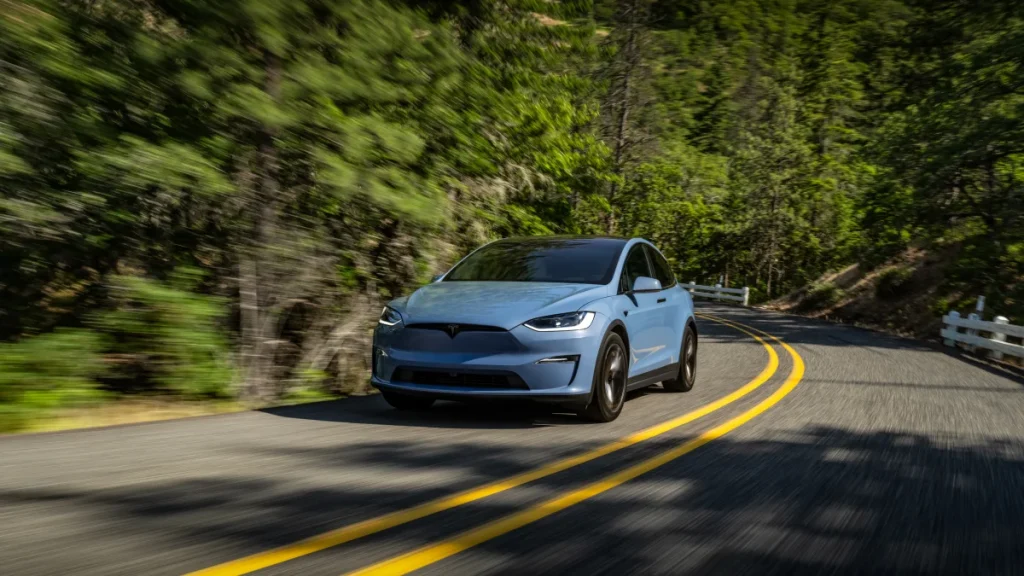
For value-conscious buyers willing to accept some depreciation risk, that proposition can be extremely attractive.
In fact, many analysts argue that luxury EVs often make more sense as used purchases than as new vehicles because the first owner absorbs the steepest depreciation hit.
Tesla’s Future Could Influence Values
The future of Model X values remains uncertain. Tesla announced plans in early 2026 to discontinue both the Model S and Model X, bringing an end to two vehicles that helped establish the company’s reputation in the premium EV market.
Discontinuation can affect resale values in different ways. In some cases, limited production numbers help support values because vehicles become rarer. In other situations, the absence of future development causes values to decline further as buyers focus on newer alternatives.
The outcome will likely depend on consumer demand, Tesla’s long-term support strategy, and the continued evolution of the luxury EV segment.
What is already clear, however, is that the Model X has become one of the strongest examples of how rapidly automotive values can change in the electric era.
The vehicle remains a technological landmark and one of the most distinctive SUVs ever produced. Yet its depreciation figures serve as a reminder that innovation and resale value do not always move in the same direction.
For current owners, the numbers may be difficult to accept. For used-car buyers, they may represent one of the most compelling luxury EV bargains available today.
