
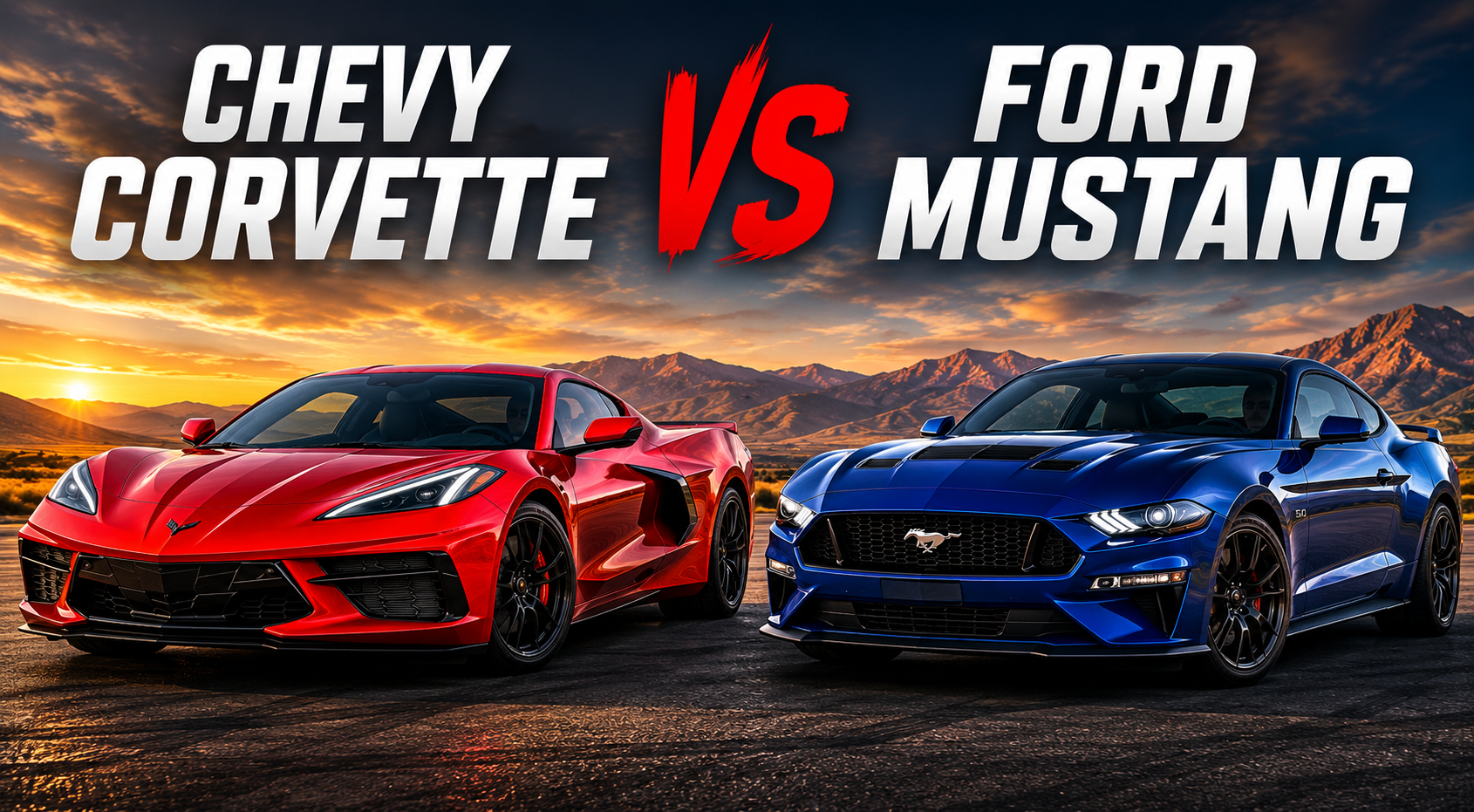
Few automotive rivalries capture the spirit of American performance quite like the Chevrolet Corvette and Ford Mustang. Both vehicles have spent decades representing speed, excitement, and accessible performance, yet they approach the sports-car formula from completely different directions.
The Mustang remains one of the most recognizable performance cars ever built. Since its debut in 1964, it has evolved from a simple pony car into a sophisticated performance machine capable of competing with far more expensive vehicles.
Modern Mustangs offer everything from efficient turbocharged engines to track-focused V8 monsters capable of producing supercar-level performance.
The Corvette occupies a different position in the market. Chevrolet’s flagship sports car has long been America’s answer to European exotics, delivering world-class performance at a fraction of the price of many rivals.
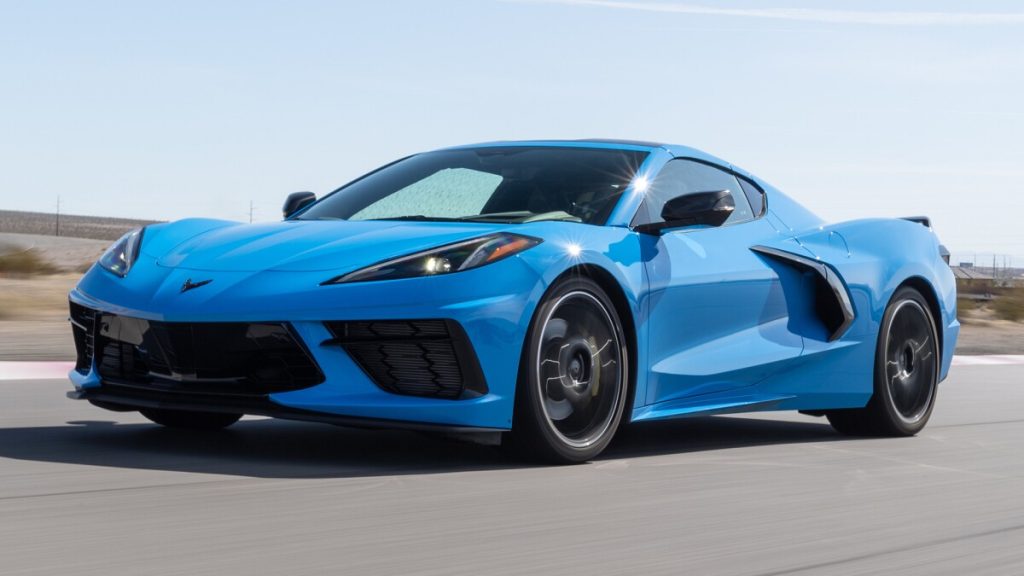
The current C8 generation marked the biggest transformation in Corvette history, moving the engine behind the driver and adopting a true mid-engine layout.
Comparing these vehicles isn’t as straightforward as comparing two traditional rivals. The Mustang serves as a performance coupe that balances daily usability with impressive speed, while the Corvette focuses heavily on delivering a genuine sports-car experience.
Even so, buyers often cross-shop them because both represent the pinnacle of American performance in their respective categories.
Modern versions of both vehicles offer astonishing capabilities. A Mustang Dark Horse can lap racetracks at speeds that would have seemed impossible for a factory Mustang a decade ago. The Corvette Stingray delivers acceleration and handling figures once reserved for exotic machinery costing twice as much.
Choosing between them requires examining more than horsepower figures. Design, interior quality, performance, practicality, ownership costs, and long-term value all play important roles. Let’s see which American icon comes out on top.
Also Read: 5 Land Rover Models Worth the Risk VS 5 To Avoid
Exterior Design and Road Presence
Park a Corvette and Mustang side by side, and the differences become immediately obvious. The Corvette looks like a supercar.
Chevrolet’s decision to move the engine behind the driver completely transformed the vehicle’s proportions. Sharp body lines, dramatic air intakes, a low roofline, and a wide stance give the Corvette an exotic appearance that attracts attention wherever it goes.
The Stingray measures approximately 182.3 inches long and stands only 48.6 inches tall. Its low-slung profile creates a sense of drama that few vehicles in its price range can match.
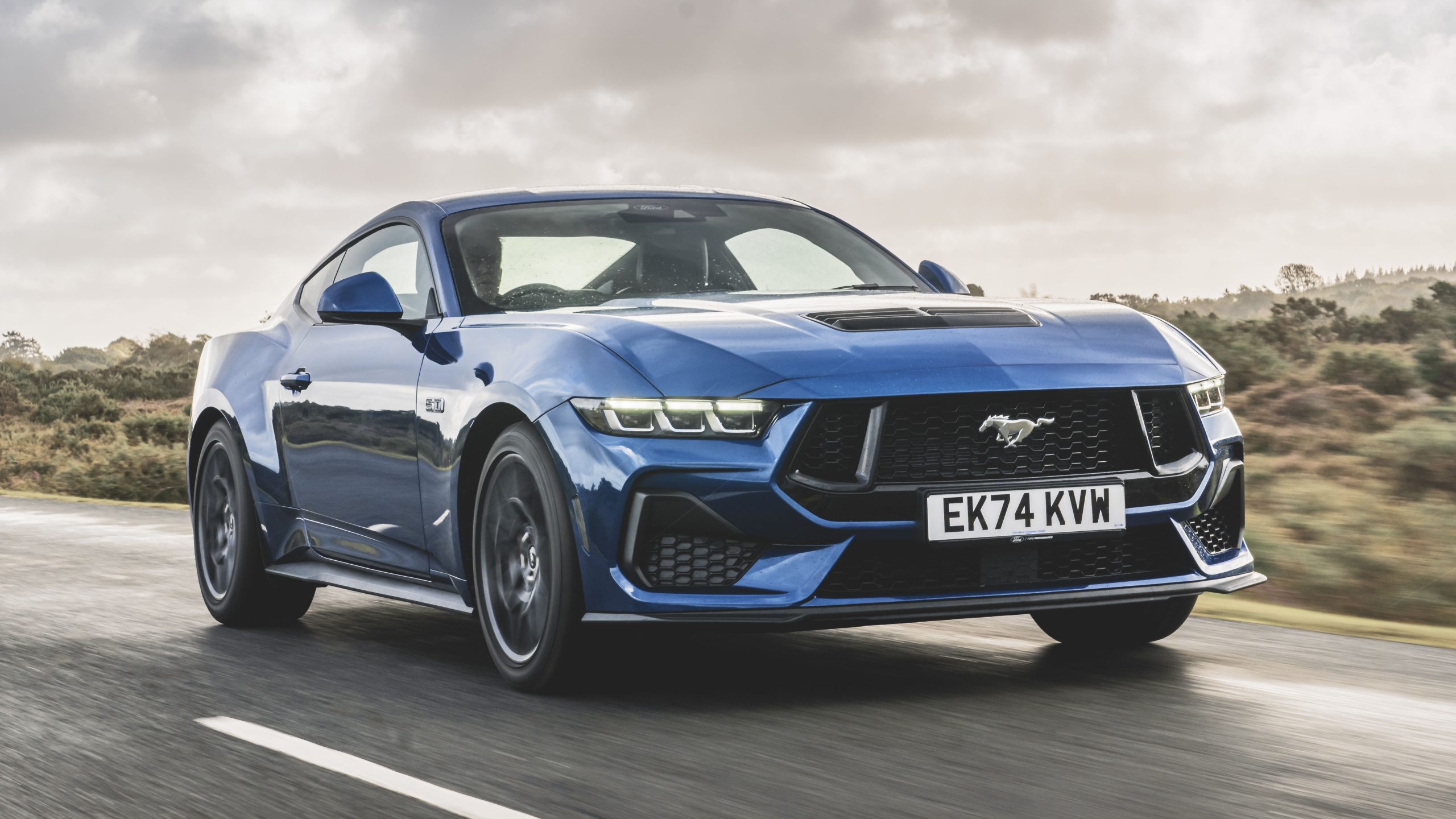
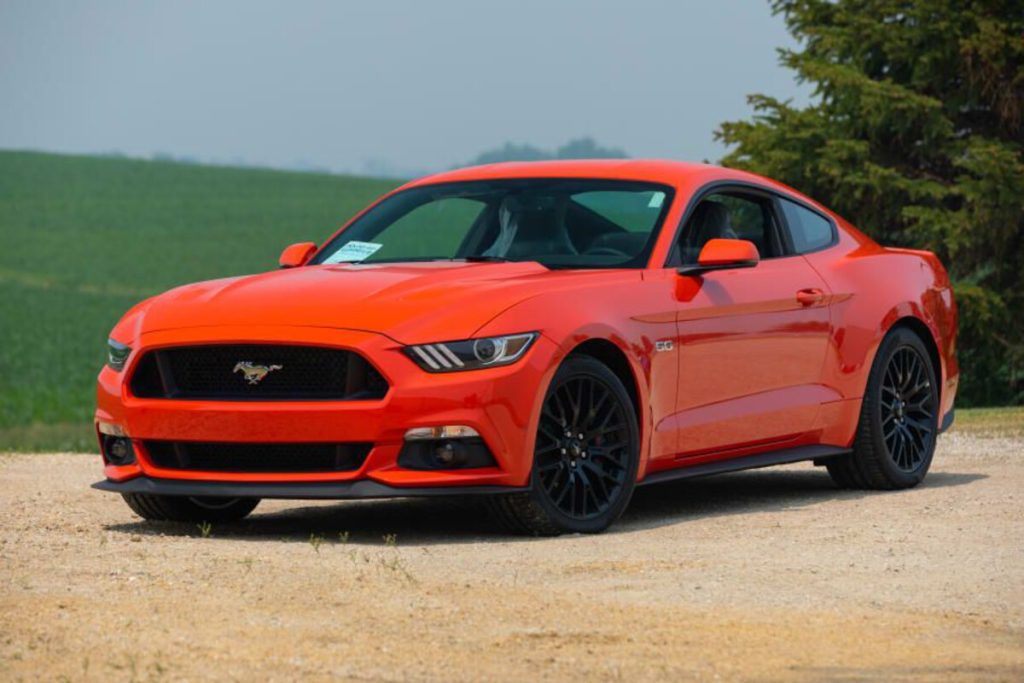
Ford retained the Mustang’s traditional front-engine proportions while modernizing the styling. The latest generation features aggressive headlights, a wider grille, muscular rear haunches, and a more athletic stance than previous models.
While the Mustang looks undeniably attractive, it remains recognizable as a performance coupe rather than a full-fledged exotic sports car.
The Corvette’s visual impact is amplified by its mid-engine layout. Many casual observers mistake it for vehicles costing well into six-figure territory.
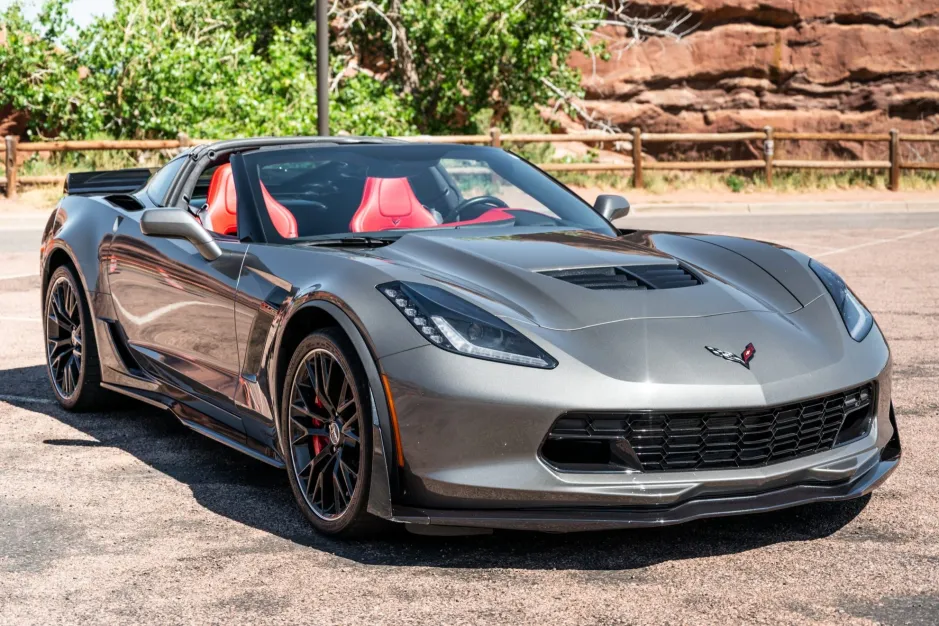
Special Mustang variants such as the Dark Horse and GT Performance Pack add aggression, but they still cannot match the Corvette’s exotic presence.
Winner: Chevrolet Corvette
Mid-engine proportions and supercar-inspired styling give the Corvette unmatched road presence.
Interior Design and Technology
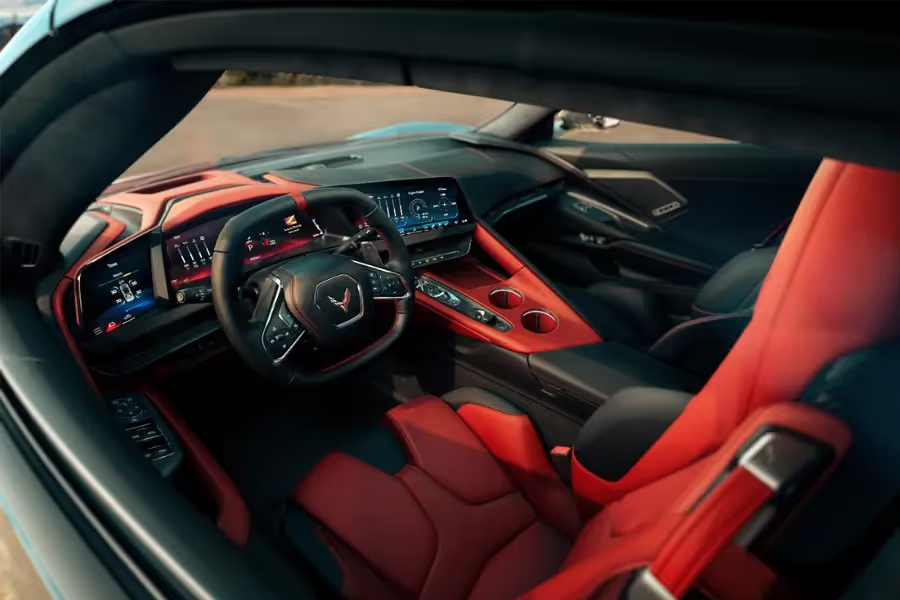
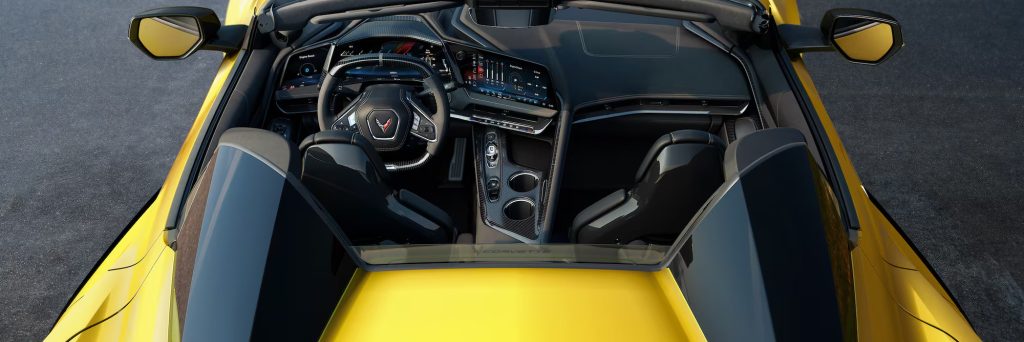
A sports car’s cabin must balance driver focus with comfort and technology. The Corvette’s cockpit feels purpose-built for performance. A high center console separates driver and passenger, creating a fighter-jet-like environment.
Controls angle toward the driver, and visibility over the front fenders reinforces the sensation of sitting in a serious sports car.
Material quality has improved dramatically compared to previous Corvettes. Leather surfaces, available carbon-fiber trim, premium stitching, and high-end finishes help justify the car’s price point.
The digital instrument cluster and 8-inch infotainment system provide clear graphics and responsive operation. Wireless Apple CarPlay and Android Auto come standard.
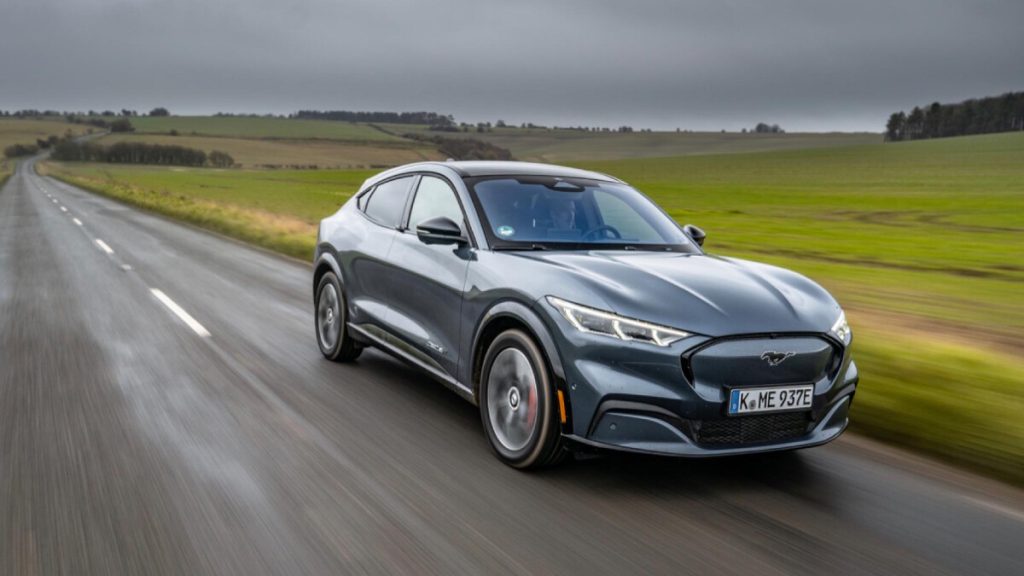
Ford made major improvements to the latest Mustang interior. A sweeping digital display combines a 12.4-inch digital gauge cluster with a 13.2-inch central touchscreen. The technology package feels modern, and the software interface is intuitive.
Passenger space favors the Mustang. The front seats provide generous room, and while the rear seats are not especially spacious, they offer additional practicality unavailable in the Corvette.
Cargo flexibility also favors Ford. The Mustang’s trunk accommodates more luggage and everyday items than the Corvette’s split cargo compartments.
The Corvette feels more special and premium, but the Mustang’s superior technology and practicality keep the category competitive.
Winner: Chevrolet Corvette
Higher-quality materials and a more focused sports-car environment give the Corvette a narrow edge.
Powertrains and Performance
Horsepower numbers tell only part of the story, but they provide a good starting point.
The standard Corvette Stingray uses a naturally aspirated 6.2-liter LT2 V8 producing:
- 490 horsepower
- 465 lb-ft of torque
Equipped with the Z51 Performance Package, output increases to:
- 495 horsepower
- 470 lb-ft of torque
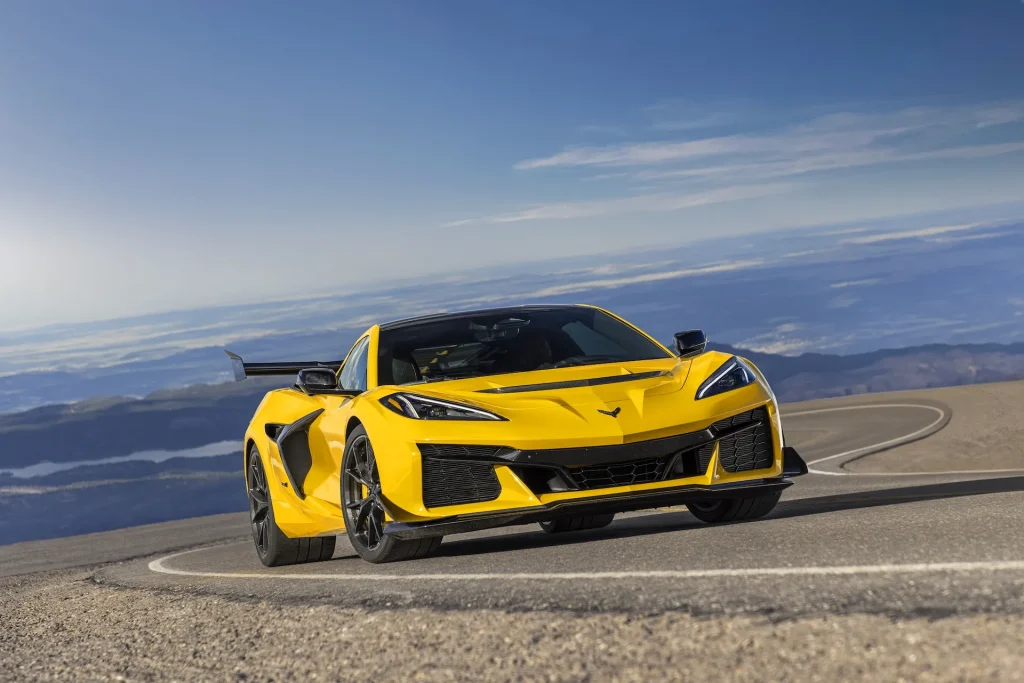
A dual-clutch eight-speed transmission sends power to the rear wheels. Performance is staggering.
The Stingray reaches 60 mph in approximately 2.9 seconds with the Z51 package. Ford offers a wider variety of engines.
The EcoBoost Mustang generates:
- 315 horsepower
- 350 lb-ft of torque
The Mustang GT’s 5.0-liter V8 produces:
- 480 horsepower
- 415 lb-ft of torque
The Dark Horse raises output to:
- 500 horsepower
- 418 lb-ft of torque
Acceleration remains impressive, with the Dark Horse reaching 60 mph in roughly 4.1 seconds.
Performance Comparison
| Model | Horsepower | Torque | 0-60 MPH |
|---|---|---|---|
| Mustang EcoBoost | 315 hp | 350 lb-ft | 4.5 sec |
| Mustang GT | 480 hp | 415 lb-ft | 4.2 sec |
| Mustang Dark Horse | 500 hp | 418 lb-ft | 4.1 sec |
| Corvette Stingray | 490 hp | 465 lb-ft | 2.9 sec |
| Corvette Stingray Z51 | 495 hp | 470 lb-ft | 2.9 sec |
A tenth of a second here or there isn’t the story.
The Corvette delivers supercar acceleration at a price far below most exotic competitors. Few vehicles under six figures can match its performance.
Winner: Chevrolet Corvette
Supercar-level acceleration and exceptional power delivery make the Corvette the performance champion.
Handling and Driving Dynamics
Straight-line speed is impressive, but sports cars earn their reputations through cornering ability and driver engagement. A mid-engine layout gives the Corvette a natural advantage.
Weight distribution sits close to 40/60 front-to-rear, helping maximize grip during aggressive driving. Quick steering, excellent chassis balance, and strong braking performance allow the Corvette to perform at an exceptionally high level on both road and track.
Independent testing has recorded skidpad numbers exceeding 1.0 g for properly equipped Stingray models. The Mustang continues to improve with every generation.
Ford’s independent rear suspension transformed the car’s handling characteristics, while the latest Dark Horse introduces upgraded dampers, larger brakes, improved cooling systems, and track-focused chassis tuning.
Despite these improvements, physics remains difficult to overcome. The Corvette’s lower center of gravity, lighter weight distribution, and mid-engine architecture create advantages that become increasingly apparent during spirited driving.
Track-day enthusiasts consistently rank the Corvette among the world’s best performance bargains. The Mustang is entertaining and capable. The Corvette operates on another level.
Winner: Chevrolet Corvette
A mid-engine chassis and exceptional balance deliver superior handling performance.
Ride Quality and Daily Driving
Sports cars often force buyers to choose between performance and comfort. The Corvette and Mustang approach that compromise in very different ways.
Ford engineered the Mustang to function as both a performance car and a daily driver. That dual-purpose personality becomes obvious within the first few miles behind the wheel. Visibility is good, the seating position feels natural, and the suspension remains comfortable enough for commuting and long highway trips.
Mustang GT models equipped with the available MagneRide adaptive suspension deliver an especially impressive balance. The system can soften for everyday driving and firm up when the road becomes more demanding.
The Corvette remains surprisingly comfortable for a mid-engine sports car, but its priorities are different. Sitting lower to the ground requires more effort when entering and exiting the vehicle. The cabin feels tighter, and forward visibility can take some adjustment due to the low nose and wide bodywork.
Road trips are certainly possible in a Corvette, but the Mustang’s larger cabin and more relaxed driving position make it easier to live with every day.
Ride quality deserves particular attention. The Corvette’s Magnetic Ride Control system performs exceptionally well, smoothing rough pavement better than many buyers expect. Even so, the Mustang generally feels less demanding during routine use.
Daily usability extends beyond suspension tuning. Parking, loading luggage, carrying passengers, and navigating crowded urban environments are all easier in the Ford.
A sports car that spends most of its life on public roads should excel in everyday situations, and the Mustang does exactly that.
Winner: Ford Mustang
Greater comfort, easier accessibility, and stronger everyday usability make the Mustang a better daily driver.
Fuel Economy
Fuel economy rarely tops the priority list for sports-car shoppers, but efficiency still affects ownership costs. The Corvette delivers one of the biggest surprises in this category.
Despite producing nearly 500 horsepower, the Corvette Stingray achieves approximately:
- 16 MPG city
- 25 MPG highway
- 19 MPG combined
Those numbers are impressive considering the level of performance available. The mid-engine layout, aerodynamic body, and efficient eight-speed dual-clutch transmission all contribute to respectable fuel economy. Ford’s results vary depending on engine choice.
The turbocharged EcoBoost Mustang leads the lineup with approximately:
- 22 MPG city
- 33 MPG highway
- 26 MPG combined
The V8-powered Mustang GT delivers roughly:
- 15 MPG city
- 24 MPG highway
- 18 MPG combined
The Dark Horse sacrifices a small amount of efficiency in exchange for additional performance:
- 14 MPG city
- 22 MPG highway
- 17 MPG combined
Comparing base models favors Ford because the EcoBoost Mustang is substantially more efficient.
Comparing V8-powered performance variants creates a much closer contest. The Corvette manages nearly identical or better fuel economy while producing significantly stronger performance numbers.
Fuel Economy Comparison
| Model | City MPG | Highway MPG | Combined MPG |
|---|---|---|---|
| Mustang EcoBoost | 22 | 33 | 26 |
| Mustang GT | 15 | 24 | 18 |
| Mustang Dark Horse | 14 | 22 | 17 |
| Corvette Stingray | 16 | 25 | 19 |
The EcoBoost Mustang’s efficiency advantage is difficult to ignore.
Winner: Ford Mustang
The availability of an efficient turbocharged engine gives Ford the fuel-economy victory.
Practicality and Everyday Utility
Neither vehicle was designed primarily for hauling cargo, but practicality still matters. Rear seats immediately give the Mustang a significant advantage.
Adults won’t want to spend hours in the second row, but the extra space remains useful for children, grocery bags, backpacks, jackets, and other everyday items. Many owners rarely carry rear passengers, yet appreciate having the option.
The Corvette is strictly a two-seater. Cargo capacity tells a more interesting story.
The Corvette’s front trunk and rear cargo area combine to provide approximately 12.6 cubic feet of storage. Chevrolet designed the rear compartment to accommodate removable roof panels, increasing the vehicle’s practicality compared with many exotic sports cars.
The Mustang offers approximately 13.5 cubic feet of trunk space. While the raw numbers are similar, Ford’s traditional trunk design is generally easier to use.
Cabin storage also favors the Mustang. Additional compartments, cupholders, and usable interior space help support daily driving duties.
Long trips reveal another Mustang advantage. Two extra seats and a more spacious cabin provide the flexibility the Corvette simply cannot match.
The Corvette performs admirably for a mid-engine sports car. The Mustang remains the more practical vehicle.
Practicality Comparison
| Measurement | Ford Mustang | Chevrolet Corvette |
|---|---|---|
| Seating Capacity | 4 | 2 |
| Cargo Capacity | 13.5 cu-ft | 12.6 cu-ft |
| Rear Seats | Yes | No |
| Daily Usability | Excellent | Good |
Winner: Ford Mustang
Additional seating and greater versatility make the Mustang the practical choice.
Reliability, Resale Value, and Ownership Experience
Performance means little if ownership becomes frustrating. Chevrolet has refined the Corvette formula over decades, and the current C8 has generally proven dependable despite its dramatic engineering changes. The naturally aspirated LT2 V8 avoids the complexity of turbocharging and has established a solid reliability reputation.
Ford’s Coyote 5.0-liter V8 has also earned praise for durability. The engine has been continuously developed for years and remains one of the most respected performance V8s available today. Maintenance costs favor the Mustang.
Parts availability is excellent, repairs are generally less expensive, and service can be performed at nearly any Ford dealership.
Corvette ownership introduces higher operating expenses. Tire replacements, brake components, and certain maintenance procedures typically cost more due to the vehicle’s performance-focused nature.
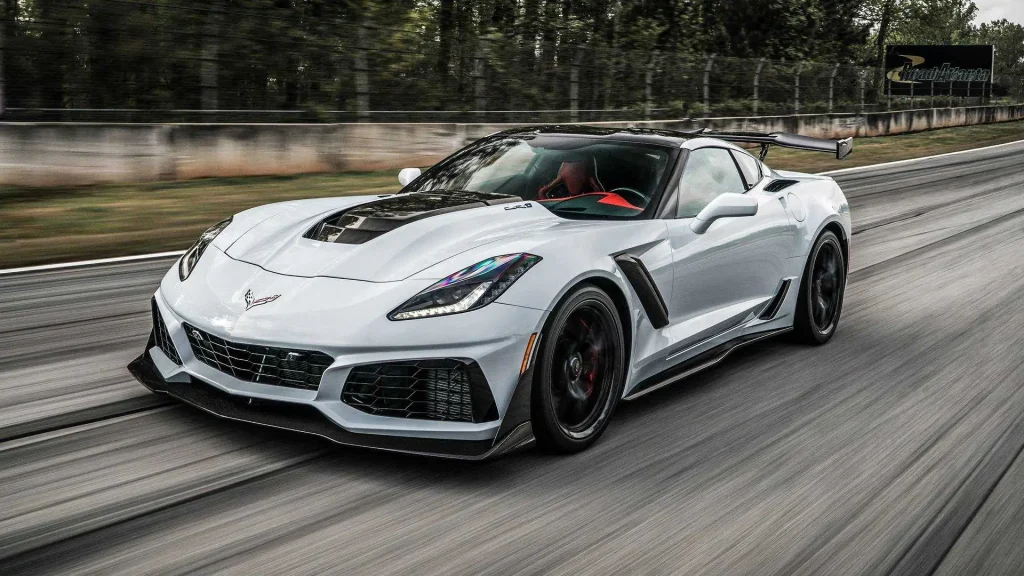
Resale value creates another close battle. Corvettes have traditionally retained value exceptionally well, particularly during periods of strong demand. Recent Stingray models often retain between 65% and 75% of their original value after five years.
The Mustang performs well but generally trails the Corvette. Most studies place five-year retention between 55% and 65%, depending on trim level.
A $70,000 Corvette retaining 70% of its value would still be worth approximately $49,000 after five years.
A similarly priced Mustang retaining 60% would be worth around $42,000. That difference can represent thousands of dollars during resale.
Resale Value Comparison
| Category | Corvette | Mustang |
|---|---|---|
| Estimated 5-Year Value Retention | 65-75% | 55-65% |
| Maintenance Costs | Higher | Lower |
| Reliability Reputation | Excellent | Excellent |
| Enthusiast Support | Strong | Massive |
Winner: Chevrolet Corvette
Exceptional resale value helps offset higher ownership costs.
Pricing and Value
Sticker price often determines whether a dream car remains realistic. The Mustang enjoys a major advantage here.
An EcoBoost Mustang starts at approximately $33,000. Moving into a Mustang GT raises pricing to around $48,000, while the Dark Horse begins near $63,000.
The Corvette Stingray starts around $70,000 before options. Well-equipped examples frequently exceed $80,000.
Viewed purely through affordability, the Mustang wins easily. Value, however, involves more than purchase price.
The Corvette delivers performance that rivals vehicles costing significantly more. Acceleration, handling, braking, and track capability often place it alongside sports cars from Porsche, Audi, and even exotic manufacturers.
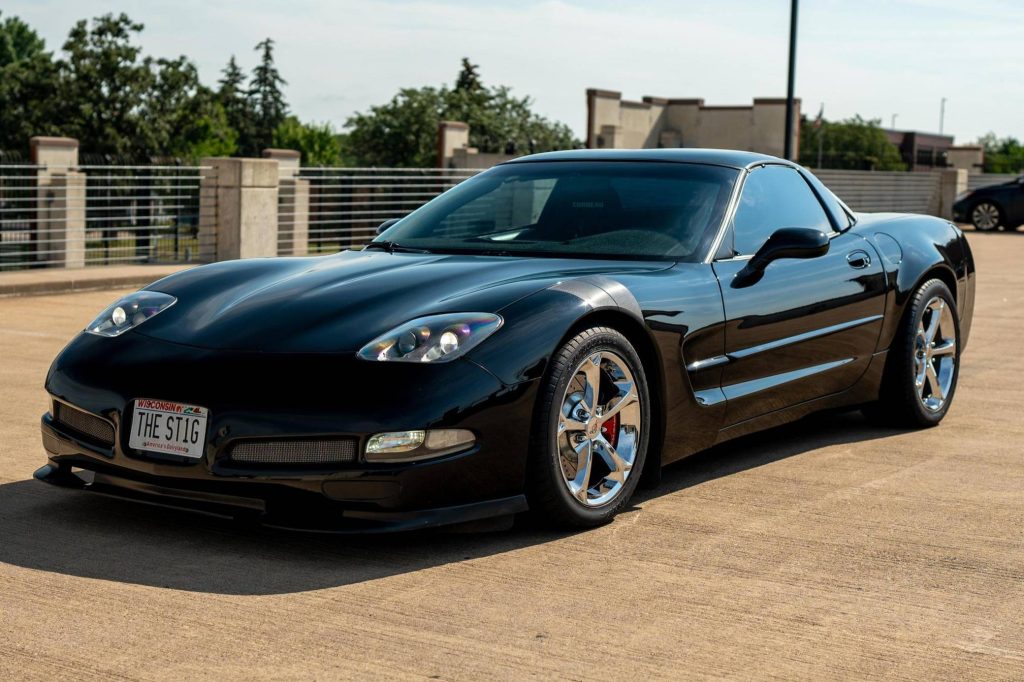
A sub-$80,000 vehicle capable of reaching 60 mph in under three seconds remains one of the automotive world’s great bargains.
The Mustang offers excellent value within its segment, particularly GT models that combine V8 power with reasonable pricing.
The Corvette’s ability to provide supercar performance at sports-car pricing ultimately makes its case stronger.
Starting MSRP Comparison
| Model | Approximate Starting Price |
|---|---|
| Mustang EcoBoost | $33,000 |
| Mustang GT | $48,000 |
| Mustang Dark Horse | $63,000 |
| Corvette Stingray | $70,000 |
Price favors Ford. Performance-per-dollar favors Chevrolet.
Winner: Chevrolet Corvette
Supercar capability at a fraction of exotic-car pricing creates outstanding value.
Final Verdict
Comparing the Corvette and Mustang highlights how much American performance cars have evolved.
Ford transformed the Mustang into a genuinely capable sports coupe that balances performance, comfort, practicality, and affordability. The latest generation offers impressive technology, excellent driving dynamics, strong engine choices, and everyday usability that few performance cars can match.
Several categories showcase those strengths. The Mustang delivers better practicality, superior fuel economy, and a more comfortable daily-driving experience. Buyers looking for a single vehicle that can handle commuting, road trips, and weekend fun will find plenty to appreciate.
The Corvette pursues a different mission. Chevrolet built a true sports car capable of competing with vehicles from far more expensive segments. Mid-engine architecture, world-class handling, breathtaking acceleration, and exotic styling upgrade the Corvette into territory traditionally occupied by European performance machines.
The category score reflects that difference. Ford excels as a versatile performance coupe. Chevrolet dominates in the areas that define a sports car.
Enthusiasts seeking the purest driving experience, track capability, and performance value will struggle to find anything better than the Corvette.
Drivers who want performance without sacrificing practicality may find the Mustang better suited to their needs.
Winner: Chevrolet Corvette
Exotic styling, supercar-level acceleration, outstanding handling, and remarkable performance value allow the Corvette to claim victory.
Chevy Corvette vs Ford Mustang Winner Comparison Table
| Category | Winner | The Edge |
|---|---|---|
| Exterior Design and Road Presence | Chevrolet Corvette | Mid-engine proportions create a genuine supercar presence |
| Interior Design and Technology | Chevrolet Corvette | Premium materials and a more focused cockpit |
| Powertrains and Performance | Chevrolet Corvette | Faster acceleration and superior power delivery |
| Handling and Driving Dynamics | Chevrolet Corvette | Mid-engine balance improves cornering capability |
| Ride Quality and Daily Driving | Ford Mustang | Greater comfort and easier everyday usability |
| Fuel Economy | Ford Mustang | The efficient EcoBoost engine significantly improves mileage |
| Practicality and Everyday Utility | Ford Mustang | Rear seats and a larger usable interior space |
| Reliability, Resale Value, and Ownership Experience | Chevrolet Corvette | Stronger resale values offset higher ownership costs |
| Pricing and Value | Chevrolet Corvette | Supercar performance at a sports-car price |
| Final Verdict | Chevrolet Corvette | Delivers an unmatched performance experience for the money |
The Mustang remains one of the best performance bargains available, but the Corvette operates at a higher level. Its combination of exotic styling, world-class handling, breathtaking acceleration, and strong long-term value secures the win in this battle of American performance icons.
