
The automotive world has always been a blend of engineering precision, artistic design, and personal expression. While mass-produced vehicles dominate roads across the globe, there exists a rare and highly exclusive category of automobiles known as one-off cars.
These vehicles are designed and built for a single individual, making them completely unique in existence. Unlike limited edition models, which may still have multiple copies, a one-off car is a true singular creation that reflects the personality, taste, and lifestyle of its owner in every detail.
These cars are usually commissioned by extremely wealthy collectors, royalty, or influential enthusiasts who want something beyond conventional luxury. Automakers such as Rolls-Royce, Ferrari, Bugatti, and Bentley have occasionally accepted such commissions, allowing their design teams to operate without the usual constraints of production feasibility or mass market appeal. This freedom results in vehicles that are not only visually striking but also technically innovative.
One-off cars often take years to develop because every aspect, from exterior styling to interior materials, is customized. Designers work closely with the client to understand their vision, preferences, and inspirations. Some clients request inspiration from historical models, yachts, architecture, or even personal memories. The final result is a machine that becomes an extension of the owner’s identity.
These vehicles also play an important role in automotive history. Many one-off cars introduce experimental design ideas or new material applications that later influence mainstream production models. They act as design laboratories where creativity is prioritized over cost efficiency. This makes them valuable not only as luxury items but also as contributions to automotive innovation.
In this article, we explore eight of the most famous one-off cars ever built. The first five in particular highlight how manufacturers transform imagination into reality for a single privileged client.
Also Read: IIHS Dings BMW i4 for Weak Headlights and AEB System
- Engine: 6.75 L Naturally Aspirated V12 (Rolls-Royce Phantom-based)
- Horsepower: ~453 hp
- Torque: ~720 Nm
- Length: ~5.8 meters (approx)
- Width: ~2.0 meters (approx)
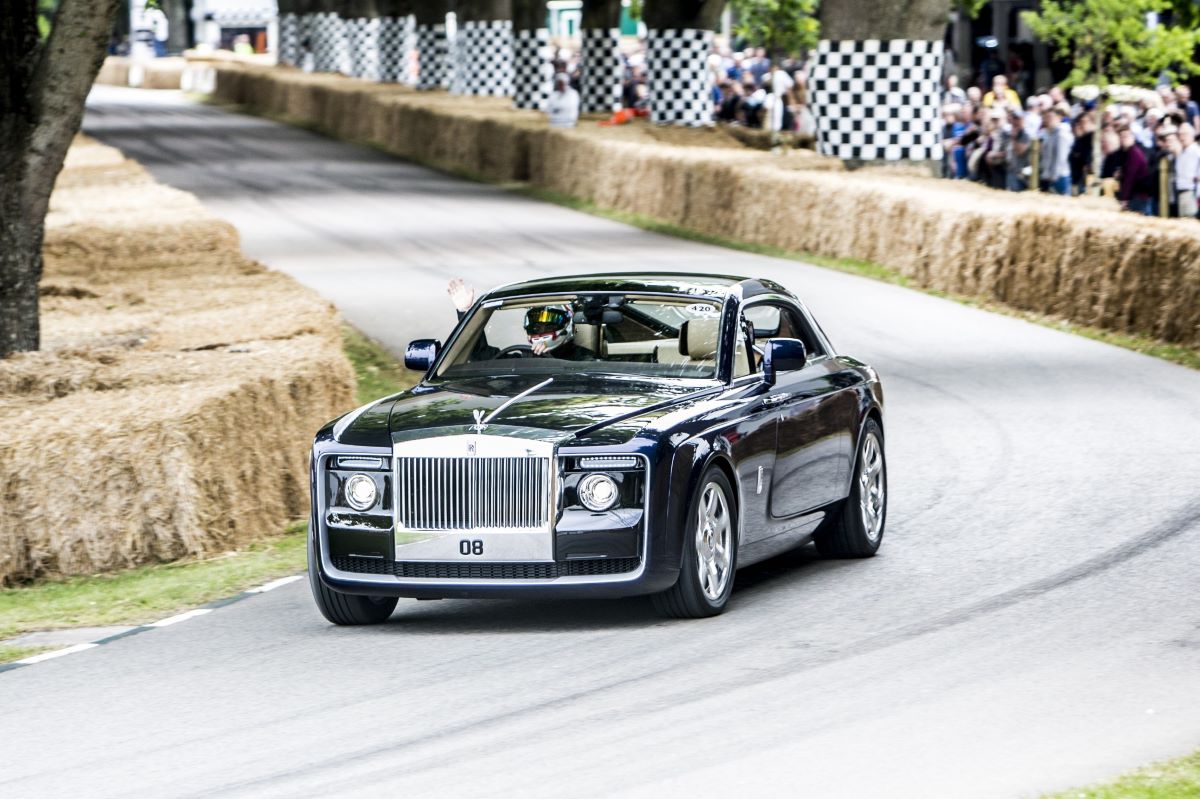
1. Rolls-Royce Sweptail
The Rolls-Royce Sweptail is one of the most iconic examples of bespoke automotive craftsmanship ever created. Commissioned by a highly private collector with a deep appreciation for classic luxury yachts and early twentieth-century automobiles, the project represented a completely new direction for Rolls-Royce in modern times. It took nearly five years of meticulous design and engineering work before it was finally revealed to the public in 2017.
The exterior design of the Sweptail is defined by its smooth, flowing silhouette and distinctive tapered rear end. This design element was inspired by vintage coachbuilt Rolls-Royce models as well as luxury yacht aesthetics.
The panoramic glass roof is one of its most recognizable features, allowing natural light to flood the cabin while emphasizing openness and elegance. Every surface of the exterior was carefully sculpted to reflect simplicity and exclusivity.
Inside the cabin, the Sweptail showcases handcrafted luxury at its highest level. The interior uses rare wood veneers, polished metals, and custom leather finishes that were selected specifically for the owner.
The dashboard design is intentionally minimalistic, focusing on clean lines and visual harmony. Every component inside the car was individually crafted rather than sourced from standard production parts.
One of the most unique aspects of the Sweptail is its personalized storage solutions. The rear section of the car was designed to hold custom luggage created specifically for the vehicle. Even small details, such as hidden compartments, were integrated into the design based on the owner’s preferences. This level of personalization is rarely seen, even in ultra-luxury automotive manufacturing.
When it was first revealed to the public, the Sweptail was widely regarded as one of the most expensive bespoke automobiles ever commissioned. Its significance, however, extends far beyond its price tag. The car became a showcase of what can be achieved when an automaker dedicates its design expertise, craftsmanship, and engineering resources to fulfilling the vision of a single customer. Today, the Sweptail stands as one of the most influential examples of modern coachbuilding.
- Engine: 6.0 L Naturally Aspirated V12 (Ferrari Enzo-based)
- Horsepower: ~660 hp
- Torque: ~657 Nm
- Length: ~4.7 meters (approx Enzo-based chassis)
- Width: ~2.0 meters (approx)
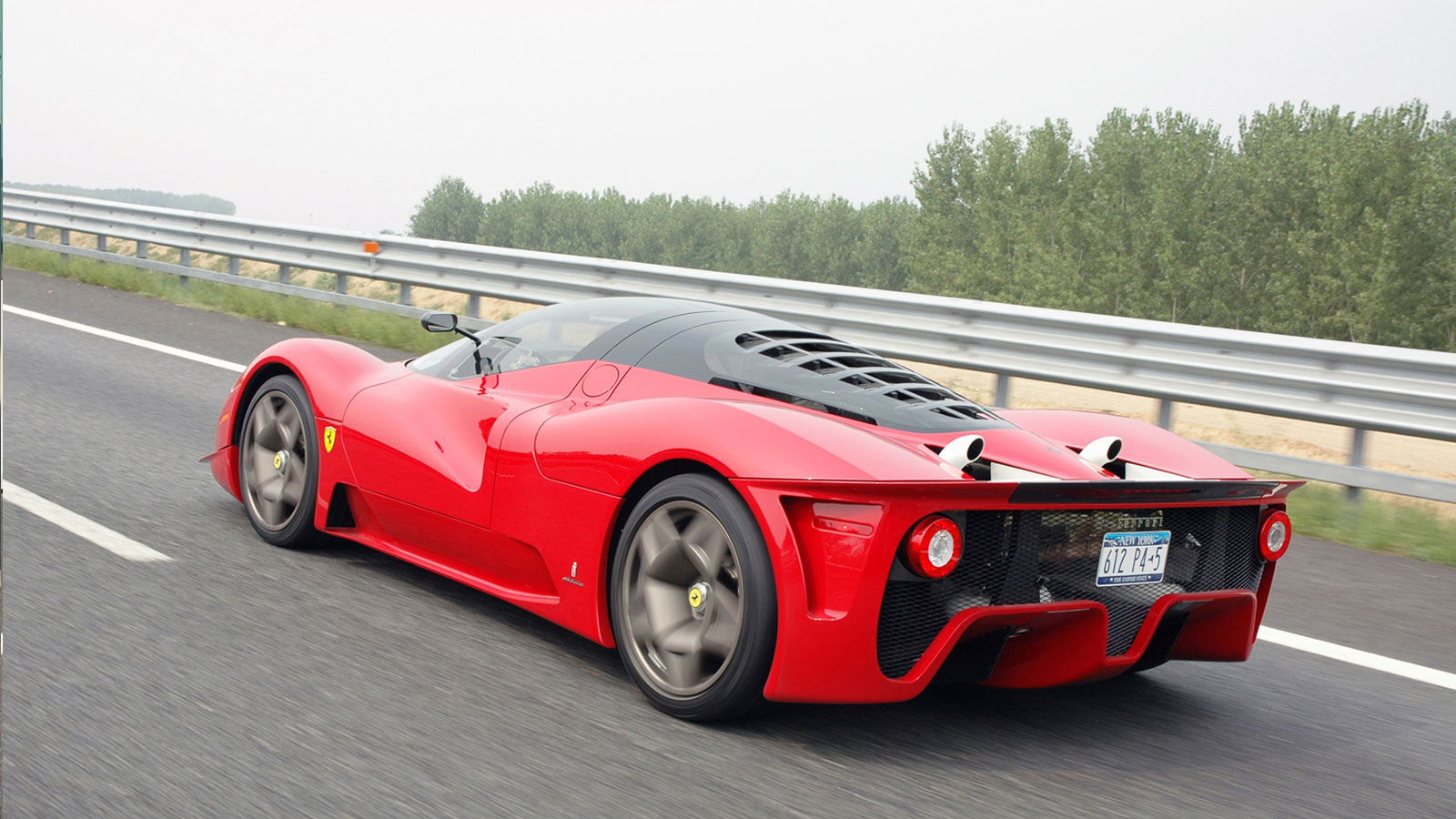
2. Ferrari P4/5 by Pininfarina
The Ferrari P4/5 by Pininfarina is a unique one-off creation commissioned by American collector James Glickenhaus, who wanted a modern Ferrari that captured the spirit of the brand’s legendary racing prototypes from the 1960s. Built in collaboration with Ferrari and the famous Italian design house Pininfarina, the project officially debuted in 2006 and immediately gained worldwide attention.
The design of the P4/5 draws heavily from classic Ferrari endurance racers such as the 330 P4. Its flowing bodywork, central spine-inspired roofline, and sculpted aerodynamics were carefully engineered to echo Ferrari’s golden racing era. At the same time, modern wind tunnel testing ensured that the vehicle performed at a level consistent with contemporary supercars.
Underneath its custom exterior, the P4/5 is based on the Ferrari Enzo, one of Ferrari’s most advanced production cars at the time. This provided a strong mechanical foundation, including a high-performance V12 engine and an advanced carbon fiber chassis. However, nearly every visible exterior panel was redesigned to meet the owner’s vision.
The collaboration between Ferrari, Pininfarina, and Glickenhaus was highly unusual in the automotive industry. The owner was actively involved in design discussions, ensuring that the final product reflected both historical inspiration and personal taste. This level of involvement helped create a deeper emotional connection between the car and its commissioner.
Today, the Ferrari P4/5 is considered one of the most successful one-off Ferraris ever built. It has also inspired additional bespoke projects and even racing variants developed by Glickenhaus himself, proving that a single custom car can influence broader automotive culture.

- Engine: 8.0 L Quad Turbo W16
- Horsepower: ~1500 hp
- Torque: ~1600 Nm
- Length: ~4.99 meters
- Width: ~2.03 meters
3. Bugatti La Voiture Noire
Bugatti La Voiture Noire represents the pinnacle of modern automotive luxury and exclusivity. Introduced in 2019, the car was created as a tribute to the legendary Bugatti Type 57 SC Atlantic, one of the rarest and most valuable classic cars in existence. The project was developed for a single anonymous customer, making it one of the most exclusive Bugatti models ever produced.
The exterior design is characterized by its long, flowing body, sculpted carbon fiber surfaces, and deep black finish. Every line of the car was designed to emphasize elegance and motion. The continuous lighting strip at the rear and the seamless body integration highlight Bugatti’s advanced design language and engineering precision.
Performance-wise, La Voiture Noire is powered by Bugatti’s iconic quad turbocharged W16 engine. This engine delivers extraordinary power and acceleration, placing the vehicle among the fastest hypercars in the world. Despite its luxurious focus, the car maintains the extreme performance capabilities expected from Bugatti.
The interior is equally refined, featuring premium materials such as fine leather, polished metals, and handcrafted details. The cabin is designed to provide both comfort and technological sophistication, with a strong emphasis on exclusivity. Every surface inside the vehicle reflects meticulous attention to detail.
La Voiture Noire quickly became one of the most talked-about cars in the automotive world due to its price, rarity, and design inspiration. It stands as a modern interpretation of Bugatti’s heritage while showcasing the brand’s ability to create truly unique automobiles.
Also Read: 10 Best Vehicles for Rural Gravel Roads
- Engine: 3.0 L Naturally Aspirated Inline 8
- Horsepower: ~310 hp
- Torque: ~317 Nm (approx)
- Length: ~4.3 meters (approx racing coupe estimate)
- Width: ~1.75 meters (approx)
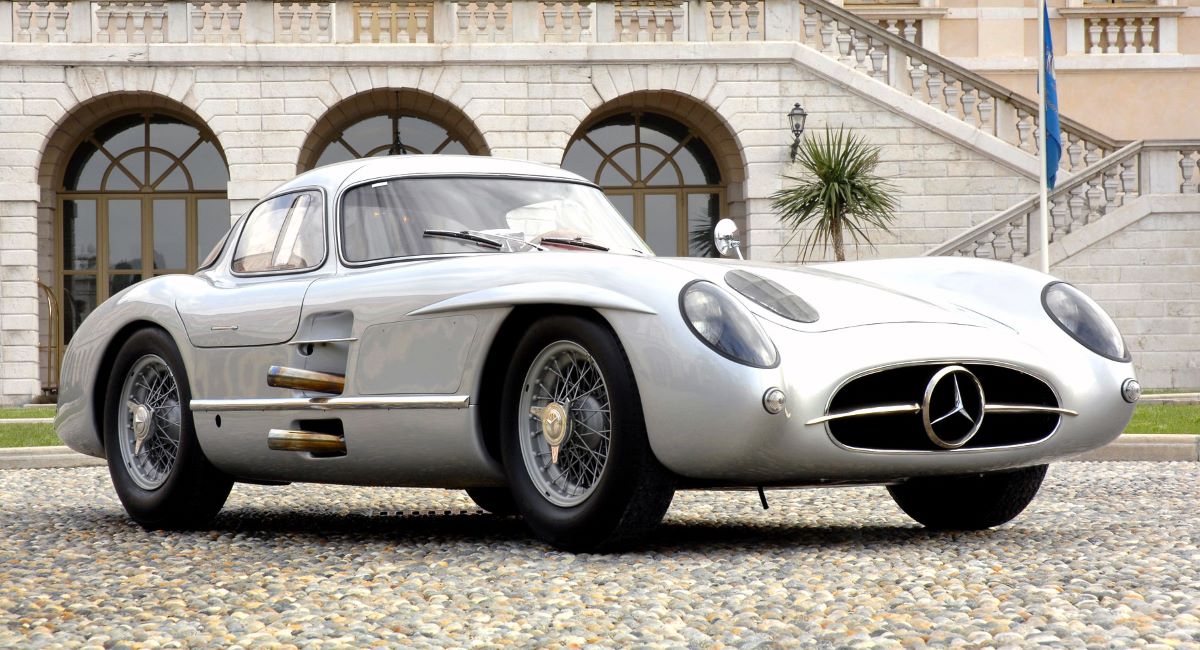
4. Mercedes-Benz 300 SLR Uhlenhaut Coupe
The Mercedes-Benz 300 SLR Uhlenhaut Coupe is one of the most historically significant automobiles ever built. Developed in the 1950s by Mercedes-Benz engineer Rudolf Uhlenhaut, the car was originally based on the company’s successful racing program. Although two units were constructed, the car is often regarded as a deeply personal engineering creation, closely associated with Uhlenhaut himself.
The vehicle was derived from the Mercedes-Benz W196S racing platform, which had achieved success in Formula One and endurance racing. The Uhlenhaut Coupe adapted this technology for road use, resulting in a car that combined racing performance with limited road practicality. Its gullwing doors became one of its most iconic design features.
Performance was exceptional for its time. The car was capable of extremely high speeds, making it one of the fastest road-legal vehicles of its era. Advanced engineering solutions, such as lightweight construction and aerodynamic efficiency, contributed to its remarkable capabilities.
Rudolf Uhlenhaut was known to personally drive the car at high speeds between meetings and testing locations. This unusual practice demonstrated his confidence in the vehicle’s engineering and further reinforced its reputation as a functional yet extreme machine.
Today, the Mercedes-Benz 300 SLR Uhlenhaut Coupe is regarded as one of the most valuable and historically significant automobiles ever built. Its extraordinary blend of racing heritage, advanced engineering, and extreme rarity has established it as a benchmark for collectible cars and a landmark achievement in automotive history.

- Engine: 4.0–4.6 L V8 (Range Rover-based, varies by unit)
- Horsepower: ~185–200 hp (approx)
- Torque: ~300 Nm (approx)
- Length: ~4.6–4.8 meters (Range Rover-based platform)
- Width: ~1.8–1.9 meters (approx)
5. Bentley Dominator
The Bentley Dominator is one of the most unusual projects in Bentley’s history, commissioned exclusively by the Sultan of Brunei. During the 1990s, the Sultan requested a series of bespoke luxury SUVs long before the segment became popular globally. Bentley responded by creating the Dominator as a fully customized high luxury utility vehicle.
The design of the Dominator was based loosely on existing Land Rover platforms but heavily modified to meet Bentley’s standards of luxury and performance. The exterior maintained a strong and imposing presence while incorporating subtle styling cues consistent with Bentley’s identity.
Inside, the Dominator was fitted with premium materials, including fine leather, wood trims, and handcrafted detailing. The focus was on providing maximum comfort and exclusivity rather than off-road ruggedness. Every element of the cabin was tailored to the Sultan’s personal specifications.
Unlike mass-produced SUVs, the Dominator was built in extremely limited numbers, with each unit customized differently. This made every vehicle effectively unique, reinforcing the concept of one-off luxury automotive design within a small group of vehicles.
Although rarely seen publicly, the Bentley Dominator is now recognized as a precursor to modern luxury SUVs. It demonstrated early on that high-end automotive brands could successfully blend luxury sedan refinement with SUV practicality.
- Engine: 5.3 L Twin Turbo V8
- Horsepower: ~600 hp (original target, tested lower in early runs)
- Torque: ~500–560 Nm (estimated)
- Length: ~4.7 meters
- Width: ~1.99 meters
6. Aston Martin Bulldog
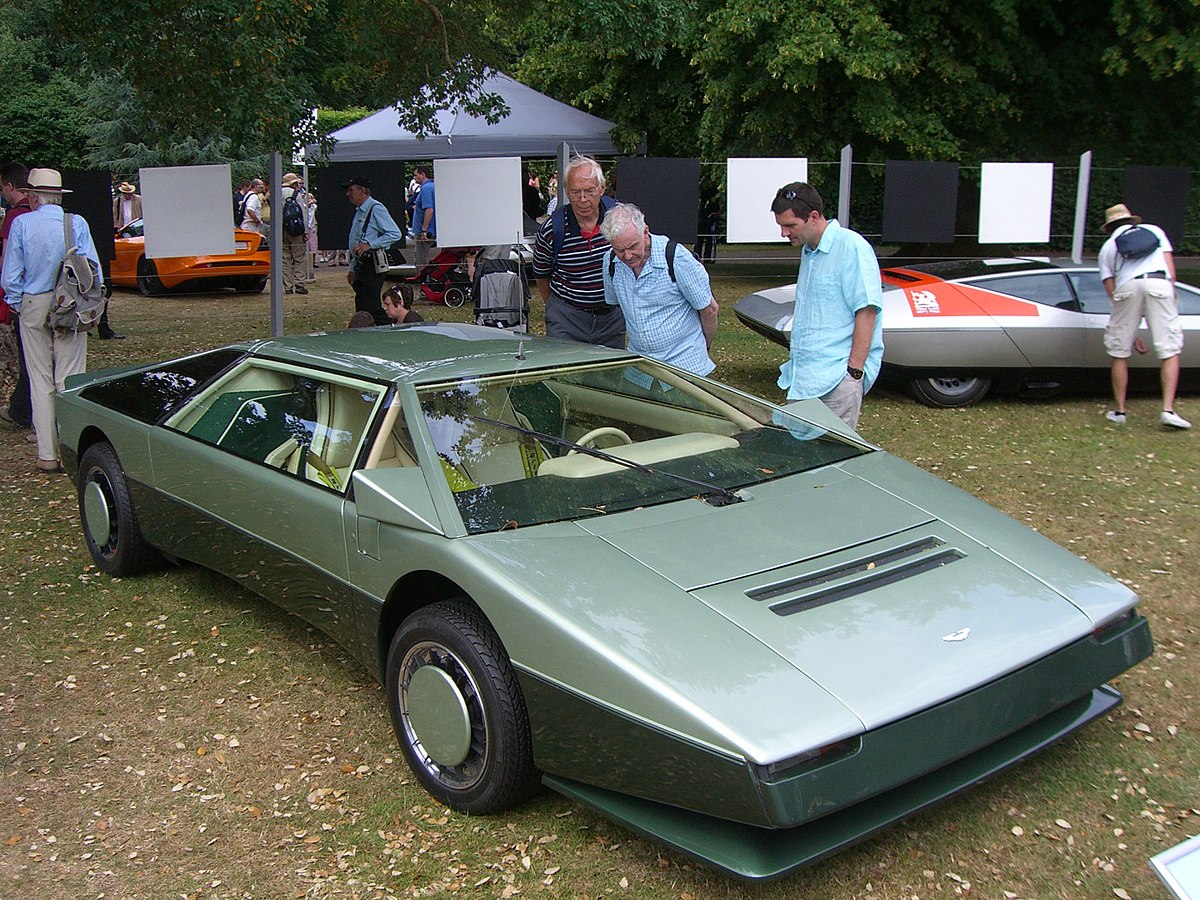
The Aston Martin Bulldog is one of the most dramatic and unconventional one off concept cars ever built. It was originally developed in the late 1970s as a bold engineering experiment by Aston Martin, aimed at proving that the brand could build a production car capable of reaching extremely high speeds. Only a single example was completed, making it one of the rarest Aston Martin vehicles in existence.
The design of the Bulldog reflects the futuristic wedge-shaped styling language that was popular during that era. Its extremely low and angular bodywork was created by designer William Towns, who envisioned a car that looked like it belonged in the future rather than on the roads of its time.
The car’s scissor-style gullwing doors and sharp lines give it a distinctive presence unlike any other Aston Martin.
Under the body, the Bulldog was engineered with serious performance goals in mind. It was originally intended to reach speeds exceeding 320 kilometers per hour, which was an ambitious target for the late 1970s. Powered by a twin-turbocharged V8 engine, the car represented one of the most advanced engineering efforts in Aston Martin’s history.
The interior of the Bulldog was minimalistic and focused entirely on the driver’s experience. It featured advanced instrumentation for its time, including digital readouts and aircraft-inspired controls. Comfort was secondary to performance, reinforcing the car’s identity as a high-speed engineering prototype rather than a luxury grand tourer.
Although the project was eventually shelved due to financial constraints and changing company direction, the Bulldog remains an iconic symbol of ambition. Decades later, it was restored and tested, proving that its original engineering vision was still valid. Today, it stands as one of the most fascinating one-off cars ever created.
- Engine: 3.0 L Twin Turbo Flat 6 (992 Carrera GTS-based)
- Horsepower: ~450 hp
- Torque: ~550 Nm
- Length: ~4.53 meters
- Width: ~1.85 meters
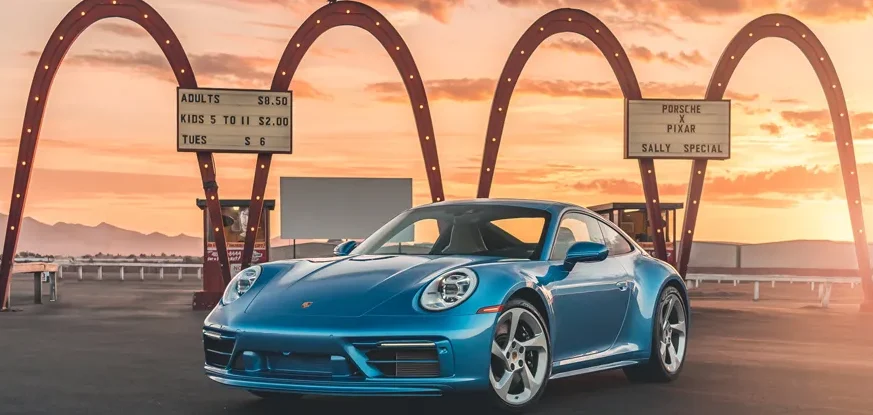
7. Porsche 911 Sally Special
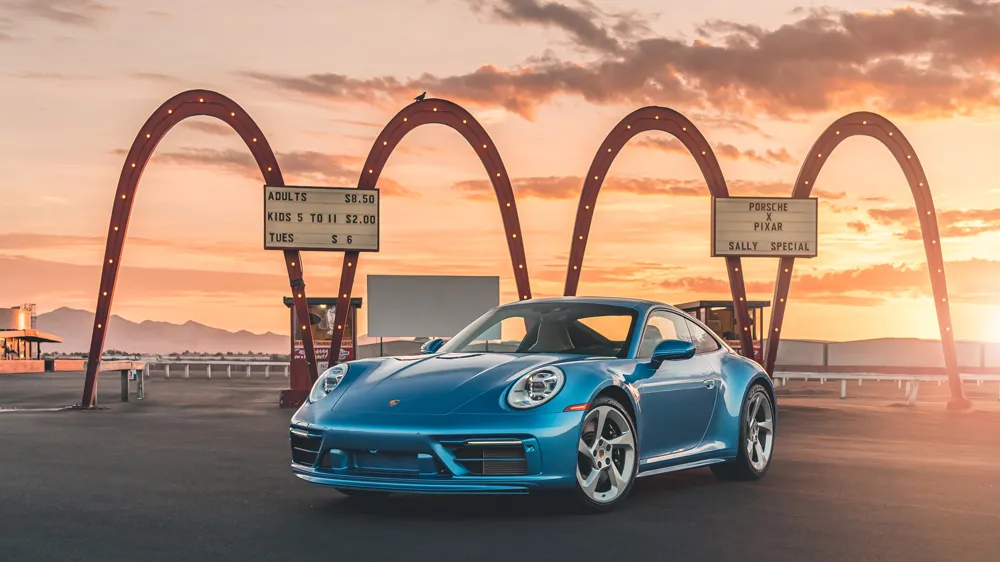
The Porsche 911 Sally Special is a unique one-off creation inspired by the animated character Sally Carrera from the Pixar film Cars. Unlike traditional one-off cars built for wealthy collectors or royalty, this vehicle was developed as a celebration of storytelling and automotive culture. It was commissioned as a collaborative project between Porsche and Pixar, making it one of the most unusual bespoke Porsche builds ever made.
The exterior design of the Sally Special is based on a Porsche 911 Carrera GTS but incorporates unique styling elements inspired by the character’s appearance in the film. The car features a custom shade of blue paint that mirrors Sally’s animated design, along with specially designed wheels and subtle aesthetic modifications that distinguish it from standard production models.
Inside, the vehicle continues its theme of personalization and storytelling. The interior includes exclusive stitching, unique badging, and design details that reference the character’s personality and fictional background. Every element was carefully selected to maintain a balance between real-world performance and animated inspiration.
The development process involved collaboration between Porsche designers and Pixar artists, ensuring that the final product remained faithful to the character while still functioning as a high-performance sports car. This blending of entertainment and automotive engineering created a vehicle that is both symbolic and functional.
The Porsche 911 Sally Special is particularly notable because it was later auctioned for charity, raising significant funds. Beyond its financial success, it stands as a creative example of how one-off vehicles can transcend traditional automotive boundaries and enter the world of cultural storytelling.

- Engine: 5.2 L Naturally Aspirated V10 (Gallardo-based)
- Horsepower: ~600 hp
- Torque: ~540 Nm (approx)
- Length: ~4.3 meters (approx concept-based estimate)
- Width: ~2.0 meters (approx)
8. Lamborghini Egoista
The Lamborghini Egoista is one of the most radical one-off concept cars ever produced by the Italian manufacturer. It was created to celebrate Lamborghini’s 50th anniversary and was designed under the direction of Walter de Silva. As its name suggests, the Egoista was built entirely around the concept of individual driving pleasure, with no consideration for passengers.
The exterior design is heavily inspired by fighter jets and military aviation. Sharp angles, aggressive surfaces, and aerodynamic elements dominate the bodywork, giving it a futuristic and almost alien appearance. The single-seat canopy, which opens like a cockpit, reinforces the aircraft inspired design philosophy.
Inside the Egoista, the cockpit is extremely minimal and focused entirely on the driver. The seat is positioned centrally, surrounded by a structure reminiscent of a fighter jet cockpit. The instrument panel and controls are designed to enhance the feeling of piloting a high-speed machine rather than driving a conventional car.
Performance-wise, the Egoista is based on Lamborghini’s V10 engine technology, delivering powerful acceleration and extreme driving dynamics. Although it was never intended for road use, the engineering reflects Lamborghini’s commitment to pushing the limits of performance and design innovation.
The Egoista was never planned for production or sale, making it a pure concept and a true one-off creation. It remains one of the most visually striking and conceptually bold vehicles ever built by Lamborghini, symbolizing individuality, excess, and the extreme edge of automotive design.
