
Few vehicle features become more important during summer than air conditioning. Drivers may admire horsepower figures, luxury interiors, and advanced technology, but when temperatures climb above 100 degrees Fahrenheit, a powerful climate control system often becomes the feature they appreciate most.
A strong air conditioning system can transform an uncomfortable drive into a pleasant experience, while a weak one can leave passengers frustrated regardless of how impressive the rest of the vehicle may be.
Modern air conditioning systems do far more than simply blow cold air. They regulate cabin temperature, reduce humidity, improve comfort on long trips, and help keep occupants alert during challenging weather conditions.
Manufacturers invest heavily in climate control technology because customer expectations continue to rise. Buyers now expect rapid cooling, consistent airflow, rear passenger comfort, and quiet operation even in extremely hot environments.
Despite these expectations, not all vehicles perform equally. Some models have earned reputations for exceptional cooling power. Their systems can lower cabin temperatures quickly, maintain comfort for every passenger, and continue performing effectively in desert climates.
These vehicles often become favorites among buyers who live in regions where summer heat is a daily challenge.
On the other hand, certain vehicles have struggled with air conditioning performance. Sometimes the issue stems from cabin size, ventilation design, insufficient cooling capacity, or systems that simply take too long to cool the interior. In other cases, owners report uneven temperature distribution or difficulty keeping the cabin comfortable during extreme heat.
This article examines both ends of the spectrum. First, we look at five vehicles known for having some of the strongest factory air conditioning systems available. These models consistently receive praise from owners and reviewers for their ability to handle hot weather conditions.
After that, we will examine five vehicles that have developed reputations for weaker air conditioning performance and explain why they often disappoint buyers in warmer climates.
Also Read: Toyota RAV4 vs Honda CR-V Comparison & Which Compact SUV Is Better?
5 Cars With the Strongest AC
Strong air conditioning can dramatically improve everyday driving. Whether commuting through city traffic, taking long road trips, or simply sitting in a parking lot during a heat wave, a capable climate control system contributes directly to comfort.
The vehicles in this section stand out because their cooling performance regularly exceeds expectations.
1. Toyota Land Cruiser
When discussing vehicles designed to operate in some of the harshest climates on Earth, the Toyota Land Cruiser deserves immediate attention. Built with global durability in mind, this SUV has long been popular in regions where extreme heat is a constant reality. One of the reasons behind its reputation is its remarkably effective air conditioning system.
In contrast to many vehicles that require several minutes to cool a hot cabin, the Land Cruiser’s climate control system is designed to work quickly. Large vents, strong airflow, and substantial cooling capacity allow cold air to circulate throughout the cabin efficiently.
This becomes particularly important because the Land Cruiser often serves families, travelers, and commercial users in hot regions.
Rear passengers benefit almost as much as those in the front. Dedicated rear climate controls and strategically positioned vents help ensure that cooling reaches every row. Large SUVs sometimes struggle to maintain consistent temperatures throughout the cabin, but the Land Cruiser handles this challenge impressively well.
Another advantage comes from insulation and cabin design. Toyota engineers have spent years refining the vehicle’s ability to resist external heat intrusion. Combined with powerful air conditioning hardware, the result is a cabin that remains comfortable even when outside temperatures become extreme.
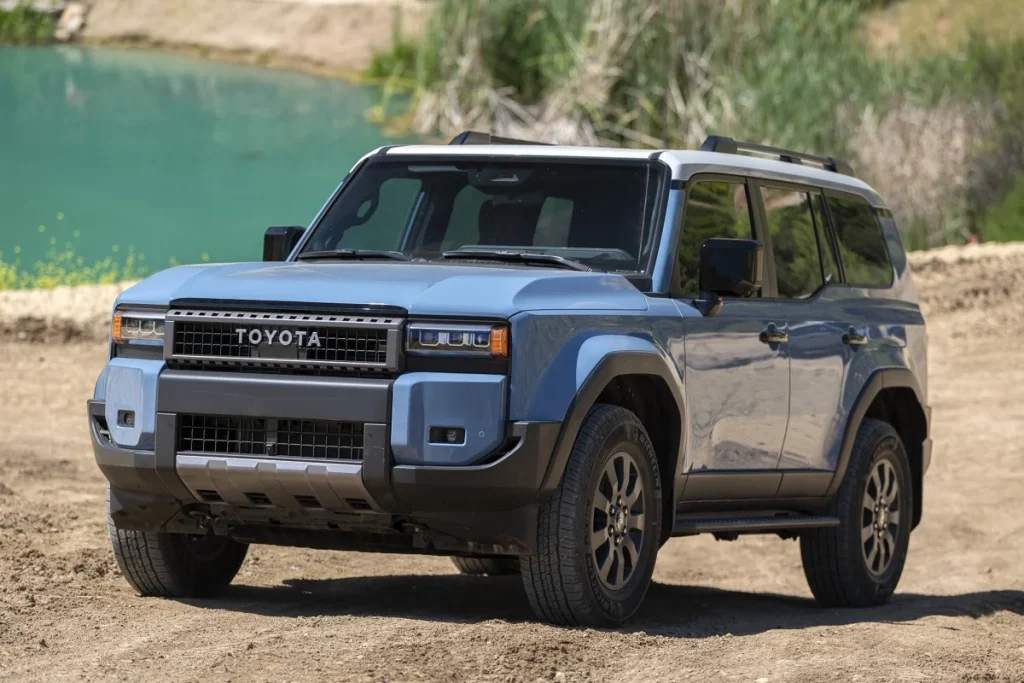
The Land Cruiser’s cooling performance has become part of its legendary reputation. Owners in desert environments frequently cite the air conditioning system as one of the vehicle’s most valuable features.
In a world where many luxury SUVs focus primarily on technology and styling, the Land Cruiser continues to excel at the fundamentals that matter most during intense summer heat.
Specifications
- Engine: 3.4L Twin Turbo V6 Hybrid
- Torque: 583 lb ft
- Horsepower: 457 hp
- Length/Width: 194.9 in / 78.0 in
2. Lexus LX 600
Luxury buyers expect climate control systems to perform flawlessly, and the Lexus LX 600 delivers on that expectation with one of the strongest air conditioning systems available in a premium SUV.
Sharing some engineering philosophy with the Land Cruiser while adding additional luxury features, the LX is particularly effective in hot weather conditions.
What separates the LX from many competitors is its attention to passenger comfort across every seating position. Multiple climate zones allow occupants to customize temperatures according to personal preferences. Even third-row passengers receive meaningful cooling support, which is not always the case in large luxury SUVs.
The system’s response time is especially impressive. After sitting under direct sunlight, the cabin can become unbearably hot. The LX quickly pushes large volumes of cold air through the interior, reducing discomfort within a short period. Occupants notice the difference almost immediately after startup.
Noise control also contributes to the experience. Some powerful air conditioning systems achieve strong cooling at the expense of excessive fan noise. Lexus manages to balance airflow and refinement, creating a quiet cabin while still maintaining excellent cooling performance.
Advanced sensors continuously monitor cabin conditions and adjust output accordingly. Rather than requiring constant manual intervention, the system intelligently manages airflow and temperature to maintain passenger comfort.
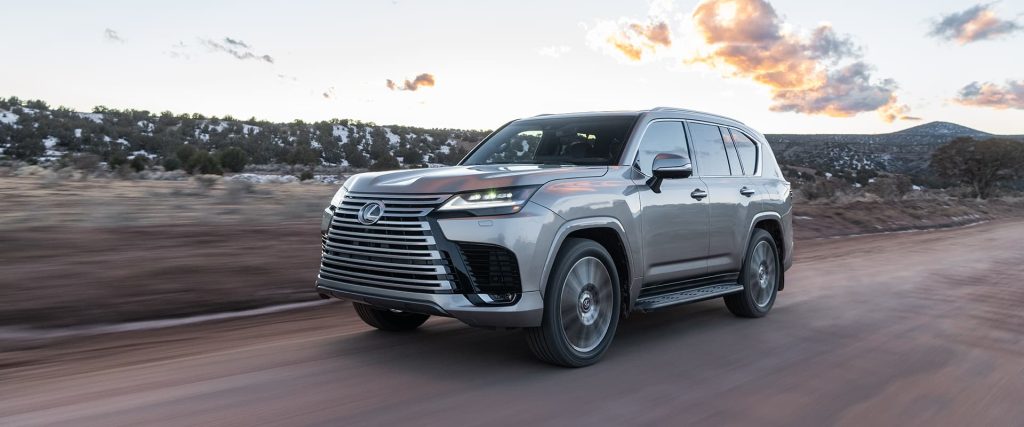
LX 600 demonstrates how climate control can become a luxury feature in its own right. While buyers may initially focus on leather upholstery, technology, or ride quality, many owners discover that the vehicle’s outstanding air conditioning system becomes one of the most appreciated aspects of daily ownership.
Specifications
- Engine: 3.4L Twin Turbo V6
- Torque: 479 lb ft
- Horsepower: 409 hp
- Length/Width: 200.5 in / 78.3 in
3. Chevrolet Suburban
Large vehicles often face a difficult challenge when it comes to air conditioning. Cooling a massive cabin filled with passengers requires significantly more effort than cooling a compact sedan.
The Chevrolet Suburban has earned a strong reputation because it handles this challenge exceptionally well, making it one of the best choices for families living in hot climates.
The Suburban’s climate-control system benefits from years of refinement. Chevrolet understands that many owners use the vehicle for long road trips, family transportation, and towing duties in regions where summer temperatures can be relentless.
As a result, the air conditioning system is designed to move a tremendous amount of air throughout the cabin.
One of the most impressive characteristics is how quickly the front section cools after startup. Large vents direct powerful airflow toward occupants, helping reduce cabin temperatures much faster than many people expect from a vehicle of this size.
Once the interior begins cooling, the rear climate system helps maintain consistent comfort for passengers in all rows.
Families particularly appreciate this feature because rear passengers often suffer the most in large SUVs. The Suburban addresses that concern with dedicated rear vents and controls that ensure children and adults sitting farther back receive plenty of cooled air.
Chevrolet also pairs the climate system with a well-insulated cabin. This combination helps retain cool temperatures even during extended periods of driving in extreme heat. The system does not need to work as hard to maintain comfort once the desired temperature has been reached.
Another reason for the Suburban’s strong reputation is consistency. Many vehicles cool effectively under moderate conditions but struggle during heat waves. The Suburban remains dependable when temperatures climb into triple digits, which explains why it remains popular in southern states and desert regions.
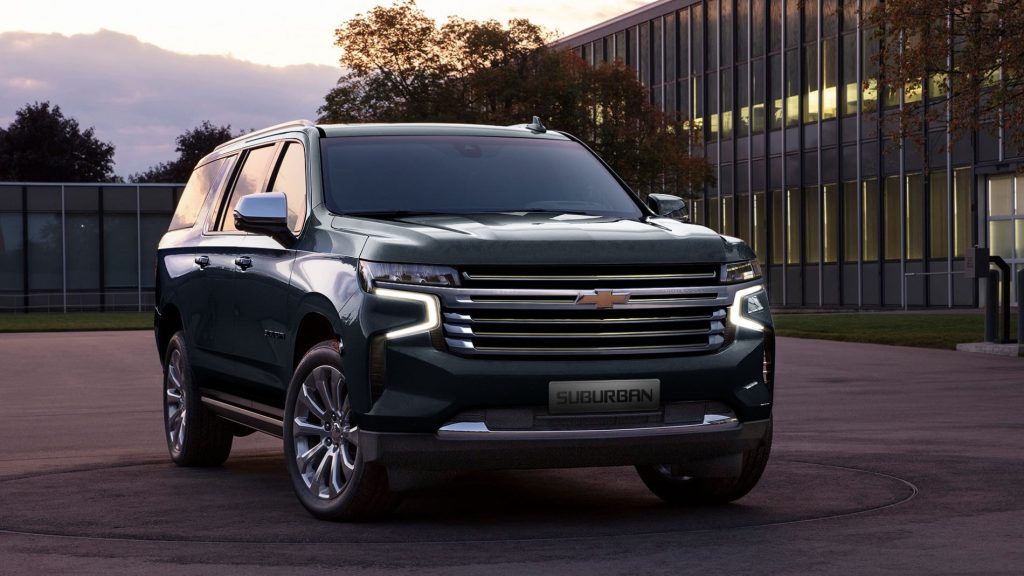
The Chevrolet Suburban proves that size does not have to compromise cooling performance. Despite having one of the largest passenger cabins on the market, it consistently delivers excellent climate control and keeps occupants comfortable regardless of where they are seated.
Specifications
- Engine: 5.3L V8
- Torque: 383 lb ft
- Horsepower: 355 hp
- Length/Width: 225.7 in / 81.1 in
4. Toyota Sequoia
The Toyota Sequoia was engineered with family transportation in mind, and that focus extends directly to its climate control system. While buyers often discuss the SUV’s reliability and towing capability, many owners living in hot climates point to the air conditioning system as one of the vehicle’s most underrated strengths.
A major factor behind the Sequoia’s cooling performance is airflow distribution. Toyota designed the ventilation system to move cold air efficiently through every part of the cabin. Large front vents generate substantial cooling power, while additional rear vents help maintain comfort for passengers throughout the vehicle.
Unlike some SUVs that require frequent adjustments as temperatures change, the Sequoia’s automatic climate control system does a good job of maintaining a steady environment. Occupants can set their preferred temperature and allow the system to manage airflow and fan speed with minimal intervention.
Another advantage becomes noticeable during long drives. Some air conditioning systems cool aggressively at first but struggle to sustain performance during extended periods of operation. The Sequoia remains effective hour after hour, making it a favorite among families who frequently travel through hot regions.
The SUV’s spacious interior actually highlights the effectiveness of the climate system. Large cabins are more difficult to cool, yet the Sequoia rarely feels overwhelmed by the task. Rear passengers receive strong airflow, reducing complaints during summer road trips.
Durability also deserves mention. Toyota’s reputation for building dependable components extends to climate control systems, and many owners report years of reliable operation with minimal issues. That long-term consistency adds to the vehicle’s appeal.
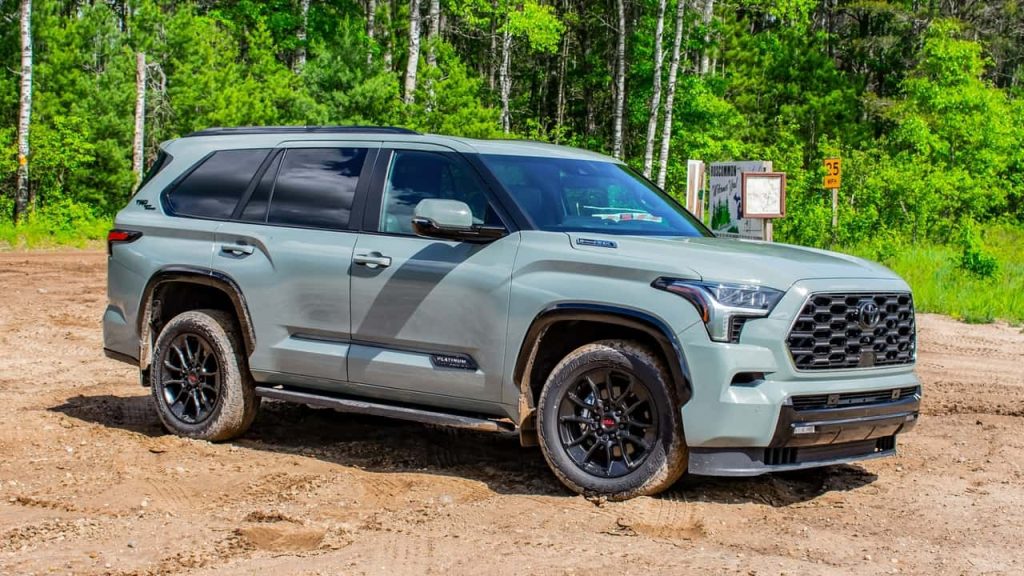
Sequoia’s strong air conditioning is often overlooked when discussing family vehicles. In reality, keeping passengers comfortable during scorching weather can be just as important as cargo space or towing capacity, and the Sequoia performs exceptionally well in that regard.
Specifications
- Engine: 3.4L Twin Turbo V6 Hybrid
- Torque: 583 lb ft
- Horsepower: 437 hp
- Length/Width: 208.1 in / 79.8 in
5. Mercedes-Benz S-Class
The Mercedes-Benz S-Class has long been regarded as a benchmark for luxury, comfort, and advanced technology. While discussions often focus on its sophisticated suspension, premium materials, and cutting-edge features, one of its most impressive attributes is a climate control system that performs at an exceptionally high level.
Mercedes engineers approach cabin comfort with extraordinary attention to detail. Rather than simply producing cold air, the S-Class is designed to create an environment where passengers remain comfortable regardless of outside temperatures. The system reacts quickly to changing conditions and continuously adjusts airflow to maintain a pleasant atmosphere.
One of the strongest aspects of the S-Class air conditioning system is precision. Multiple sensors monitor cabin temperature, sunlight intensity, humidity, and passenger occupancy.
These inputs allow the vehicle to make constant adjustments without requiring manual intervention. The result is a cabin that feels consistently comfortable rather than alternating between too cold and too warm.
Rear seat passengers receive the same level of attention as those in the front. Luxury buyers often spend significant time in the rear seats, particularly in chauffeur-driven markets. Mercedes ensures that cooling reaches every corner of the cabin with remarkable effectiveness.
Another notable feature is the quality of airflow. Instead of blasting occupants with harsh streams of cold air, the system distributes cooling smoothly and evenly. This approach creates a more refined experience while still delivering powerful performance during extreme heat.
The S-Class also benefits from excellent insulation and advanced glass technology that helps reduce heat penetration. Because less heat enters the cabin, the air conditioning system can maintain comfortable temperatures with greater efficiency.
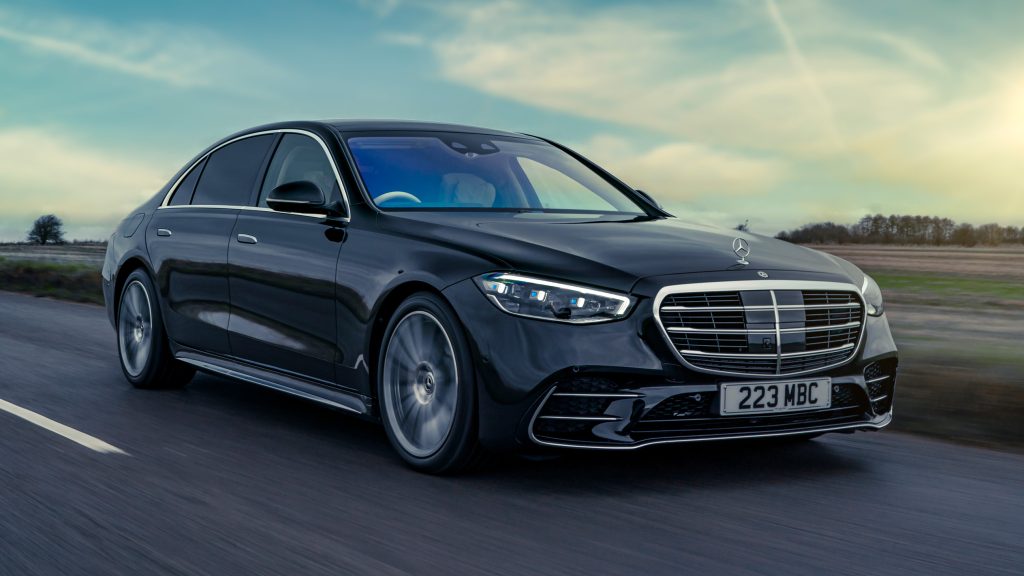
The S-Class represents one of the finest examples of automotive climate control engineering. While many vehicles can cool a cabin, few manage to combine cooling power, precision, refinement, and passenger comfort as successfully as Mercedes’ flagship sedan.
Specifications
- Engine: 3.0L Turbocharged Inline 6 Hybrid
- Torque: 369 lb ft
- Horsepower: 442 hp
- Length/Width: 208.2 in / 76.9 in
5 Cars With the Weakest AC
Air conditioning performance is not always a top priority when consumers shop for vehicles. Buyers often focus on styling, fuel economy, technology, safety ratings, or performance figures. Unfortunately, some drivers only discover weaknesses in a vehicle’s climate control system after facing their first major heat wave.
A weak air conditioning system can create daily frustration. Long cooling times, insufficient airflow, poor rear seat ventilation, and inconsistent temperature control all reduce comfort, especially in regions where summer temperatures routinely exceed 90 or 100 degrees Fahrenheit.
These issues become even more noticeable during traffic jams, long commutes, or family road trips.
1. Jeep Wrangler
The Jeep Wrangler has built a loyal following through its off-road capability, rugged styling, and open-air driving experience. Yet those same characteristics contribute to one of its most commonly discussed shortcomings: air conditioning performance during extremely hot weather.
Unlike conventional SUVs, the Wrangler prioritizes removable doors and roof panels. While these features create unmatched outdoor driving experiences, they also make temperature management more challenging.
Heat can penetrate the cabin more easily, and maintaining cool temperatures often requires the air conditioning system to work harder than it would in a traditional enclosed vehicle.
Another factor is cabin design. The Wrangler’s upright shape and large windows allow significant sunlight into the interior. After sitting in direct sunlight, cabin temperatures can rise rapidly. Owners frequently report that cooling the interior takes longer than expected, especially in regions with intense summer heat.
Airflow distribution can also be inconsistent. Front passengers generally receive adequate cooling, but rear passengers may not experience the same level of comfort, particularly in four-door models carrying multiple occupants. This becomes more noticeable during long drives with a full cabin.
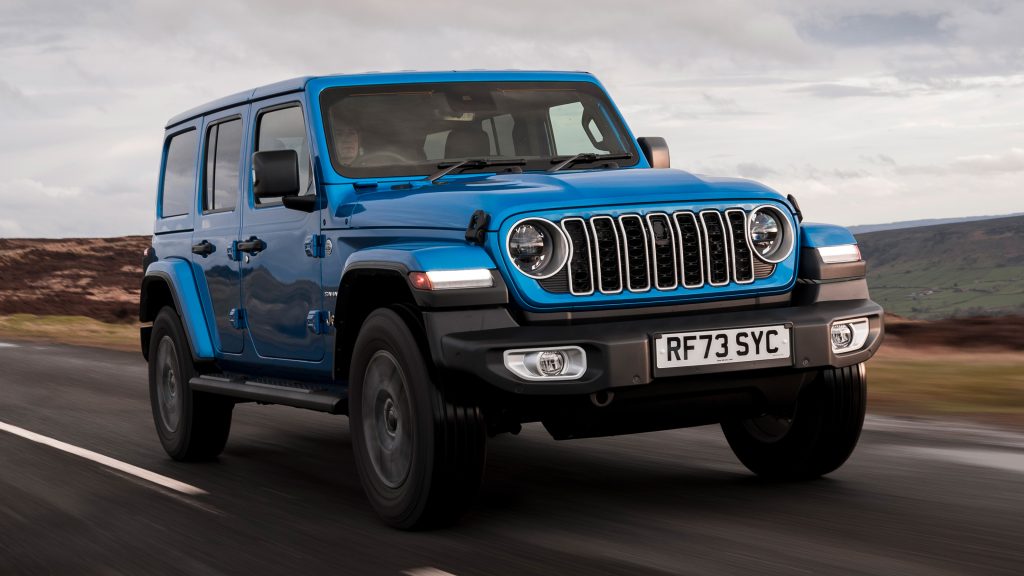
The Wrangler’s mission differs from most SUVs. Jeep engineers focus heavily on durability, off-road capability, and removable body components. Climate control performance has historically not received the same level of emphasis as other aspects of the vehicle.
Wrangler perfectly illustrates how a vehicle’s design priorities can affect comfort features. Buyers who spend most of their time in moderate climates may find the system acceptable, but those living in extremely hot areas often report that the air conditioning falls short of expectations.
Specifications
- Engine: 3.6L V6
- Torque: 260 lb ft
- Horsepower: 285 hp
- Length/Width: 188.4 in / 73.9 in
2. Nissan Versa
The Nissan Versa has earned praise over the years for affordability, fuel efficiency, and low ownership costs. For buyers seeking basic transportation on a tight budget, it often represents a sensible choice.
However, one area where many owners have expressed disappointment is air conditioning performance, particularly during periods of extreme heat.
Part of the challenge comes from the Versa’s budget-oriented design. To keep costs low, Nissan focused on providing essential features rather than premium climate control hardware. While the system functions adequately in moderate temperatures, it can struggle when the cabin becomes excessively hot after prolonged exposure to direct sunlight.
Owners frequently mention that cooling takes longer than expected. Entering a Versa that has been parked outdoors during a hot afternoon often means waiting several minutes before the interior reaches a comfortable temperature. In regions where summer temperatures routinely climb into triple digits, this delay becomes more noticeable.
The issue is not necessarily a complete lack of cold air. Instead, the system often lacks the powerful airflow found in larger or more expensive vehicles. Even when the air itself is cool, the volume moving through the cabin may not be sufficient to provide rapid relief.
Cabin materials can contribute to the perception as well. Dark surfaces absorb heat quickly, and compact economy cars generally have fewer insulation measures than luxury vehicles. As a result, the air conditioning system faces a difficult task immediately after startup.
Another concern involves passenger comfort during full occupancy. With multiple people inside the cabin, cooling demands increase, and the system can feel stretched beyond its ideal operating range.
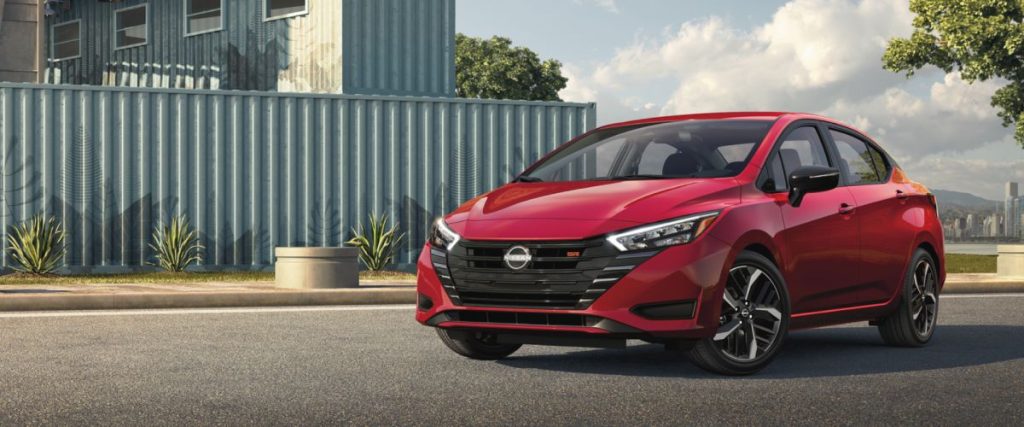
The Nissan Versa highlights the compromises that sometimes accompany affordable transportation. The car succeeds in many practical areas, but drivers living in particularly hot climates may find themselves wishing for a stronger and faster-acting climate control system.
Specifications
- Engine: 1.6L Inline 4
- Torque: 114 lb ft
- Horsepower: 122 hp
- Length/Width: 177.0 in / 68.5 in
3. Mitsubishi Mirage
The Mitsubishi Mirage was designed with efficiency and affordability as its primary goals. It delivers impressive fuel economy and a low purchase price, but those strengths come with certain tradeoffs. Among the most frequently discussed complaints from owners is air conditioning performance under demanding conditions.
The Mirage uses a small engine that prioritizes efficiency over power. When temperatures rise significantly, drivers sometimes notice the impact of the air conditioning system on vehicle performance. Running the AC at maximum output can make acceleration feel even more modest, particularly when climbing hills or carrying passengers.
Cooling effectiveness itself is another concern. The system can eventually bring cabin temperatures down, but it often lacks the immediate cooling power found in larger or more expensive vehicles. After sitting in direct sunlight, the interior may remain uncomfortable longer than occupants would prefer.
Airflow is frequently cited as part of the problem. The vents simply do not move as much air as those found in vehicles with more robust climate control systems. As a result, passengers may need to wait longer before experiencing meaningful relief from intense heat.
Road trips can make the limitation more apparent. While the system generally performs adequately once temperatures stabilize, maintaining consistent comfort during extremely hot weather can require constant use of higher fan settings.
The Mirage’s lightweight construction and economy-focused design mean that every component is selected with cost efficiency in mind. Climate control performance was never intended to rival premium vehicles, and that reality becomes clear during severe summer conditions.
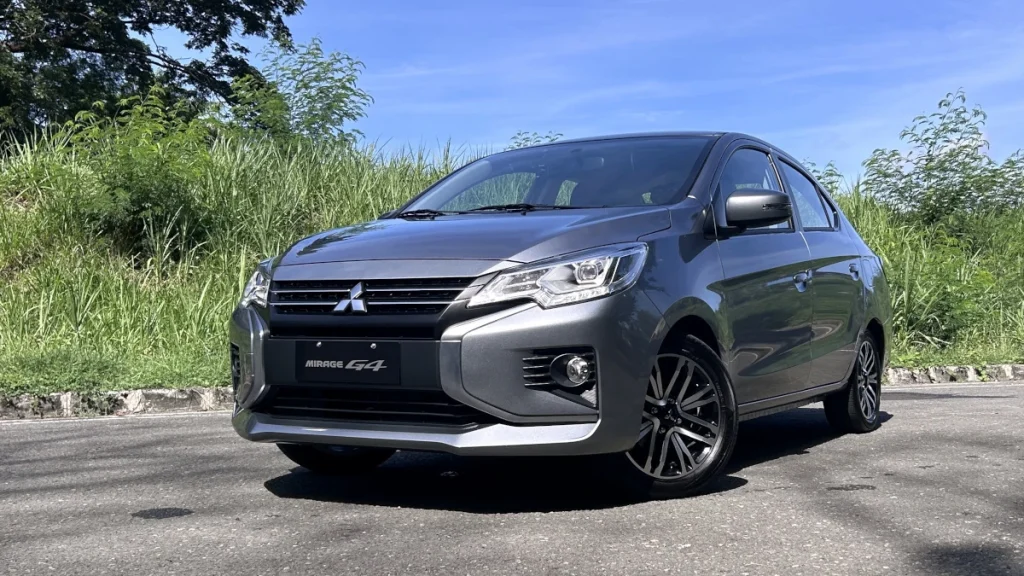
I am writing about the Mirage because it serves as a reminder that low purchase prices often involve compromises. Buyers seeking maximum value may accept these limitations, but those living in particularly warm regions should understand that the air conditioning system is not among the vehicle’s strongest attributes.
Specifications
- Engine: 1.2L Inline 3
- Torque: 74 lb ft
- Horsepower: 78 hp
- Length/Width: 151.4 in / 65.6 in
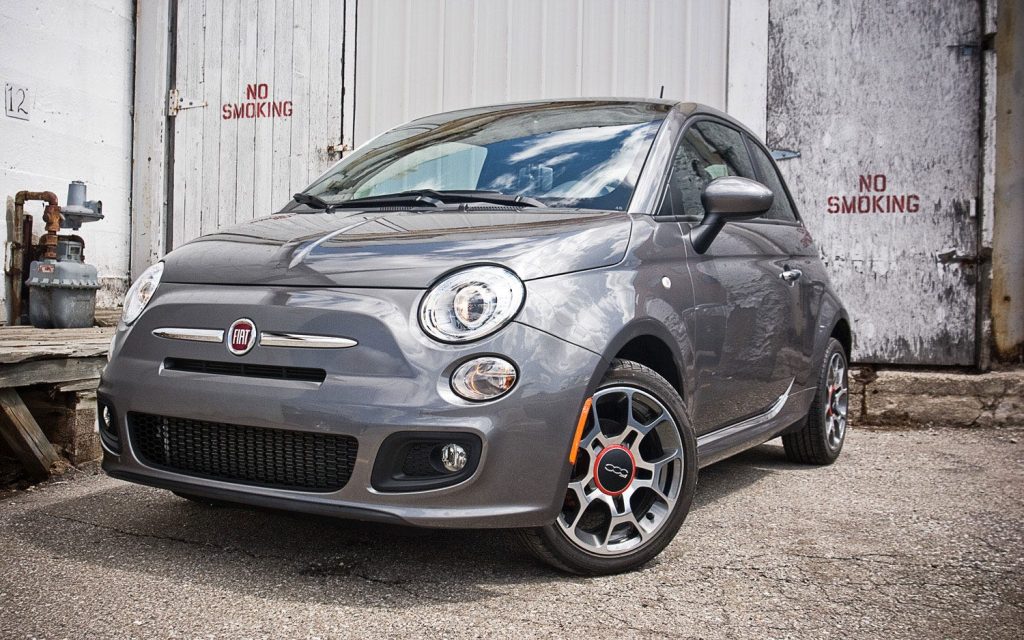
4. Fiat 500
The Fiat 500 attracted attention with its retro styling, compact dimensions, and city-friendly personality. Buyers looking for a small car with distinctive character often found it appealing. However, one complaint that appeared repeatedly among owners involved the effectiveness of the air conditioning system during hot weather.
At first glance, a small cabin should be easy to cool. In theory, less interior space means the air conditioning system has less work to do. The reality proved more complicated. The Fiat 500’s large glass area allows significant sunlight into the cabin, creating a greenhouse effect that can raise interior temperatures quickly when parked outdoors.
Many drivers reported that the system struggled to cool the cabin as rapidly as expected after extended exposure to direct sunlight. The air coming from the vents was often cold enough, but the cooling process could take longer than occupants wanted during extremely hot afternoons.
The vehicle’s compact dimensions also mean occupants sit relatively close to windows, making solar heat more noticeable. Even when the air conditioning is functioning properly, passengers can feel the effects of heat radiating through the glass, particularly in regions known for intense summer temperatures.
Highway driving generally improves the situation because increased airflow through the vehicle helps the system operate more efficiently. Cooling performance can feel less effective in stop-and-go traffic, where airflow is limited. This shortcoming is often most noticeable for urban commuters, who spend a significant portion of their time in heavy congestion and frequent traffic slowdowns.
Another reason for the criticism involves expectations. Buyers naturally assume a small cabin will cool almost instantly. When the system fails to deliver that experience, disappointment follows even if the vehicle eventually reaches a comfortable temperature.
The Fiat 500 demonstrates that cabin size alone does not guarantee strong climate control performance. Factors such as glass area, airflow design, and cooling capacity all play important roles, and the Fiat sometimes falls short in those areas during severe heat.
Specifications
- Engine: 1.4L Inline 4
- Torque: 98 lb ft
- Horsepower: 135 hp
- Length/Width: 139.6 in / 64.1 in
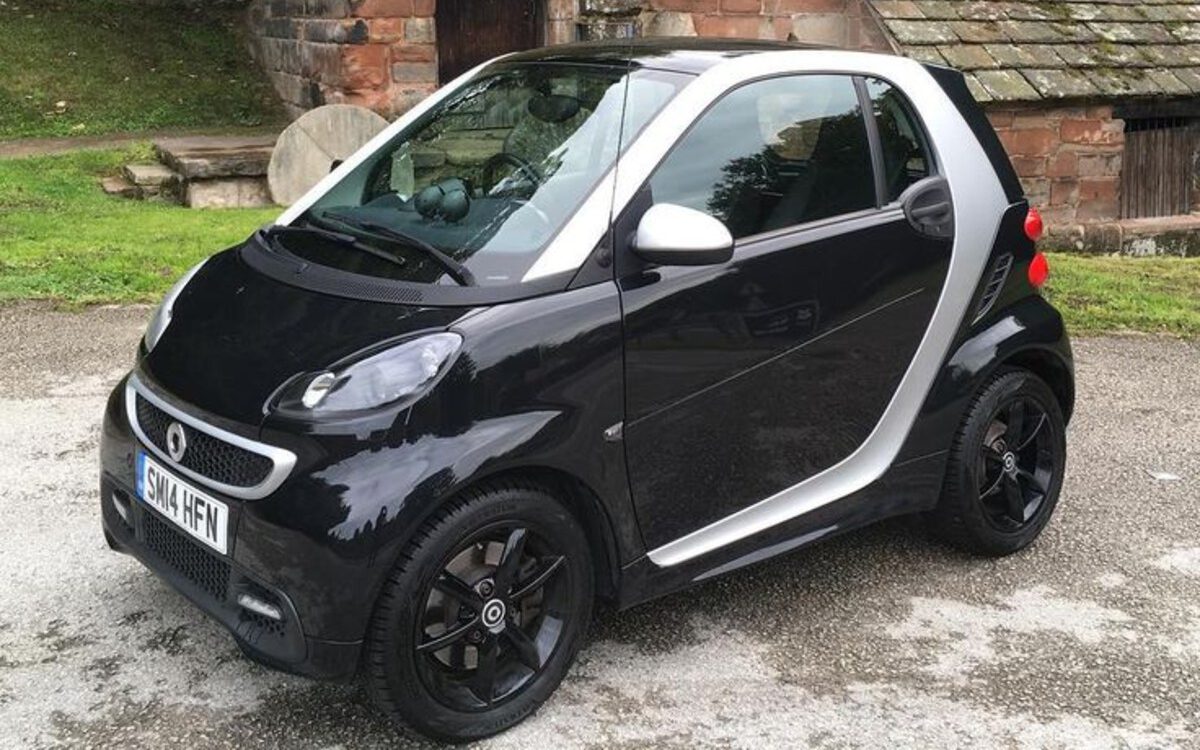
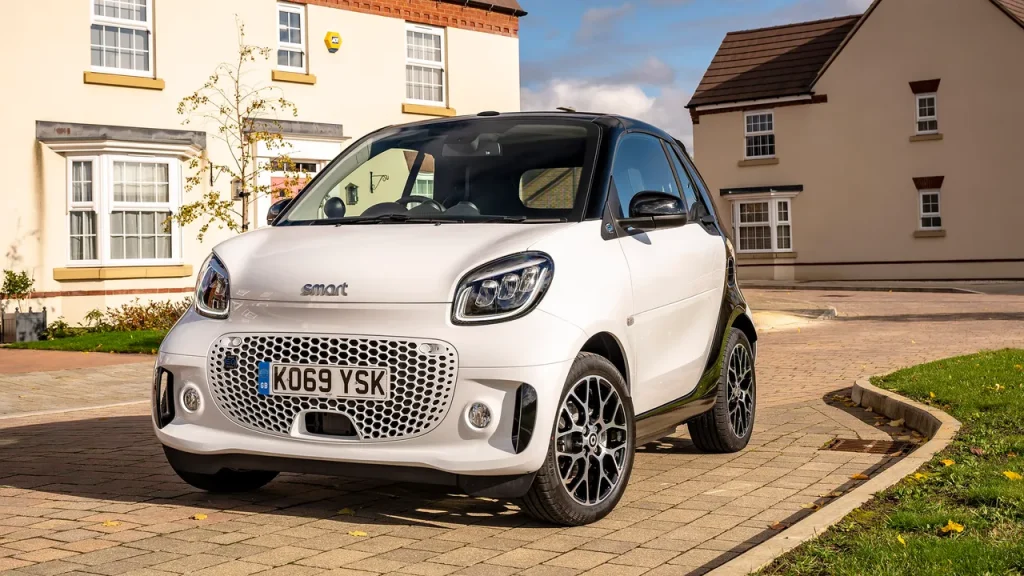
5. Smart Fortwo
The Smart Fortwo was created to solve urban transportation challenges through an extremely compact design. Parking ease, maneuverability, and fuel efficiency became its defining strengths. Unfortunately, the same engineering priorities that made the Fortwo unique also contributed to recurring complaints regarding air conditioning performance.
Because the vehicle is so small, many people assume cooling should be effortless. Yet owners frequently report that the cabin can become surprisingly hot after sitting in direct sunlight. Large windows surrounding the cabin allow significant heat buildup, creating conditions that place considerable demand on the climate control system.
The Fortwo’s short wheelbase and compact structure leave little room for extensive climate control hardware. As a result, the system often lacks the cooling power found in larger vehicles. During moderate weather, this limitation may go unnoticed.
During intense summer heat, however, occupants can find themselves waiting longer than expected for comfortable temperatures.
Airflow is another commonly discussed issue. The system can produce cool air, but the volume and distribution may not always be sufficient to counteract the heat generated by the extensive glass surfaces. On particularly hot days, maintaining comfort can require maximum fan settings for extended periods.
Long drives further highlight the difference between the Fortwo and vehicles with stronger air conditioning systems. While it remains capable of cooling the cabin eventually, the process is often less effective and less consistent than many drivers would prefer.
Smart Fortwo represents an interesting example of how innovative vehicle design can create unintended compromises.
The car excels in urban environments and delivers benefits that few competitors can match, but air conditioning performance remains one area where buyers should manage their expectations.
Specifications
- Engine: 1.0L Inline 3
- Torque: 68 lb ft
- Horsepower: 70 hp
- Length/Width: 106.1 in / 61.4 in
Also Read: 10 Jet-Powered Cars & Ranked
