
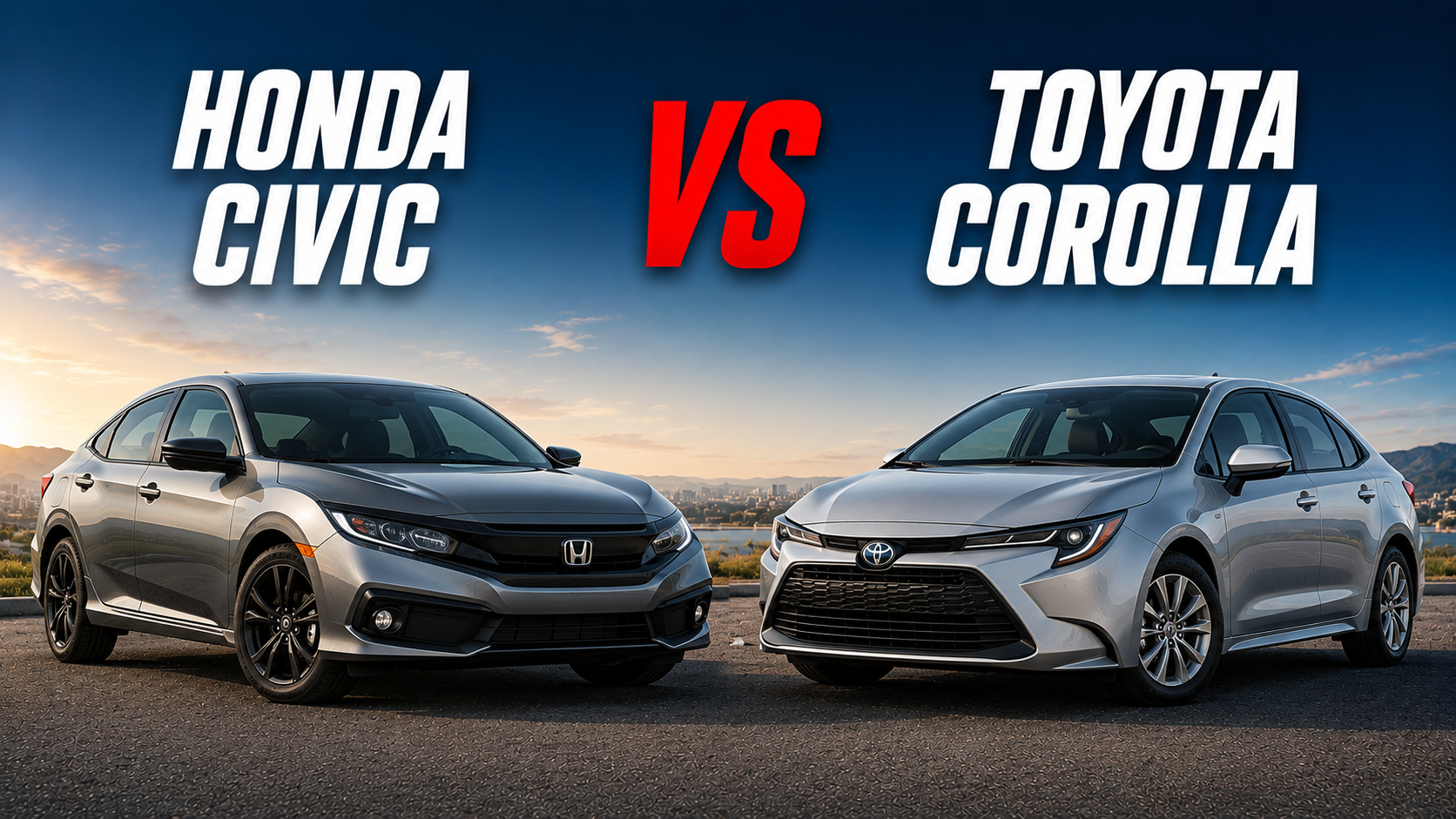
Few automotive rivalries have lasted as long or remained as relevant as the battle between the Honda Civic and Toyota Corolla. For decades, these two compact cars have served as the default recommendation for buyers seeking dependable transportation, strong fuel economy, affordable ownership costs, and long-term reliability.
Millions of drivers have purchased one or the other because both vehicles consistently deliver the qualities that matter most in everyday driving.
The compact sedan segment has changed dramatically over the years. Modern buyers expect advanced safety technology, sophisticated infotainment systems, premium interior materials, and impressive fuel efficiency.
Features that were once exclusive to luxury vehicles now appear in affordable compact cars. The Civic and Corolla have evolved alongside those expectations, becoming more refined, more technologically advanced, and more enjoyable to drive than ever before.
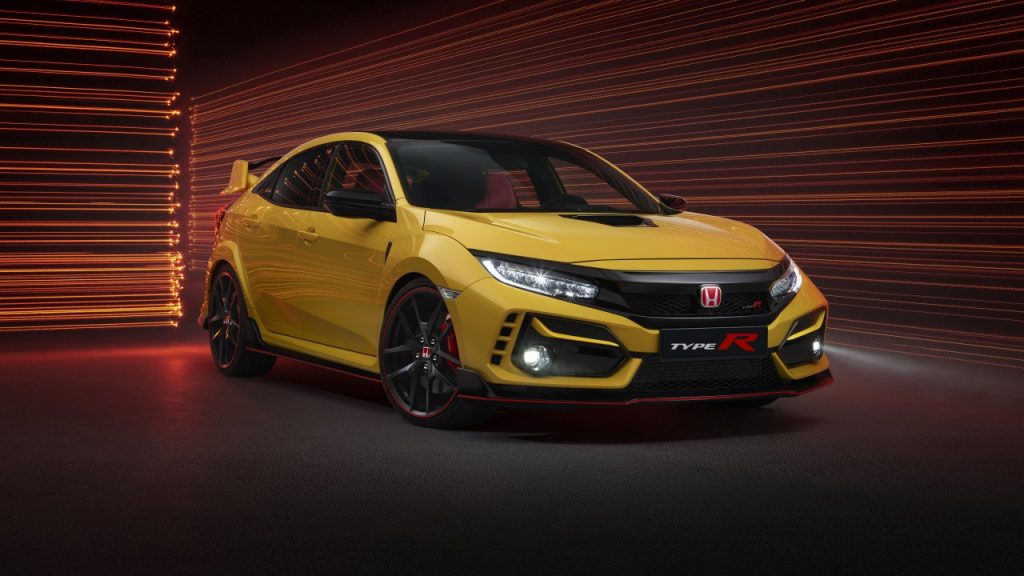
Honda has positioned the Civic as the more engaging and upscale option. Recent generations have emphasized driving dynamics, interior quality, and passenger space while maintaining the practicality that made the car successful. The Civic’s clean styling and mature design language have also helped it appeal to a broader range of buyers.
Toyota takes a slightly different approach with the Corolla. Reliability, efficiency, and value remain central to its identity. The introduction of highly efficient hybrid models has strengthened the Corolla’s appeal among commuters and budget-conscious buyers.
Toyota’s reputation for durability continues to attract shoppers who prioritize low operating costs and long-term dependability.
Choosing between these cars is more difficult than it may initially appear. Both offer excellent safety ratings, strong resale values, efficient powertrains, and comfortable cabins. Small differences in ride quality, passenger space, fuel economy, and ownership costs often determine which model better suits a particular buyer.
To determine which compact car deserves your money, we’ll compare the Honda Civic and Toyota Corolla across ten important categories before declaring a complete winner.
Also Read: Jeep Wrangler vs Ford Bronco Comparison – Which Off-Roader Is Better?
Exterior Design and Road Presence
Compact sedans are purchased primarily for practicality, but styling still matters. A vehicle that looks modern and attractive can make ownership more enjoyable over the long term.
Honda adopted a more mature design philosophy with the latest Civic. Earlier generations often featured aggressive styling elements and dramatic body lines.
The current model takes a cleaner approach, with smooth surfaces, a lower roofline, and proportions that resemble larger sedans. Some observers have even compared the Civic’s profile to entry-level luxury cars.
The Civic measures approximately 184 inches in length and rides on a 107.7-inch wheelbase. Those dimensions help create a balanced stance and contribute to a more substantial road presence than many compact competitors.
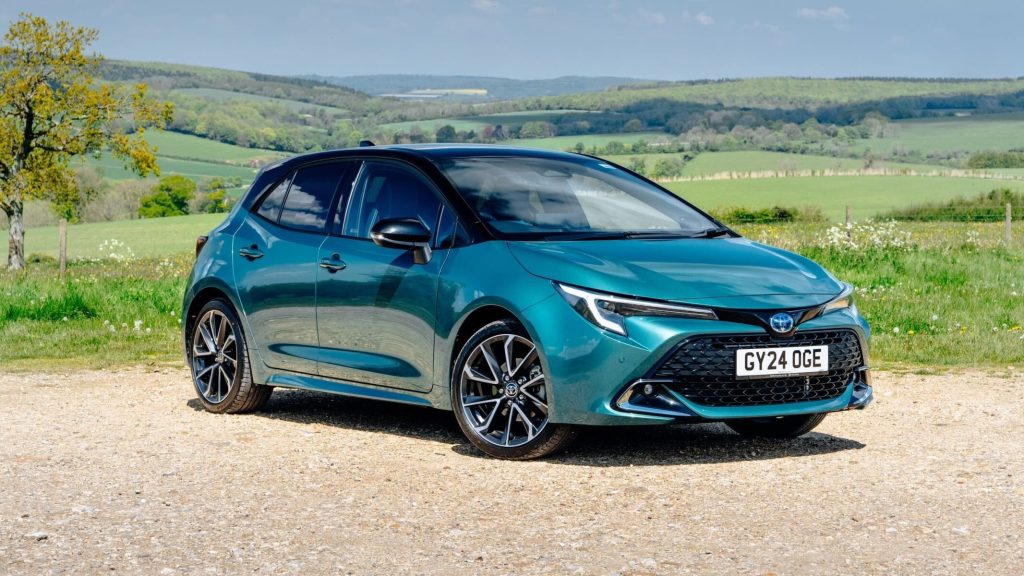
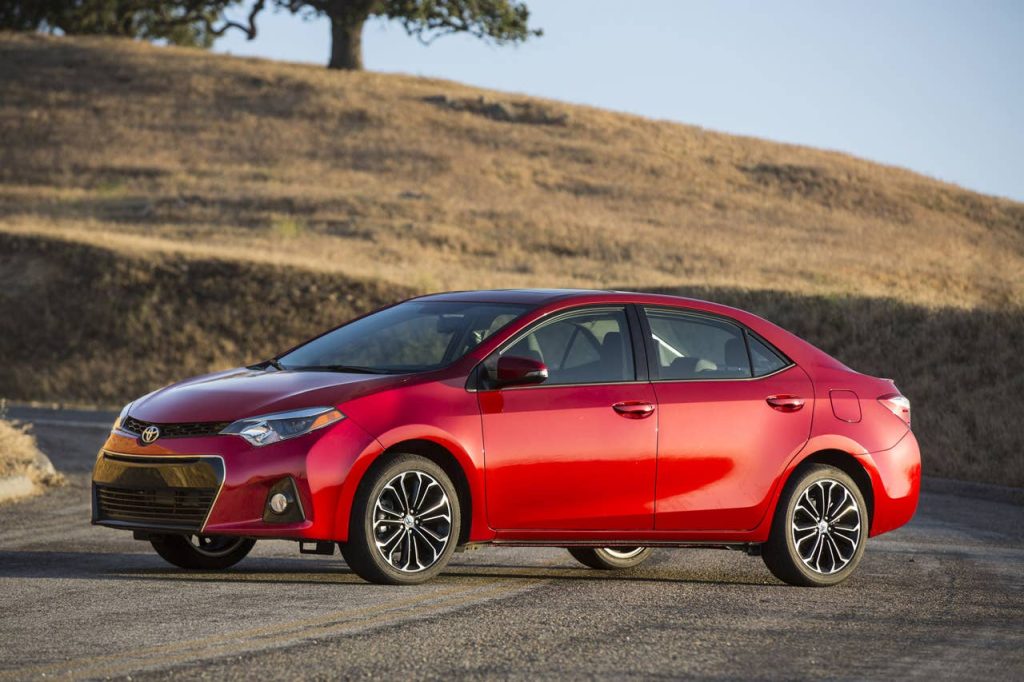
Toyota’s Corolla follows a sportier design path. Sharp headlights, sculpted bodywork, and a prominent grille help the car stand out. SE and XSE trims add larger wheels, sport-oriented styling details, and unique exterior accents that create a more youthful appearance.
At approximately 182.5 inches long, the Corolla is slightly shorter than the Civic. The difference is not dramatic, but the Honda’s longer proportions contribute to a more upscale look.
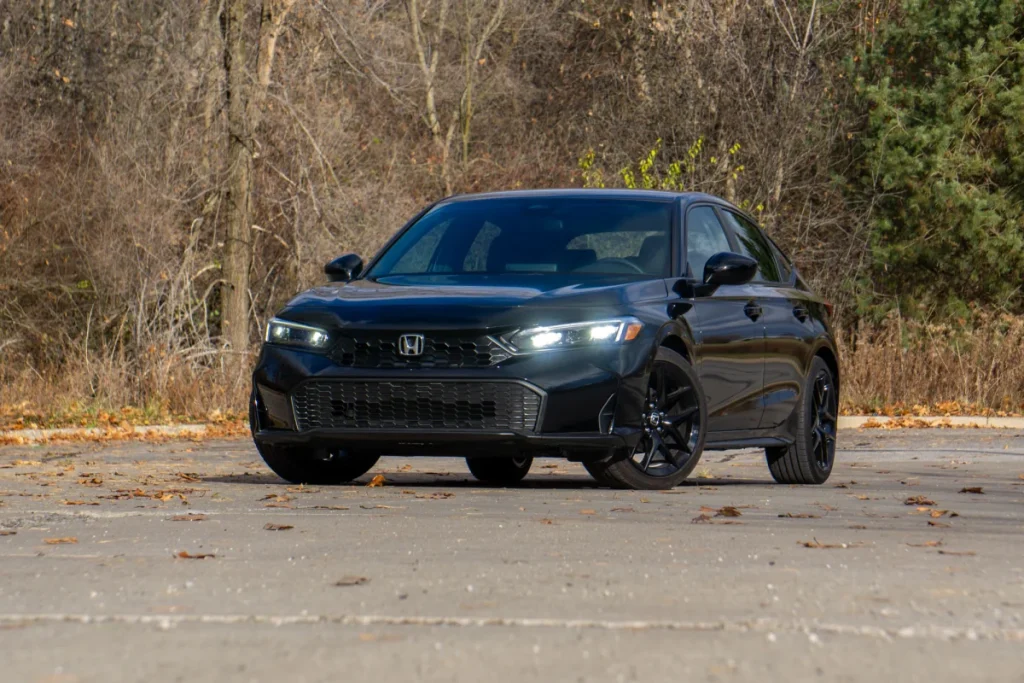
Visual appeal remains subjective, but the Civic’s design has aged particularly well. It appears sophisticated without being overly conservative and manages to strike a balance between sportiness and elegance.
Toyota deserves credit for making the Corolla more visually interesting than previous generations. The Civic simply looks like a more expensive vehicle.
Winner: Honda Civic
Clean proportions and a premium appearance give the Civic a stronger road presence.
Interior Design and Technology
A compact car’s cabin plays a major role in daily satisfaction because drivers spend far more time inside the vehicle than admiring it from the outside.
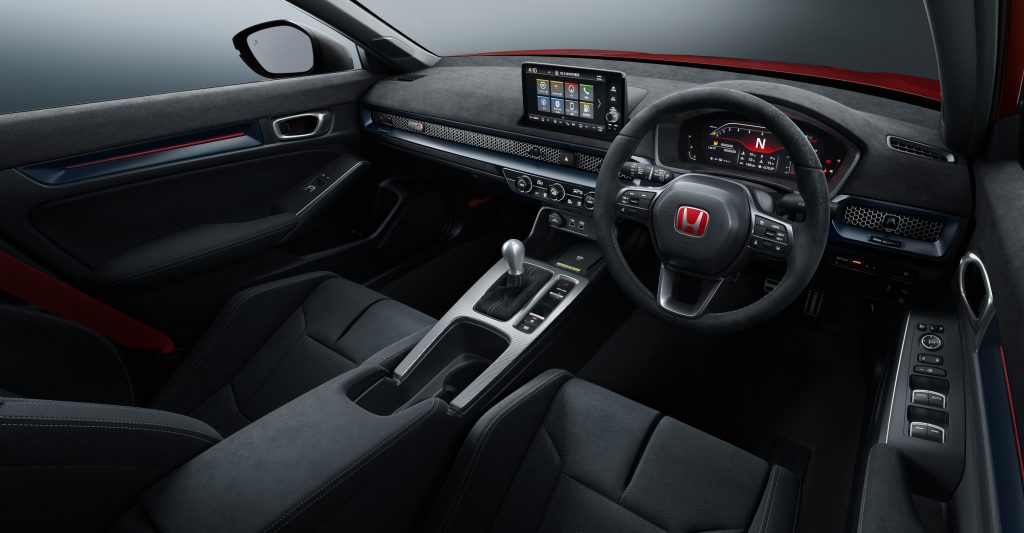
Honda’s interior designers created one of the most impressive cabins in the compact-car segment. A honeycomb-style dashboard element conceals the air vents while creating a distinctive visual feature that immediately sets the Civic apart from many competitors.
Material quality is excellent throughout the cabin. Soft-touch surfaces appear in key areas, controls operate with precision, and the full design feels thoughtfully executed. Even lower trims provide an atmosphere that exceeds expectations for the price point.
Technology is equally competitive. Depending on trim level, buyers receive a 7-inch or available 9-inch touchscreen, wireless Apple CarPlay and Android Auto, digital instrumentation, and multiple connectivity options.
Toyota significantly improved the Corolla’s interior in recent years. The dashboard is modern, controls are easy to understand, and the build quality remains excellent. Higher trims receive upgraded materials and larger displays that improve the ownership experience. Passenger space begins to separate the two vehicles.
The Civic offers approximately the following:
- 42.3 inches of front legroom
- 37.4 inches of rear legroom
The Corolla provides approximately the following:
- 42.0 inches of front legroom
- 34.8 inches of rear legroom
Rear-seat passengers immediately notice the difference. Adults fit comfortably in the Civic’s second row, while taller occupants may find the Corolla’s rear accommodations more restrictive. Cargo space also favors Honda.
The Civic sedan offers approximately 14.8 cubic feet of trunk space compared with roughly 13.1 cubic feet in the Corolla.
Those differences may appear minor on paper, but they become noticeable during road trips, airport runs, and everyday errands.
Interior Comparison
| Category | Honda Civic | Toyota Corolla |
|---|---|---|
| Rear Legroom | 37.4 in | 34.8 in |
| Trunk Capacity | 14.8 cu-ft | 13.1 cu-ft |
| Largest Touchscreen | 9 in | 10.5 in |
| Interior Quality | Excellent | Very Good |
Honda’s superior packaging and more premium cabin create a stronger experience.
Winner: Honda Civic
More passenger room and a higher-quality interior make the Civic a better place to spend time.
Powertrains and Performance
Performance is not the primary reason most buyers choose a compact sedan, but adequate power and responsive driving characteristics contribute significantly to everyday confidence. Honda offers two primary engine choices depending on trim level.
Most Civic models use a 2.0-liter four-cylinder producing the following:
- 150 horsepower
- 133 lb-ft of torque
Higher trims feature a turbocharged 1.5-liter four-cylinder generating the following:
- 180 horsepower
- 177 lb-ft of torque
The turbocharged engine transforms the Civic’s personality. Acceleration becomes noticeably stronger, passing maneuvers require less effort, and full responsiveness improves substantially.
Toyota’s standard Corolla relies on a 2.0-liter four-cylinder producing the following:
- 169 horsepower
- 151 lb-ft of torque
The engine provides adequate performance for everyday use while maintaining strong fuel economy.
Hybrid models utilize Toyota’s proven electrified powertrain, generating approximately
- 138 combined horsepower
Although the hybrid prioritizes efficiency over outright speed, the electric assistance improves low-speed responsiveness. Driving dynamics have long been a Honda strength.
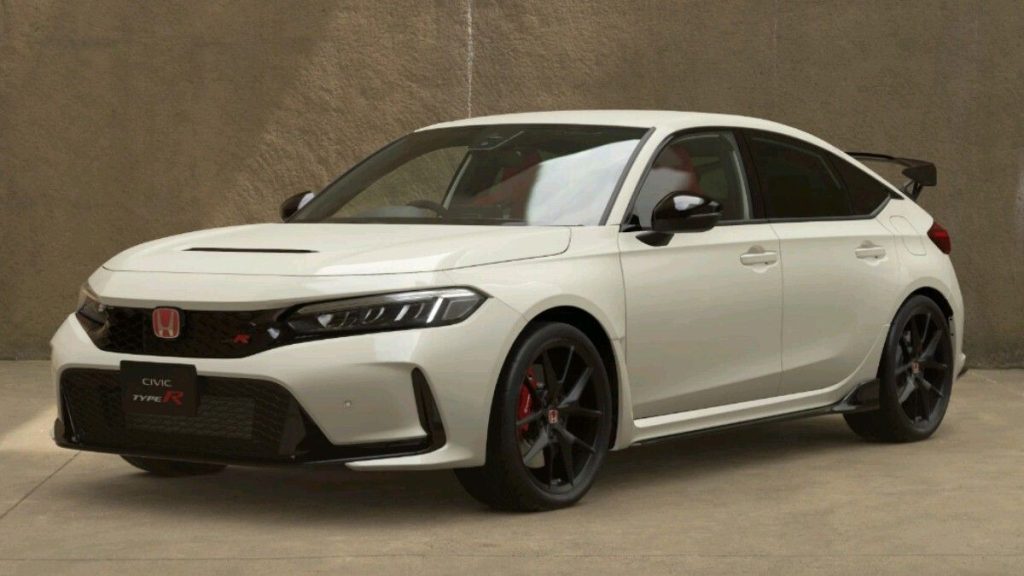
The Civic feels more composed in corners, steering responses are more precise, and the chassis communicates more effectively with the driver. Even buyers who never drive aggressively often notice how confident and stable the Civic feels during everyday situations.
Toyota’s Corolla remains comfortable and easy to drive, but it prioritizes efficiency and simplicity rather than engagement.
Performance Comparison
| Model | Horsepower | Torque |
|---|---|---|
| Civic 2.0 | 150 hp | 133 lb-ft |
| Civic 1.5 Turbo | 180 hp | 177 lb-ft |
| Corolla 2.0 | 169 hp | 151 lb-ft |
| Corolla Hybrid | 138 hp | N/A Combined |
The availability of a stronger turbocharged engine and superior driving dynamics gives Honda an advantage.
Winner: Honda Civic
More engaging handling and stronger available performance make the Civic more enjoyable to drive.
Cargo Space and Practicality
Practicality often determines whether a compact sedan remains satisfying after years of ownership. Grocery runs, family trips, luggage, sports equipment, and everyday errands all test how effectively a vehicle uses its available space.
Honda has consistently excelled in interior packaging, and the Civic continues that tradition. The longer wheelbase contributes to a spacious cabin that feels larger than many buyers expect from a compact car.
Rear-seat comfort is particularly impressive. Adults can comfortably occupy the second row for extended periods, something that cannot always be said about vehicles in this segment. Families transporting teenagers or frequently carrying passengers will appreciate the extra space.
Cargo capacity remains another Civic strength. The trunk’s 14.8 cubic feet of storage provide enough room for several suitcases, shopping bags, or recreational equipment. The wide opening and practical shape make loading and unloading simple.
Toyota’s Corolla remains practical but sacrifices some interior space due to its slightly smaller dimensions. The rear seat is comfortable for shorter trips, though taller passengers may notice reduced legroom compared with the Civic.
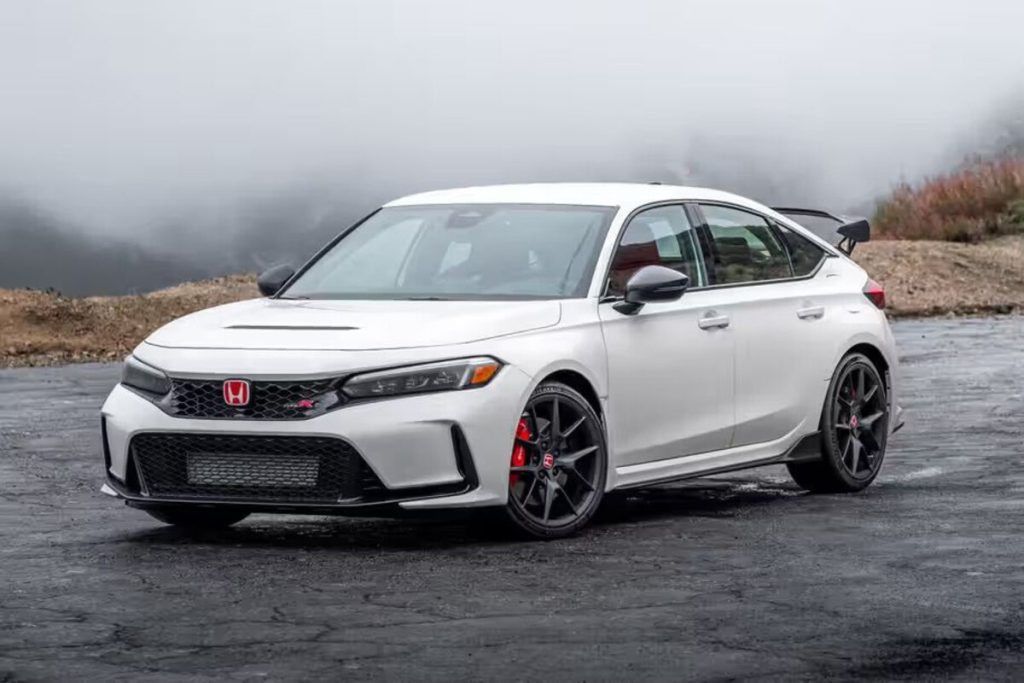
The trunk remains useful, but the Civic offers greater flexibility when carrying larger items. Storage solutions throughout the cabin are well executed in both vehicles. Door pockets, cupholders, center-console compartments, and small-item storage areas are thoughtfully positioned and easy to access.
Owners who regularly transport passengers and cargo often discover that the Civic feels more accommodating than its compact classification suggests.
Practicality Comparison
| Measurement | Honda Civic | Toyota Corolla |
|---|---|---|
| Trunk Capacity | 14.8 cu-ft | 13.1 cu-ft |
| Rear Legroom | 37.4 in | 34.8 in |
| Passenger Volume | 99 cu-ft | 88.6 cu-ft |
| Cabin Storage | Excellent | Very Good |
Winner: Honda Civic
Superior passenger space and greater cargo capacity make the Civic a more practical everyday car.
Ride Quality and Daily Driving
The vast majority of compact-car buyers are not shopping for track performance or sports-car handling. They want a vehicle that makes commuting easier, remains comfortable during long drives, handles rough roads without complaint, and feels refined enough to live with every day.
This category is particularly important because it influences owner satisfaction more than almost any specification on a brochure.
Honda has spent years refining the Civic into one of the most balanced vehicles in the segment. From the moment the car starts moving, it feels composed and well engineered.
The suspension absorbs potholes, expansion joints, and rough pavement effectively while maintaining excellent body control. Drivers receive enough feedback to feel connected to the road without experiencing the harshness that sometimes accompanies sporty suspension tuning.
The Civic’s steering system deserves special recognition. Inputs feel natural, the vehicle responds predictably, and confidence remains high whether driving through city traffic or cruising at highway speeds.
Many reviewers consider the Civic one of the best-driving compact sedans available because it delivers a level of refinement and responsiveness that exceeds expectations for the class.
Road-trip comfort further strengthens Honda’s position. Front seats provide excellent support during extended journeys, and the cabin remains relatively quiet even at interstate speeds. Wind and tire noise are well controlled, helping reduce fatigue on longer drives.
Toyota approaches daily driving from a different perspective. The Corolla prioritizes simplicity, comfort, and ease of use. Suspension tuning leans slightly softer than the Civic’s, helping smooth out imperfections in urban environments. The vehicle feels approachable and easy to drive, regardless of experience level.
Visibility is another Corolla strength. Large windows and a comfortable seating position help drivers maintain awareness in traffic and crowded parking lots. Commuters frequently appreciate these practical characteristics.
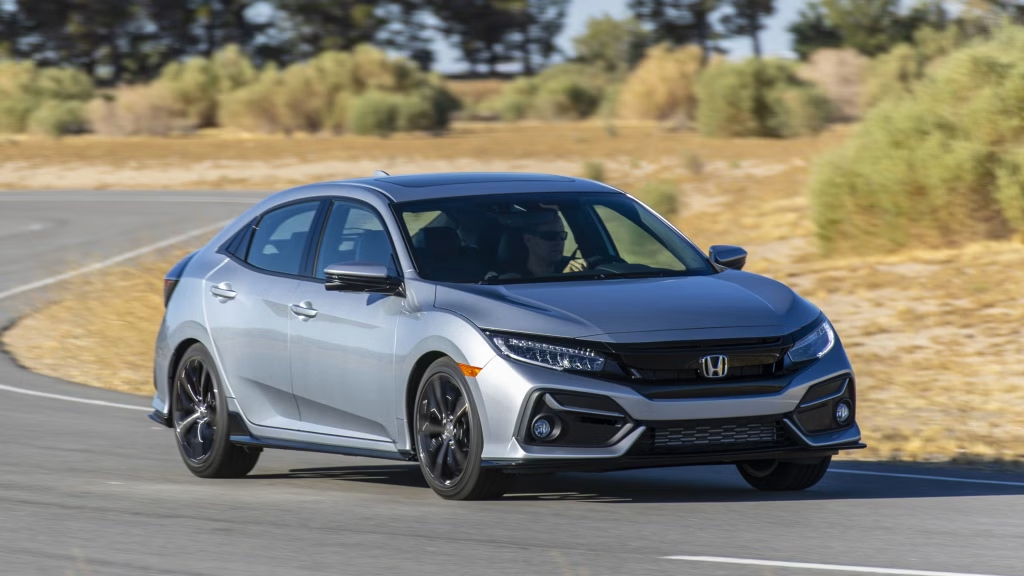
The difference becomes noticeable during longer drives and higher-speed travel. While the Corolla remains comfortable, the Civic feels more composed, quieter, and more refined. Steering precision and full chassis sophistication also favor the Honda.
Both cars excel as daily transportation, which explains their long-standing popularity. The Civic simply feels like a more expensive vehicle from behind the wheel.
Winner: Honda Civic
Superior ride refinement, excellent seat comfort, and more engaging driving dynamics make the Civic a better everyday companion.
Fuel Economy
Fuel efficiency remains one of the primary reasons buyers choose compact sedans over larger vehicles. Saving money at the fuel pump can significantly reduce long-term ownership costs, especially for commuters covering thousands of miles each year. Toyota has built much of its reputation around efficiency, and the Corolla demonstrates why.
The standard gasoline-powered Corolla delivers approximately the following:
- 32 MPG city
- 41 MPG highway
- 35 MPG combined
Those numbers are excellent and place the Corolla among the more efficient non-hybrid compact sedans on the market. The real star of the lineup is the Corolla Hybrid.
Depending on the configuration, the hybrid model achieves approximately the following:
- 53 MPG city
- 46 MPG highway
- 50 MPG combined
Those figures dramatically reduce fuel expenses and make the Corolla Hybrid one of the most efficient vehicles available without requiring buyers to move into the EV segment. Honda also performs well.
The standard Civic equipped with the 2.0-liter engine returns approximately the following:
- 31 MPG city
- 40 MPG highway
- 35 MPG combined
Turbocharged variants remain competitive despite their stronger performance:
- 33 MPG city
- 42 MPG highway
- 36 MPG combined
Comparing gasoline-powered versions produces an extremely close contest. In many real-world situations, owners may notice little difference between the two vehicles. The Corolla Hybrid changes the conversation entirely.
A driver covering 15,000 miles annually at 50 MPG would consume roughly 300 gallons of fuel. A comparable driver averaging 35 MPG would require approximately 429 gallons. Depending on fuel prices, that difference can save hundreds of dollars each year.
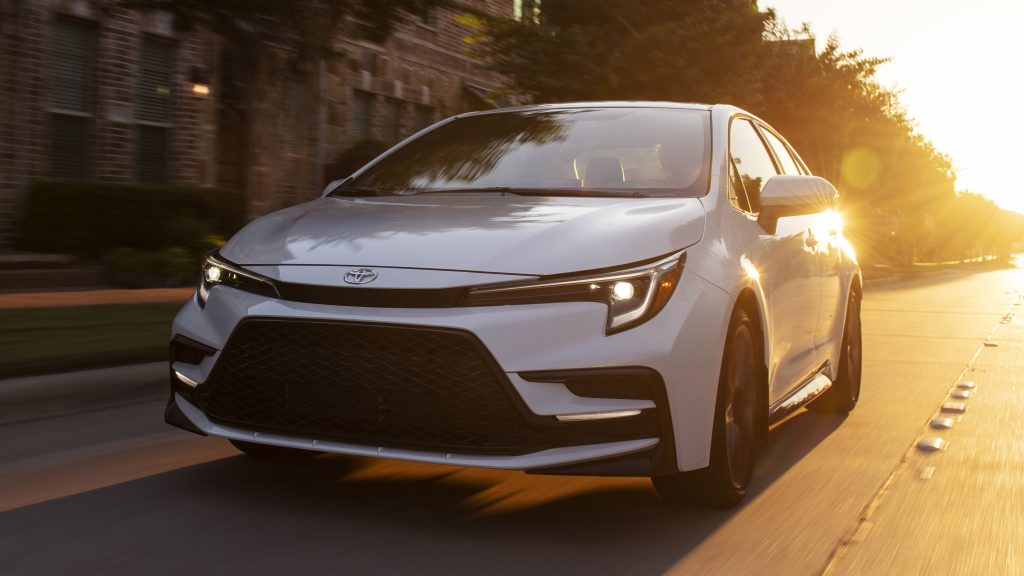
Toyota’s decision to offer all-wheel drive on certain Corolla Hybrid trims further strengthens its appeal. Buyers can enjoy excellent efficiency without sacrificing year-round traction.
Honda deserves credit for achieving impressive fuel economy while maintaining stronger driving dynamics. Toyota’s hybrid advantage remains difficult to overcome.
Fuel Economy Comparison
| Model | City MPG | Highway MPG | Combined MPG |
|---|---|---|---|
| Civic 2.0 | 31 | 40 | 35 |
| Civic 1.5 Turbo | 33 | 42 | 36 |
| Corolla 2.0 | 32 | 41 | 35 |
| Corolla Hybrid | 53 | 46 | 50 |
Winner: Toyota Corolla
Outstanding hybrid efficiency provides substantial long-term fuel savings.
Safety and Driver Assistance Technology
Safety remains one of the most important considerations for compact-car buyers. Families, commuters, and first-time drivers all benefit from advanced technologies designed to prevent accidents and protect occupants when collisions occur.
Honda equips every Civic with Honda Sensing, a suite of driver-assistance technologies that has earned praise for its effectiveness and ease of use.
Standard features include:
- Adaptive cruise control
- Lane-keeping assist
- Collision mitigation braking
- Road departure mitigation
- Traffic sign recognition
- Automatic emergency braking
One of Honda’s strengths is how naturally these systems operate. Adaptive cruise control adjusts speed smoothly, lane-centering functions feel predictable, and alerts are rarely intrusive. Toyota responds with Safety Sense 3.0.
This package includes:
- Adaptive cruise control
- Lane tracing assist
- Automatic emergency braking
- Road sign assist
- Lane departure alert
- Automatic high beams
- Proactive driving assist
Toyota’s system has improved dramatically in recent years. The latest version reacts more smoothly and offers enhanced functionality compared with previous generations.
Crash-test performance is excellent for both vehicles. The Civic and Corolla consistently earn top ratings from major safety organizations, reflecting strong structural engineering and extensive occupant-protection measures.
Visibility contributes significantly to accident prevention as well. Both cars offer large glass areas and thoughtfully positioned mirrors that help drivers maintain awareness of surrounding traffic.
The differences between these vehicles are extremely small. Feature content is competitive, crash-test performance is excellent, and both manufacturers have invested heavily in active-safety technology.
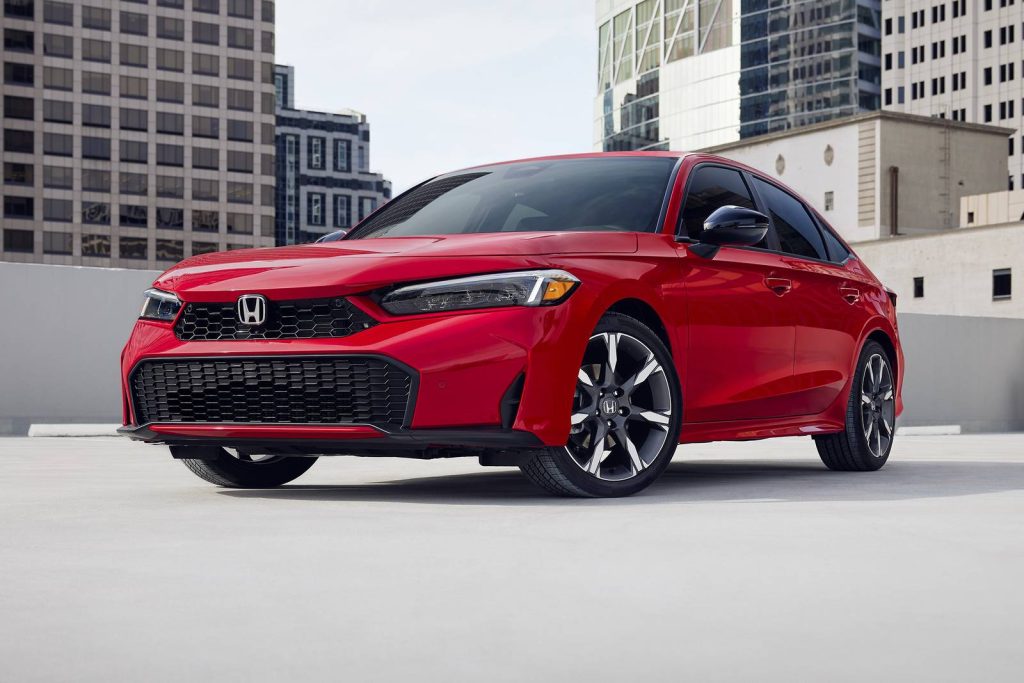
Honda gains a slight advantage because its systems generally feel more refined during daily operation. Drivers often report fewer unnecessary interventions and smoother adaptive cruise behavior. This category remains one of the closest in the entire comparison.
Safety Comparison
| Category | Honda Civic | Toyota Corolla |
|---|---|---|
| Adaptive Cruise Control | Standard | Standard |
| Lane Centering | Standard | Standard |
| Automatic Emergency Braking | Standard | Standard |
| Crash-Test Performance | Excellent | Excellent |
Winner: Honda Civic
More refined driver-assistance calibration gives Honda a narrow edge.
Reliability, Resale Value, and Ownership Experience
Long-term ownership costs often determine whether a vehicle remains satisfying years after the initial purchase. Reliability, maintenance expenses, resale value, and dealer support all influence the full ownership experience.
Toyota has built one of the strongest reliability reputations in automotive history, and the Corolla sits at the center of that reputation. Owners routinely keep these vehicles for well over 200,000 miles with proper maintenance. The simplicity of the powertrains, strong build quality, and proven engineering contribute to impressive long-term durability.
The Corolla Hybrid strengthens Toyota’s position even further. The company’s hybrid systems have accumulated millions of real-world miles and continue to demonstrate excellent reliability records.
Maintenance costs remain relatively low. Routine services are straightforward, replacement parts are widely available, and Toyota’s dealer network is extensive.
Honda’s Civic also enjoys an outstanding reputation. Many examples achieve exceptionally high mileage, and owner satisfaction remains consistently strong. Build quality is excellent, and maintenance costs remain competitive. Resale value creates a fascinating battle.
Recent industry studies often place Corolla’s five-year value retention between 62 and 70 percent, depending on trim level and market conditions.
The Civic performs almost as well, typically retaining between 60 and 68 percent of its value over the same period.
A $30,000 vehicle retaining 70 percent of its value would still be worth approximately $21,000 after five years. The same vehicle retaining 60 percent would be worth around $18,000.
Those differences can significantly influence total ownership costs. Dealer support remains strong for both manufacturers. Parts availability is excellent, service centers are widespread, and ownership experiences tend to be predictable.
The contest is extremely close because both vehicles excel in nearly every area. Toyota’s slightly stronger resale performance and legendary reliability reputation provide a small advantage.
Resale Value Comparison
| Category | Honda Civic | Toyota Corolla |
|---|---|---|
| Estimated 5-Year Value Retention | 60-68% | 62-70% |
| Reliability Reputation | Excellent | Exceptional |
| Maintenance Costs | Low | Very Low |
| Long-Term Durability | Excellent | Excellent |
Winner: Toyota Corolla
Industry-leading reliability and slightly stronger resale value strengthen Toyota’s ownership advantage.
Pricing and Value
Value is about far more than purchase price. A truly valuable vehicle combines affordability, efficiency, reliability, practicality, and strong resale performance into one package.
The Corolla begins at approximately $23,000 to $24,000, depending on trim level and destination charges. Hybrid variants remain surprisingly affordable, often starting below many competing hybrids.
This pricing strategy gives Toyota a significant advantage among budget-conscious buyers. Even well-equipped trims remain accessible while offering advanced safety technology and impressive efficiency.
The Civic generally starts closer to $25,000 to $26,000. Higher trims featuring the turbocharged engine, upgraded technology, and premium features can push pricing beyond $30,000.
The higher price reflects Honda’s focus on refinement and interior quality. Buyers receive a larger cabin, stronger driving dynamics, and a more premium full experience.
Long-term ownership costs remain competitive for both vehicles. Toyota’s stronger fuel economy and resale value help offset ownership expenses over time. Honda counters with greater practicality and a more sophisticated driving experience.
Many buyers find the Civic worth the additional money because it feels like a vehicle from a higher segment. Others appreciate the Corolla’s ability to deliver reliability, efficiency, and strong resale value at a lower entry price.
When evaluating pure value, the Corolla’s combination of affordability and low operating costs creates a compelling argument.
Pricing Comparison
| Model | Approximate Starting MSRP |
|---|---|
| Toyota Corolla | $23,000-$24,000 |
| Corolla Hybrid | $24,000-$25,000 |
| Honda Civic | $25,000-$26,000 |
| Civic Touring | $31,000+ |
Winner: Toyota Corolla
Lower purchase prices and exceptional ownership economics create stronger value.
Final Verdict
The Honda Civic and Toyota Corolla have spent decades defining what an everyday car should be, and both continue to excel in that role.
Honda focused on refinement, driving enjoyment, interior quality, and practicality when developing the latest Civic. The result is a compact sedan that feels larger, more sophisticated, and more premium than many competitors. Passenger space is excellent, cargo capacity is generous, and driving dynamics remain among the best in the segment.
Several categories highlighted those strengths. The Civic won exterior design, interior quality, performance, practicality, ride quality, and safety technology. Buyers who spend significant time behind the wheel will likely appreciate its superior refinement and more engaging personality. Toyota approached the Corolla from a different angle.
Efficiency, reliability, affordability, and long-term ownership costs remain the foundation of its appeal. The Corolla Hybrid is particularly impressive, delivering fuel economy figures that many larger vehicles simply cannot match. Strong resale value and Toyota’s reputation for dependability further strengthen the ownership proposition.
The category score reflects how closely matched these vehicles are. Honda dominates categories tied to comfort, space, and driving experience. Toyota excels in efficiency, ownership costs, and long-term value.
For buyers asking which vehicle is the better everyday car, the answer depends on priorities. Those wanting the most enjoyable and refined daily driver should choose the Civic.
Those prioritizing efficiency and affordability may prefer the Corolla. After evaluating every category, one vehicle manages to secure a narrow victory.
Winner: Honda Civic
A larger interior, superior ride quality, stronger practicality, and a more refined driving experience make the Civic a better all-around everyday car.
Honda Civic vs Toyota Corolla: Winner Comparison Table
| Category | Winner | The Edge |
|---|---|---|
| Exterior Design and Road Presence | Honda Civic | More premium proportions and upscale styling |
| Interior Design and Technology | Honda Civic | Better materials and significantly more passenger space |
| Powertrains and Performance | Honda Civic | Stronger available engine and superior driving dynamics |
| Cargo Space and Practicality | Honda Civic | Larger trunk and roomier rear seating |
| Ride Quality and Daily Driving | Honda Civic | Better comfort and complete refinement |
| Fuel Economy | Toyota Corolla | A hybrid system delivers class-leading efficiency |
| Safety and Driver Assistance Technology | Honda Civic | Smoother operation of advanced safety systems |
| Reliability, Resale Value, and Ownership Experience | Toyota Corolla | Stronger reliability, reputation, and resale value |
| Pricing and Value | Toyota Corolla | Lower pricing and reduced ownership costs |
| Final Verdict | Honda Civic | Better balance of comfort, practicality, and refinement |
The Toyota Corolla remains one of the smartest purchases in the automotive market, particularly in hybrid form.
The Honda Civic counters with a more spacious cabin, stronger driving dynamics, greater practicality, and a level of refinement that makes daily driving more enjoyable. Those advantages are enough to make it the best everyday car for most buyers.
Also Read: Toyota RAV4 vs Honda CR-V Comparison & Which Compact SUV Is Better?
