
When buying a car, most people focus on performance, fuel efficiency, safety ratings, or even brand reputation. However, one of the most important long-term factors that often gets overlooked is how well the interior holds up over time.
A car might feel luxurious and solid when it is brand new, but after a few years of daily use, heat exposure, dust, rough handling, and regular wear can completely change that experience. Seats may lose cushioning, dashboard plastics may fade or crack, buttons may become sticky or unresponsive, and trim pieces may start rattling.
On the other hand, some vehicles are engineered with materials and build quality that allow their cabins to remain comfortable, visually appealing, and structurally solid even after many years and high mileage.
Interior durability depends on several factors, including material quality, design simplicity, climate resistance, and how well components are assembled. For example, leather quality can vary significantly between manufacturers, with some using top grain or semi-aniline leather that softens beautifully over time, while others use lower-grade materials that peel or crack.
Similarly, soft-touch plastics tend to resist aging better than hard, brittle plastics found in budget-oriented vehicles. Even the layout matters, since overly complex interiors with many moving parts, touch-sensitive panels, and decorative trims often develop more issues over time compared to simpler, more functional designs.
Climate also plays a major role, especially in regions with intense heat like Rajasthan, where high cabin temperatures can accelerate material degradation. UV exposure can fade dashboards and steering wheels, while dust can get into seams and cause long-term abrasion. Cars designed with these conditions in mind usually perform better in interior longevity tests.
In this article, we will explore five cars known for interiors that age exceptionally well, maintaining comfort and a premium feel even after years of use. These are vehicles that owners often praise for their durability, timeless design, and high-quality materials.
After that, we will look at five cars whose interiors tend to wear out faster, showing signs of aging much earlier than expected. These models are not necessarily bad cars, but their cabin materials and design choices often struggle under long-term use.
By the end, you will have a clear understanding of which cars are likely to stay feeling new inside even after years on the road, and which ones may start to feel tired much sooner than expected. This insight can be extremely useful whether you are buying a new car, a used vehicle, or simply curious about long-term ownership quality in the automotive world.
Also Read: 5 Land Rover Models Worth the Risk VS 5 To Avoid
Cars Whose Interiors Age Well
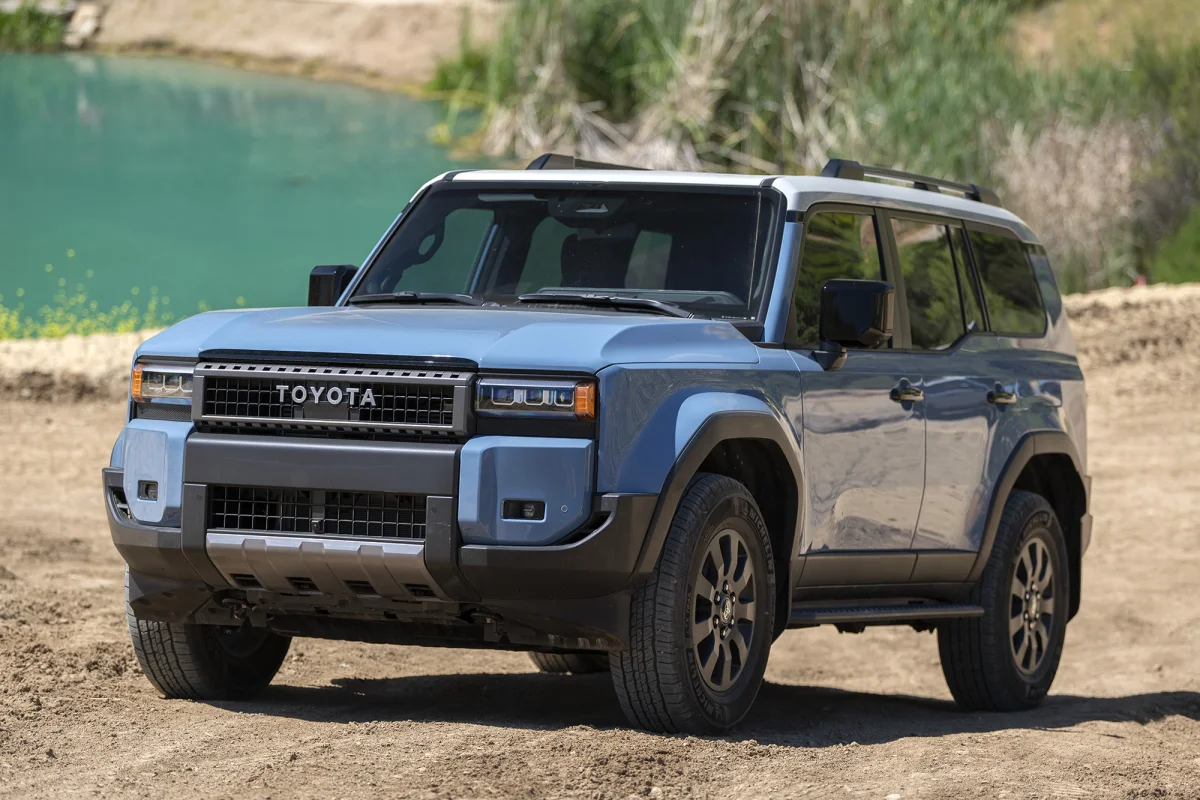
- Engine: 3.3L twin turbo diesel V6 or 3.5L twin turbo petrol V6
- Horsepower: 304 hp (diesel) to 409 hp (petrol)
- Torque: 700 Nm (diesel) to 650 Nm (petrol)
- Length: 5115 mm
- Width: 1980 mm
1. Toyota Land Cruiser
The Toyota Land Cruiser is widely regarded as one of the most durable vehicles in the world, and its interior quality plays a huge role in that reputation. Unlike many modern SUVs that prioritize flashy design over longevity, the Land Cruiser focuses on robust materials, simple ergonomics, and long-term reliability.
Even after years of heavy use in extreme climates, the cabin tends to remain structurally solid with minimal rattles or squeaks.
One of the key strengths of the Land Cruiser interior is its material selection. The seats are typically made from thick, high-quality leather that resists cracking and maintains its shape even after repeated entry and exit. The stitching is reinforced, and the cushioning is designed to withstand long-distance travel without collapsing. This makes it especially popular in regions where vehicles are used for both city driving and rugged off-road conditions.
The dashboard design is another factor that helps it age well. Instead of relying on overly complex layouts or fragile touch-based controls, the Land Cruiser uses a combination of physical buttons and durable plastic and leather combinations. These materials do not easily warp under heat exposure, which is particularly important in hot climates. Even after years of sun exposure, fading is usually minimal compared to many competitors.
Owners also appreciate how the interior avoids unnecessary gimmicks. While it is still comfortable and well-equipped, it does not overload the cabin with fragile decorative elements that tend to wear out quickly. Air conditioning vents, knobs, and control switches are designed for heavy usage, making them ideal for long-term ownership.
The Toyota Land Cruiser sets a benchmark for interior durability. It may not always feel ultra-modern compared to luxury SUVs, but its ability to maintain a solid, functional, and comfortable cabin over many years is unmatched.
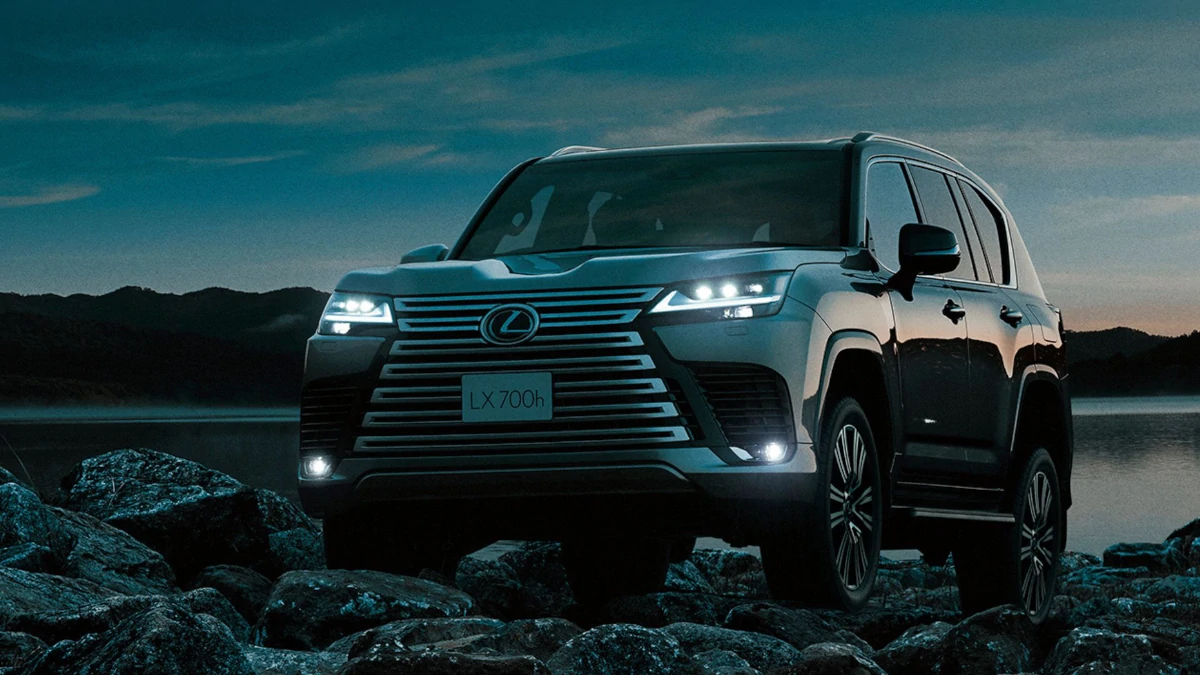
- Engine: 3.5L twin turbo V6
- Horsepower: 409 hp
- Torque: 650 Nm
- Length: 5100 mm
- Width: 1990 mm
2. Lexus LX
The Lexus LX takes the durability foundation of the Land Cruiser and adds a layer of luxury refinement. Built on the same platform, it inherits the same rugged engineering, but its interior is elevated with higher-grade materials and more attention to detail.
What makes the Lexus LX particularly impressive is that it manages to combine luxury with long-term resilience, something many premium SUVs struggle to achieve.
Inside the cabin, you will typically find semi-aniline leather, high-quality wood trims, and soft-touch materials throughout. These components are carefully selected not just for appearance, but also for durability.
The leather used in seating surfaces tends to age gracefully, developing a softer texture over time without significant cracking when properly maintained. This is a major advantage compared to lower-grade luxury interiors that often peel or discolor.
The build quality of interior panels in the Lexus LX is extremely tight. Even after years of driving on rough terrain, the dashboard and door panels tend to remain free from rattles. This is due to precise assembly standards and a focus on long-term structural integrity rather than just initial showroom appeal.
Another reason the Lexus LX interior ages well is its conservative design philosophy. While it includes modern technology, it avoids overly experimental interfaces that may become outdated or malfunction over time. Physical controls are used for many essential functions, which ensure that usability remains consistent even as the vehicle gets older.
In hot and dusty environments, the Lexus LX also performs well because its materials are chosen to resist UV damage and wear. The result is an interior that still feels premium even after many years of ownership, making it one of the strongest long-term luxury SUV cabins available.
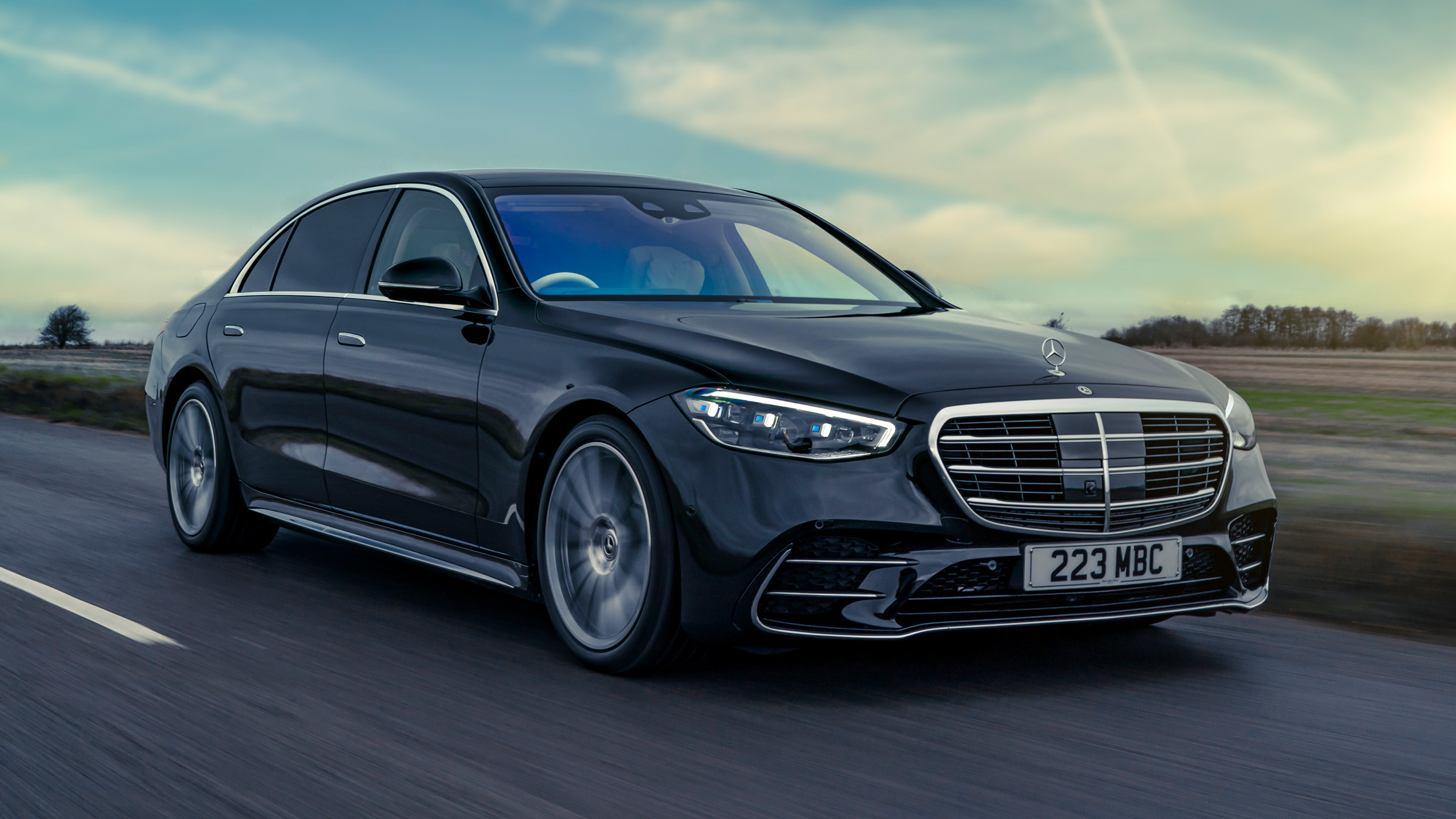
- Engine: 3.0L inline 6 turbo with mild hybrid (S500 typical variant)
- Horsepower: 429 hp
- Torque: 520 Nm
- Length: 5179 mm
- Width: 1921 mm
3. Mercedes-Benz S-Class
The Mercedes-Benz S-Class has long been considered a benchmark for luxury sedans, and its interior is a major reason why. While some luxury cars lose their charm as they age, the S-Class tends to maintain a sophisticated and refined cabin experience for many years when properly maintained. This is due to its combination of high-grade materials, advanced engineering, and timeless design principles.
The seating in the S-Class is one of its strongest points. High-quality leather, often with multi-layer cushioning, ensures long-term comfort and resistance to sagging.
Even after years of use, the seats tend to retain their shape and support, which is essential for a luxury sedan designed for long-distance comfort. The ventilation and adjustment mechanisms also remain smooth when properly serviced.
Interior surfaces in the S-Class are typically covered with soft-touch materials, real wood trims, and precision-finished metal accents. These elements are designed not only for visual appeal but also for durability. The wood trims are treated to resist cracking, while the metal components are coated to prevent corrosion or fading.
Another reason the S-Class ages well is its engineering focus on noise isolation and structural refinement. Over time, many cars develop cabin noise due to loosening components, but the S-Class is built with tight tolerances that help reduce this issue. Even after years of driving, it often remains quieter than most vehicles in its class.
The design language of the S-Class is also relatively timeless. Instead of overly aggressive or trendy styling inside the cabin, it focuses on elegance and symmetry. This helps it avoid looking outdated quickly, which is a common issue in technology-heavy luxury vehicles.
- Engine: 2.0L turbocharged mild hybrid (B5 variant)
- Horsepower: 247 hp
- Torque: 350 Nm
- Length: 4953 mm
- Width: 1931 mm
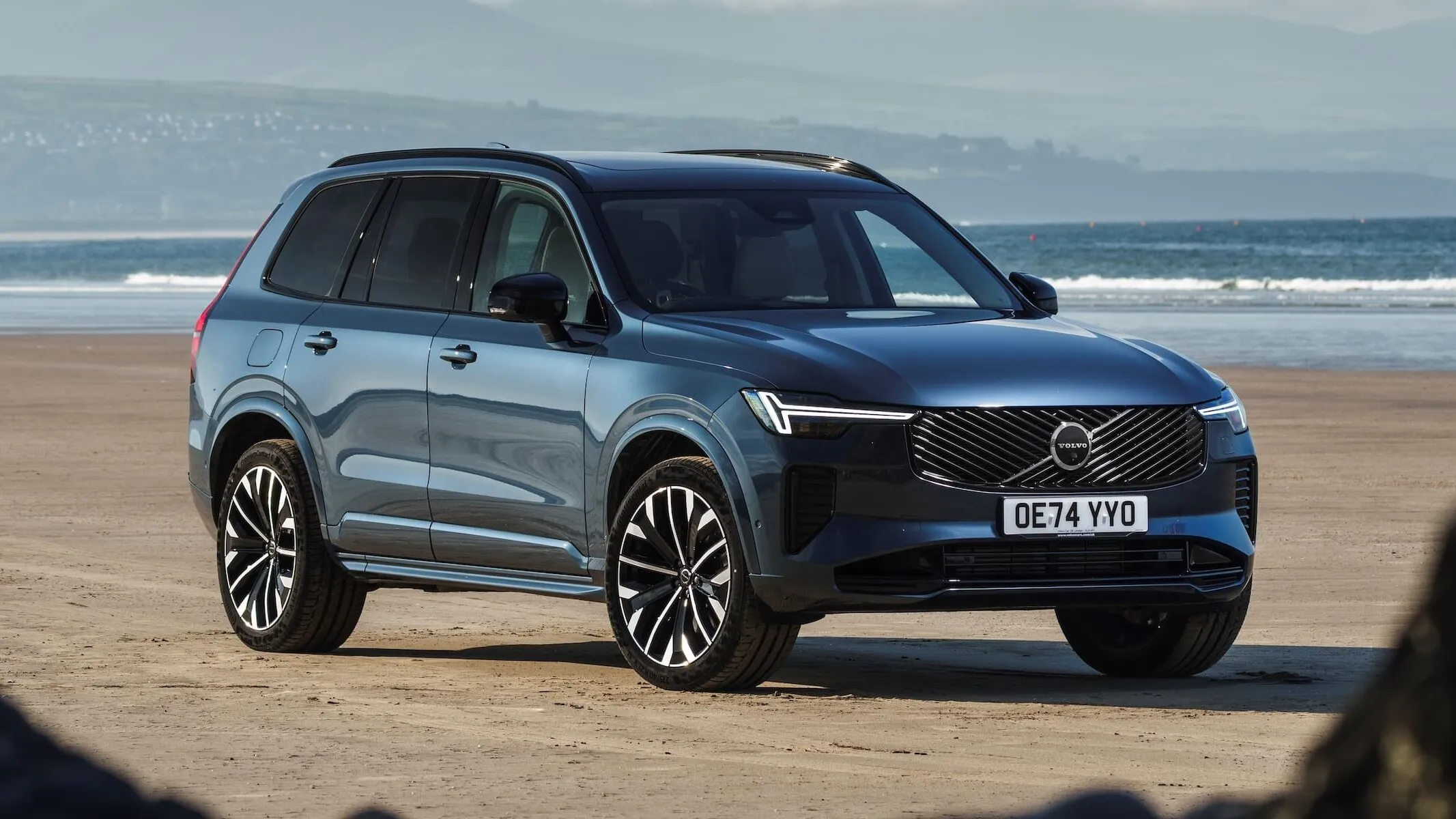
4. Volvo XC90
The Volvo XC90 is known for its minimalist Scandinavian design, and this simplicity plays a big role in how well its interior ages. Rather than relying on excessive decorative elements, Volvo focuses on clean layouts, high-quality materials, and functional design, all of which contribute to long-term durability.
Inside the XC90, you will find soft leather seats, natural wood inlays, and durable fabric or aluminum accents, depending on the variant. These materials are selected to resist wear while maintaining a calm and premium atmosphere. The seats are especially for their comfort and long-lasting structure, often maintaining their cushioning even after extended use.
One of the biggest advantages of the XC90 interior is its simplicity. With fewer physical buttons and a more centralized control system, there are fewer components that can break or wear out over time. While it does use a touchscreen interface, the design avoids clutter, which helps reduce long-term maintenance issues.
The materials used in the dashboard and door panels are resistant to fading and cracking, even in harsh sunlight. This makes the XC90 a strong performer in regions with hot climates. The build quality also ensures that rattles and squeaks are minimized over time.
The Volvo XC90 interior ages gracefully because it prioritizes function, comfort, and durability over flashy design trends. It remains a solid choice for buyers who want a premium feel that lasts for many years.
- Engine: 1.5L turbo petrol or 2.0L hybrid system (varies by variant)
- Horsepower: 192 hp (turbo) or 204 hp (hybrid system output)
- Torque: 260 Nm (turbo) or 335 Nm (hybrid system combined)
- Length: 4971 mm
- Width: 1862 mm
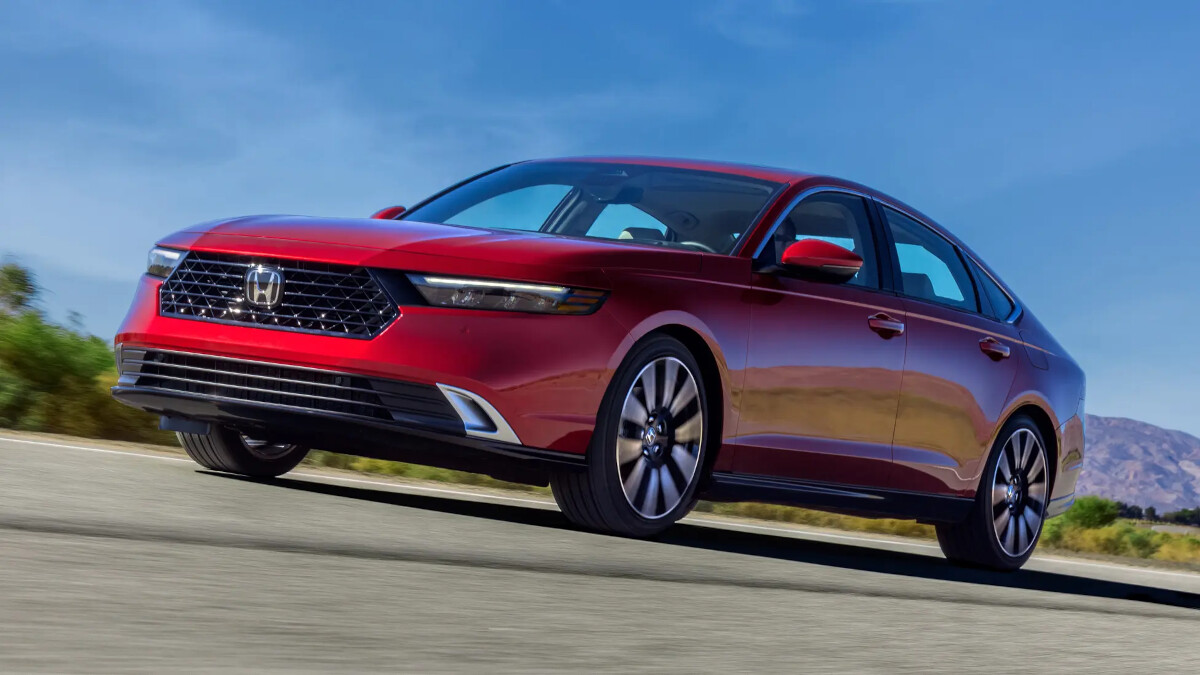
5. Honda Accord
The Honda Accord is one of the best examples of a mainstream sedan with exceptional long-term interior durability. While it is not a luxury car, it consistently outperforms many premium competitors in how well its cabin holds up over time. This is largely due to Honda’s focus on practicality, material efficiency, and ergonomic design.
The seating in the Accord is designed for long-term comfort rather than short-term luxury appeal. The fabric and leather options are both engineered to resist wear, with minimal stretching or tearing even after years of daily commuting. The cushioning remains supportive, which is important for high-mileage users.
Interior plastics in the Accord are known for being durable and resistant to scratches. While they may not always feel ultra premium, they tend to age better than softer, more delicate materials used in some luxury cars. Buttons, knobs, and control surfaces also maintain their functionality over long periods.
Another strength of the Accord is its simple and practical interior layout. It avoids overly complicated design elements that can break or become outdated quickly. This helps ensure that even older models remain functional and easy to use.
Honda Accord proves that long-lasting interiors are not limited to luxury vehicles. With proper care, it can maintain a clean, solid, and reliable cabin experience for many years.
Also Read: 10 Strangest Concept Cars & Ranked
Cars That Wear Out Fast
- Engine: 2.0L turbo petrol I4 or 3.6L V6
- Horsepower: 270 hp (2.0L) or 285 hp (3.6L)
- Torque: 400 Nm (2.0L) or 352 Nm (3.6L)
- Length: 4785 mm (4-door version)
- Width: 1877 mm
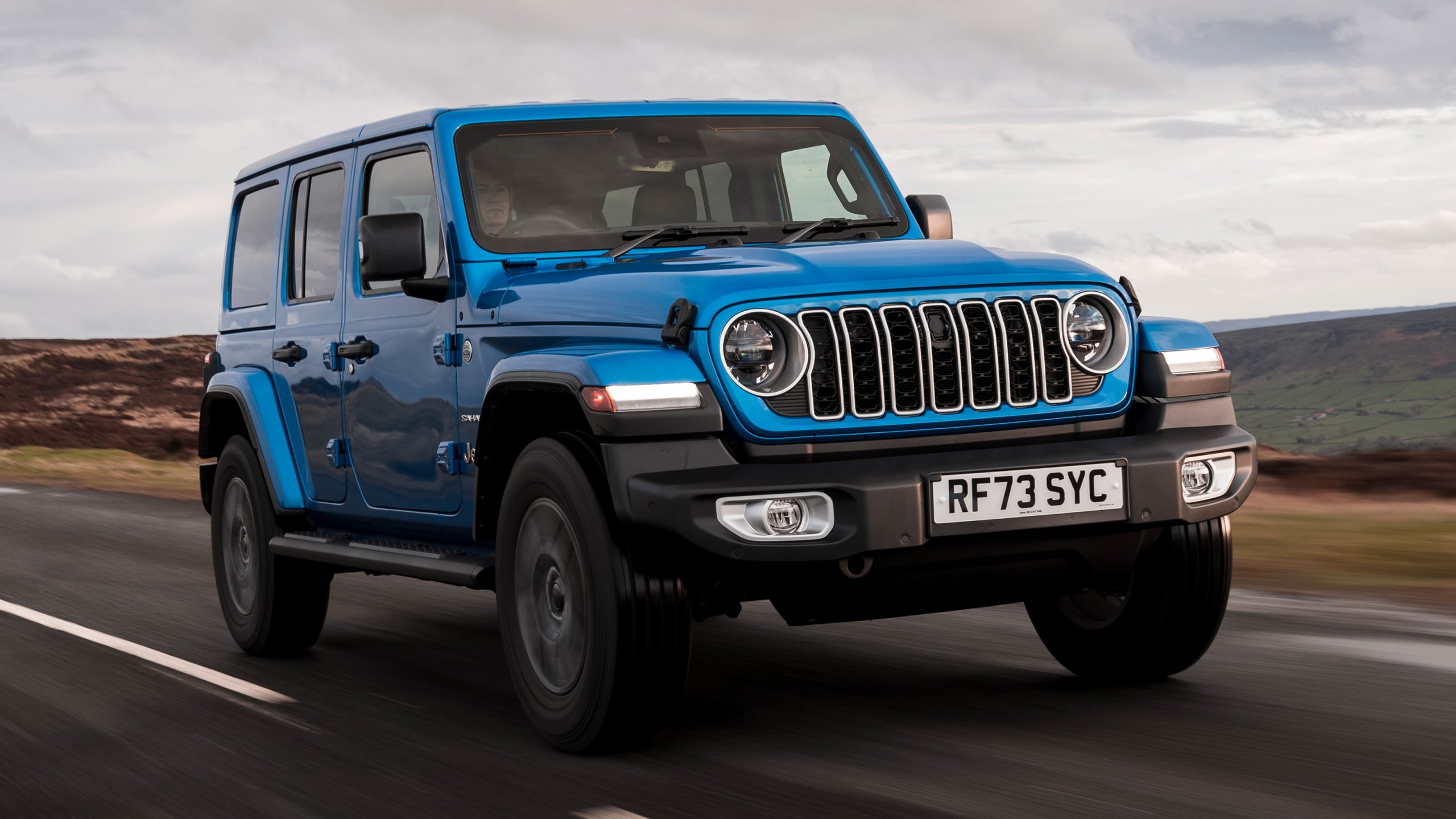
1. Jeep Wrangler
The Jeep Wrangler is built with a very specific purpose in mind, and that purpose is off-road capability above everything else. Because of this focus, the interior is designed to be practical, washable, and durable in extreme outdoor conditions rather than refined for long-term visual aging.
While this makes it extremely capable in mud, sand, and rocky terrain, it also means the cabin does not always age gracefully in everyday road use.
One of the main reasons the Wrangler interior wears out faster is the use of hard plastics throughout the cabin. These materials are resistant to damage in a functional sense, but they tend to develop visible scratches, scuff marks, and fading relatively quickly when exposed to constant contact, sunlight, and dust. Over time, the interior can start to look worn, even if it is still mechanically solid.
Another factor is the removable design philosophy. Doors, roof panels, and exposed structural elements are part of its identity, but they also introduce more vibration points and potential sources of cabin noise. As the vehicle ages, these vibrations can lead to rattles developing inside the dashboard, door panels, and roof area, especially after frequent off-road use.
Seat materials in many Wrangler trims are chosen for easy cleaning rather than a luxury feel. This means they handle dirt and water well, but may not retain a premium appearance over the years of usage. Foam cushioning can also compress faster under heavy use, especially in older models that see daily commuting in addition to off-road driving.
Despite these drawbacks, the Jeep Wrangler remains extremely popular because its interior is designed around utility and ruggedness rather than long-term aesthetic aging. It is a trade-off that buyers accept for its unmatched off-road capability.
- Engine: 1.2L petrol or electric motor variant
- Horsepower: 69 hp (petrol) or 118 hp (electric)
- Torque: 102 Nm (petrol) or 220 Nm (electric)
- Length: 3571 mm
- Width: 1627 mm
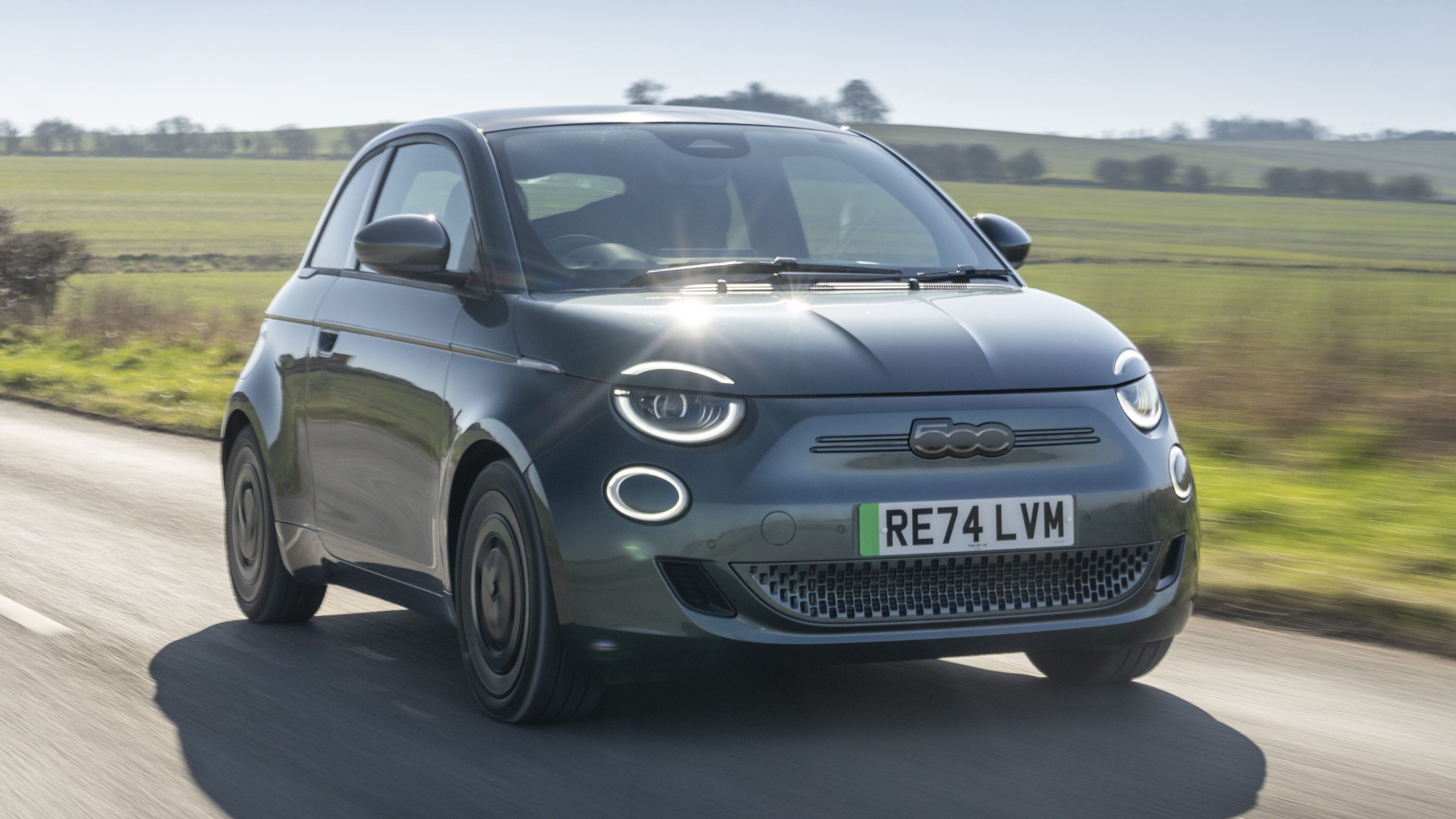
2. Fiat 500
The Fiat 500 is known for its compact size, stylish design, and strong urban appeal, but its interior durability over long-term use is not one of its strongest qualities. While the cabin looks charming and modern when new, it tends to show signs of wear earlier than many competitors in the same category.
A major contributing factor is the use of lightweight interior materials. Many of the dashboard panels and trims are made from cost-efficient plastics that are designed more for appearance than long-term durability. In hot climates or areas with strong sunlight, these surfaces can fade, lose their original texture, or develop slight warping over time.
Seat durability is another area where the Fiat 500 struggles in long-term ownership. While the seats are comfortable for short city trips, the cushioning is relatively soft and can begin to compress with frequent use. Over time, this leads to a less supportive driving position and visible wear on the driver’s seat bolsters.
The compact nature of the cabin also contributes to faster wear. Because everything is within close reach, interior surfaces are constantly touched, pressed, or leaned against. This increases the chances of scratches on plastic trims, fading on steering wheel surfaces, and wear marks on frequently used controls.
Electrical and switchgear components also feel more delicate compared to those in more robust vehicles. Buttons and knobs may remain functional, but their tactile feel and visual appearance can degrade faster than expected. This gives the impression of aging even when the car is still mechanically sound.
The Fiat 500 remains a fun and fashionable city car, but its interior aging performance is better suited for short-term ownership or light usage rather than long-term durability.
- Engine: 2.5L naturally aspirated petrol or 2.0L VC turbo
- Horsepower: 188 hp (2.5L) or 248 hp (2.0L turbo)
- Torque: 244 Nm (2.5L) or 370 Nm (turbo)
- Length: 4906 mm
- Width: 1850 mm
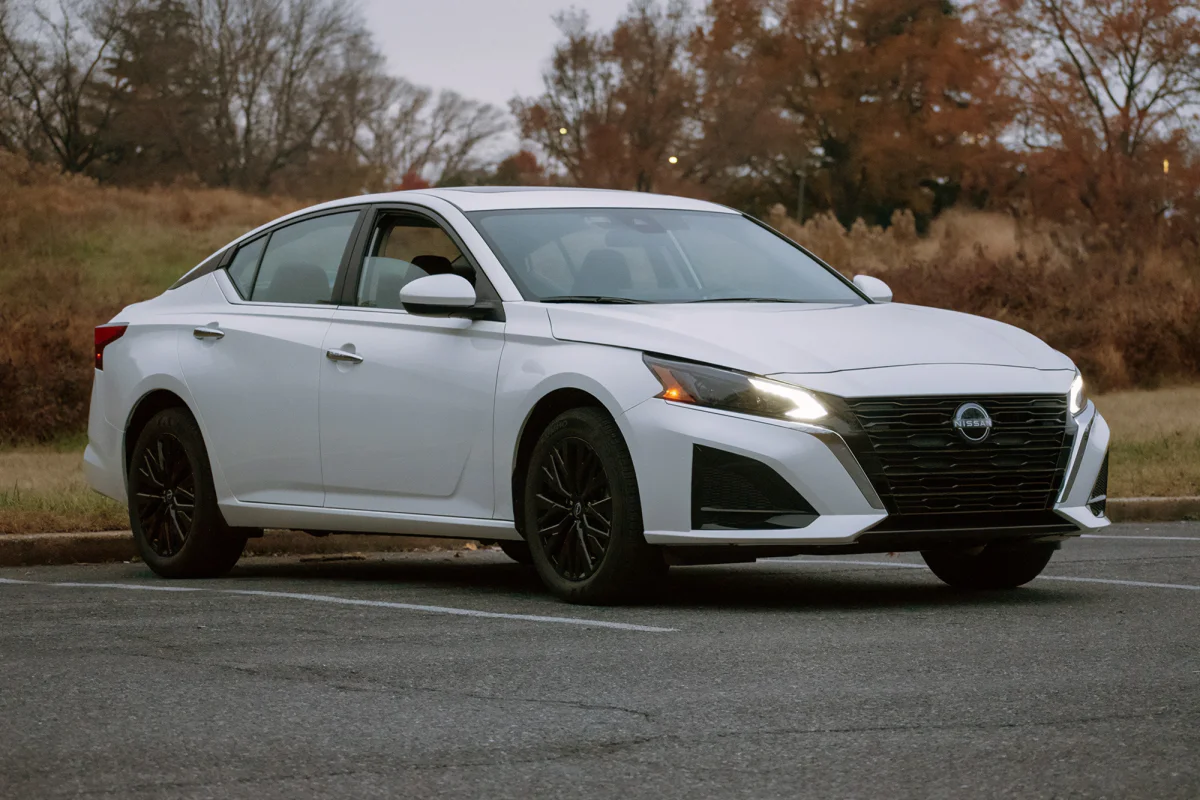
3. Nissan Altima
The Nissan Altima offers a balance of comfort, efficiency, and affordability, but its interior aging characteristics vary significantly depending on the model year and usage conditions. While newer versions have improved in material quality, some older generations are known for showing wear more quickly than rivals in the midsize sedan segment.
One of the most commonly reported issues is the degradation of soft-touch interior materials. In certain climates, especially hot and humid environments, these surfaces can become sticky, discolored, or begin to peel over time. This is particularly noticeable on dashboard areas, door trims, and center console surfaces that are exposed to constant sunlight and touch.
Seat comfort is generally good when the vehicle is new, but long-term durability can be inconsistent. In higher mileage vehicles, the seat foam may lose firmness, leading to reduced support during long drives. The outer fabric or leather surfaces can also show creasing and wear more quickly compared to more premium competitors.
Another factor affecting interior aging is the quality of switchgear and trim finishes. Frequently used controls, such as climate buttons, steering wheel switches, and gear selector areas, may begin to fade or lose their original texture after years of use. While they remain functional, the visual wear contributes to an older, less refined cabin feel.
Noise isolation and interior solidity can also change over time. As the vehicle ages, minor rattles may begin to develop, especially on uneven roads. This is not uncommon in the segment, but it is more noticeable in models that have seen heavy daily commuting or rough road conditions.
While the Nissan Altima remains a comfortable and practical sedan, its interior aging is average compared to the strongest performers in its class.
- Engine: 1.4L petrol
- Horsepower: 98 hp
- Torque: 127 Nm
- Length: 3635 mm
- Width: 1595 mm
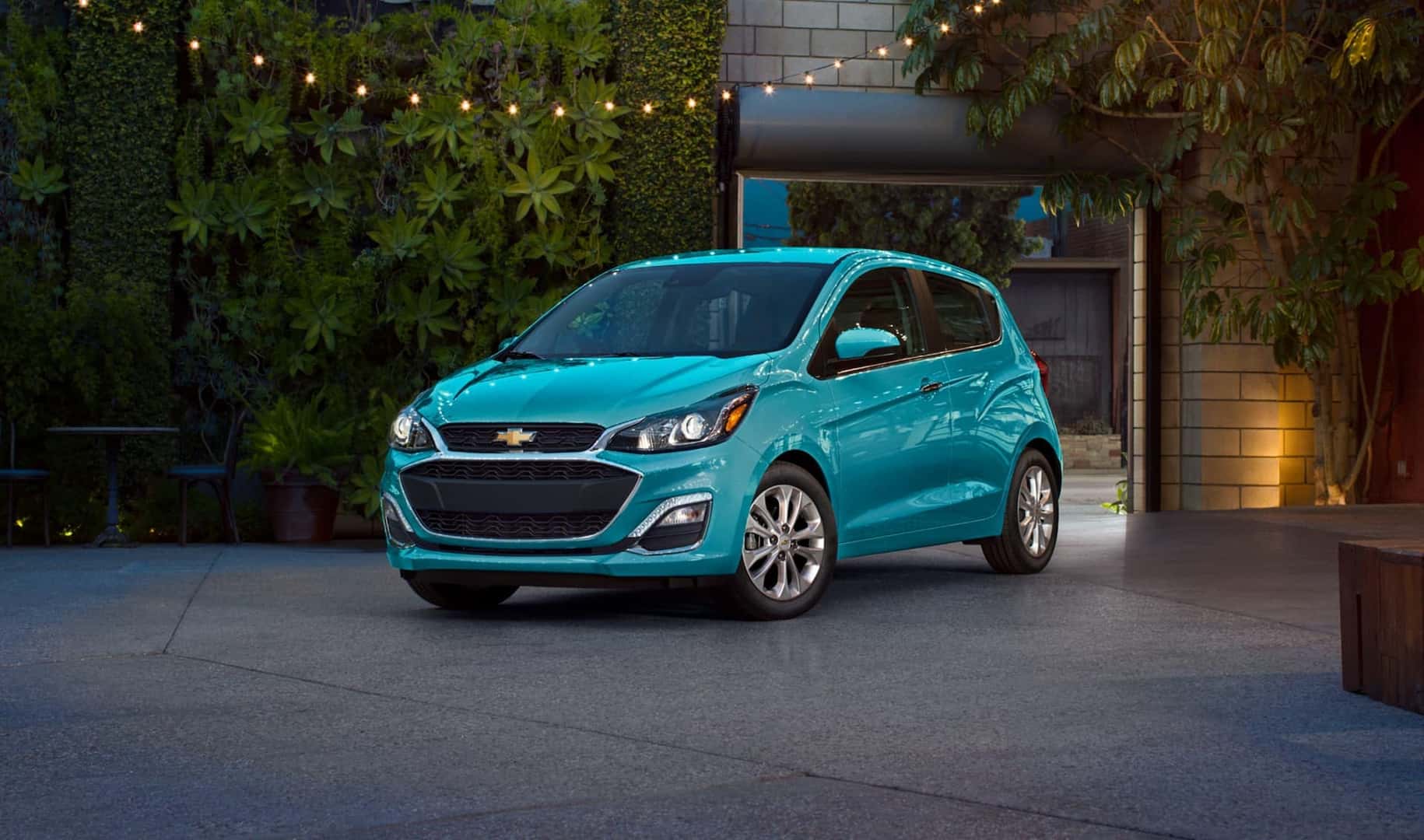
4. Chevrolet Spark
The Chevrolet Spark is designed primarily as an affordable entry-level city car, and its interior reflects its budget-focused engineering approach. While it is practical, easy to drive, and economical, the long-term durability of its cabin materials is limited compared to higher segment vehicles.
A key reason for faster interior wear is the extensive use of hard, low-cost plastics throughout the cabin. These materials are durable in terms of resisting breakage, but they are more prone to visible scratching, dulling, and fading over time. In regions with strong sunlight and heat exposure, the dashboard and door panels can lose their original finish relatively quickly.
Seat materials in the Spark are generally basic fabric designed for cost efficiency rather than long-term resilience. With regular use, especially in daily commuting conditions, the seats can begin to show flattening, staining, or wear marks. The cushioning is also relatively thin, which contributes to faster comfort degradation over time.
Because of its small cabin size, the Spark experiences frequent contact between passengers and interior surfaces. This increases wear on door panels, armrests, and center console areas. Even small scratches or scuffs become more visible due to the compact layout and minimal surface area.
Another factor is the simplicity of insulation and assembly. While the car performs well for its price, interior noise and minor rattles can develop as the vehicle ages, especially when driven frequently on rough or uneven roads.
Chevrolet Spark delivers reliable basic transportation, but its interior aging characteristics are clearly aligned with its budget positioning rather than long-term premium durability.
- Engine: 1.5L petrol or 1.0L turbo petrol
- Horsepower: 121 hp (1.5L) or 125 hp (1.0L turbo)
- Torque: 149 Nm (1.5L) or 170 Nm (turbo)
- Length: 3998 mm
- Width: 1765 mm
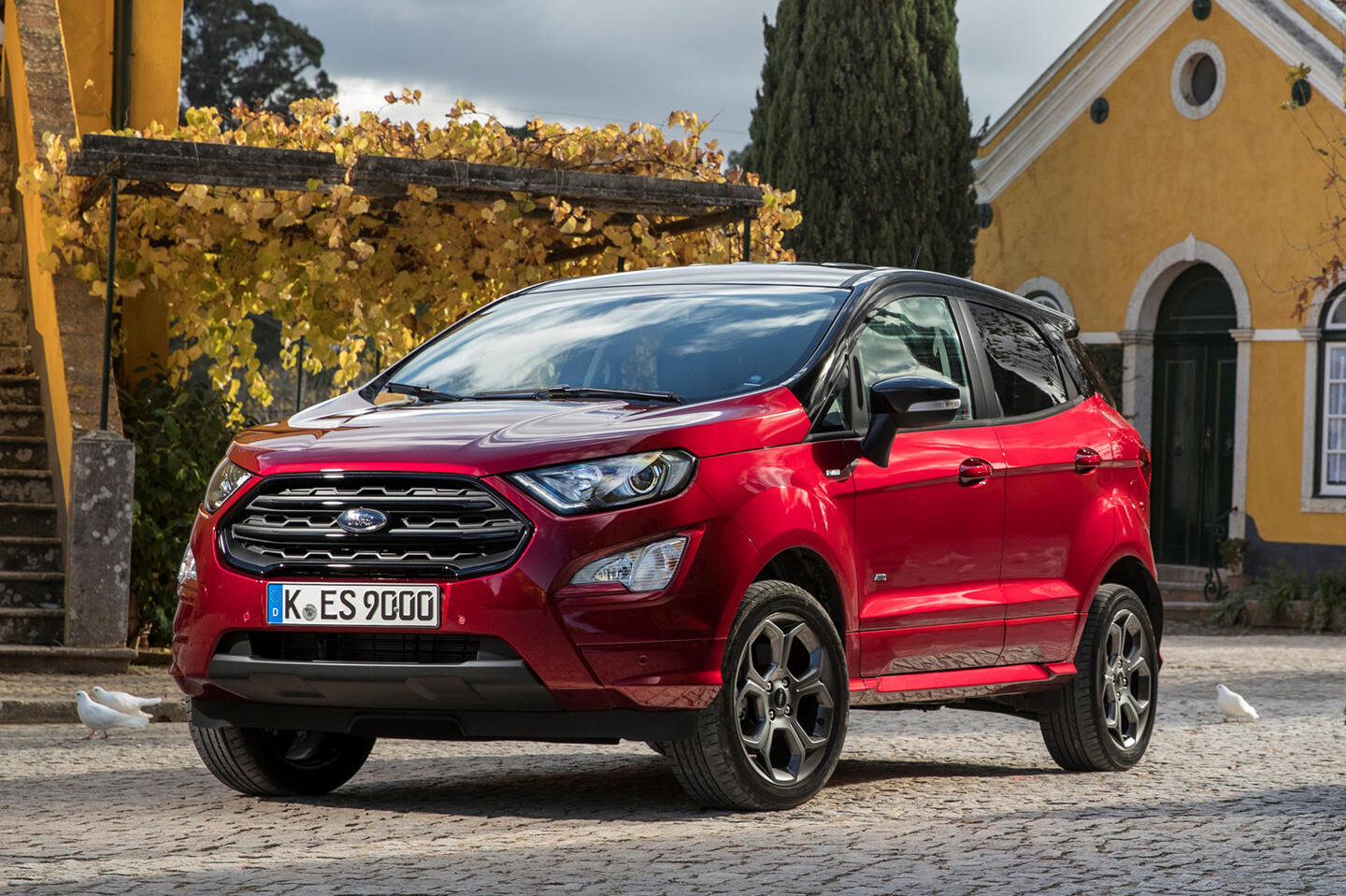
5. Ford EcoSport
The Ford EcoSport is a compact SUV that offers practicality, a higher seating position, and urban versatility, but its interior aging performance is often considered average within its segment. While it provides useful features and a functional layout, the long-term durability of materials does not always match stronger competitors.
One of the main concerns with the EcoSport interior is the use of hard plastic surfaces across the dashboard and door panels. Over time, these materials can show visible signs of wear such as fading, scratching, and loss of texture, especially in hot climates where UV exposure is high. This leads to a more aged appearance even when the vehicle is still mechanically healthy.
Seat materials vary depending on trim level, but in many cases, they can develop creasing and flattening after extended use. The driver’s seat, in particular, may show early signs of wear due to constant pressure and frequent entry and exit. This affects both comfort and visual appeal over long-term ownership.
Another factor is the development of interior rattles over time. As the vehicle is driven on uneven roads, which is common in many regions, small vibrations can gradually loosen trim fittings. This can result in minor squeaks or rattles from the dashboard or door panels as the vehicle ages.
The infotainment and control surfaces remain functional, but their tactile quality and visual freshness may decline with heavy usage. Buttons can fade slightly, and steering wheel surfaces may become polished or worn in areas of frequent contact.
While the Ford EcoSport remains a practical and popular compact SUV, its interior aging performance is moderate and reflects its focus on affordability and utility rather than a long-term luxury feel.
