
The global electric vehicle market has changed dramatically over the past few years, and what was once considered the benchmark EV is no longer the undisputed leader. The Tesla Model Y played a defining role in accelerating mass adoption of electric SUVs, especially due to its early entry advantage, strong charging network, and efficient powertrain.
When it launched, it set new standards for range, software integration, and real-world usability in a family-oriented electric SUV. However, the EV industry in 2026 is far more competitive, with manufacturers from South Korea, China, Europe, and the United States producing vehicles that match or exceed its capabilities in several key areas.
Today, buyers are no longer choosing EVs based only on range and charging infrastructure. They are evaluating ride comfort, interior quality, software experience, driver assistance systems, build consistency, pricing strategy, and long-term ownership value.
In many of these categories, newer electric SUVs and crossovers have closed the gap or moved ahead. This shift has led to a more fragmented market where leadership is no longer concentrated in a single model.
Another major change is the rapid improvement in battery technology and platform engineering. Brands like Hyundai, Kia, BMW, BYD, and Volkswagen have refined their dedicated EV platforms, allowing for better packaging, improved thermal efficiency, and faster charging curves.
As a result, vehicles released years after the Model Y now benefit from second-generation lessons learned across the industry, making them more refined out of the box.
At the same time, consumer expectations have evolved. Early EV adopters were willing to compromise on interior materials and ride comfort in exchange for electric performance and innovation. Modern buyers expect premium interiors, quiet cabins, advanced infotainment systems, and near luxury level refinement even in mid-priced EVs.
This shift puts pressure on older designs that were optimized for efficiency and manufacturing simplicity rather than tactile quality.
This article explores why the Tesla Model Y, while still an important and capable electric SUV, is no longer the best EV in its segment. It breaks down where it still excels, where competitors have surpassed it, and how the EV market has matured into a much more competitive space.
Also Read: 5 Land Rover Models Worth the Risk VS 5 To Avoid
Evolution of the EV Market and the Model Y Position
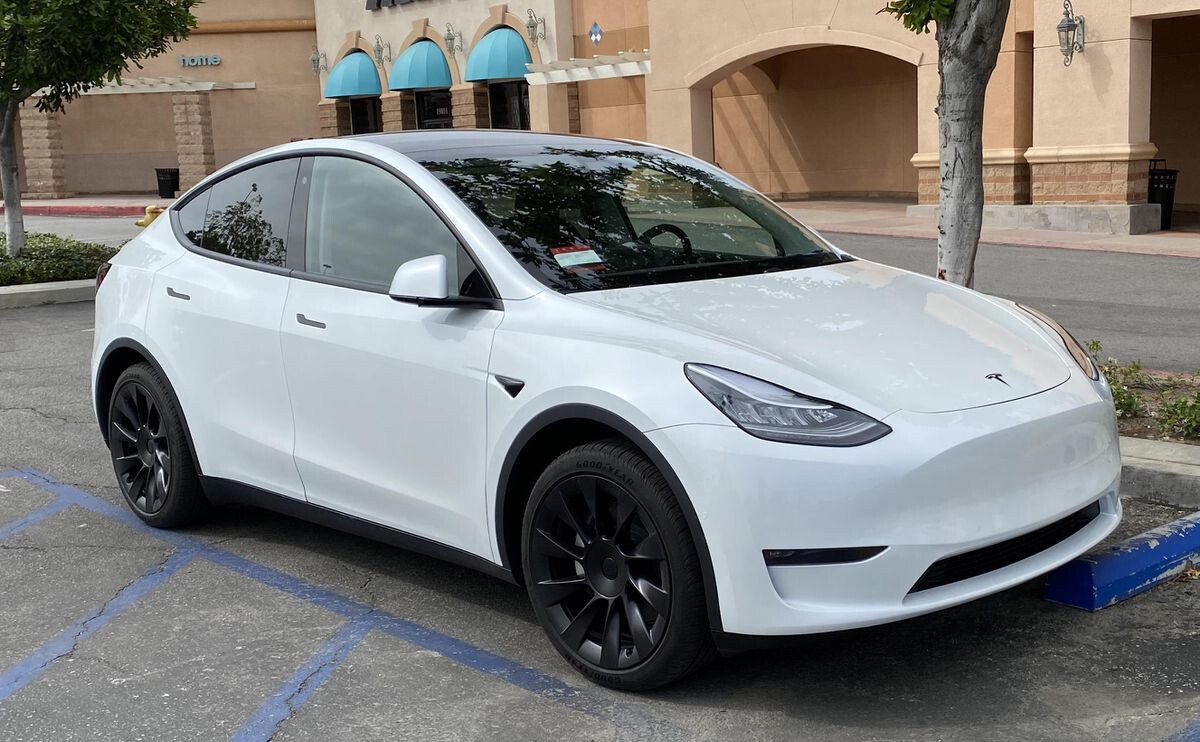
The electric vehicle market has evolved from early adoption experiments into a highly competitive global industry. When Tesla first introduced mainstream models, including the Model Y, it effectively had limited direct competition in the long-range electric SUV category.
This allowed it to dominate sales charts and set performance benchmarks that others had to chase. However, that advantage has steadily diminished as traditional automakers and new EV-focused companies scaled production and improved their platforms.
One major shift has been the rise of dedicated EV architectures. Earlier EVs from legacy manufacturers were often adapted from internal combustion platforms, which limited efficiency and interior space optimization.
Today, platforms like Hyundai E GMP, Volkswagen MEB, and BYD e platform are purpose-built for electric drivetrains. These architectures allow better weight distribution, improved cabin space, and more consistent performance under varied driving conditions, which puts pressure on the Model Y’s aging structural design.
Another factor is global competition, especially from Chinese manufacturers. Companies like BYD have rapidly scaled production and improved battery chemistry, especially in lithium iron phosphate technology.
These advancements have allowed competitors to offer vehicles with a competitive range, faster charging in certain conditions, and significantly lower pricing in many markets. This disrupts the value proposition that the Model Y once held strongly.
In parallel, European brands such as BMW and Volkswagen have focused heavily on refining ride quality and interior craftsmanship. Their newer electric SUVs emphasize comfort, insulation, and premium materials, appealing to buyers who prioritize a luxury feel over minimalistic interiors. This has exposed a gap in perceived refinement when compared with Tesla’s more utilitarian approach.
As a result of these shifts, the Model Y has moved from being a category leader to a strong but increasingly mid-tier reference point. It still performs well in efficiency and software integration, but it is no longer the default best choice across all major evaluation categories.
Where the Tesla Model Y Still Excels?
Despite increased competition, the Tesla Model Y remains a highly capable and practical electric SUV. One of its strongest advantages continues to be its efficiency.
Tesla’s drivetrain engineering remains among the most energy-efficient in the industry, which translates into strong real-world range even without the largest battery packs. This efficiency also helps reduce charging frequency during daily use, which remains a key advantage for long-distance drivers.
Another area where it continues to lead is charging infrastructure. The Tesla Supercharger network is still one of the most reliable and widespread fast charging systems globally.
While other networks are expanding rapidly, Tesla’s integration of vehicle software with its charging ecosystem provides a smoother experience in many regions. This reduces planning friction during long trips and enhances convenience.
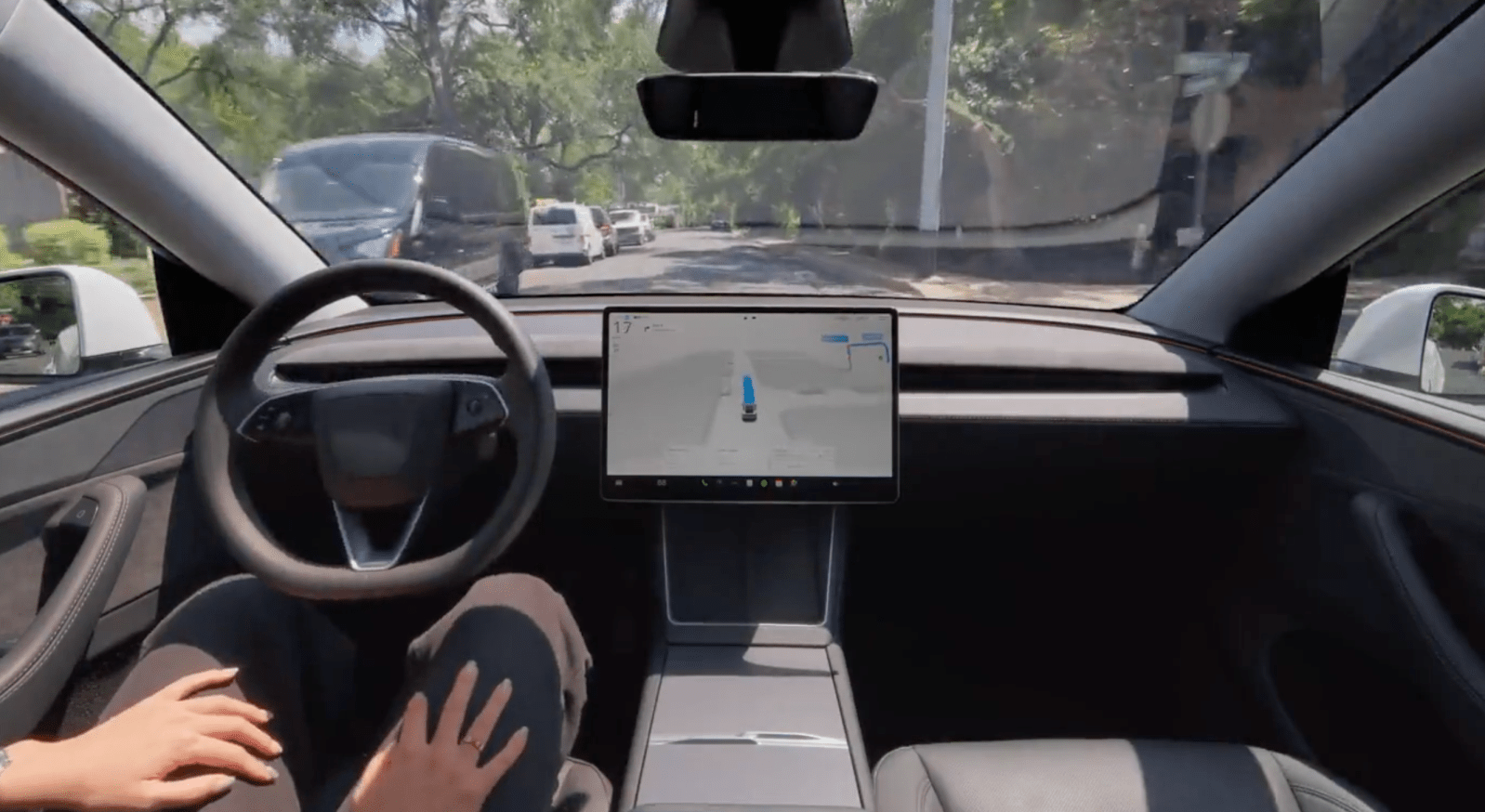
Software experience is also a strong point. Tesla’s interface remains highly responsive, and over-the-air updates continue to improve vehicle functionality over time. Features like navigation, energy prediction, and user interface consistency are still considered among the best in the industry.
The minimalist approach may not appeal to everyone, but it delivers a cohesive digital experience that many competitors still struggle to match.
Performance is another consistent strength. The Model Y offers quick acceleration across its variants, with strong torque delivery typical of electric drivetrains. This makes it feel fast and responsive in urban environments and highway merging scenarios. Even newer competitors often need higher-performance trims to match their acceleration figures.
Finally, practicality remains a core strength. The Model Y offers strong cargo capacity, a spacious cabin layout, and a low-maintenance ownership experience. For many families, it continues to provide a balanced combination of space, efficiency, and technology that makes it a sensible everyday EV choice.
New Competitors Outperforming the Model Y
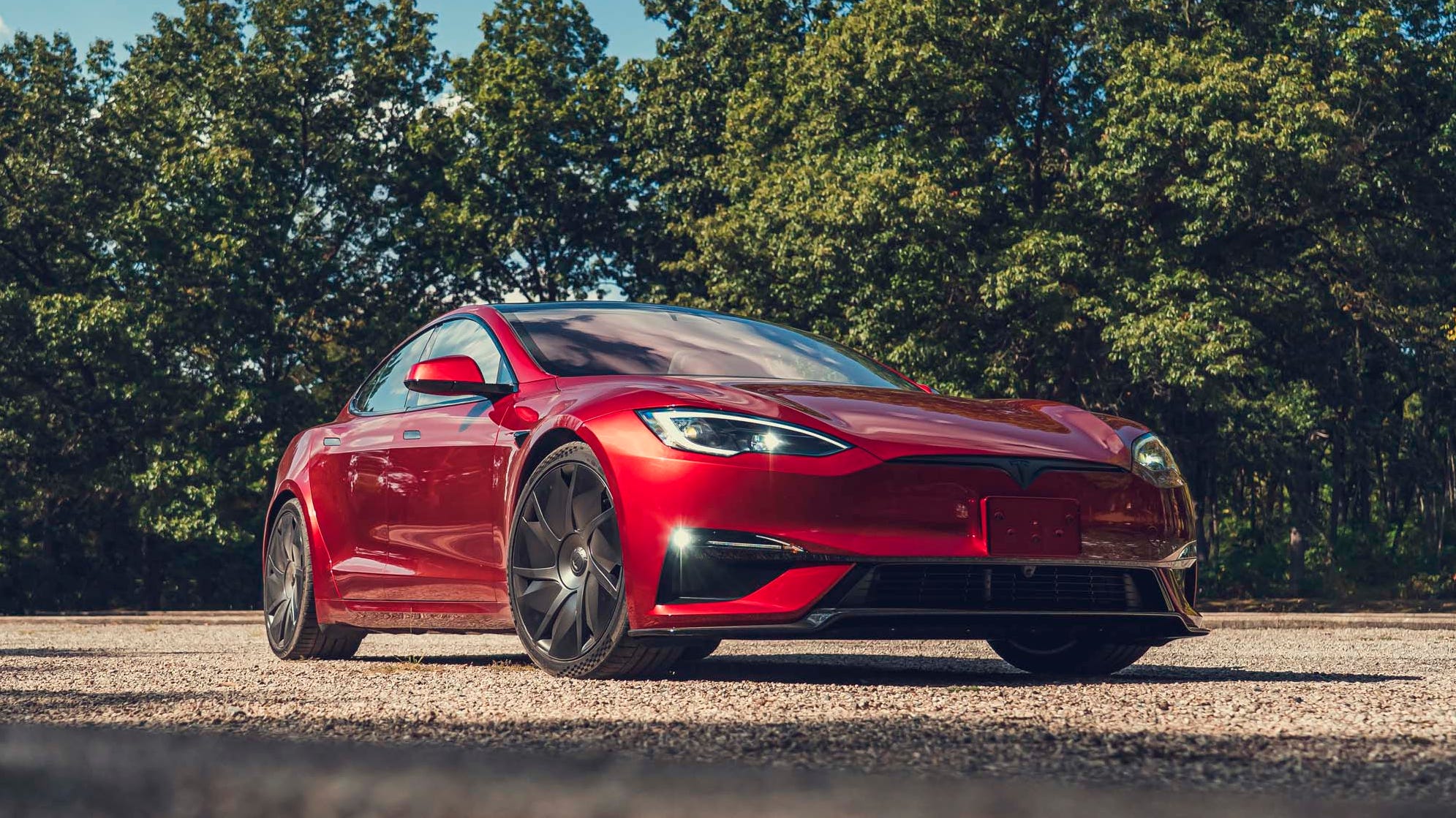
While the Model Y remains strong in several areas, many newer electric SUVs now outperform it in key categories. One improvement is interior quality.
Vehicles like the Hyundai Ioniq 5 and Kia EV6 offer more comfortable seating, better material choices, and more visually engaging cabin designs. These improvements create a more premium experience that appeals to a wider range of buyers.
Ride comfort is another area where competitors have taken the lead. Many newer EVs have been tuned specifically for comfort, with improved suspension setups that absorb road imperfections more effectively than earlier Tesla models. This makes long-distance travel less fatiguing and contributes to a more refined driving experience.
Technology diversity is also expanding beyond Tesla’s ecosystem. Brands are integrating advanced driver assistance systems that offer smoother lane centering, adaptive cruise control improvements, and, in some cases, hands-free highway driving in regulated conditions. While Tesla’s system is advanced, competitors are catching up quickly and sometimes offering more conservative and predictable behavior.
In addition, building consistency has improved significantly among competitors. Early EV production issues that affected panel gaps or software bugs have been largely reduced in newer manufacturing plants. This results in a more consistent ownership experience for many buyers compared to earlier Tesla production variations.
Finally, pricing pressure has increased dramatically. Some manufacturers now offer EVs with similar or better features at lower price points in various global markets. This changes the value equation and makes it harder for the Model Y to stand out purely on cost effectiveness.
Also Read: 5 Land Rover Models Worth the Risk VS 5 To Avoid
Technology, Range, Charging, and Efficiency Comparison
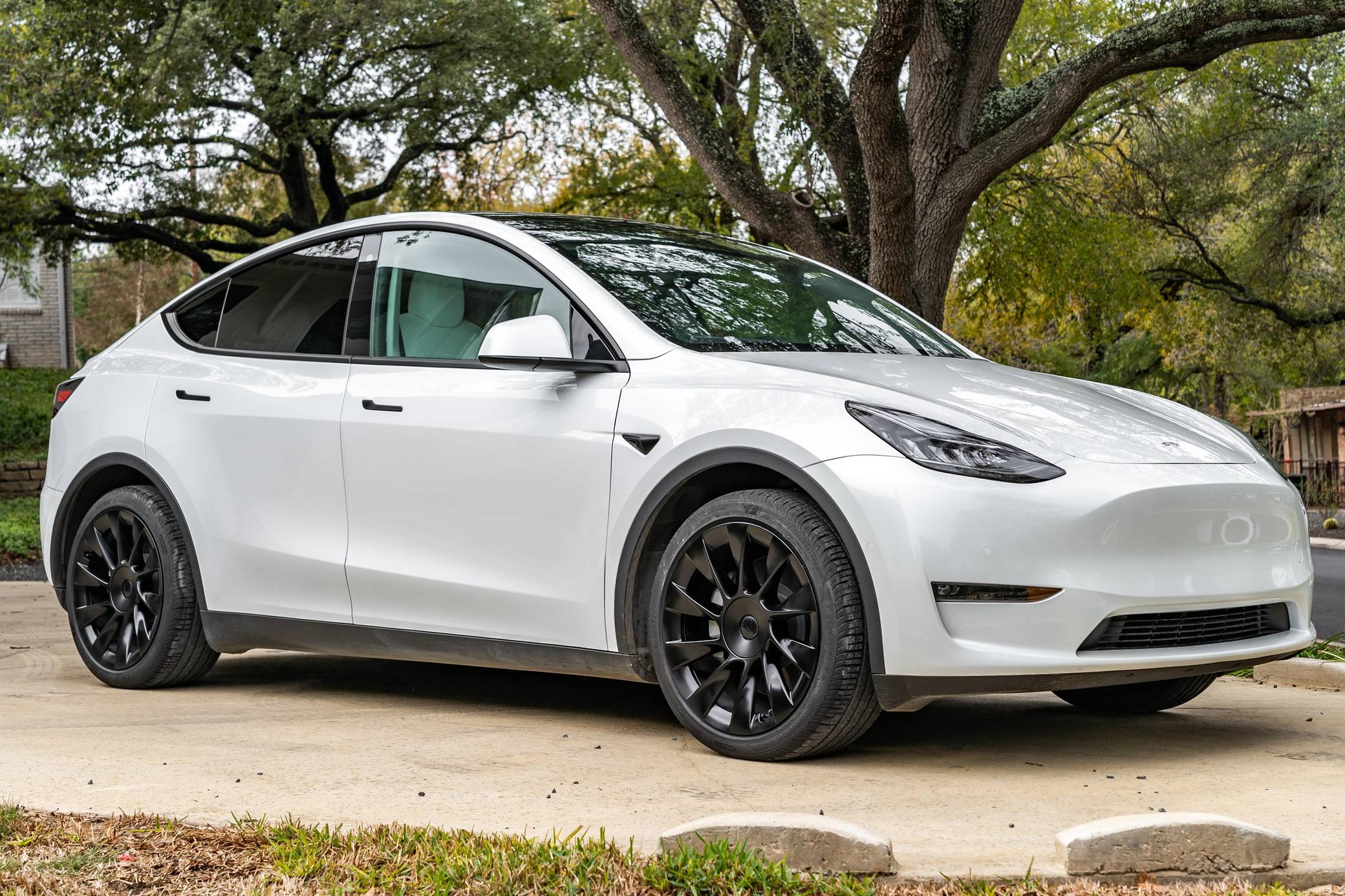
When comparing EVs today, the discussion is no longer about who has electric capability, but who implements it most effectively. The Tesla Model Y still leads in efficiency, meaning it extracts more distance per kilowatt hour than many competitors. This advantage helps maintain a competitive real-world range even as other vehicles increase battery size.
However, competitors are narrowing the gap in range through larger battery packs and improved aerodynamics. Vehicles like the Ford Mustang Mach-E and Hyundai Ioniq 5 achieve similar usable range figures in certain configurations, especially in highway driving conditions. This reduces the practical advantage Tesla once held.
Charging speed is another evolving category. While Tesla Superchargers remain widely accessible and consistent, other networks are deploying ultra-fast charging stations capable of similar peak speeds. In some cases, newer EV platforms can sustain higher charging rates for longer periods, improving charging session efficiency.
Lithium iron phosphate batteries are increasingly used in entry and mid-range EVs due to cost and durability benefits. Meanwhile, nickel-based chemistries still dominate long-range performance models. This variety allows manufacturers to tailor EVs more precisely to different user needs, something Tesla is also adopting but no longer exclusively controls.
Software integration across the industry has improved significantly. Infotainment systems are more responsive, route planning tools are more accurate, and energy prediction algorithms are more refined. Tesla still performs well in this area, but the gap has narrowed considerably, making it less of a defining advantage than it once was.
Is the Model Y Still Worth It in 2026?
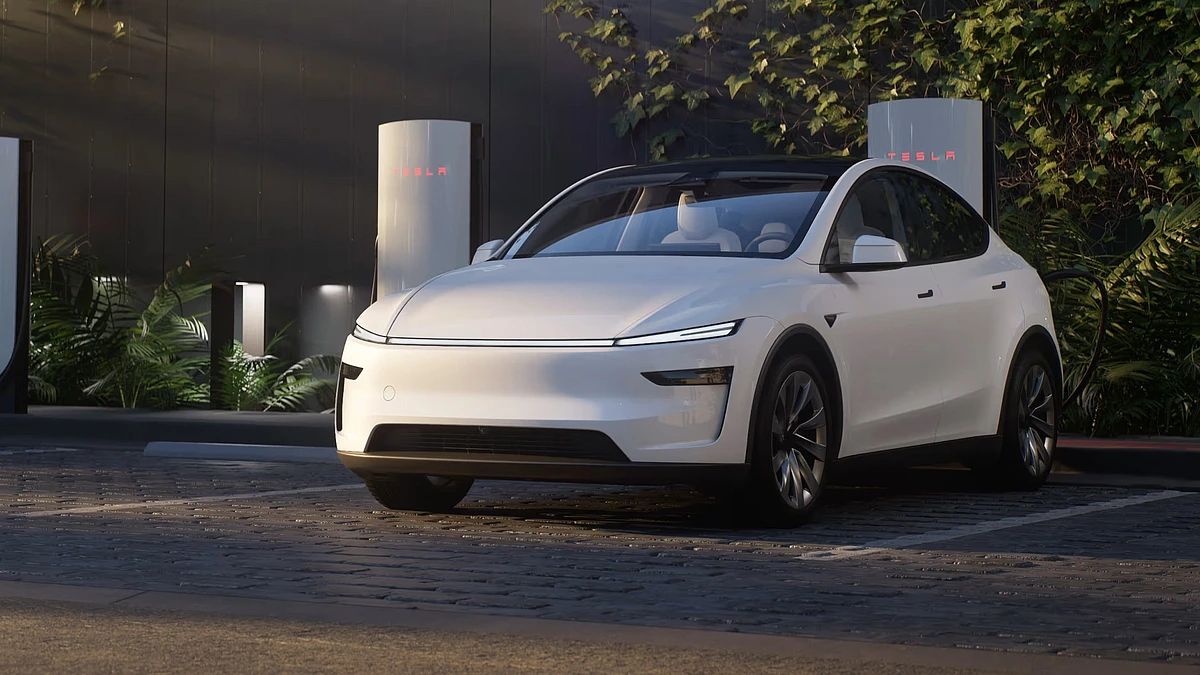
The Tesla Model Y is still a highly competent electric SUV, but it is no longer the clear leader in its segment. It remains an excellent choice for buyers who prioritize efficiency, charging convenience, and a strong software ecosystem. Its practicality and performance ensure it continues to be relevant in a rapidly evolving market.
However, the EVs in 2026 are far more competitive than when the Model Y first established its dominance. Many newer electric SUVs offer superior interior quality, better ride comfort, improved build consistency, and more diverse technology experiences. These improvements make them more appealing to buyers who value refinement and comfort alongside electric performance.
The Model Y’s core advantage now lies in its ecosystem rather than outright superiority. The Supercharger network, software updates, and proven efficiency still make it a dependable option, especially for long-distance drivers. Yet, this is no longer enough to secure the top position across all evaluation criteria.
In practical terms, the Model Y has transitioned from being the best EV in its class to being one of several strong contenders. Its value depends heavily on individual priorities rather than universal dominance. For some buyers, it will still be the right choice, but it is no longer the default recommendation.
The electric vehicle market has matured. Leadership is now distributed across multiple brands and platforms, and the Model Y is simply one important player in a much larger and more competitive ecosystem.
