
The automotive industry has made significant progress since the global supply chain disruptions that affected vehicle production and repair operations in the early 2020s. However, many drivers are still discovering that obtaining replacement parts for certain vehicles can take weeks or even months.
While dealerships and repair facilities have adapted to changing conditions, shortages continue to affect a wide range of components, including electronic modules, sensors, body panels, lighting systems, transmissions, and hybrid vehicle components.
These delays can create frustration for owners who expect routine repairs to be completed quickly. In some cases, a relatively minor accident or mechanical issue can leave a vehicle sitting in a repair shop while technicians wait for a single critical part to arrive.
The challenge is particularly noticeable for vehicles that rely heavily on advanced technology, specialized manufacturing processes, or imported components. As modern automobiles become more sophisticated, the number of unique parts required for repairs continues to increase.
Manufacturers must coordinate suppliers across multiple countries, and even small disruptions can create nationwide backorders. Some vehicles are affected because of exceptionally high sales volumes, while others experience shortages because their specialized components are produced in limited quantities.
Understanding which vehicles commonly face these delays can help buyers make informed purchasing decisions and prepare for potential repair challenges. Whether the issue involves semiconductor-based electronics, battery-related components, advanced driver assistance systems, or hard-to-source body parts, the impact on vehicle ownership can be substantial.
Insurance companies, repair facilities, dealerships, and consumers all feel the effects when essential parts become difficult to obtain. The following vehicles have frequently been associated with ongoing parts availability concerns due to their popularity, technological complexity, repair demand, or supply chain constraints.
While availability can vary by region and time period, these models have often appeared in industry discussions regarding backordered components and extended repair timelines.
ALSO READ: 10 Best Dash Cams That Can Lower Your Insurance Liability in an Accident
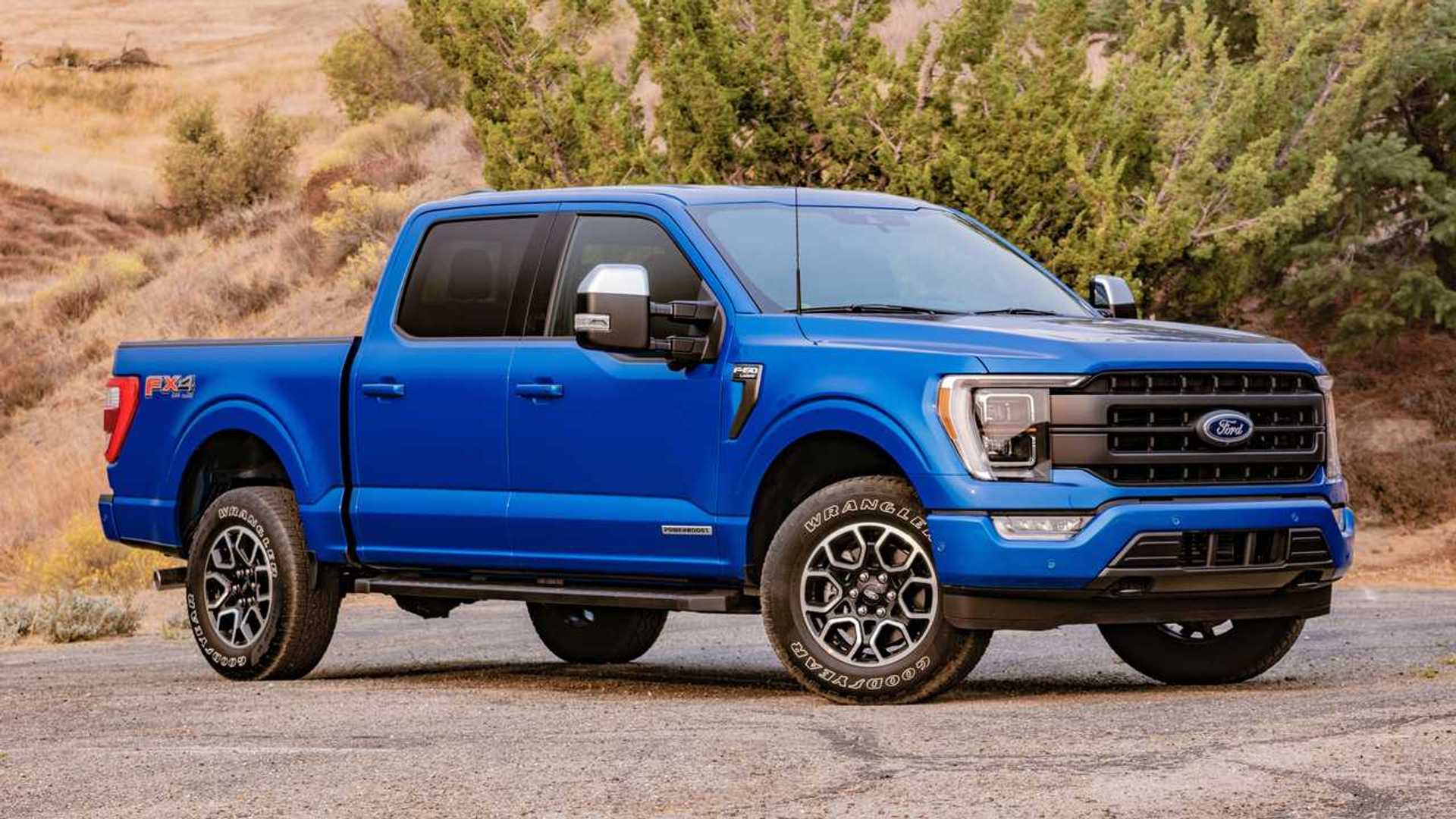
- Engine: 2.7L EcoBoost V6 (base)
- Horsepower: 325 hp
- Torque: 542 Nm (400 lb-ft)
- Length: 5,890 mm
- Width: 2,029 mm (without mirrors)
1. Ford F-Series
The Ford F-Series has maintained its position as one of the best-selling vehicle lineups in North America for decades. Millions of these trucks are used every day by contractors, fleet operators, small businesses, and individual consumers. Because of this enormous ownership base, demand for replacement parts remains consistently high throughout the year.
When production issues affect even a single component, dealerships and repair facilities across the country can quickly experience shortages. High demand combined with complex manufacturing requirements makes the F-Series particularly vulnerable to parts backorders during periods of supply chain stress.
Modern F-Series trucks are significantly more advanced than their predecessors. Features such as large digital displays, sophisticated towing technologies, adaptive cruise control systems, and advanced safety packages rely on numerous electronic control units and sensors.
Many of these components contain semiconductors and specialized circuitry that require extensive manufacturing resources. If suppliers encounter production delays, inventories can become depleted rapidly, leaving repair shops waiting weeks or even months for replacement parts.
Collision-related repairs represent another major source of parts demand. Because the F-Series is one of the most common vehicles on the road, accidents involving these trucks occur frequently. Body shops often require replacement bumpers, grilles, headlights, taillights, fenders, and other exterior components.
When demand spikes following severe weather events or periods of increased road traffic, inventories of these parts can shrink quickly. Even a minor collision may result in lengthy repair delays if a necessary component is unavailable.
Commercial operators face especially significant challenges when parts shortages occur. Many businesses rely on F-Series trucks as essential tools for daily operations. A truck waiting in a repair facility can lead to lost productivity, missed job opportunities, and increased operating costs.
Fleet managers often need rapid access to replacement parts to keep vehicles on the road. When nationwide backorders affect commonly needed components, businesses may experience disruptions that extend far beyond the repair itself.
Despite occasional parts availability concerns, the Ford F-Series remains one of the most capable and widely supported vehicle lineups in the market. The extensive dealership network helps reduce some of the challenges associated with repairs, but the sheer volume of trucks in circulation ensures that certain components will periodically experience supply constraints.
Owners should be aware that popularity, while beneficial for long-term support, can also contribute to intense demand for replacement parts.
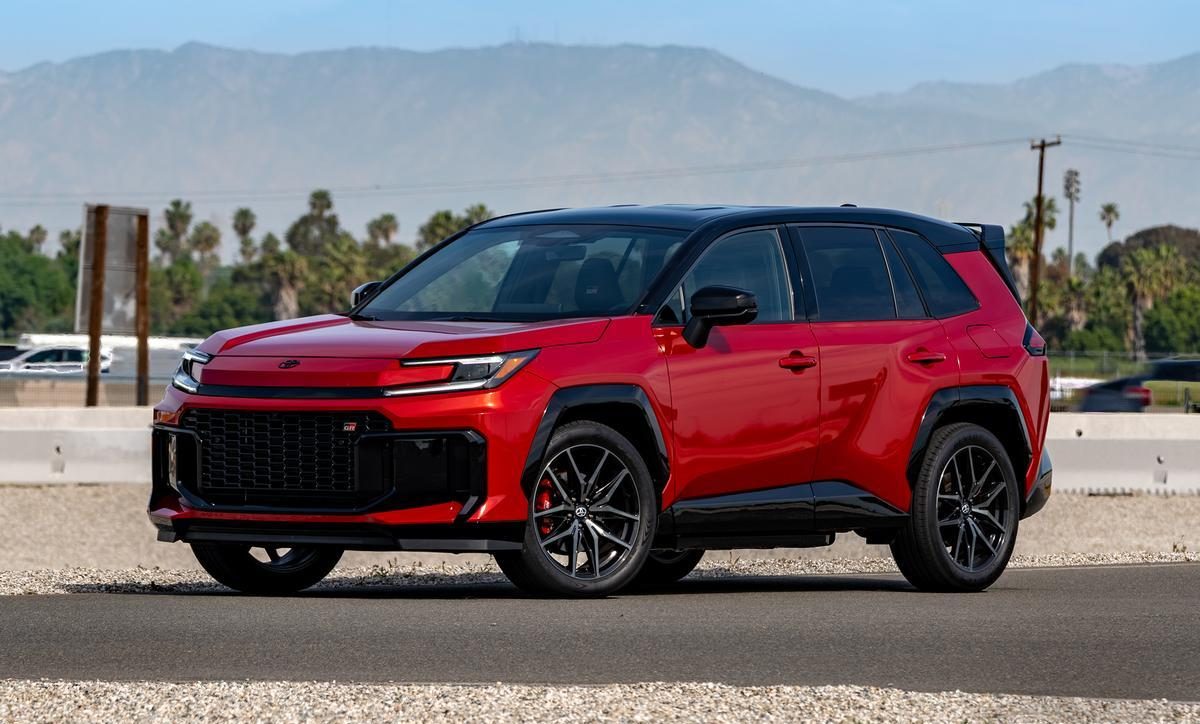
- Engine: 2.5L Inline-4 Hybrid
- Horsepower: 226 hp (FWD hybrid)
- Torque: Toyota does not officially publish combined system torque
- Length: 4,600 mm
- Width: 1,855 mm
2. Toyota RAV4
The Toyota RAV4 has become one of the most successful compact sport utility vehicles in the world. Its reputation for reliability, efficiency, practicality, and strong resale value has attracted a massive customer base
. As sales volumes have increased, so has the demand for replacement components. High demand can place significant pressure on supply chains, particularly when production schedules are disrupted or when certain parts are required for a large number of repairs simultaneously.
One area where shortages have occasionally emerged involves advanced safety technology. Modern RAV4 models incorporate systems such as adaptive cruise control, lane departure warning, automatic emergency braking, and traffic sign recognition.
These features rely on cameras, radar sensors, electronic modules, and calibration components that are often more difficult to manufacture than traditional mechanical parts. When inventories become limited, repairs involving these systems may take considerably longer than expected.
Hybrid versions of the RAV4 introduce an additional level of complexity. These models use specialized battery components, power management systems, cooling equipment, and electronic controls that are unique to hybrid operation.
While Toyota has extensive experience producing hybrid vehicles, demand for replacement hybrid parts can sometimes exceed available supply. This is especially true when multiple markets compete for the same components during periods of manufacturing disruption.
Body repair facilities frequently report strong demand for exterior components such as bumpers, lighting assemblies, mirrors, doors, and trim pieces. Because the RAV4 is one of the most common vehicles in many regions, accidents involving these models naturally generate a substantial need for replacement parts. High repair volume can create bottlenecks even when manufacturers are producing components at normal rates.
For consumers, the Toyota RAV4 remains one of the most practical and dependable choices available. However, the vehicle’s widespread popularity means that replacement part demand remains consistently high.
Owners may occasionally encounter extended repair timelines when specialized electronics, hybrid components, or collision repair parts become backordered across the country.
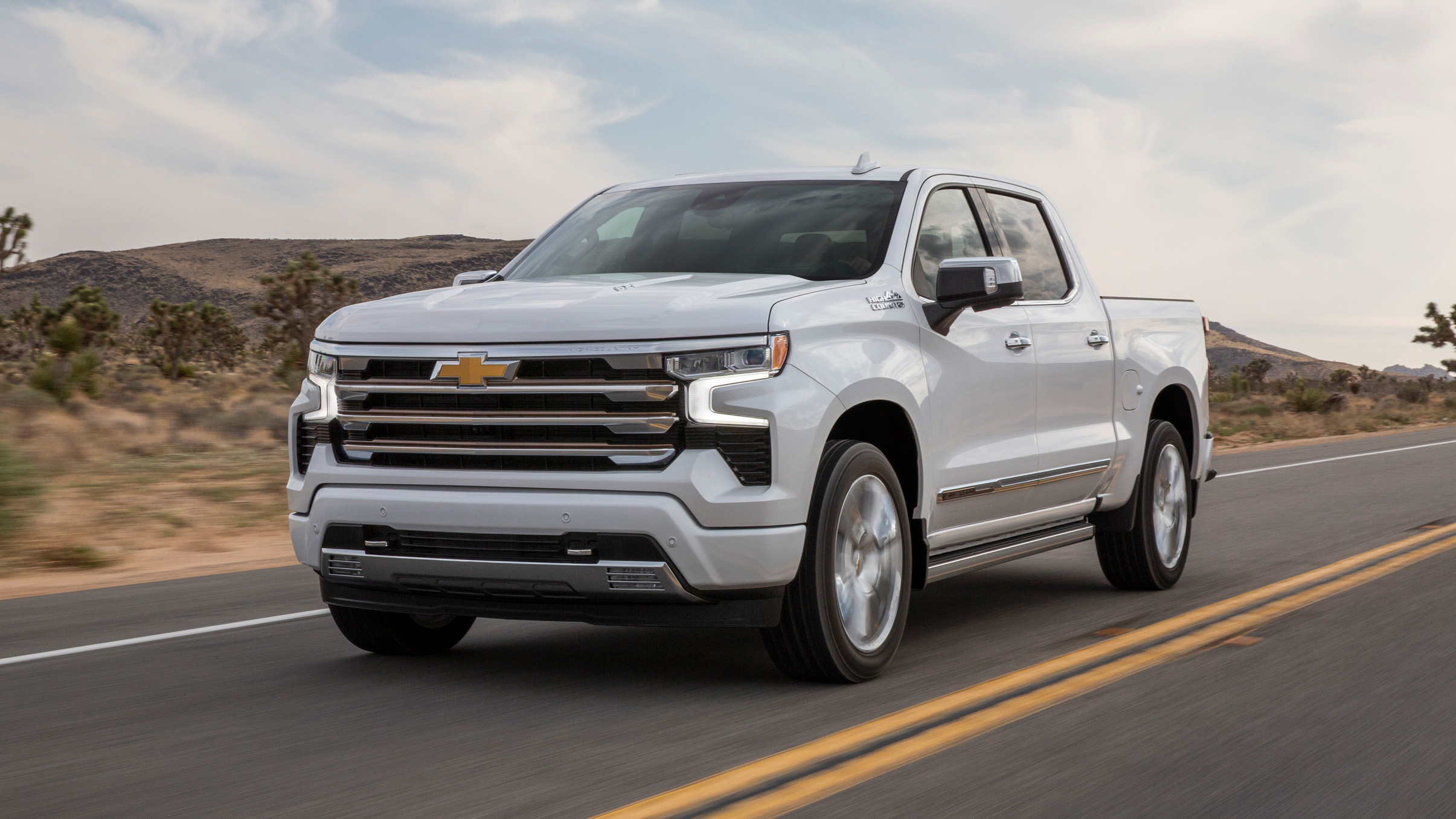
- Engine: 2.7L Turbocharged Inline-4
- Horsepower: 310 hp
- Torque: 583 Nm (430 lb-ft)
- Length: 5,359 mm
- Width: 2,057 mm (81 in)
3. Chevrolet Silverado 1500
The Chevrolet Silverado 1500 occupies an important position in the full-size pickup truck segment. Designed for work, recreation, towing, and everyday transportation, the Silverado serves a diverse group of owners with varying repair needs.
Its popularity ensures a constant flow of demand for replacement components, making it one of the vehicles most frequently discussed when industry observers analyze parts availability challenges.
Modern Silverado models rely heavily on advanced electronics that manage everything from engine performance to driver assistance features. Control modules, touchscreen systems, sensors, and communication networks play critical roles in vehicle operation.
These components often require specialized manufacturing processes and sophisticated supply chains. If disruptions occur at any stage of production, repair facilities may struggle to obtain necessary replacement parts within normal timeframes.
Transmission-related components have also attracted attention in discussions about parts availability. Full-size pickup trucks are often subjected to demanding workloads that include towing heavy trailers, hauling equipment, and operating under challenging conditions.
As a result, transmission repairs can generate substantial demand for replacement parts. When inventories are strained, repair delays may become more common.
Collision repair represents another significant source of parts demand. Silverado owners frequently require replacement body panels, lighting systems, bumpers, and front-end components after accidents.
Because pickup trucks are widely used in both urban and rural environments, repair demand remains consistently strong. Even when mechanical repairs can be completed quickly, missing body components may prevent a vehicle from returning to service.
The Silverado continues to be one of the most respected trucks in its segment, offering impressive capability and versatility. Nevertheless, its popularity and technological sophistication mean that certain parts may periodically experience nationwide shortages. Owners who depend on their trucks for daily work should remain aware of potential repair delays caused by supply chain constraints.
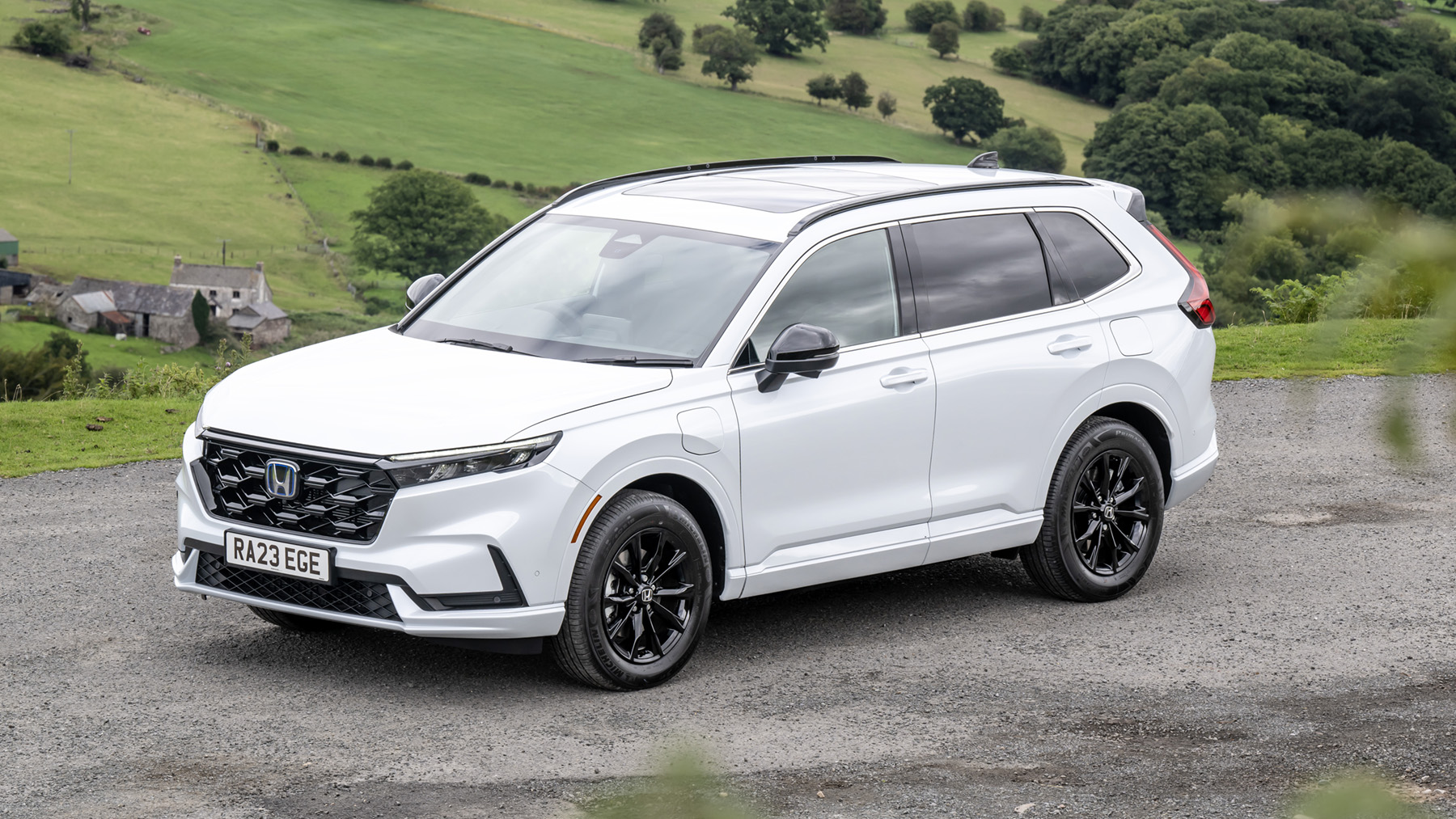
- Engine: 1.5L Turbocharged Inline-4
- Horsepower: 190 hp
- Torque: 243 Nm
- Length: 4,694 mm
- Width: 1,866 mm
4. Honda CR-V
The Honda CR-V has established itself as one of the most trusted compact sport utility vehicles available today. Known for its reliability, fuel efficiency, comfortable ride quality, and family-friendly design, the CR-V consistently ranks among the top-selling vehicles in its category.
This popularity creates substantial demand for replacement components, particularly as millions of units remain in service across multiple generations.
Advanced safety technology has become a defining feature of newer CR-V models. Systems such as forward collision warning, lane keeping assistance, adaptive cruise control, and blind spot monitoring rely on sophisticated hardware and software.
Cameras, radar units, and electronic control modules are critical to proper operation. Because these components require precise manufacturing and calibration, shortages can lead to longer repair times when replacements are unavailable.
Body shops often encounter challenges sourcing exterior components following collisions. Parts such as bumpers, headlights, fenders, doors, mirrors, and trim pieces are among the most commonly requested items.
Since the CR-V is such a popular vehicle, repair demand remains high throughout the year. Even temporary production interruptions can create significant backlogs across dealership and repair networks.
Global manufacturing considerations also influence parts availability. Modern vehicles depend on suppliers located in numerous countries, with components often crossing multiple borders before reaching assembly plants or distribution centers.
Any disruption within this network can affect inventories of specific CR-V parts. The interconnected nature of automotive production means that seemingly minor issues can have widespread consequences.
Although occasional parts shortages can create inconvenience, the Honda CR-V remains a highly regarded vehicle that delivers excellent long-term ownership value. Understanding the potential for delays involving electronic systems and collision repair components can help owners set realistic expectations when scheduling repairs.
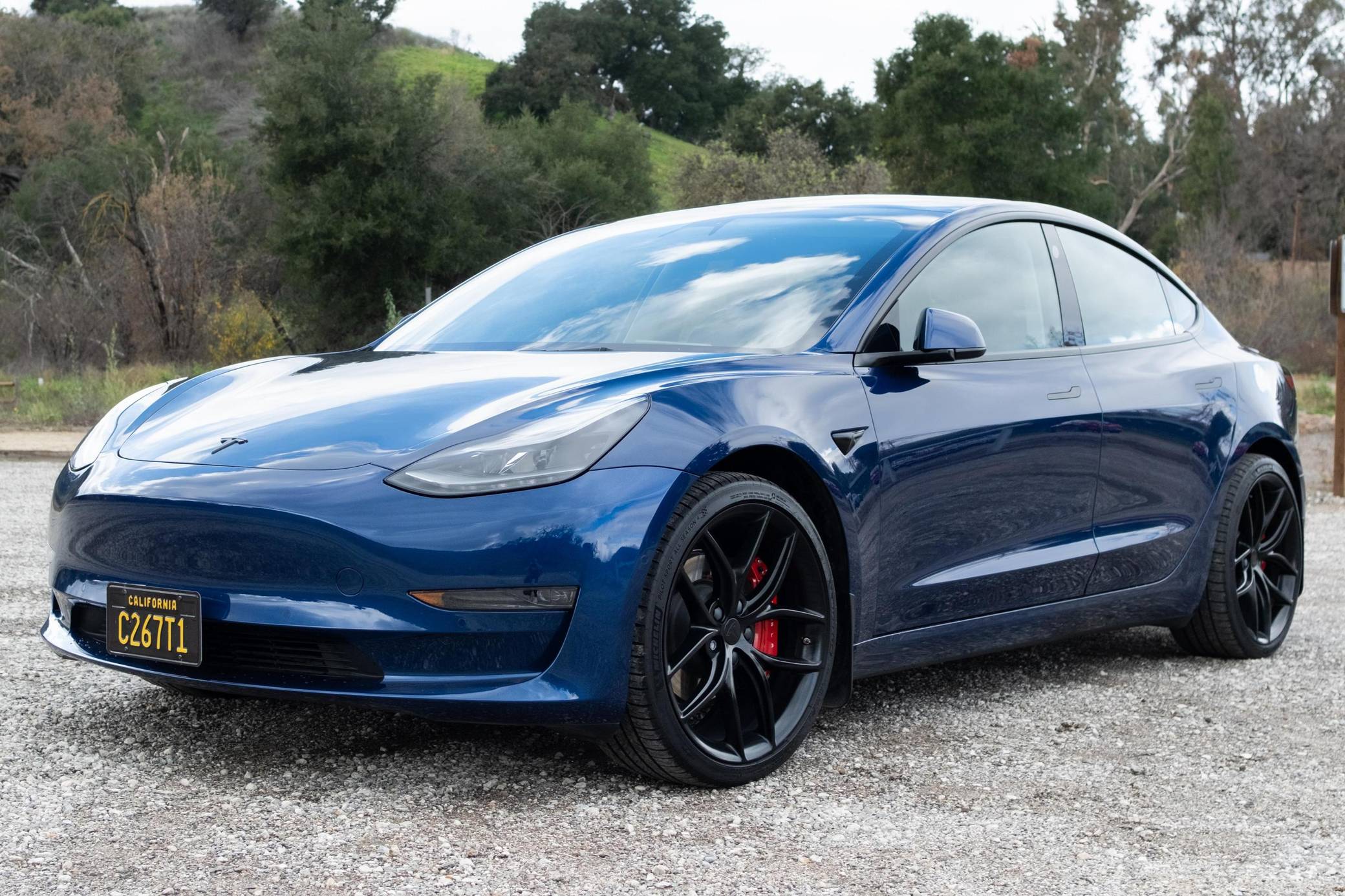
- Engine: Electric motor(s)
- Horsepower: 283 hp (RWD version)
- Torque: 420 Nm
- Length: 4,720 mm
- Width: 1,849 mm
5. Tesla Model 3
The Tesla Model 3 has transformed expectations for electric vehicles by combining advanced technology, strong performance, and widespread consumer appeal. As one of the most popular electric vehicles in the world, the Model 3 has generated substantial demand for replacement components.
However, its unique engineering approach and specialized repair requirements have sometimes contributed to longer wait times for certain parts.
One of the most frequently discussed challenges involves collision repair. Unlike many traditional vehicles, the Model 3 uses specific structural designs and manufacturing techniques that require specialized replacement components.
Body panels, structural sections, and related hardware may not always be available through the same channels used by conventional repair facilities. This can result in extended repair timelines following accidents.
The vehicle’s advanced electronic architecture represents another area where parts availability can become important. Numerous vehicle functions are integrated into sophisticated computer systems that rely on specialized hardware. If a critical module requires replacement, repair facilities may need to wait for components that are not widely stocked throughout the industry.
Battery and charging system components also require specialized manufacturing processes. While major battery failures are relatively uncommon, repairs involving high-voltage systems often depend on parts that are unique to electric vehicle platforms. Production constraints affecting these components can have a noticeable impact on repair schedules and service operations.
Despite these challenges, the Tesla Model 3 remains a landmark vehicle in the electric transportation market. Owners are often attracted by its innovation, efficiency, and performance capabilities.
However, the specialized nature of many components means that parts shortages can sometimes have a greater impact compared to repairs involving more conventional vehicles. Understanding these realities can help prospective buyers make informed decisions about long-term ownership and maintenance expectations.
ALSO READ: 10 Best Dash Cams That Integrate Perfectly With Your Interior
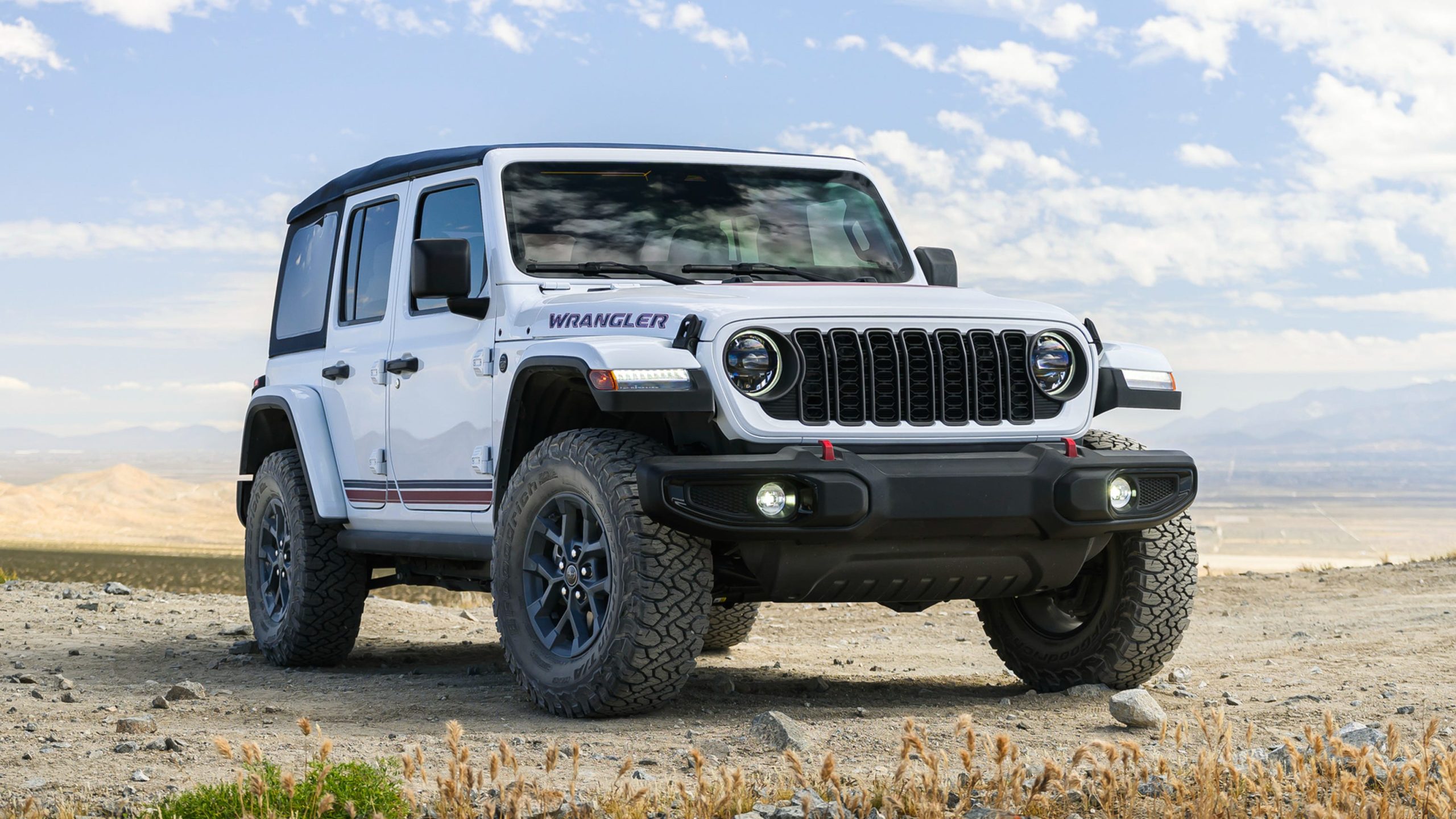
- Engine: 3.6L Pentastar V6
- Horsepower: 285 hp
- Torque: 353 Nm
- Length: 4,785 mm (4-door Unlimited)
- Width: 1,894 mm
6. Jeep Wrangler
The Jeep Wrangler has built one of the most loyal followings in the automotive world thanks to its rugged design, off-road capability, and unmistakable styling. Unlike many sport utility vehicles that focus primarily on comfort and urban driving, the Wrangler is engineered to handle challenging terrain and outdoor adventures.
This specialized purpose creates unique demands on replacement parts because owners often use their vehicles in environments that place greater stress on components. As a result, repair facilities frequently experience strong demand for Wrangler-specific parts, and certain items can become backordered when supply struggles to keep pace.
One factor contributing to parts shortages is the vehicle’s distinctive construction. Many Wrangler components are unique to the model and cannot be easily substituted with parts from other vehicles. Doors, removable roof panels, fenders, bumpers, and body hardware are designed specifically for the Wrangler platform.
When repair demand increases following severe weather events, off-road incidents, or periods of high vehicle usage, inventories of these specialized components can become limited. Because alternative sourcing options are often restricted, backorders may last longer than they would for more conventional vehicles.
Suspension and steering components represent another area where demand remains consistently high. Many Wrangler owners modify their vehicles for off-road use or subject them to challenging driving conditions that accelerate wear and tear.
Control arms, steering linkages, shock absorbers, axle components, and related hardware may require replacement more frequently than parts on vehicles used exclusively for highway driving. Increased demand for these components can contribute to supply constraints, particularly when manufacturing output is affected by broader industry challenges.
Modern Wrangler models have also become increasingly dependent on advanced technology. Features such as touchscreen infotainment systems, electronic stability controls, adaptive safety technologies, and sophisticated engine management systems rely on electronic modules and sensors.
These components often require semiconductors and specialized manufacturing processes. When shortages affect electronic parts, repairs that would otherwise be completed quickly can be delayed while dealerships wait for inventory to arrive.
Despite occasional parts availability concerns, the Jeep Wrangler continues to enjoy immense popularity among adventure enthusiasts and everyday drivers alike. Its combination of heritage, capability, and customization potential makes it one of the most distinctive vehicles on the road.
However, prospective owners should recognize that specialized design and high demand can sometimes create challenges when replacement parts become difficult to obtain.
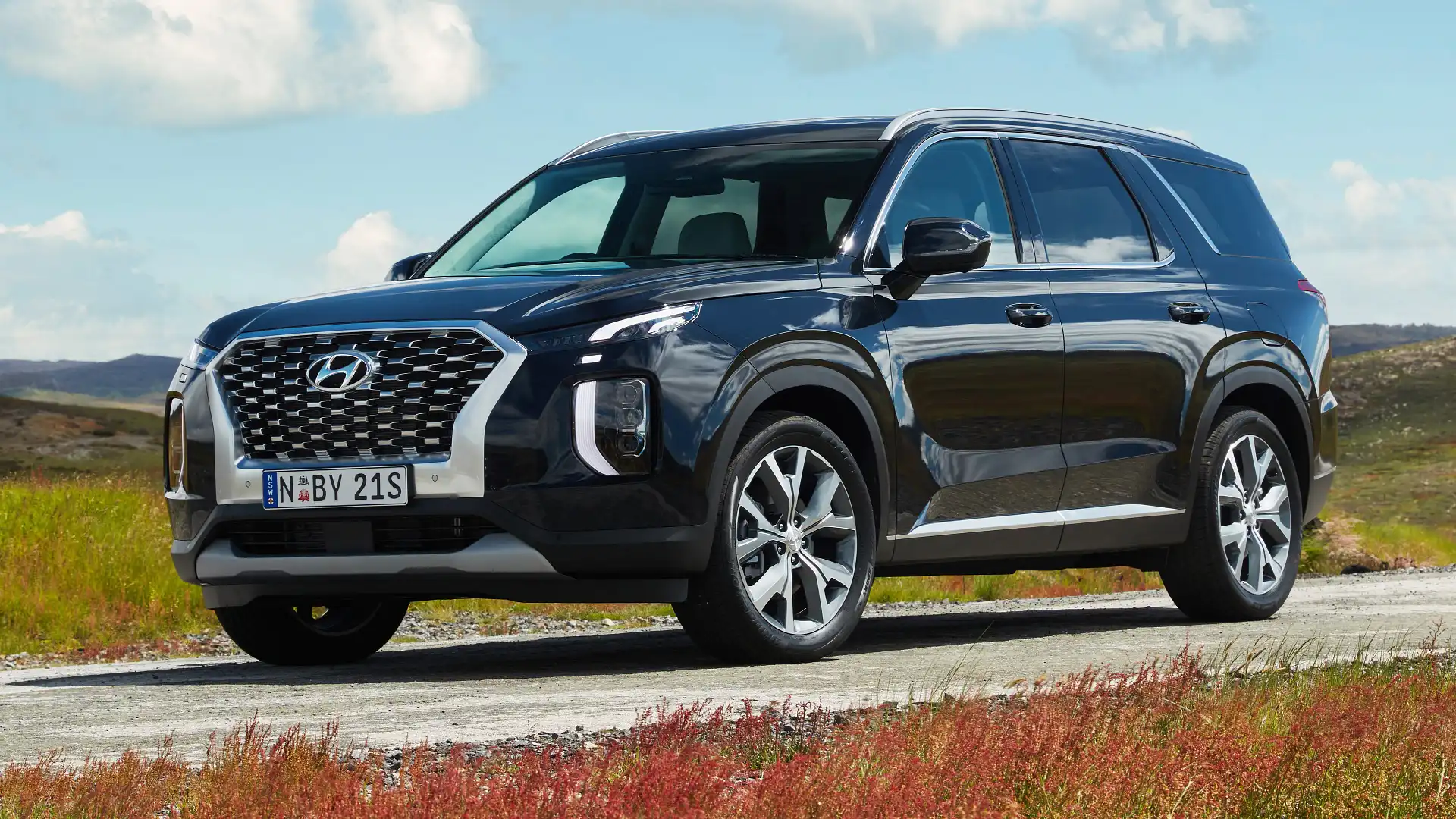
- Engine: 3.8L V6
- Horsepower: 291 hp
- Torque: 355 Nm
- Length: 4,995 mm
- Width: 1,975 mm
7. Hyundai Palisade
The Hyundai Palisade has rapidly become one of the most successful midsize sport utility vehicles in the market. Praised for its spacious cabin, upscale interior design, family-friendly features, and strong value proposition, the Palisade has attracted a growing customer base.
Increased sales naturally lead to increased demand for replacement parts, and this demand can occasionally outpace available supply. As more Palisades enter service across the country, repair facilities are seeing greater demand for components ranging from electronic modules to body repair parts.
One of the primary areas affected by backorders involves advanced driver assistance technology. The Palisade incorporates numerous safety features, including adaptive cruise control, forward collision avoidance systems, lane keeping assistance, blind spot monitoring, and parking assistance technologies.
These systems depend on cameras, radar units, sensors, and specialized electronic control modules. Because these components are highly technical and often sourced through complex global supply chains, even minor production disruptions can lead to inventory shortages.
Collision repair parts have also become an area of concern for some repair facilities. The vehicle’s popularity means that body shops regularly require replacement bumpers, grilles, lighting assemblies, mirrors, and exterior panels.
If production schedules fail to keep pace with repair demand, certain components may become backordered for extended periods. In many cases, a vehicle may be mechanically sound but remain in a repair facility while technicians wait for cosmetic or structural parts to arrive.
The increasing complexity of modern vehicles further contributes to parts challenges. Today’s Palisade models contain sophisticated infotainment systems, digital displays, connectivity features, and integrated electronic networks.
Many of these systems depend on specialized hardware that cannot be easily replaced with generic alternatives. If a critical module becomes unavailable, repair timelines can extend significantly, even for relatively straightforward issues.
The Hyundai Palisade remains one of the most appealing family-oriented sport utility vehicles available today. Owners appreciate its comfort, technology, and practicality.
Nevertheless, strong sales growth and reliance on advanced electronic systems mean that certain replacement components may occasionally experience nationwide shortages. Awareness of these potential delays can help owners better understand the realities of maintaining a highly sophisticated modern vehicle.
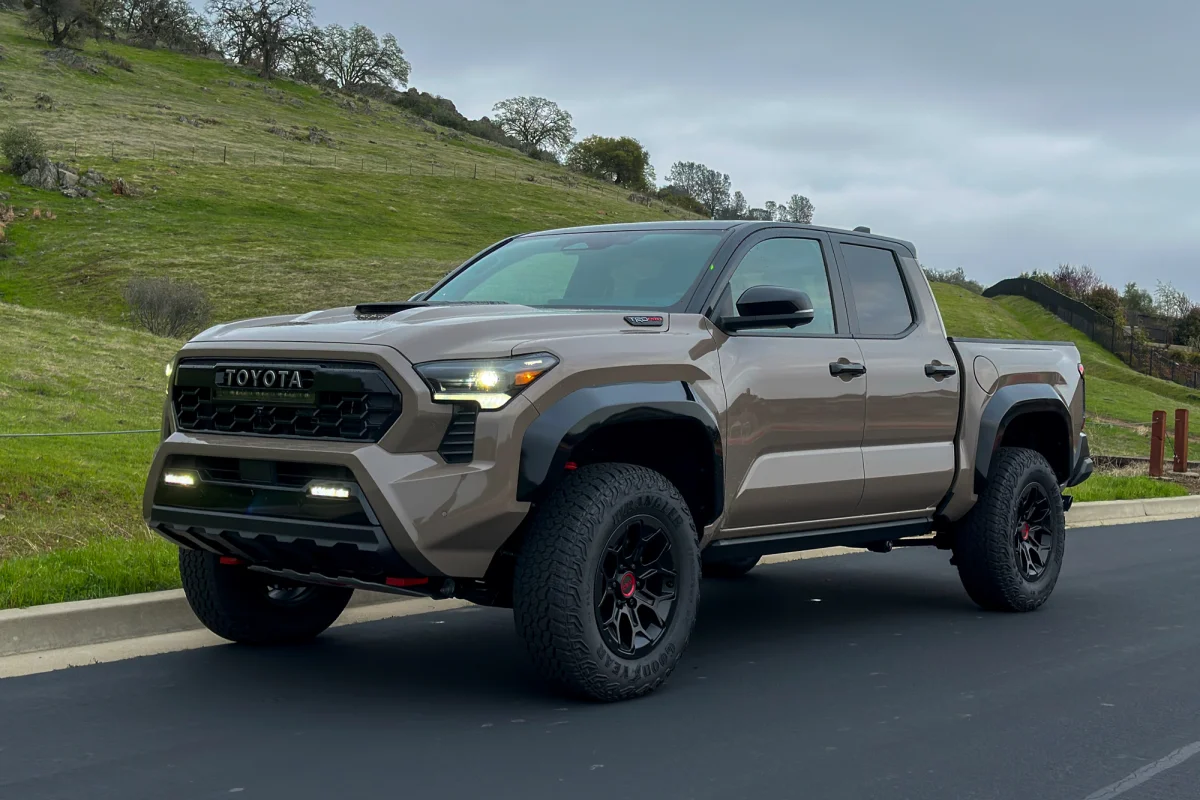
- Engine: 2.4L Turbocharged Inline-4
- Horsepower: 228 hp (base) / up to 278 hp
- Torque: 329 Nm (base) / up to 430 Nm
- Length: 5,410 mm
- Width: 1,935 mm
8. Toyota Tacoma
The Toyota Tacoma has earned a reputation as one of the most dependable midsize pickup trucks ever produced. Known for durability, off-road capability, and strong resale value, the Tacoma appeals to a wide range of drivers, including outdoor enthusiasts, contractors, and daily commuters.
Its popularity has remained remarkably strong for years, creating consistent demand for replacement components throughout the country. When supply chain disruptions occur, the sheer number of Tacomas on the road can amplify the impact of parts shortages.
Many Tacoma owners use their trucks in demanding environments that place additional stress on mechanical systems. Off-road driving, towing, hauling equipment, and recreational activities can increase wear on suspension components, drivetrain parts, and steering systems.
As these vehicles accumulate mileage, demand for replacement hardware continues to grow. During periods of limited production capacity, repair facilities may encounter difficulties obtaining some of the most commonly requested components.
Electronic systems have become increasingly important in newer Tacoma models. Advanced safety technologies, driver assistance features, infotainment systems, and engine management controls rely on sensors and electronic modules that require specialized manufacturing.
Semiconductor-related disruptions can affect the availability of these parts, creating delays that impact both dealerships and independent repair shops. Because modern vehicles depend heavily on electronics, a single missing component can prevent a repair from being completed.
Body repair components also contribute to nationwide demand. Tacoma owners often use their trucks in situations where minor damage to bumpers, fenders, grilles, lighting systems, and exterior panels is more likely to occur.
High demand for these replacement parts can create bottlenecks throughout distribution networks, particularly when inventories are already strained by broader supply chain challenges. Repair facilities may find themselves waiting for specific components despite having completed all other aspects of a repair.
The Toyota Tacoma continues to be one of the most respected trucks in its class, offering an impressive blend of reliability, capability, and long-term value. However, popularity comes with its own challenges.
The combination of strong sales, active usage patterns, and increasingly sophisticated technology means that certain Tacoma parts can occasionally become difficult to obtain. For owners and prospective buyers, understanding these potential supply issues provides valuable insight into the broader realities of vehicle maintenance and repair in today’s automotive market.
