
Driver-assist technologies have rapidly become one of the most transformative forces in the modern automotive industry. From adaptive cruise control and lane-keeping assistance to automatic emergency braking and parking automation, these systems are designed to reduce human error and make driving safer and more convenient.
On paper, this sounds like an undeniable improvement. Fewer accidents, less fatigue, and smoother driving experiences are clear benefits that appeal to commuters, families, and long-distance travelers alike. Car manufacturers continue to expand these systems, often branding them as steps toward fully autonomous driving in the future.
However, beneath the surface of this technological progress lies a growing concern among safety experts, behavioral scientists, and even experienced drivers. The central issue is not whether driver-assist features work as intended, but how they influence the people using them.
Driving is a complex cognitive task that requires constant attention, judgment, and skill. When automation begins to handle key parts of this task, human behavior naturally adapts. Over time, many drivers become less engaged, less attentive, and less capable of handling situations when the technology fails or reaches its limits.
This shift raises an important question: are driver-assist features actually improving drivers, or are they gradually making them worse? While these systems reduce certain types of accidents, they may also contribute to overconfidence, skill erosion, and delayed reaction times.
Drivers may begin to trust the system more than their own judgment, leading to dangerous situations when unexpected road conditions occur. The balance between assistance and dependency is delicate, and current trends suggest that dependency may be increasing faster than awareness of its risks.
Another important factor is the psychological impact of automation. When people are repeatedly supported by technology, they tend to offload mental effort. In driving, this means reduced situational awareness, less scanning of mirrors, and weaker anticipation of hazards.
Over time, the act of driving becomes passive rather than active. This change is subtle but significant, because driving skills are highly perishable. Unlike riding a bicycle, advanced driving skills require continuous practice and engagement to remain sharp.
As vehicles continue to evolve toward higher levels of autonomy, understanding the unintended consequences of driver-assist systems becomes increasingly important. This article explores how these features are changing driver behavior, why they may be contributing to skill degradation, and what this means for the future of road safety and human control behind the wheel.
Also Read: 10 Standard Features Quietly Moved Behind a Subscription
The Rise of Driver-Assist Technology
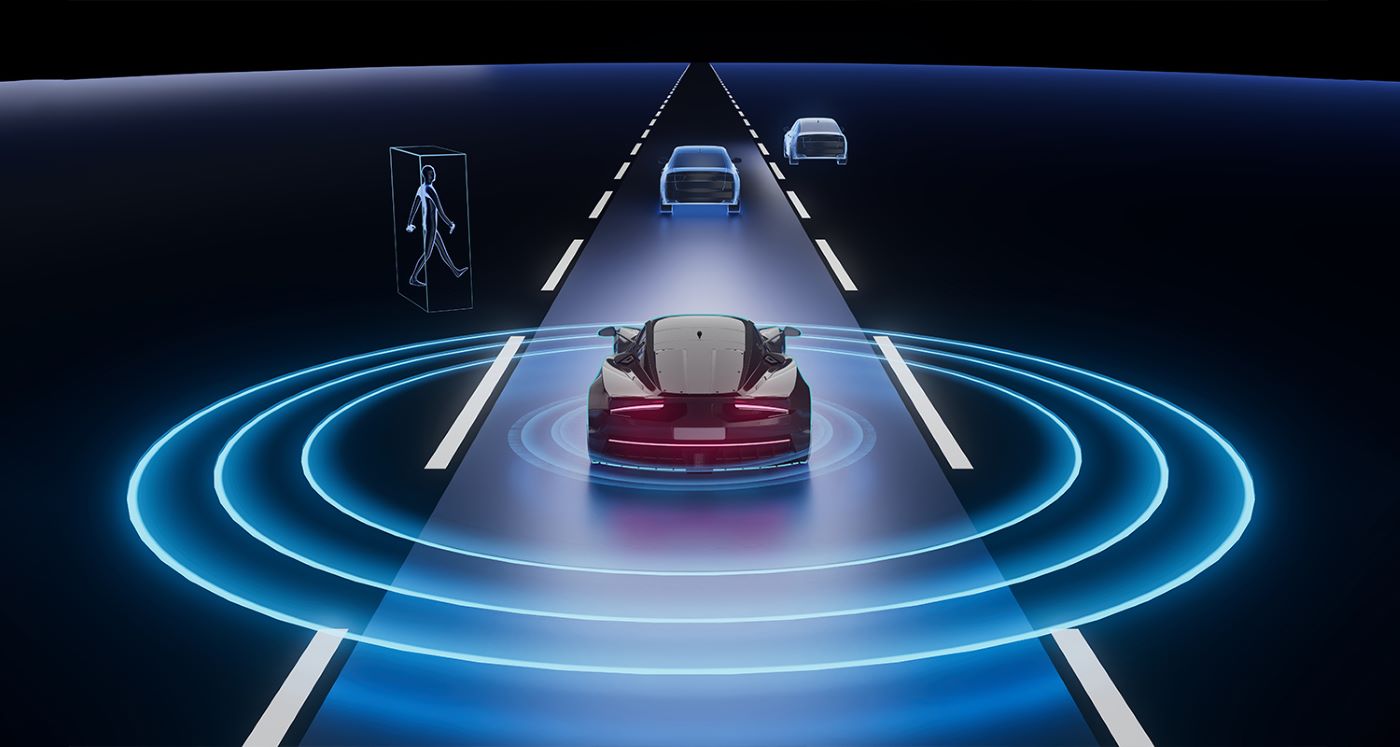
Driver-assist systems have evolved quickly over the past two decades, moving from luxury add-ons to standard features in many modern vehicles. Early systems focused on basic safety improvements such as anti-lock braking systems and electronic stability control.
These technologies were designed to intervene only in extreme situations, helping drivers maintain control during emergencies. Over time, however, automotive engineering shifted toward more proactive systems that actively assist during normal driving conditions rather than just emergencies.
One of the most widely adopted technologies is adaptive cruise control, which automatically adjusts a vehicle’s speed to maintain a safe distance from the car ahead. Lane-keeping assist has also become common, gently steering the vehicle back into its lane if it begins to drift.
These systems are often marketed as comfort-enhancing tools, reducing the physical and mental workload of long highway drives. While they do reduce fatigue, they also change the driver’s role from active operator to passive supervisor.
A key development in this space is the integration of semi-autonomous driving packages, often labeled as advanced driver-assistance systems. These packages combine multiple technologies such as automated steering, braking, and acceleration.
Some systems can even handle stop-and-go traffic with minimal driver input. As a result, many drivers begin to experience what feels like partial automation, even though full responsibility still legally and practically remains with them.
Automakers have strong incentives to expand these features, as they are often used as selling points in highly competitive markets. Marketing language frequently emphasizes safety improvements and futuristic convenience, which can lead consumers to overestimate the capabilities of the system.
This mismatch between perception and reality is critical, because it shapes how drivers behave once they are on the road. When drivers believe the car is more capable than it actually is, they are more likely to disengage mentally.
Another important factor in the rise of driver-assist technology is regulatory support. Governments and safety organizations generally encourage innovations that reduce accidents, and many of these systems statistically lower crash rates in specific scenarios.
However, regulations often lag behind real-world behavioral effects. While the systems may perform well in controlled conditions, their impact on long-term human driving behavior is less frequently studied or addressed. This gap between engineering performance and human adaptation is where many of the current concerns originate.

Behavioral Changes and Skill Degradation
One of the most significant concerns surrounding driver-assist systems is how they alter driver behavior over time. When a vehicle consistently handles routine tasks such as maintaining speed or staying within a lane, the driver gradually becomes less involved in the driving process.
This reduction in active engagement can lead to a decline in essential driving skills, including hazard detection, spatial awareness, and decision-making under pressure.
Driving is fundamentally a skill-based activity that depends on continuous feedback between the driver and the environment. When that feedback loop is partially automated, the driver receives fewer opportunities to practice critical responses.
For example, a driver who relies heavily on lane-keeping assistance may become less skilled at manually maintaining lane position during poor weather conditions or complex road layouts. This creates a dependency that may not be immediately noticeable but becomes dangerous when assistance is unavailable.
Another behavioral change is reduced attention. Studies in human factors psychology consistently show that automation can lead to complacency. When individuals trust a system to perform reliably, they tend to monitor it less closely.
In driving, this means drivers may look away from the road more often, engage in secondary activities, or delay reaction times when intervention is needed. Even brief moments of inattention can have serious consequences at highway speeds.
Overconfidence is another key issue. Driver-assist systems often perform well under normal conditions, which can create a false sense of security. Drivers may begin to assume the system can handle situations beyond its actual capabilities, such as sharp curves, unpredictable traffic behavior, or poor visibility. When the system reaches its limits, the driver may not be mentally prepared to take over quickly, leading to delayed or incorrect responses.
A further concern is the erosion of instinctive driving judgment. Experienced drivers typically develop a sense of anticipation, allowing them to predict potential hazards before they become immediate threats. When automation handles much of the routine driving, this anticipatory skill can weaken.
Over time, drivers may become more reactive than proactive, responding to events only after they occur rather than preventing them in advance.
Also Read: 10 Smallest Vehicles Ever Built
The Safety Paradox of Driver Assistance
Driver-assist technologies are designed with the primary goal of improving road safety, yet they create a paradox where increased safety in the short term may lead to decreased safety in the long term.
On one hand, systems like automatic emergency braking and blind spot monitoring have been shown to reduce certain types of collisions. These technologies act as a backup layer, intervening when human error occurs, which is a frequent cause of accidents.
However, the presence of safety systems can influence driver behavior in unintended ways. This phenomenon is often referred to as risk compensation, where individuals adjust their behavior based on perceived levels of safety.
When drivers feel protected by technology, they may take greater risks, such as following other vehicles more closely or paying less attention to surrounding traffic. This behavioral adaptation can offset some of the safety benefits provided by the systems.
Another dimension of the safety paradox is system dependency during critical moments. While driver-assist features perform well under predictable conditions, they can struggle with edge cases such as unusual road layouts, sensor obstructions, or erratic behavior from other drivers.
In these situations, human intervention is essential. However, if the driver has become too passive or inattentive, their ability to respond effectively may be compromised.
There is also the issue of transition time between automated and manual control. When a system disengages or requests driver input, the human operator must quickly re-engage with full awareness of the driving environment.
Research in human-machine interaction shows that this transition is often slower than expected. Even a delay of a few seconds can be critical in high-speed driving scenarios, increasing the risk of accidents rather than reducing them.
Despite these concerns, it is important to recognize that driver-assist systems are not inherently unsafe. In many cases, they prevent accidents that would have otherwise occurred.
The paradox lies not in the technology itself, but in how humans adapt to it. Safety improvements at the mechanical level can be undermined by behavioral changes at the human level, creating a complex and sometimes contradictory outcome.

Overreliance, Ethics, and the Future of Driving
As driver-assist systems become more advanced, the issue of overreliance becomes increasingly significant. Many drivers begin to treat these systems as substitutes rather than assistants, even when manufacturers clearly state that full attention is still required.
This shift in perception is subtle but powerful, leading to a gradual transfer of responsibility from human to machine in everyday driving behavior.
Ethically, this raises important questions for automakers and regulators. If a technology is known to change human behavior in ways that reduce skill or awareness, should its design or marketing be adjusted?
There is a growing argument that driver-assist systems should be designed not only for technical performance but also for behavioral sustainability. In other words, they should support drivers without diminishing their ability to drive independently when needed.
One possible direction for the future is more adaptive systems that actively encourage driver engagement. Instead of fully handling tasks for extended periods, future systems might intentionally require periodic human input to keep drivers alert and skilled.
This could help maintain a balance between convenience and competence, ensuring that drivers remain capable participants rather than passive observers.
Another consideration is education and training. As vehicles become more automated, driver education may need to evolve as well. Traditional driving lessons focus on manual control skills, but future programs may need to emphasize system awareness, proper use of automation, and recognition of system limitations. Without this knowledge, drivers may continue to misuse or over-trust these technologies.
The future of driving will likely involve a hybrid model where humans and machines share responsibility. The challenge is ensuring that this partnership enhances safety without degrading human capability.
If driver-assist systems continue to advance without addressing behavioral effects, there is a risk that drivers may become increasingly disconnected from the driving process, leaving them less prepared when full control is required.
