
Modern vehicles are packed with touchscreen displays, driver assistance systems, and smartphone connectivity, but many people forget that some vintage automobiles offered remarkable features decades before they became common.
During the 1950s, 1960s, 1970s, and 1980s, automakers often competed by introducing innovative luxury, comfort, and convenience technologies that felt futuristic for their time. In some cases, these features were more intuitive and practical than the systems found in many current vehicles.
What makes certain vintage cars especially fascinating is how they delivered advanced experiences without relying on complex software. Automatic climate control, self-dimming headlights, adjustable suspension systems, power-operated accessories, and even primitive navigation concepts appeared long before the digital age transformed the automotive world.
These innovations demonstrated how engineers solved problems through clever mechanical and electrical design rather than computer-driven solutions.
Many of these automobiles were built during an era when manufacturers were willing to experiment with ambitious ideas, often regardless of cost. As a result, some classic luxury sedans and personal coupes came equipped with amenities that rival or exceed those found in modern mainstream vehicles.
The following cars stand out because they introduced features that were exceptionally advanced for their era and, in some cases, remain uncommon even today. Their engineering achievements helped shape the future of automotive technology while proving that innovation did not begin with touchscreens and mobile apps.
Also Read: 10 Analog-Era Super Cars
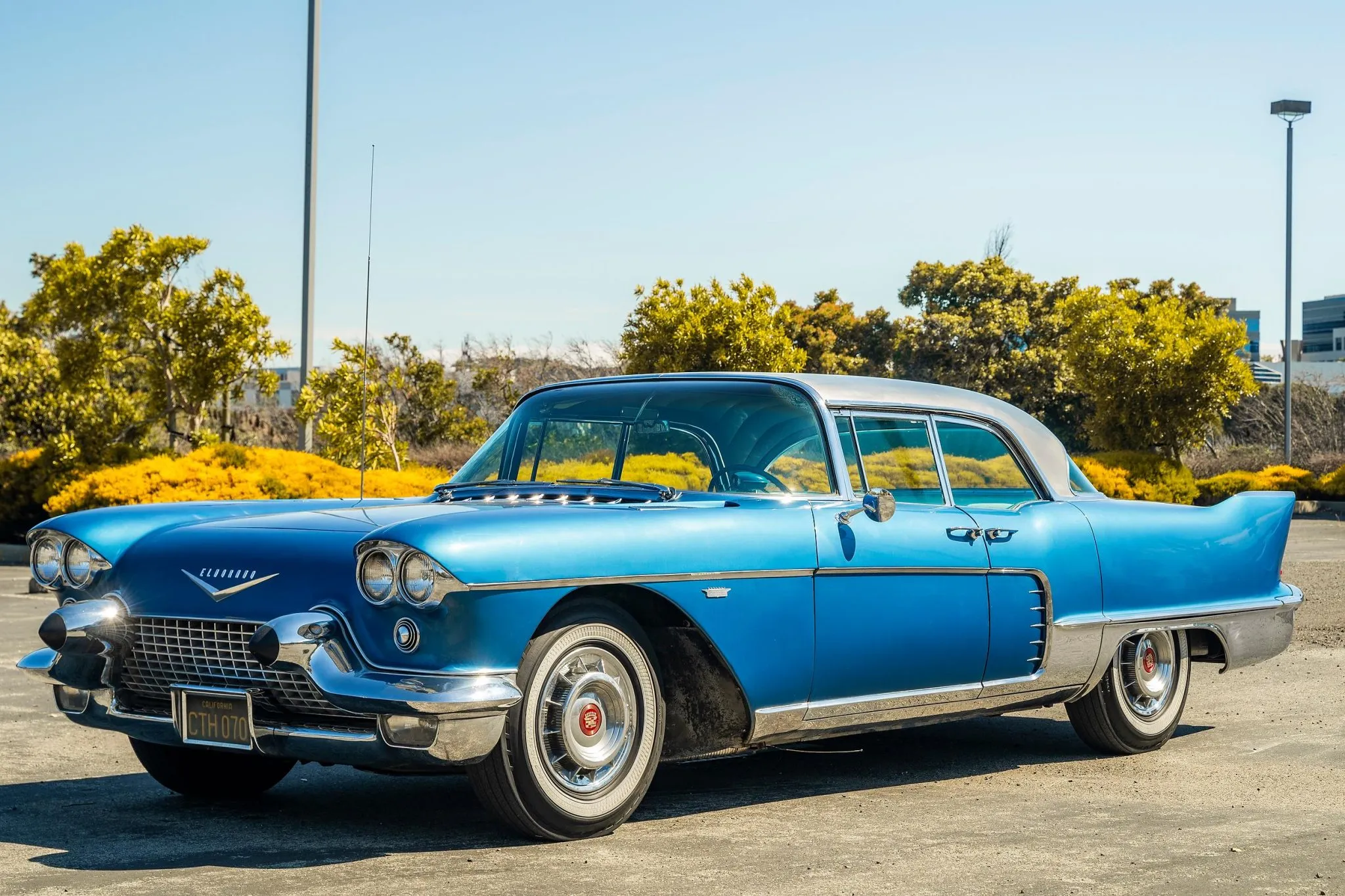
1. 1958 Cadillac Eldorado Brougham
When discussing vintage automobiles that were years ahead of their time, the 1958 Cadillac Eldorado Brougham deserves a place near the top of the list. This hand-built luxury flagship was designed to showcase what American engineering could achieve when cost was not a primary concern.
At a time when many vehicles still relied on basic convenience equipment, Cadillac filled the Eldorado Brougham with features that seemed almost unbelievable in the late 1950s.
One of its most impressive innovations was an air suspension system. While modern luxury vehicles frequently use adaptive air suspension, Cadillac was experimenting with the concept decades earlier.
The car was also equipped with automatic headlight dimming technology that adjusted high beams when oncoming traffic approached, a feature that many modern vehicles only recently adopted widely.
The interior reflected an equally futuristic philosophy. Power door locks, memory seat functions, automatic trunk opening, and extensive use of stainless steel trim created an environment that felt more like a concept car than a production automobile. Cadillac even included luxury accessories such as a vanity kit and personalized interior appointments.
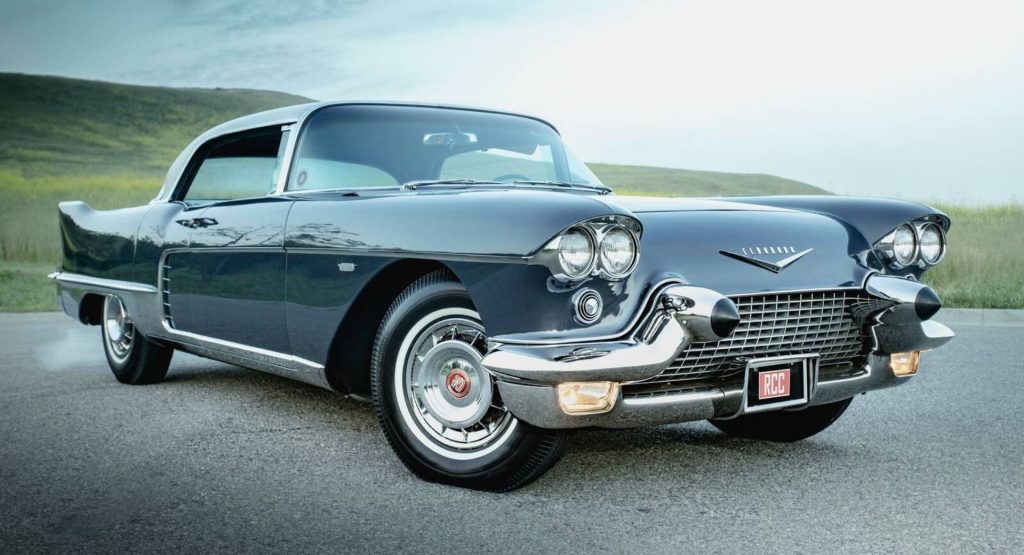
What makes the Eldorado? What is particularly remarkable about Brougham is that many of its advanced systems were introduced before the space race reached full momentum. The vehicle represented a period when American manufacturers pushed technological boundaries without hesitation.
Today, collectors admire the Eldorado Brougham not only for its rarity but also because it demonstrated how many modern luxury features actually trace their origins to automotive innovations from more than six decades ago.
Specifications
- Engine: 6.0L V8
- Torque: 400 lb-ft
- Horsepower: 325 hp
- Length/Width: 221.0 in / 80.1 in
2. 1967 Imperial Crown Coupe
Luxury automobiles of the 1960s often focused on comfort, but the 1967 Imperial Crown Coupe approached the concept from a distinctly technological perspective. Chrysler’s premium division sought to separate itself from competitors by introducing equipment and convenience features that were uncommon even among luxury rivals.
Perhaps the most memorable feature was the advanced climate control system. While many vehicles required constant driver adjustment of heating and cooling settings, the Imperial offered one of the earliest sophisticated automatic temperature management systems.
Occupants could select a desired temperature and allow the system to handle the rest, a concept that has become standard in modern luxury vehicles.
Another standout innovation was the use of a highly refined electronic convenience package. The Imperial featured power-operated accessories throughout the cabin, including windows, seats, locks, and ventilation controls. Combined with extensive sound insulation, the result was a remarkably quiet driving experience.
The vehicle’s dashboard design also reflected a forward-thinking philosophy. Controls were arranged to improve accessibility, and the instrumentation emphasised driver information in a manner that anticipated future luxury-car layouts.
The Imperial’s engineering team clearly understood that convenience and ease of operation would become increasingly important to customers.
Many modern vehicles bury functions inside touchscreen menus, while the Imperial delivered straightforward operation through dedicated switches and controls. That simplicity remains attractive to enthusiasts who appreciate technology that enhances usability without becoming distracting.
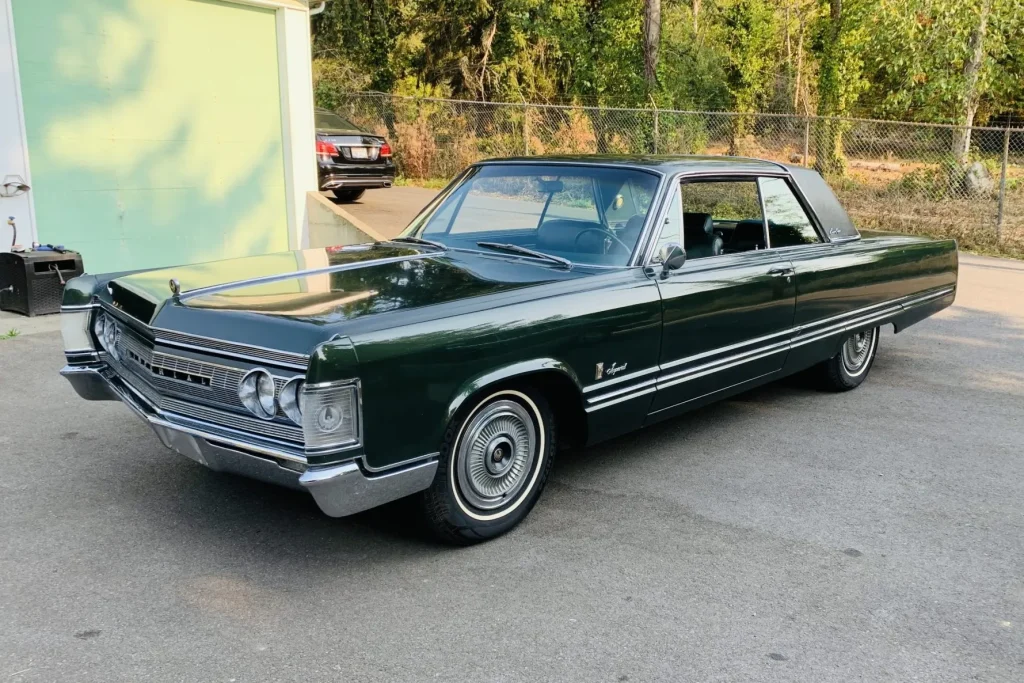
The 1967 Imperial Crown Coupe serves as an excellent reminder that many comfort-oriented features considered modern today were already being refined by ambitious manufacturers nearly sixty years ago.
Specifications
- Engine: 7.2L V8
- Torque: 490 lb-ft
- Horsepower: 350 hp
- Length/Width: 227.8 in / 81.7 in
3. 1971 Citroën SM
French automakers have long been known for unconventional engineering, and few vehicles illustrate that philosophy better than the 1971 Citroën SM. Introduced as a high-speed grand tourer, the SM combined luxury, performance, and technology in ways that many manufacturers would not attempt for decades.
The first thing that separated the SM from ordinary cars was its hydropneumatic suspension. Instead of relying on traditional springs, Citroën developed a system that automatically adjusted ride height and maintained exceptional comfort regardless of road conditions.
Modern luxury SUVs and sedans use complex adaptive suspensions to achieve similar results, yet the SM was already demonstrating the concept in the early 1970s.
Its steering system was equally revolutionary. Known as DIRAVI, the setup automatically returned the steering wheel to center and adjusted steering effort based on speed. At low speeds, the steering remained light for parking, while highway driving brought greater stability. Many current electronic steering systems attempt to provide the same benefits.
The SM also featured self-leveling headlights connected to the suspension. As the car’s attitude changed, the headlights maintained proper aim. This improved nighttime visibility and reduced glare for other drivers, an idea that later became common in premium vehicles.
Inside, the cabin focused on ergonomics and driver comfort. The futuristic dashboard, unique control layout, and emphasis on long-distance travel gave the SM a character unlike anything else on the road.
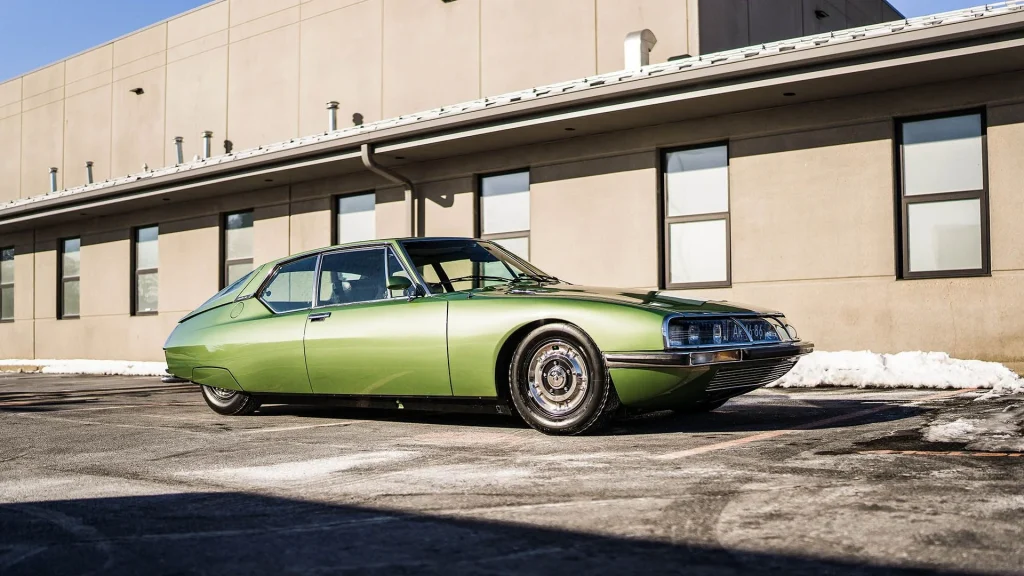
Even today, many enthusiasts consider the Citroën SM one of the most technologically daring production cars ever created. Its innovations were not simply experimental ideas. They were fully integrated systems that delivered tangible benefits to drivers decades before such technology became mainstream.
Specifications
- Engine: 2.7L V6
- Torque: 179 lb-ft
- Horsepower: 170 hp
- Length/Width: 192.5 in / 72.4 in
4. 1989 Buick Riviera
By the late 1980s, digital technology was beginning to enter automobiles, but few manufacturers embraced it as boldly as Buick did with the Riviera. The 1989 model became famous for introducing one of the most sophisticated electronic control interfaces of its era, making it feel surprisingly modern even by current standards.
At the center of the dashboard sat a touchscreen-based graphic control center. Long before smartphones and tablet-style infotainment systems became common, Buick provided drivers with a screen capable of managing vehicle information, climate settings, trip data, diagnostics, and entertainment functions. Seeing such a system in a production car during the 1980s was remarkable.
The Riviera also featured advanced onboard diagnostics that gave owners direct access to vehicle information. Many modern cars offer extensive digital monitoring systems, but Buick was already experimenting with the concept decades earlier.
Drivers could review operating data without visiting a service center, something that felt futuristic at the time.
Comfort remained a major priority as well. Electronic climate controls, premium seating, and sophisticated audio equipment created a luxury experience that appealed to buyers seeking cutting-edge technology. The car demonstrated how electronics could enhance convenience rather than simply serve as novelty items.
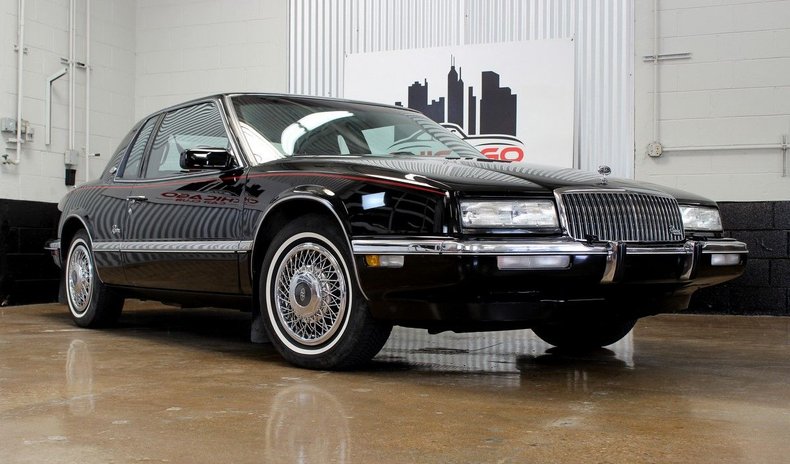
Many digital systems from that period quickly became outdated, but the Riviera’s touchscreen remains an important milestone in automotive history. It proved that drivers were willing to interact with vehicle functions through a display long before the modern infotainment era arrived.
Looking back, the 1989 Riviera appears less like a product of its time and more like a preview of the direction the automotive industry would eventually follow.
Specifications
- Engine: 3.8L V6
- Torque: 220 lb-ft
- Horsepower: 165 hp
- Length/Width: 196.2 in / 71.4 in
5. 1962 Chrysler 300 Sport Series
Performance cars are usually remembered for powerful engines, but the 1962 Chrysler 300 Sport Series demonstrated that technology could be just as important as horsepower.
During an era when many vehicles still emphasized simplicity, Chrysler packed this grand touring machine with features designed to make long-distance driving more comfortable and effortless.
One of the car’s most notable innovations was its sophisticated power accessory package. Power windows, power seats, and advanced convenience controls were integrated into a vehicle that also delivered serious performance.
While these features may sound ordinary today, they were considered premium equipment in the early 1960s and rarely appeared together in such a comprehensive form.
The Chrysler also benefited from a highly refined suspension setup that balanced comfort and handling. Engineers understood that buyers wanted more than straight-line speed.
They wanted a car capable of crossing entire states in comfort while maintaining stability at highway speeds. That philosophy anticipated the modern grand touring segment.
Another area where the 300 excelled was interior space and passenger accommodations. The seats were designed for extended journeys, and the cabin offered a level of comfort that many contemporary performance cars ignored.
Modern manufacturers frequently combine luxury and performance in a single package, but Chrysler was already embracing that formula decades earlier.
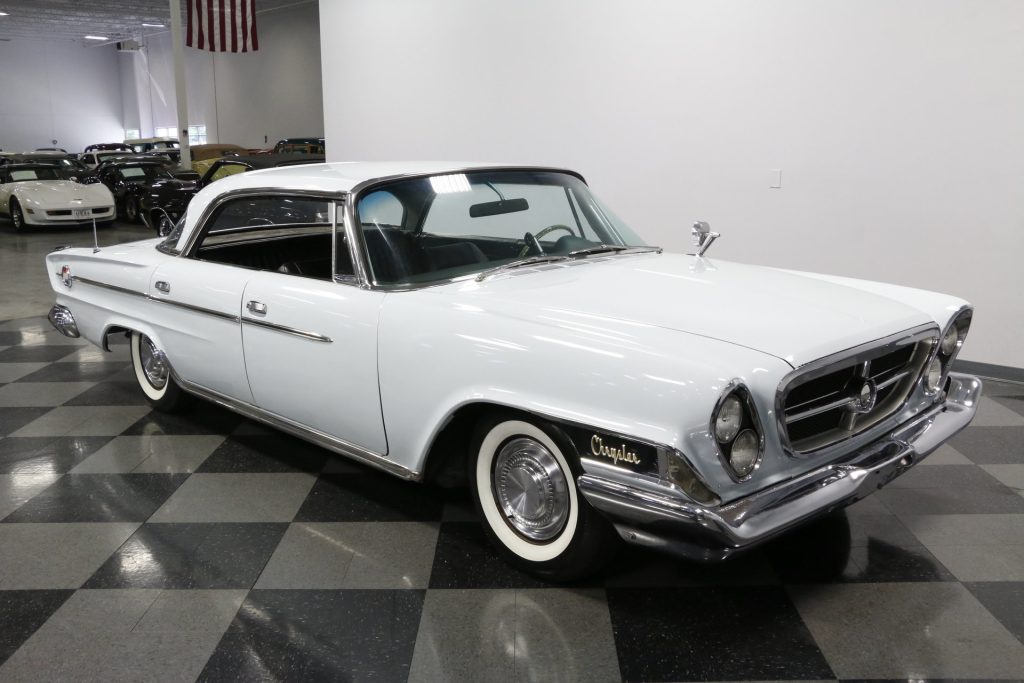
What truly distinguished the car was its ability to merge cutting-edge convenience with impressive mechanical capability. Rather than forcing buyers to choose between comfort and speed, Chrysler provided both. That approach has become a defining characteristic of today’s premium performance vehicles.
Viewed through a modern lens, the 1962 Chrysler 300 Sport Series feels like an early blueprint for the luxurious high-performance sedans and coupes that dominate today’s upscale automotive market.
Specifications
- Engine: 6.8L V8
- Torque: 480 lb-ft
- Horsepower: 380 hp
- Length/Width: 215.3 in / 79.4 in
6. 1978 Mercedes-Benz 450SEL 6.9
Luxury technology often advances quietly, appearing first in flagship sedans before spreading throughout the industry. The 1978 Mercedes-Benz 450SEL 6.9 perfectly represents that pattern. While its powerful V8 attracted attention, the real story was the remarkable engineering hidden beneath its elegant exterior.
Instead of relying on a conventional suspension arrangement, Mercedes equipped the 450SEL 6.9 with a hydropneumatic self-leveling suspension system. The setup automatically maintained ride height regardless of passenger or cargo load.
Whether carrying one person or a full complement of occupants, the car preserved its composure and comfort. Modern luxury vehicles continue to use similar concepts because they work exceptionally well.
The sedan also introduced an impressive level of high-speed stability. Mercedes engineers focused on creating a vehicle capable of sustained autobahn travel while delivering limousine-like comfort.
Achieving both goals simultaneously required sophisticated chassis tuning that was well ahead of industry standards.
Inside, the cabin reflected the company’s commitment to long-term durability and luxury. Premium materials, advanced climate controls, supportive seating, and meticulous attention to ergonomics created an environment that still feels refined today.
Rather than relying on gimmicks, Mercedes concentrated on features that genuinely improved the ownership experience.
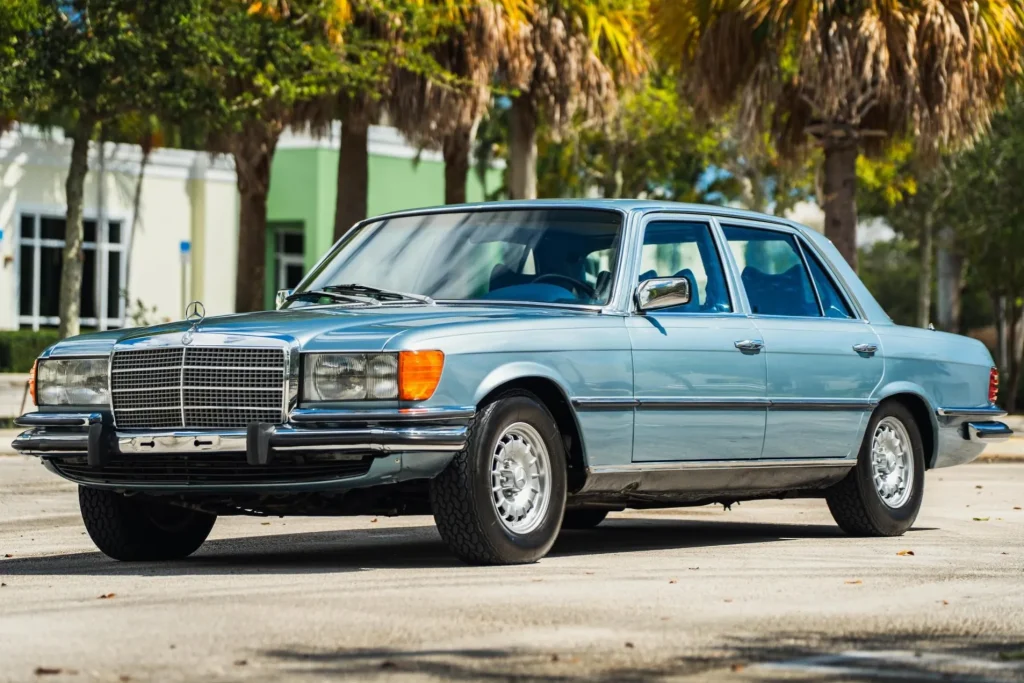
Many modern luxury cars advertise adaptive ride quality, load-leveling suspension, and superior highway comfort as major selling points. The 450SEL 6.9 offered those benefits nearly half a century ago.
Its influence can still be seen across today’s premium automotive world, making it one of the clearest examples of a vintage car whose feature set anticipated the expectations of modern luxury buyers.
Specifications
- Engine: 6.8L V8
- Torque: 405 lb-ft
- Horsepower: 250 hp
- Length/Width: 199.4 in / 71.3 in
7. 1963 Studebaker Avanti
The early 1960s produced many memorable automobiles, but few looked as futuristic as the 1963 Studebaker Avanti. Its sleek body shape immediately attracted attention, yet the real innovation extended far beyond styling.
The Avanti was developed as a showcase for advanced thinking, combining safety, comfort, and technology in ways that were unusual for the period.
Many competitors focused almost entirely on performance, while Studebaker devoted significant effort to occupant protection. The Avanti incorporated one of the most advanced safety philosophies of its era, featuring a reinforced passenger compartment, padded interior surfaces, and a design intended to reduce injury risks during collisions.
Today, safety technology is a major selling point for every new vehicle, but the Avanti was promoting that concept decades before it became an industry priority.
The car also offered a collection of luxury conveniences that enhanced daily usability. Power-operated equipment, high-quality seating, and thoughtful ergonomics gave drivers a premium experience that rivaled far more expensive automobiles.
Combined with the aerodynamic body, the result was a vehicle that felt modern both inside and out.
Perhaps the most impressive aspect of the Avanti was how it balanced innovation with practicality. Many concept-inspired vehicles never successfully transitioned into production, but Studebaker managed to bring numerous forward-looking ideas directly to customers.
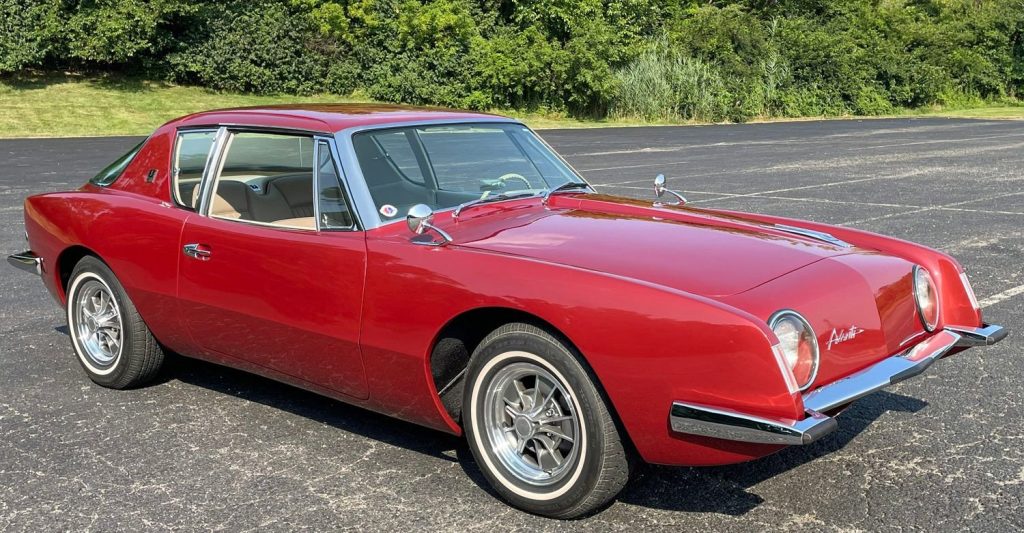
The influence of the Avanti can still be seen in modern automotive design. Safety-focused engineering, streamlined styling, and driver-centered interiors are now common expectations, yet this car was championing those principles more than sixty years ago.
It remains one of the clearest examples of a vintage automobile that offered features and ideas well beyond the standards of its time.
Specifications
- Engine: 4.7L V8
- Torque: 303 lb-ft
- Horsepower: 240 hp
- Length/Width: 192.4 in / 70.4 in
8. 1986 Aston Martin Lagonda
Some cars are remembered for speed, others for luxury. The 1986 Aston Martin Lagonda became famous because it attempted to redefine what a luxury car could be. Even today, stepping inside a Lagonda feels like entering an alternate vision of the automotive future.
The centerpiece of the experience was its fully digital instrument cluster. During the mid-1980s, most vehicles still relied on traditional analog gauges.
Aston Martin instead embraced digital displays, creating a dashboard that looked more like aircraft equipment than automotive instrumentation. This approach anticipated the digital gauge clusters now found in countless premium vehicles.
Technology extended well beyond the instrument panel. The Lagonda incorporated touch-sensitive controls for numerous functions, replacing many conventional switches. While modern touch interfaces have become commonplace, Aston Martin was experimenting with the concept decades earlier.
Luxury was equally important. Rear passengers enjoyed limousine-like accommodations, and the cabin featured extensive leather, premium materials, and advanced climate systems. The emphasis on combining technology with opulence mirrored the formula used by many contemporary flagship sedans.
What makes the Lagonda especially fascinating is its willingness to take risks. Manufacturers often introduce new technology cautiously, but Aston Martin pushed aggressively into uncharted territory. Not every innovation was perfect, yet the car demonstrated remarkable vision.
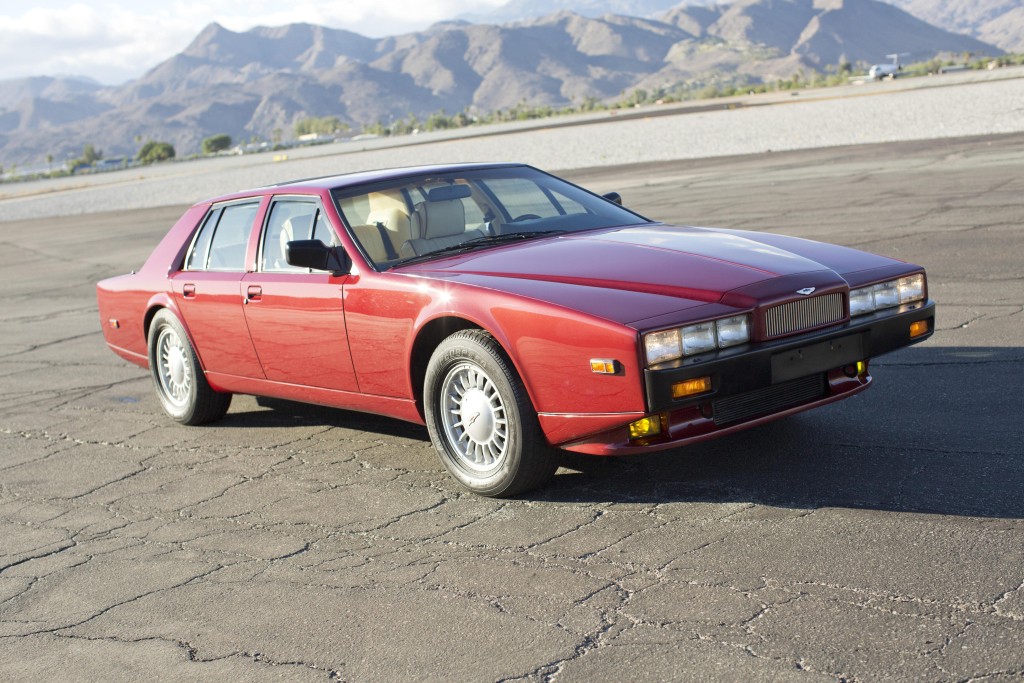
Looking back, the Lagonda appears less like a product of the 1980s and more like an ambitious prediction of the twenty-first-century luxury automobile.
Digital dashboards, electronic controls, and technology-focused interiors are now standard themes across the industry, making the Lagonda one of the most forward-thinking cars ever placed into production.
Specifications
- Engine: 5.3L V8
- Torque: 302 lb-ft
- Horsepower: 280 hp
- Length/Width: 207.0 in / 71.0 in
9. 1970 Lincoln Continental Mark III
Luxury buyers in the late 1960s and early 1970s expected comfort, but the 1970 Lincoln Continental Mark III delivered a level of sophistication that helped define the premium American automobile. Rather than relying solely on size and styling, Lincoln equipped the Mark III with features that made everyday driving easier and more enjoyable.
Among its standout technologies was the Sure-Track braking system, an early anti-skid concept that sought to improve control during hard braking situations. Decades later, anti-lock braking systems became standard equipment throughout the industry, but Lincoln was already experimenting with ways to enhance vehicle stability and safety.
Convenience also played a major role in the Mark III’s appeal. The car offered automatic headlamp controls that could activate exterior lighting without driver input. Today, automatic headlights are expected on even economy vehicles, yet they were considered highly advanced when this Lincoln entered showrooms.
The interior reinforced the luxury mission. Rich materials, power-operated accessories, and carefully designed seating transformed long trips into relaxed journeys. Instead of creating a flashy technological showcase, Lincoln focused on features owners would actually use every day. That practical approach helped the Mark III stand apart from many rivals.
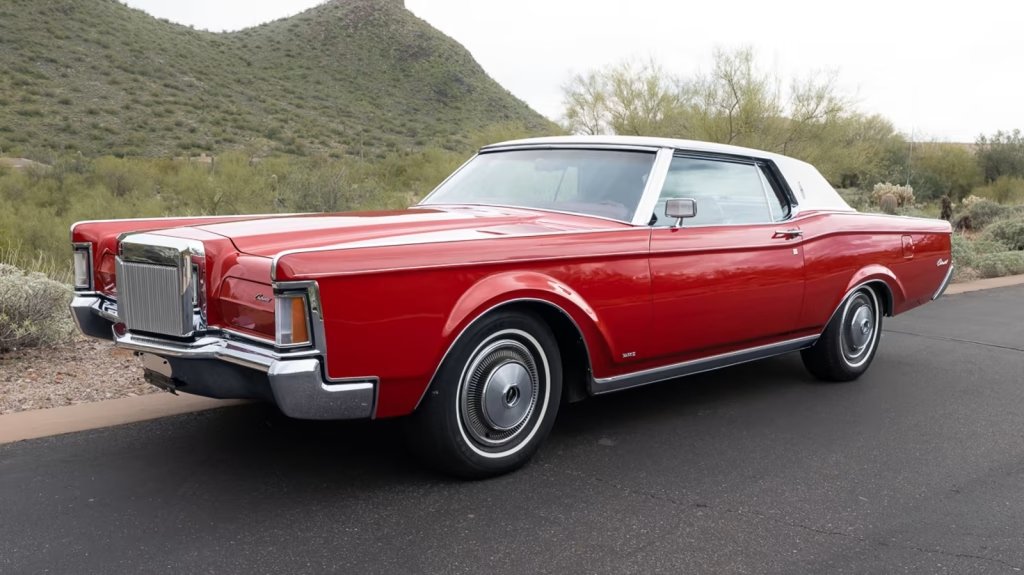
Another reason the car remains significant is that it anticipated the growing connection between luxury and convenience technology. Modern premium vehicles compete by making life easier for drivers through automation and intelligent systems.
The Mark III followed the same philosophy decades before software became a major part of the automotive experience.
Its combination of comfort, safety innovation, and convenience features explains why enthusiasts continue to view the Continental Mark III as one of the most technologically impressive American luxury cars of its generation.
Specifications
- Engine: 7.5L V8
- Torque: 500 lb-ft
- Horsepower: 365 hp
- Length/Width: 216.1 in / 79.8 in
10. 1981 Cadillac Fleetwood Brougham
The final car on this list demonstrates how luxury manufacturers were introducing advanced comfort technologies long before today’s connected vehicles became common. The 1981 Cadillac Fleetwood Brougham represented Cadillac’s continuing effort to make driving as effortless and comfortable as possible.
Rather than emphasizing performance statistics, the Fleetwood Brougham concentrated on the passenger experience. Electronic climate-control systems allowed occupants to maintain a consistent cabin temperature with minimal adjustment.
Modern automatic climate systems operate on the same principle, but Cadillac was refining the idea decades earlier.
The car also featured an impressive collection of power-operated functions. Seats, windows, locks, mirrors, and various convenience features could be adjusted with ease, reducing the physical effort required from drivers and passengers.
While such equipment is widespread today, it remained a premium luxury feature during the early 1980s.
A significant part of the Fleetwood’s appeal came from its isolation from the outside world. Extensive sound insulation and a carefully tuned suspension created a quiet, smooth ride that rivaled many modern luxury sedans.
Cadillac understood that true luxury involved reducing stress and fatigue during travel, a lesson that manufacturers continue to follow.
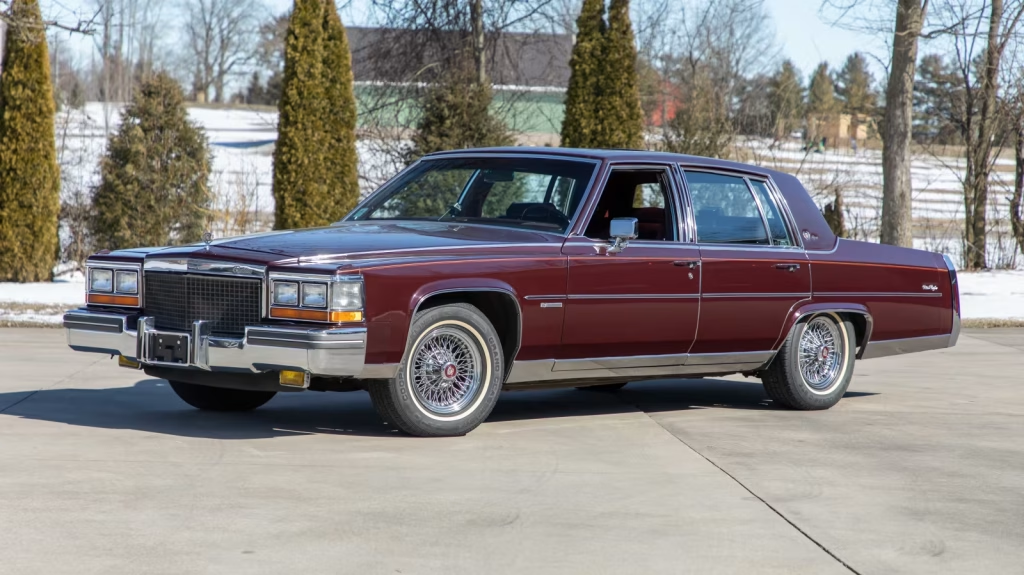
The dashboard incorporated electronic monitoring systems that provided information about vehicle operation and maintenance needs. These features represented an early step toward the onboard information displays that modern drivers now take for granted.
More than four decades after its introduction, the Fleetwood Brougham remains a compelling example of how vintage luxury cars often offered comfort-oriented innovations that still influence vehicle design today.
Specifications
- Engine: 6.0L V8
- Torque: 320 lb-ft
- Horsepower: 145 hp
- Length/Width: 221.0 in / 76.4 in
Also Read: 10 Engines Ranked By How Cheap They Are To Rebuild
