
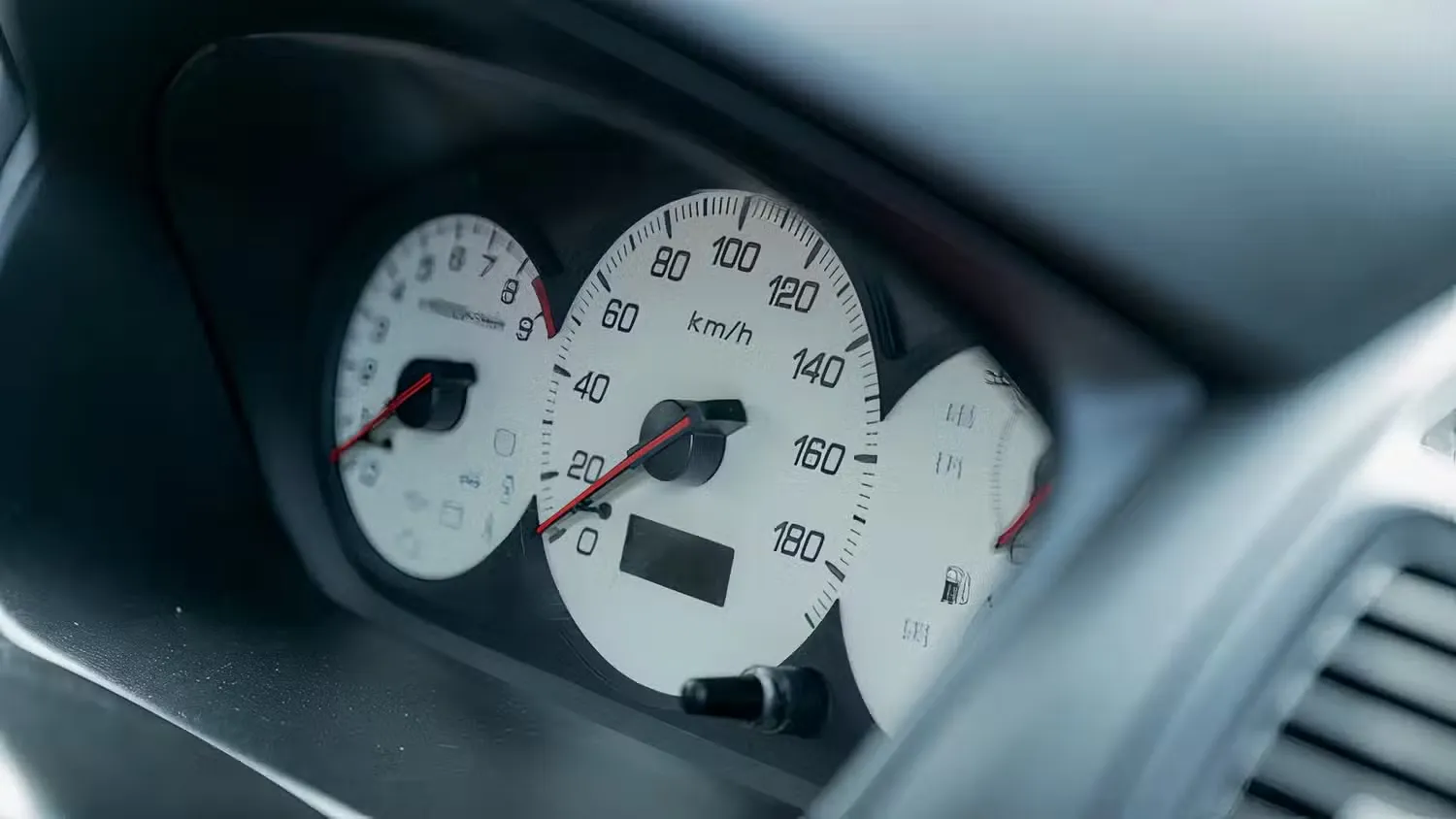
Digital screens promise ease, yet many drivers still prefer the certainty that comes from physical controls. A weighted knob turning under the fingers, a metal switch clicking into place, or an analog needle moving smoothly across a dial offers assurance that flat displays rarely provide.
Long before icons and menus filled dashboards, older vehicles understood how drivers interact with machines. Controls sat where hands instinctively reached. Gauges delivered information instantly. Nothing depended on tapping glass or searching through layers of menus.
Traditional interiors were built around confidence and clarity. Each dial served one clear role. Each switch responded with resistance and feedback that confirmed action. Muscle memory guided operation instead of software prompts. Drivers stayed focused, calm, and aware without visual clutter. That sense of control remains difficult for many modern cars to match, regardless of processing power or screen size.
This page highlights ten classic automobiles that mastered driver-focused interiors through precise gauges and thoughtfully placed controls that still feel rewarding today. Every vehicle shows how mechanical design can surpass digital systems when clarity, engagement, and driving satisfaction matter most.
These machines come from different countries, decades, and design schools, yet they share a common idea. Driving should feel direct, intuitive, and personal. Each car listed shows how analog thinking produced interiors that drivers continue to admire many years later.
Their layouts prove that good design does not rely on technology alone. It relies on understanding how people think, move, and respond behind the wheel during real driving conditions every single day.
1. 1961 Jaguar E-Type Series 1
Estimated Price: $70,000-$180,000
- Engine: 3.8-liter inline-6
- Horsepower: 265 hp
- Torque: 260 lb-ft
- Dimensions: 175.3 in length, 65.3 in width
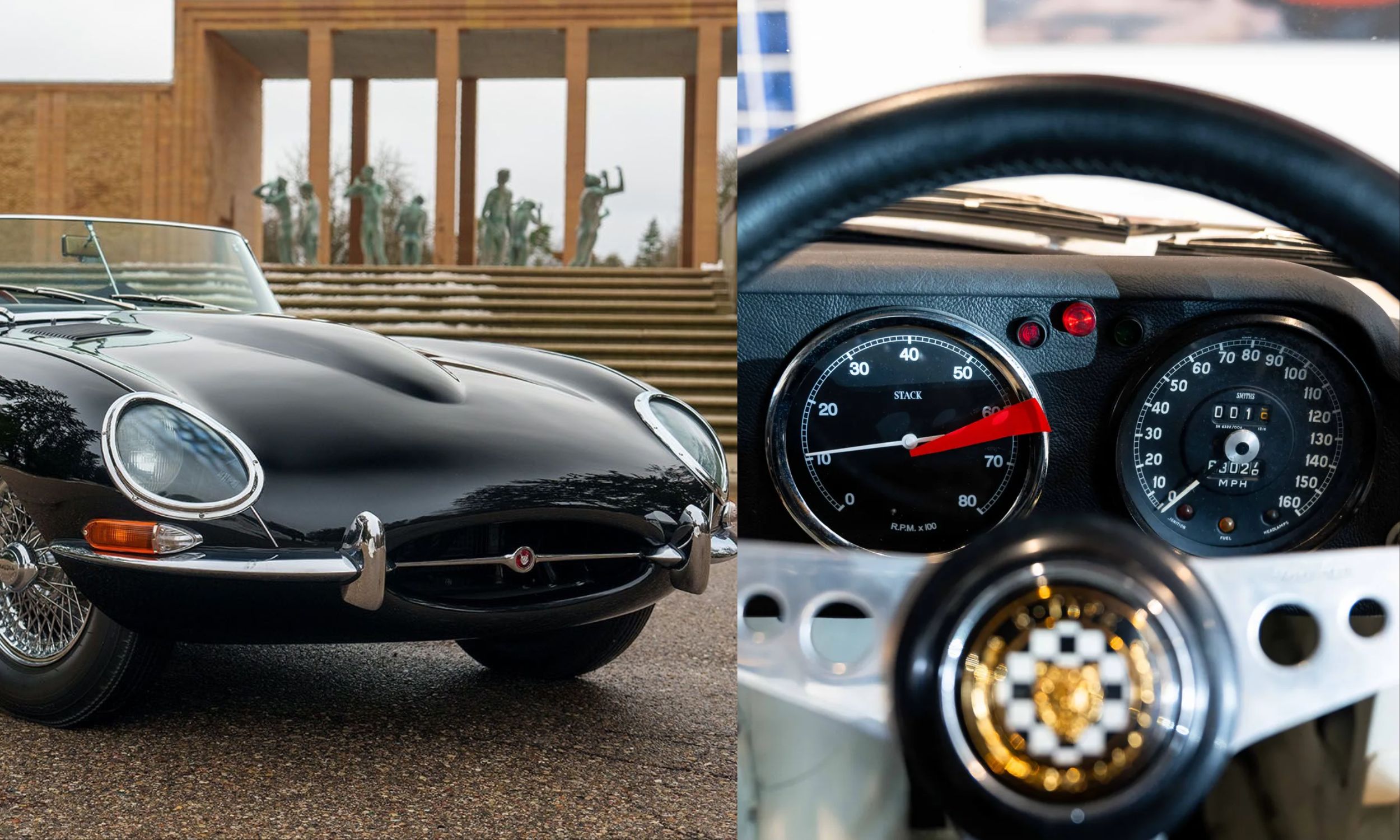
Beauty alone never defined the Jaguar E-Type Series 1. Sitting inside this car reveals just how carefully its creators treated the driver. Instead of decorative clutter, the dashboard delivers purpose through repetition and strength. A straight row of black metal toggle switches stretches across the center panel, each identical in shape yet devoted to one task only. Lights, wipers, and accessories respond instantly with a firm click that leaves no doubt.
Circular Smiths gauges dominate the instrument cluster, framed cleanly without distraction. Speed, revs, oil pressure, and temperature communicate instantly through crisp white markings on dark faces. Eyes barely leave the road. No menus interrupt awareness. Each glance delivers answers.
Power comes from a 3.8-liter inline six producing 265 horsepower and 260 pound-feet of torque. Acceleration feels urgent, yet refined. The long hood and low seating position reinforce the sensation of speed, while the dashboard remains calm and readable.
Interior materials reinforce confidence. Metal switchgear feels durable. Knobs resist movement just enough to feel deliberate. Driving becomes a physical experience, not a digital one. At 175 inches long and 65.2 inches wide, the proportions keep the cockpit snug and focused.
Time has not softened this layout. Modern drivers still praise how natural everything feels. No learning curve exists. Sit down, turn the key, and drive. That simplicity explains why this interior remains admired long after touchscreens arrived.
2. 1968 Porsche 911
Estimated Price: $55,000-$150,000
- Engine: 2.0-liter flat-6
- Horsepower: 130 hp
- Torque: 129 lb-ft
- Dimensions: 163.9 in length, 63.4 in width
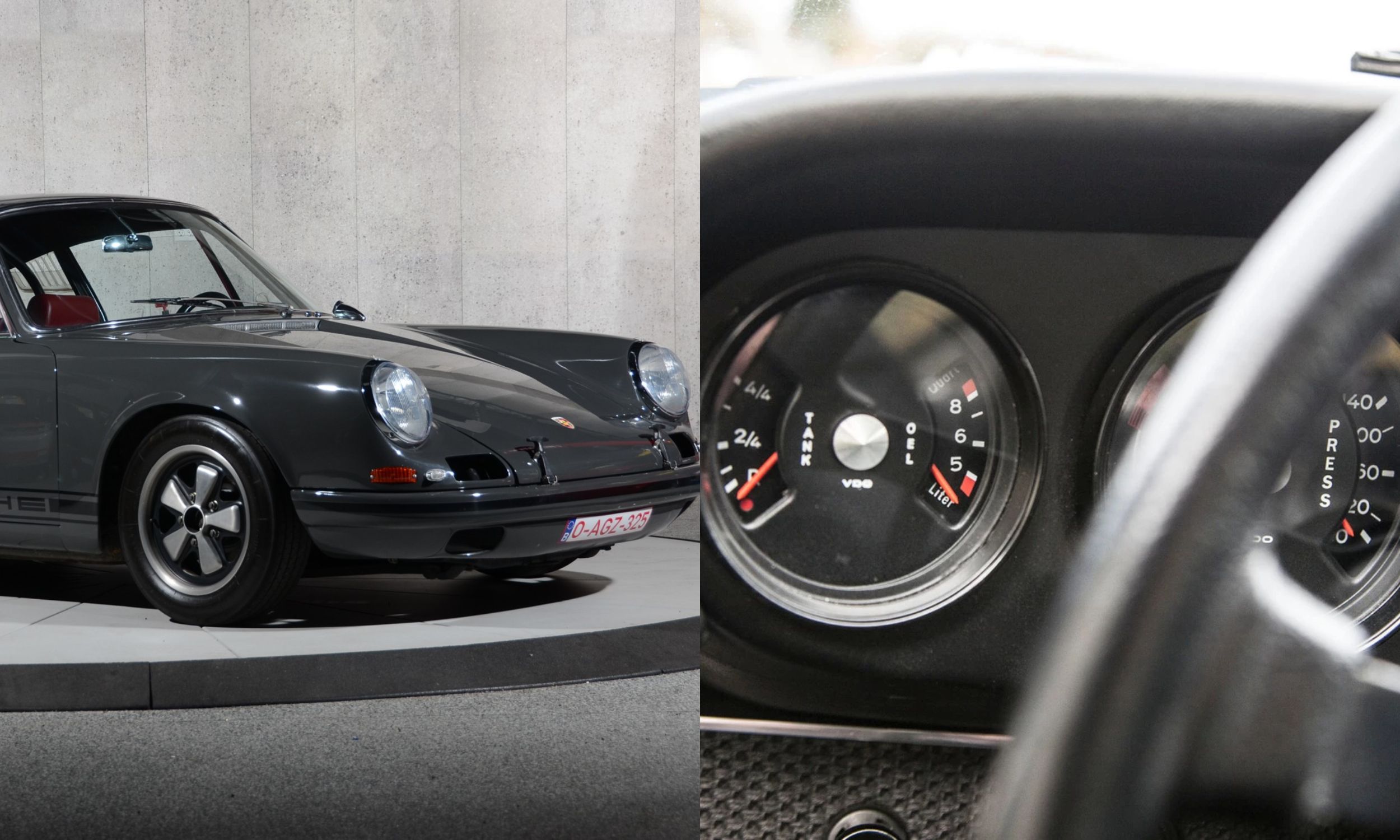
Precision defines the cabin of the 1968 Porsche 911. Immediately behind the steering wheel sits one of the most recognizable gauge layouts ever created. Five circular dials line up evenly, each dedicated to one function. Nothing overlaps. Nothing hides behind layers.
The center position belongs to the tachometer, placed directly in the driver’s line of sight. Rev awareness takes priority, reinforcing the car’s performance-driven identity. Speed, oil temperature, oil pressure, fuel level, and time sit close enough to read instantly. Power arrives from a 2.0-liter flat six generating 130 horsepower and 128 pound-feet of torque.
Numbers alone fail to describe how connected the engine feels. Sound, vibration, and gauge movement work together, keeping the driver informed through senses rather than alerts. Switches and knobs feel mechanical and intentional. Heating controls slide smoothly.
Radio knobs turn with resistance. Steering feedback combines with dashboard clarity to form a complete driving loop. Compact dimensions help maintain focus. At 163.9 inches long and 63.4 inches wide, visibility remains excellent. The cabin feels tight, purposeful, and free of distraction.
Many modern sports cars still copy this formula because it works. Clear instruments reduce stress. Physical controls reduce guesswork. The 1968 911 proves that thoughtful placement outperforms digital overload.
Also Read: 10 Vintage Cars Worth More Than A Ferrari
3. 1963 Studebaker Avanti
Estimated Price: $25,000-$60,000
- Engine: 4.7-liter (289 cu in) V8
- Horsepower: 240 hp
- Torque: 280 lb-ft
- Dimensions: 192.4 in length, 70.4 in width
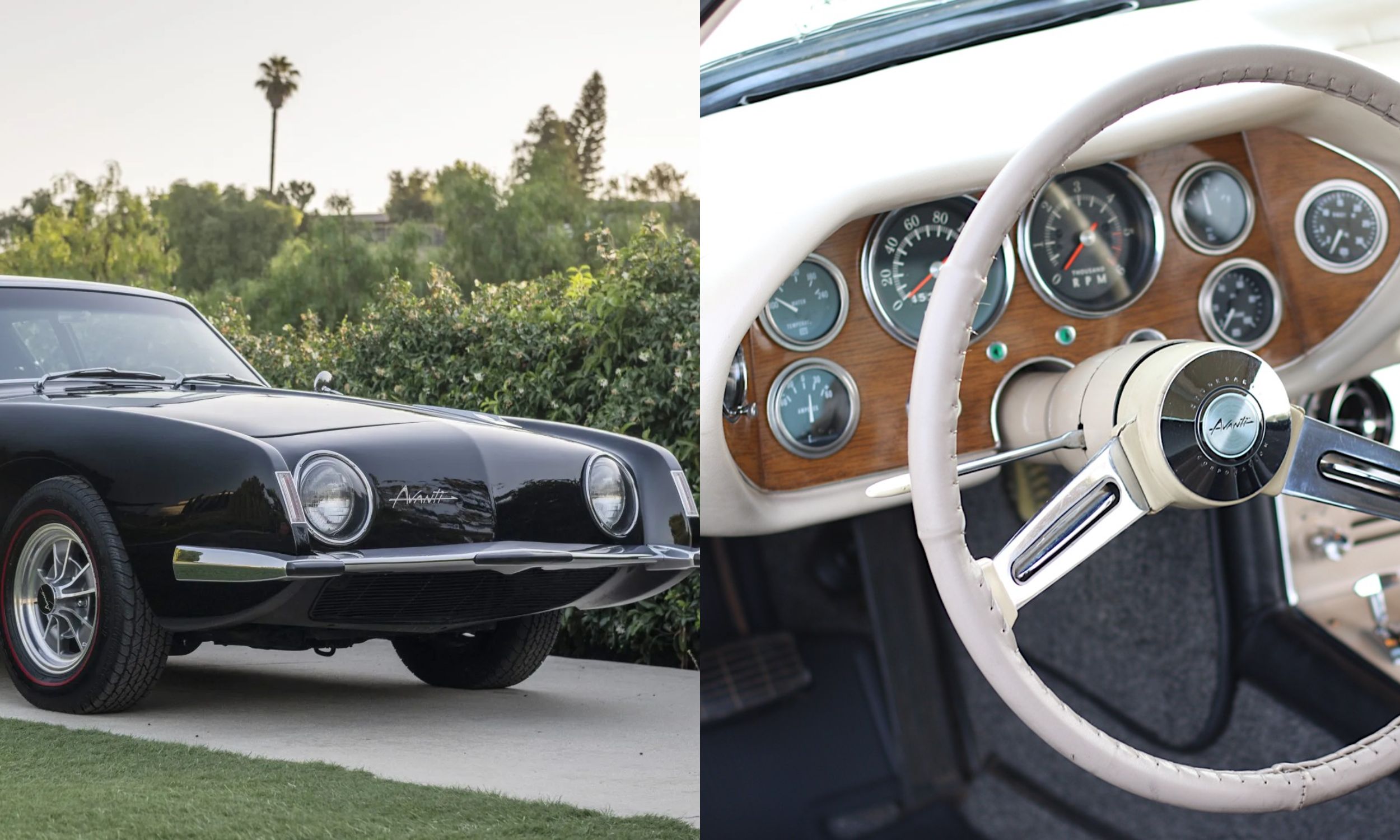
1963 Studebaker Avanti interior design reflects a strong focus on driver-oriented engineering for its period. Entering the cabin gives a feeling closer to an aircraft rather than an ordinary automobile. Climate levers and primary switches sit overhead, mounted into the headliner like cockpit-style controls.
Occupants reach upward with ease, supported by natural hand movement patterns. Red illuminated instruments provide a soft glow at night, reducing strain while maintaining clear visibility. Speedometer, tachometer, and auxiliary gauges remain readable without excessive brightness.
Dashboard materials present a solid and purposeful arrangement throughout the cabin space. Switch placement reduces clutter in front of the driver, leaving the main panel open and clean. Each control has adequate spacing to support direct use without confusion. Vehicle length measures 192.4 inches, while width measures 70.4 inches, giving balanced cabin proportions.
Visibility remains strong due to thoughtful interior geometry and window arrangement. Seating position supports long-distance comfort while preserving steady control access. Lighting design improves instrument clarity during night driving conditions. Instrument layout keeps driving data direct and easy to interpret.
Cabin structure supports a stable posture during travel. Control response feels firm, providing confidence during use. Material selection supports durability and steady service performance. Interior philosophy reflects strong attention to usability and driver comfort.
Design approach maintains a clear separation between driving instruments and the passenger area, supporting focused operation during movement. Cabin materials also resist wear, ensuring long service life under regular use conditions. Instrument panel arrangement supports direct readability without distraction during extended driving sessions in varied lighting environments and steady focus.
4. 1969 Pontiac Grand Prix
Estimated Price: $20,000-$45,000
- Engine: 6.6-liter (400 cu in) V8
- Horsepower: 350 hp
- Torque: 445 lb-ft
- Dimensions: 210.2 in length, 75.7 in width
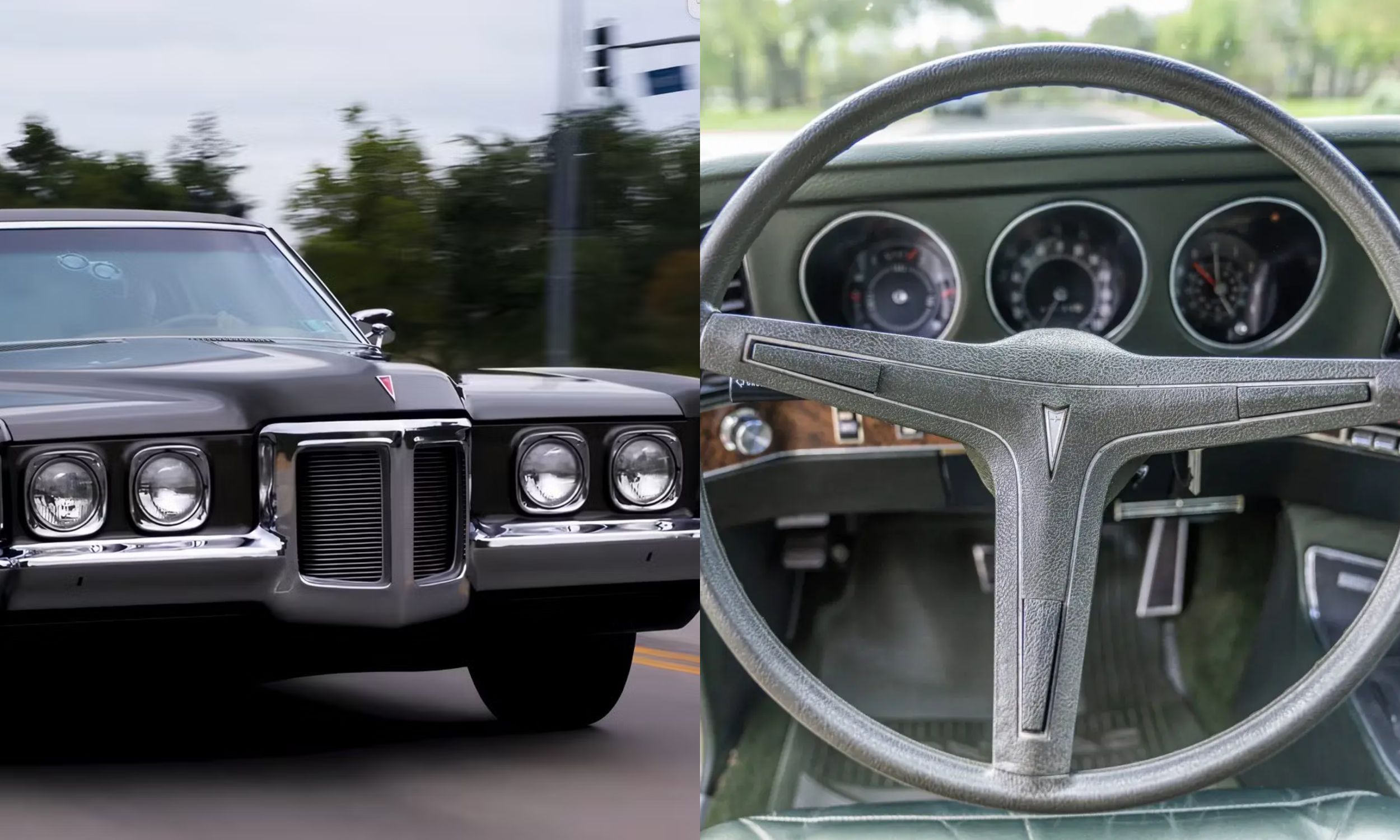
1969 Pontiac Grand Prix interior design places a strong focus on a driver-oriented layout with controls angled toward the seating position. Dashboard elements such as radio knobs, climate controls, and gauges lean inward, reducing reach distance. Cabin arrangement keeps instruments within easy access, improving hand movement efficiency during operation.
Eyes remain forward while driving due to instrument positioning. Power is delivered by a 6.6-liter V8 producing 350 horsepower and 445 pound-feet of torque. Acceleration feels steady and smooth, supported by a calm interior setting. Speed increases quietly with clear instrument feedback.
Gauge design uses bold markings and deep housings, reducing glare under light. Each dial presents information directly without delay. Controls offer a firm tactile response, giving the driver confidence during adjustments. Cabin size measures 210.2 inches in length and 75.7 inches in width, providing a spacious interior feel. Seats support long-duration driving with stable posture comfort.
Dashboard curvature directs attention toward the central instrument area. Control grouping reduces unnecessary hand movement during operation. Instrument visibility remains clear during day and night driving conditions. Seating position supports upright body alignment during long travel periods. Interior layout supports easy recognition of controls and indicators.
Material selection supports durability and a steady performance feel. Lighting arrangement improves gauge readability at night. Engineering design prioritises ease of operation and consistent response. Driver seating orientation supports continuous attention to road conditions.
Cabin structure maintains an open feeling while retaining control and access efficiency. Vehicle proportions balance comfort and driving control requirements. System design ensures reliable operation under daily usage conditions, consistently stable
5. 1973 BMW 2002 Turbo
Estimated Price: $85,000-$150,000
- Engine: 2.0-liter turbocharged inline-4
- Horsepower: 170 hp
- Torque: 177 lb-ft
- Dimensions: 166.1 in length, 64.0 in width
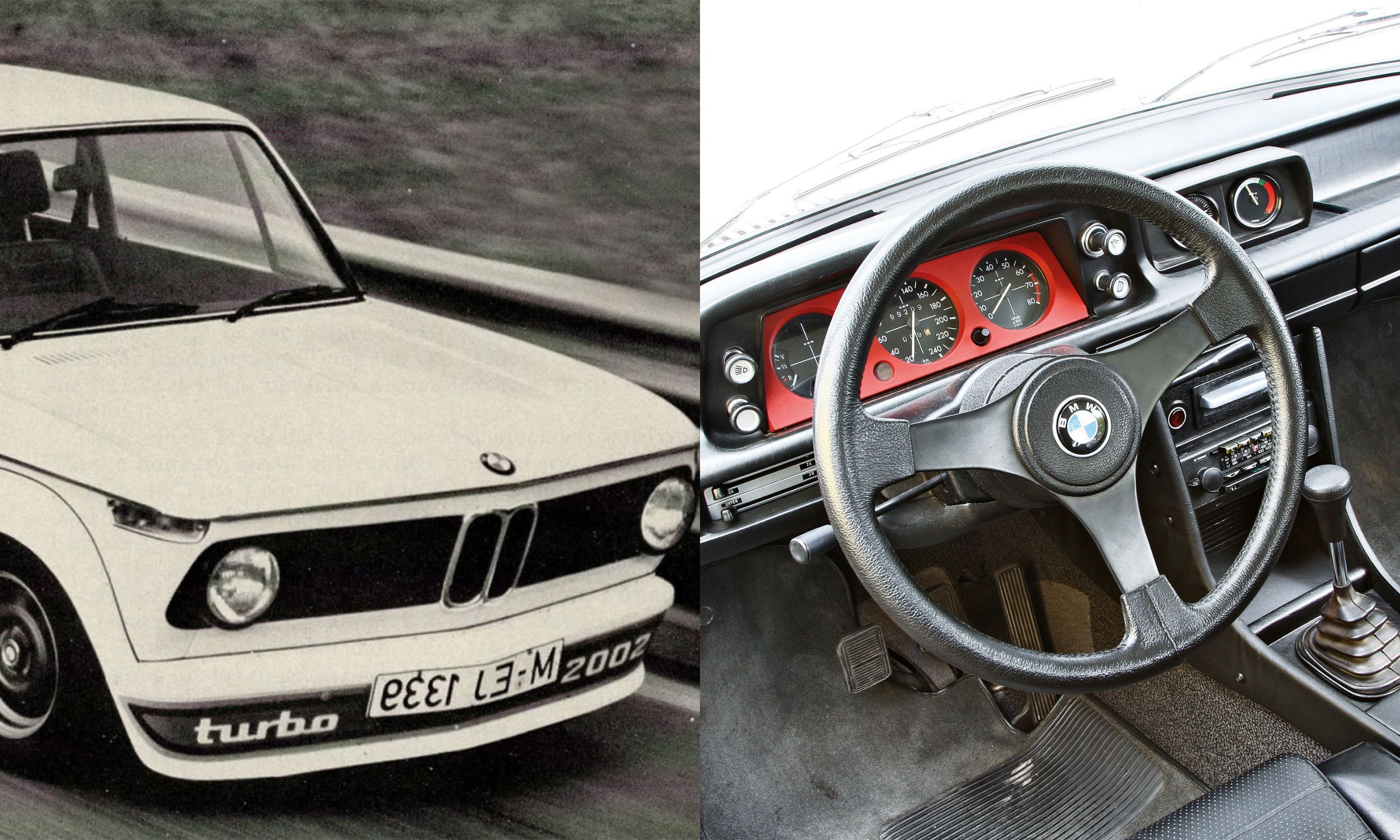
Driver focus takes center stage inside the BMW 2002 Turbo cabin. Instruments use white markings on black faces set within a bright orange housing that reduces glare and supports quick reading in different light. Every dial remains easy to read at a glance. Physical sliders control climate settings with smooth movement.
Each change responds right away, with no delay in feedback. The design keeps attention on direct operation instead of digital effects. A turbocharged 2.0-liter four-cylinder produces 170 horsepower and 177 pound-feet of torque. Power delivery feels steady and matches clear gauge readings that help track engine behavior during driving.
The cabin uses durable materials with a simple focus on driving. No extra decoration draws attention away from controls. The compact body measures 166.1 inches long and 64.0 inches wide, supporting visibility through slim pillars and upright glass. Physical gauges deliver instant readings and strengthen driver connection through direct input.
This layout prioritizes clear information and direct control throughout the driving experience. Every switch and dial sits within natural reach, reducing unnecessary hand movement. The interior avoids visual clutter, allowing the driver to stay focused on physical interaction with the vehicle.
Mechanical feedback replaces digital delay, giving an immediate response from each input. The result is a cabin that feels direct, precise, and highly functional without excess detail or distraction. Every control placement supports steady use, ensuring the driver receives a clear response during every action while maintaining consistent focus on road conditions and driving stability at all times.
6. 1970 Chevrolet Corvette C3
Estimated Price: $25,000-$65,000
- Engine: 5.7-liter (350 cu in) V8
- Horsepower: 300 hp
- Torque: 380 lb-ft
- Dimensions: 182.5 in length, 69.0 in width
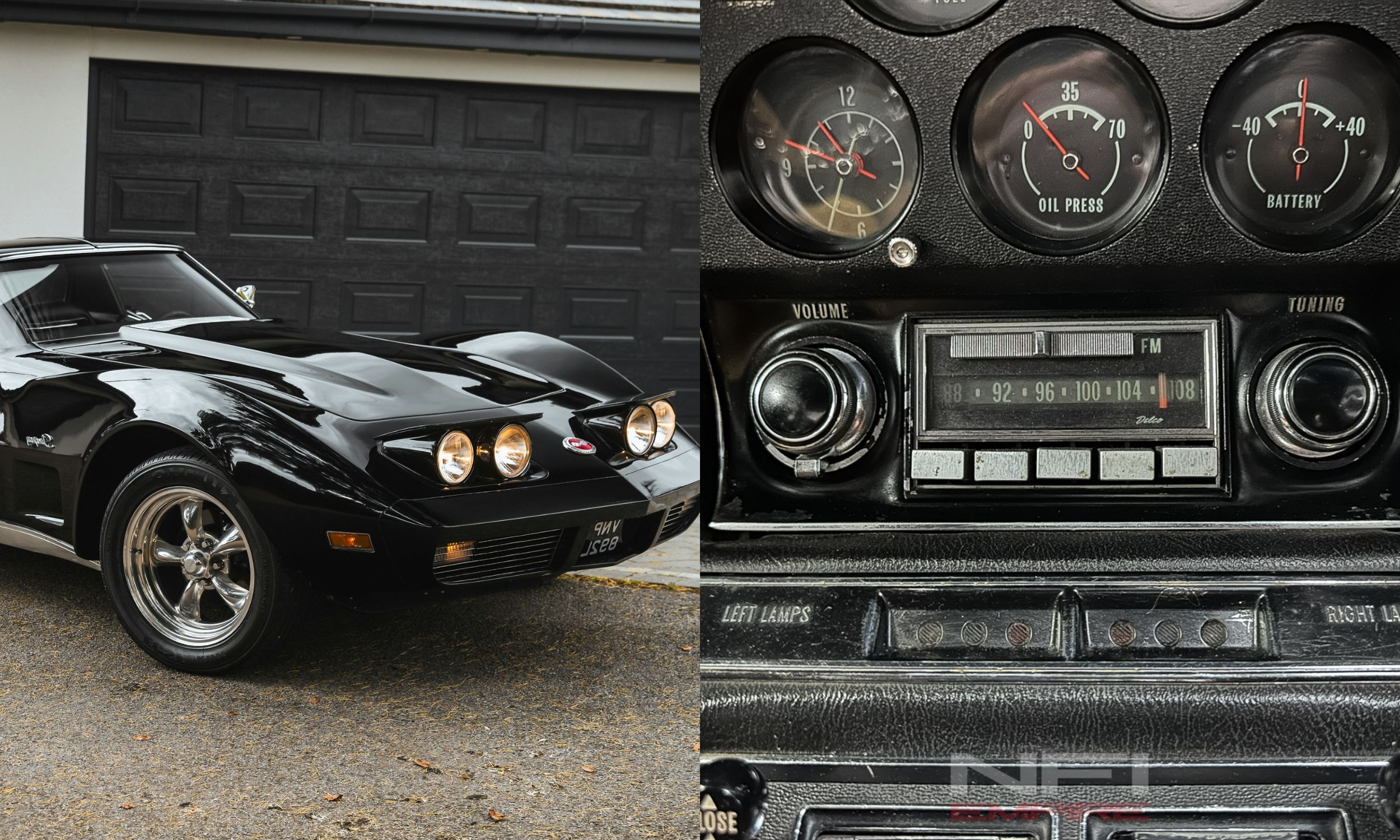
Inside the Chevrolet Corvette C3, the dashboard feels like it was shaped with motion in mind rather than decoration. The entire layout sweeps downward in a continuous arc, placing instruments directly in the driver’s line of sight. Nothing feels distant or awkward. Every dial sits within a natural viewing angle that supports quick understanding while driving at speed.
A deep-set tachometer and speedometer anchor the cluster like twin command instruments. Their placement reduces eye movement, allowing the driver to stay focused on the road ahead. Between and around them, smaller mechanical gauges provide constant feedback on oil pressure, fuel levels, and engine temperature. Each reading has a physical presence that digital screens rarely match.
Power comes from a 5.7-liter V8 producing 300 horsepower and 380 pound-feet of torque. Acceleration feels strong and steady, supported by clear instrumentation that keeps the driver aware of engine behavior at all times. Interior controls sit in stacked mechanical rows, each switch offering a firm response when pressed or turned. There is no ambiguity in operation. Every action produces immediate feedback.
At 182.5 inches long and 69 inches wide, the Corvette C3 maintains a driver-focused cabin that feels tight and performance-oriented. Even with its muscle car character, the interior avoids clutter, keeping attention centered on driving. This setup reflects an era where driving demanded engagement rather than passive interaction. The layout still feels purposeful today, especially when compared to screen-heavy dashboards.
7. 1993 McLaren F1
Estimated Price: $20,000,000-$26,000,000+
- Engine: 6.1-liter V12
- Horsepower: 618 hp
- Torque: 479 lb-ft
- Dimensions: 168.8 in length, 71.6 in width
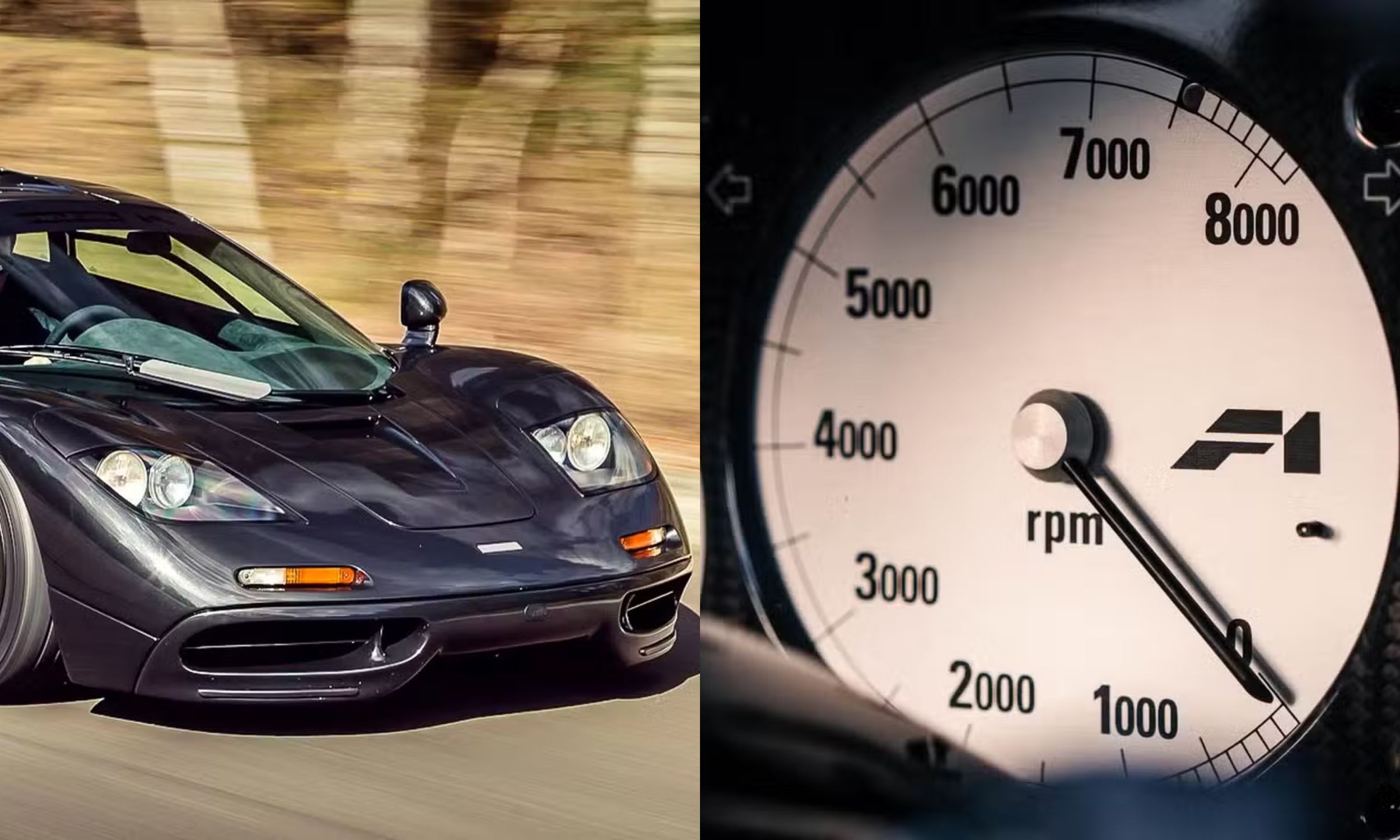
Inside the McLaren F1, the cabin is engineered with precision rarely seen in road cars. The driver sits in a central position, aligned with the center of the vehicle for balanced placement. This arrangement creates symmetry with controls placed evenly on both sides for easy reach. The layout removes distractions and keeps attention on the driving experience.
A mechanical rev counter sits within the instrument panel, remaining readable in varied conditions. Nearby controls are made from machined aluminum, each producing a firm click when adjusted. Surfaces avoid decoration, focusing on solid function and direct response. A 6.1-liter V12 power unit delivers 618 horsepower and 479 pound-feet of torque, giving strong forward motion while the interior stays calm and controlled.
Measuring 168.8 inches in length and 71.6 inches in width, the compact body supports driver focus without feeling tight. Wide visibility comes from the central seating arrangement, helping to achieve accurate awareness of road position. Physical instruments deliver information without electronic distraction, giving instant feedback through direct readings. This design approach links driver and machine through clear, physical control elements that respond immediately.
Every element inside the cabin follows a purpose-driven layout, ensuring each switch, vent, and gauge sits where hand movement feels natural. There is no unnecessary motion required from the driver, allowing steady interaction with all systems. This approach supports a direct bond between person and machine, where feedback is immediate and clear through physical controls alone. Everything remains focused on tactile precision and clear driver response at all times.
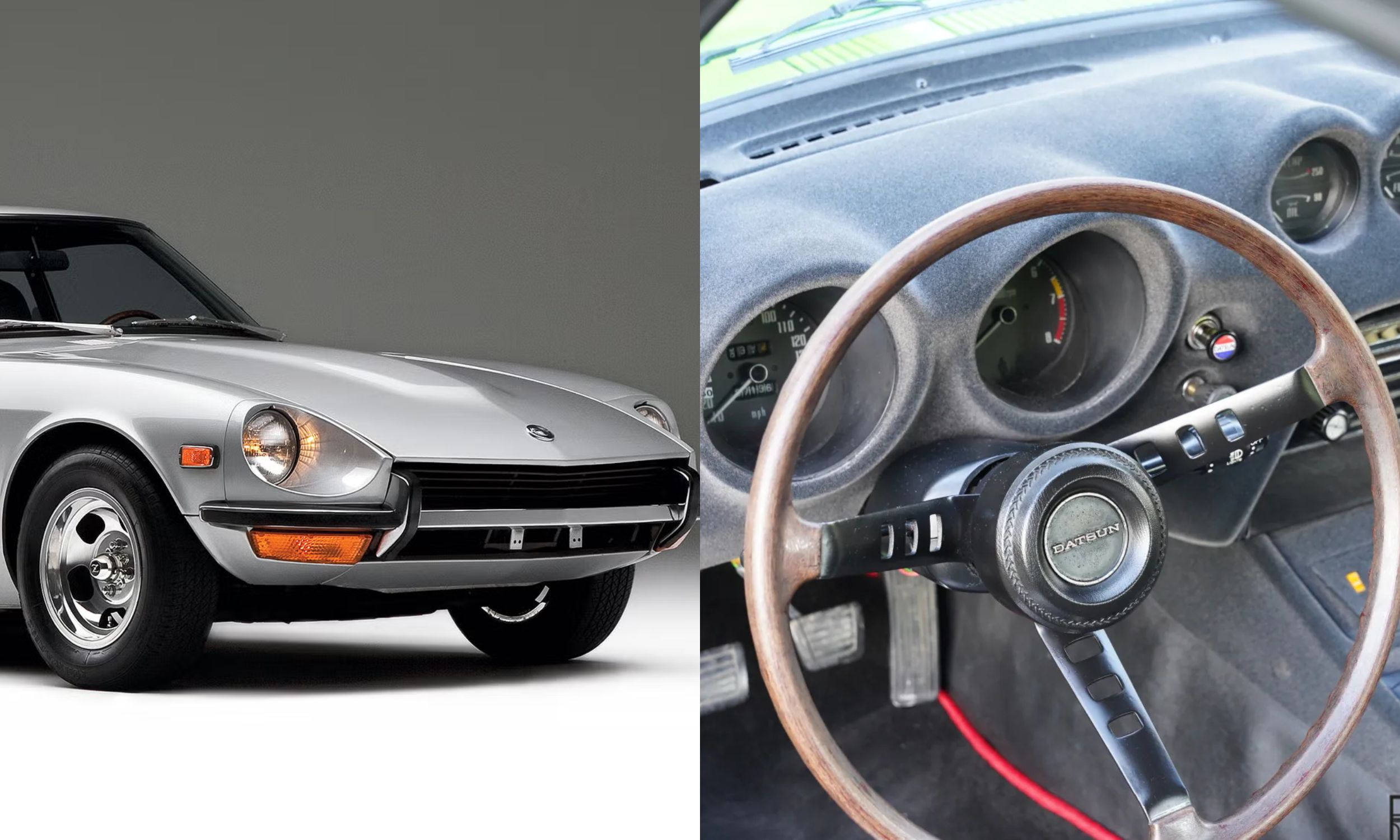
8. 1970 Datsun 240Z
Estimated Price: $25,000-$55,000
- Engine: 2.4-liter inline-6
- Horsepower: 151 hp
- Torque: 146 lb-ft
- Dimensions: 162.8 in length, 64.1 in width
Inside the Nissan Datsun 240Z, the focus stays on keeping things clean and easy to read. The dashboard avoids unnecessary clutter by placing important instruments in deep-set pods that cut down glare and help the driver see clearly in bright conditions. Up high on the dash, three extra gauges sit within direct sight of the driver.
This setup allows quick checks without taking attention away from the road. The main cluster remains simple, spaced out in a way that feels calm and easy to follow. Under the hood, a 2.4-liter inline six produces 151 horsepower and 146 pound-feet of torque. Power delivery feels steady and works well with the light body, giving the car a lively and responsive character during everyday driving.
Controls inside the cabin stay straightforward. Rotary knobs handle climate settings, turning smoothly with immediate response. There are no complicated systems or layered menus to deal with, which keeps interaction simple and direct. With a length of 162.8 inches and a width of 64.1 inches, the 240Z feels compact and easy to control. It responds quickly to driver input and feels confident in tight spaces or open roads.
Materials inside focus on strength and practicality. Surfaces are basic but durable, built to handle regular use without distraction. The design choice keeps attention on driving rather than decoration. This approach continues to influence sports car design today, proving that clear instruments and simple controls can still deliver a strong driving experience without unnecessary extras.
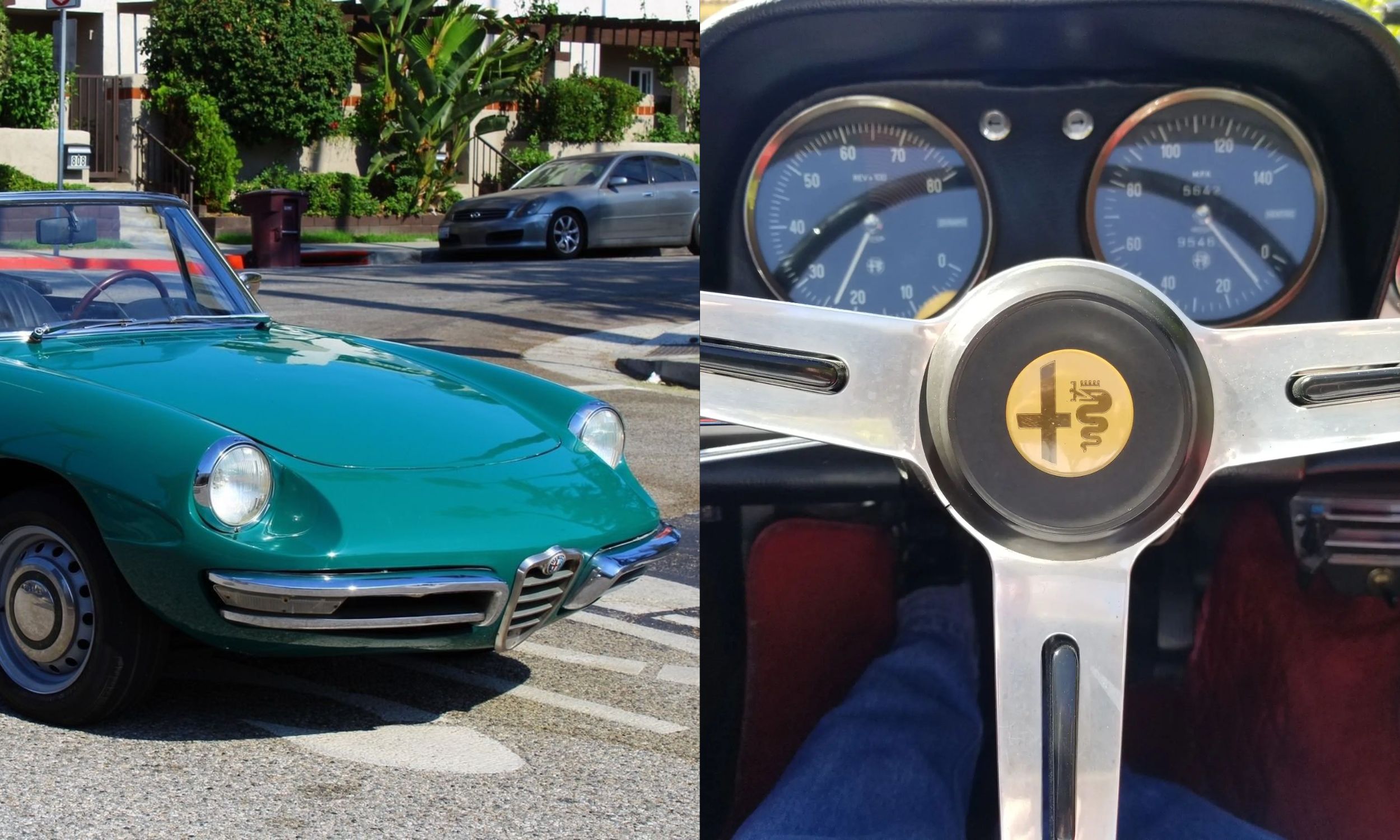
9. 1967 Alfa Romeo Duetto Spider
Estimated Price: $30,000-$80,000
- Engine: 1.6-liter inline-4
- Horsepower: 109 hp
- Torque: 103 lb-ft
- Dimensions: 167.3 in length, 64.2 in width
Crafted with a strong sense of style, the interior of the Alfa Romeo Duetto Spider reflects Italian design at its purest. Painted metal replaces bulky plastics, giving the cabin a clean look that feels intentional and honest rather than overly decorated. Front and center, two large Jaeger gauge pods sit deeply recessed in the dashboard. Their layout improves readability by reducing glare and keeping the driver’s focus steady.
Each needle moves with smooth accuracy, translating engine behavior into clear visual feedback that is easy to understand at a glance. Under the hood, a 1.6-liter inline four delivers 109 horsepower and 103 pound-feet of torque. Power output may seem modest, but the light body gives the car quick reactions and an energetic driving feel that suits its character.
Inside controls remain simple and direct. Pull knobs manage airflow and basic cabin settings, offering a firm tactile response with every adjustment. There is no guessing involved, as each movement produces an immediate and clear change. Measuring 167.3 inches in length and 64.2 inches in width, the Duetto Spider feels small, light, and easy to place on the road.
The open roof design increases awareness by blending wind, sound, and movement into the driving experience. Every detail inside the cabin serves a clear function. Nothing feels unnecessary or forced. The result is a driving space that feels natural, engaging, and easy to understand from the very first drive.
Also Read: 10 Vintage Cars Whose Values Doubled In Last 10 Years
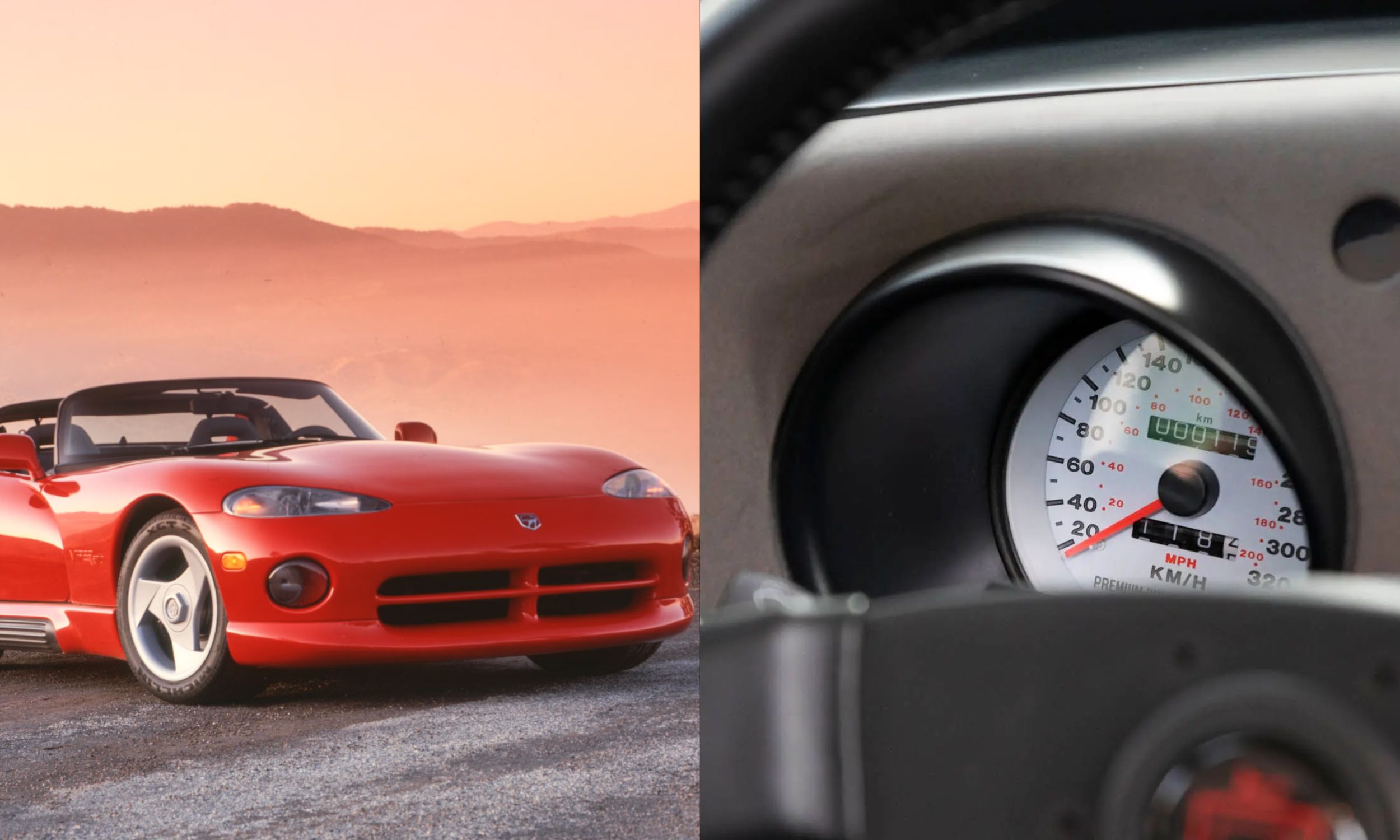
10. 1992 Dodge Viper RT/10
Estimated Price: $40,000-$75,000
- Engine: 8.0-liter V10
- Horsepower: 400 hp
- Torque: 465 lb-ft
- Dimensions: 175.1 in length, 75.6 in width
Inside the Dodge Viper RT/10, everything feels built with one idea in mind: driving first, comfort second. There is no effort to soften the experience or hide what the car is meant to do. It stays direct and honest from the moment you sit down. A clean row of white gauges sits across the dashboard, giving quick updates on speed, engine revs, and temperature.
The layout keeps things simple so the driver can take in information without searching or thinking twice. Nothing feels crowded or complicated. A tall gear shifter rises right from the center tunnel and sits close to hand. It moves with a solid, mechanical feel that makes each movement feel deliberate. The climate knobs are just as basic, turning with ease and still usable even with gloves on.
Under the hood sits an 8.0-liter V10 that delivers 400 horsepower and 465 pound-feet of torque. The power comes in strong and fast, matching the car’s stripped-down personality. With a wide stance measuring 175.1 inches long and 75.6 inches wide, the car feels planted at speed. Inside, there is no distraction pulling attention away from the road ahead.
Everything inside leans toward strength and durability. Controls feel physical and real, giving clear feedback with every use. It is a cabin made for drivers who want a raw, connected feel every time they get behind the wheel.
