

For decades, consumers have viewed new cars as symbols of technological progress, reliability, and convenience. Modern vehicles are quieter, safer, more fuel-efficient, and more capable than ever before. Features that were once considered luxury options are now standard equipment in many mainstream models.
Advanced driver assistance systems, large touchscreen displays, wireless connectivity, smartphone integration, digital instrument clusters, and sophisticated powertrain technologies have transformed the driving experience. On the surface, it appears that the automotive industry has entered a golden age of innovation.
However, a growing number of reports, consumer surveys, and owner complaints suggest that new vehicle quality is moving in the opposite direction. While modern cars continue to offer impressive capabilities, many buyers are encountering more defects, software glitches, electronic malfunctions, and usability issues than they expected when purchasing a brand-new vehicle.
The decline in perceived quality does not necessarily mean today’s vehicles are mechanically inferior to those produced in previous decades. In fact, engines, transmissions, corrosion protection, and manufacturing precision have improved significantly over time.
The issue is that modern vehicles have become extraordinarily complex machines packed with hundreds of interconnected electronic systems. A single vehicle can contain dozens of control modules, thousands of electronic components, millions of lines of software code, and numerous sensors continuously monitoring vehicle functions.
As automakers race to introduce new technologies and satisfy consumer demand for cutting-edge features, they are also increasing the number of potential failure points within every vehicle. What once was a relatively straightforward machine has evolved into a rolling computer network.
This rising complexity creates significant challenges for manufacturers, suppliers, technicians, and vehicle owners. Every additional feature introduces new hardware, software, and integration requirements. Even when individual components function correctly, problems can emerge when systems interact with one another in unexpected ways.
A malfunctioning sensor may affect multiple vehicle functions. A software update intended to improve one feature can inadvertently create problems elsewhere. As a result, many quality issues in modern vehicles are no longer related to traditional mechanical failures but instead stem from electronic and software-related defects.
Understanding why new car quality appears to be declining requires examining the growing complexity of vehicle design, manufacturing, software development, supply chains, and consumer expectations. While innovation continues to deliver undeniable benefits, it also introduces challenges that automakers are struggling to manage.
The relationship between complexity and quality has become one of the defining issues facing the automotive industry today.
Also read: 5 Cars Worth Buying for City Living vs 5 Built Wrong for It

The Evolution of Vehicle Complexity
The automobile has undergone a remarkable transformation over the past several decades. Vehicles produced in the twentieth century were primarily mechanical machines. While they contained electrical systems, those systems were relatively simple and limited in scope.
Drivers interacted with physical buttons, switches, gauges, and mechanical controls that performed specific functions independently of one another. Diagnosing and repairing problems often involved straightforward mechanical inspections rather than extensive computer analysis.
Modern vehicles operate in an entirely different environment. Today’s cars rely on sophisticated networks of electronic control units that manage everything from engine performance and transmission behavior to climate control, lighting systems, entertainment functions, and safety technologies.
These systems communicate constantly through digital networks, sharing information and coordinating vehicle operations in real time. This interconnected architecture allows manufacturers to deliver advanced functionality, but also increases the potential for system-wide disruptions when problems occur.
Software has become one of the most important components of modern vehicles. Some estimates suggest that advanced vehicles contain hundreds of millions of lines of software code. This software controls critical systems, manages driver assistance features, enables connectivity services, and supports user interfaces.
Writing, testing, and validating such large amounts of code is an enormous undertaking. Even minor programming errors can create noticeable quality issues that frustrate owners and generate warranty claims.
Consumer demand has accelerated this trend toward complexity. Buyers increasingly expect vehicles to function like smartphones, offering seamless connectivity, frequent updates, voice recognition, navigation services, and personalized digital experiences.
Automakers compete aggressively to introduce new technologies and differentiate their products. As a result, vehicles continue to accumulate features and capabilities that would have seemed unimaginable just a generation ago.
Regulatory requirements have also contributed to increased complexity. Governments around the world mandate advanced safety systems, emissions controls, fuel efficiency technologies, and diagnostic capabilities.
While these regulations deliver important societal benefits, they also require manufacturers to integrate additional components, sensors, and software into vehicle designs. Every new requirement adds another layer of engineering complexity that must be managed effectively.
Why More Features Often Mean More Problems
The relationship between complexity and reliability is well understood in engineering. As the number of components within a system increases, the probability of something going wrong also increases. Modern vehicles provide a clear example of this principle in action. Every new feature introduces additional hardware, software, wiring, sensors, and interfaces that can potentially fail or malfunction.
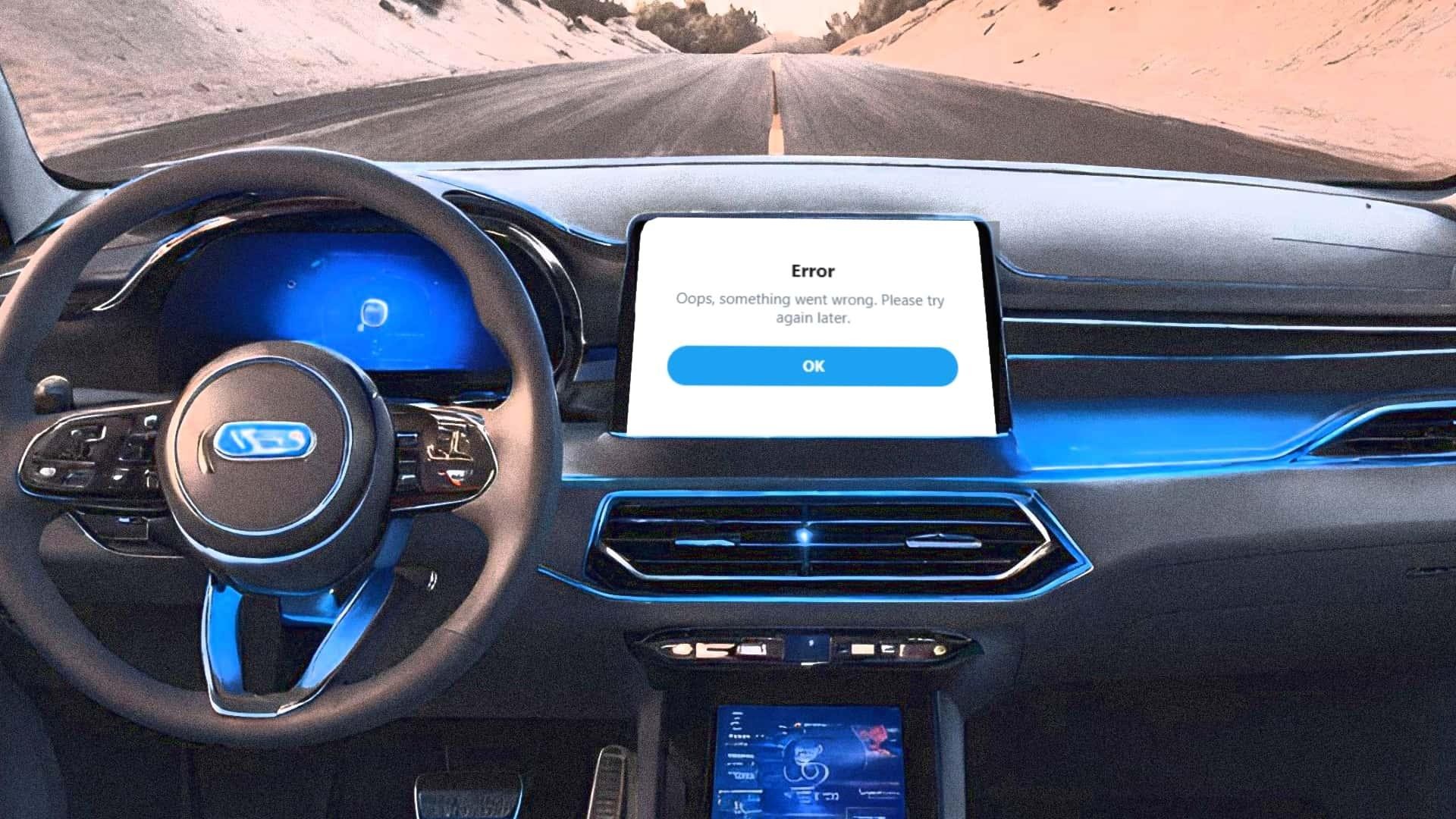
Touchscreen infotainment systems are among the most common sources of customer complaints in modern vehicles. Drivers frequently report frozen screens, delayed responses, connectivity issues, software crashes, and navigation errors.
While these problems may not prevent a vehicle from operating, they significantly impact the ownership experience. Because infotainment systems serve as central control hubs for numerous vehicle functions, even minor software issues can become major frustrations for drivers.
Advanced driver assistance systems introduce another layer of complexity. Features such as adaptive cruise control, lane keeping assistance, automatic emergency braking, and parking assistance rely on multiple cameras, radar units, sensors, and software algorithms working together seamlessly.
If any component provides inaccurate data or experiences a temporary malfunction, system performance can be affected. Owners may encounter warning messages, unexpected behavior, or temporary feature deactivation.
Electronic integration creates additional challenges. In older vehicles, a problem with one component often affected only that specific function. In modern vehicles, systems are highly interconnected.
A fault in one module can trigger warning lights, disable related features, or create cascading effects throughout the vehicle. This interconnectedness makes troubleshooting more difficult and increases the likelihood that a seemingly minor issue will have broader consequences.
Manufacturers also face pressure to release new technologies quickly. Competitive market conditions encourage rapid innovation cycles, which can reduce the amount of time available for extensive testing and validation.
While automakers invest heavily in quality assurance, increasing technological complexity makes it difficult to identify every possible issue before vehicles reach customers. Some problems only emerge after thousands of owners begin using vehicles under diverse real-world conditions.
The pursuit of innovation often creates a delicate balance between introducing exciting new capabilities and maintaining dependable operation. When complexity grows faster than manufacturers can effectively manage it, quality problems become more likely to occur.
Software Has Become the New Reliability Challenge
Historically, vehicle reliability was largely determined by mechanical durability. Consumers worried about engine failures, transmission breakdowns, suspension wear, and rust. While these concerns still matter, software has emerged as one of the most significant sources of quality issues in modern vehicles.
Unlike mechanical components, software systems involve enormous numbers of interactions and dependencies. A single software update may affect multiple vehicle functions simultaneously.
Even small coding errors can produce unexpected outcomes that are difficult to detect during development. As vehicles become increasingly dependent on software, manufacturers face challenges similar to those encountered by technology companies.
Many modern quality complaints involve software-related problems rather than traditional mechanical defects.
Owners report issues such as malfunctioning smartphone connectivity, inaccurate digital displays, unreliable voice recognition systems, failed updates, and intermittent electronic glitches. These problems may not strand drivers on the side of the road, but they can significantly reduce customer satisfaction.
The rise of over-the-air updates has introduced both opportunities and risks. On one hand, manufacturers can deploy fixes and improvements without requiring dealership visits. This capability allows automakers to address problems more quickly and continuously improve vehicle functionality.
On the other hand, software updates themselves can sometimes introduce new issues or create unintended consequences that affect vehicle performance.
Cybersecurity considerations further complicate software development. Connected vehicles must protect sensitive data and resist potential cyber threats. Manufacturers must balance functionality, convenience, security, and reliability while ensuring compliance with evolving regulations and industry standards. Each additional requirement increases development complexity and testing demands.
As software continues to play a larger role in vehicle operation, automakers must adopt development practices that prioritize stability, quality assurance, and long-term maintainability. Success in the automotive industry increasingly depends not only on engineering excellence but also on software excellence.
Also read: 10 Cars Cheapest to Own in High-Gas States Like California
Supply Chain Complexity Is Making Quality Control Harder
Modern vehicle production relies on vast global supply chains involving hundreds of suppliers and thousands of individual components. Few automakers manufacture every part themselves. Instead, vehicles are assembled using components sourced from specialized companies around the world. This approach enables efficiency and innovation but also introduces significant quality management challenges.
Each supplier contributes components that must meet strict performance, safety, and reliability requirements. Ensuring consistent quality across such a large network is a complex undertaking. Even when individual suppliers maintain high standards, variations in manufacturing processes, materials, or testing procedures can affect vehicle quality.
Recent global disruptions have highlighted the vulnerability of automotive supply chains. Semiconductor shortages, transportation delays, labor constraints, and geopolitical tensions have forced manufacturers to adapt quickly.
In some cases, automakers have had to redesign systems, source alternative components, or modify production schedules to maintain output. These adjustments can create additional quality risks if not managed carefully.
Electronic components present particular challenges because they often originate from highly specialized suppliers. Modern vehicles depend on chips, sensors, cameras, displays, and communication modules sourced from multiple companies.
Integrating these technologies into a cohesive vehicle system requires extensive coordination and validation. Any incompatibility or quality issue can affect vehicle performance.
The increasing pace of technological change also places pressure on suppliers. New features and capabilities require continuous innovation, reducing product development timelines and increasing engineering demands. Suppliers must balance speed, cost, performance, and quality while meeting automaker expectations.
Effective supply chain management has become a critical component of vehicle quality. As vehicles grow more sophisticated, maintaining consistency across global supplier networks becomes increasingly difficult. The challenge is not simply building high-quality components but ensuring that thousands of components work together flawlessly in every vehicle produced.

The Future of Automotive Quality Depends on Managing Complexity
The automotive industry’s quality challenges are unlikely to disappear because the forces driving complexity continue to grow. Consumers want more technology, governments demand higher safety and environmental standards, and manufacturers compete to deliver innovative features. Complexity is therefore not a temporary trend but a defining characteristic of modern vehicle development.
However, complexity does not automatically guarantee poor quality. The key challenge is managing complexity effectively. Automakers that invest in robust software development practices, comprehensive testing procedures, advanced simulation technologies, and integrated quality management systems will be better positioned to deliver reliable vehicles despite increasing technological sophistication.
Artificial intelligence and advanced analytics may play an important role in improving quality outcomes. Manufacturers can use data-driven approaches to identify potential problems earlier in the development process, monitor production quality more effectively, and predict failures before they affect customers.
These tools have the potential to reduce defects and enhance reliability even as vehicle systems become more complicated.
Simplification may also become a strategic advantage. Some manufacturers are exploring ways to reduce unnecessary complexity by consolidating electronic architectures, streamlining user interfaces, and standardizing software platforms. Simpler systems are often easier to test, maintain, and support over time. Finding the right balance between innovation and simplicity will be critical for future success.
Consumer expectations will continue to shape industry priorities. Buyers increasingly judge vehicles not only by mechanical reliability but also by digital performance, ease of use, and software stability. Manufacturers must recognize that quality now encompasses every aspect of the ownership experience, from engine durability to touchscreen responsiveness.
The perception that new car quality is getting worse reflects the growing difficulty of managing extraordinarily complex products. Modern vehicles deliver capabilities that previous generations could only imagine, but those capabilities come with new challenges.
The manufacturers that learn to master complexity while maintaining reliability will set the standard for automotive quality in the years ahead.
