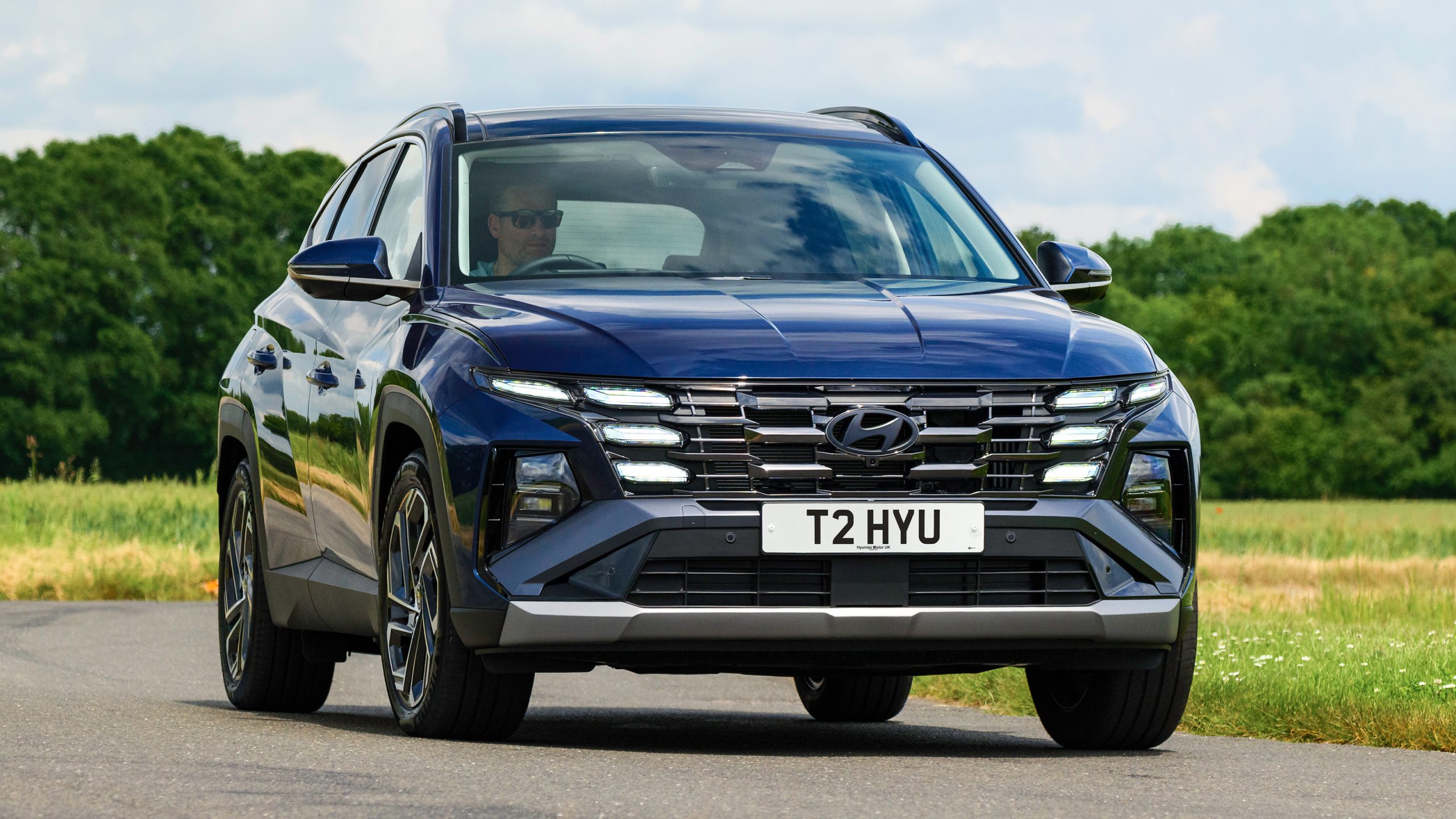
The Hyundai Tucson has become one of the most popular compact SUVs on the market thanks to its bold styling, comfortable interior, and long list of technology features.
While most buyers are familiar with its touchscreen infotainment system, advanced safety package, and spacious cabin, the Tucson hides several clever features that often go unnoticed even by owners who drive it every day.
Modern vehicles are packed with technology, and manufacturers frequently include convenience functions that are not heavily advertised. Hyundai is no exception.
The Tucson contains numerous thoughtful additions designed to make daily driving easier, safer, and more comfortable. Some improve visibility and awareness on busy roads, while others enhance passenger comfort or simplify routine tasks like parking and loading cargo.
What makes these features particularly interesting is that many are integrated seamlessly into the vehicle. Drivers may use the Tucson for months before discovering some of them.
In many cases, these systems operate quietly in the background, stepping in only when needed. Others require a quick visit to the settings menu before their full potential becomes apparent.
From advanced camera technology to smart convenience functions, the Tucson offers far more than what appears on the surface. Understanding these lesser-known features can help owners get greater value from their SUV and appreciate the engineering that went into its design.
Here are eight little-known Hyundai Tucson features that deserve more attention.
Also Read: 8 Cars That Failed the New Side Impact Test
1. Blind-View Monitor
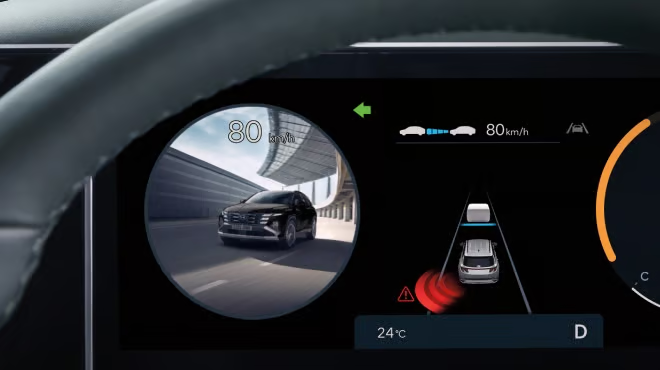
Many vehicles offer blind-spot warnings through illuminated mirrors, but Hyundai takes the concept several steps further with its Blind-View Monitor system. Available on higher Tucson trims, this feature provides a live camera feed of the vehicle’s blind spot directly within the digital instrument cluster whenever the turn signal is activated.
The system uses cameras mounted beneath the side mirrors. When the driver signals a lane change, the corresponding camera view instantly appears on the instrument display. Instead of relying solely on warning lights or shoulder checks, drivers receive a real-time visual confirmation of surrounding traffic.
This technology proves especially useful during highway driving. Fast-moving vehicles can sometimes hide in traditional blind spots despite mirror adjustments. The camera feed gives an extra layer of confidence before changing lanes. It can also help identify motorcycles, bicycles, or smaller vehicles that may be difficult to spot through mirrors alone.
Some premium-brand systems display camera feeds on the central touchscreen, requiring drivers to shift their attention toward the center console. Hyundai takes a different approach by placing the image directly in the driver’s line of sight. This layout reduces the need to turn away from the road and results in a more intuitive and natural viewing experience.
Many Tucson owners purchase the vehicle for its practicality and safety ratings without realizing they have access to this advanced monitoring tool. Once drivers become accustomed to the feature, it often becomes difficult to imagine returning to a vehicle without it.
The Blind-View Monitor demonstrates how Hyundai has incorporated premium technology into a mainstream SUV while enhancing everyday safety and convenience.
2. Remote Smart Parking Assist
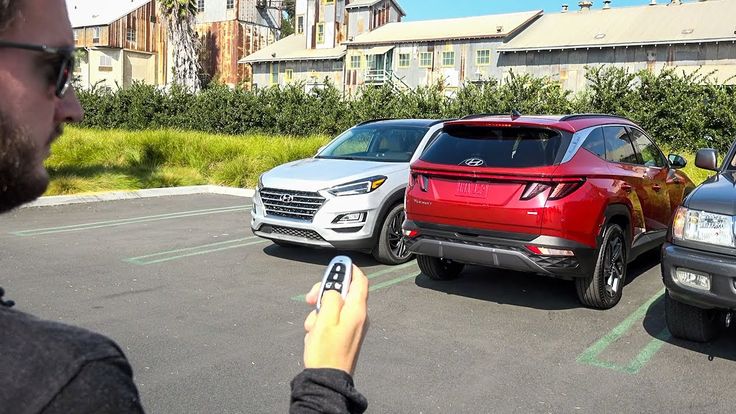
Parking technology has advanced rapidly in recent years, but few systems are as surprising as Hyundai’s Remote Smart Parking Assist. This feature allows the Tucson to move forward or backward into tight spaces while the driver stands outside the vehicle.
Using the key fob, the driver can command the SUV to creep into or out of a parking space. The feature is particularly helpful when another vehicle parks extremely close, making it difficult to open the doors once parked.
Imagine arriving at a crowded shopping center where spaces are narrow and surrounded by large SUVs. Rather than squeezing through a tiny door opening, the driver can exit before parking and let the Tucson finish the maneuver independently. The same process works in reverse when it’s time to leave.
Sensors continuously monitor the surroundings while the system is active. If an obstacle is detected, the vehicle can stop automatically to prevent contact. Hyundai designed the feature primarily as a convenience tool, but it also helps reduce the risk of minor parking lot scrapes.
Many owners never experiment with Remote Smart Parking Assist after purchasing the vehicle because they assume it is complicated to use. In reality, the process requires only a few button presses and can quickly become part of a daily routine.
The feature showcases Hyundai’s commitment to making advanced technology accessible. What was once reserved for luxury vehicles now appears in a practical family SUV, giving Tucson owners a useful capability they may not have expected when they first drove the vehicle home.
3. Rear Occupant Alert With Ultrasonic Sensors
Parents often worry about leaving important belongings behind when exiting a vehicle. Hyundai addressed this concern with an advanced version of its Rear Occupant Alert system, a feature that many Tucson owners do not fully understand until they encounter it firsthand.
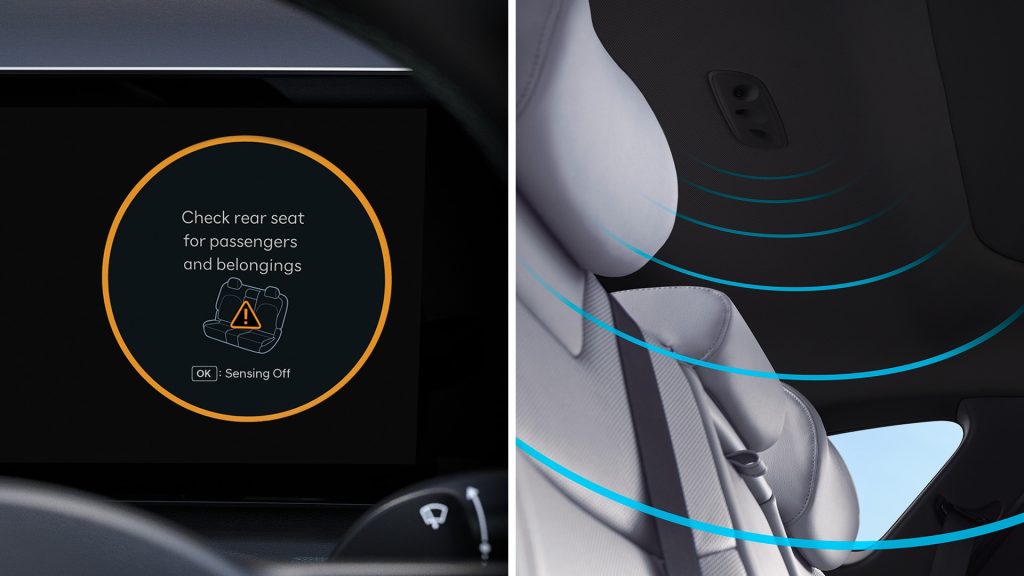
At first glance, the system appears simple. When the driver turns off the vehicle, a reminder message may appear on the dashboard encouraging them to check the rear seats. However, the more advanced version goes much further. Ultrasonic sensors inside the cabin can detect movement after the vehicle has been locked.
If motion is detected in the rear seating area, the Tucson can activate its horn and flash its lights. In some configurations, notifications can also be sent through Hyundai’s connected services. This additional layer of protection is designed to help prevent situations where children or pets are accidentally left inside the vehicle.
The technology works even when movement is subtle. A sleeping child shifting position or a pet moving around the rear seat can trigger the system. Because it relies on interior motion detection rather than simple seat occupancy sensors, it offers a higher level of monitoring than many drivers realize.
For families, the feature provides peace of mind during busy daily routines. School drop-offs, grocery runs, and hectic work schedules can create distractions, and Hyundai engineered the system to serve as a backup safeguard.
What makes this feature noteworthy is that it operates quietly in the background. Most owners never think about it until the moment it becomes useful. In an era when vehicle safety extends beyond crash protection, the Rear Occupant Alert represents a practical innovation that addresses a real-world concern.
4. Hidden Climate Controls For Rear Passengers
Not every useful feature in the Tucson involves cameras or advanced driver-assistance technology. Some of the vehicle’s most appreciated touches are focused on passenger comfort, and one of the least discussed is its rear-seat climate accommodation.
Rear passengers benefit from dedicated air vents positioned behind the center console. While rear vents are becoming more common in modern SUVs, Tucson owners are often surprised by how effectively these vents distribute airflow throughout the second row.
On long road trips, temperature differences between the front and rear portions of a cabin can become noticeable. Front occupants may remain comfortable while rear passengers struggle with insufficient airflow.
Hyundai addressed this issue by giving second-row occupants direct access to conditioned air, helping maintain a more consistent cabin environment.
The placement of the vents is also carefully considered. Rather than directing airflow toward knees or lower legs only, the design promotes better circulation throughout the seating area. During hot summer months, passengers in the back seat can cool down more quickly, while winter heating performance also benefits.
Families frequently notice the advantage when transporting children, especially during extended journeys. Rear-seat passengers receive a comfort level that feels more comparable to what front occupants experience. This contributes to the Tucson’s reputation as a practical family vehicle rather than simply a commuter SUV.
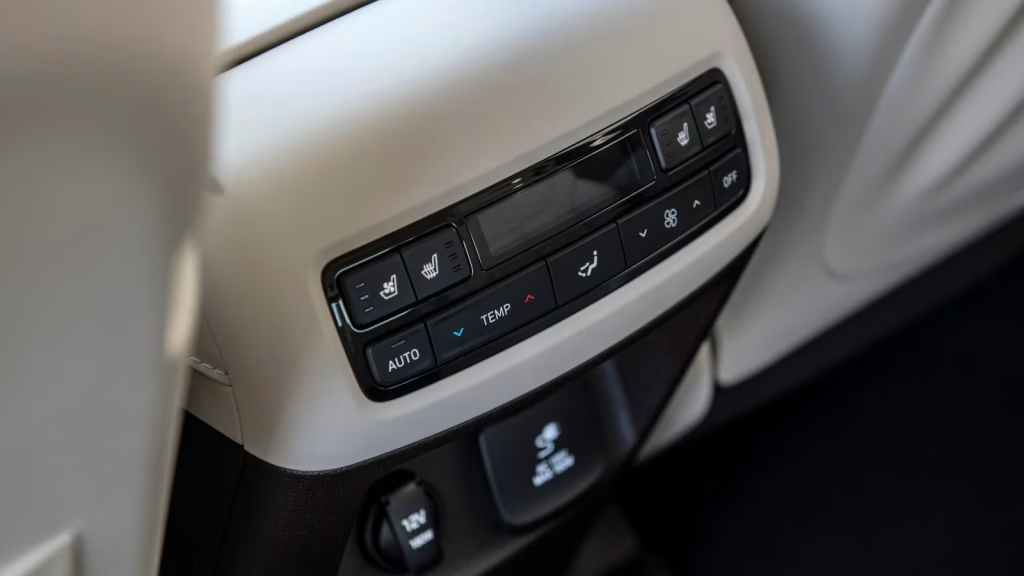
Although rear climate vents may not sound as exciting as parking automation or camera systems, they significantly improve day-to-day usability. Features like this often have the greatest impact because they are experienced during nearly every drive.
Tucson’s thoughtful cabin design demonstrates that convenience is not always about flashy technology. Sometimes it is the small details that make a vehicle more enjoyable to live with year after year.
5. Highway Driving Assist
Long-distance travel can be exhausting, especially when spending hours on crowded highways. Hidden among Tucson’s technology features is a system called Highway Driving Assist, a capability that many owners never fully utilize despite having access to it.
Basic adaptive cruise control typically focuses only on maintaining a set speed and distance from the vehicle ahead. In the Tucson, this function is expanded by integrating additional driver-assist technologies that also provide steering input to help keep the SUV centered in its lane. Together, these systems work to reduce driver effort and create a more relaxed, comfortable experience on the highway.
One of the most impressive aspects of the system is how naturally it operates. Rather than making abrupt steering corrections, it performs subtle adjustments that feel refined and predictable. Drivers remain responsible for controlling the vehicle, but the technology helps reduce fatigue during extended journeys.
Heavy traffic situations reveal another advantage. Constantly accelerating and braking can become tiresome in stop-and-go conditions. Highway Driving Assist can automatically manage speed changes, allowing the vehicle to follow traffic flow with minimal input from the driver.
Many Tucson owners activate adaptive cruise control but never realize the full capabilities available through the combined system. After spending time with the feature, drivers often discover that highway trips become significantly more relaxing.
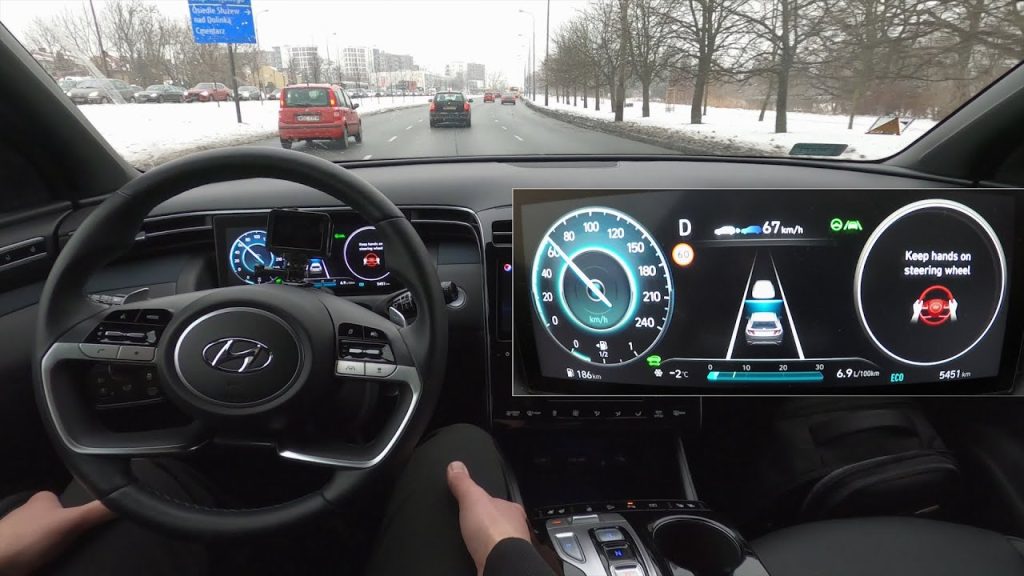
Hyundai developed the technology to assist without removing the driver from the decision-making process. It strikes a balance between convenience and engagement, making everyday travel more comfortable while maintaining safety.
For commuters who regularly face congested highways or families embarking on lengthy road trips, Highway Driving Assist is one of Tucson’s most valuable yet underappreciated features. It quietly transforms the driving experience in ways that become more noticeable with every mile traveled.
6. Hands-Free Smart Power Liftgate
Loading cargo into an SUV seems simple until both hands are occupied. Whether carrying grocery bags, sports equipment, luggage, or household supplies, opening the liftgate can become inconvenient. Hyundai addressed this common problem with its Hands-Free Smart Power Liftgate.
The feature works differently from many competing systems. Rather than requiring a kicking motion beneath the rear bumper, the Tucson recognizes when the key fob is nearby and the owner is standing behind the vehicle. After a brief pause, the liftgate automatically opens.
This approach eliminates the awkward foot gestures that sometimes fail to register on sensor-based systems. Owners simply walk to the rear of the vehicle with the key in their pocket and wait a moment for the liftgate to activate.
The convenience becomes especially noticeable during shopping trips. Carrying several bags while searching for a button or attempting a precise foot movement can be frustrating. The Tucson removes that extra step entirely.
Another advantage appears when loading large items. Because the liftgate opens automatically, users can focus on managing cargo rather than balancing objects while trying to access the cargo area. Families with strollers, travelers with suitcases, and homeowners transporting bulky purchases all benefit from the feature.
What makes the system easy to overlook is its simplicity. Once activated, it feels so natural that owners often forget it is a technology feature rather than a standard part of the vehicle experience.
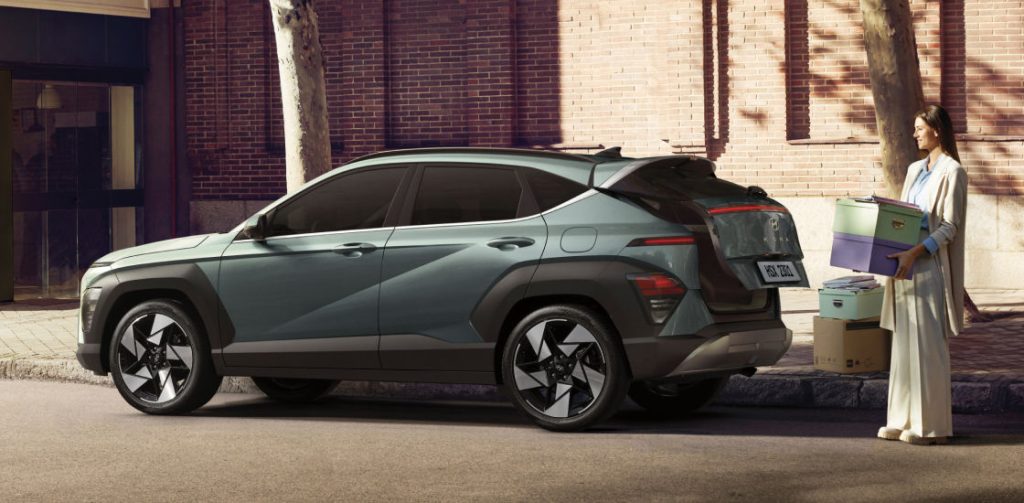
The Hands-Free Smart Power Liftgate reflects Hyundai’s attention to everyday practicality. While it may not generate the same excitement as advanced safety systems, it improves convenience in countless small ways that add up over the years of ownership.
7. Safe Exit Warning
Modern safety technology is no longer focused solely on preventing collisions while driving. Hyundai recognized that potential dangers can also arise after a vehicle has come to a stop, which is why the Tucson includes the often-overlooked Safe Exit Warning system.
The feature monitors traffic approaching from behind when the vehicle is parked. If a passenger attempts to open a door while another vehicle, cyclist, or motorcyclist is approaching, the system provides an audible and visual warning. This allows occupants to reconsider before stepping into harm’s way.
The usefulness of the technology becomes apparent in urban environments where vehicles are frequently parked along busy streets. A passenger distracted by a phone call or conversation may instinctively open a door without checking for traffic. The Tucson adds an extra layer of awareness during those moments.
Parents transporting children can benefit particularly from the feature. Younger passengers may not always remember to look for approaching traffic before exiting. The warning system acts as an additional safeguard, helping prevent potentially dangerous situations.
Some features require ongoing driver input, but Safe Exit Warning works on its own once the vehicle is operating. There is no need to activate it before every trip or deal with complex settings. Instead, it continuously monitors the area around the vehicle and intervenes only when a potential risk is detected.
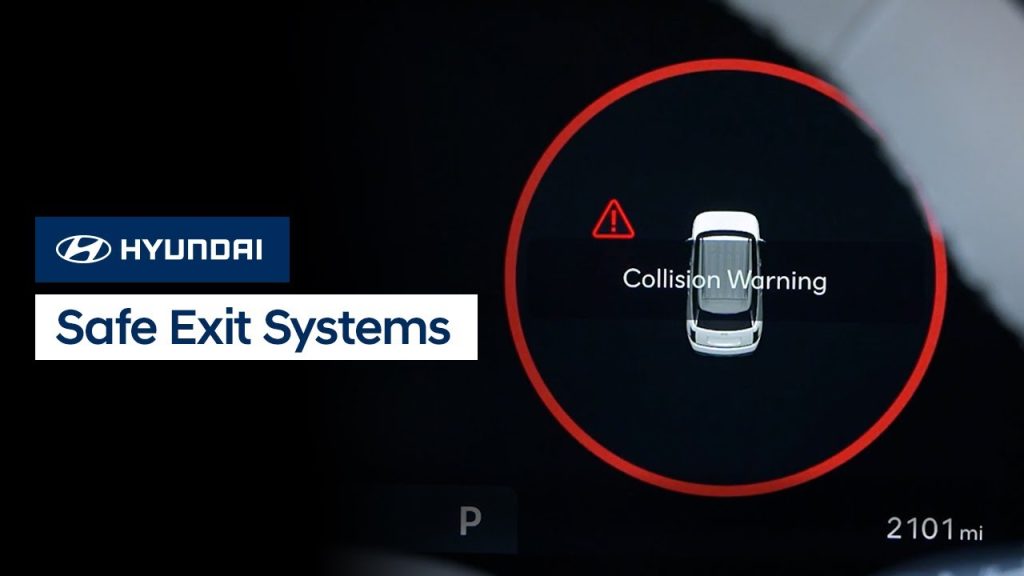
Many Tucson owners spend years appreciating the vehicle’s safety credentials without realizing how much protection extends beyond traditional driving scenarios. Hyundai’s engineers considered situations that occur after the destination has been reached, demonstrating a broader approach to occupant safety.
Although it may not receive as much attention as lane-centering systems or adaptive cruise control, Safe Exit Warning is one of those features drivers are grateful to have when an unexpected situation arises.
8. Vehicle-to-Load Power Capability
The Tucson Hybrid and Plug-In Hybrid models offer a surprisingly useful feature that remains unknown to many shoppers: vehicle-to-load functionality. This technology effectively turns the SUV into a portable power source capable of running external electrical devices.
While most people think of a vehicle purely as transportation, Hyundai expanded its role by allowing stored battery energy to power equipment and appliances.
Through dedicated outlets and power connections, owners can operate items such as laptops, lighting equipment, camping accessories, small kitchen appliances, and electronic devices.
The capability is particularly valuable for outdoor enthusiasts. Campsites that lack electrical hookups can become significantly more comfortable when power is readily available. Travelers can charge devices, operate portable refrigerators, or run lighting systems directly from the vehicle.
Tailgating events provide another practical application. Instead of relying on separate generators, owners can use Tucson’s electrical system to power speakers, televisions, cooking equipment, or other accessories. The result is a quieter and more convenient experience.
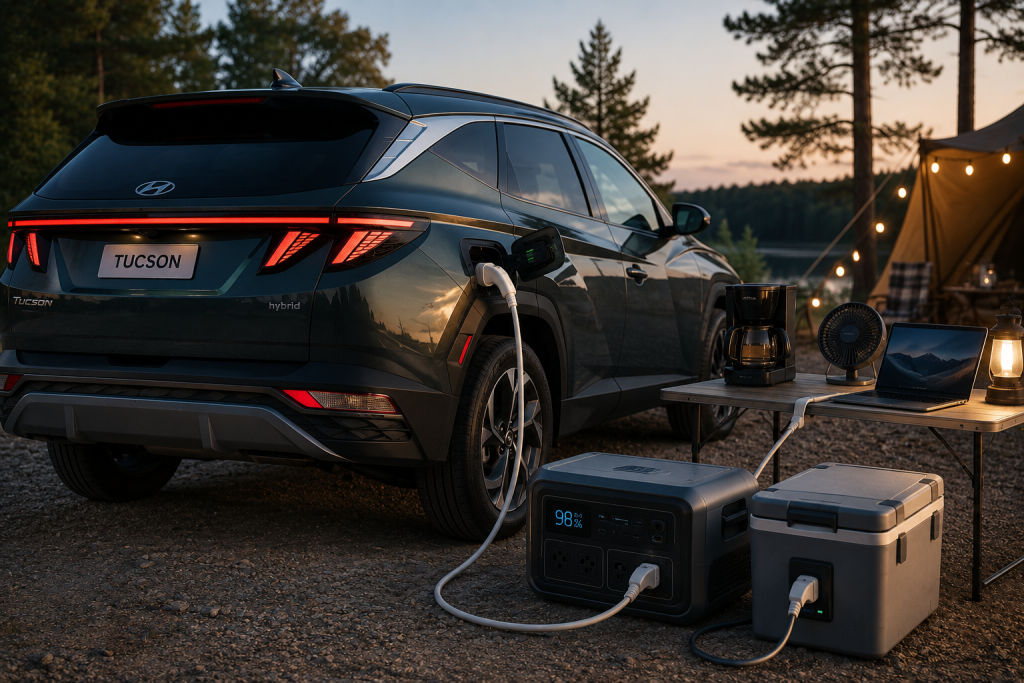
Emergencies reveal yet another advantage. Temporary power outages can leave households without access to essential electronics. Vehicle-to-Load capability allows the Tucson to serve as a backup energy source for selected devices until normal power returns.
Many consumers researching hybrid SUVs focus primarily on fuel economy and environmental benefits. As a result, they often overlook this additional functionality. Yet for certain owners, it can become one of the most useful features the vehicle offers.
The technology highlights how modern vehicles are evolving beyond traditional transportation roles and becoming versatile tools capable of supporting a wide variety of activities.
Also Read: 10 Hidden Features In Modern Motorcycles