
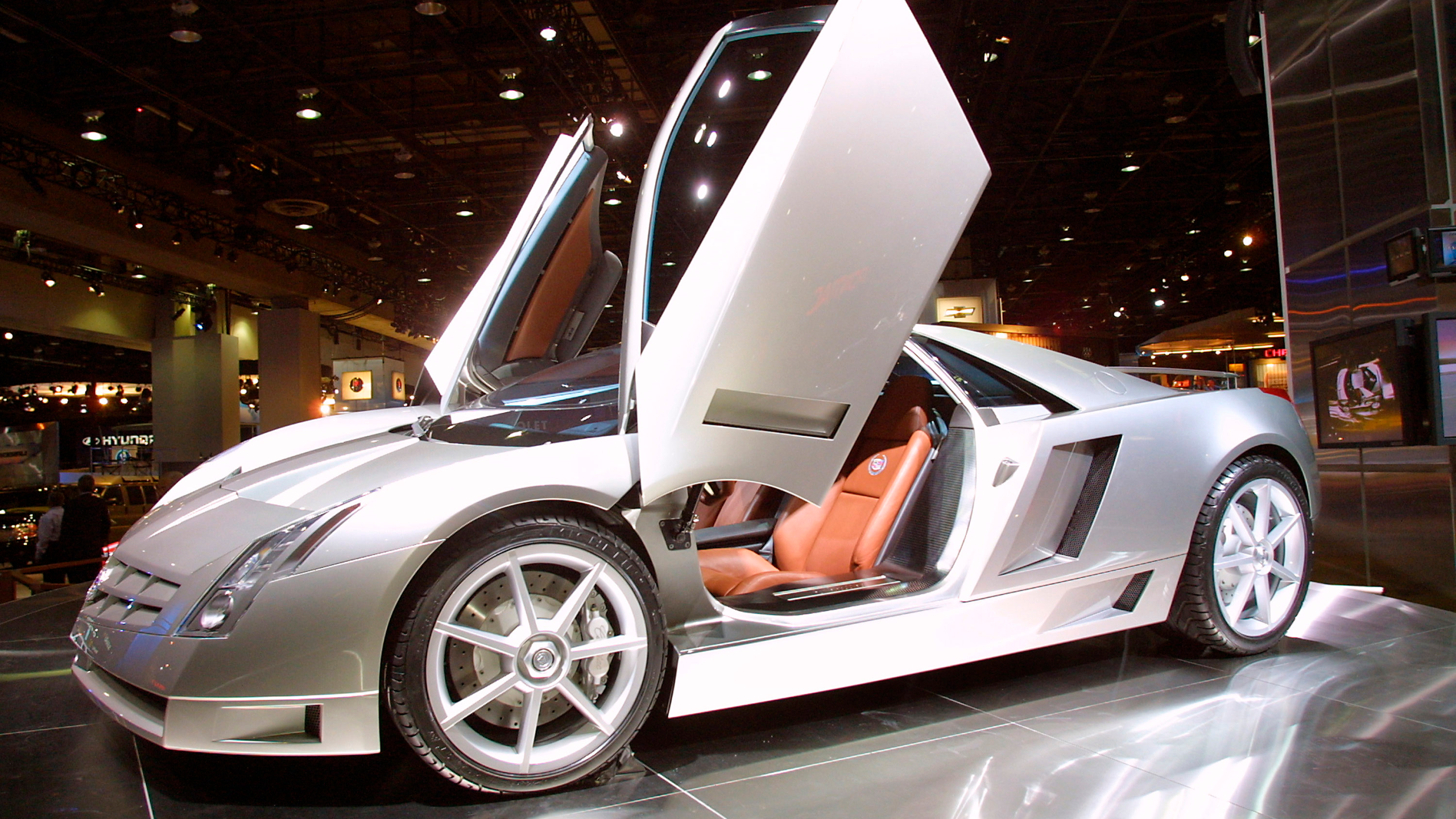
Concept cars are often created as design exercises that allow manufacturers to explore future possibilities in mobility without being restricted by production constraints. They act as experimental platforms for testing new performance concepts, styling directions, and developing technologies that may eventually influence real-world vehicles.
Some of these concepts focus on extreme performance, using unconventional powertrains, bold aerodynamic designs, and engineering approaches that go well beyond typical practicality. Others highlight early applications of electrification and advanced digital systems, hinting at where automotive development could be heading in the years ahead.
Even when these vehicles never transition into mass production, their influence is rarely lost. Elements of their design, technology, or engineering thinking often reappear later in refined and more commercially viable forms. In that sense, they act as stepping stones that help shape future generations of vehicles.
Collectively, these concepts reflect a wide range of unrealized possibilities. They highlight how different the automotive landscape might have been if financial constraints, regulatory requirements, and corporate priorities had aligned differently. Rather than disappearing entirely, their legacy continues through the innovations they inspired and the imagination they still spark among enthusiasts and designers alike.
1. Cadillac Cien Concept
The Cadillac Cien Concept represented one of the boldest projects in the brand’s history, showcasing what a high-performance American hypercar could look like in the early 2000s. Created to celebrate Cadillac’s 100th anniversary, the futuristic concept combined exotic styling, advanced technology, and impressive performance in a package that rivaled contemporary European supercars.
At the heart of the Cien was a 7.5-liter naturally aspirated Northstar V12 engine producing 750 horsepower and 650 lb-ft of torque. Power was sent through a semi-automatic transmission, allowing the lightweight mid-engine machine to achieve an estimated 0–60 mph time of just 3.5 seconds.
Its aggressive wedge-shaped body drew inspiration from the F-22 Raptor fighter jet, while advanced materials such as aerogel composites and a carbon-fiber-based monocoque chassis helped reduce weight and improve performance. The concept also featured active aerodynamic technology, highlighting Cadillac’s engineering ambitions.
Despite its impressive specifications, the Cien never progressed beyond the concept stage. Development costs proved extraordinarily high due to its bespoke V12 engine, specialized transmission, and advanced chassis design. An estimated price of around $200,000, equivalent to roughly $340,000 today, raised concerns about market demand.
At the time, Cadillac was primarily associated with luxury sedans and SUVs and lacked an established customer base for a mid-engine supercar. General Motors ultimately concluded that the project did not align with its financial priorities, choosing to focus resources on higher-volume vehicles. As a result, the Cadillac Cien remained a striking design study and one of the most memorable concept cars the brand ever created.
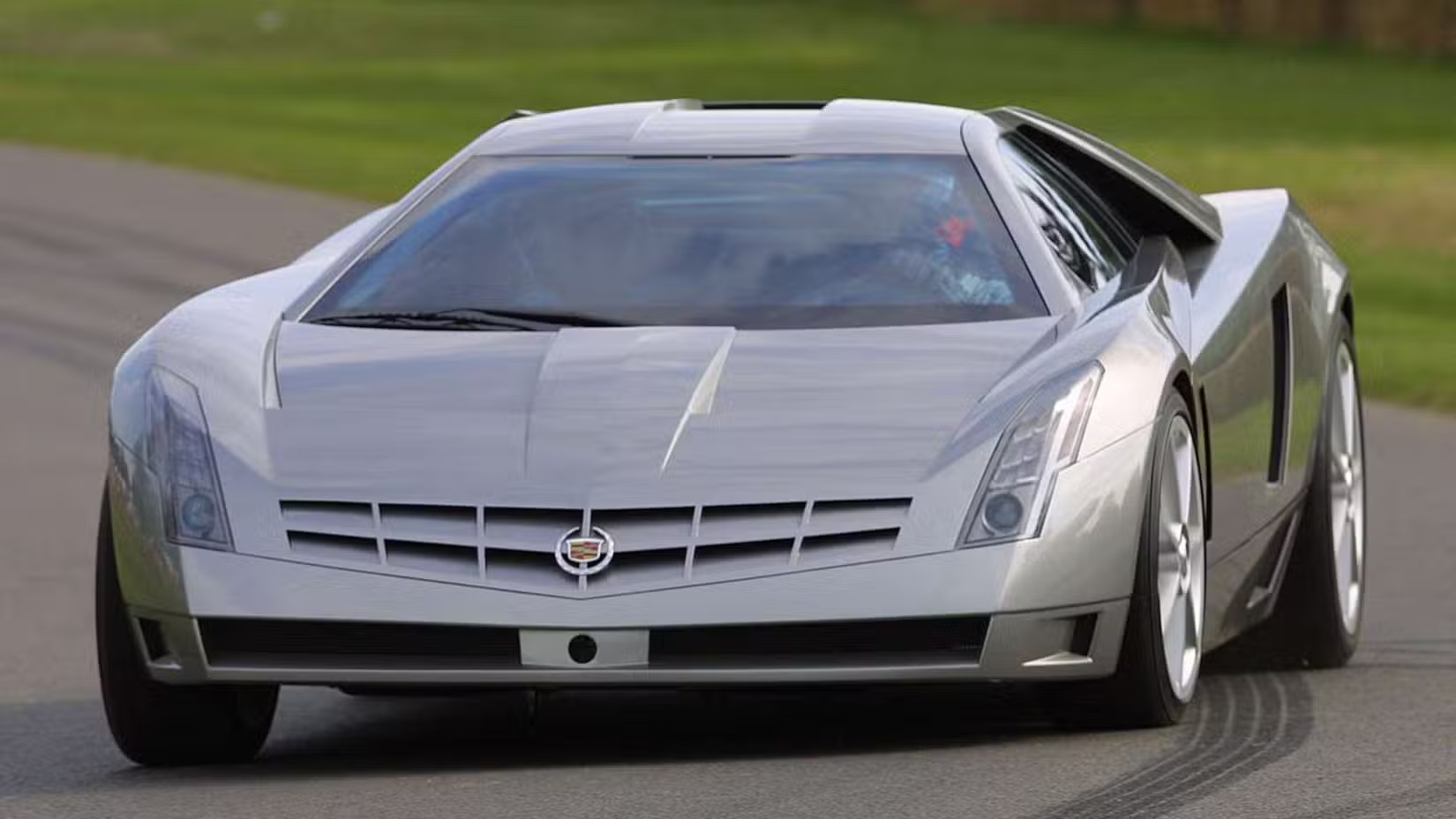
- Engine: 7.5L naturally aspirated Northstar XV12 (mid-mounted)
- Horsepower: 750 hp @ 5,600 rpm
- Torque: 450–650 lb-ft (610–881 Nm)
- Length: 175.5 in (4,457 mm)
- Width: 77.8 in (1,975 mm)
2. Chevrolet Corvette CERV III Concept
During the late 1980s and early 1990s, few concept cars demonstrated more advanced engineering than this experimental Chevrolet project. Developed as part of the Corporate Engineering Research Vehicle (CERV) program, it was designed to push the boundaries of performance and technology while exploring what the future of the Corvette could become. The concept showcased innovations that would not appear on production Corvettes for decades.
At its core was a heavily modified 5.7-liter LT5 V8 equipped with twin turbochargers. The engine generated an impressive 650 horsepower and 655 lb-ft of torque, enabling an estimated 0-60 mph time of 3.9 seconds and a top speed of approximately 225 mph. Those figures placed it among the fastest vehicles of its era.
The concept also featured an advanced all-wheel-drive system, four-wheel steering, and a computer-controlled active suspension, technologies rarely seen together at the time. Its mid-engine configuration further highlighted Chevrolet’s willingness to experiment with radical performance-oriented layouts.
Despite its remarkable capabilities, the project never advanced beyond the prototype stage. Production costs were projected to be extremely high, with estimates suggesting a retail price between $300,000 and $400,000. Such a figure would have placed it in direct competition with exotic European supercars rather than traditional Corvettes.
The economic downturn of the early 1990s and General Motors’ focus on maintaining the success of the conventional Corvette also worked against the project. Although it never reached showrooms, the CERV III proved highly influential, helping shape future Corvette technologies and laying the groundwork for innovations that eventually appeared in the mid-engine C8 Corvette.
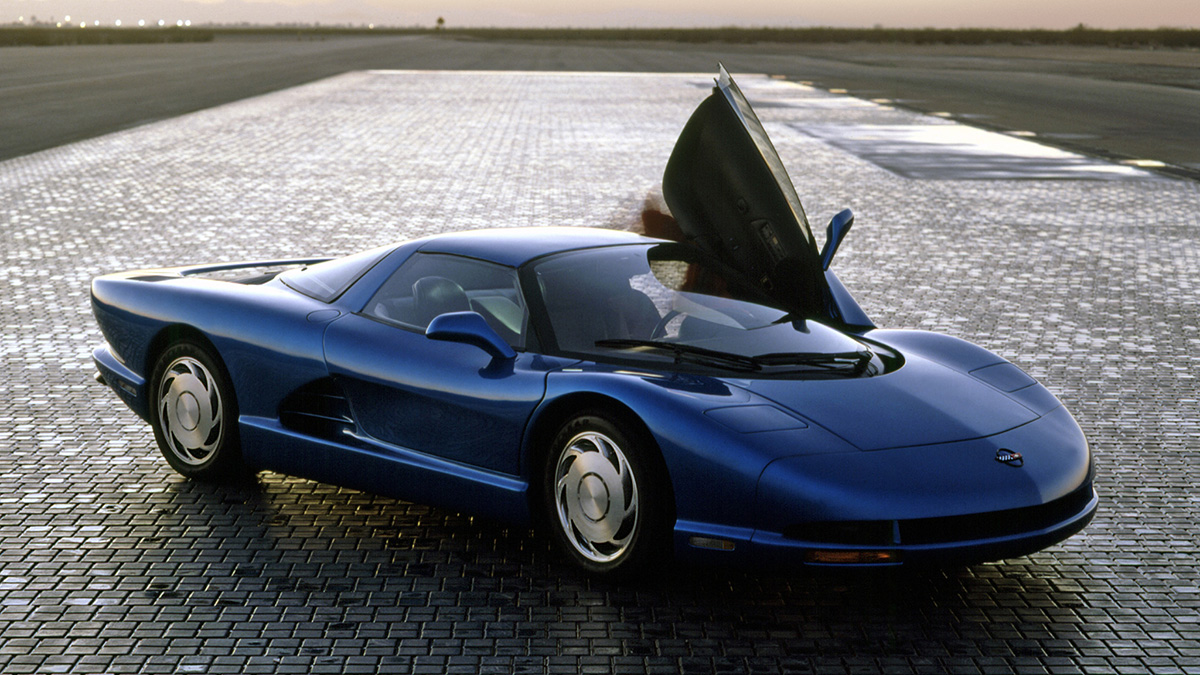
- Engine: 5.7L Lotus-tuned DOHC V8 (twin turbocharged, Garrett T3)
- Horsepower: 650 hp @ 6,000 rpm
- Torque: 655 lb-ft (888 Nm) @ 4,000 rpm
- Length: 193.6 in (4,917 mm)
- Width: 80.0 in (2,032 mm)
3. Ford GT90 Concept
During the mid-1990s, Ford set out to demonstrate its engineering capabilities with a radical concept car that pushed the limits of performance and design. Created as a showcase for the company’s new “New Edge” styling language, the GT90 combined futuristic looks with extraordinary power, making it one of the most memorable concept cars of its era. While it borrowed subtle inspiration from the legendary GT40, its sharp angles, dramatic proportions, and advanced construction gave it a distinctly modern identity.
The GT90 featured a lightweight carbon-fiber body mounted on a newly developed aluminum honeycomb monocoque chassis. Power came from a remarkable 5.9-liter quad-turbocharged V12 engine producing 720 horsepower and 660 lb-ft of torque.
The engine was an engineering curiosity, created by combining elements from Ford’s modular V8 architecture into a unique V12 configuration. With all that power sent to the rear wheels, the concept was capable of accelerating from 0 to 60 mph in just 3.1 seconds, placing it among the quickest vehicles of the decade. At the time, its output even exceeded that of the highly respected McLaren F1 LM.
Despite its impressive specifications, the GT90 was never intended to become a production vehicle. The concept faced numerous obstacles that made commercialization unrealistic. The quad-turbo V12 generated enormous heat, requiring ceramic thermal protection similar to materials used on the Space Shuttle. The unconventional engine design also lacked the refinement and durability needed for mass production. In addition, the car’s low-slung body, unique lighting systems, and limited visibility created major safety and regulatory challenges.
Financial concerns ultimately sealed its fate. Ford would have needed to charge well over $100,000 in 1995 dollars to recover development costs, and demand for such an expensive halo car was uncertain. Although it never reached showrooms, the GT90 successfully fulfilled its mission by advancing Ford’s design philosophy and influencing the development of the production Ford GT that arrived years later.
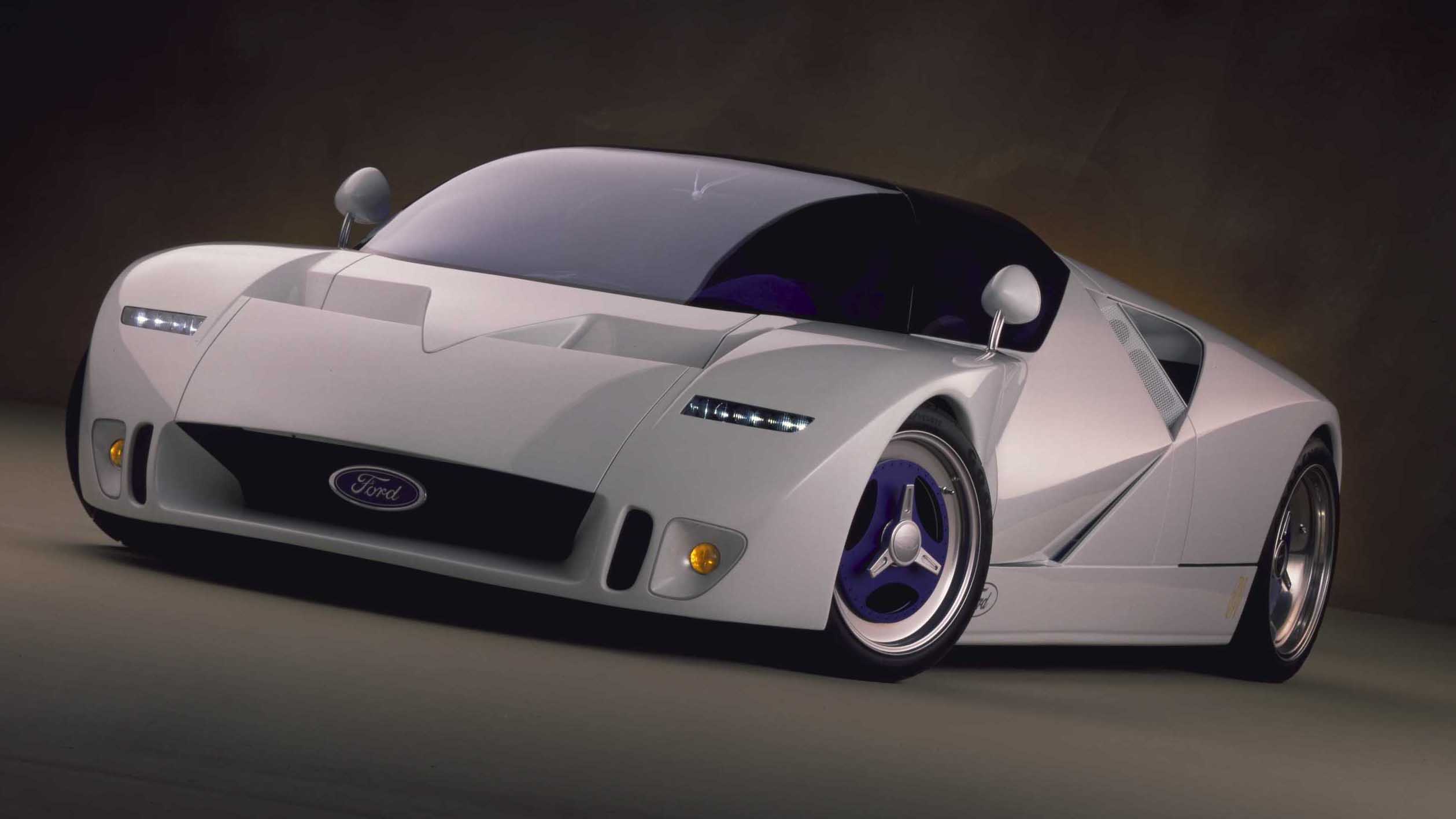
- Engine: 5.9L quad-turbocharged DOHC 48-valve V12 (mid-mounted)
- Horsepower: 720 hp (537 kW)
- Torque: 660 lb-ft (895 Nm)
- Length: 176.0 in (4,470 mm)
- Width: 77.3 in (1,963 mm)
4. Lamborghini Miura Concept
Honoring a legendary automotive icon is never an easy task, especially when that icon helped define an entire segment. In 2006, Lamborghini accepted that challenge by presenting a concept car that reimagined one of the most important vehicles in its history. Created to mark the company’s 40th anniversary, the Miura Concept paid tribute to the original Miura while blending classic styling cues with modern supercar engineering.
The concept was built on the underpinnings of the Murciélago and featured proportions that closely resembled those of the original 1960s model. Its design incorporated numerous references to its predecessor, including the distinctive headlight treatment, muscular wheel arches, front-end styling, side louvers, and rear fascia.
While Lamborghini confirmed that the concept utilized a naturally aspirated 6.5-liter V12 engine, the company never released official horsepower, torque, or performance figures. Even so, the vehicle demonstrated how a modern Lamborghini could honor its heritage without abandoning contemporary design and technology.
Despite receiving widespread praise from enthusiasts and automotive media, the Miura Concept was never intended for production. Lamborghini’s leadership maintained that the brand’s identity was rooted in innovation and forward-thinking design rather than recreating past models. As a result, the concept served purely as a commemorative exercise rather than a preview of a future road car. Engineering challenges also played a role, as transforming the design into a production vehicle would have required extensive modifications to meet modern safety and regulatory standards.
Although it never progressed beyond the concept stage, the Miura Concept remains one of Lamborghini’s most celebrated design studies. It successfully demonstrated how the spirit of a classic supercar could be reinterpreted for a new era while preserving the essence that made the original Miura a legend. Today, it continues to be admired as one of the most beautiful tribute concepts ever created.
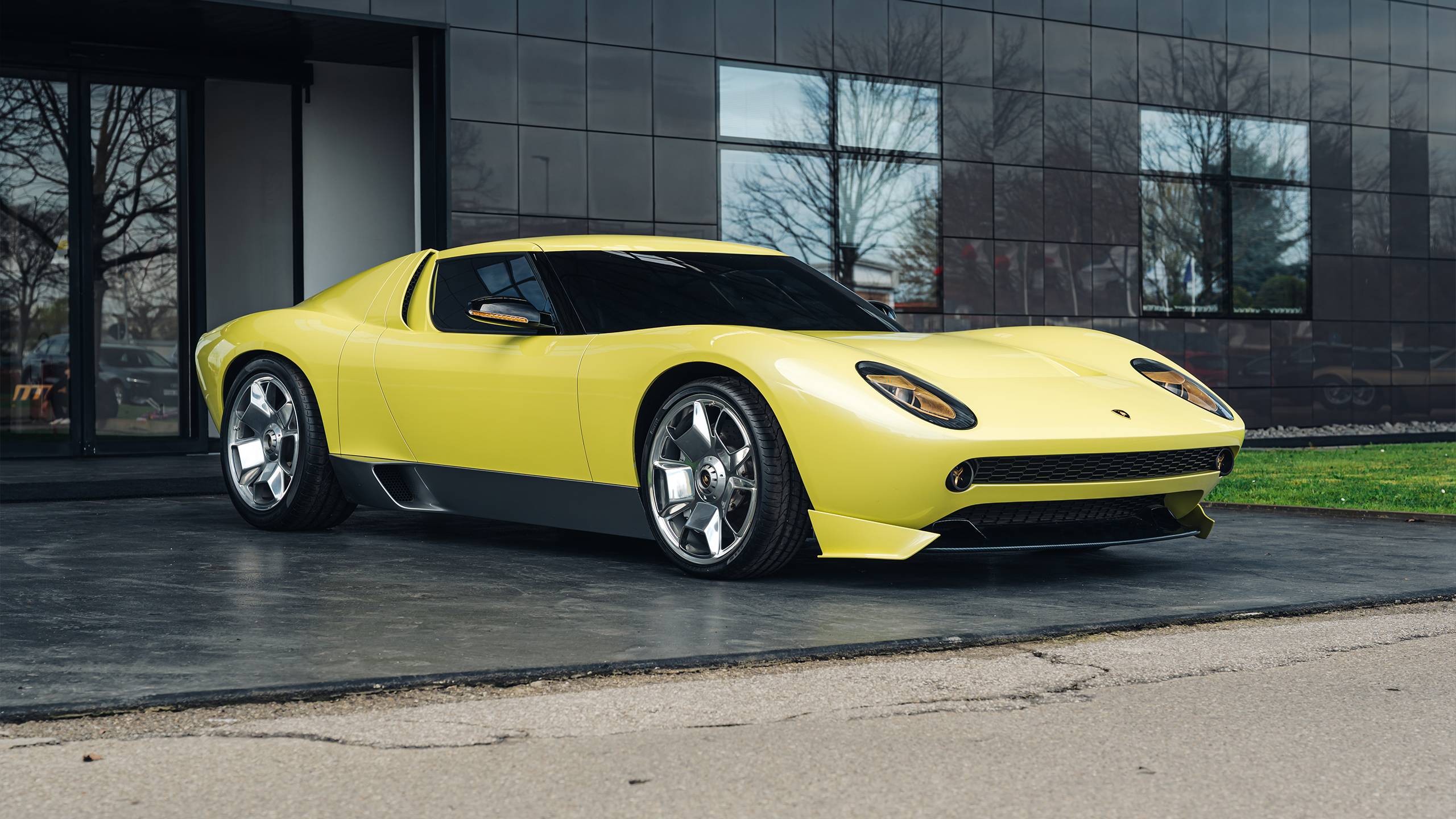
- Engine: 6.2–6.5L naturally aspirated V12 (concept specification; Murciélago/Aventador lineage)
- Horsepower: ~580–700 hp
- Torque: ~480+ lb-ft (≈650+ Nm, estimated)
- Length: ~181 in (4,600 mm)
- Width: ~78 in (2,000 mm)
Also read: 10 Cars Cheapest to Own in High-Gas States Like California
5. Lexus LFA Roadster
The Lexus LFA Roadster concept was designed to explore how the supercar’s already celebrated driving experience could be intensified in an open-air form. At the center of the idea was the LFA’s defining trait: its high-revving naturally aspirated V10 engine, widely regarded as one of the most memorable soundtracks in modern automotive history. By removing the roof, Lexus aimed to amplify that sensory experience, allowing occupants to fully appreciate the engine’s character without any barriers.
Mechanically, the concept stayed true to the original LFA’s engineering. It used a 4.8-liter V10 producing 552 horsepower and 354 lb-ft of torque, with performance capable of accelerating from 0 to 60 mph in roughly 3.5 seconds. Beyond raw speed, it also demonstrated the strength of the carbon-fiber-reinforced polymer chassis, proving that structural rigidity could be maintained even without a fixed roof.
However, despite strong interest, the project never progressed beyond the prototype stage. The broader LFA program was already extremely costly, with development spanning more than a decade and requiring expensive shifts to advanced carbon-fiber construction. Production challenges at Lexus’s manufacturing facilities further increased expenses, limiting scalability.
Financial realities made a convertible version impractical. The coupe itself was a low-volume, high-cost halo model, and adding another niche variant would have further strained resources. As a result, the roadster remained a concept, representing an unrealized extension of an already exclusive vehicle.
In contrast, another ambitious project from Mercedes-Benz showcased a different direction in supercar innovation during the early 1990s. This experimental model debuted as a forward-looking design study that combined futuristic styling with advanced engineering and performance technology, some of which was considered ahead of its time.
The vehicle featured a naturally aspirated V12 engine producing over 400 horsepower, paired with lightweight construction and aerodynamic shaping that enabled sub-five-second acceleration. It also introduced early active suspension technology and aerodynamic systems capable of generating substantial downforce, along with distinctive gullwing-style doors.
Although it attracted significant interest and was even considered for limited production, the project was ultimately canceled due to economic pressures, shifting corporate priorities, and the high cost of bringing advanced technologies to market. Nevertheless, many of its innovations later influenced production models and contributed to the development of future high-performance engines and systems.
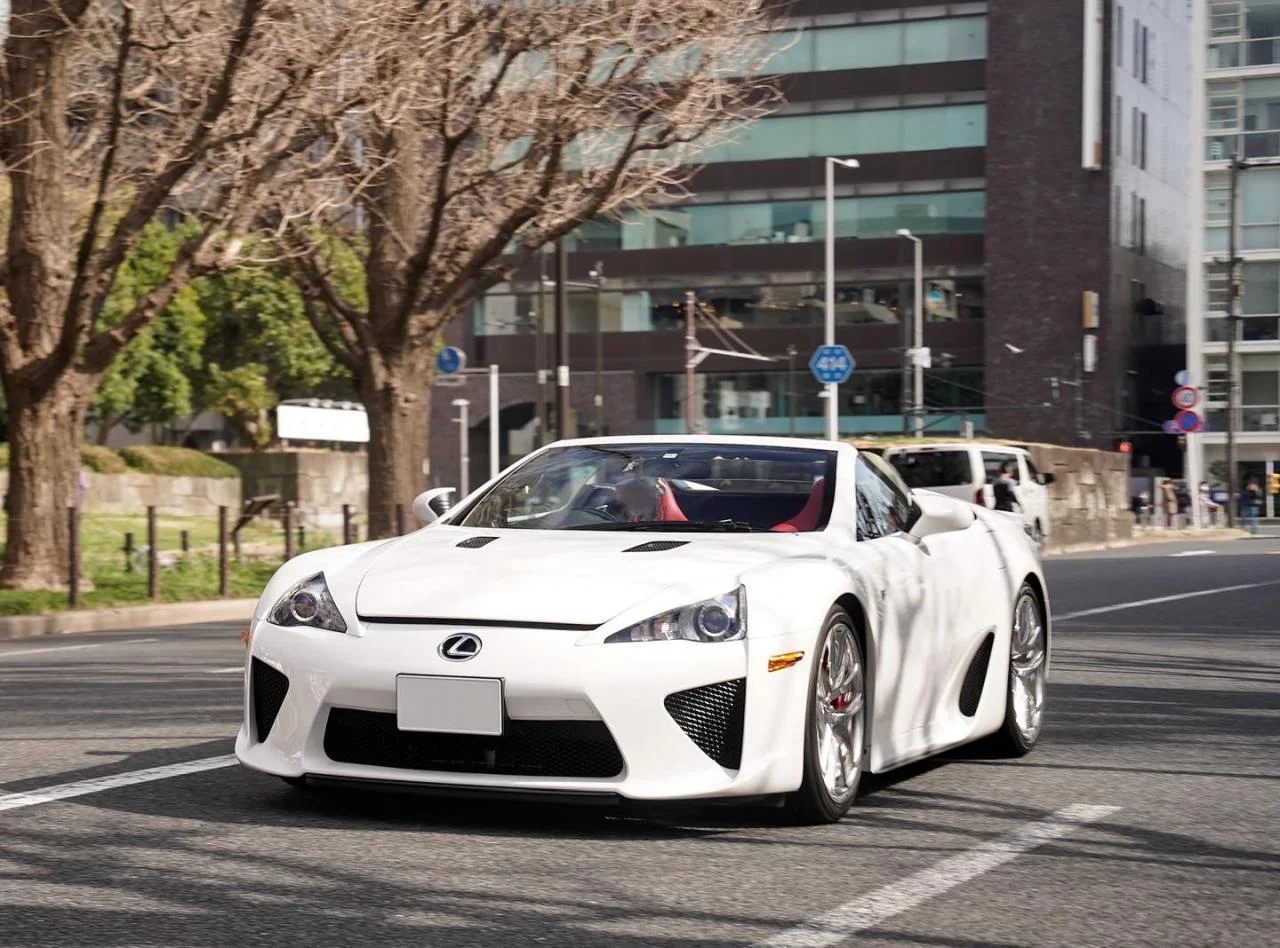
- Engine: 6.0L (5,987 cc) M120 V12
- Horsepower: 402 hp (408 PS / 300 kW) @ 5,200 rpm
- Torque: 428 lb-ft (580 Nm) @ 3,800 rpm
- Length: 181.7–182.0 in (4,616–4,624 mm)
- Width: 77.8 in (1,976 mm)
7. Porsche Mission X
In the modern era of hybrid and electric performance cars, Porsche has consistently been at the forefront of innovation, particularly with models like the 918 Spyder, which demonstrated how electrification could enhance rather than limit driving dynamics. The Mission X was conceived as its spiritual successor, aiming to push the boundaries of what a road-legal hypercar could achieve in an increasingly electric future.
The concept was designed with extreme performance targets in mind. Porsche envisioned it as the fastest road-legal car around the Nürburgring Nordschleife, with a power-to-weight ratio of roughly 1 horsepower per kilogram. It was also expected to generate more downforce than the 911 GT3 RS while utilizing a cutting-edge 900-volt electrical architecture capable of charging at twice the speed of the Taycan Turbo S. At its core, the Mission X was intended to redefine the benchmark for electric hypercars and potentially form part of a modern “holy trinity” alongside rival performance flagships.
However, despite initial intentions to move toward production, shifting market conditions in 2024 led Porsche to reassess its electric vehicle strategy. Slower-than-expected demand for EVs and evolving industry priorities created uncertainty around fully electric hypercars. As a result, the Mission X remains in limbo, with speculation suggesting that any future version could incorporate hybrid or internal combustion elements instead of being purely electric.
Like other “Mission” projects from Porsche, the concept serves primarily as a technology demonstrator rather than a finalized production model. Previous examples, such as Mission E, eventually evolved into the Taycan, while Mission R continues to influence racing and performance technology development. In the same way, the Mission X highlights Porsche’s long-term vision, even if it never reaches the showroom in its original form.
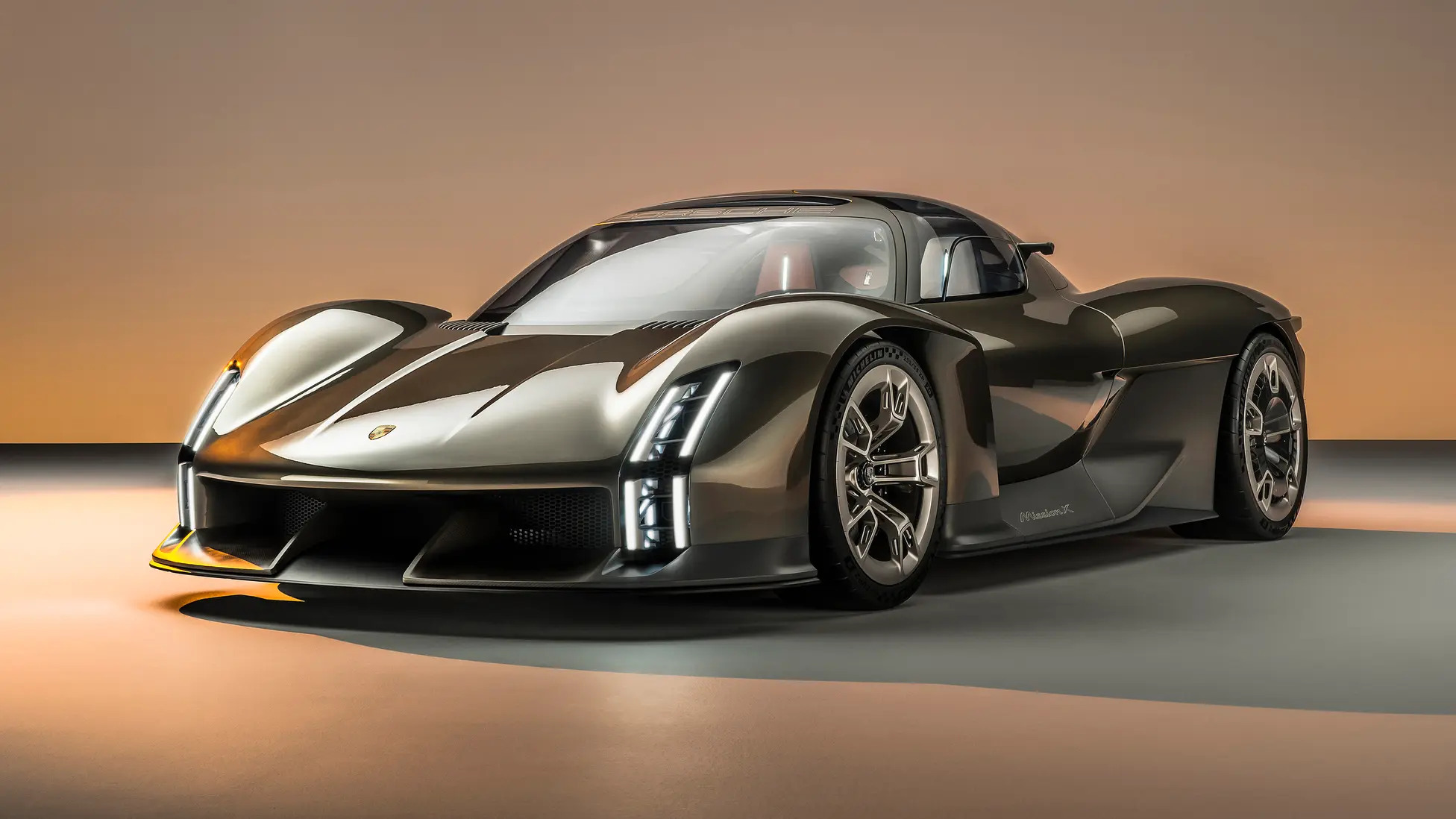
- Engine: All-electric powertrain (permanently excited synchronous motors, rear-mid “e-core” battery layout)
- Horsepower: 1,500+ hp (target 1:1 power-to-weight ratio)
- Torque: Not officially published (estimated extremely high instant EV torque)
- Length: 177.2 in (4,500 mm)
- Width: 78.7 in (1,999 mm)
8. Volkswagen W12 Concept
Throughout the late 1990s and early 2000s, Volkswagen explored the idea of a high-performance halo car built around its innovative W12 engine architecture. The result was a series of experimental concept cars that evolved over time, culminating in the most extreme version introduced in 2001. Designed as both a technological showcase and a potential supercar contender, the W12 demonstrated that Volkswagen could engineer performance on par with the world’s best.
At its core was a 6.0-liter naturally aspirated W12 engine producing 591 horsepower and 458 lb-ft of torque. Paired with a lightweight coupe body weighing just over 2,600 pounds, the concept delivered supercar-level performance, including a 0-60 mph time of around 3.5 seconds. The most famous iteration, the W12 Nardò, was named after Italy’s high-speed test track, where it was extensively tested for endurance and speed. In one legendary run, it covered over 4,800 miles in 24 hours at an average speed exceeding 200 mph, proving its extraordinary engineering capability.
Despite its impressive performance and record-setting potential, the W12 never reached production. Volkswagen ultimately decided not to proceed with a supercar under its own badge.
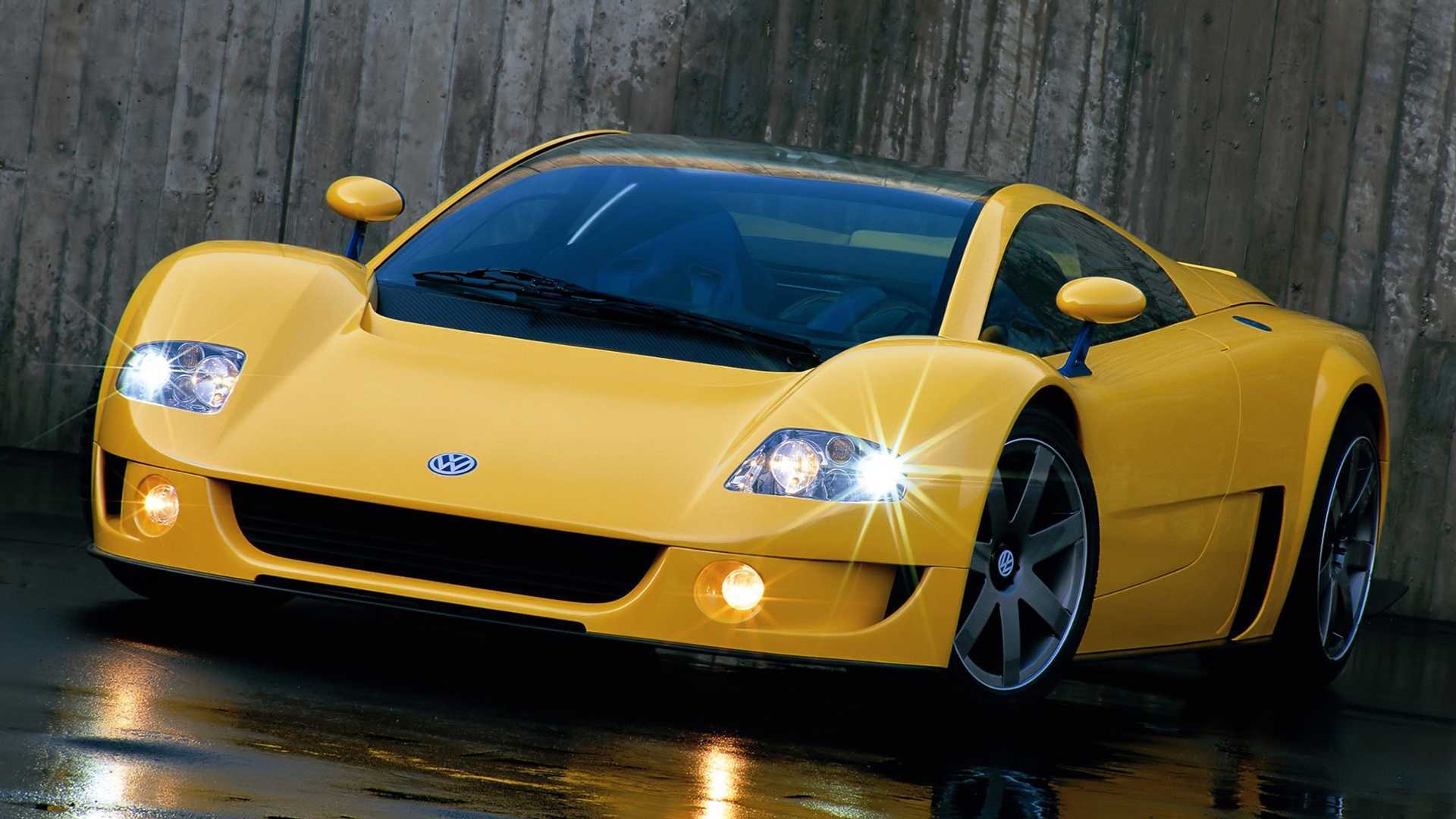
The brand’s “people’s car” identity created concerns that customers would not accept a high-priced exotic Volkswagen, a challenge also seen with other premium models like the Phaeton. At the same time, the company’s acquisition of luxury marques such as Bugatti and Lamborghini shifted corporate priorities, with resources redirected toward developing the Bugatti Veyron instead.
Rather than becoming a showroom model, the W12 served as a vital engineering platform. It validated Volkswagen’s unique W-engine concept, which later found its way into high-end production vehicles across the Volkswagen Group, including models from Bentley and other luxury divisions.
- Engine: 6.0L naturally aspirated W12 (Nardò Concept)
- Horsepower: 591 hp (440 kW)
- Torque: 458 lb-ft (620 Nm)
- Length: 179.3–179.5 in (4,550–4,555 mm)
- Width: 75.6 in (1,920 mm)
Also read: 5 Cars Worth Buying for City Living vs 5 Built Wrong for It
