
The used car market has changed dramatically over the past decade, and hybrid vehicles have moved from being niche fuel savers to some of the most financially smart purchases in the automotive world. As fuel prices fluctuate and buyers become more conscious of long-term ownership costs, hybrids are increasingly seen as practical, reliable, and value-retaining options.
In many cases, they even outperform their traditional gasoline-powered counterparts when it comes to resale value. This is not just because of fuel efficiency, but also due to improved engineering, strong brand reputation, and rising demand in the second-hand market.
One of the biggest reasons hybrids tend to hold their value well is their balance between efficiency and reliability. Modern hybrid systems are no longer experimental technology. Manufacturers like Toyota and Honda have refined hybrid drivetrains for decades, resulting in systems that are not only fuel efficient but also durable over long periods.
Buyers in the used market recognize this reliability advantage, which increases demand and stabilizes prices even as vehicles age. In contrast, many conventional gas models in the same segments depreciate faster because they lack the added efficiency appeal.
Another factor influencing hybrid resale strength is changing consumer behavior. Used car buyers today are more focused on monthly running costs than just the purchase price. A hybrid that saves significant fuel every month becomes more attractive even if its upfront cost is slightly higher.
This demand keeps hybrid prices stronger compared to similar gas-powered models, especially in urban markets where fuel consumption is higher due to traffic congestion. Over time, this demand difference creates a clear gap in retained value.
Government policies and environmental awareness also play an important role. Many regions are tightening emissions standards, and hybrids are often seen as a transitional technology between gasoline vehicles and full electric vehicles.
Because of this positioning, hybrids remain relevant for a longer period in the market lifecycle. Buyers who are not ready to switch to electric vehicles still see hybrids as a future-proof option, which supports their resale demand.
In this article, we will explore 8 used hybrid vehicles that consistently hold value better than their gas-powered twins. These models are known for reliability, fuel efficiency, and strong resale performance.
Each section will break down why these hybrids remain in high demand in the used car market and what makes them a smarter long-term ownership choice compared to their conventional counterparts.
Also Read: 8 Used Car Scams And How To Avoid Them
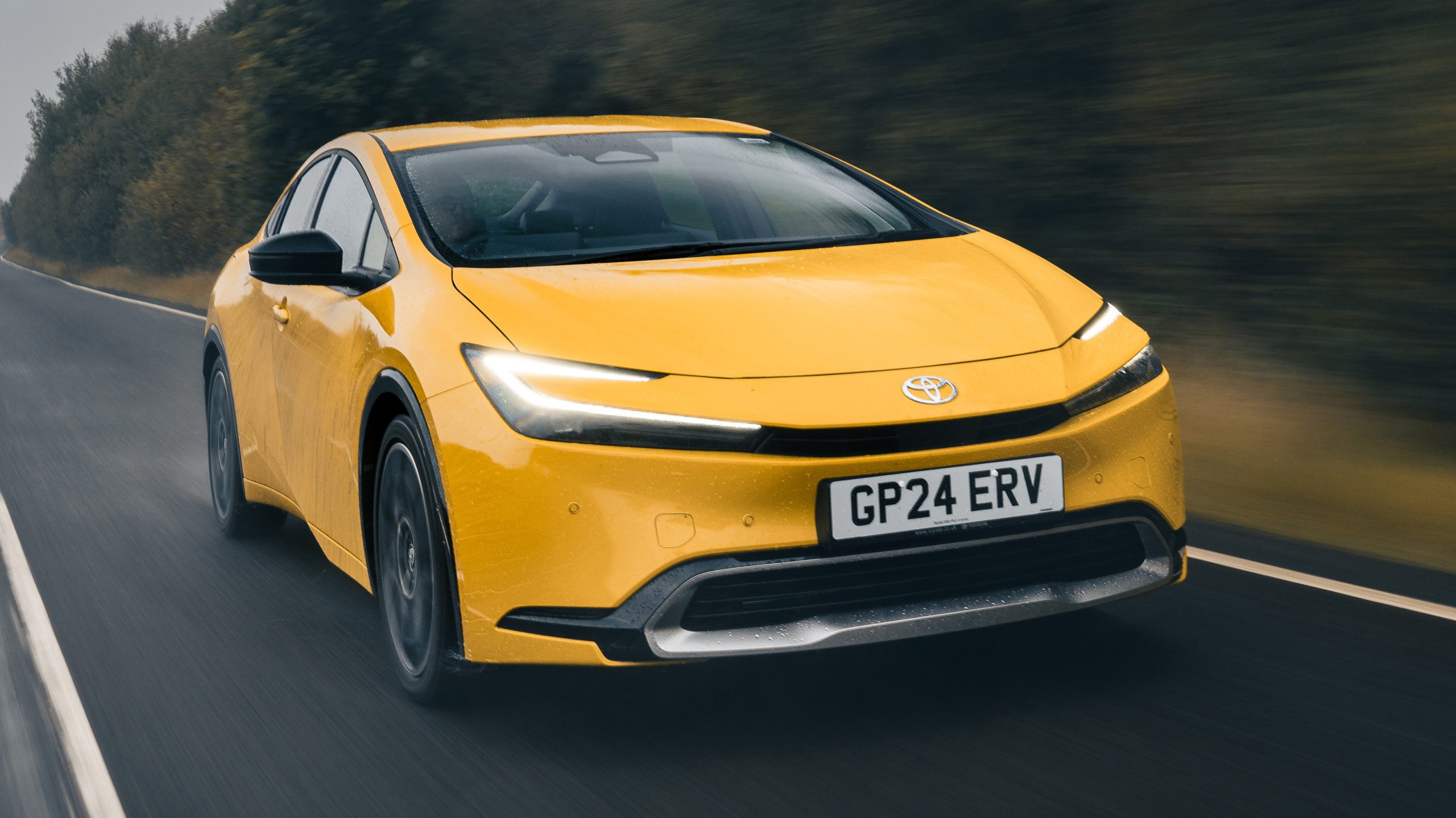
- Engine: 2.0L 4-cylinder hybrid (Atkinson cycle)
- Horsepower: 194 hp (FWD), up to 196 hp (AWD)
- Torque: ~188 Nm combined system (varies by setup; not always officially rated in full)
- Length: 181.1 inches (approx. 4599 mm)
- Width: 70.2 inches (approx. 1785 mm)
1. Toyota Prius
The Toyota Prius stands as the most iconic hybrid vehicle ever produced and continues to dominate discussions around fuel efficiency and long-term value retention. Since its global introduction, it has reshaped how consumers perceive hybrid technology, moving it from a niche innovation to a mainstream automotive choice.
The Prius has built its reputation on consistency, reliability, and unmatched efficiency, making it one of the strongest performers in the used car market.
Many gasoline hatchbacks tend to depreciate quickly as fuel costs rise and older engineering becomes less appealing, but the Prius continues to hold steady demand across a wide range of age groups and markets. Its reputation as the original hybrid also gives it a distinct advantage that helps support strong resale value.
One of the most important reasons the Prius holds value better than its gasoline twins is the durability of its hybrid system. Toyota invested heavily in refining the synergy drive system over multiple generations, which has resulted in a drivetrain known for longevity and minimal mechanical failure.
Many Prius vehicles continue to perform efficiently even after crossing high mileage thresholds that would typically reduce resale value in conventional cars. This reliability builds trust among used buyers, who often prioritize long-term dependability over short-term performance.
As a result, even older Prius models remain in circulation with strong demand, limiting depreciation compared to similar gas-powered hatchbacks.
Fuel efficiency is another critical factor that strengthens the Prius in the used car market. In urban environments with heavy traffic, the Prius demonstrates exceptional mileage due to its ability to switch seamlessly between electric and gasoline power. This advantage becomes even more significant as fuel prices fluctuate globally.
While gasoline hatchbacks may appear affordable initially, their long-term fuel expenses make them less attractive over time. Buyers in the used market quickly recognize that the Prius offers consistent savings, which increases willingness to pay higher resale prices and keeps depreciation slower.
The Prius also benefits from its strong global reputation as a pioneer in hybrid technology. It is not just a vehicle but a symbol of environmental awareness and modern engineering efficiency. This branding creates emotional and practical value, as buyers associate the Prius with forward thinking and cost-conscious driving.
Even in markets where hybrids are no longer a novelty, the Prius continues to stand out because of its proven history. This recognition helps it maintain steady demand, ensuring that it does not suffer from rapid price drops like many conventional compact cars.
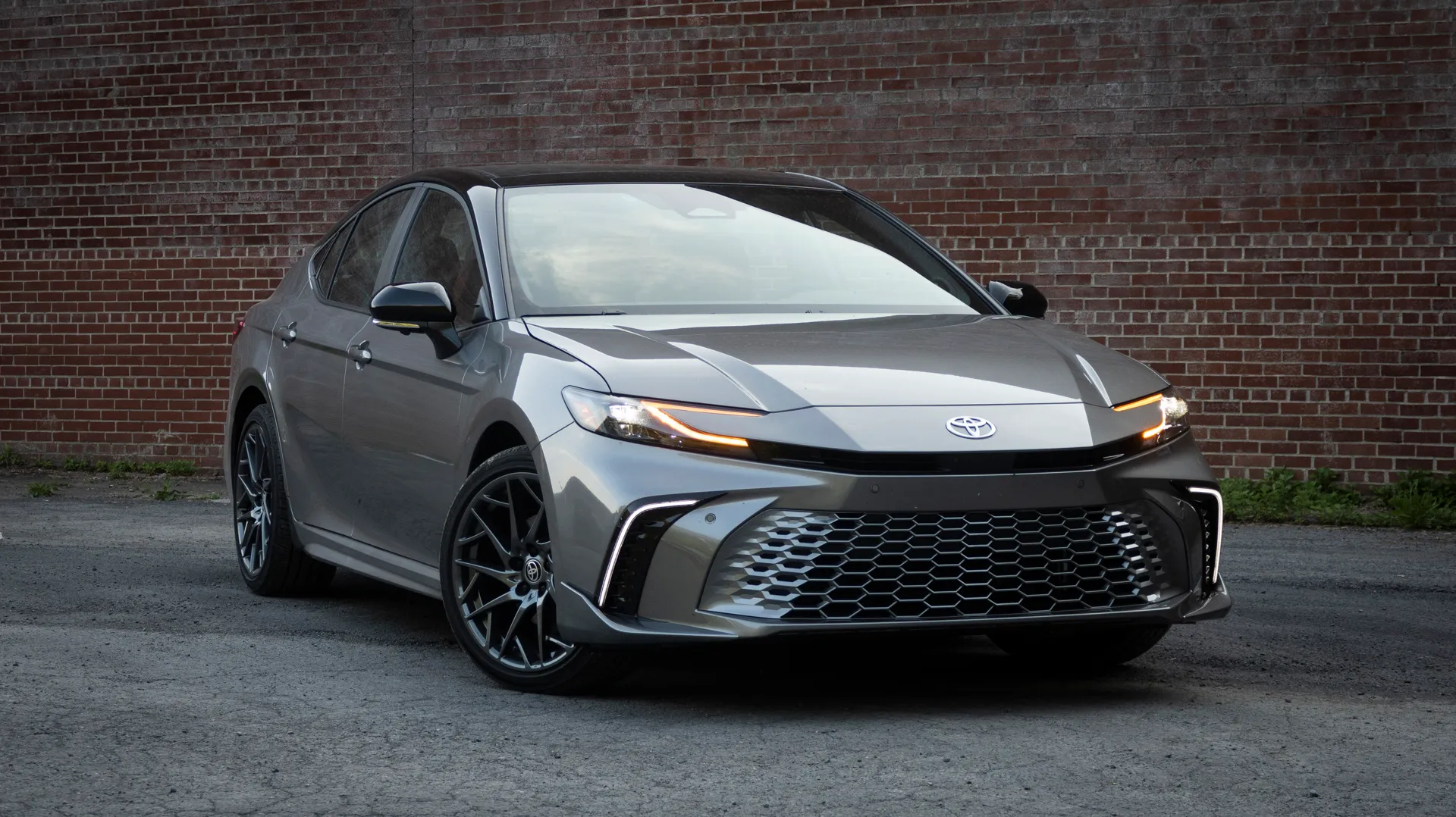
- Engine: 2.5L 4-cylinder hybrid (Dynamic Force engine)
- Horsepower: 208 hp (FWD)
- Torque: ~221 Nm engine torque (system torque not officially combined)
- Length: 192.1 inches (approx. 4885 mm)
- Width: 72.4 inches (approx. 1839 mm)
2. Toyota Camry Hybrid
The Toyota Camry Hybrid has established itself as one of the most dependable midsize sedans in the hybrid category, offering a strong balance of comfort, efficiency, and long-term value retention. Compared to its gasoline counterpart, the Camry Hybrid consistently performs better in resale markets because it appeals to a broader range of cost-conscious buyers.
Families, professionals, and commuters are all drawn to its combination of space, reliability, and reduced running costs. This wide appeal ensures that demand remains stable even as the vehicle ages, which helps slow depreciation compared to traditional gasoline sedans.
A key factor behind its strong value retention is Toyota’s well established reputation for producing durable vehicles. The Camry platform is widely recognized for long term dependability, and the hybrid system adds to this reliability rather than detracting from it. While some early hybrid models from other manufacturers were met with doubt, the Camry Hybrid benefits from years of continuous refinement in hybrid engineering.
This gives used buyers confidence that the vehicle will remain mechanically stable even after years of use. As a result, it avoids the steep depreciation curve often seen in midsize gasoline sedans that lack advanced efficiency systems.
Fuel efficiency plays a crucial role in strengthening the Camry Hybrid’s resale performance. In city driving conditions, where stop-and-go traffic is common, the hybrid system significantly reduces fuel consumption compared to the standard Camry. Over time, this translates into substantial savings for owners, making it more attractive in the used market.
Buyers often calculate long-term fuel expenses before making a purchase decision, and the Camry Hybrid consistently outperforms gasoline versions in this area. This economic advantage helps maintain higher resale prices and keeps demand steady across different markets.
Comfort and interior quality also contribute to its strong market position. The Camry Hybrid does not compromise on cabin space, ride quality, or driving comfort, which makes it suitable for both daily commuting and long-distance travel. Many hybrid vehicles focus heavily on efficiency and sacrifice comfort, but the Camry maintains a balanced approach.
This makes it appealing to buyers who want both practicality and refinement. As a result, it attracts a diverse group of used car buyers, which supports stronger resale values compared to more specialized gasoline sedans.
Long-term battery reliability also plays a major role in strengthening buyer confidence in the Camry Hybrid. Toyota has engineered its hybrid battery systems to deliver years of service with minimal degradation, addressing one of the most common concerns associated with hybrid ownership.
This durability ensures that even older Camry Hybrid models remain desirable in the used market. Combined with Toyota’s strong service network and low maintenance costs, this reliability ensures that the Camry Hybrid consistently retains more value than its gasoline twin in the midsize sedan category.
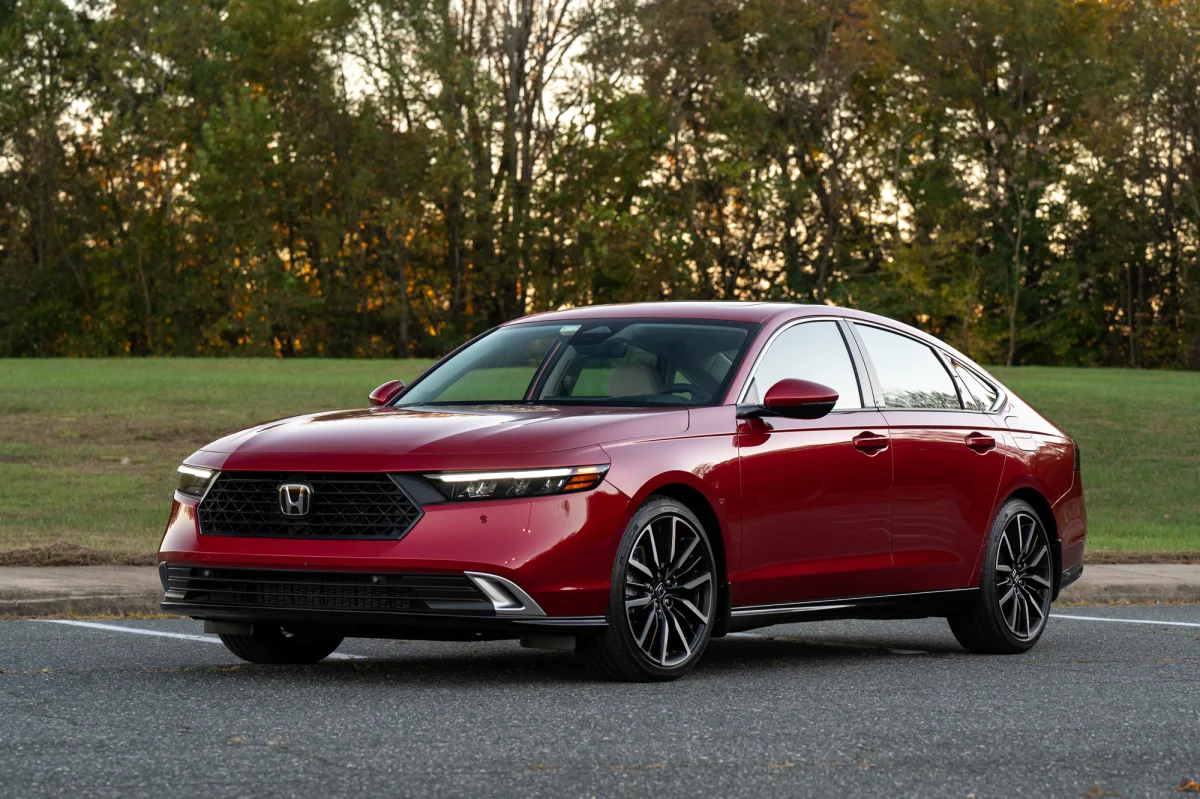
- Engine: 2.0L 4-cylinder Atkinson cycle hybrid
- Horsepower: 204 hp
- Torque: 335 Nm (247 lb-ft) electric motor torque (combined system feel)
- Length: 195.1 inches (approx. 4950 mm)
- Width: 73.3 inches (approx. 1862 mm)
3. Honda Accord Hybrid
The Honda Accord Hybrid has become one of the most respected midsize hybrid sedans due to its combination of performance, efficiency, and long-term reliability. It offers a more engaging driving experience than many competitors in the hybrid segment, which helps it stand out in the used car market.
Compared to its gasoline counterpart, the Accord Hybrid tends to retain more value because buyers increasingly prioritize fuel savings without giving up driving enjoyment. This balance between practicality and performance makes it a strong contender in the resale market.
One of the key reasons for its strong value retention is its refined hybrid driving system. The Accord Hybrid is designed to deliver smooth acceleration and responsive power delivery, making it feel more natural to drive than some early hybrid models.
This improved driving experience broadens its appeal beyond just efficiency-focused buyers. Enthusiasts who typically prefer gasoline engines are also willing to consider the hybrid version due to its performance improvements. This wider audience helps maintain demand in the used market, which supports stronger resale values.
Fuel economy is another major strength that directly influences its depreciation rate. The Accord Hybrid consistently delivers significantly better mileage than the standard gasoline Accord, especially in urban conditions.
This difference becomes more valuable over time as fuel prices rise and buyers become more cost-conscious. Used car buyers often evaluate the total cost of ownership rather than just the purchase price, and the Accord Hybrid performs very well in this calculation. This ongoing demand for fuel-efficient sedans helps stabilize its resale value.
Honda’s engineering reputation also plays an important role in its market performance. The hybrid system used in the Accord is designed for durability and long-term reliability, reducing concerns about battery failure or complex maintenance issues.
Honda has a strong history of building dependable vehicles, and this reputation extends to its hybrid lineup. Buyers in the used market trust that the Accord Hybrid will remain reliable even after high mileage, which encourages stronger pricing compared to many gasoline midsize sedans.
The Accord Hybrid also benefits from strong brand loyalty and steady demand within the midsize sedan segment. It is commonly chosen by professionals, families, and fleet operators, which helps maintain a consistent pool of buyers in the resale market.
This consistent demand prevents steep price drops and helps it outperform many gasoline-powered competitors. Its combination of efficiency, comfort, and reliability makes it one of the strongest value-retaining hybrids in its class.
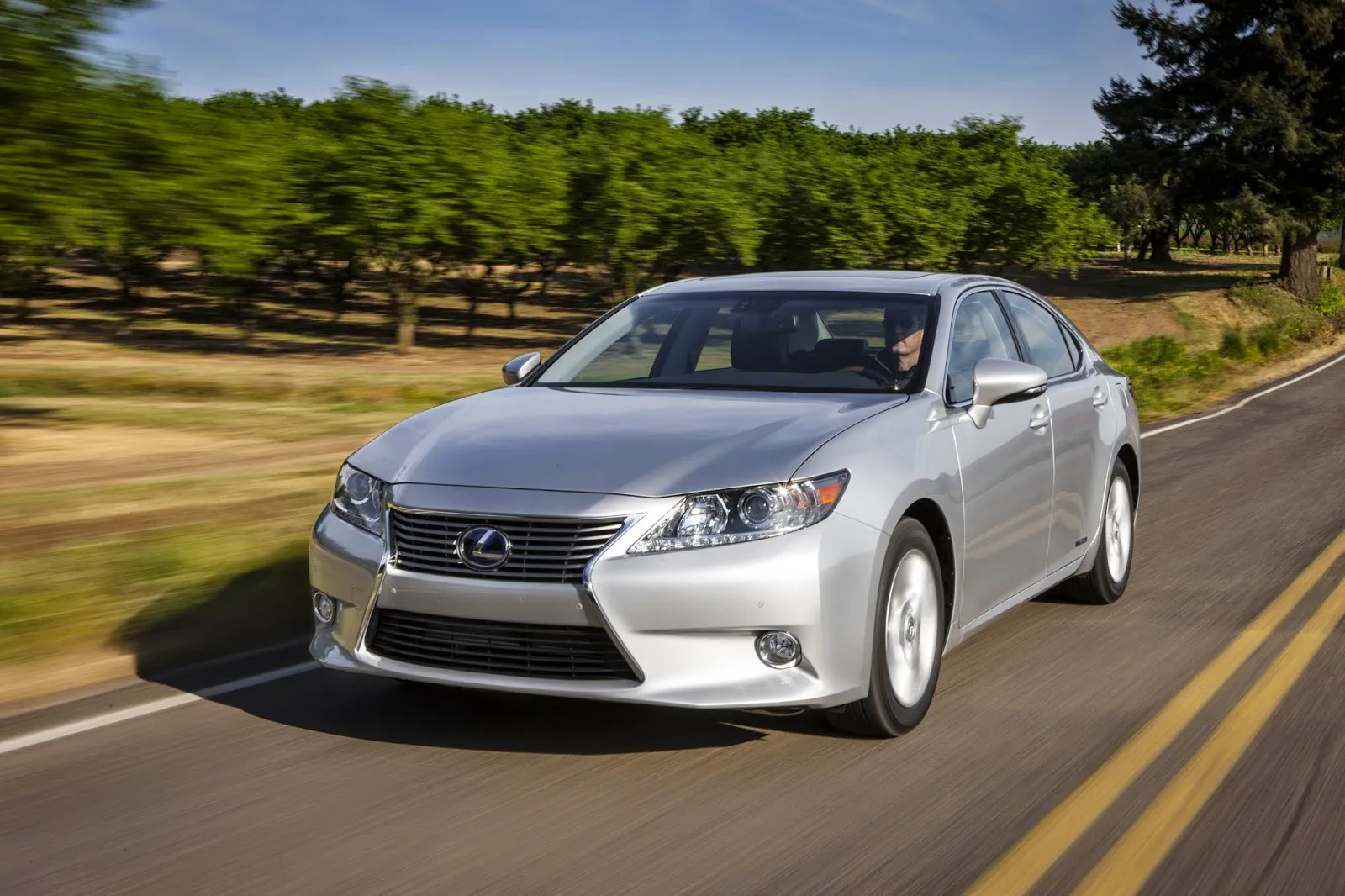
- Engine: 2.5L 4-cylinder hybrid (Atkinson cycle)
- Horsepower: 215 hp
- Torque: ~221 Nm engine torque (system torque not officially combined)
- Length: 195.9 inches (approx. 4975 mm)
- Width: 73.4 inches (approx. 1865 mm)
4. Lexus ES 300h
The Lexus ES 300h represents the luxury hybrid segment and stands out as one of the most dependable and value-retaining vehicles in its category. It combines Lexus luxury with Toyota hybrid engineering, creating a vehicle that offers both premium comfort and long-term reliability.
Compared to its gasoline luxury counterparts, it consistently holds value better due to its efficiency, lower maintenance costs, and strong brand reputation. This makes it a preferred choice for buyers seeking luxury without excessive depreciation.
A major factor behind its strong resale value is its exceptional reliability. Lexus has built its reputation on producing durable luxury vehicles, and the ES 300h is one of the best examples of this philosophy.
The hybrid system is derived from Toyota’s proven technology, which significantly reduces mechanical risk. This combination of luxury refinement and mechanical dependability gives used buyers confidence, allowing the vehicle to maintain strong demand even after several years of use.
Comfort and refinement are also central to its value retention. The ES 300h offers a quiet and smooth driving experience that appeals to luxury buyers who prioritize comfort over aggressive performance.
The cabin is designed for relaxation, with high-quality materials and excellent ride isolation. This consistent luxury experience ensures that even older models remain desirable in the used market. Buyers who want premium comfort at a lower price point often choose the ES 300h over gasoline luxury sedans.
Fuel efficiency also adds to its appeal in the resale market. Many luxury sedans are known for high fuel consumption, but the ES 300h stands out with strong mileage for its class. This helps lower long-term ownership costs, which makes it especially attractive to practical luxury buyers.
As operating costs become a bigger factor in purchasing decisions, this hybrid advantage becomes increasingly important in maintaining resale value.
The Lexus brand reputation plays a significant role in its strong value retention. It is widely associated with reliability, low maintenance costs, and long-term durability within the luxury segment.
This reputation ensures that the ES 300h remains in demand even in older model years. Combined with its hybrid efficiency and comfort, it consistently outperforms many gasoline luxury sedans in resale performance.
Also Read: The V8 Sports Sedan With Toyota Reliability And M-Car Pace
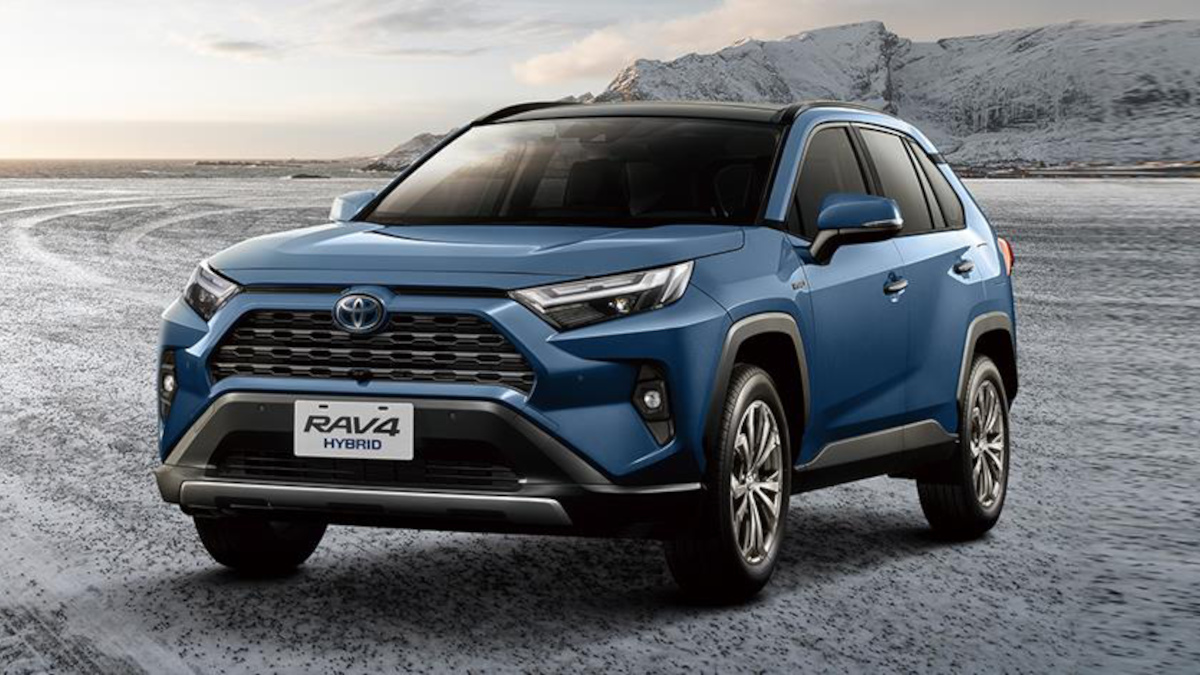
- Engine: 2.5L 4-cylinder hybrid (Atkinson cycle)
- Horsepower: 219 hp (AWD models up to 221 hp)
- Torque: ~221 Nm engine torque (system torque not officially combined)
- Length: 180.9 inches (approx. 4595 mm)
- Width: 73.0 inches (approx. 1855 mm)
5. Toyota RAV4 Hybrid
The Toyota RAV4 Hybrid is one of the most successful hybrid SUVs in the global market and consistently demonstrates stronger resale value than its gasoline counterpart.
It combines SUV practicality with hybrid efficiency, making it one of the most balanced vehicles for families and commuters. The strong demand for compact SUVs, combined with rising interest in fuel efficiency, ensures that the RAV4 Hybrid remains highly desirable in the used market.
One of its strongest advantages is its wide market appeal. The RAV4 Hybrid attracts families, urban drivers, and outdoor enthusiasts due to its versatility.
It offers the practicality of an SUV while maintaining significantly better fuel economy than traditional gasoline SUVs. This combination makes it highly attractive to used car buyers who want both space and efficiency. The broader buyer base helps maintain strong resale values over time.
Fuel efficiency is a key factor that separates it from its gasoline twin. The hybrid system allows the RAV4 to deliver significantly lower fuel consumption, especially in city driving conditions. This becomes increasingly important as fuel prices rise and buyers become more conscious of running costs. The savings over time make the hybrid version more valuable in the used market, supporting stronger pricing and slower depreciation.
Reliability also plays a crucial role in its value retention. Toyota’s hybrid systems are known for durability and long-term performance, and the RAV4 Hybrid benefits from this engineering consistency. Buyers trust that the vehicle will remain dependable even after high mileage, which increases confidence in purchasing used models. This reliability reduces uncertainty and supports stronger resale demand.
The RAV4 Hybrid also benefits from strong global demand in the SUV segment. SUVs remain among the most popular vehicle categories, while hybrid variants are increasingly favored for their efficiency advantages. This blend of practicality, reliability, and fuel savings helps the RAV4 Hybrid consistently achieve stronger resale value than its gasoline equivalent across many markets.
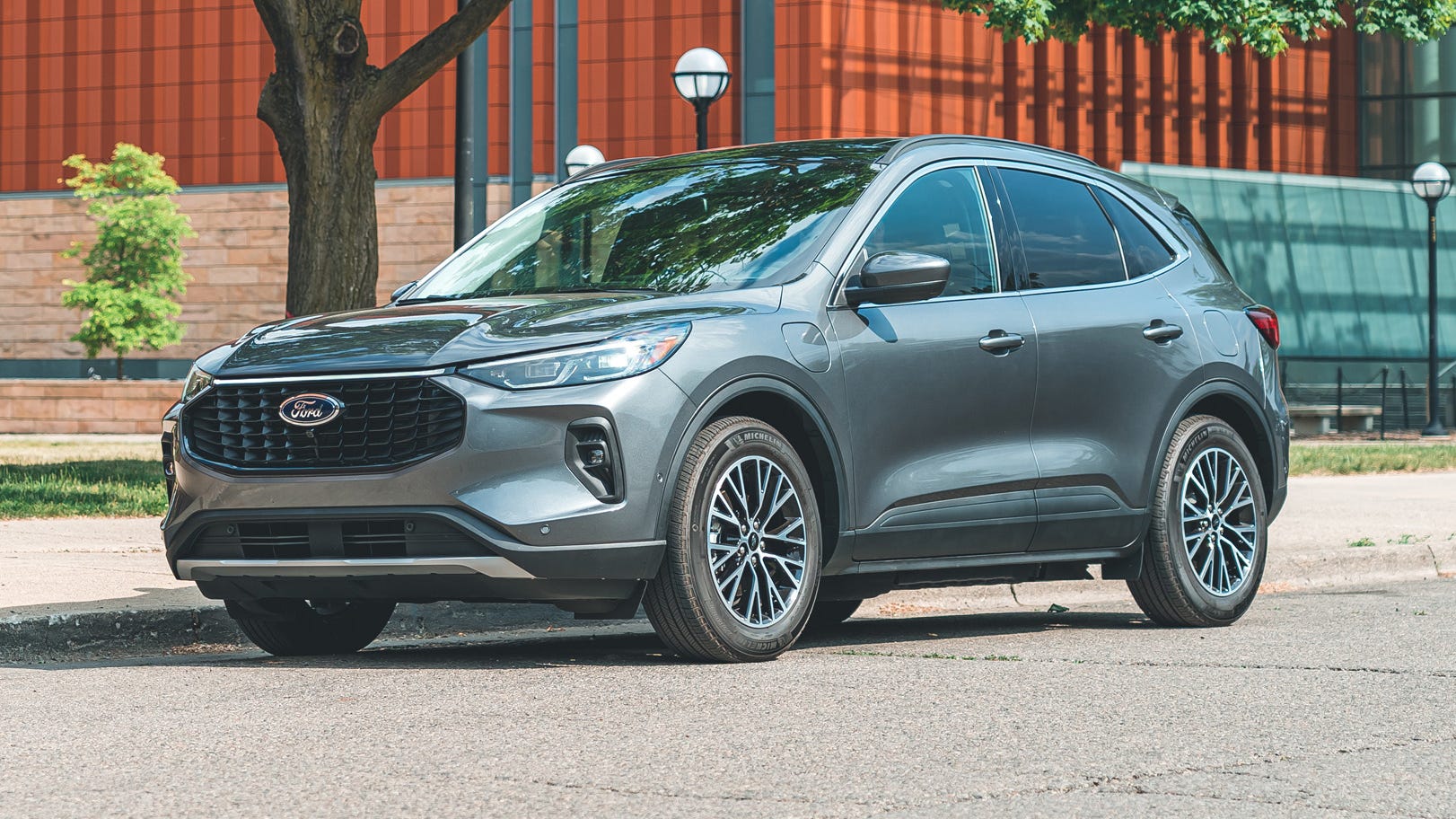
- Engine: 2.5L 4-cylinder Atkinson hybrid
- Horsepower: 192 hp
- Torque: ~210 Nm engine torque (system torque not officially combined)
- Length: 180.5 inches (approx. 4585 mm)
- Width: 74.1 inches (approx. 1882 mm)
6. Ford Escape Hybrid
The Ford Escape Hybrid has become an important player in the compact SUV segment, especially as buyers increasingly look for affordable fuel-efficient alternatives to traditional gasoline crossovers. While it may not have the same long-standing hybrid legacy as Toyota models, it has gained strong traction in the used car market due to its practicality and improved hybrid engineering.
Compared to its gasoline counterpart, the Escape Hybrid often holds value better because it offers a clear reduction in running costs, which is a major deciding factor for used buyers. Its combination of SUV utility and hybrid efficiency makes it a practical choice for a wide range of consumers, from daily commuters to small families.
One of the main reasons for its improved resale performance is its urban driving efficiency. The hybrid system in the Ford Escape Hybrid is optimized for stop-and-go traffic, where electric assistance plays a significant role in reducing fuel consumption.
In cities and congested areas, this advantage becomes very noticeable compared to the gasoline Escape, which consumes more fuel under similar conditions. As more buyers shift toward cost-conscious driving, this efficiency gap makes the hybrid version more desirable in the used market. Over time, this demand helps stabilize resale prices and reduce depreciation pressure.
Another key factor supporting its value retention is the lower cost of ownership over time. Fuel savings alone make a significant difference, especially for drivers who cover long daily distances. In addition, Ford has improved the reliability of its hybrid systems in newer generations, reducing concerns that earlier hybrid adopters may have had.
Maintenance costs remain relatively manageable, and the availability of parts through Ford’s widespread service network adds to buyer confidence. These practical benefits make the Escape Hybrid a financially sensible choice, which strengthens its position in the used SUV segment.
The growing popularity of compact SUVs also contributes heavily to the Escape Hybrid’s resale strength. SUVs are one of the most in-demand vehicle categories globally, and compact models are particularly favored for their balance of size, efficiency, and usability.
When a hybrid system is added to this already popular body style, it increases demand further. Buyers who want SUV practicality without the high fuel costs of traditional models often consider the Escape Hybrid as a strong alternative. This consistent demand ensures that resale values remain more stable compared to the gasoline version.
The Escape Hybrid also benefits from the growing shift toward electrified transportation. Many buyers who are not yet ready for fully electric vehicles view hybrids as a more practical transition option. This perspective boosts interest in models like the Escape Hybrid, which bridge the gap between traditional combustion engines and electric mobility.
As awareness of fuel economy and emissions continues to grow, the Escape Hybrid is positioned as a practical, value-retaining option in the used compact SUV market.
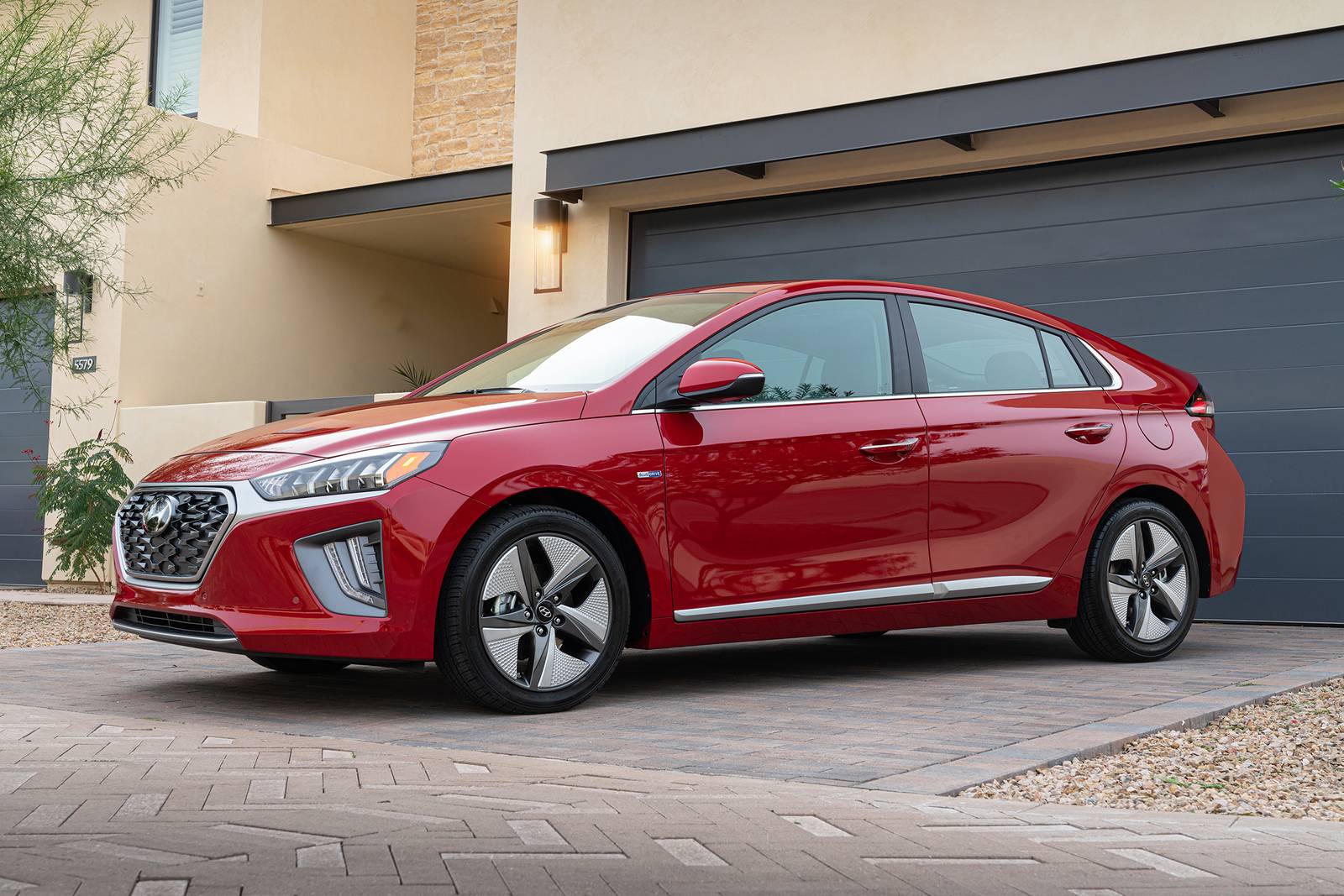
- Engine: 1.6L 4-cylinder hybrid
- Horsepower: 139 hp
- Torque: 195 Nm (144 lb-ft) combined system torque
- Length: 176.0 inches (approx. 4470 mm)
- Width: 71.9 inches (approx. 1825 mm)
7. Hyundai Ioniq Hybrid
The Hyundai Ioniq Hybrid has earned a strong reputation as one of the most efficient and budget-friendly hybrid hatchbacks ever produced. It was designed from the ground up with efficiency in mind, making it a standout option in the compact hybrid segment.
Compared to its gasoline hatchback rivals, the Ioniq Hybrid often retains value better because it offers significantly lower fuel consumption and modern features at an accessible price point. This combination of affordability and efficiency makes it highly attractive in the used car market.
One of the strongest reasons for its value retention is its exceptional fuel economy. The Ioniq Hybrid consistently delivers some of the highest mileage figures in its class, which makes it especially appealing to cost-conscious buyers. In real-world driving conditions, especially in city traffic, it can outperform many gasoline hatchbacks by a large margin.
This efficiency advantage becomes even more important as fuel prices fluctuate, increasing demand for used hybrid vehicles. As a result, the Ioniq Hybrid maintains strong interest even as it ages.
Another important factor is its low maintenance and ownership cost profile. Hyundai has significantly improved its reliability over the years, and the Ioniq benefits from a relatively simple yet effective hybrid system.
Fewer mechanical complications compared to older hybrid technologies reduce the risk of expensive repairs. Additionally, Hyundai’s warranty reputation adds confidence for second-hand buyers, even when the original warranty period has partially expired. This combination of affordability and reliability strengthens its resale position.
The practicality of the Ioniq Hybrid also contributes to its market strength. While it is designed for efficiency, it still offers a comfortable cabin, decent cargo space, and modern infotainment features. This makes it suitable for daily commuting as well as small family usage.
Buyers in the used market often look for vehicles that can balance economy with usability, and the Ioniq Hybrid fits this requirement well. This broad usability increases demand across different buyer segments, helping maintain stronger resale value.
The growing global emphasis on fuel-efficient transportation also strengthens the Ioniq Hybrid’s long-term value. As more consumers prioritize fuel savings and reduced environmental impact, demand for efficient hybrid vehicles continues to rise.
The Ioniq Hybrid benefits directly from this trend due to its strong efficiency reputation. Even in competitive markets, it remains a preferred option for buyers seeking maximum mileage at a reasonable price, ensuring steady resale demand over time.
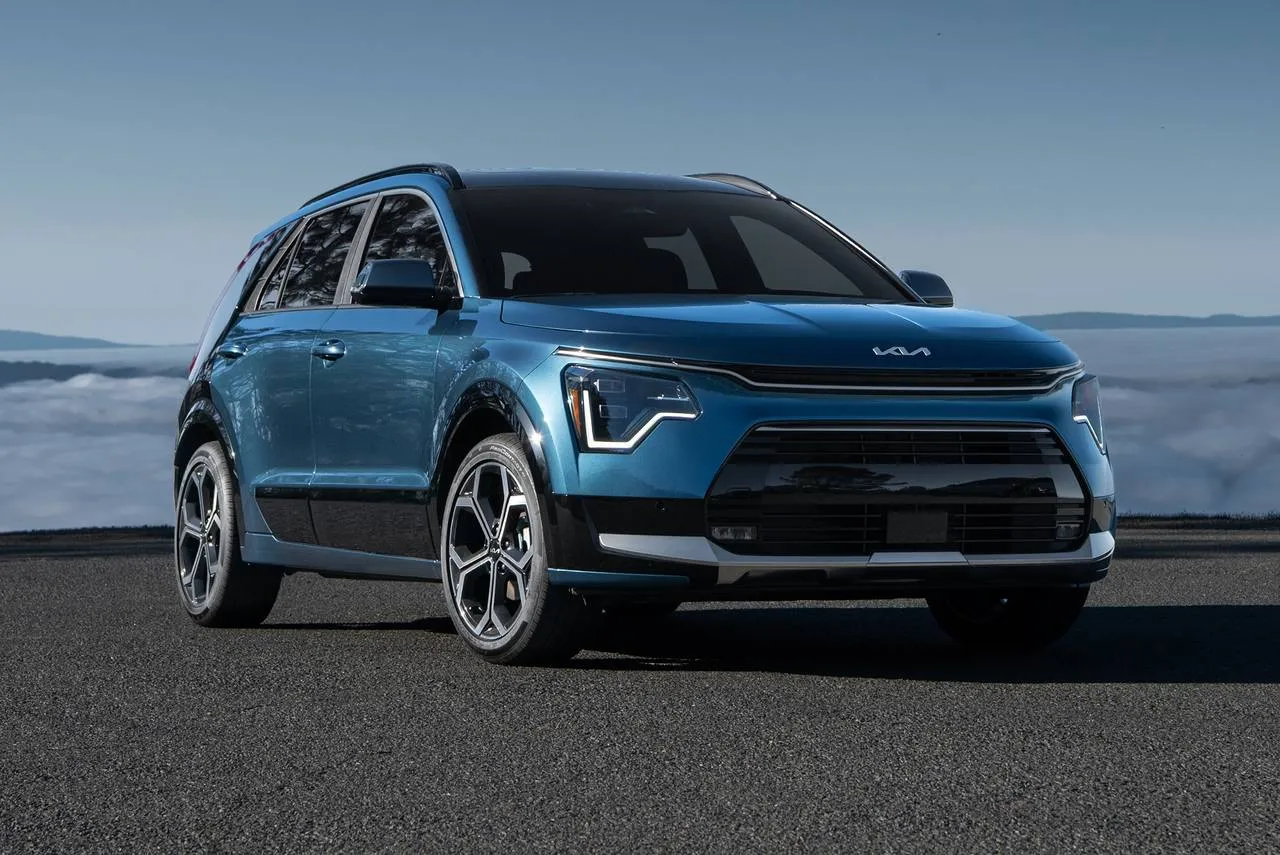
- Engine: 1.6L 4-cylinder hybrid
- Horsepower: 139 hp
- Torque: 195 Nm (144 lb-ft) combined system torque
- Length: 174.0 inches (approx. 4420 mm)
- Width: 71.9 inches (approx. 1825 mm)
8. Kia Niro Hybrid
The Kia Niro Hybrid has established itself as a versatile and practical compact crossover that performs strongly in the used car market. It was designed to bridge the gap between traditional hatchbacks and SUVs, offering buyers a unique combination of efficiency, space, and modern design.
Compared to its gasoline-powered counterparts, the Niro Hybrid often retains value better due to its strong fuel economy and growing popularity in the hybrid crossover segment. Its appeal lies in its ability to meet the needs of urban drivers as well as small families looking for practicality and savings.
A key factor behind its strong resale performance is its flexible design and usability. The Niro Hybrid offers the elevated driving position and practicality of an SUV while maintaining the efficiency of a hatchback.
This combination makes it highly adaptable to different lifestyles, whether for city commuting or weekend travel. Buyers appreciate this versatility, which increases demand in the used market. Vehicles that serve multiple purposes tend to depreciate more slowly, and the Niro Hybrid benefits directly from this characteristic.
Fuel efficiency is another major advantage that significantly enhances its value retention. The hybrid system in the Niro is engineered to deliver excellent mileage, particularly in urban environments where stop-and-go traffic allows the electric motor to operate frequently.
This results in noticeable fuel savings compared to gasoline crossovers in the same segment. As buyers become more cost-conscious, this advantage becomes a major selling point. The long-term savings help maintain a strong interest in used models, supporting stable resale prices.
Kia’s improved reputation for quality and reliability also plays a major role in the Niro Hybrid’s market performance. In recent years, Kia has made significant advancements in vehicle durability, design quality, and technology integration. The Niro Hybrid reflects this progress, offering a reliable and modern ownership experience.
Buyers in the used market are increasingly confident in Kia’s long-term dependability, which reduces hesitation when purchasing older models. This growing trust directly supports better resale value compared to older perceptions of the brand.
The compact crossover segment itself also plays a key role in the Niro Hybrid’s strong value retention. Crossovers continue to rank among the most in-demand vehicle types worldwide, while hybrid variants are gaining even more appeal as fuel prices increase.
The Niro Hybrid sits in a sweet spot where efficiency, practicality, and affordability intersect. This ensures consistent demand from a wide range of buyers, helping it maintain stronger resale value compared to many gasoline-powered competitors in the same category.
