
When people think about American cars, they often imagine Detroit muscle, large pickup trucks, and long highway cruisers designed for comfort, durability, and everyday practicality. However, the modern American automotive industry is far more diverse than it used to be.
Over the last few decades, several foreign car manufacturers have not only entered the United States market but have also become deeply embedded in American culture, driving habits, and lifestyle expectations. In many cases, these brands are so widely accepted and trusted that most drivers no longer think of them as foreign at all. They are simply part of the American driving experience.
This shift has been driven by multiple factors, including manufacturing plants in the United States, localized vehicle designs tailored specifically for American roads, and long-term reliability records that have earned consumer trust.
Brands from Japan, South Korea, Germany, Sweden, and elsewhere have adapted their engineering philosophies to meet the unique demands of American drivers. These demands include long-distance commuting, highway stability, cargo space, affordability, and increasingly, fuel efficiency and hybrid technology.
What makes this phenomenon even more interesting is that many of these brands now compete directly with traditional American automakers such as Ford, Chevrolet, and Dodge in segments like pickup trucks, SUVs, and performance sedans. Some foreign brands even lead in certain categories, especially in hybrid vehicles and compact SUVs.
This blending of automotive cultures has created a market where origin matters far less than performance, reliability, and value.
In this article, we explore eight foreign car brands that feel completely American in spirit, reputation, and everyday presence. These brands have successfully crossed cultural and industrial boundaries to become household names across the United States.
Whether it is through best-selling models, strong dealership networks, or long-standing customer loyalty, each of these manufacturers has earned a place in the American automotive identity. From dependable family SUVs to rugged trucks and refined luxury sedans, these brands demonstrate how global the American car market has truly become.
Also Read: 8 Repairs That Cost More in Parts Than Labor
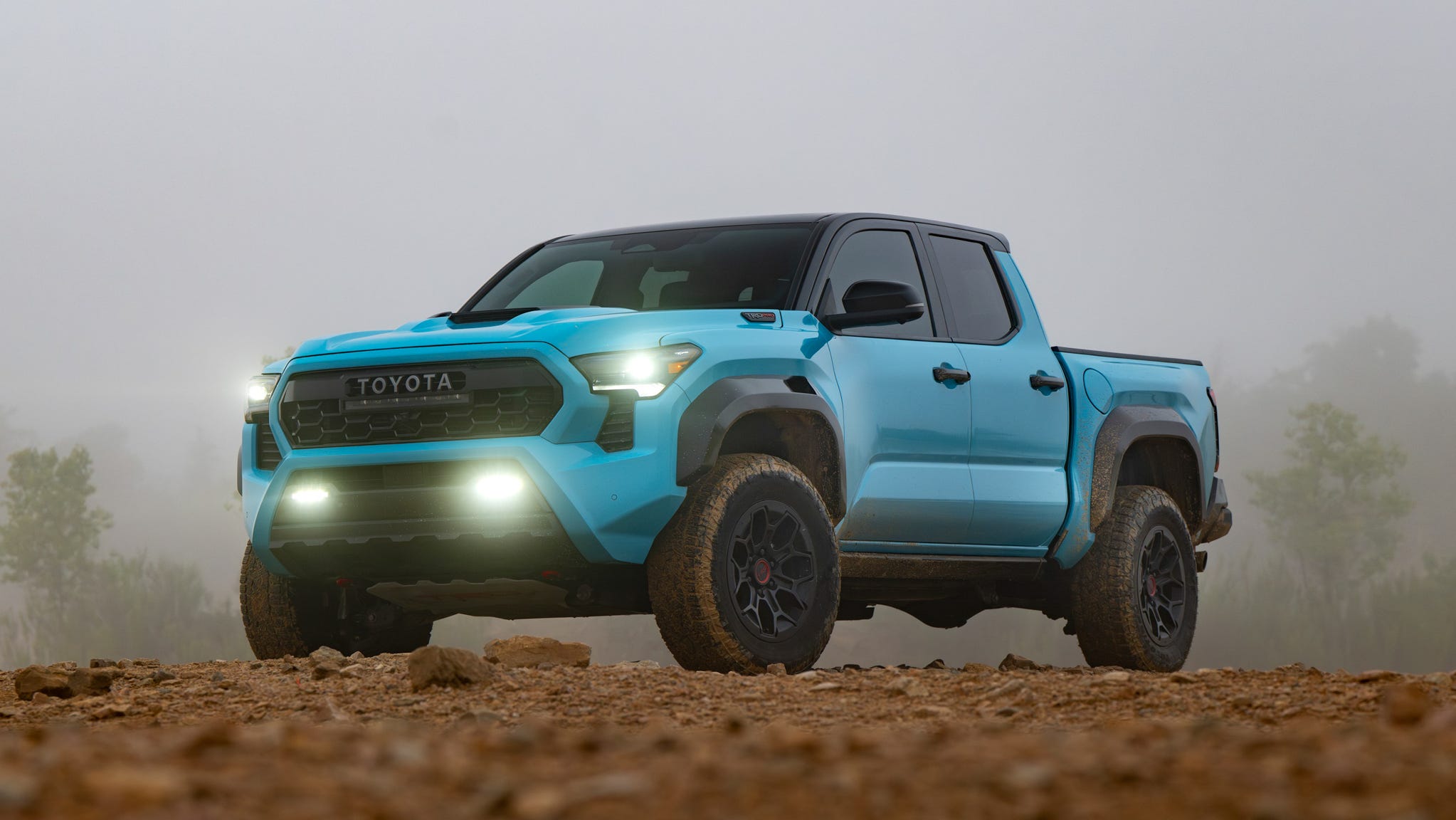
1. Toyota Motor Corporation
Toyota has become one of the most American-feeling foreign car brands due to its unmatched reputation for reliability and long-term durability.
Over the years, it has built a strong presence in the United States by consistently delivering vehicles that are known to last for hundreds of thousands of miles with minimal issues. This reputation has made Toyota a top choice for families, commuters, and fleet operators who prioritize dependability over flashy features.
One of the most significant reasons Toyota feels American is its extensive manufacturing footprint in the United States. Many of its most popular models, including sedans and SUVs, are assembled in American plants, employing thousands of workers.
This localized production helps the brand integrate into the domestic economy and strengthens its connection with American consumers who value domestic job creation.
Toyota has also mastered the American preference for trucks and SUVs. Vehicles like its full-size pickup and mid-size SUVs are designed specifically with American roads, towing needs, and lifestyle habits in mind.
These vehicles are commonly seen in suburban neighborhoods, rural areas, and construction zones, blending seamlessly into the everyday American environment.
Another factor that enhances Toyota’s American identity is its leadership in hybrid technology, particularly with mainstream models that prioritize fuel efficiency without sacrificing practicality. This aligns well with American consumers who drive long distances and are increasingly conscious of fuel costs. The brand’s hybrid vehicles have become a common sight in both urban and rural settings.
Toyota’s widespread dealership and service network across the United States ensures that ownership is convenient and accessible. This level of infrastructure makes the brand feel as familiar and dependable as any domestic manufacturer, reinforcing its place as a truly American integrated automotive presence.
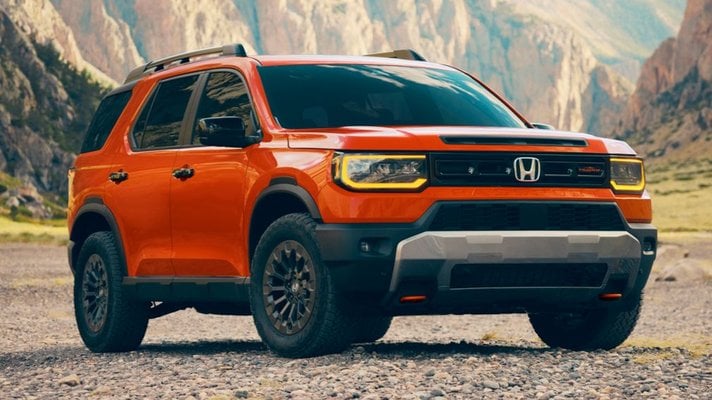
2. Honda Motor Co., Ltd.
Honda is another Japanese automaker that has become deeply woven into the fabric of American driving culture. Known for its efficiency, practicality, and engineering consistency, Honda vehicles are often considered the default choice for first-time car buyers, students, and families seeking long-term value.
Over decades, the brand has built a reputation that feels less foreign and more like a trusted domestic staple.
A major reason Honda feels American is its focus on affordable, fuel-efficient vehicles that suit daily commuting needs across the United States.
Many Americans rely on long commutes, and Honda’s compact cars and sedans have historically been among the most economical choices for such lifestyles. This practicality has made the brand especially popular in suburban and urban regions.
Honda also operates major manufacturing facilities in the United States, producing a significant portion of its vehicles domestically. This not only reduces costs and supply chain dependencies but also strengthens its identity as a contributor to the American economy. Many buyers are often surprised to learn how many Honda models are built in America.
In addition, Honda has expanded into the SUV and crossover segments, which dominate the American market today. These vehicles combine practicality, family friendliness, and reliability, making them ideal for American households. The brand’s ability to adapt to shifting consumer preferences has helped it remain relevant across generations.
Honda’s reputation for low maintenance costs and long-lasting engines has cemented its place in American garages. Many families pass Honda vehicles down through multiple drivers, reinforcing the idea that these cars are built to endure American driving conditions for the long haul.
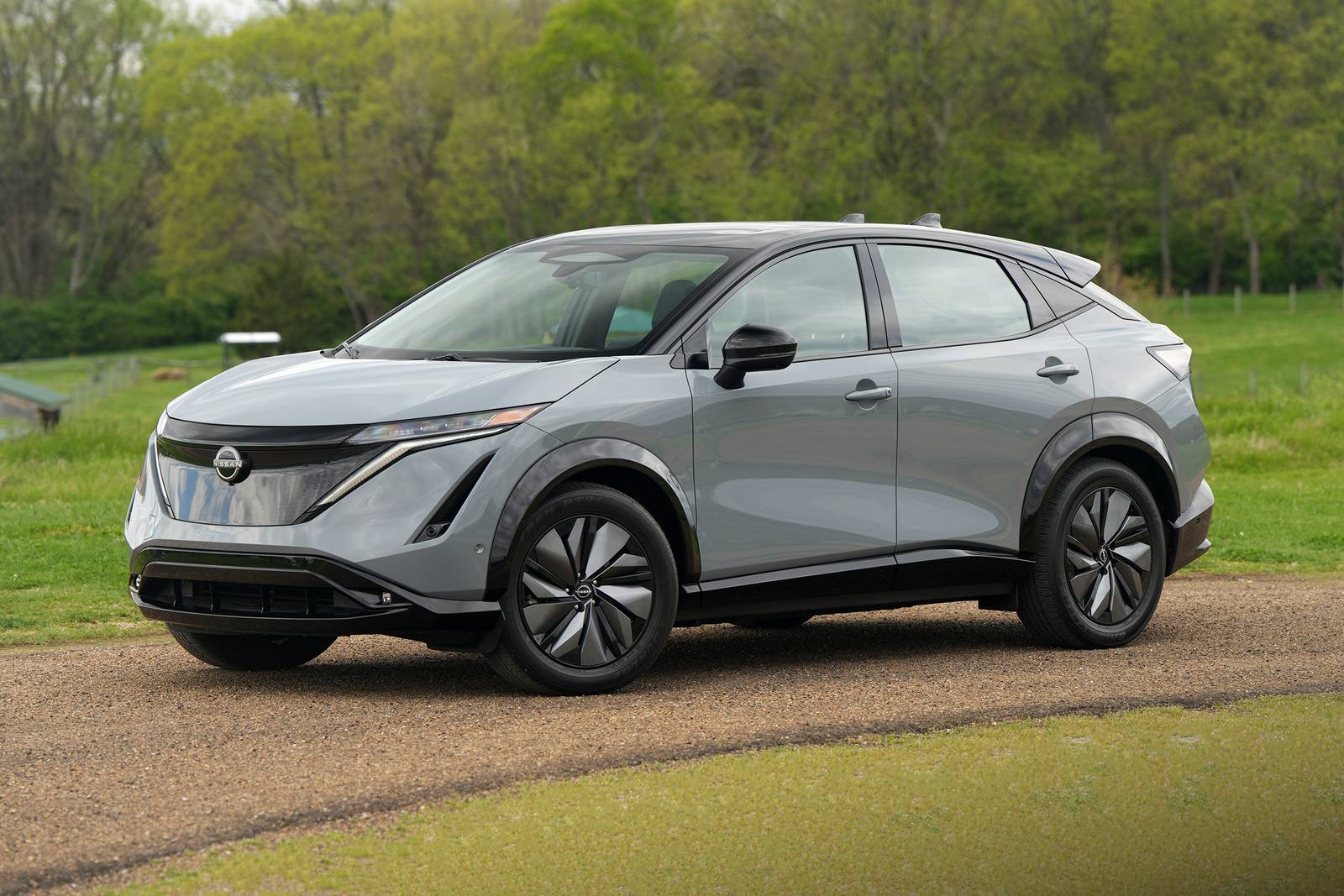
3. Nissan Motor Corporation
Nissan has carved out a strong identity in the United States by offering a wide range of vehicles that balance affordability, performance, and modern design.
Over time, it has become a familiar name across American highways, parking lots, and suburban driveways. Its ability to appeal to budget-conscious buyers while still offering stylish and capable vehicles has helped it integrate deeply into the market.
One of the key reasons Nissan feels American is its strong presence in the mainstream sedan and SUV segments. These are the most commonly used vehicle types in the United States, and Nissan has consistently offered competitive options that meet everyday needs. Its vehicles are often chosen for their value pricing and comfortable driving experience.
Nissan also produces vehicles in the United States, further strengthening its American identity. Domestic production helps the company maintain competitive pricing while also contributing to local employment. This manufacturing presence allows Nissan to be seen not just as a foreign brand but as part of the American industrial industry.
Another important factor is Nissan’s emphasis on innovation, particularly in electric vehicles. Its early entry into the mass market EV segment helped shape the direction of electrification in the United States. This forward-thinking approach aligns with America’s growing interest in sustainable transportation solutions.
Nissan’s wide dealership network and accessible financing options make it a practical choice for a broad range of American consumers. Whether in large cities or rural towns, Nissan vehicles are easy to find, service, and maintain, reinforcing their everyday American presence.
4. Hyundai Motor Company
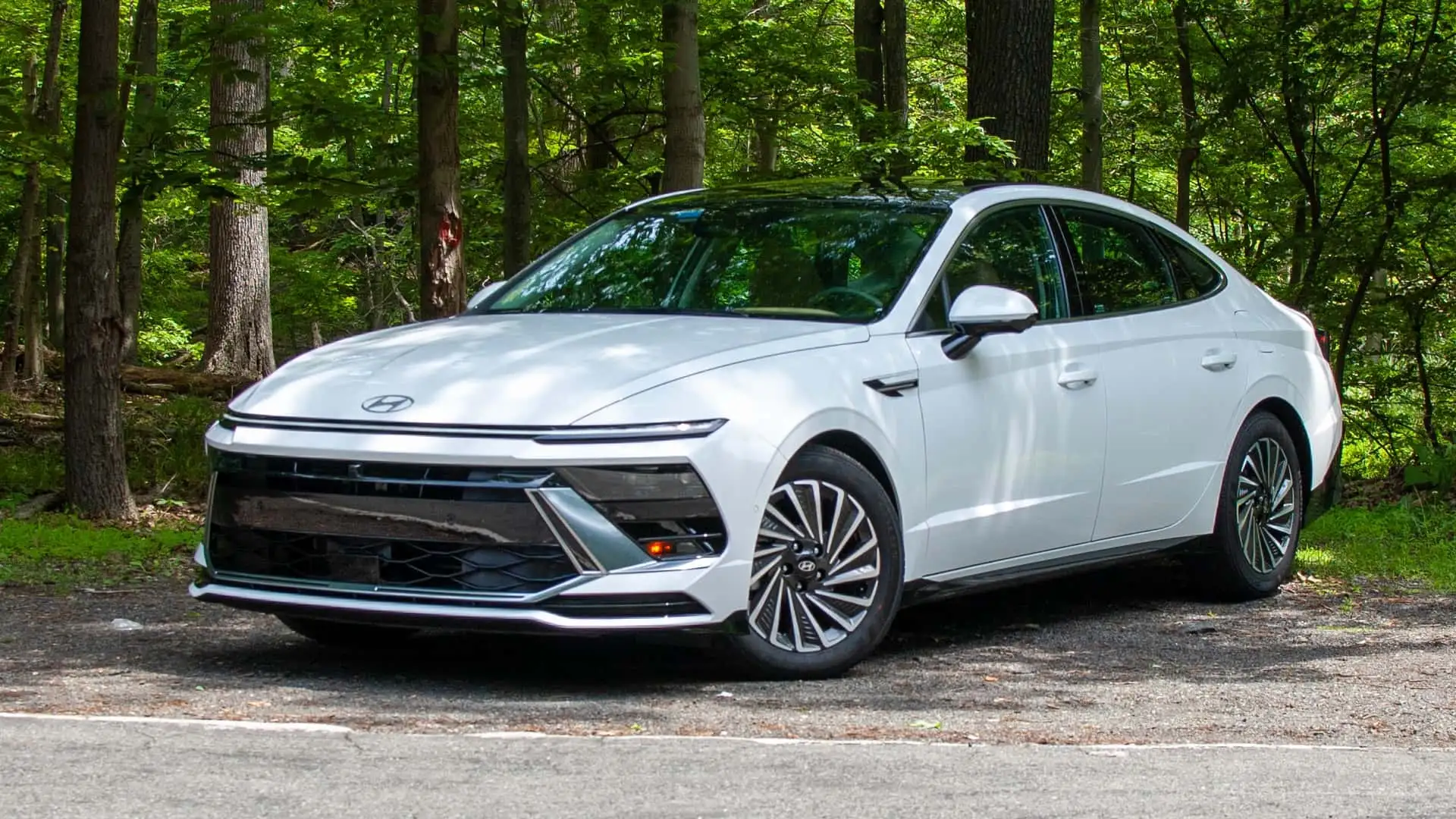
Hyundai has undergone one of the most dramatic transformations in the global automotive industry, evolving from a budget-oriented brand into a respected competitor in the American market. Today, Hyundai vehicles are widely seen across the United States, from compact cars to stylish SUVs that rival long-established competitors.
Hyundai feels American because it has successfully aligned its product lineup with the preferences of American drivers. This includes offering spacious interiors, advanced technology features, and strong warranty programs that appeal to practical buyers. These qualities have helped it gain trust in a highly competitive market.
The brand has also invested heavily in manufacturing facilities in the United States. By producing vehicles domestically, Hyundai strengthens its economic ties to the country and ensures its products are tailored to local demand. This presence has helped shift public perception of Hyundai from an imported budget brand to a mainstream automotive player.
Hyundai’s design philosophy has also evolved significantly, focusing on bold styling and modern aesthetics that resonate with younger American buyers. Its vehicles often stand out visually, making them popular in urban environments and suburban communities alike.
Hyundai’s strong emphasis on value, technology, and warranty coverage has made it especially attractive to first-time buyers and families. This combination of affordability and reliability has helped it secure a lasting place in the American automotive market.
5. Kia Corporation
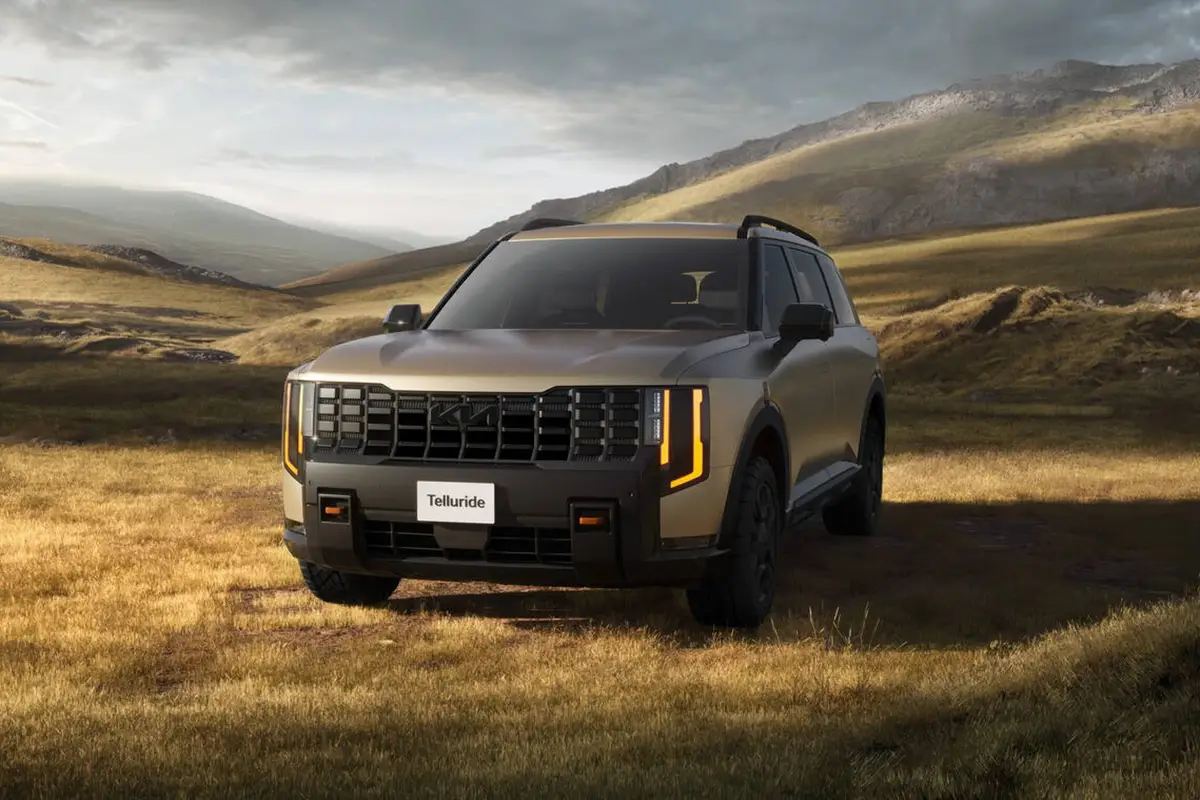
Kia, closely related to Hyundai, has also become a major force in the American automotive industry. Over the years, it has transformed from a lesser-known budget brand into a stylish and competitive manufacturer with a strong presence across the United States.
Kia feels American because it offers vehicles that prioritize design, practicality, and affordability in a way that resonates strongly with American consumers. Its SUVs and crossovers are especially popular among families seeking space, comfort, and modern features at a reasonable price point.
The brand has significantly expanded its manufacturing operations in the United States, which has helped it integrate into the domestic economy. This has improved both production efficiency and consumer perception, making Kia feel more local than foreign in many regions.
Kia has also invested heavily in design innovation, producing vehicles that often win awards for style and interior quality. This focus on aesthetics has helped it compete with more established brands in both mainstream and near-luxury segments.
Kia’s long warranty coverage and strong value proposition have built trust among American buyers. Many consumers view Kia as a smart financial choice that does not compromise on modern features or reliability.
Also Read: 8 Luxury SUVs That Become Bargains the Moment the Warranty Ends
6. BMW
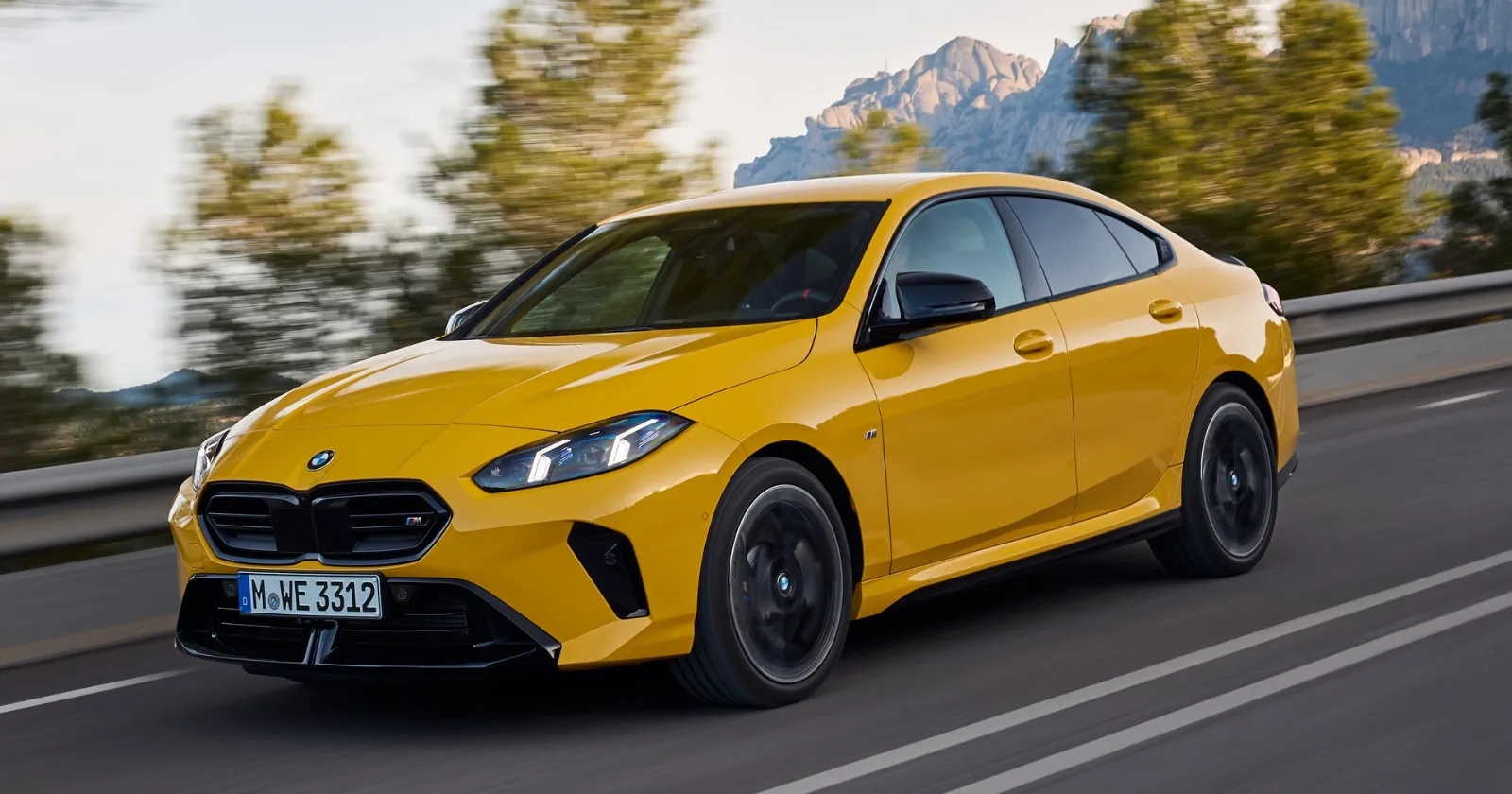
BMW is a German luxury automaker that has become deeply embedded in American car culture, particularly in the premium sedan and SUV markets. Known for performance-oriented engineering, BMW has built a strong identity among American drivers who value driving dynamics and prestige.
BMW feels American because it has a strong manufacturing presence in the United States, particularly in the SUV segment. Many of its popular models are built in American factories, which helps align the brand with domestic production values and consumer expectations.
The brand is also widely associated with the American luxury lifestyle, especially in urban and suburban areas where premium vehicles symbolize success and status. BMW vehicles are commonly seen in business districts, upscale neighborhoods, and college towns.
BMW has adapted its lineup to suit American preferences, offering larger SUVs and comfortable long-distance cruising capabilities. This shift has allowed it to maintain relevance in a market that values practicality alongside performance.
BMW’s strong dealership network and premium service experience in the United States ensure that ownership feels seamless and accessible, reinforcing its integration into American luxury car culture.
7. Mercedes-Benz Group
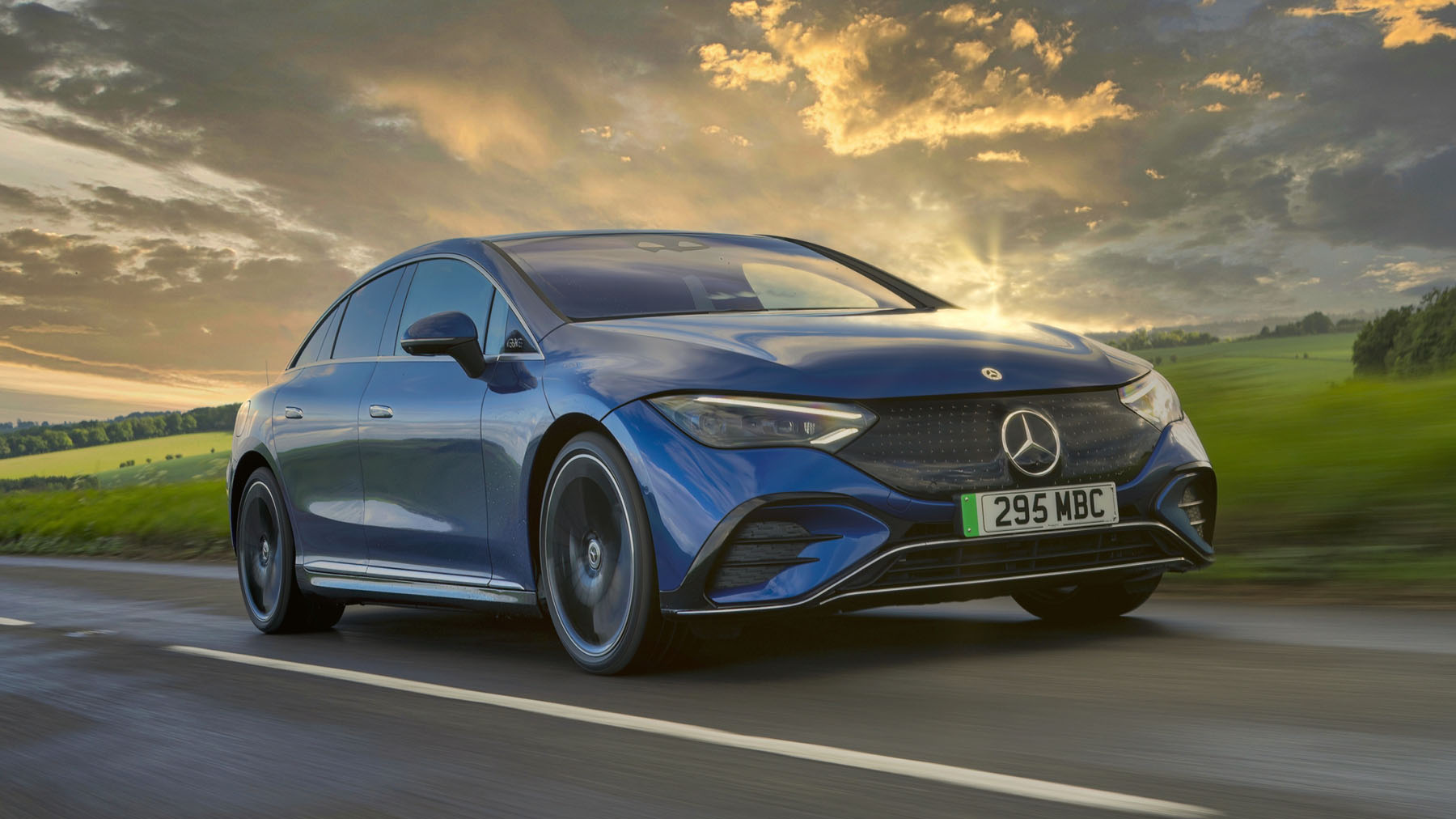
Mercedes-Benz is one of the most recognized luxury car brands in the United States, and its presence feels deeply integrated into American automotive culture. Known for combining luxury, technology, and engineering excellence, it appeals to a wide range of American consumers.
Mercedes-Benz feels American due to its strong SUV lineup, which aligns perfectly with the American preference for larger vehicles. These SUVs are widely used by families, executives, and professionals across the country, making the brand highly visible in everyday life.
The company also produces vehicles in the United States, which strengthens its local identity and economic contribution. This manufacturing presence helps it compete effectively in a highly demanding market.
Mercedes-Benz has successfully positioned itself as both a luxury and practical choice, offering vehicles that can serve daily commuting needs while also delivering high-end comfort and technology. This versatility appeals strongly to American buyers.
Its long-established reputation for prestige and innovation ensures that Mercedes-Benz remains a symbol of success in American society, deeply embedded in both cultural and automotive identity.
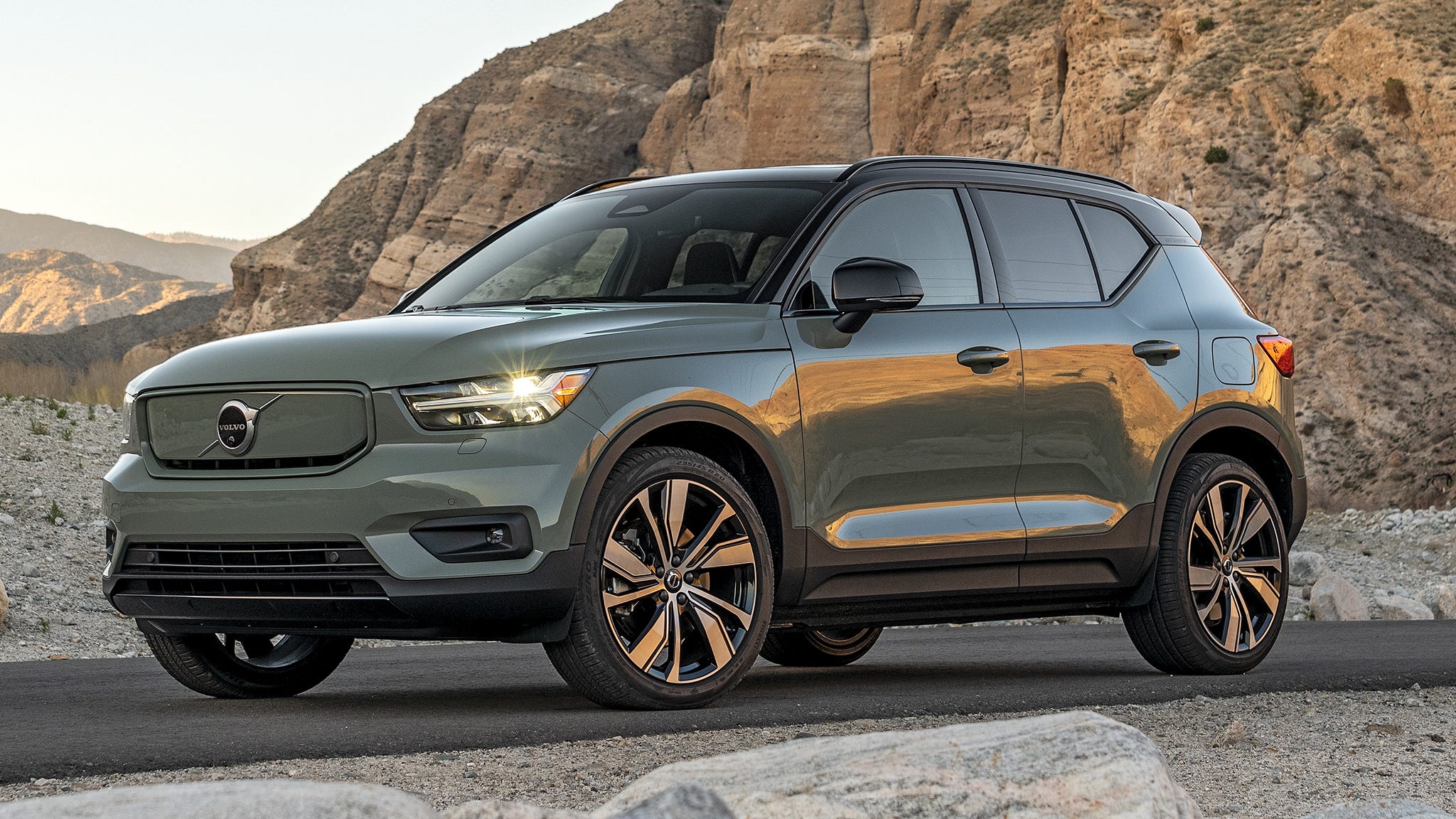
8. Volvo Cars
Volvo, originally from Sweden, has built a strong reputation in the United States as a safety-focused and family-oriented automotive brand. Over time, it has become a trusted choice for American drivers who prioritize security and comfort.
Volvo feels American because of its strong alignment with family values and safety standards, which are highly important to American consumers. Its vehicles are often chosen by parents and professionals who prioritize peace of mind on the road.
The brand has expanded its manufacturing and assembly operations closer to its key markets, including North America, which has helped improve supply chains and local relevance. This has made Volvo more accessible and competitive in the United States.
Volvo has also embraced modern design and technology, offering vehicles that combine Scandinavian minimalism with advanced infotainment and safety systems. This combination appeals strongly to American buyers seeking both style and substance.
Volvo’s growing presence in the SUV and electric vehicle segments has helped it remain relevant in a rapidly evolving automotive industry, securing its place in the modern American car market.
