

That little booklet sitting in your glove compartment is more powerful than most drivers realize. Your factory warranty is a legal promise from the manufacturer that if something breaks because of a factory defect, they will pay to fix it. No questions asked, no arguments about whose fault it was. Just a straightforward repair, covered.
But that promise comes with strings attached, and a surprising number of car owners snap those strings without ever realizing it. A weekend track day. A skipped oil change. A bargain bottle of coolant was grabbed from the wrong shelf. Each one of these seemingly small decisions can hand the dealership a legitimate reason to deny your claim and leave you holding a repair bill that should have been covered.
Here is the good news: warranty denial is not as arbitrary or mysterious as it sounds, and there is real legal protection working in your favor that most owners have never heard of. Below are the eight most common ways drivers accidentally void their factory warranty, what each one actually means in practice, and the federal law that keeps manufacturers from denying claims without genuine proof.
1. Installing Unapproved Aftermarket Modifications
Many drivers believe that installing any aftermarket part will automatically cancel their factory warranty, but that idea is not accurate. The rules are more specific, and understanding them can help you avoid unnecessary stress when modifying your vehicle.
Warranty coverage does not disappear just because you add a part. Upgrades like a performance exhaust, engine tune, or lift kit are allowed under the law. What matters is whether that modification directly causes a failure. Automakers cannot reject every warranty claim simply because a vehicle has been altered. They must show a clear connection between the installed part and the damaged component before denying coverage.
A simple example helps explain this. If someone modifies a Subaru WRX with an aftermarket intake and later experiences a transmission issue, the dealership cannot deny the repair without proof that the intake caused the problem. There is no realistic link between those systems.
In a different case, if a Ford F-150 receives an aggressive engine tune that pushes the turbo beyond its limits, and that turbo fails, the manufacturer can reasonably deny that claim because the modification created excessive stress. The same logic applies to suspension upgrades.
A Jeep Wrangler Rubicon fitted with a large lift kit and oversized tires may experience faster wear on drivetrain parts. If the added strain leads to failure, the dealership can deny coverage for that specific issue while still honoring the rest of the warranty.
Clear documentation is your best protection. Keep records of installed parts, who performed the work, and the exact specifications used. That information can help support your case if a warranty dispute arises.
2. Neglecting Routine Maintenance
Routine maintenance may seem unexciting, yet ignoring it is one of the quickest ways to lose warranty protection. Many denied claims trace back to skipped service intervals, even though the issue could have been avoided with basic upkeep.
Missing scheduled oil changes, filter replacements, or transmission service puts the engine and drivetrain at serious risk. When a failure occurs, technicians look for evidence of neglect. One of the clearest signs is sludge buildup inside the engine, which forms when oil is left unchanged for too long.
This thick residue shows that the oil has broken down and can no longer protect moving parts. Once that condition is confirmed during inspection, a warranty claim becomes very difficult to support. Consider a 2021 Chevrolet Silverado 1500. The manufacturer provides clear service intervals, supported by an oil life monitoring system that tracks driving habits and conditions.
Ignoring those alerts and extending oil changes well beyond the recommended range can lead to internal damage. If a bearing fails later, technicians can link that failure to poor maintenance through visible deposits inside the engine. Transmission care is often overlooked, which creates another common problem.
Some drivers assume these systems require little attention, yet many still need fluid changes at specific intervals. A 2020 Honda Odyssey, for instance, has defined service requirements that help prevent overheating and premature wear. Skipping those steps increases the likelihood of failure that can be traced back to missed maintenance.
Keeping detailed service records is one of the simplest ways to protect yourself. Receipts, invoices, and logs provide clear proof that the vehicle has been properly maintained, making them essential if a dispute arises.
Also Read: 8 Things to Look For on a Test Drive Most People Miss
3. Using the Wrong Fluids or Fuel
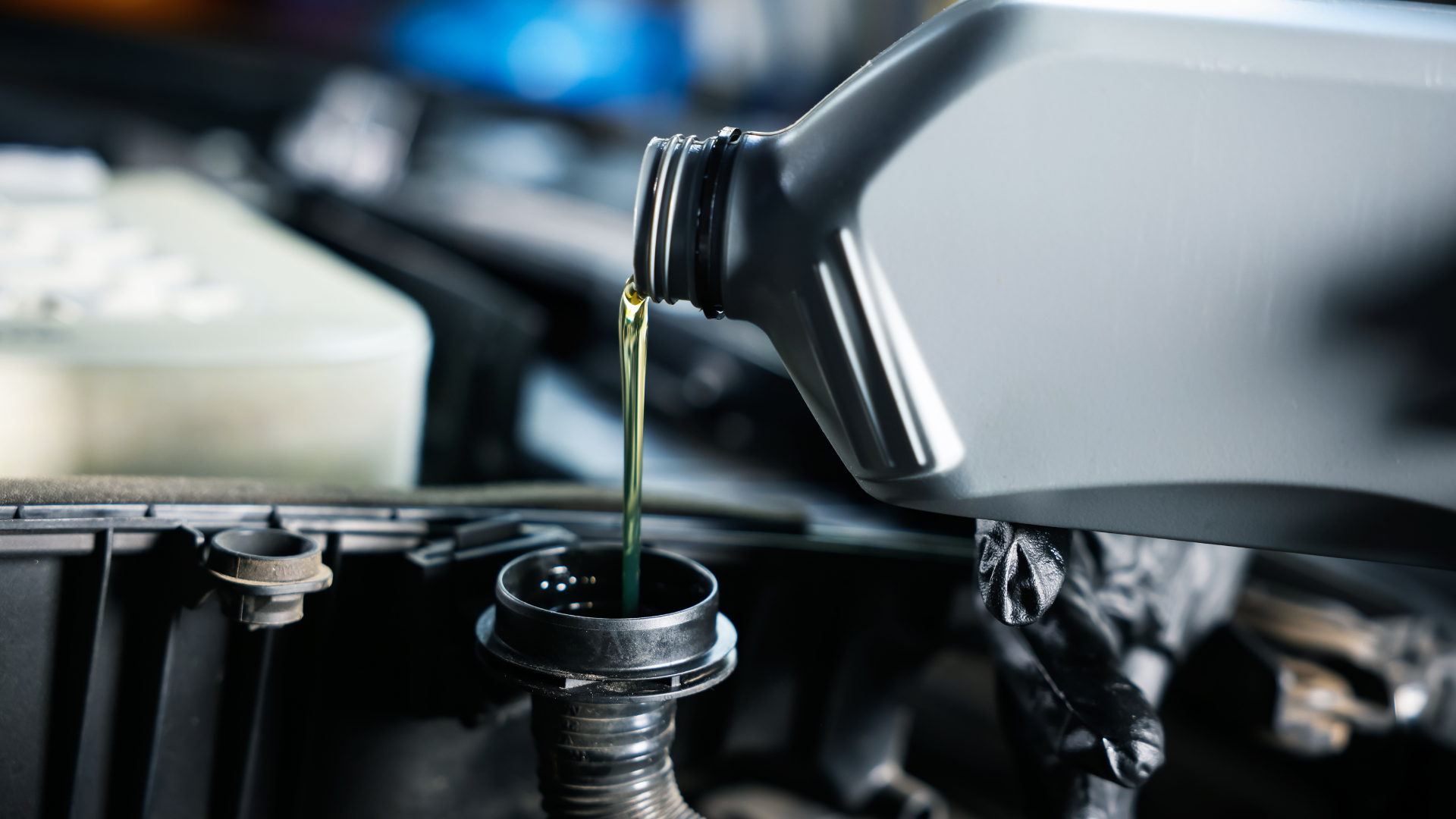
Modern automobiles are designed with precise engineering standards that require exact fluid specifications for proper operation. The era when any available engine oil or coolant could be used without consequence has long passed. A seemingly harmless decision at a service station or parts shop can result in severe mechanical damage that is both immediate and expensive, with no support from the manufacturer’s warranty.
Vehicle systems today depend on carefully formulated fluids tailored to their design. Introducing diesel into a petrol engine, selecting the wrong oil grade, or using unsuitable coolant in a hybrid system can lead to serious internal damage within a short period. Such mistakes are classified as user negligence, meaning the manufacturer bears no responsibility for repairs arising from these actions.
Fuel mix-ups occur more frequently than many drivers realise, especially in environments where diesel and petrol pumps are positioned close to each other. A driver operating a Ram 1500 may inadvertently use diesel if they are accustomed to a diesel-powered vehicle in the same household.
This error is not minor. Diesel fuel disrupts combustion in a petrol engine, leading to rapid and severe damage to internal components. In such situations, the manufacturer will clearly identify the cause as driver error. Oil-related issues may develop more gradually but can be equally damaging.
A Toyota Camry with a turbocharged engine requires a specific synthetic oil grade to withstand elevated temperatures and pressure. Using a heavier or incorrect oil, whether due to cost considerations or service errors, can accelerate wear in critical engine parts. As time goes on, this leads to deterioration that can be traced back to improper maintenance practices.
Hybrid systems demand even greater attention. A Hyundai Tucson Hybrid relies on specialised coolant to regulate both engine and battery temperatures. Using an unsuitable coolant disrupts this balance and may damage high-cost battery components. Such failures are directly linked to improper handling and fall outside warranty protection. Consulting the owner’s manual or a qualified technician remains the safest course of action before introducing any fluid into a vehicle.
4. Tracking or Off-Road Racing
There is a common misunderstanding among vehicle owners regarding performance and warranty coverage. Many assume that purchasing a high-performance car or an off-road capable vehicle grants full freedom to use it in demanding conditions without consequences. In reality, warranty agreements often contain strict limitations that exclude coverage once the vehicle is subjected to competitive or extreme use.
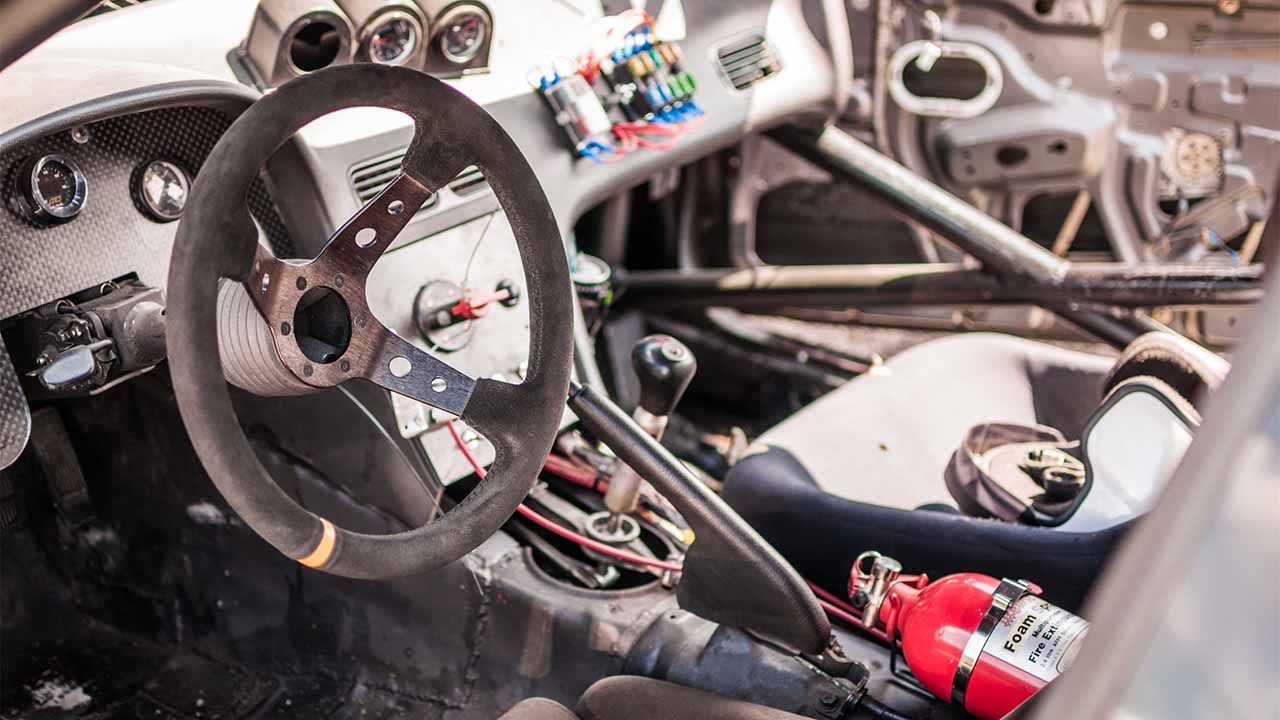
Engaging in racing activities, whether on public roads, organised track days, autocross events, or intense off-road driving, can void warranty claims for affected components. Manufacturers clearly state that damage resulting from such use falls outside standard coverage. This applies even when the vehicle is specifically designed for high performance or rugged terrain.
A driver of a Chevrolet Corvette Z06 may decide to take the vehicle to a racing circuit for recreational use. While the car is engineered to handle high speeds and demanding conditions, prolonged exposure to such stress can lead to component failure. If an engine or internal part fails under these circumstances, the manufacturer may deny warranty coverage based on the nature of use, regardless of the vehicle’s capabilities.
Off-road vehicles present a similar situation. A Ford Bronco Raptor is marketed with images of aggressive terrain driving and high-speed desert runs. However, if a suspension or drivetrain component fails during such activities, the manufacturer may classify the damage as misuse. The marketing message encourages performance, but the warranty terms impose clear boundaries.
Autocross events, though less intense than full racing, can still fall within restricted use categories. A Mazda MX-5 Miata participating in timed cone courses may not experience extreme stress, yet manufacturers may still treat this as competitive driving. Any failure linked to such events may result in denied claims.
Vehicle owners intending to participate in organised driving activities should consider specialised insurance or aftermarket warranty options. These alternatives are designed to cover risks excluded by factory warranties. Understanding these limitations before engaging in performance driving can prevent costly surprises later.
5. Water Damage or Hydrolocking
Few mistakes can destroy an engine faster than driving through water that is deeper than it appears. What looks like a harmless puddle or a lightly flooded road can lead to severe mechanical failure within moments, along with immediate warranty consequences.
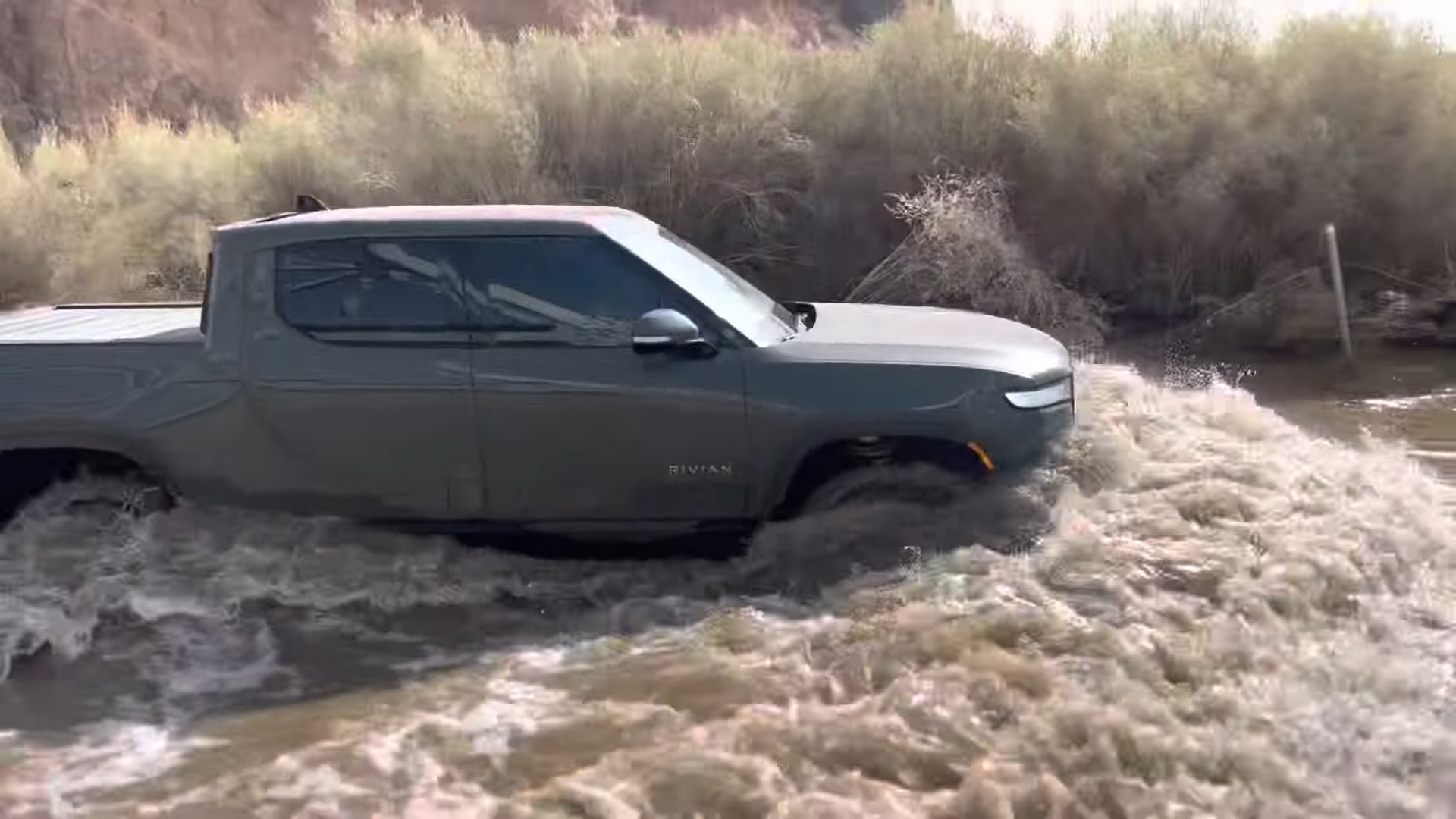
Water exposure becomes dangerous when it enters the engine through the air intake. Instead of drawing in air, the engine pulls in water, leading to a condition known as hydrolock. Engines are built to compress a mixture of air and fuel, not liquid.
Since water cannot be compressed, internal components are forced to absorb the pressure. This can bend connecting rods, crack pistons, or even damage the engine block in seconds. Because this type of damage results from external conditions and driver judgment, manufacturers classify it as accidental damage rather than a defect.
Flooded roads during heavy rain or storm conditions are a common cause. A driver in a 2021 Honda CR-V, for example, might attempt to cross a familiar street that has been flooded after sudden rainfall. If the water level reaches the intake, the engine can fail almost instantly. In such cases, the manufacturer will attribute the damage to environmental exposure and driver decision, not a flaw in the vehicle.
Even vehicles designed for off-road use are not exempt. A 2024 Land Rover Defender 110 may handle deeper water than most SUVs, but it still has a defined limit. Exceeding that limit removes any protection the warranty might offer. The safest approach is simple: if the depth is unclear, avoid crossing.
6. Getting a Salvage or Rebuilt Title
Some warranty-voiding actions involve a choice you make behind the wheel. This one involves a legal classification that gets permanently attached to your vehicle’s history, often through no fault of your own, driving behavior at all, and it carries consequences that follow the car for the rest of its life.
If a vehicle is involved in a severe accident, flood, or fire, and the insurance company declares it a total loss, the car receives a salvage title. The moment a car is branded with a salvage or rebuilt title, the entire factory warranty is completely canceled by the manufacturer.
This is one of the more absolute rules on this entire list. There is no partial denial here, no narrow exclusion limited to a specific damaged component. The whole warranty simply ends, regardless of how skillfully the vehicle gets repaired afterward.
Consider a 2022 Tesla Model 3 that gets caught in a serious collision, and the insurance company determines that repair costs exceed the threshold that triggers a total loss declaration in that particular state. Even if a skilled body shop later rebuilds that Model 3 to an extremely high standard, replacing every damaged panel and restoring full functionality, the salvage title attached to its history permanently severs the connection to Tesla’s original factory warranty. Tesla, like every other manufacturer, considers a salvage-branded vehicle to have exited the category of cars it originally guaranteed.
Flood damage produces this same outcome through a different path. A 2020 BMW X5 that sits in several feet of floodwater during a major storm event, even if the engine never actually hydrolocks, may still receive a flood-related total loss designation from the insurance company once electrical systems, carpeting, and other components show signs of water exposure.
Once that designation lands on the title, BMW’s factory warranty disappears along with it, leaving any future buyer fully responsible for whatever repair costs arise, no matter how minor. This particular rule matters enormously for used car shoppers, not just original owners.
A buyer evaluating a seemingly pristine 2019 Audi Q7 at an attractively low price absolutely needs to run a vehicle history report before signing anything, because a hidden salvage title means that gorgeous, freshly detailed SUV comes with zero remaining factory warranty protection, regardless of how many miles or months would otherwise remain on the original coverage window. Always check the title history. It is one of the fastest five-minute investments you can make before any used car purchase.
7. Tampering with the Odometer
Warranties run on two separate clocks simultaneously: time and distance. A typical bumper-to-bumper warranty might read something like three years or thirty-six thousand miles, whichever comes first. That dual structure depends entirely on accurate mileage tracking, and any attempt to manipulate that number creates one of the most serious warranty violations a manufacturer can discover.
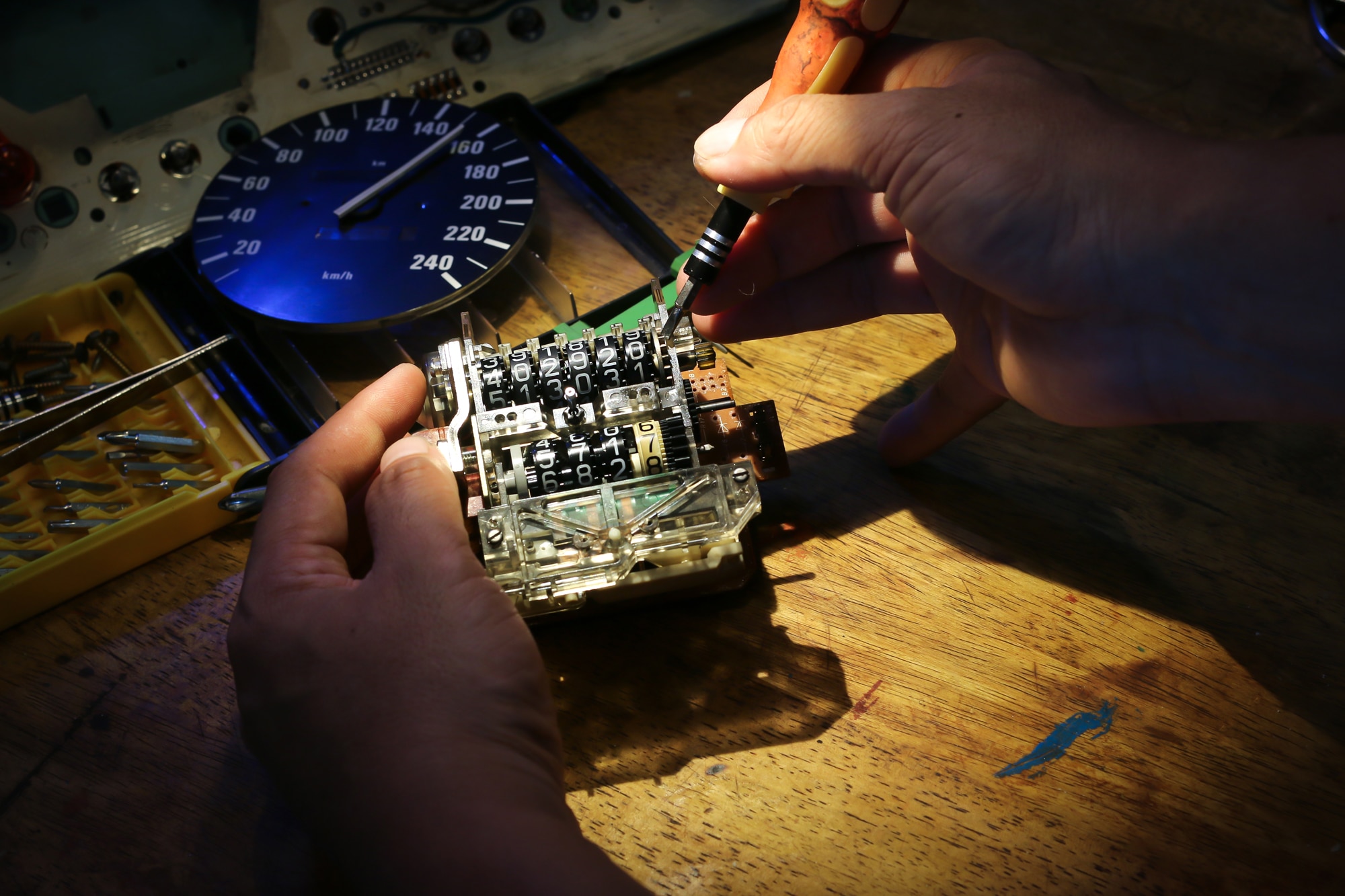
Factory warranties are strictly tracked by both time and mileage, such as three years or 36,000 miles. If an automaker suspects or finds evidence that the odometer has been disconnected, altered, or tampered with to hide the true mileage of the vehicle, they will immediately void the entire vehicle warranty. This goes beyond a simple repair denial. Odometer tampering is also a serious federal crime under odometer fraud statutes, carrying potential criminal penalties entirely separate from any warranty consequences.
Most modern vehicles make traditional mechanical odometer tampering extremely difficult, since mileage data is stored digitally across multiple onboard computer modules rather than displayed through a simple mechanical counter that could be physically rolled back.
A 2023 Kia Telluride records mileage data in several interconnected systems, and any mismatch between those internal records during a dealership diagnostic scan raises immediate red flags for a service technician. If a 2023 Telluride comes in for warranty work showing inconsistent mileage data across its different control modules, that discrepancy alone is often enough for Kia’s warranty department to deny coverage and flag the vehicle for further investigation.
Private used car sales remain the most common setting where deliberate mileage manipulation still occurs, typically aimed at boosting resale value rather than warranty fraud specifically. A seller offering a 2018 Nissan Altima might attempt to disconnect or alter the odometer reading to make the car appear to have fewer miles than it actually accumulated.
Beyond the obvious ethical and legal problems with that approach, any subsequent owner who later discovers the discrepancy, whether through a dealership service visit or an independent mileage verification check, will find that Nissan’s factory warranty has already been voided the moment that tampering was identified, leaving them with zero coverage despite having purchased the vehicle in good faith.
Also Read: 8 Things Driver’s Ed Never Taught You About Modern Cars
8. Severe Neglect or Severe Overloading
Automakers design every vehicle with clearly defined limits, and those limits are not arbitrary. Engineers calculate how much weight a truck can safely tow, how much heat an engine can handle, and how much stress the drivetrain can endure across years of use. When those limits are ignored, warranty protection is one of the first things to disappear.
Exceeding those boundaries, whether occasionally or repeatedly, gives manufacturers strong grounds to deny coverage. This includes towing loads far beyond the approved capacity or continuing to drive while warning lights clearly indicate a serious issue. These situations are viewed as preventable damage rather than defects.
Towing mistakes are especially common among truck owners who underestimate their trailer’s true weight once it is fully loaded. A pickup like a 2024 Toyota Tundra comes with a clearly stated maximum towing rating. When that number is exceeded by a wide margin, the added strain affects the transmission, suspension, and cooling system each time the vehicle is used. If a failure occurs later, service technicians can compare actual towing conditions with factory limits and quickly determine the cause.
Ignoring warning signals from the dashboard creates an even clearer case. Modern vehicles constantly monitor their systems and alert the driver when something goes wrong. Continuing to drive while the engine is overheating or when critical warnings appear only worsens the damage. A driver who chooses to keep going despite these alerts makes it easy for technicians to trace the failure back to that decision, leaving little room to argue for warranty coverage.
