
Over the last decade, the automotive world has changed dramatically, especially in the SUV segment. What was once considered a practical, family-oriented vehicle with limited performance potential has now evolved into a category that can rival and even outperform traditional sports cars.
Modern performance SUVs combine advanced engineering, powerful turbocharged and hybrid engines, lightweight materials, and cutting-edge aerodynamics to deliver acceleration figures that would have been unimaginable in the early 2010s.
Today, it is no longer surprising to see a large SUV sprint from 0 to 100 km/h in under four seconds while still offering luxury, comfort, advanced driver assistance systems, and off-road capability.
This transformation has been driven by consumer demand for versatility without compromise. Buyers want the thrill of sports car performance but also need space, practicality, and road presence.
Automakers have responded by pushing the boundaries of physics, using technologies derived from supercars, Formula 1 engineering, and electric performance platforms. The result is a new generation of SUVs that are not only fast in a straight line but also capable of handling corners with remarkable precision.
In the past, sports cars like the Porsche 911 Carrera, Audi R8, and Chevrolet Corvette dominated acceleration charts. However, many of today’s high-performance SUVs can match or exceed the acceleration of those models from a decade ago. This shift highlights how far engineering has progressed, especially in areas such as torque delivery, launch control systems, All Wheel Drive traction management, and hybrid electric boosting.
Another important factor is electrification. Many modern performance SUVs use electric motors to supplement internal combustion engines, delivering instant torque that eliminates turbo lag and dramatically improves launch performance. Even purely combustion-powered SUVs have benefited from improved transmission systems with faster gear changes and smarter software calibration.
In this article, we will explore 8 SUVs that are faster than most sports cars from a decade ago. Each model represents a different approach to performance engineering, from fully electric hyper SUVs to traditional V8-powered machines tuned for maximum speed.
These vehicles highlight how the meaning of performance has changed and why SUVs have become legitimate competitors among the fastest and most capable high-performance vehicles available today.
Also Read: 8 Repairs That Cost More in Parts Than Labor
- Engine: Tri motor all-electric powertrain
- Horsepower: 1020 hp
- Torque: Approx. 1420 Nm (instant electric torque)
- Length: 5057 mm
- Width: 2007 mm (without mirrors)
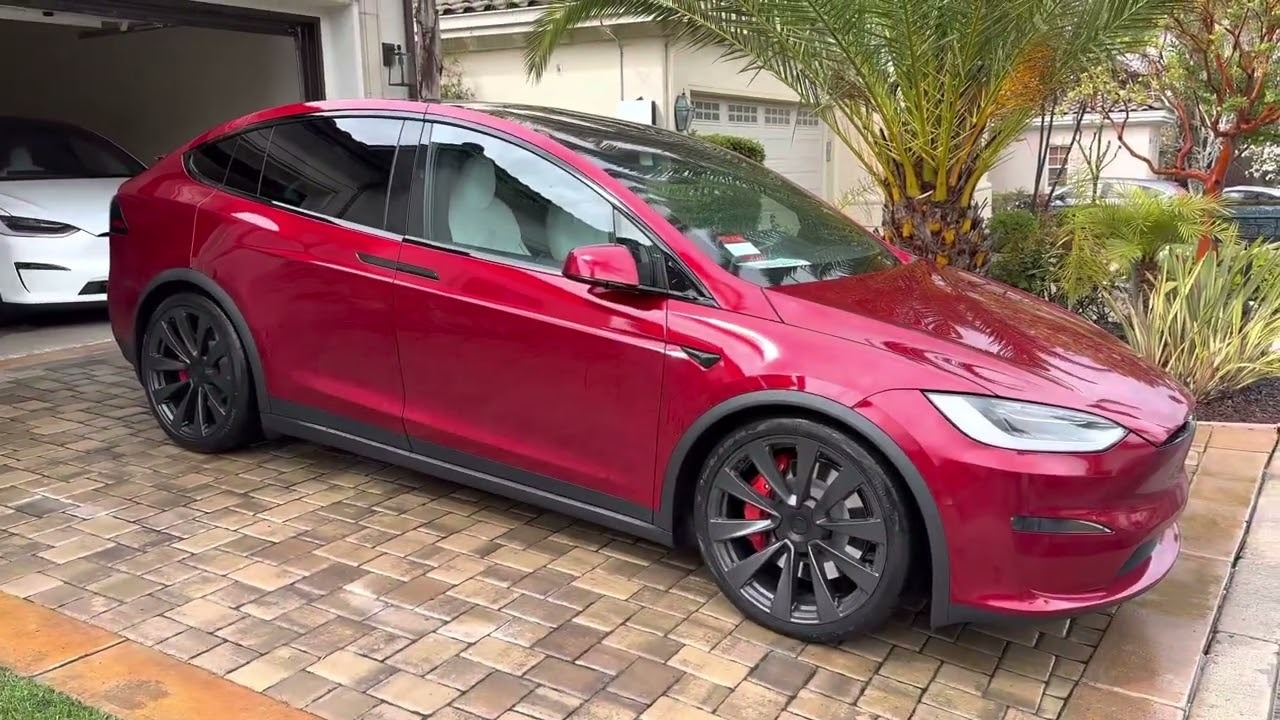
1. Tesla Model X Plaid
The Tesla Model X Plaid represents one of the most extreme examples of electric SUV performance available today.
It is built around a tri-motor electric powertrain that delivers instant torque to all four wheels, allowing it to achieve acceleration figures that rival dedicated supercars. The Model X Plaid can accelerate from 0 to 100 km/h in approximately 2.5 seconds, a figure that places it in hypercar territory rather than traditional SUV classification.
One of the key strengths of the Model X Plaid is its consistency in performance delivery. Unlike internal combustion engines that rely on rev ranges and gear shifts, the electric motors provide maximum torque from zero rpm.
This gives the SUV a brutally fast launch off the line, often surprising even experienced performance drivers. The advanced traction control system ensures that power is distributed efficiently, reducing wheel slip even under extreme acceleration conditions.
Beyond straight line speed, the Model X Plaid benefits from a sophisticated battery management system that maintains performance stability across multiple runs. This means it can repeatedly deliver high acceleration without significant performance degradation, something many combustion-powered vehicles struggle with due to heat buildup.
The interior of the Model X Plaid also adds to its appeal, offering a minimalist yet high-tech cabin dominated by a large central touchscreen. While its performance is the headline feature, it still functions as a practical SUV with seating for multiple passengers and ample cargo space, making it a rare combination of family utility and extreme speed.
In comparison to sports cars from a decade ago, such as the Audi R8 V8 or early Nissan GT-R models, the Model X Plaid easily outperforms them in straight-line acceleration. This makes it one of the clearest examples of how electric technology has reshaped the performance hierarchy in the automotive world.
- Engine: 4.0 L twin turbocharged V8
- Horsepower: 650 hp
- Torque: 850 Nm
- Length: 5112 mm
- Width: 2016 mm
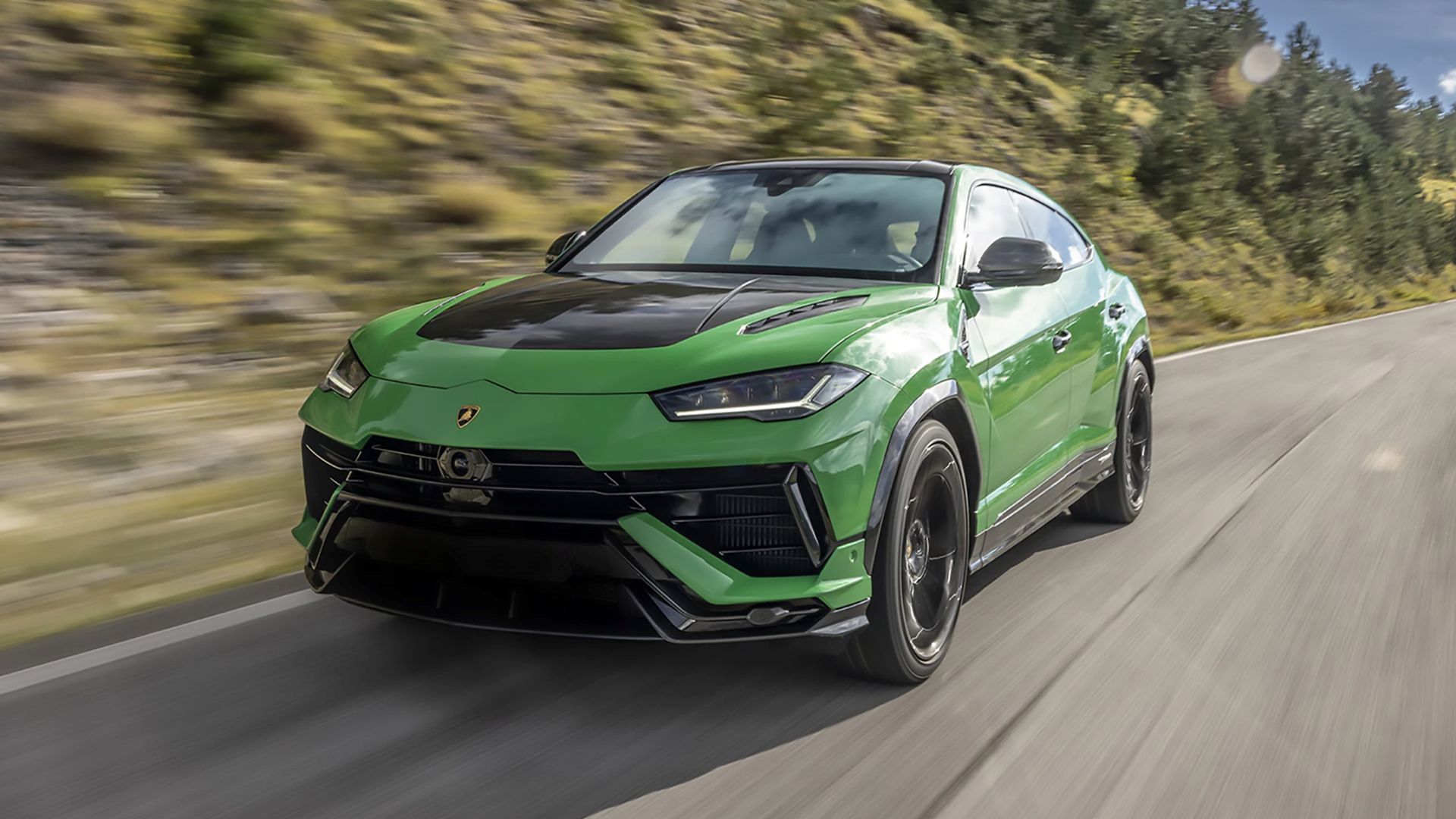
2. Lamborghini Urus
The Lamborghini Urus is widely regarded as one of the most influential performance SUVs ever produced. It combines the emotional appeal of Lamborghini design with the practicality of a luxury SUV, powered by a 4.0-liter twin-turbocharged V8 engine. This engine produces massive power output that allows the Urus to accelerate from 0 to 100 km/h in around 3.6 seconds.
What makes the Urus particularly impressive is its ability to deliver supercar-like performance in a vehicle that is significantly larger and heavier than traditional sports cars.
Lamborghini engineered the chassis with a strong emphasis on dynamic handling, using adaptive air suspension, active torque vectoring, and multiple driving modes that adjust throttle response, steering weight, and suspension stiffness.
The driving experience of the Urus is designed to be versatile. In Strada mode, it behaves like a comfortable luxury SUV suitable for long-distance travel. In Corsa mode, it transforms into a sharp and aggressive performance machine capable of rivaling high-end sports coupes on winding roads. This dual personality is one of its strongest selling points.
Another important aspect of the Urus is its braking and cooling systems, which are designed to handle repeated high-speed driving without significant fade. This allows the SUV to maintain performance consistency even under demanding conditions, such as track use or spirited mountain driving.
When compared to sports cars from a decade ago, the Urus easily surpasses many in acceleration and road presence. Vehicles like the Porsche 911 Carrera S from earlier generations are now outpaced by this large luxury SUV, highlighting how far SUV engineering has progressed in performance terms.
- Engine: 4.0 L twin turbocharged V8
- Horsepower: 640 hp
- Torque: 850 Nm
- Length: 4930 mm
- Width: 1983 mm
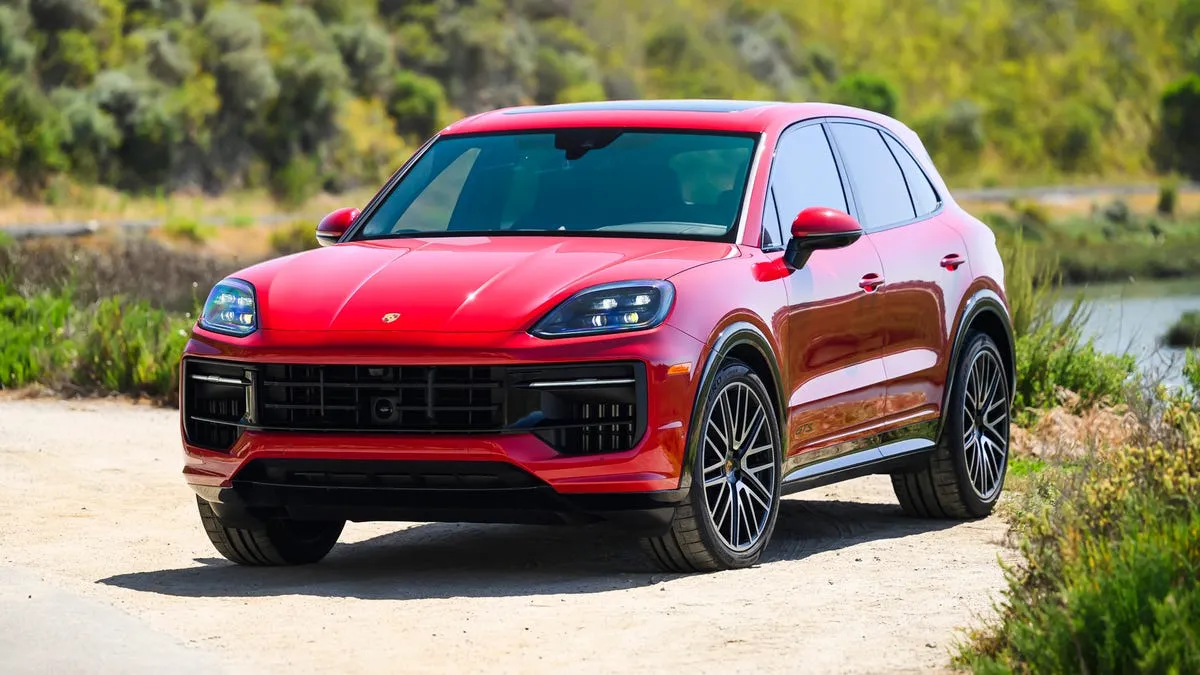
3. Porsche Cayenne Turbo GT
The Porsche Cayenne Turbo GT is one of the most track-focused SUVs ever built by Porsche. It is engineered with a strong emphasis on precision, agility, and raw speed. Powered by a heavily tuned twin turbo V8 engine, the Cayenne Turbo GT can accelerate from 0 to 100 km/h in approximately 3.3 seconds, placing it firmly in supercar performance territory.
Porsche has long been known for its engineering excellence, and the Cayenne Turbo GT reflects that philosophy. The SUV features advanced aerodynamics, including a large rear wing, front air intakes, and optimized underbody airflow.
These elements reduce drag and increase downforce, improving both high-speed stability and cornering performance.
The suspension system is another highlight, using adaptive dampers and performance-tuned air suspension that lowers the ride height in sport mode. This enhances handling response and reduces body roll, allowing the SUV to behave more like a sports sedan than a traditional utility vehicle.
Inside, the Cayenne Turbo GT maintains Porsche’s driver-focused layout with high-quality materials and a cockpit designed for control and engagement. Despite its performance orientation, it still offers everyday usability, making it suitable for both daily commuting and high-performance driving scenarios.
Compared to sports cars from a decade ago, such as earlier-generation BMW M3 or Audi RS5 models, the Cayenne Turbo GT surpasses them in acceleration and capability. It represents how Porsche has successfully translated sports car DNA into a practical SUV platform.
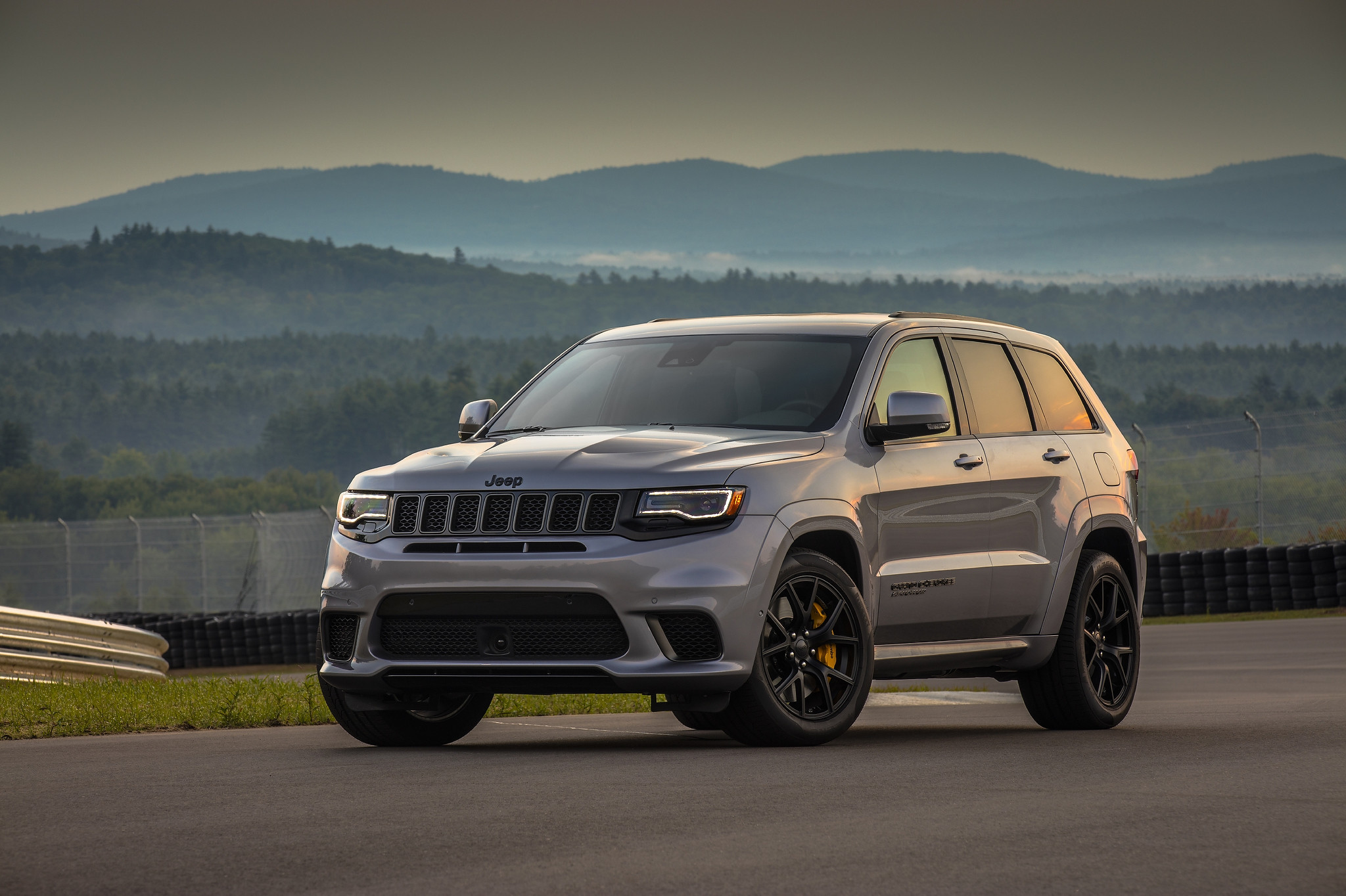
- Engine: 6.2 L supercharged V8
- Horsepower: 707 hp
- Torque: 875 Nm
- Length: 4822 mm
- Width: 1943 mm
4. Jeep Grand Cherokee Trackhawk
The Jeep Grand Cherokee Trackhawk is one of the most powerful American performance SUVs ever built. It is equipped with a supercharged 6.2-liter V8 engine, the same family of engine found in some of the most aggressive muscle cars.
This powertrain enables the Trackhawk to accelerate from 0 to 100 km/h in about 3.5 seconds, making it faster than many sports cars from the past decade.
What sets the Trackhawk apart is its raw, unfiltered performance character. Unlike more refined European competitors, the Trackhawk focuses heavily on straight-line acceleration and brute force power delivery. The supercharged engine provides immediate throttle response and a distinctive exhaust note that emphasizes its muscle car heritage.
Despite its performance focus, the Trackhawk still retains Jeep’s off-road capability. It includes multiple terrain modes, All Wheel Drive systems, and suspension tuning that allows it to handle rough surfaces when needed.
This combination of off-road strength and on-road speed makes it a unique offering in the performance SUV market.
The braking system is also heavily upgraded to handle the extreme power output, ensuring stability during high-speed runs. However, the vehicle’s weight and power-oriented design make it less agile in corners compared to more balanced competitors like Porsche or BMW performance SUVs.
In terms of comparison with older sports cars, the Trackhawk clearly outpaces many iconic models, such as early 2010s Chevrolet Camaro SS or Ford Mustang GT variants. Its acceleration alone places it in a different performance category despite its SUV body style.
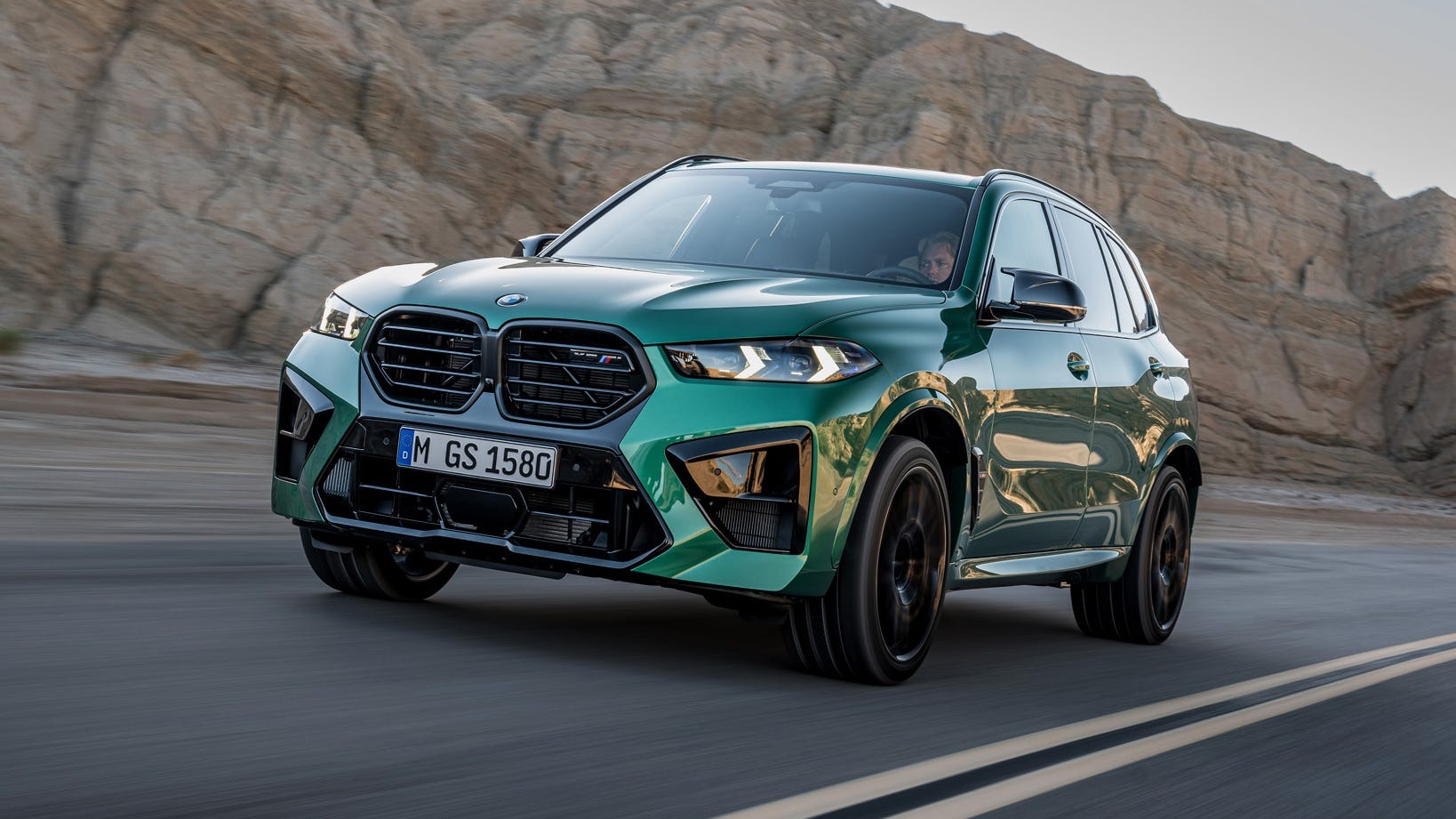
- Engine: 4.4 L twin turbocharged V8
- Horsepower: 617 hp
- Torque: 750 Nm
- Length: 4938 mm
- Width: 2015 mm
5. BMW X5 M Competition
The BMW X5 M Competition is a high-performance luxury SUV that blends German engineering precision with immense power. It features a twin-turbocharged V8 engine producing over 600 horsepower, allowing it to accelerate from 0 to 100 km/h in approximately 3.8 seconds.
BMW has focused on creating a vehicle that delivers both comfort and performance without compromise. The X5 M Competition includes adaptive suspension systems, active roll stabilization, and advanced All Wheel Drive technology that optimizes traction in all conditions. This ensures that the SUV remains composed even during aggressive driving.
The driving dynamics of the X5 M Competition are particularly impressive for its size. It offers sharp steering response, strong braking performance, and a well-balanced chassis that reduces the feeling of bulk often associated with large SUVs. This makes it one of the more engaging performance SUVs to drive.
Inside, the cabin is luxurious and technologically advanced, featuring premium materials, digital displays, and driver assistance systems. Despite its focus on performance, it remains a highly practical family vehicle with spacious seating and cargo capacity.
When compared to sports cars from a decade ago, such as the early generation Mercedes AMG C63 Coupe or Audi S5, the X5 M Competition easily surpasses them in acceleration and straight-line speed, demonstrating how SUV performance has redefined expectations.
Also Read: 8 Luxury SUVs That Become Bargains the Moment the Warranty Ends
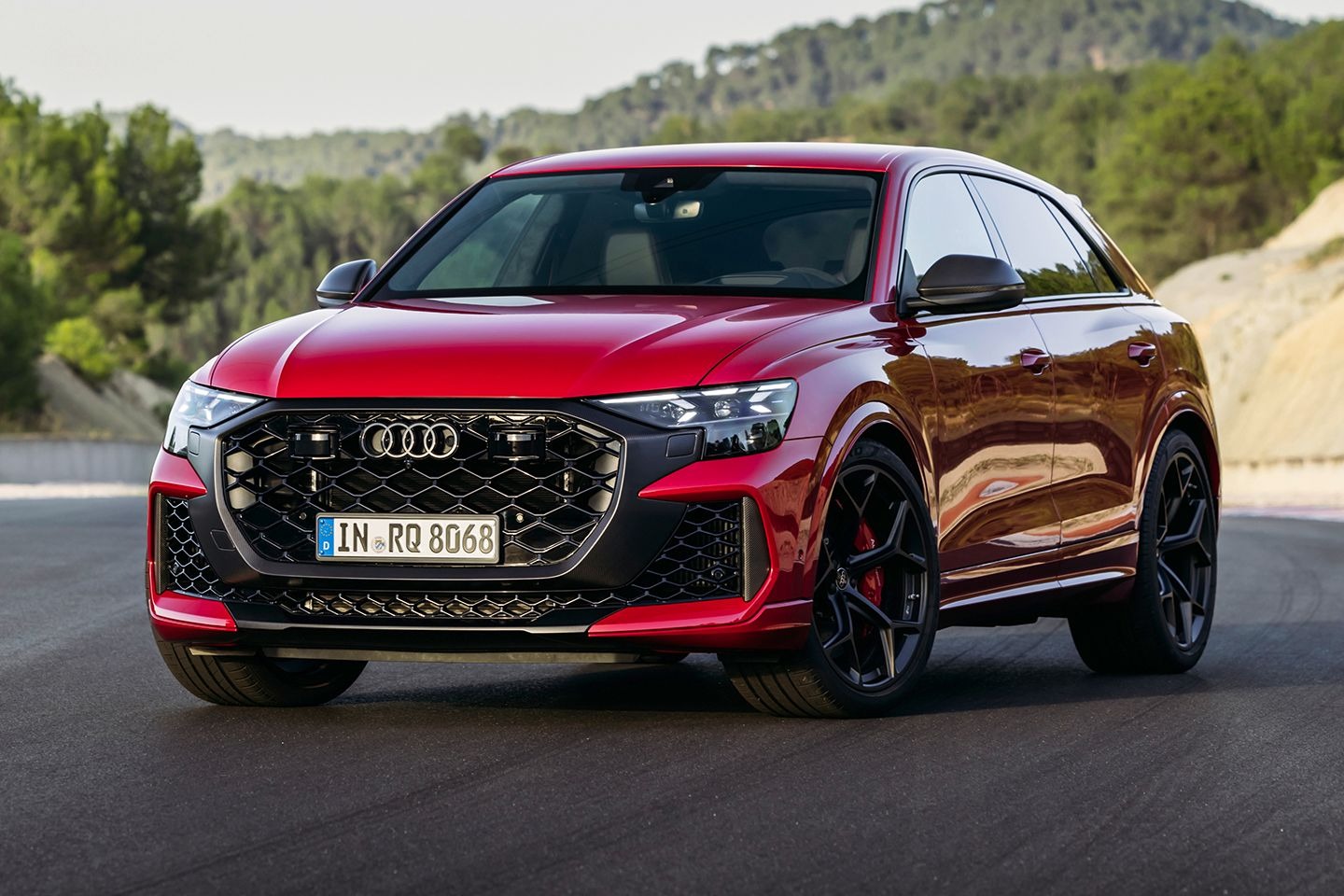
- Engine: 4.0 L twin turbocharged V8
- Horsepower: 591 hp
- Torque: 800 Nm
- Length: 5012 mm
- Width: 2000 mm
6. Audi RS Q8
The Audi RS Q8 is Audi’s flagship performance SUV, combining luxury, technology, and speed in a single package. It is powered by a twin-turbocharged V8 engine that produces exceptional horsepower and torque, enabling a 0 to 100 km/h time of around 3.8 seconds.
Audi has engineered the RS Q8 with a strong emphasis on All Wheel Drive stability and high-speed confidence. The Quattro system ensures optimal traction distribution, allowing the SUV to maintain grip even under aggressive acceleration or challenging road conditions.
The suspension system features adaptive air suspension and active roll stabilization, which help reduce body movement and improve cornering ability. This makes the RS Q8 surprisingly agile for its size, especially when driven in dynamic mode.
The interior reflects Audi’s reputation for premium design, with high-quality materials, advanced infotainment systems, and a driver-oriented layout. It is both comfortable and technologically advanced, making it suitable for long distance travel as well as performance driving.
Compared to sports cars from a decade ago, such as older Porsche Cayman or Jaguar F-Type base variants, the RS Q8 offers superior acceleration and versatility, proving that SUVs can compete directly with traditional sports cars in multiple performance areas.
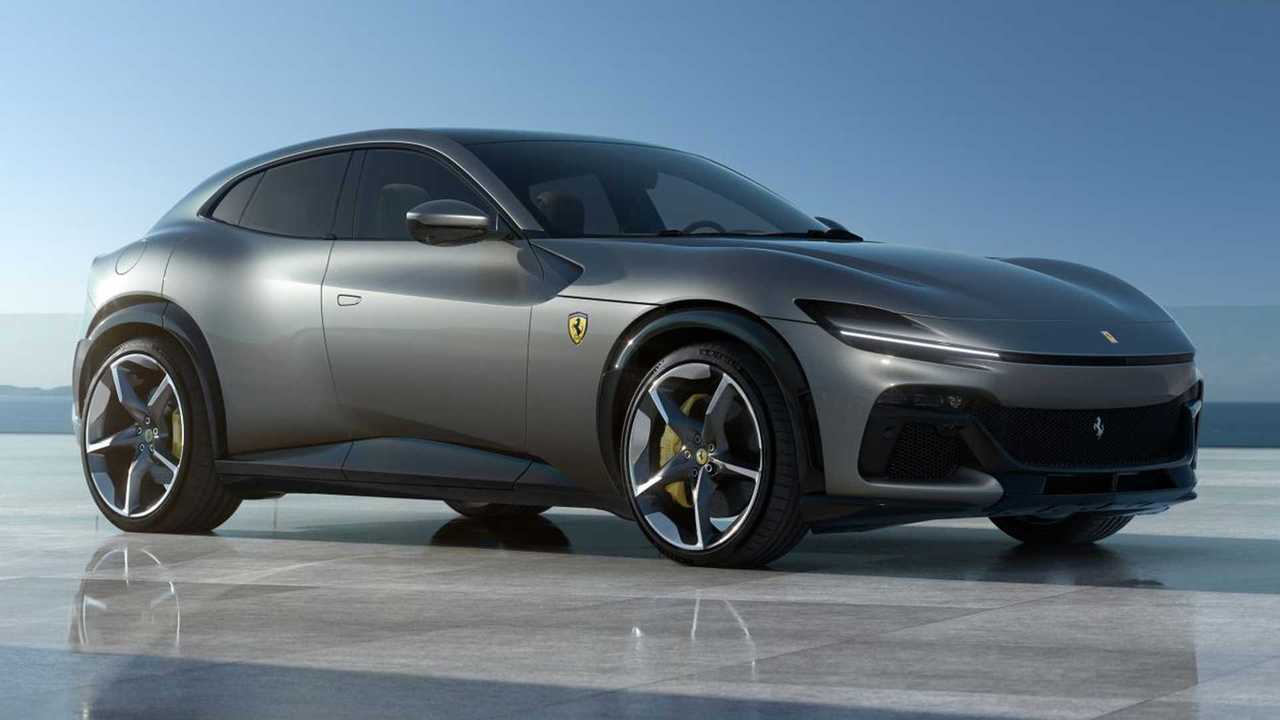
- Engine: 6.5 L naturally aspirated V12
- Horsepower: 715 hp
- Torque: 716 Nm
- Length: 4973 mm
- Width: 2028 mm
7. Ferrari Purosangue
The Ferrari Purosangue marks Ferrari’s entry into the SUV-inspired performance segment, although the brand prefers not to classify it as a traditional SUV.
It is powered by a naturally aspirated V12 engine, which is rare in modern performance vehicles, and delivers extraordinary acceleration capabilities with a 0 to 100 km/h time of around 3.3 seconds.
Ferrari has designed the Purosangue with a strong focus on maintaining the driving dynamics expected from its sports cars. The chassis is engineered for balance, and the suspension system uses advanced active technology to minimize body roll while preserving ride comfort.
The V12 engine provides a unique driving experience characterized by linear power delivery and a distinctive high-revving sound. This sets it apart from turbocharged competitors and reinforces Ferrari’s commitment to emotional driving performance.
Despite its size and practicality, the Purosangue handles more like a grand tourer than a traditional SUV. It offers four-door practicality while maintaining Ferrari’s signature performance DNA, making it one of the most exclusive vehicles in this category.
Compared to sports cars from a decade ago, the Purosangue exceeds most in acceleration and driving engagement, including models like the Aston Martin DB9 and early McLaren GT variants. It represents the upper limit of luxury SUV performance.
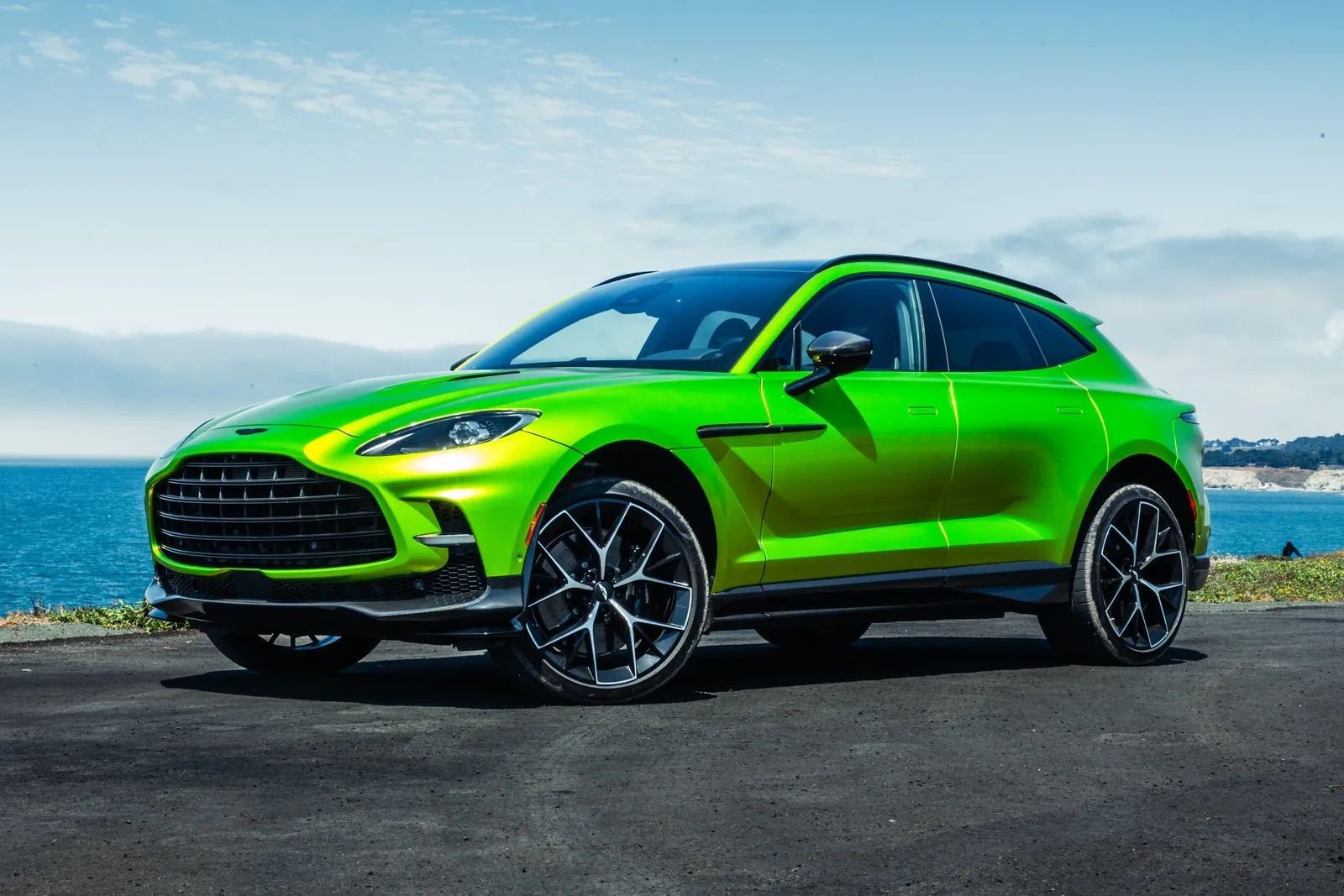
- Engine: 4.0 L twin turbocharged V8
- Horsepower: 707 hp
- Torque: 900 Nm
- Length: 5039 mm
- Width: 1980 mm
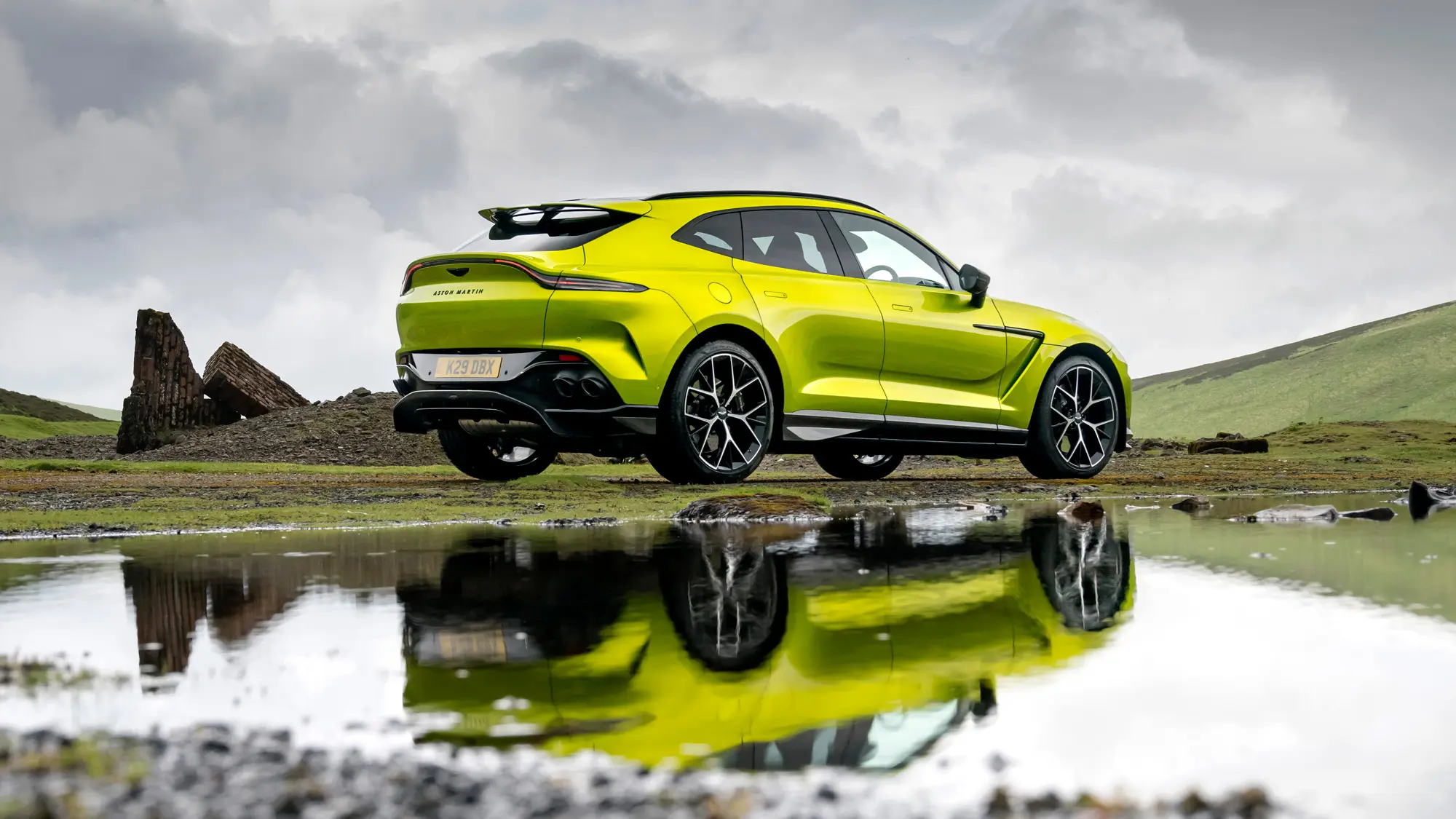
8. Aston Martin DBX707
The Aston Martin DBX707 is one of the fastest luxury SUVs in the world, designed to combine British elegance with extreme performance. It is powered by a heavily upgraded twin-turbo V8 engine producing over 700 horsepower, allowing it to accelerate from 0 to 100 km/h in just over 3.3 seconds.
Aston Martin has focused on refining both performance and luxury in the DBX707. The chassis has been strengthened, the suspension reworked, and the braking system upgraded to handle the immense power output. This ensures stability and control even under aggressive driving conditions.
The driving experience is both powerful and refined. The DBX707 delivers rapid acceleration while maintaining a smooth and composed ride quality, making it suitable for both city driving and high-speed highway cruising.
Inside, the cabin reflects Aston Martin’s luxury heritage, with premium materials, handcrafted finishes, and advanced infotainment systems. It offers a blend of comfort and exclusivity that appeals to high-end buyers seeking both speed and sophistication.
Compared to sports cars from a decade ago, such as older Ferrari California models or Porsche 911 Carrera variants, the DBX707 clearly outperforms them in acceleration while offering significantly more practicality.
