
Buying a car is rarely just about the present moment. While most buyers focus on performance, comfort, or brand appeal, there is another important angle that often gets ignored until much later: resale value.
In today’s automotive market, where vehicles depreciate quickly, understanding which features actually help preserve value can make a significant financial difference when it is time to sell or trade in your car. Some options genuinely make a vehicle more attractive to future buyers, while others are expensive add-ons that barely influence resale price at all.
The idea of resale value is shaped by practicality, demand, and long-term usefulness. A feature that improves safety, reliability, or daily usability tends to hold value because future buyers also see it as useful.
On the other hand, highly personalized or niche upgrades often fail to appeal to the broader used car market. This creates a gap between what feels valuable at the time of purchase and what actually matters years later.
Automakers also package options in ways that can be misleading. It is easy to assume that a higher price tag or a premium package automatically translates into better resale value, but that is not always true.
For example, luxury cosmetic upgrades might look impressive when the car is new, but they often depreciate along with the vehicle itself. Meanwhile, practical upgrades like safety systems or transmission choices tend to remain desirable regardless of trends.
Market conditions also play a major role. Fuel efficiency, maintenance costs, and reliability reputation all influence how much value a car retains. Even small features can have a big impact if they align with what used car buyers are actively searching for. In contrast, some expensive features lose relevance quickly because technology evolves or buyer preferences shift.
In this article, we will break down five car options that consistently add real resale value and five that generally add little to none. Each section will explain why certain features matter more in the used car market and why others fail to deliver a return on investment.
Whether you are buying a new car or planning future upgrades, this guide will help you make smarter, more financially informed decisions that can save you money in the long run.
Also Read: 7 Most Reliable Motorcycles You Can Buy Today
5 Car Options That Add Real Resale Value
1. Automatic Transmission
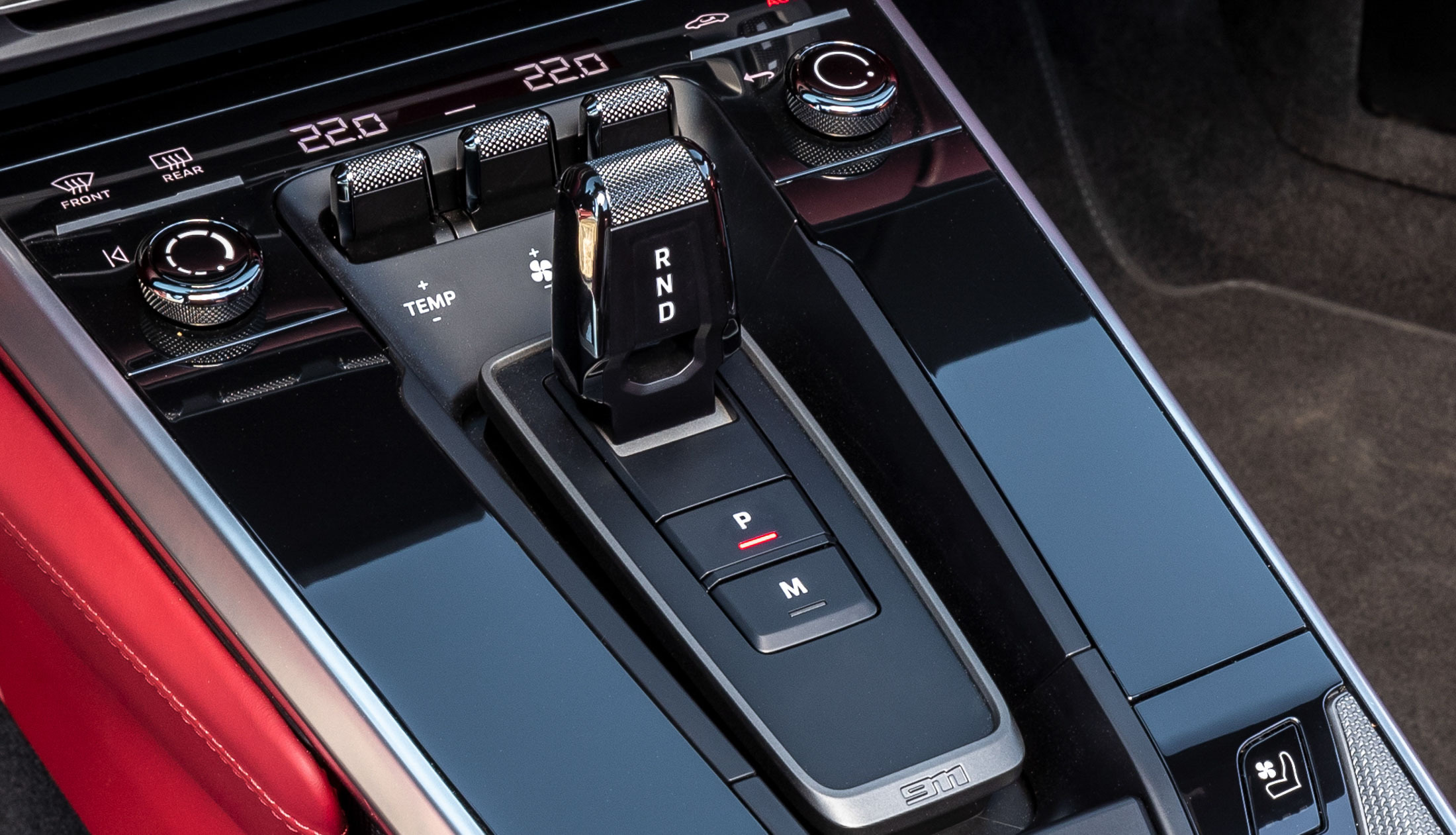
Automatic transmission is one of the strongest resale value boosters in most global markets, especially in urban and suburban driving environments.
The main reason is simple: convenience. Most used car buyers prioritize ease of driving over manual control, particularly in heavy traffic conditions where constant gear shifting becomes tiring. As a result, automatic cars consistently attract a wider audience, which naturally increases demand and resale value.
Another important factor is market shift. Over the years, the popularity of manual transmissions has steadily declined in many regions.
This shrinking demand means that manual cars often sit longer on resale listings, sometimes forcing sellers to lower prices. Automatic variants avoid this problem by appealing to both new drivers and experienced commuters who want a stress-free driving experience.
From a long-term ownership perspective, modern automatic transmissions have also become more efficient and reliable. Earlier concerns about fuel efficiency gaps or maintenance costs have significantly reduced with advancements in engineering. This has further strengthened buyer confidence in automatic models, making them a safer resale choice.
Rental fleets and ride-sharing companies strongly favor automatic vehicles, which creates steady demand in the used car market. Because these buyers often acquire vehicles in large quantities, they help support resale values across the board. In many resale markets, an automatic transmission functions not only as a convenience feature but also as a key factor in preserving value.
2. Diesel Engine (in High Mileage Markets)
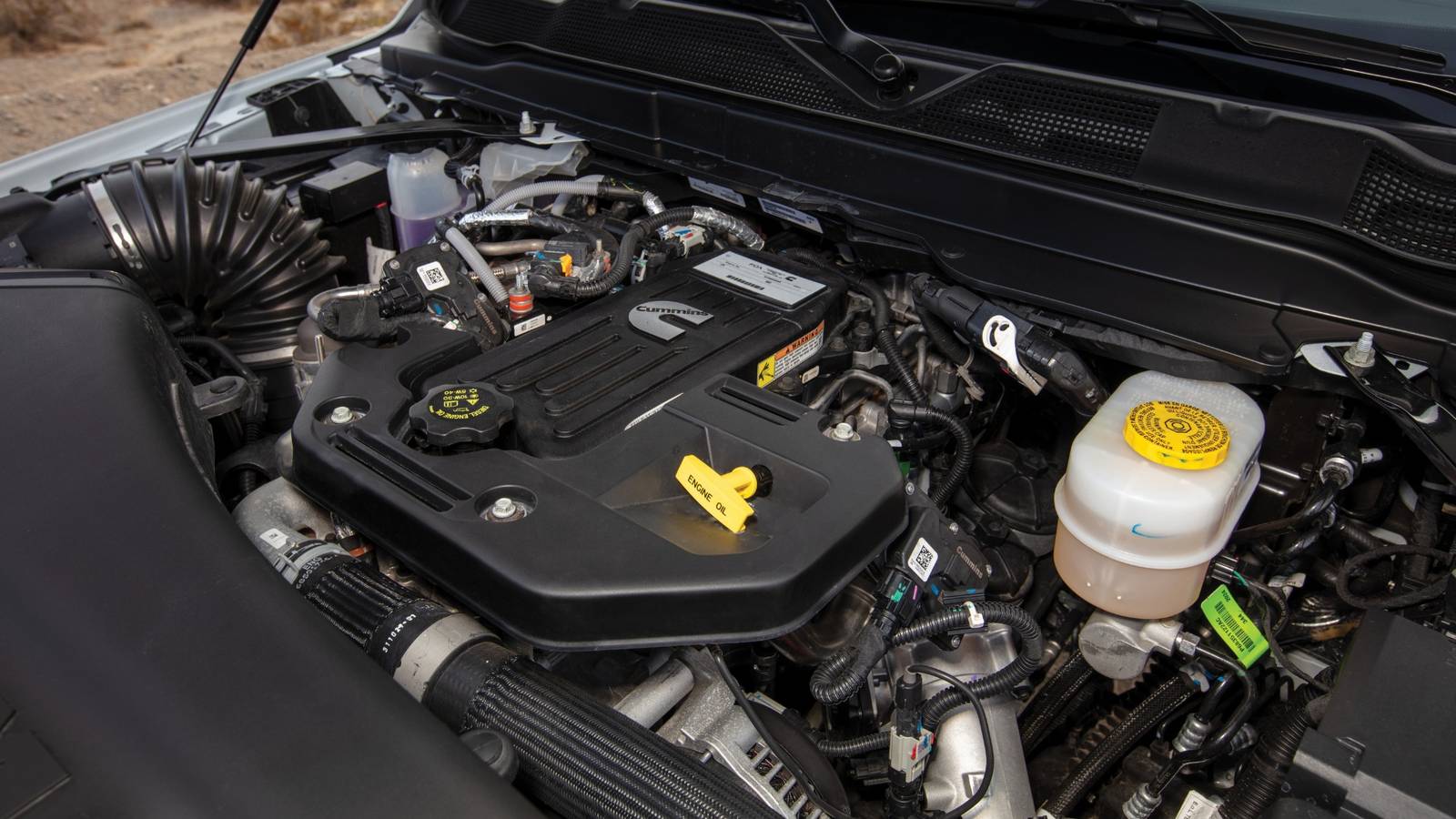
Diesel engines often retain strong resale value in regions where long-distance driving and fuel efficiency are important. The key advantage of diesel is its superior mileage and torque, making it ideal for highway driving, commercial use, and heavy-duty applications. Buyers who prioritize running cost savings tend to prefer diesel vehicles, especially when fuel prices are high.
Another reason diesel vehicles hold value is durability. Many diesel engines are engineered to last longer under high mileage conditions compared to smaller petrol engines. This reputation for longevity makes them attractive in the second-hand market, where buyers often look for dependable high-mileage options at lower prices.
However, resale value is highly dependent on local regulations and demand. In areas where diesel restrictions exist or emissions rules are strict, resale value can decline. But in markets where diesel is still widely used, these vehicles often command strong prices even after several years of ownership.
Commercial buyers also play a role in sustaining diesel demand. Pickup trucks, SUVs, and utility vehicles with diesel engines are often sought after by small businesses and transport operators. This consistent demand base helps maintain resale stability over time.
3. Factory-Fitted Safety Features
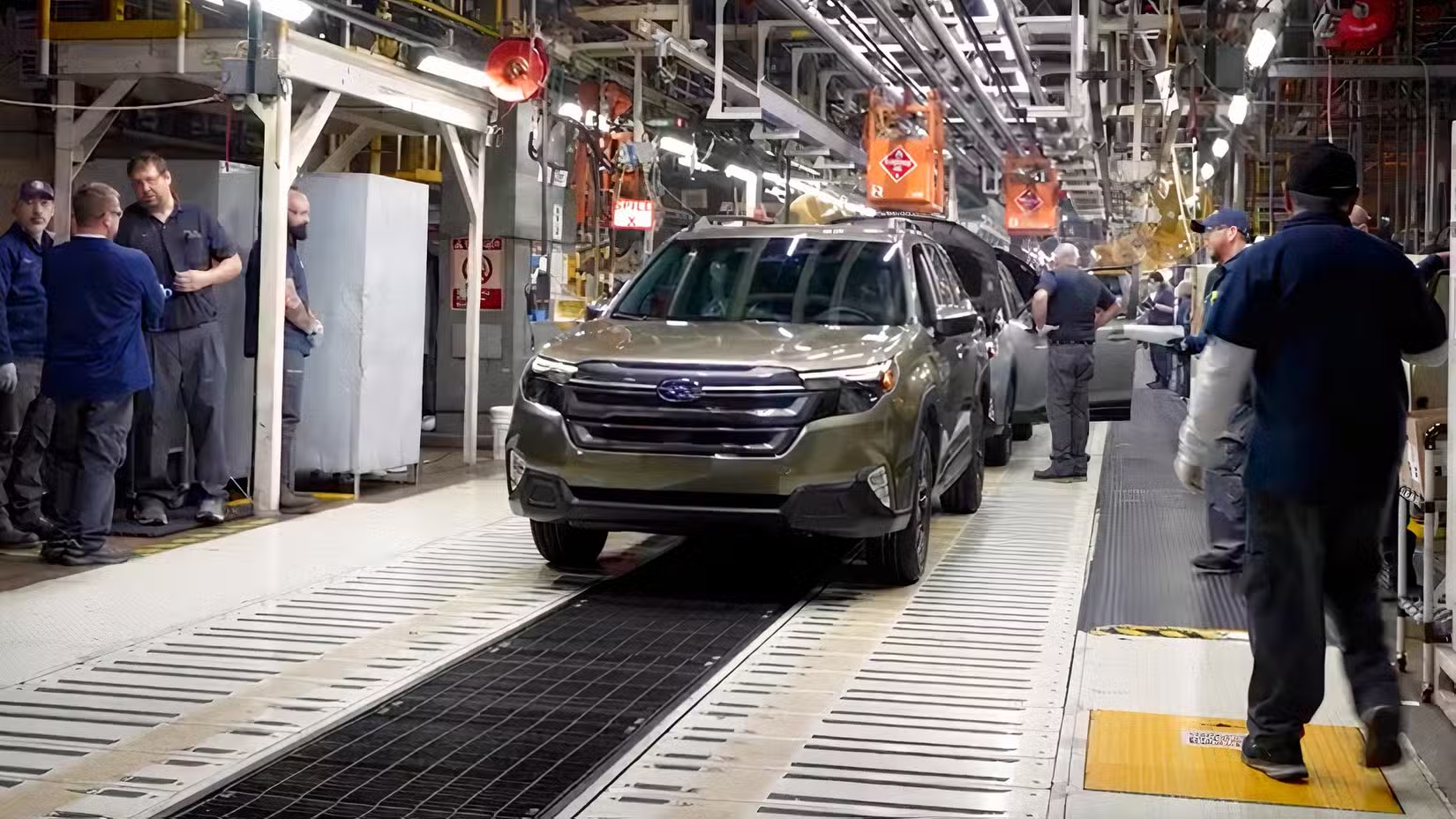
Safety features such as airbags, ABS, electronic stability control, and advanced driver assistance systems significantly improve resale value. These features are no longer considered luxury additions but essential expectations in modern vehicles. Buyers actively look for cars that offer strong safety ratings and comprehensive protection systems.
One major reason safety features boost resale value is trust. A car equipped with advanced safety systems signals better protection for passengers, which is a top priority for families and individual buyers alike. Vehicles with higher safety ratings often sell faster and at better prices compared to similar models without these features.
Insurance costs can also be lower for safer vehicles, which indirectly improves demand in the used car market. Buyers often calculate total ownership cost, and a safer vehicle becomes more financially appealing in the long run.
Additionally, safety regulations continue to evolve globally. Cars that already meet higher safety standards remain relevant for longer periods, which helps preserve their value compared to older, less equipped models.
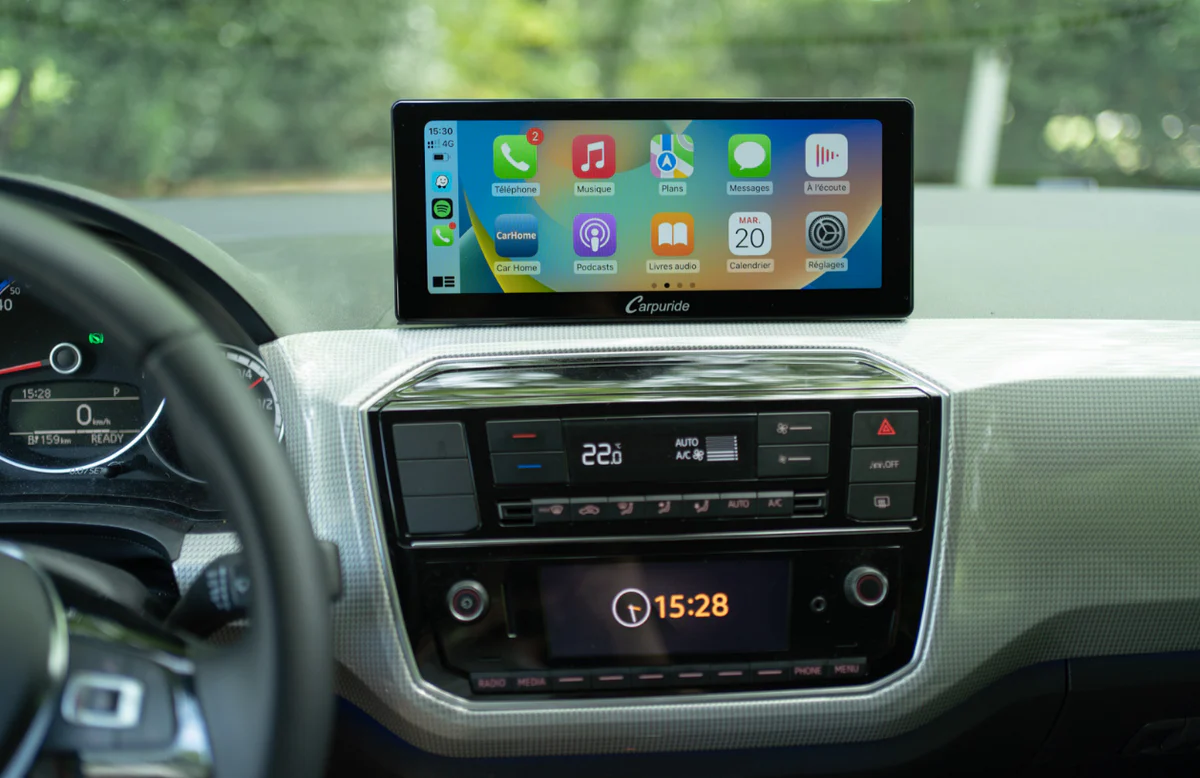
4. Infotainment with Apple CarPlay or Android Auto
Modern infotainment systems with smartphone integration have become a major resale advantage. Buyers today expect seamless connectivity for navigation, music, and communication. Systems that support Apple CarPlay or Android Auto are especially valuable because they allow users to access familiar smartphone apps directly through the car interface.
This feature increases resale value because it reduces the need for built-in navigation systems, which can quickly become outdated. Instead, the car relies on the user’s smartphone, ensuring that the technology remains current over time.
Younger buyers, in particular, consider infotainment compatibility a must-have feature. Cars without it often feel outdated, even if they are mechanically sound. This perception directly affects resale demand and pricing.
In addition, such systems improve convenience and driving safety by reducing phone handling while driving. This makes them attractive not only from a tech standpoint but also from a practical usability perspective.
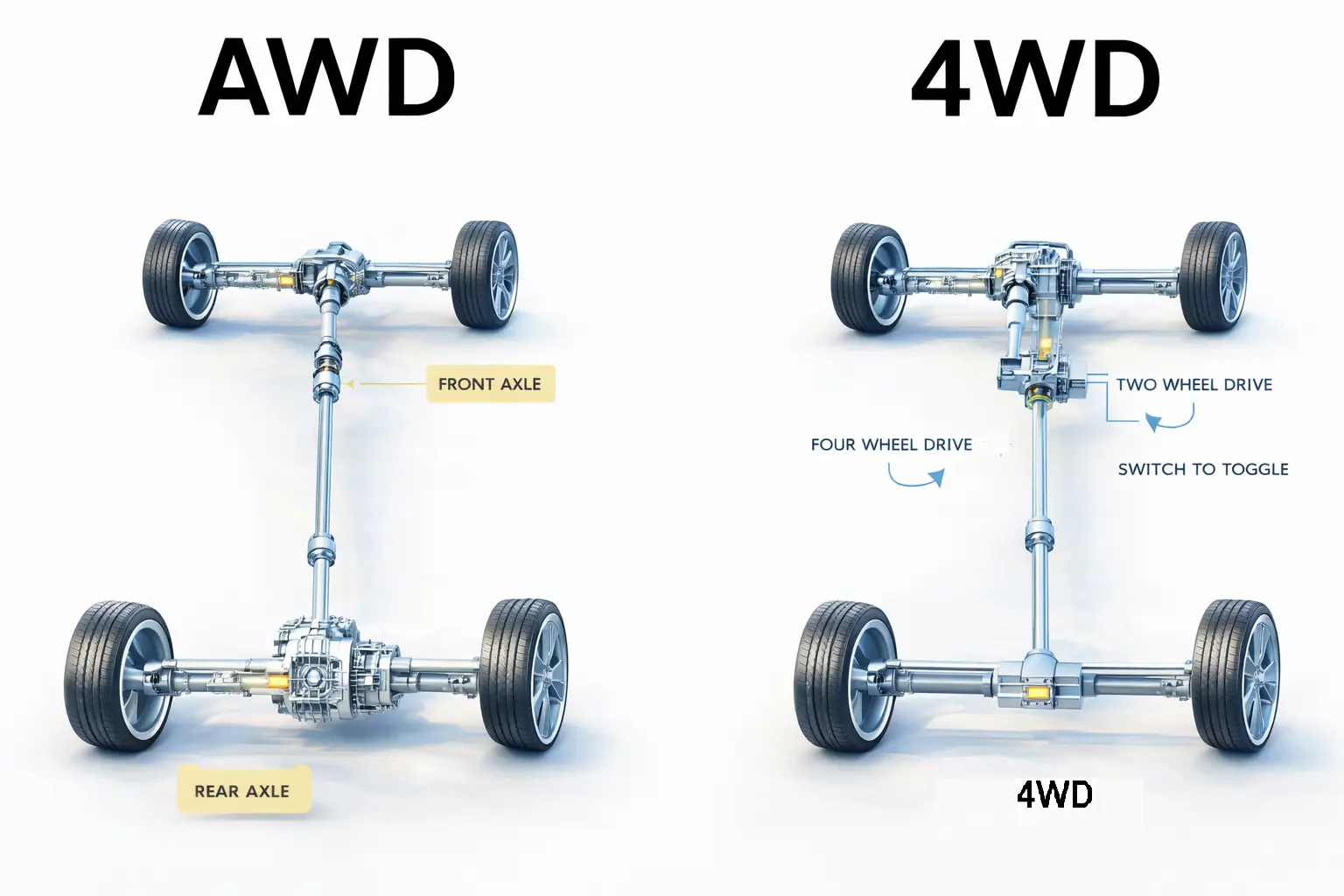
5. All Wheel Drive (AWD) or Four Wheel Drive (4WD)
All Wheel Drive and Four Wheel Drive systems significantly improve resale value in regions with varied terrain or challenging weather conditions. These systems provide better traction, stability, and control, making them highly desirable for SUVs and crossover vehicles.
One major advantage is versatility. AWD and 4WD vehicles appeal to both urban drivers and rural users, expanding the potential buyer base. This wider appeal naturally improves resale pricing and reduces time on the market.
These systems are especially valued in areas with rain, snow, or rough roads. Even buyers who do not regularly need off-road capability often prefer AWD for added confidence and safety.
Additionally, SUVs with AWD or 4WD are often seen as premium offerings within their segment. This perception helps maintain stronger resale value compared to two-wheel drive variants.
Also Read: 10 Cars That Drove Over 800,000 Miles
5 Car Options That Add Little or No Resale Value

1. Premium Alloy Wheel Upgrades
While alloy wheels are often marketed as an easy way to improve a car’s appearance, expensive premium alloy wheel upgrades usually do not translate into meaningful resale value.
The main reason is that used car buyers are far more focused on mechanical condition, service history, mileage, and accident-free status than on cosmetic enhancements. Even if the wheels look stylish or cost a significant amount when new, buyers typically do not increase their offer price because of them. At best, they see them as a neutral feature rather than an added value.
Another important issue is subjective taste. Alloy wheel designs vary widely, and what looks premium or sporty to one buyer may appear unnecessary or even excessive to another. Because resale value depends on broad market appeal rather than individual preference, highly stylized wheel upgrades fail to create consistent demand.
In fact, some buyers may prefer original factory wheels because they represent authenticity and a lack of modification, which is often associated with better care.
There is also a practical side to consider. Larger or aftermarket alloy wheels can sometimes raise concerns about ride comfort, suspension wear, and tyre replacement costs.
Buyers who are experienced with cars may inspect wheel size and condition carefully, and if they believe the upgrades could negatively impact long-term maintenance costs, they may negotiate a lower price. This means the upgrade not only fails to add value but can sometimes create doubt.
In the used car market, originality tends to carry more weight than customization. Vehicles that remain closer to their factory condition are usually easier to sell and inspire greater buyer confidence. Since alloy wheel upgrades are seen more as a matter of personal preference than practical enhancement, they typically do not add meaningful resale value.

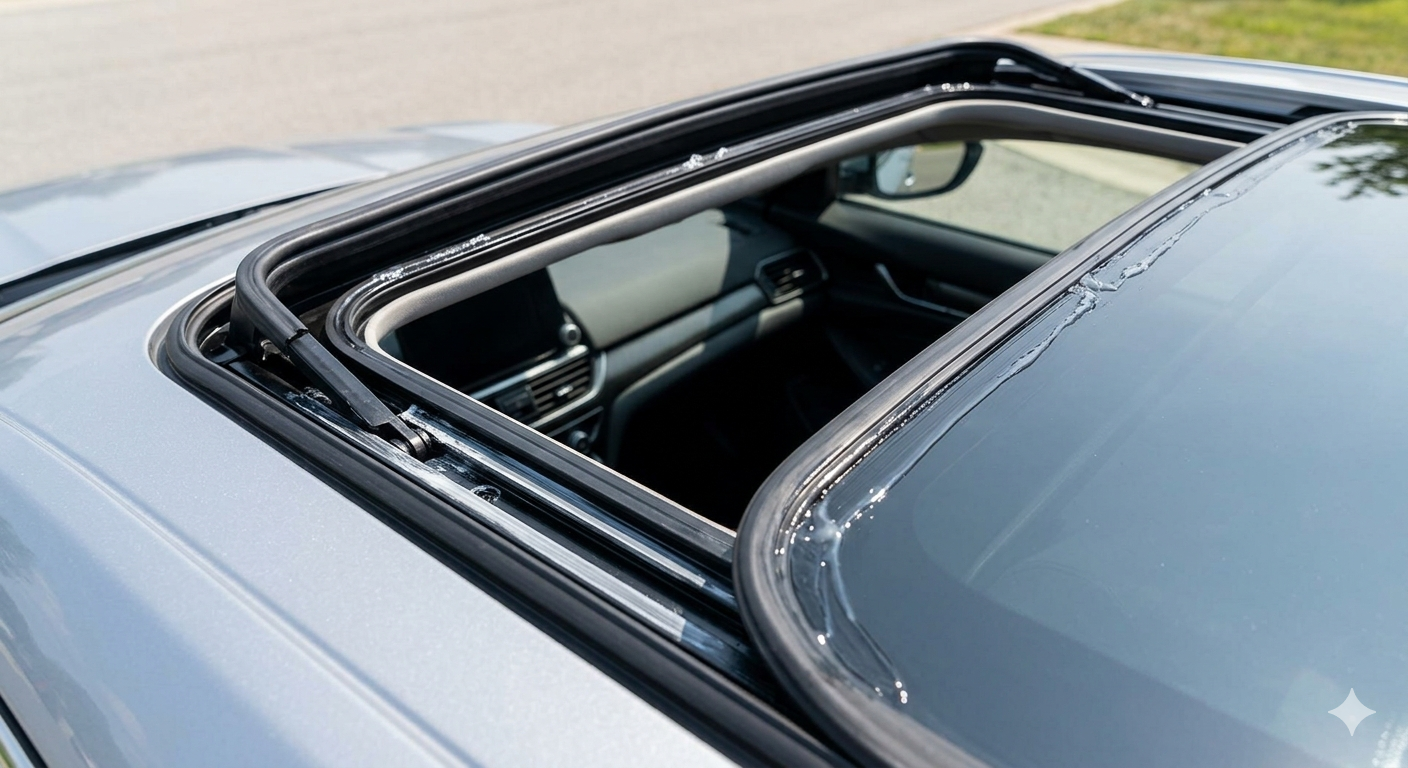
2. Sunroofs (in Mass Market Cars)
Sunroofs are often considered a premium feature at the time of purchase, but in the mass market segment, they do not consistently improve resale value. While they may enhance the perceived luxury of a vehicle when it is new, most used car buyers do not prioritize sunroofs when making purchasing decisions.
Instead, they focus on reliability, fuel efficiency, maintenance history, and condition, which carry far more weight in determining resale price.
One of the biggest concerns with sunroofs is long-term maintenance reliability. Over time, sunroof systems can develop issues such as rubber seal degradation, water leakage, motor malfunction, or rattling noises.
Even if these problems do not occur in every vehicle, the possibility alone is enough to make some buyers cautious. As a result, they may not be willing to pay extra for a feature that could potentially lead to future repair costs.
Climate also plays a major role in reducing the practical value of sunroofs. In hotter regions, they are often underused because drivers prefer air conditioning to open roof ventilation. In such cases, the sunroof becomes more of a visual feature than a functional one. Since resale value is closely tied to practical usability, features that are rarely used tend to have minimal impact on pricing.
Additionally, sunroofs do not significantly expand the buyer pool. While some buyers specifically look for them, the majority do not consider them essential. This limited demand means that although a sunroof might help a car sell slightly faster in certain cases, it rarely increases the actual resale price in a meaningful way.
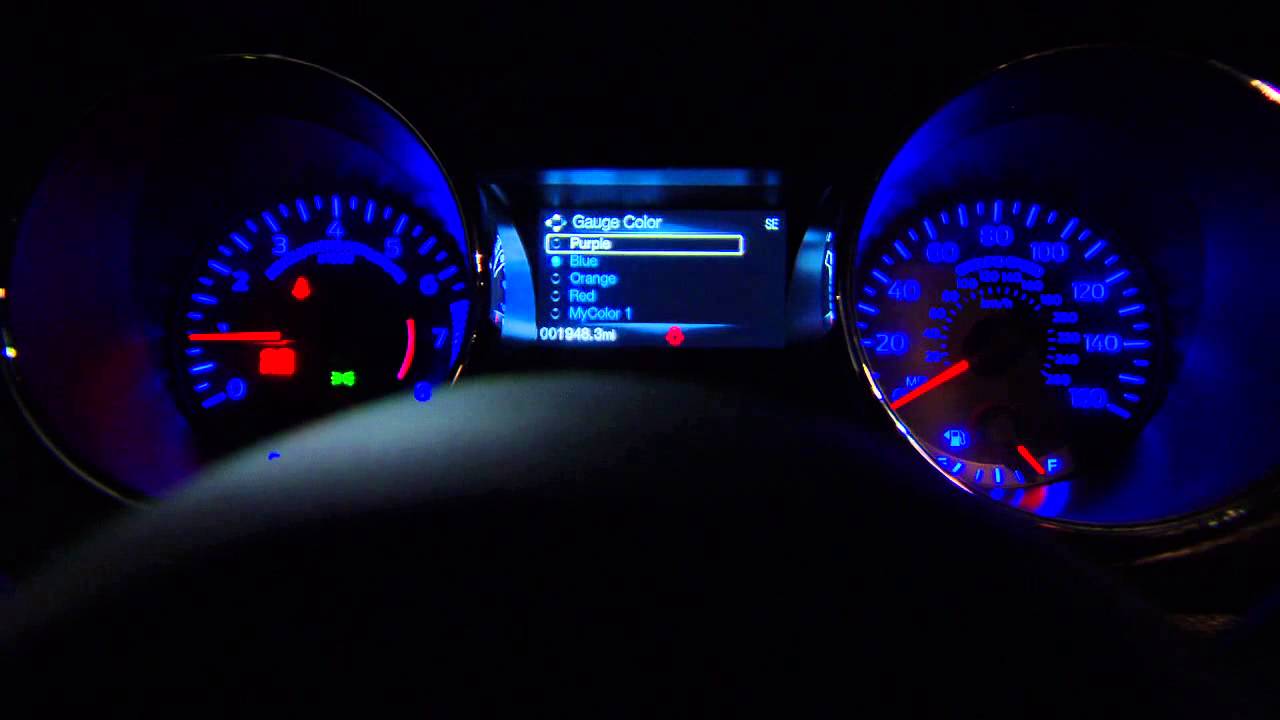
3. Custom Interior Lighting and Cosmetic Mods
Custom interior lighting, ambient LED strips, and other cosmetic interior modifications are popular among younger car owners, but they generally do not add resale value in the used car market.
These modifications are highly personalized, which means they reflect the taste of the original owner rather than the preferences of the broader buying audience. Since resale value depends on wide market appeal, highly customized interiors often fail to deliver financial return.
Another important factor is buyer perception. Many used car buyers prefer interiors that remain as close as possible to factory condition. A stock interior is often seen as a sign that the car has not been heavily modified, which increases confidence in its mechanical integrity.
When buyers see aftermarket lighting or cosmetic changes, they may wonder whether other, less visible modifications have also been made, which can create hesitation during negotiations.
Trends also play a role in reducing the long-term value of cosmetic upgrades. Interior lighting styles and decorative enhancements tend to follow fashion cycles. What looks modern and attractive today can quickly become outdated within a few years. Because resale value is determined at a later stage in the vehicle’s life, these once-trendy upgrades often lose their appeal completely.
There is also the issue of consistency and quality. Aftermarket cosmetic modifications vary widely in installation quality, wiring safety, and durability. Poorly installed lighting systems can cause electrical issues or interior damage, which further reduces buyer confidence.
Even if the modification is high quality, it still rarely influences the buyer’s willingness to pay more, making it a poor investment from a resale standpoint.
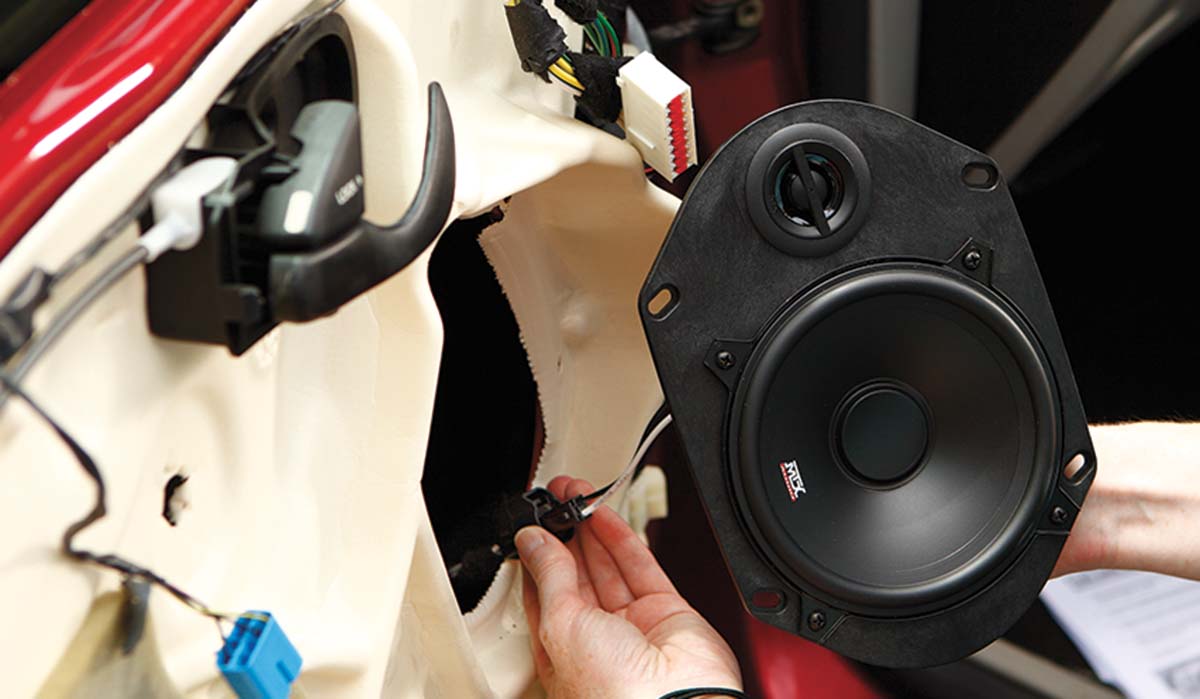
4. High-End Audio System Upgrades
Upgrading a car’s audio system with premium speakers, amplifiers, or subwoofers may significantly enhance personal driving enjoyment, but it does not usually increase resale value in a meaningful way.
Most used car buyers are satisfied with factory-installed audio systems, especially as modern vehicles already include decent sound quality and smartphone-based streaming options. Because of this, additional investment in high-end sound equipment is rarely reflected in the resale price.
Another challenge is valuation inconsistency. Unlike factory-installed features, aftermarket audio systems do not have a standardized resale value.
Buyers may not recognize the brand, may not trust the installation quality, or may simply not care about upgraded sound performance. As a result, sellers often find that they cannot recover even a small portion of the money spent on these upgrades.
There is also the issue of modification concerns. High-end audio systems often require changes to wiring, door panels, or dashboard components. Some buyers interpret these modifications as potential risks, worrying about electrical reliability or improper installation. Even if the system works perfectly, the fact that it has been modified from factory condition can lower buyer confidence.
Furthermore, preferences for audio quality are highly subjective. Some buyers prefer bass-heavy systems, while others prefer balanced sound or minimal setups. Because of this lack of universal appeal, audio upgrades rarely influence market demand. In most cases, they are treated as personal enjoyment features rather than financial investments.
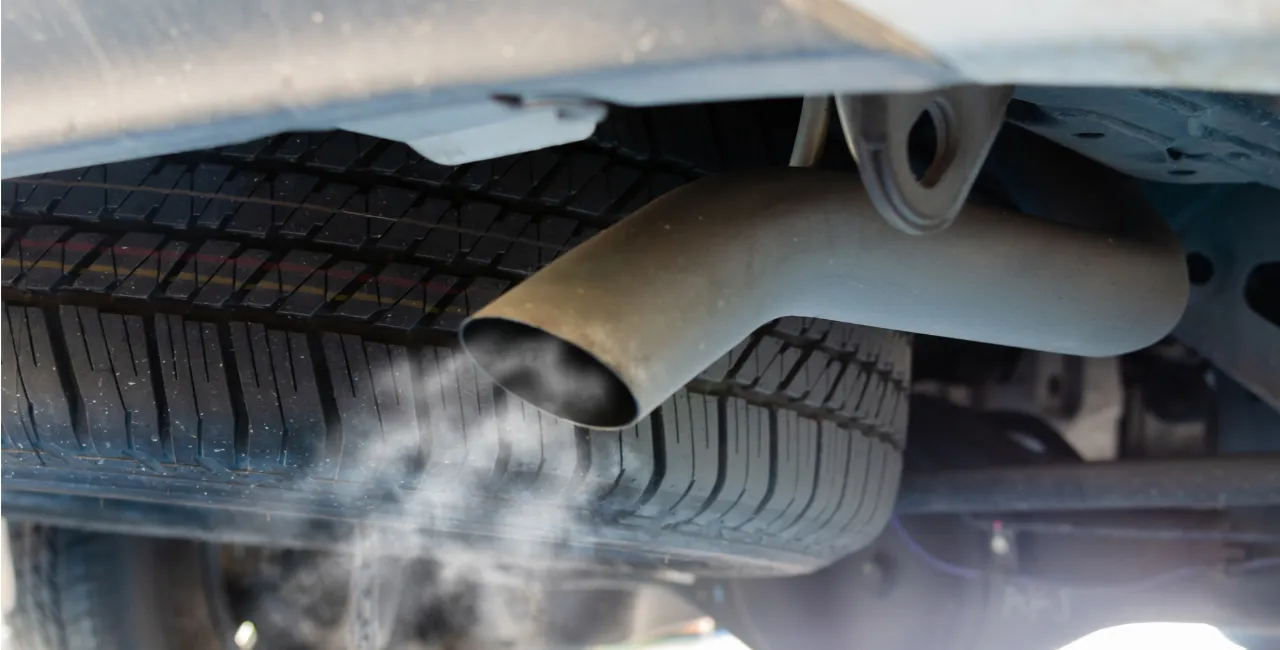
5. Performance Exhaust or Engine Tuning
Performance exhaust systems, engine remapping, and tuning modifications are among the most common upgrades for enthusiasts, but they generally reduce resale value rather than increase it.
While these modifications may improve horsepower, throttle response, or engine sound, they also introduce uncertainty regarding long-term reliability. Used car buyers tend to prioritize durability and factory-tested performance over enhanced but modified output.
One major concern is engine stress. Performance tuning often pushes the engine beyond its original factory calibration. Even if the modifications are professionally done, buyers may worry about increased wear on engine components, transmission strain, or reduced lifespan. These concerns make them more cautious and often lead to lower offers during resale negotiations.
Warranty and compliance issues also play a significant role. Modified vehicles may not be eligible for manufacturer warranties, and in some cases, they can face challenges during emissions testing or inspections depending on local regulations.
This reduces the potential buyer pool and makes the vehicle less attractive in regulated markets.
Another factor is resale market preference for originality. Most used car buyers prefer vehicles that remain untouched mechanically because they represent a predictable performance history. A factory-standard engine is easier to evaluate, easier to trust, and easier to insure. In contrast, tuned engines introduce unknown variables that many buyers prefer to avoid altogether.
Even when a performance modification enhances the driving experience for the original owner, it seldom leads to higher resale value. Most buyers are only willing to pay what a standard version of the car would be worth, which means added upgrades rarely increase the selling price. From a resale standpoint, performance modifications often result in a poor return on investment.
