
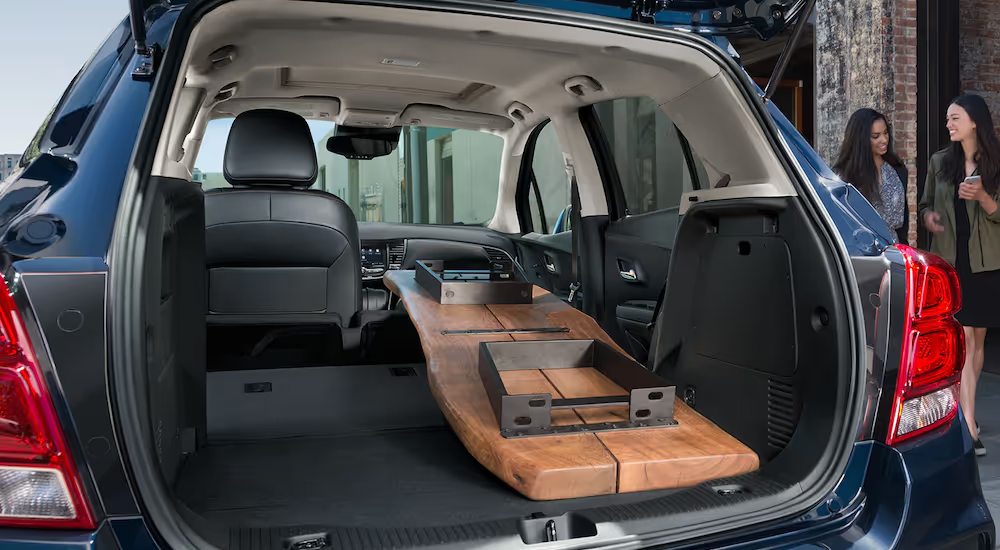
The trunk or cargo area is often treated as nothing more than a place to store groceries, luggage, sports equipment, or shopping bags. In many vehicles, however, this space also hides useful tools, safety systems, storage compartments, and emergency equipment that owners may never notice.
These features can make daily driving easier, help during a roadside problem, and keep loose items from moving around while the vehicle is in motion.
Manufacturers use the cargo area to store equipment that does not need to be visible all the time. A spare tire may sit beneath the floor, while a jack, wheel wrench, tow hook, and locking-wheel-nut key can be tucked into molded compartments beside it.
Some SUVs and hatchbacks also include hidden underfloor bins, grocery-bag hooks, folding-seat releases, power outlets, and cargo tie-down points. Each feature has a practical purpose, but it is only useful if the owner knows where it is and how it works.
The layout varies between sedans, hatchbacks, SUVs, crossovers, and pickup trucks. Some features are standard, while others depend on trim level or optional equipment.
It is worth checking your own vehicle while parked at home, with the owner’s manual nearby. The following hidden features are among the most useful items that may be tucked inside your trunk or cargo area.
Also Read: 10 Cars Faster Than a Lamborghini for Under $50,000
1. Underfloor Spare Tire and Tool Compartment
The most important hidden area in many vehicles is beneath the trunk or cargo floor. Lift the carpeted panel or pull up the cargo mat, and you may find a spare tire, jack, wheel wrench, and other tools arranged in a molded storage tray.
This equipment is easy to forget because it stays out of sight during normal driving, but it becomes essential when a tire is damaged far from a repair shop.
Not every vehicle includes the same type of spare. Some have a full-size spare that can be driven normally, while others use a compact temporary spare with strict speed and distance limits.
Certain vehicles carry only a tire-inflation kit, which may seal a small puncture in the tread but cannot repair a sidewall cut, a large hole, or a damaged wheel. Before a breakdown occurs, check what your vehicle actually has.
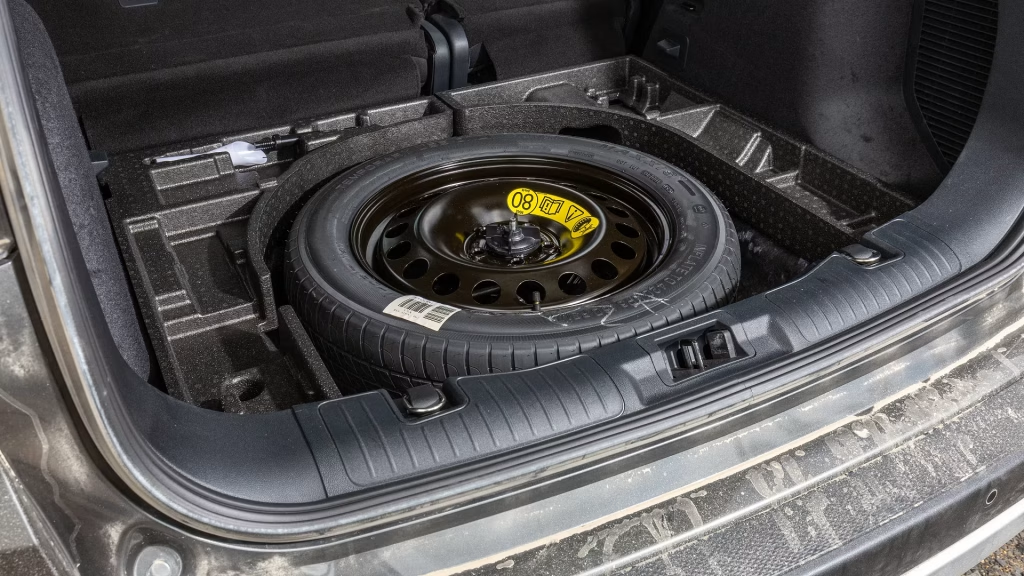
The tool compartment may also contain a wheel-lock key. If your wheels use locking lug nuts, that key is required to remove them. Losing it can turn a simple tire change into a major delay. Keep the key in its original location and make sure it is not removed with other items.
Inspect the spare tire occasionally. It can lose air over time even when it is never used. Check its pressure against the label in the owner’s manual or on the tire itself. A spare tire is only helpful if it is inflated, accessible, and supported by the correct tools.
2. Hidden Cargo Tie-Down Points
Cargo tie-down points are among the most useful features in a trunk, hatchback, SUV, or pickup bed, yet many owners never use them. These small metal loops, recessed hooks, or reinforced anchor points are usually placed near the corners of the cargo floor.
They are designed to secure luggage, boxes, coolers, strollers, tool bags, and other items that could slide or tip over while the vehicle is moving.
Loose cargo can become dangerous during hard braking, sharp turns, or a collision. A heavy object can shift forward and damage the interior, break a window, or strike passengers.
Tie-down points allow the driver to use cargo straps, bungee cords, nets, or adjustable organizers to keep items in place. They are particularly helpful in SUVs and hatchbacks where the cargo area is directly connected to the passenger compartment.
Some vehicles hide these anchors beneath small plastic covers. Others fold flat into the floor so they do not interfere with loading. Pickup trucks may include multiple tie-down points in the bed, while certain crossovers offer movable anchors that slide along rails.
Check the owner’s manual for the maximum load rating because not every hook is designed for heavy equipment.
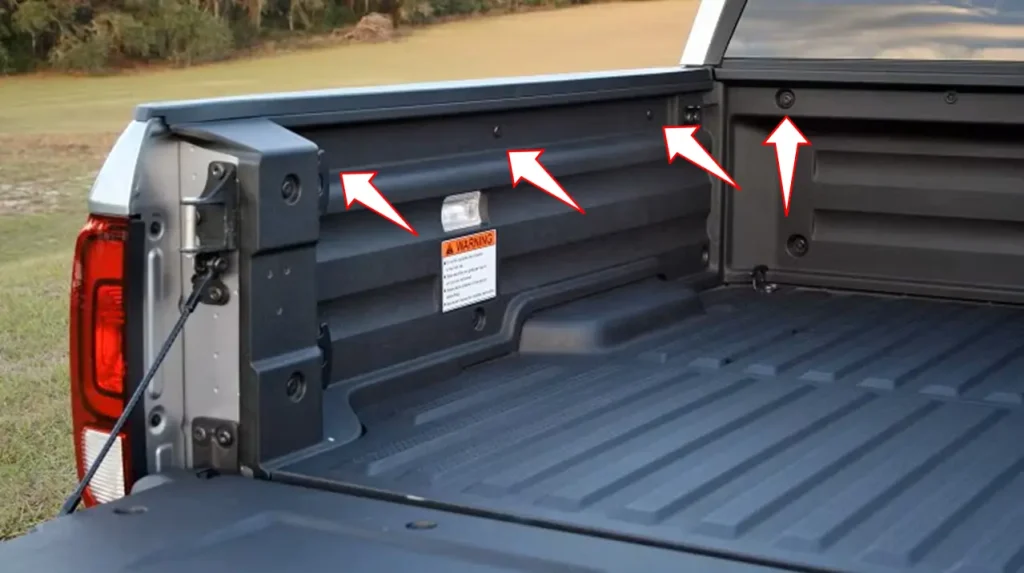
Use proper straps rather than thin rope or damaged cords. The straps should be tight enough to prevent movement but not so tight that they crush fragile cargo. Keep the load low and centered whenever possible, especially when carrying heavier items.
Knowing where these anchor points are can make the cargo area safer and more organized. They are simple features, but they can prevent damage, reduce noise from shifting items, and make it easier to carry awkward loads with confidence.
3. Emergency Trunk Release Handle
An emergency trunk release handle is one of the most important safety features hidden inside a sedan’s trunk. It is usually attached to the inside of the trunk lid and made from glow-in-the-dark material, making it easier to locate in the dark.
Pulling the handle releases the trunk latch from inside, allowing a person to open the trunk without using the exterior key, remote, or dashboard button.
This feature is primarily intended to help someone escape if they become trapped inside the trunk. It can also be useful after a collision, an electrical failure, or a damaged door lock prevents normal access to the passenger compartment.
In some vehicles, folding rear seats create a path between the trunk and cabin, giving occupants another route to reach the release handle if necessary.
The handle should never be blocked by luggage, loose blankets, or large cargo. When loading the trunk, keep the latch area clear and make sure children understand that the trunk is not a safe place to play. The glow-in-the-dark material can become dirty or less visible over time, so it is worth checking occasionally.
Not every vehicle has the same design. Some trunk handles are clearly marked, while others use a small fluorescent tab. Hatchbacks and SUVs may not need this feature because their cargo areas are open to the cabin, but they can still have interior tailgate releases or manual latch access points.
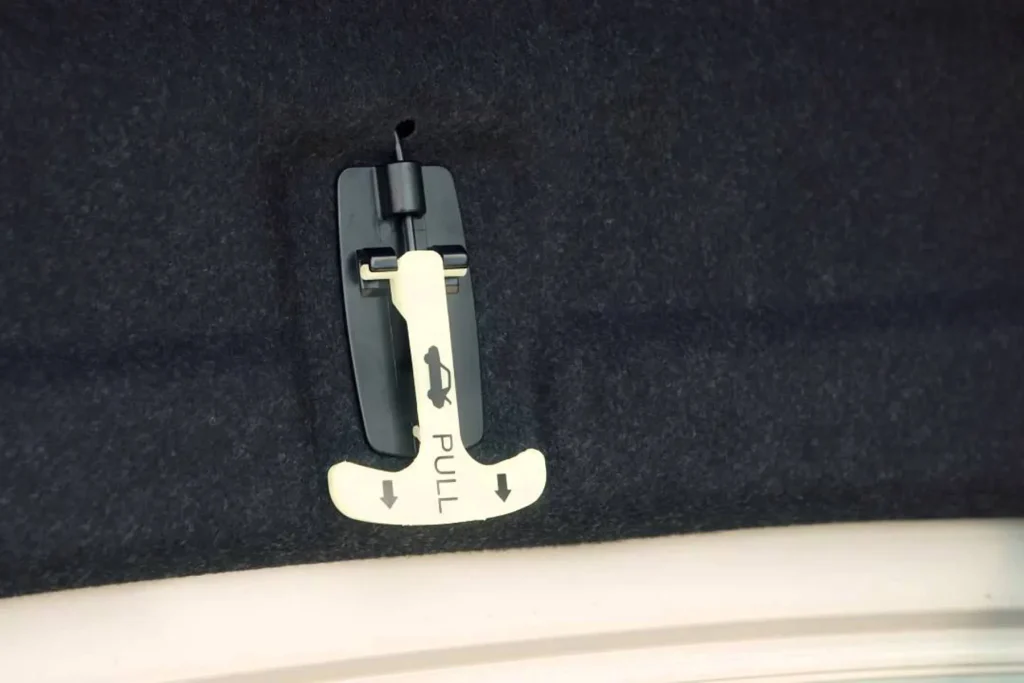
A quick inspection takes only a few minutes. Find the handle, make sure it moves freely, and show other regular drivers where it is located. It is a feature most owners hope never to use, but knowing it exists can matter greatly in an emergency.
4. Fold-Flat Rear Seat Release Levers
Many sedans, hatchbacks, and SUVs include rear-seat release levers inside the trunk or cargo area. These levers allow the rear seatbacks to fold forward, creating a larger loading space for long or bulky items.
They are often placed near the upper edges of the trunk opening, along the side trim, or close to the seatback hinges.
The feature is especially useful when carrying items such as flat-pack furniture, skis, long boxes, gardening tools, or luggage that will not fit through the normal trunk opening.
Instead of forcing cargo into a small space or leaving the trunk partially open, the driver can fold one section or both sections of the rear seat to create a longer, more flexible cargo area.
Some vehicles use a 60/40 split-folding arrangement. This lets the driver lower one side of the rear seat while keeping space for a passenger on the other side. Larger SUVs may use 40/20/40 seatbacks, allowing the center section to fold for narrow items while the outer seats remain available.
Before folding the seats, remove head restraints if the manual requires it and move the front seats forward if needed. Make sure no seat belts, child-seat straps, or loose objects are caught in the folding mechanism. When returning the seatbacks to their upright position, push firmly until they lock into place.
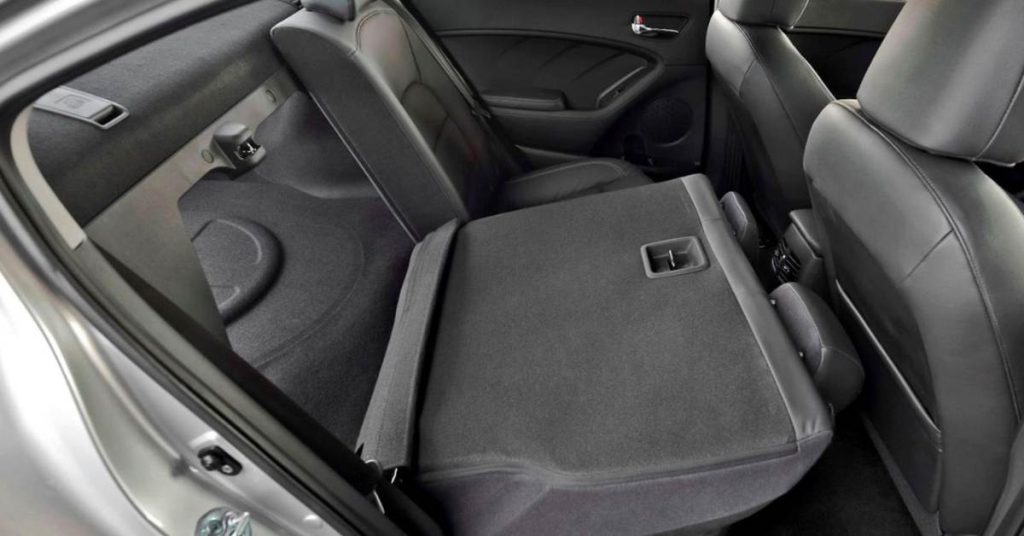
These levers are easy to overlook because they are hidden in the cargo area, but they can make a small vehicle far more useful. Learning their location before a large purchase or road trip can save time and avoid unnecessary loading problems.
5. Hidden Storage Bins and Underfloor Compartments
Many trunks and cargo areas include storage spaces that are easy to miss because they are hidden under floor panels, behind side trim, or beneath removable covers.
These compartments can be useful for keeping smaller items organized and out of sight. Instead of allowing emergency supplies, charging cables, cleaning products, or shopping bags to move around freely, owners can store them in a dedicated area.
Underfloor bins are common in hatchbacks, crossovers, and SUVs. Some are located beside the spare tire, while others sit in front of it or beneath a removable cargo panel.
Certain vehicles have narrow side pockets that can hold a tire-inflation kit, first-aid supplies, warning triangles, or small tools. A few models even include washable compartments designed for wet shoes, muddy gear, or cleaning equipment.
These hidden spaces can also improve security. Valuables such as a laptop bag, camera case, or small backpack are less visible when stored beneath the cargo floor.
However, they should never be left in the vehicle for long periods, especially in areas where break-ins are common. A hidden compartment reduces visibility but does not replace careful security habits.
Before using any storage bin, check whether it covers important equipment. Some panels provide access to the spare tire, battery, fuse box, or towing tools. Keep those items easy to reach and avoid packing the compartment so tightly that emergency equipment becomes difficult to remove.
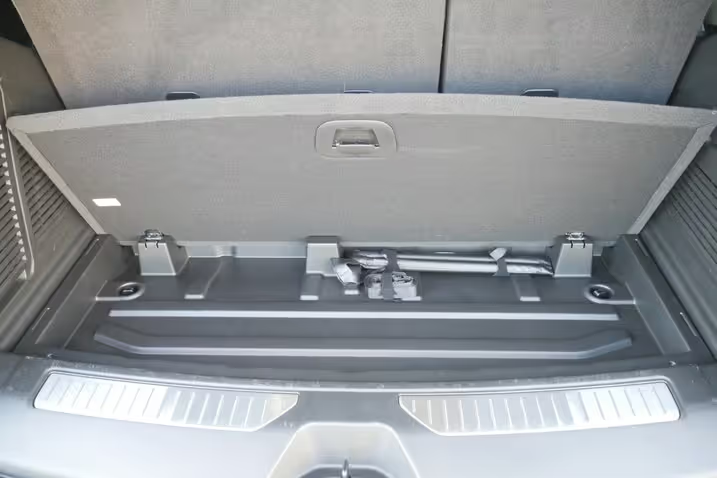
A simple cargo organizer can make these spaces even more useful. Group related items together, such as roadside tools, cleaning supplies, and travel accessories. Hidden bins can turn an untidy cargo area into a more practical space while keeping important items ready when needed.
6. Cargo Area Power Outlet and Accessory Socket
A power outlet in the trunk or cargo area can be one of the most useful hidden features for road trips, tailgating, camping, and emergencies.
Depending on the vehicle, it may be a 12-volt accessory socket, a household-style outlet, USB ports, or a combination of several power sources. These outlets are often placed on a side panel, near the tailgate, or behind a small cover.
A 12-volt socket can power an air compressor, portable cooler, vacuum cleaner, tire inflator, or phone charger. A household-style outlet may support small electronics, work lights, or camping equipment, although its power limit is usually much lower than a wall outlet at home.
Always check the wattage rating before connecting an appliance, because overloading the outlet can blow a fuse or damage the vehicle’s electrical system.
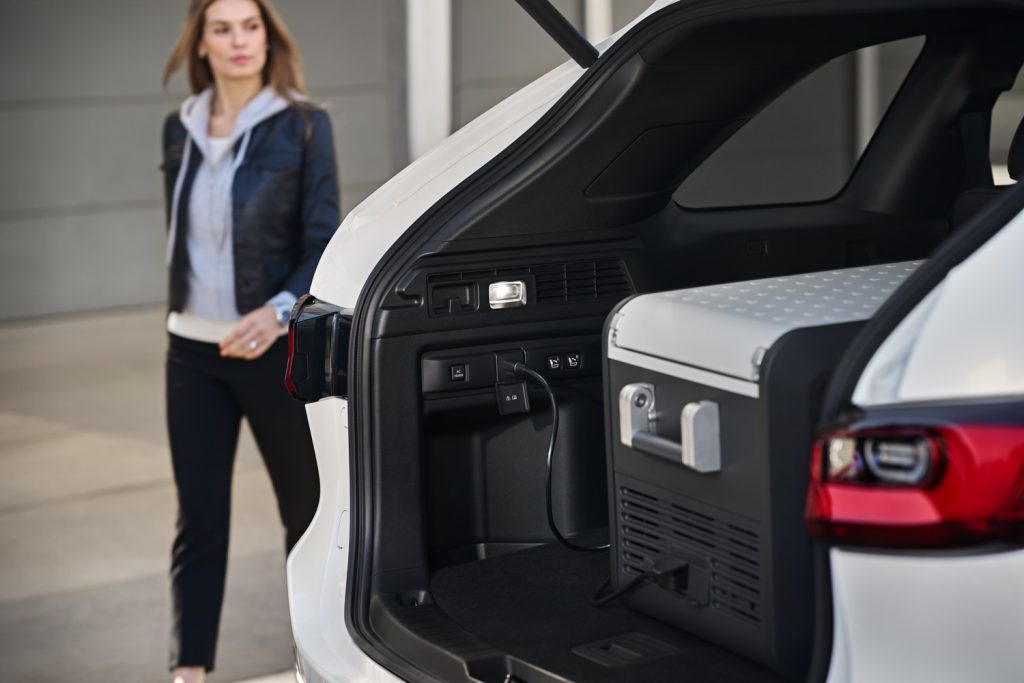
This feature is especially helpful during a roadside tire problem. A portable air compressor connected to the cargo-area outlet can inflate a low tire if the damage is minor and the tire can safely hold air. It can also be useful when preparing for a trip, cleaning the interior, or running a small cooler during long drives.
Some outlets work only when the ignition is on, while others remain active for a limited time after the vehicle is turned off. Check the owner’s manual so the battery is not drained accidentally. Keep cords organized and away from the tailgate latch or rear seats.
A cargo-area outlet may seem minor, but it can add real convenience and make emergency equipment much easier to use.
Also Read: 10 Little-Known Features in the Mazda CX-5
