
The electric vehicle market in the United States is entering a critical turning point as it approaches 2027. After years of rapid growth driven by incentives, early adopters, and premium EV launches, the industry is now shifting toward its most important phase yet: affordability and mass adoption.
While brands like Tesla, Ford, Chevrolet, Hyundai, Kia, and Rivian helped normalize EV ownership in the 2020s, the biggest barrier has remained consistent across the market: price. Most EVs sold in the US still sit well above the psychological threshold of affordability for the average household, especially after changes in federal incentives that previously made electric cars significantly cheaper for buyers.
As a result, automakers are now focusing heavily on cost reduction strategies. This includes simplified vehicle platforms, shared architectures across multiple models, and increased reliance on lithium iron phosphate battery chemistry, which is cheaper and more stable than traditional lithium-ion variants.
These innovations are not just technical improvements but structural shifts in how EVs are designed and manufactured. The goal is no longer just performance or luxury but accessibility at scale.
One major shift driving this transformation is global competition. Chinese manufacturers have already demonstrated the ability to produce EVs at extremely low price points, forcing US and European automakers to rethink their pricing strategies.
In response, legacy brands are accelerating their entry-level EV programs with the aim of reaching price parity with gasoline vehicles. This is essential if EVs are to move beyond early adopters and into true mass-market adoption.
By 2027, the US EV market is expected to look very different from today. Instead of being dominated by mid to high-priced models, there will likely be a wave of compact, affordable electric vehicles targeting first-time buyers, urban commuters, and budget-conscious families.
These vehicles are expected to offer practical driving ranges, improved charging speed, and lower maintenance costs while staying within the 25,000 to 35,000 dollar range.
If these upcoming models succeed, 2027 could mark the moment when electric vehicles transition from a niche category into the default choice for new car buyers in the United States. The following seven EVs represent the most important affordable launches expected to drive that shift.
Also Read: 8 SUVs With The Most Space For Comfort
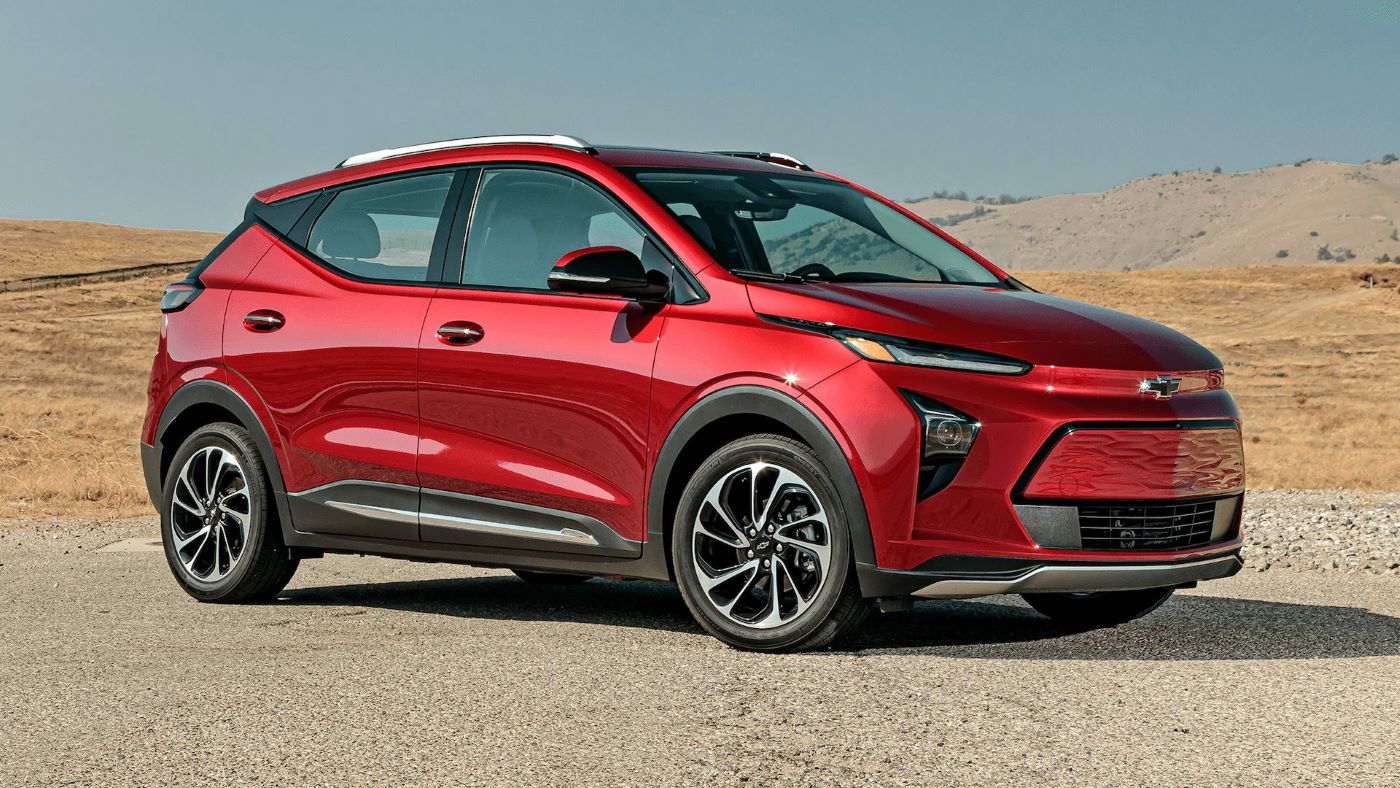
- Engine (Powertrain): Single electric motor (FWD likely)
- Horsepower: ~160 to 210 hp (expected range)
- Torque: ~250 to 320 Nm (approx.)
- Length: ~4,100 to 4,250 mm (compact hatchback segment)
- Width: ~1,770 to 1,800 mm (estimated urban-friendly width)
1. Chevrolet Bolt EV
The Chevrolet Bolt has long been considered one of the most important entry-level electric vehicles in the United States, and its upcoming 2027 revival is expected to strengthen that legacy even further.
General Motors is reportedly rebuilding the Bolt from the ground up using newer battery technology and a more efficient manufacturing process designed to drastically reduce production costs. This is not just a refresh of the old model but a strategic re-entry into the affordable EV segment.
One expectation surrounding the 2027 Bolt is its aggressive pricing strategy. Positioned around or slightly below 30,000 dollars, it aims to undercut many competing EVs while still offering a practical feature set.
This pricing is critical because it places the Bolt within reach of traditional compact car buyers who may be considering gasoline alternatives such as the Toyota Corolla or Honda Civic.
The new Bolt is also expected to benefit from improved energy density and battery management systems. These upgrades should allow it to achieve a real-world range in the 250 to 260 miles, which is a significant improvement in usability for both city and suburban drivers.
For most daily use cases, this level of range eliminates range anxiety entirely, making it a practical second or even primary household vehicle.
Unlike premium EVs that emphasize luxury interiors and advanced autonomous features, the Bolt is expected to focus on core functionality. This includes efficient climate control, reliable infotainment, and durable interior materials designed for long-term use. The goal is to keep costs low while maintaining the essential comforts expected by modern drivers.
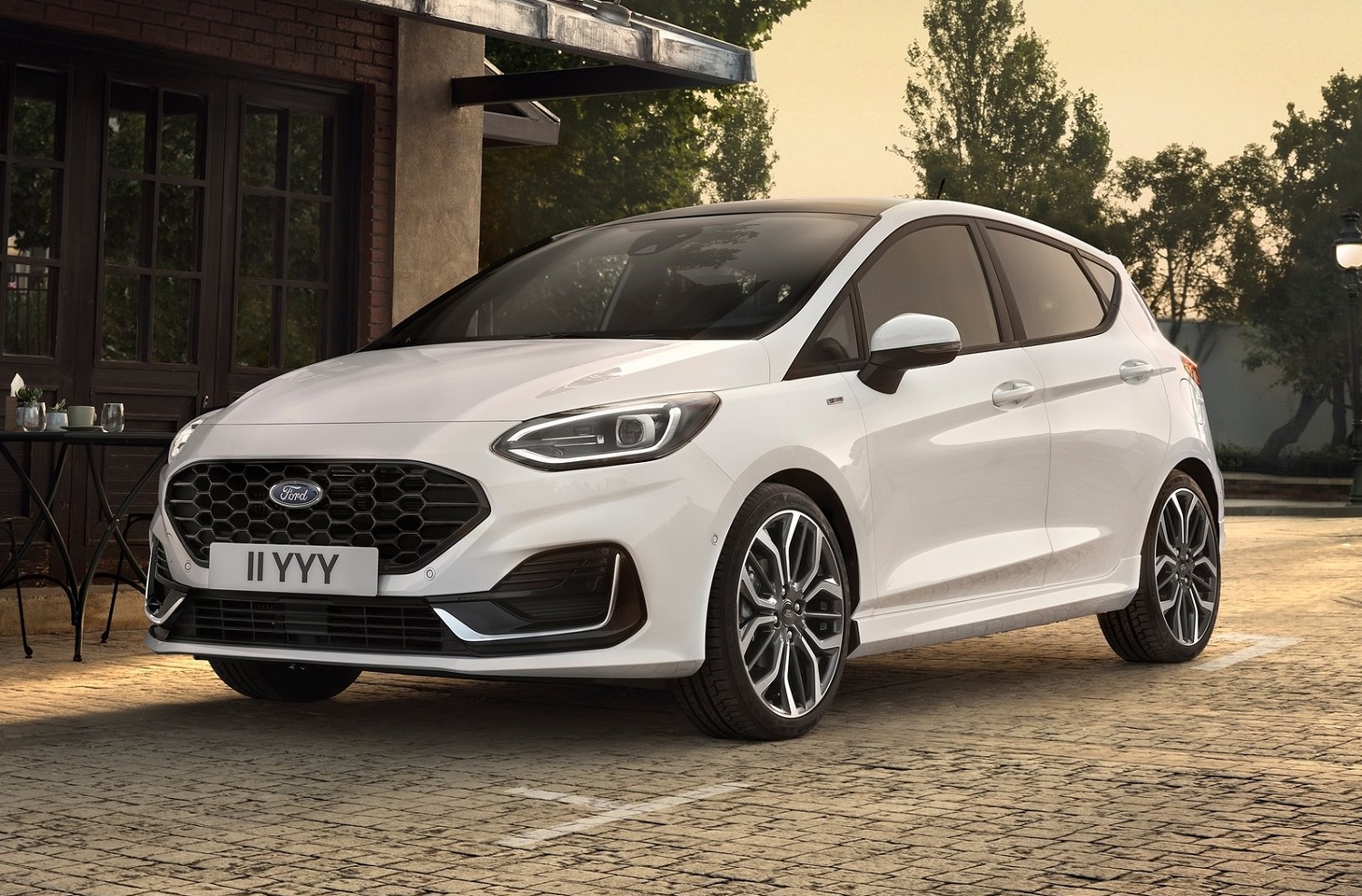
- Engine (Powertrain): Single electric motor (FWD or AWD optional)
- Horsepower: ~170 to 230 hp (estimated entry-to-mid variants)
- Torque: ~280 to 350 Nm
- Length: ~4,200 to 4,400 mm (subcompact crossover/hatch range)
- Width: ~1,780 to 1,850 mm
2. Ford Affordable Compact EV
Ford is entering a critical phase in its EV strategy with the development of a new compact electric vehicle designed specifically for affordability. This upcoming model represents a shift away from larger, higher-margin vehicles like the F-150 Lightning and Mustang Mach-E toward a more balanced product portfolio that includes truly accessible EV options.
The expected price range for this compact EV is likely to fall between the mid-20,000 and low-30,000 dollar range, depending on battery size and configuration. This pricing strategy is designed to compete directly with entry-level gasoline vehicles, which remain the dominant choice for cost-sensitive consumers in the US market.
The most important design goals for Ford’s compact EV is manufacturing efficiency. The company is investing heavily in simplified EV platforms that reduce part complexity and assembly time. This not only lowers production costs but also improves scalability, allowing Ford to produce large volumes if demand increases.
In terms of driving experience, the vehicle is expected to prioritize practicality over performance. It will likely feature a compact footprint ideal for city driving, easier parking, and lower energy consumption. While it may not deliver high acceleration or luxury-level refinement, its focus on reliability and affordability could make it highly appealing to first-time EV buyers.
Here’s a smoother version without using a semicolon or colon:
If Ford can successfully balance cost, range, and usability, this compact EV could play a major role in expanding EV adoption beyond early adopters and bringing electric vehicles into mainstream American households.

- Engine (Powertrain): Single rear-mounted electric motor (RWD standard)
- Horsepower: ~180 to 240 hp (utility-focused tuning)
- Torque: ~300 to 400 Nm (low-end hauling emphasis)
- Length: ~4,500 to 4,700 mm (compact pickup category)
- Width: ~1,850 to 1,900 mm (narrow truck footprint for cost efficiency)
3. Slate Auto Electric Pickup
Slate Auto is taking the most unconventional approach to the affordable EV market with its minimalist electric pickup truck. Unlike traditional automakers that attempt to load vehicles with features and technology, Slate is intentionally stripping down complexity to reduce cost and improve accessibility.
This philosophy is centered on the idea that many buyers do not need advanced luxury features but instead prioritize utility and affordability.
The expected starting price of this electric pickup is in the mid-20,000-dollar range, which would make it one of the cheapest electric trucks ever offered in the United States. This positions it as a direct competitor not only to other EVs but also to used gasoline trucks, which remain popular in rural and suburban markets.
An interesting aspect of Slate’s design is its modular architecture. Buyers will be able to configure the vehicle for different use cases, such as basic work transport, light commercial use, or even family travel through optional add-on kits. This flexibility allows the truck to serve multiple customer segments without significantly increasing base cost.
However, the trade-off for affordability is expected to be a more limited driving range and fewer built-in features.
This makes the vehicle more suitable for local commuting, job site transportation, and short-distance hauling rather than long-distance travel. Still, for many buyers, especially those in trades or small businesses, this trade-off may be acceptable given the cost savings.
Slate’s approach could redefine how entry-level vehicles are designed by proving that simplicity can be just as powerful a selling point as advanced technology.
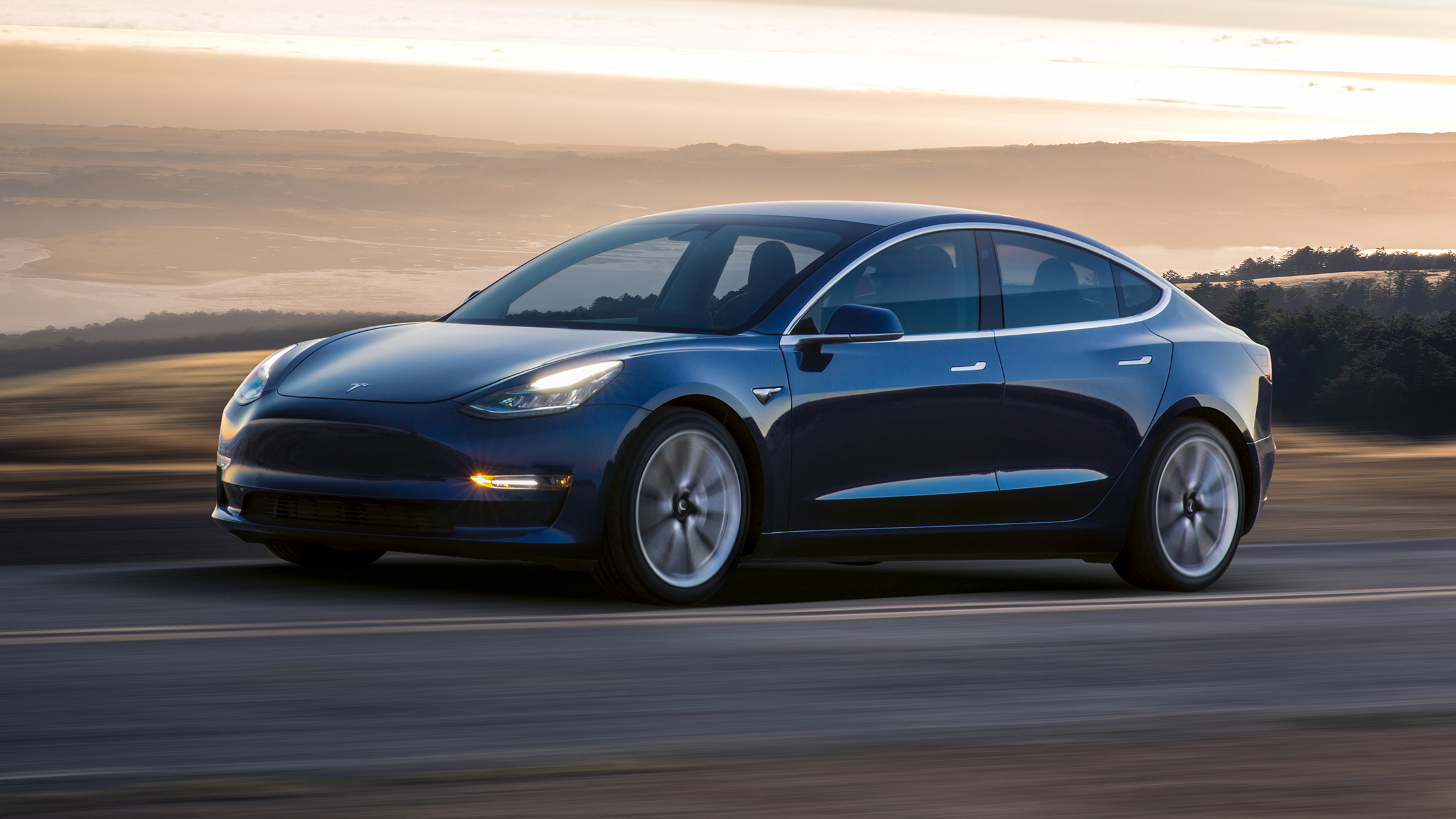
- Engine (Powertrain): Single motor RWD (dual motor optional AWD)
- Horsepower: ~200 to 260 hp (base to dual-motor variants)
- Torque: ~300 to 420 Nm (instant EV delivery)
- Length: ~4,200 to 4,350 mm (Model 3–below segment positioning)
- Width: ~1,800 to 1,850 mm
4. Tesla Entry-Level Compact EV
Tesla’s anticipated entry-level compact EV represents the most closely watched developments in the automotive industry. The company has long promised a more affordable model that would expand its reach beyond premium buyers, and 2027 is widely seen as a potential window for that strategy to materialize.
This vehicle is expected to be built on a simplified next-generation platform that reduces manufacturing costs through fewer components and a more integrated battery design. Tesla’s strength in vertical integration and software optimization gives it a unique advantage in delivering efficiency at scale.
Pricing is expected to target the low-30,000 dollar range, although some projections suggest even lower entry points depending on configuration and incentives. This would make it significantly more accessible than the current Model 3, which still sits above many budget thresholds.
In terms of performance, even the entry-level Tesla is expected to maintain strong efficiency and range compared to competitors. Tesla’s battery management systems and aerodynamics have consistently delivered industry-leading efficiency, which could allow this model to offer a competitive range despite its lower cost positioning.
The interior is expected to follow Tesla’s minimalist design philosophy, potentially reducing physical controls in favor of software-based interfaces. While this approach has been controversial among some users, it significantly reduces production complexity and cost.
If Tesla successfully launches this model at scale, it could dramatically accelerate EV adoption in the United States by making the brand accessible to a much wider audience.
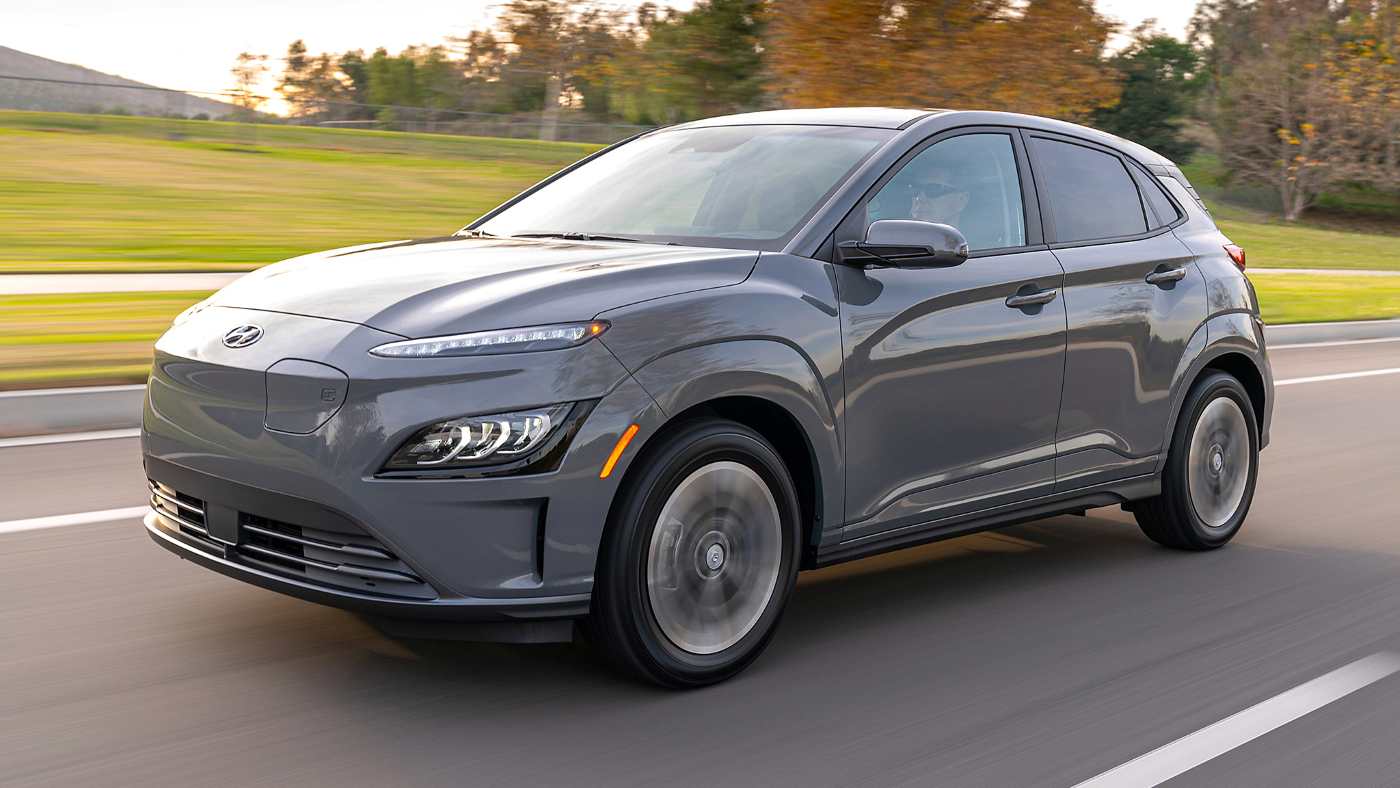
- Engine (Powertrain): Single front-mounted electric motor (FWD)
- Horsepower: ~150 to 200 hp (efficiency-focused tuning)
- Torque: ~250 to 310 Nm
- Length: ~4,050 to 4,250 mm (urban compact design)
- Width: ~1,760 to 1,820 mm
5. Hyundai Affordable Urban EV
Hyundai has established itself as a consistent and reliable player in the affordable EV segment, and its upcoming 2027-focused platform continues that strategy. This new vehicle is expected to build on Hyundai’s reputation for offering well-balanced electric cars that combine affordability, practicality, and reliability.
The expected price range is likely to fall in the low-30,000-dollar segment, making it competitive with both American and Japanese entry-level EV offerings. Hyundai’s strength lies in its ability to deliver strong value for money, which is particularly important in the affordable segment.
This EV is expected to be designed primarily for urban and suburban environments. That means compact dimensions, efficient battery usage, and a focus on everyday usability rather than long-distance performance. It will likely appeal to commuters, students, and small families looking for a cost-effective electric option.
Hyundai is also expected to improve its fast-charging capabilities in this model, reducing charging time significantly compared to earlier generations. This improvement is crucial for mainstream adoption, as convenience remains a key barrier to EV ownership.
Also Read: 7 Most Reliable Motorcycles You Can Buy Today
- Engine (Powertrain): Single motor FWD (AWD higher trims likely)
- Horsepower: ~170 to 230 hp
- Torque: ~280 to 360 Nm
- Length: ~4,300 to 4,500 mm (compact SUV category)
- Width: ~1,800 to 1,870 mm
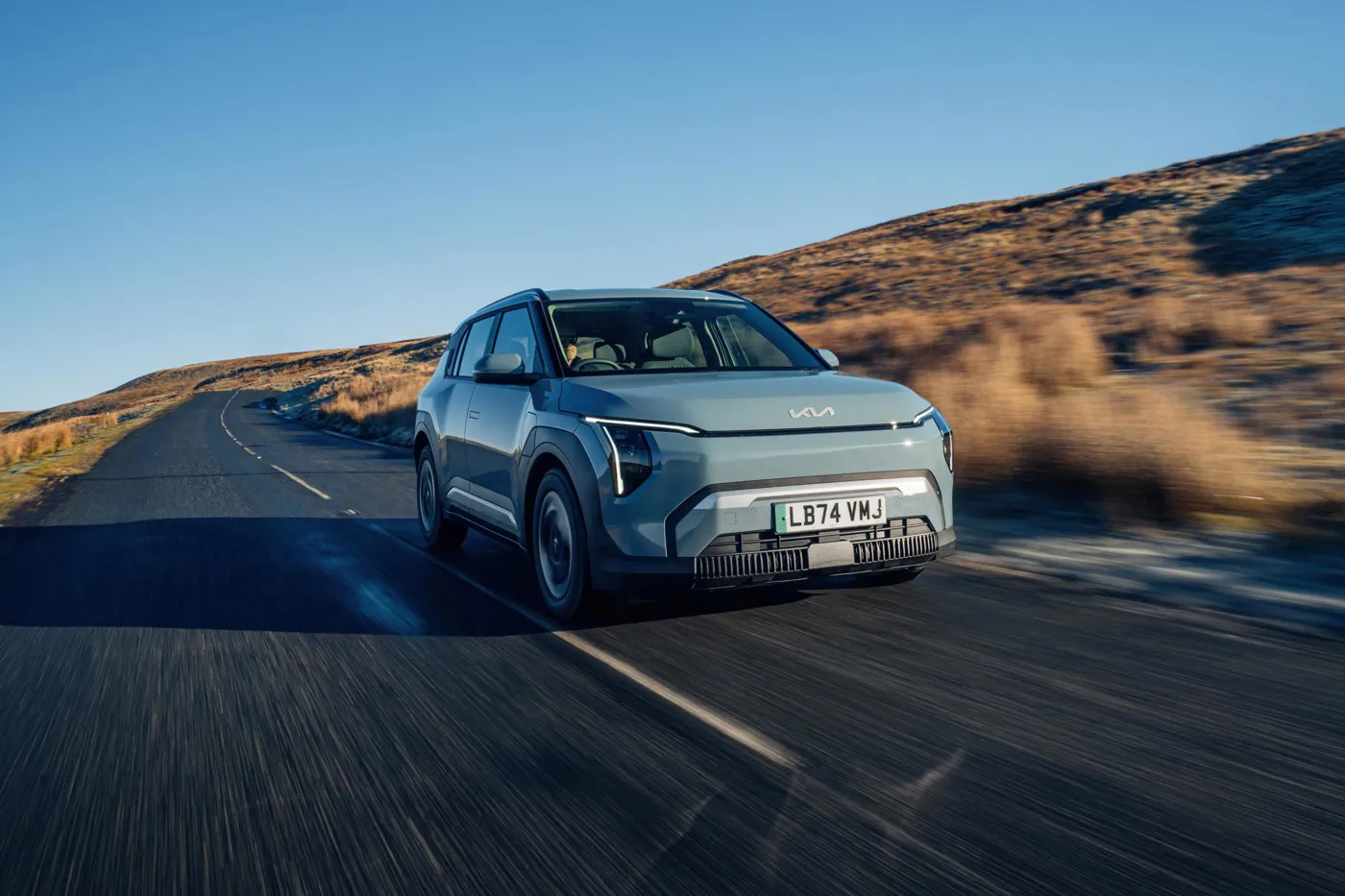
6. Kia Entry-Level EV SUV
Kia is preparing a compact electric SUV designed to appeal to younger buyers and budget-conscious families who still want the versatility of an SUV body style. This model is expected to share its underlying platform with Hyundai’s affordable EV architecture but will likely feature a more distinctive design and sportier styling.
Pricing is expected to fall in the low-to-mid 30,000 dollar range, making it competitive within the growing compact SUV EV category. This segment is particularly important in the United States, where SUVs remain the most popular vehicle type among consumers.
The vehicle is expected to prioritize interior space efficiency, offering a practical cabin layout that maximizes passenger comfort and cargo flexibility. Despite its affordable positioning, Kia is likely to include modern infotainment systems, advanced driver assistance features, and competitive safety technology.
Driving range is expected to be sufficient for daily commuting and short road trips, which aligns with the typical usage patterns of compact SUV buyers. The focus is less on long-distance performance and more on everyday practicality.

- Engine (Powertrain): Single motor FWD (dual motor optional in higher trims)
- Horsepower: ~160 to 220 hp
- Torque: ~260 to 340 Nm
- Length: ~4,100 to 4,300 mm (ID family compact scaling)
- Width: ~1,780 to 1,840 mm
7. Volkswagen ID Entry Compact EV
Volkswagen is preparing to expand its ID electric lineup with a more affordable compact EV designed for global mass-market appeal, including the United States. This model is expected to play a crucial role in Volkswagen’s strategy to compete in the rapidly growing entry-level EV segment.
The goal is to deliver a simplified, cost-efficient electric vehicle that maintains Volkswagen’s reputation for build quality while significantly lowering price barriers. Expected pricing is likely to fall in the high-20,000 to low-30,000 dollar range, depending on configuration and market incentives.
This EV will likely emphasize practicality and efficiency over premium features. It is expected to offer a straightforward driving experience, durable interior materials, and a focus on low maintenance costs, which are important factors for mainstream buyers.
Volkswagen’s global scale and manufacturing expertise give it a strong advantage in producing vehicles at volume, which could help it compete effectively against both American and Asian automakers in the affordable EV space.
If successful, this model could become one of Volkswagen’s most important vehicles in its transition toward full electrification.
