
The SUV market is moving into a major transition period as manufacturers prepare new generations of their most important family vehicles. A ground-up redesign means much more than revised headlights, a new grille, or an updated touchscreen.
These vehicles are expected to receive fresh platforms, reworked cabins, improved safety systems, more efficient powertrains, and new technology designed around the way people use SUVs today.
For buyers, a full redesign can be worth waiting for. A newer architecture may improve ride quality, passenger space, crash protection, towing ability, and fuel economy at the same time. Automakers are also putting more attention on hybrid systems, plug-in hybrid choices, larger digital displays, wireless phone connectivity, and advanced driver-assistance equipment.
The result is that many upcoming SUVs will feel very different from the models currently sitting in dealerships.
Not every 2027 SUV has been officially revealed, and specifications can change before production begins. Some models have been confirmed through manufacturer announcements, while others are expected based on product cycles and industry reports.
This list looks at eight SUVs expected to receive major redesigns for the 2027 model year. The first two vehicles show how both mainstream family SUVs and premium off-road models are preparing for their next chapter.
Also Read: 10 Cars With the Most Comfortable Seats for Bad Backs
1. 2027 Hyundai Tucson
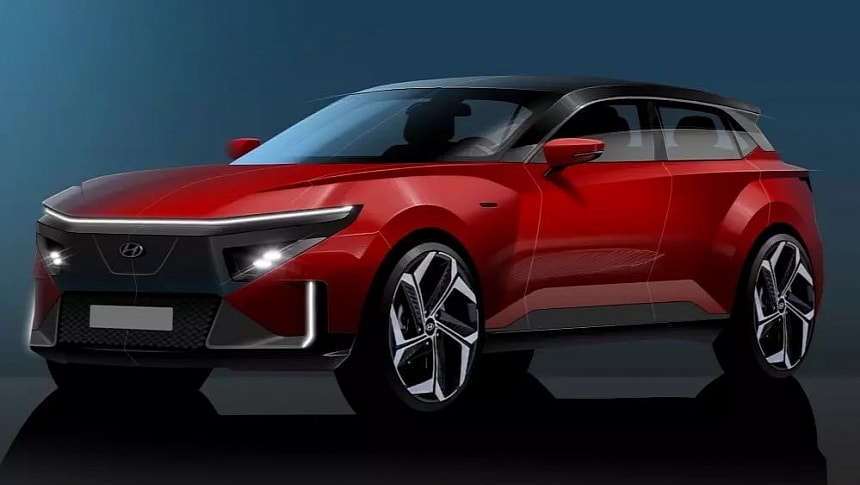
The Hyundai Tucson has become one of the most competitive compact SUVs because it offers bold styling, a roomy cabin, hybrid availability, and a long list of standard technology. For 2027, Hyundai is expected to introduce a new generation that moves beyond the current model’s angular bodywork and introduces a more mature design direction.
Early reports suggest the next Tucson could use a squarer exterior shape, more upright proportions, and a cabin influenced by Hyundai’s latest digital-focused vehicles.
The redesign is expected to place greater focus on electrification. Hyundai already offers petrol, hybrid, and plug-in hybrid versions of the Tucson in several markets, but the next generation could make hybrid power a much more important part of the lineup.
Buyers may see improved fuel economy, smoother electric assistance in city traffic, and a stronger focus on reducing emissions without removing the practicality that made the Tucson popular.
Inside, the 2027 Tucson could receive a cleaner dashboard with larger connected displays and fewer traditional buttons. Hyundai has been improving its infotainment systems quickly, and the new SUV may use more advanced software, upgraded voice controls, and additional remote functions through smartphone connectivity.
Rear-seat space and cargo capacity should remain priorities because the Tucson competes in one of the most crowded SUV classes.
A revised platform could also improve refinement. The present Tucson is already comfortable, but a new structure may help reduce road noise, improve suspension response, and give the vehicle a more stable feel at highway speeds.
Hyundai will need the redesigned model to compete against the latest Toyota RAV4, Honda CR-V, Kia Sportage, and Mazda CX-50.
- Engine: Expected 1.6-liter turbocharged inline-four hybrid engine
- Torque: Expected around 258 lb-ft
- Horsepower: Expected around 230 hp
- Length/Width: Expected around 183 inches / 73 inches
2. 2027 Nissan Rogue
Nissan’s Rogue is one of the company’s most important vehicles in North America, so its next generation will need to deliver a major improvement in design, technology, and powertrain efficiency.
The current Rogue has helped Nissan remain competitive in the compact SUV segment, but many rivals have recently added stronger hybrid systems, larger displays, and more advanced cabin features. A full redesign for 2027 could allow Nissan to close that gap.
The new Rogue is expected to continue using a turbocharged three-cylinder engine in some form, although Nissan may make important changes to improve refinement and long-term efficiency. Hybrid power is likely to become a bigger part of the strategy.
Nissan’s e-Power system, which uses an electric motor to drive the wheels while a petrol engine works as a generator, could become a key feature for the redesigned Rogue. This setup can provide the smooth response of an electric vehicle without requiring owners to plug in.
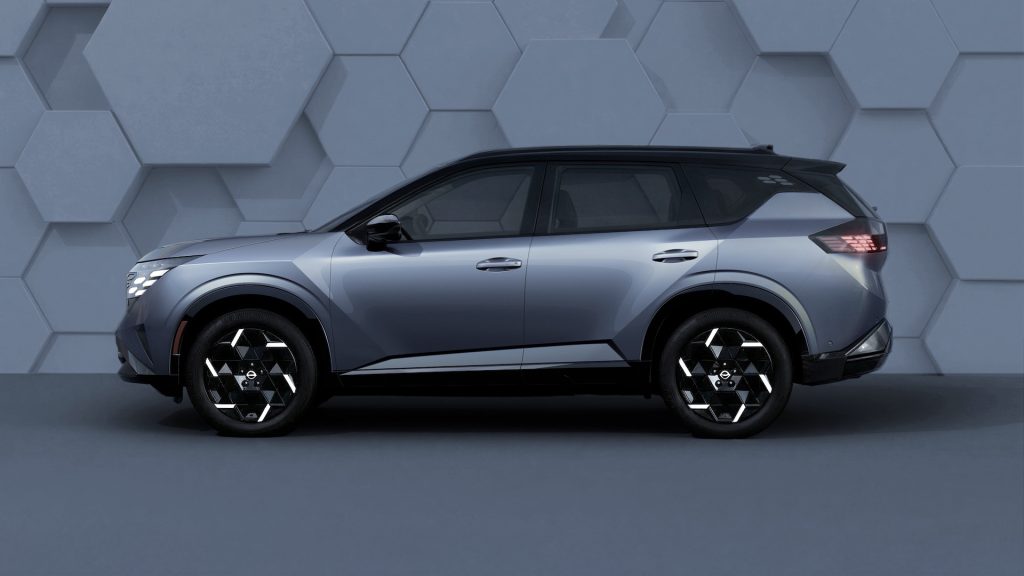
Styling may become more upright and rugged than the present Rogue. Nissan has been moving toward stronger front-end designs with wider grilles, slimmer lighting elements, and more muscular wheel arches.
The 2027 model could take inspiration from the larger Pathfinder and Armada while keeping dimensions suitable for city driving and family use.
The cabin will likely receive one of the biggest upgrades. Nissan is expected to improve screen quality, software speed, wireless smartphone integration, and driver-assistance functions. More premium materials could also appear on upper trims, helping the Rogue compete with the Honda CR-V, Toyota RAV4, and Hyundai Tucson.
A redesigned Rogue must balance comfort, fuel economy, and practicality. If Nissan adds an efficient electrified system while preserving the model’s spacious cargo area and easy driving character, the 2027 version could become a much stronger choice for buyers wanting a modern compact SUV.
- Engine: Expected 1.5-liter turbocharged three-cylinder with hybrid assistance
- Torque: Expected around 225 lb-ft
- Horsepower: Expected around 210 hp
- Length/Width: Expected around 184 inches / 73 inches
3. 2027 Toyota Highlander
Toyota is preparing one of the most dramatic changes in the three-row SUV category with the 2027 Highlander. Instead of treating the new model as a routine replacement for the current gasoline and hybrid versions, Toyota has confirmed that the next Highlander will be a battery-electric SUV.
That decision makes this redesign especially important because the nameplate has long been associated with family practicality, hybrid efficiency, and dependable long-distance travel.
The new Highlander is expected to use a dedicated electric vehicle architecture rather than adapting an older combustion-engine platform.
This should allow Toyota to package the battery low in the floor, creating a more stable center of gravity and potentially freeing more room for passengers. A flatter cabin floor could also improve access to the third row, an area where many family SUVs still feel cramped.
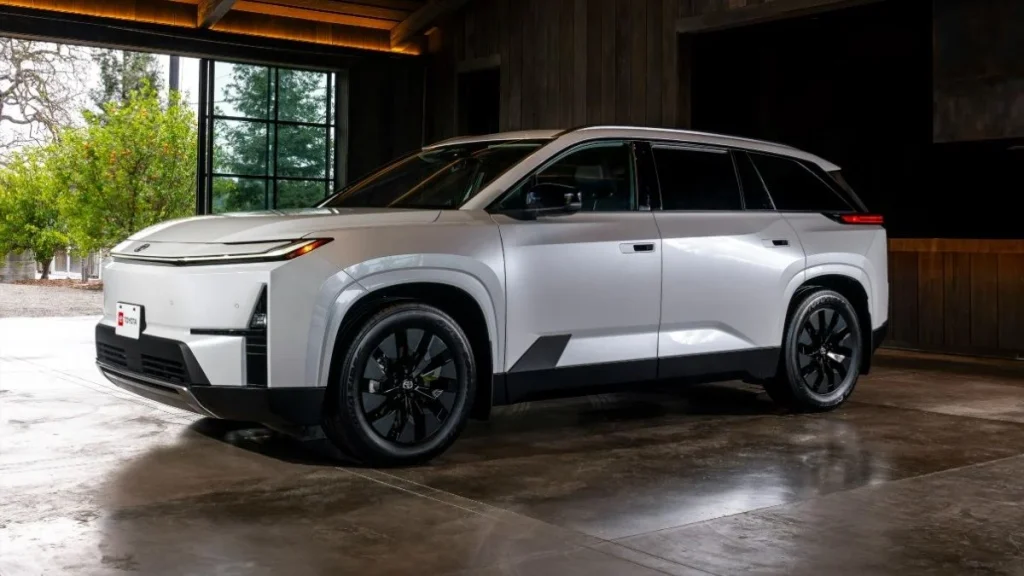
Toyota has previewed a more squared exterior shape for the redesigned model. The styling appears to move away from the softer profile of the present Highlander and toward a tougher, more upright appearance.
Full-width lighting, pronounced wheel arches, and a stronger rear design are expected to give it a more modern identity while keeping the familiar Highlander name.
Inside, the 2027 model is expected to receive a large central touchscreen, a digital instrument display, updated connected services, and Toyota Safety Sense 4.0. The cabin will remain focused on families, with six- and seven-seat configurations expected.
Toyota also plans to offer vehicle-to-load capability, allowing the battery to power small electrical devices when needed.
The move to electric power gives the Highlander a completely different role in Toyota’s lineup. Buyers who want a three-row SUV with quiet acceleration, home charging capability, and a more modern interior may find the redesigned Highlander much more appealing than the outgoing version.
- Engine: Dual electric motor all-wheel-drive system
- Torque: Expected to be announced closer to launch
- Horsepower: Up to 338 hp expected
- Length/Width: Expected around 198 inches / 78 inches
4. 2027 Nissan Murano
The Nissan Murano has always taken a different approach from many midsize SUVs. Instead of focusing on rugged styling or three-row seating, it has aimed at buyers who want a more comfortable, design-led two-row vehicle.
For 2027, Nissan is expected to give the Murano a major redesign that could strengthen its position as a premium-feeling alternative to mainstream family SUVs.
The new Murano is likely to adopt Nissan’s latest design language, which uses a wider grille, slim lighting signatures, smoother body surfaces, and a more sculpted rear section.
The present Murano has remained recognizable for years, but the redesigned version is expected to look far more contemporary. Nissan may also increase the vehicle’s visual width and use a more coupe-like roofline without sacrificing rear-seat comfort.
One of the biggest changes could be under the hood. The current V6 engine is expected to be replaced by a turbocharged four-cylinder engine, bringing better fuel efficiency and stronger low-speed torque. Nissan may also add an electrified option later in the model cycle, although final powertrain details have not been confirmed.
The cabin should receive a major technology upgrade. Nissan has been introducing larger displays, improved infotainment software, wireless smartphone connectivity, and more advanced driver-assistance systems across its newer models.
The 2027 Murano could use a cleaner dashboard layout with dual screens, higher-quality trim materials, and more comfort-focused equipment on upper versions.
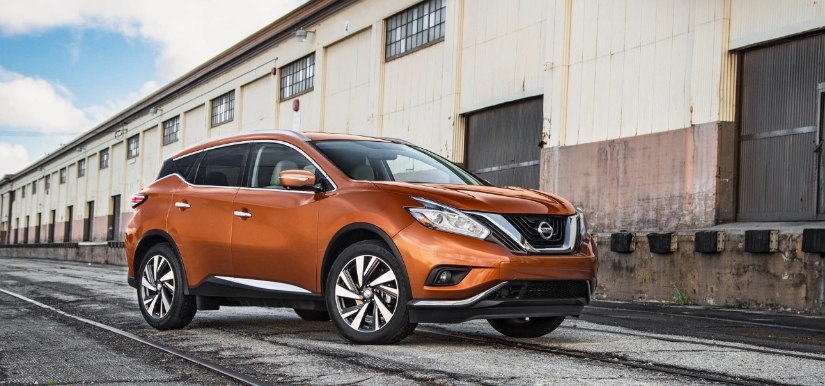
A redesigned Murano will need to stand apart from the Nissan Rogue and Pathfinder. Its role will likely remain centered on style, comfort, and a quieter driving experience.
If Nissan gives it stronger performance and a more upscale interior, the 2027 Murano could become one of the brand’s most attractive choices for buyers who do not need a third row.
- Engine: Expected 2.0-liter turbocharged inline-four petrol engine
- Torque: Expected around 260 lb-ft
- Horsepower: Expected around 250 hp
- Length/Width: Expected around 193 inches / 78 inches
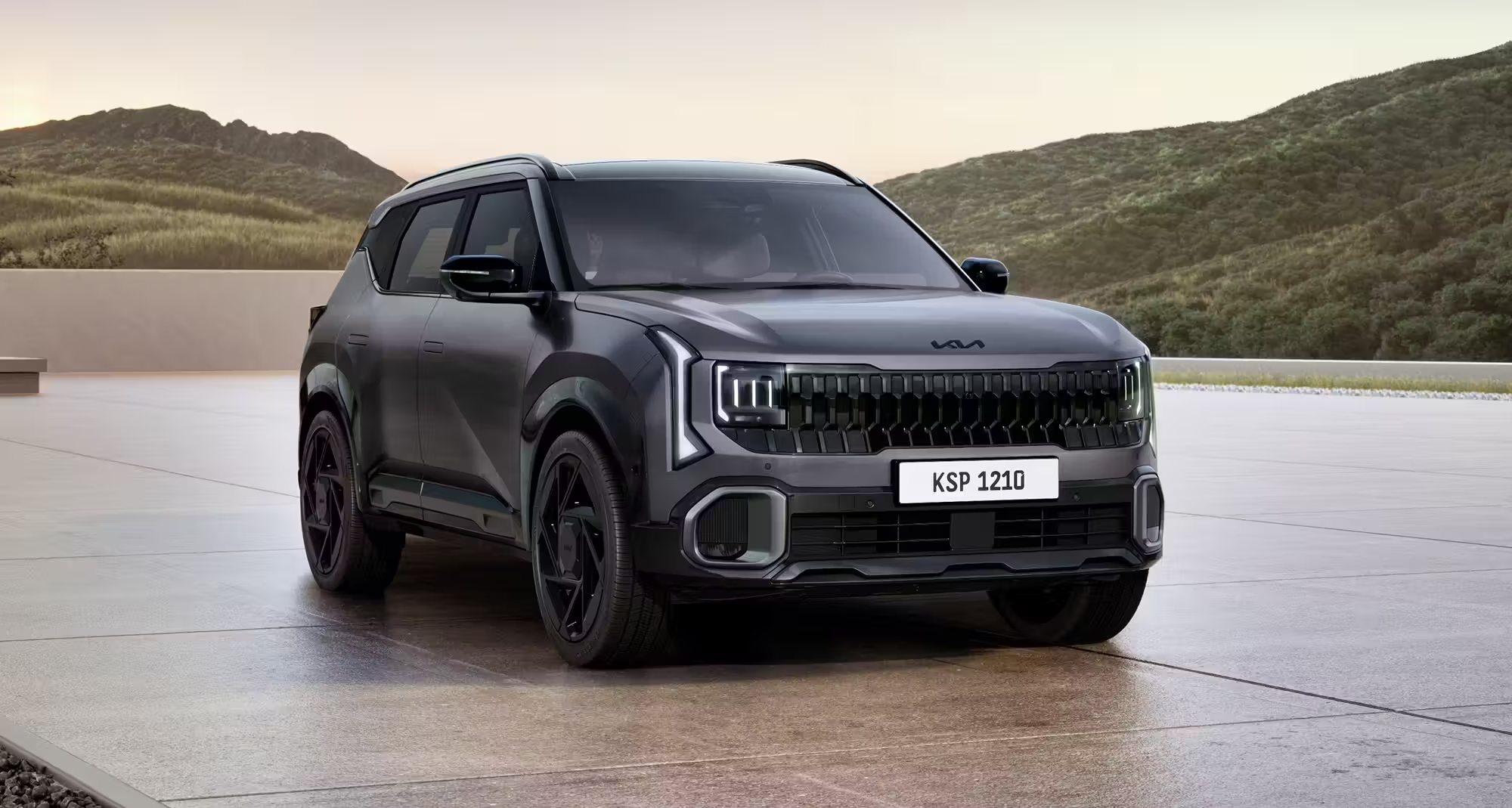
5. 2027 Kia Telluride
The Kia Telluride has been one of the most successful three-row SUVs of the past several years, so Kia faced a difficult task when planning its replacement.
The 2027 model does not simply refresh the previous design. It introduces a new generation with a more upright body, a redesigned cabin, fresh technology, and the first hybrid powertrain in Telluride history.
Its new shape is likely to appeal to buyers who liked the commanding look of the outgoing model. The redesigned Telluride uses a boxier profile, straighter roofline, stronger fender surfaces, and vertical lighting signatures that give it a more substantial presence.
That design also serves a practical purpose. A taller, more squared cabin can help preserve third-row headroom and make loading family luggage easier.
Kia is expected to offer both a conventional petrol engine and a turbocharged hybrid setup. The hybrid version is particularly important because large family SUVs often consume a lot of fuel in city traffic.
Electric assistance should make stop-and-go driving smoother while also giving the Telluride a stronger low-speed response when fully loaded with passengers.
The interior moves further into premium territory. A wide digital display layout, improved infotainment software, more charging ports, and upgraded driver-assistance equipment are expected to be central parts of the redesign.
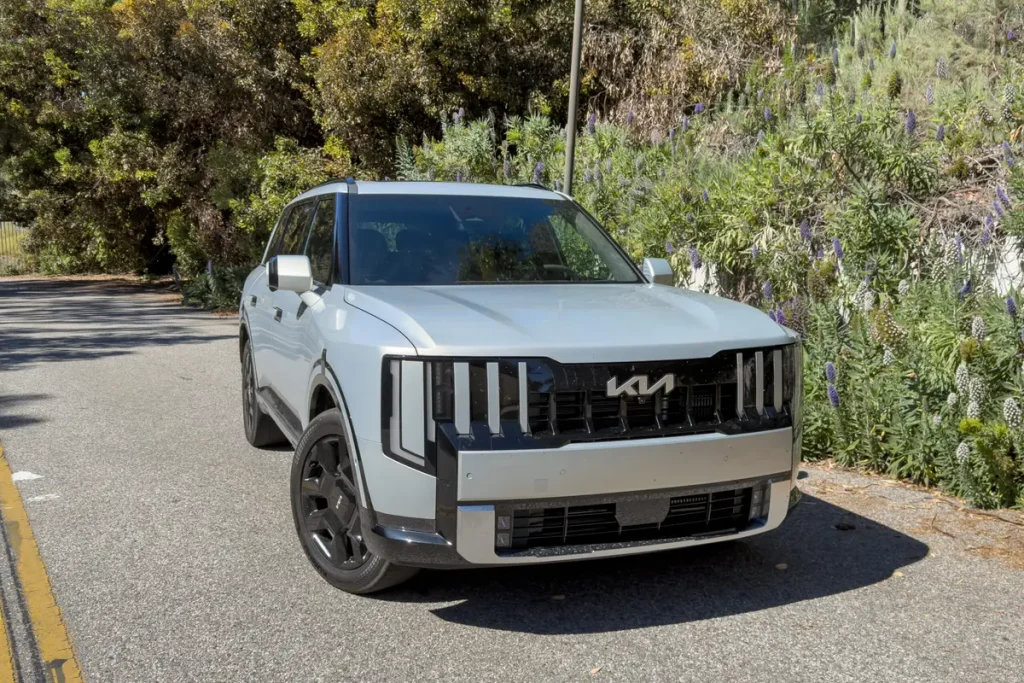
Kia has also focused on making the third row more comfortable, which matters for families who regularly carry adults or teenagers in the back.
Rather than trying to become an off-road specialist, the Telluride continues to focus on comfort, space, and easy daily use. Its new generation is expected to compete directly with the Hyundai Palisade, Honda Pilot, Toyota Grand Highlander, and Ford Explorer.
- Engine: 2.5-liter turbocharged inline-four hybrid engine
- Torque: 339 lb-ft
- Horsepower: 329 hp
- Length/Width: 199.2 inches / 78.3 inches
6. 2027 Kia Seltos
The Kia Seltos is expected to enter its next generation for 2027 with a larger body, more advanced cabin technology, and a stronger move toward hybrid power.
Kia introduced the Seltos as a compact SUV for buyers who wanted more passenger room and a more rugged look than many small crossovers provide. The redesign should preserve that role while making the vehicle feel more modern and refined.
One of the biggest expected changes is the exterior design. The next Seltos may use sharper lighting, a wider front grille, and more pronounced body cladding.
Kia has been giving its SUVs a more confident appearance, and the new Seltos could take inspiration from the larger Sportage and Telluride. The goal will likely be to make it look more premium without making it too large for city parking.
A hybrid option could become one of the most important additions. The current Seltos is offered with petrol engines, but rising fuel costs and growing demand for electrified compact SUVs make hybrid power a logical next step.
A hybrid system could improve city fuel economy while maintaining enough power for highway driving and family use.
The cabin is expected to receive a major improvement in display technology. Kia may add a larger digital instrument cluster, a new touchscreen system, wireless smartphone connectivity, and more safety features on lower trims. Rear-seat comfort should also improve if the redesigned model gains a slightly longer wheelbase.
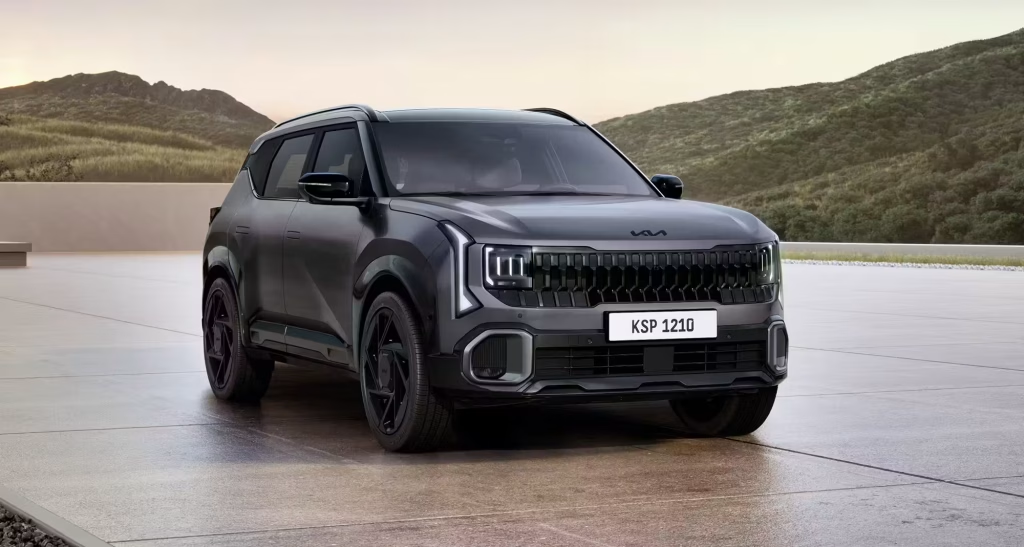
The Seltos has always appealed to buyers who want a compact SUV without the cramped feeling of a smaller crossover. A ground-up redesign could make it an even stronger choice by combining practical dimensions with better efficiency, improved cabin quality, and more advanced equipment.
- Engine: Expected 1.6-liter turbocharged inline-four hybrid engine
- Torque: Expected around 195 lb-ft
- Horsepower: Expected around 200 hp
- Length/Width: Expected around 174 inches / 71 inches
7. 2027 Jeep Grand Wagoneer
The Jeep Grand Wagoneer is expected to receive one of the most substantial changes in the full-size luxury SUV segment for 2027.
Jeep has already positioned the model as a premium three-row alternative to vehicles such as the Cadillac Escalade and Lincoln Navigator, but the next version is expected to move further toward electrification while retaining the size, towing strength, and commanding road presence buyers expect.
A major part of the redesign is expected to be a range-extended electric powertrain. Instead of relying only on a large petrol engine, the Grand Wagoneer could use electric motors for propulsion, while a petrol engine works as a generator to extend driving range.
This setup would give the SUV strong low-speed torque, quieter operation around town, and the ability to travel farther than a conventional battery-electric vehicle without frequent charging stops.
The exterior is likely to retain the upright proportions that suit a large Jeep. A wide front end, squared roofline, high beltline, and substantial rear section should remain part of its identity. New lighting, more aerodynamic details, and a cleaner grille treatment may help distinguish the redesigned version from the current Grand Wagoneer.
Luxury will be a central focus inside. The next model could receive larger displays, improved rear-seat entertainment, upgraded materials, and more advanced driver-assistance functions. Families who use all three rows will also expect generous space for passengers and luggage.
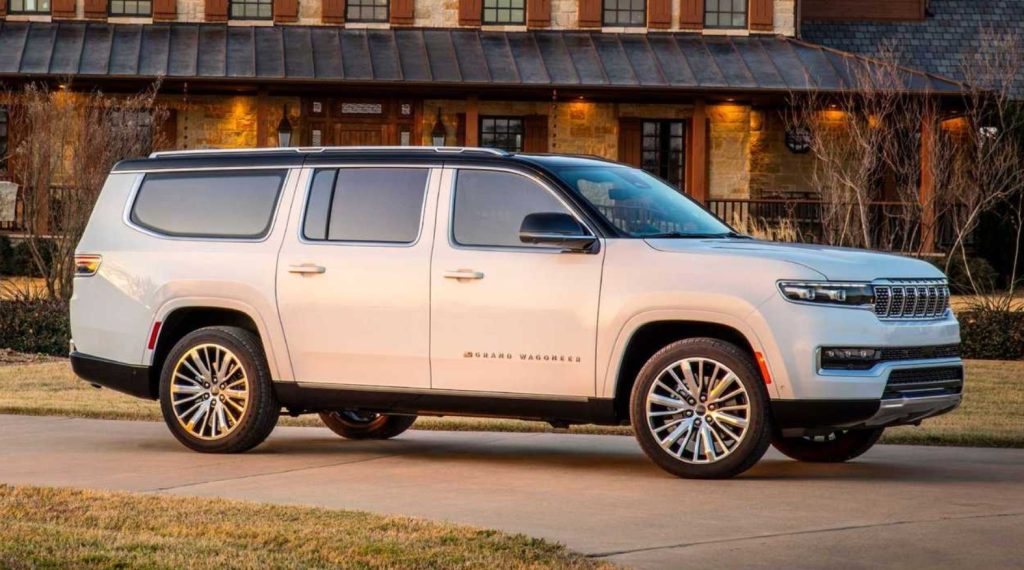
The Grand Wagoneer must remain capable away from paved roads, even though most examples will spend their lives on highways and suburban streets.
Jeep is expected to retain four-wheel-drive capability, selectable driving modes, and strong towing performance. The 2027 redesign could give buyers a more efficient way to own a large luxury SUV without losing the power and practicality that define the nameplate.
- Engine: Expected range-extended electric system with petrol generator
- Torque: Expected around 620 lb-ft
- Horsepower: Expected around 647 hp
- Length/Width: Expected around 226 inches / 84 inches
8. 2027 Honda CR-V
The Honda CR-V is expected to receive a full redesign during the 2027 model year, although Honda has not yet released complete official details. The current generation remains popular because it delivers a spacious cabin, a comfortable ride, strong resale value, and an efficient hybrid option.
A new generation would give Honda the chance to improve the areas where competitors have recently moved ahead, including infotainment technology, electrification, and more premium interior design.
Honda is likely to keep the CR-V focused on practical family use rather than turning it into a sporty-looking crossover with limited cargo room.
The next model may have a slightly longer wheelbase, helping rear-seat passengers enjoy more legroom while also improving cargo capacity. A more upright rear section could make the luggage area easier to use for strollers, shopping bags, and weekend travel equipment.
Hybrid power should become more important in the redesigned lineup. Honda already sells hybrid versions of the CR-V, but the next-generation system may provide stronger electric assistance, improved city fuel economy, and quieter operation when moving through traffic. A plug-in hybrid version is also possible, though Honda has not confirmed one.
The cabin may receive a larger digital instrument display and a more advanced touchscreen with faster software. Wireless Apple CarPlay, Android Auto, wireless charging, additional USB-C ports, and improved voice controls are likely to be part of the update.
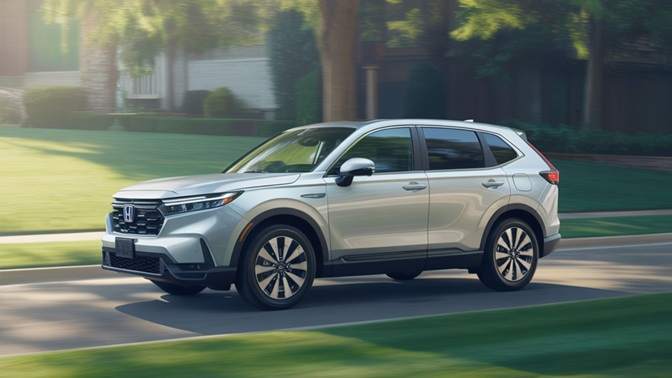
Honda could also introduce new safety technology, including upgraded adaptive cruise control and lane-centering assistance.
The CR-V has succeeded by being easy to drive and easy to live with. Its 2027 redesign will need to preserve those qualities while giving buyers more advanced hybrid technology and a fresher interior.
- Engine: Expected 2.0-liter four-cylinder hybrid system
- Torque: Expected around 247 lb-ft
- Horsepower: Expected around 204 hp
- Length/Width: Expected around 185 inches / 73 inches
Also Read: 10 All New 2027 SUVs Worth Waiting For
