
The SUV market is rapidly evolving, making 2027 a highly anticipated year for buyers seeking practicality, technology, efficiency, and performance. Driven by billions in automotive investments, the upcoming lineup promises significant advancements over current models across all price points.
A primary driver of this evolution is electrification. Manufacturers are merging environmental consciousness with real-world usability by offering robust hybrid, plug-in hybrid, and fully electric powertrains without sacrificing range or performance.
Alongside these powertrains, 2027 SUVs will feature major technological and design upgrades. Standard expectations now include large digital displays, over-the-air updates, and advanced safety systems. Visually, vehicles are shifting toward aerodynamic, modern aesthetics with upscale interiors, making the wait worthwhile for consumers planning their next purchase.
Also Read: 7 Most Reliable Motorcycles You Can Buy Today
- Engine Type: Dual-motor electric AWD (MB.EA platform)
- Horsepower: 370 to 480 hp (expected range)
- Torque: 550 to 800 Nm (estimated)
- Length: ~4750 to 4850 mm
- Width: ~1890 to 1950 mm
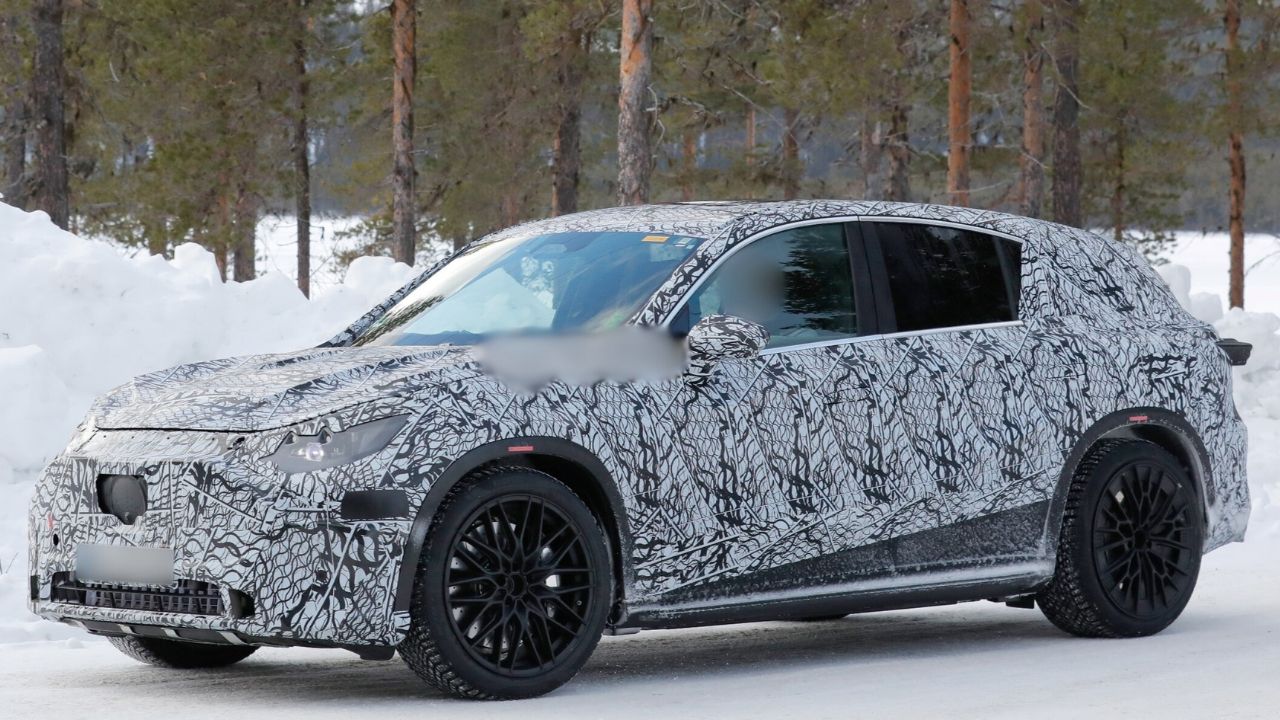
1. Mercedes-Benz GLC EV 2027
The Mercedes-Benz GLC EV 2027 marks a major milestone in the brand’s shift to full electrification. Built from the ground up on the next-generation MB.EA platform, this dedicated luxury SUV optimizes space, aerodynamics, and efficiency far better than traditional internal combustion models adapted for electric power.
The exterior features a sleek design with smooth surfaces and improved airflow efficiency. A digitally illuminated front grille provides a futuristic identity. Inside, an extended wheelbase creates a lounge-like environment, utilizing sustainable premium materials and an advanced hyperscreen-style dashboard integrated with AI-based voice controls.
Equipped with dual-motor all-wheel drive, the GLC EV delivers between 370 and 480 horsepower. This configuration ensures instant torque response and a silent, engaging ride. Additionally, an intelligent energy management system dynamically adjusts power distribution based on terrain and traffic patterns to optimize real-world battery efficiency.
A major highlight is the 800-volt battery architecture, which enables ultra-fast charging capabilities. Drivers can recover a significant amount of driving range in under 20 minutes at compatible charging stations. This advancement makes long-distance travel much more practical compared to previous generations of electric vehicles.
Safety remains a top priority with 360-degree sensors and predictive hazard detection. The SUV will also support Level 3 autonomous driving in select markets, allowing limited hands-free driving. The GLC EV completely reinvents the lineup, setting new standards for modern luxury electric mobility.
- Engine Type: 2.5L turbo petrol + hybrid option (expected)
- Horsepower: 290 to 330 hp
- Torque: 420 to 520 Nm
- Length: ~5050 mm
- Width: ~1985 mm
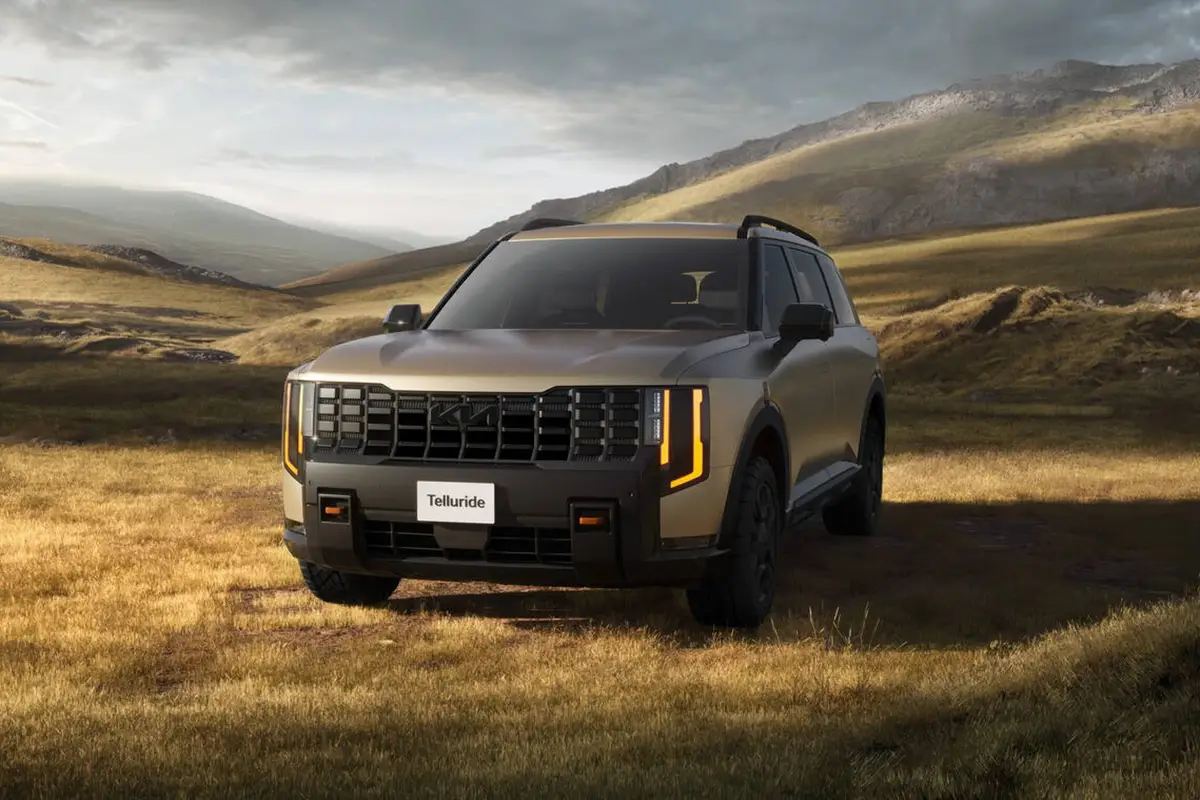
2. Kia Telluride 2027
The Kia Telluride 2027 is expected to continue its dominance in the three-row SUV segment with a completely redesigned approach focused on premium comfort and advanced technology. Kia has recognized that the Telluride appeals strongly to families, especially in North America and global markets where spacious SUVs are in high demand.
The exterior design will evolve significantly, adopting a more rugged yet refined look. Kia is likely to incorporate vertical LED lighting signatures and a more squared-off body shape to emphasize durability and road presence. This will help the SUV maintain its strong identity in a competitive segment.
The interior of the Telluride is expected to receive a major redesign, bringing a more modern and upscale feel to the cabin. A pair of panoramic screens will dominate the dashboard, combining the digital instrument cluster and infotainment system into a seamless display. Higher trim levels are also expected to feature premium touches such as quilted leather upholstery, genuine wood trim, and soft-touch surfaces throughout the interior.
Kia is expected to enhance seating comfort with improved ergonomics and additional adjustability in all three rows. This is particularly important for long family trips, where comfort plays a key role in purchasing decisions.
Technology integration will be another strong focus. The SUV will likely include AI-assisted climate control, smart navigation systems, and enhanced voice recognition features that can respond to natural language commands.
Rear-seat entertainment systems may also be upgraded, offering individual screens and wireless connectivity for passengers. This makes the Telluride more appealing to families with children.
Under the hood, the 2027 Telluride is expected to introduce a new hybrid powertrain. This system will combine a petrol engine with electric assistance to improve fuel efficiency without sacrificing performance.
All-wheel drive capability will remain available, ensuring that the SUV can handle various terrains and weather conditions. This makes it suitable for both urban and rural environments.
Safety will also be significantly improved with advanced driver assistance systems, including lane-keeping assist, adaptive cruise control, and emergency braking enhancements.
- Engine Type: 1.5L turbo petrol / hybrid options expected
- Horsepower: 130 to 170 hp
- Torque: 250 to 320 Nm
- Length: ~4300 to 4500 mm
- Width: ~1800 to 1850 mm
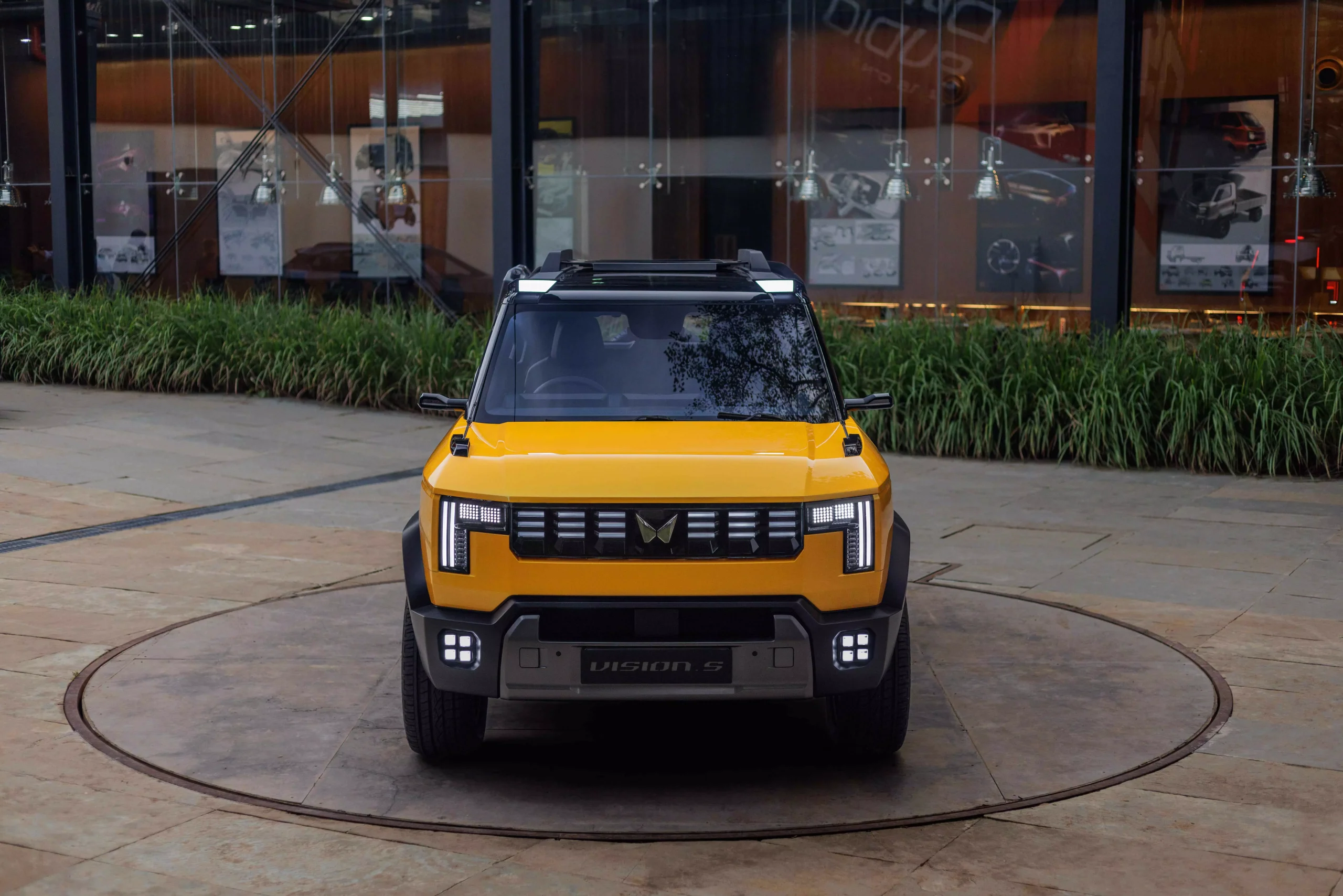
3. Mahindra Vision S Production SUV
The Mahindra Vision S production SUV represents a bold step forward for the Indian automaker as it expands its global SUV ambitions. This model is expected to target the compact and mid-size SUV segments, where demand continues to grow rapidly across emerging markets.
The design philosophy is expected to blend modern styling with rugged SUV DNA. Mahindra is likely to adopt a boxy silhouette inspired by traditional off-road vehicles, combined with futuristic lighting elements and aerodynamic improvements.
This SUV will likely be based on a monocoque platform, which offers better ride comfort and handling compared to traditional body-on-frame designs. This shift indicates Mahindra’s intention to appeal to urban buyers who still want SUV presence but prioritize comfort.
The Vision S is expected to offer a contemporary interior centered around technology and connectivity. Dominating the cabin will be a large central touchscreen handling infotainment functions, while a fully digital instrument display behind the steering wheel will provide key driving information in a clear and customizable format.
Material quality is expected to improve significantly, with soft-touch surfaces and more refined finishing. Mahindra is aiming to move closer to global competitors in terms of interior design standards.
Connectivity will be a strong focus, with smartphone integration, cloud-based navigation, and connected car features expected to be standard across variants.
The SUV will likely offer multiple seating configurations depending on market requirements. This flexibility will help it appeal to both families and individual buyers.
Engine options may include petrol and hybrid variants, with a strong focus on fuel efficiency and urban usability.
Safety systems will be upgraded with multiple airbags, electronic stability control, and advanced driver assistance features.
The Mahindra Vision S could become one of the most important SUVs in the company’s future lineup, especially in rapidly growing markets like India and Southeast Asia.
- Engine Type: 2.5L hybrid / 2.4L turbo hybrid
- Horsepower: 250 to 366 hp
- Torque: 320 to 550 Nm
- Length: ~4890 mm
- Width: ~1920 mm
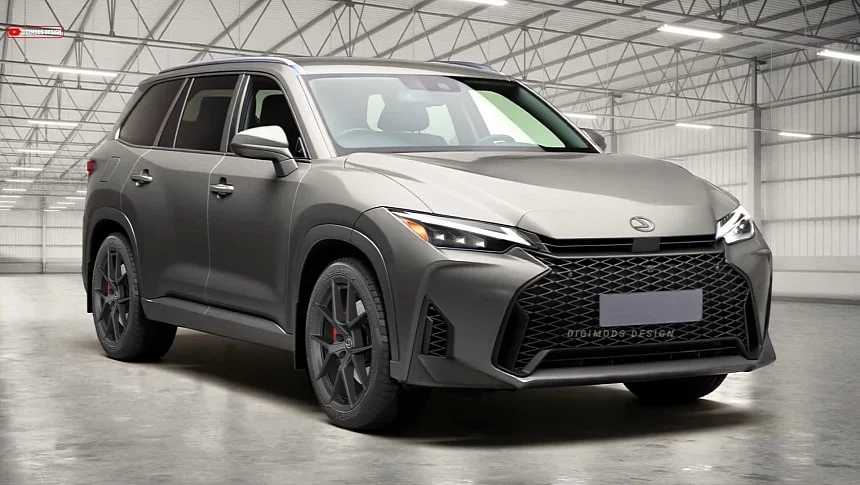
4. Lexus RX Facelift 2027
The Lexus RX 2027 facelift focuses on refinement rather than complete reinvention. As one of the most popular luxury SUVs globally, Lexus aims to maintain its strong position by improving key areas such as technology, comfort, and usability.
The exterior updates will likely include redesigned headlights, a more refined grille structure, and subtle body enhancements. Lexus typically prefers evolutionary design changes, ensuring continuity while modernizing appearance.
Customer feedback appears to be influencing several changes inside the cabin, with Lexus expected to place a stronger focus on ease of use. Rather than depending primarily on touch-sensitive controls, the redesigned interior may incorporate more physical buttons for commonly accessed features, helping drivers interact with vehicle functions more naturally while on the road.
Material quality will remain a strong point, with premium leather, wood trims, and ambient lighting continuing to define the luxury experience. Lexus will also focus on improving cabin insulation for a quieter ride.
The infotainment system will be upgraded with a faster processor, improved graphics, and better smartphone integration. This ensures the RX remains competitive in a tech-driven luxury segment.
Hybrid and plug-in hybrid powertrains are expected to remain central to the RX lineup. Lexus prioritizes smooth acceleration and fuel efficiency over aggressive performance.
Ride comfort will continue to be a key selling point, with suspension tuning optimized for long-distance cruising and city driving alike.
Safety features will be enhanced with updated driver assistance systems, improved radar sensors, and better lane management technology.
The RX will also introduce minor improvements in cargo space efficiency and seating ergonomics. The 2027 Lexus RX ensures that the model remains a benchmark for comfort-focused luxury SUVs.
- Engine Type: Dual-motor electric SUV (Tata EV architecture)
- Horsepower: 170 to 220 hp (expected)
- Torque: 300 to 400 Nm
- Length: ~4300 to 4500 mm
- Width: ~1820 to 1850 mm
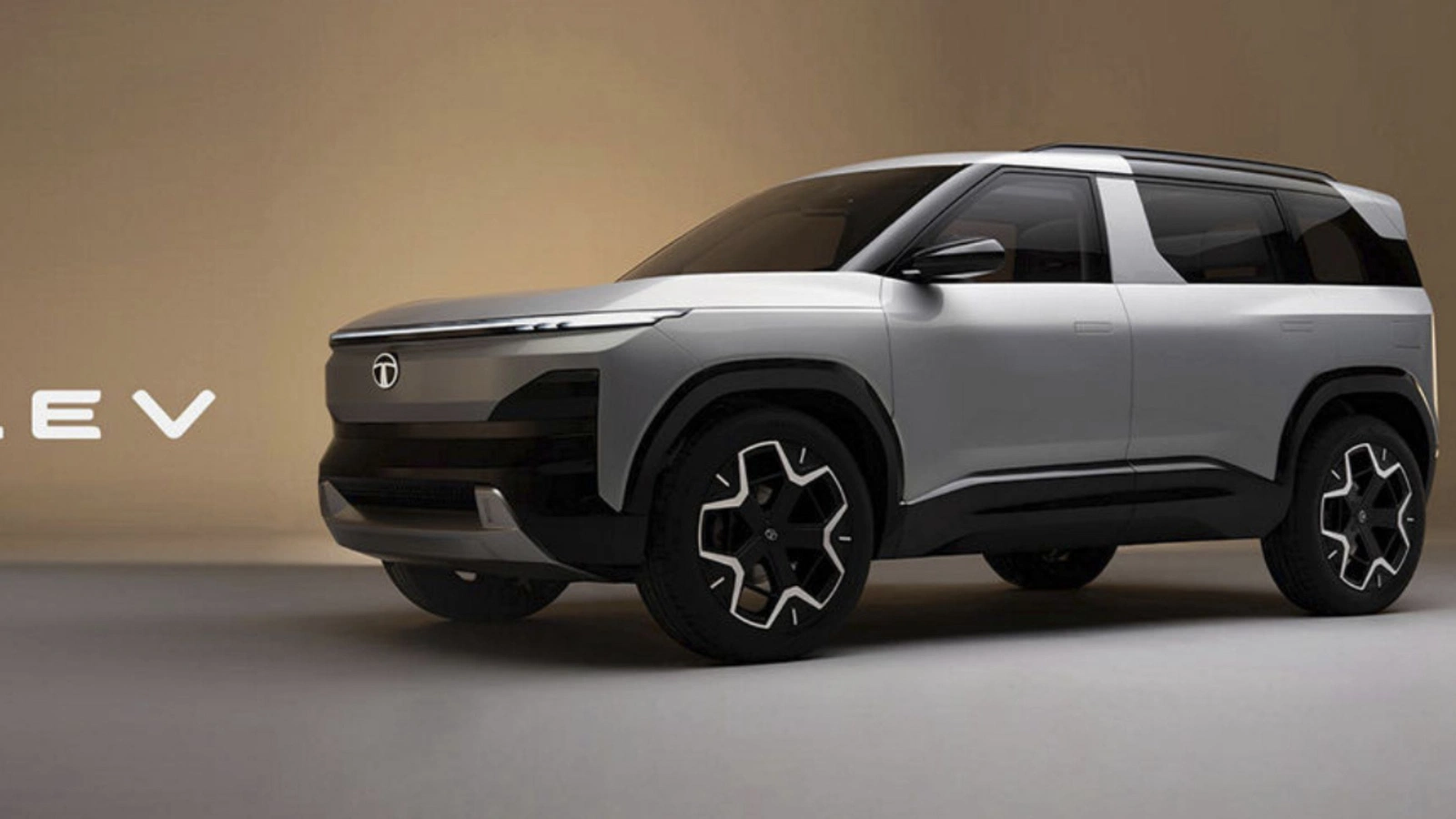
5. Tata Sierra EV 2027
The Tata Sierra EV 2027 is one of the most anticipated electric SUVs in India, bringing back an iconic name with modern technology. Tata Motors is aiming to combine nostalgia with innovation, creating a product that appeals to both older enthusiasts and new EV buyers.
The exterior design will retain the signature Sierra identity, particularly its unique glass area styling, but modernized with sleek LED lighting and aerodynamic enhancements. The SUV will have a strong road presence while maintaining futuristic appeal.
The Sierra EV’s interior is expected to emphasize both advanced technology and environmental responsibility. The cabin will likely incorporate a wide range of recycled and sustainably sourced materials, reflecting a stronger commitment to eco-conscious design without sacrificing comfort or refinement.
A large central touchscreen will dominate the dashboard, supported by a digital instrument cluster. The interface will be designed for simplicity and ease of use.
Passenger space will be a key strength, with Tata likely focusing on maximizing interior volume due to the flexibility of EV platforms.
The vehicle will likely support multiple driving modes, including eco, city, and performance settings, allowing drivers to optimize range and power delivery.
Battery technology will be one of the most important aspects, with expectations of long-range capability suitable for both urban and highway travel.
Fast charging support will be included, making the SUV practical for daily use and long trips.
Safety will be a strong focus, with Tata continuing its emphasis on high safety ratings across its lineup. The Sierra EV has the potential to become a flagship model in India’s growing electric SUV market.
Also Read: 10 Cars That Drove Over 800,000 Miles
- Engine Type: 4.0L twin-turbo V8 + hybrid assist
- Horsepower: 603 to 650 hp
- Torque: 850 to 950 Nm
- Length: ~4950 mm
- Width: ~2010 mm
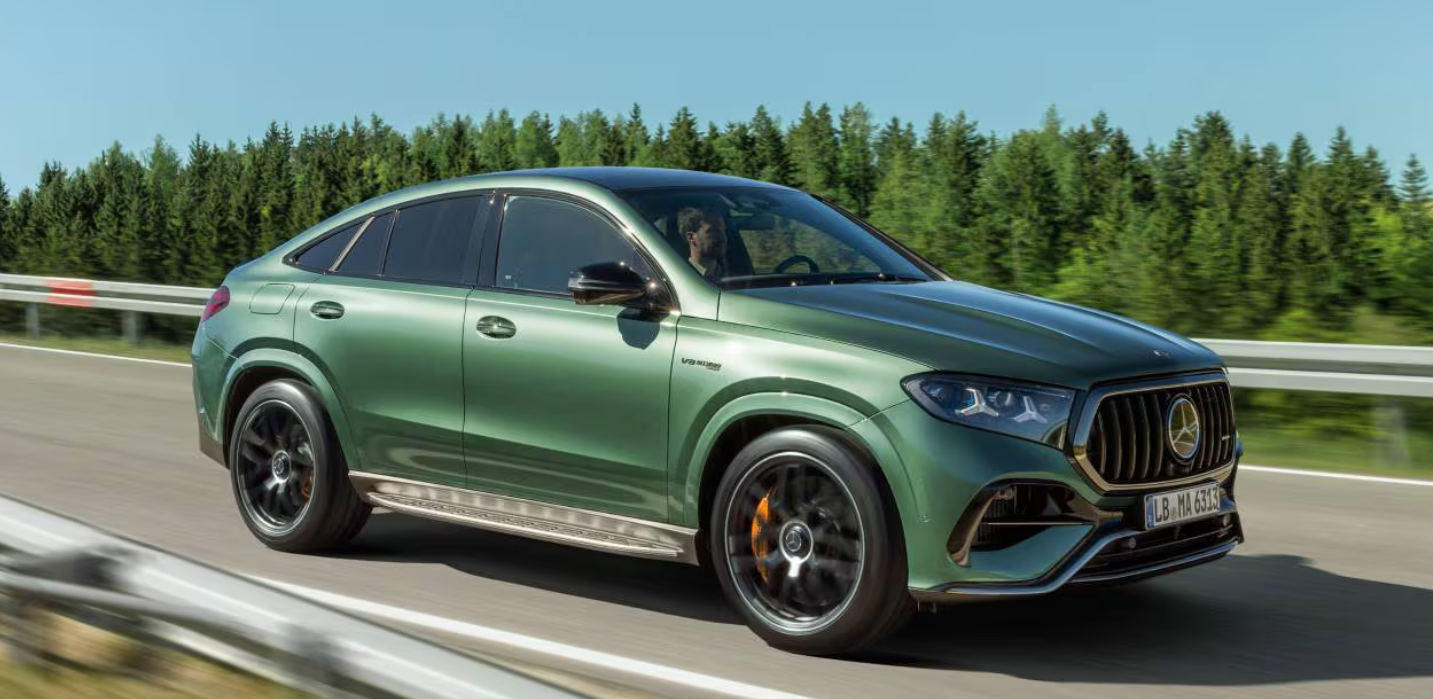
6. Mercedes-AMG GLE63 S 2027
The Mercedes-AMG GLE63 S 2027 continues the legacy of high-performance luxury SUVs, combining brute force engineering with modern hybrid efficiency. AMG is expected to refine this model further to meet stricter global emissions regulations while still preserving its signature performance identity. The result is a performance SUV that feels both modern and emotionally engaging.
The exterior design will evolve with more aerodynamic detailing. AMG-specific styling elements such as a Panamericana grille, aggressive air intakes, and widened body proportions will reinforce its performance character. The SUV is expected to look more planted and muscular than the standard GLE lineup.
A performance-oriented atmosphere is expected to define the AMG’s interior, complemented by the premium craftsmanship associated with the brand. High-quality materials, including Nappa leather, carbon fiber, and Alcantara, will help create a sophisticated yet sporty environment. Deeply contoured seats should keep occupants secure during aggressive cornering while remaining comfortable enough for everyday driving and long road trips.
The digital cockpit will feature AMG-specific performance displays, including real-time torque distribution, lap timers, and G-force monitoring. These systems will allow drivers to interact with the vehicle in a more immersive way.
Under the hood, the GLE63 S 2027 is expected to use an advanced 4.0-liter twin-turbo V8 engine paired with a mild hybrid or plug-in hybrid system. This combination is designed to improve efficiency while maintaining extreme power output.
Power figures are expected to remain above 600 horsepower, allowing the SUV to accelerate from zero to 100 kilometers per hour in under 4 seconds. This keeps it among the fastest SUVs in its class.
The hybrid system will also provide instant electric torque assistance, improving throttle response and reducing turbo lag. This makes the SUV feel more responsive in everyday driving conditions.
Suspension systems will be further refined with adaptive damping and air suspension technology. This ensures a balance between sporty handling and ride comfort.
Advanced driving modes will allow the driver to switch between comfort, sport, sport plus, and track-focused settings, adjusting steering weight, throttle response, and suspension stiffness.
- Engine Type: 1.5L petrol / 1.5L turbo / hybrid expected
- Horsepower: 115 to 160 hp
- Torque: 144 to 280 Nm
- Length: ~4350 mm
- Width: ~1790 mm
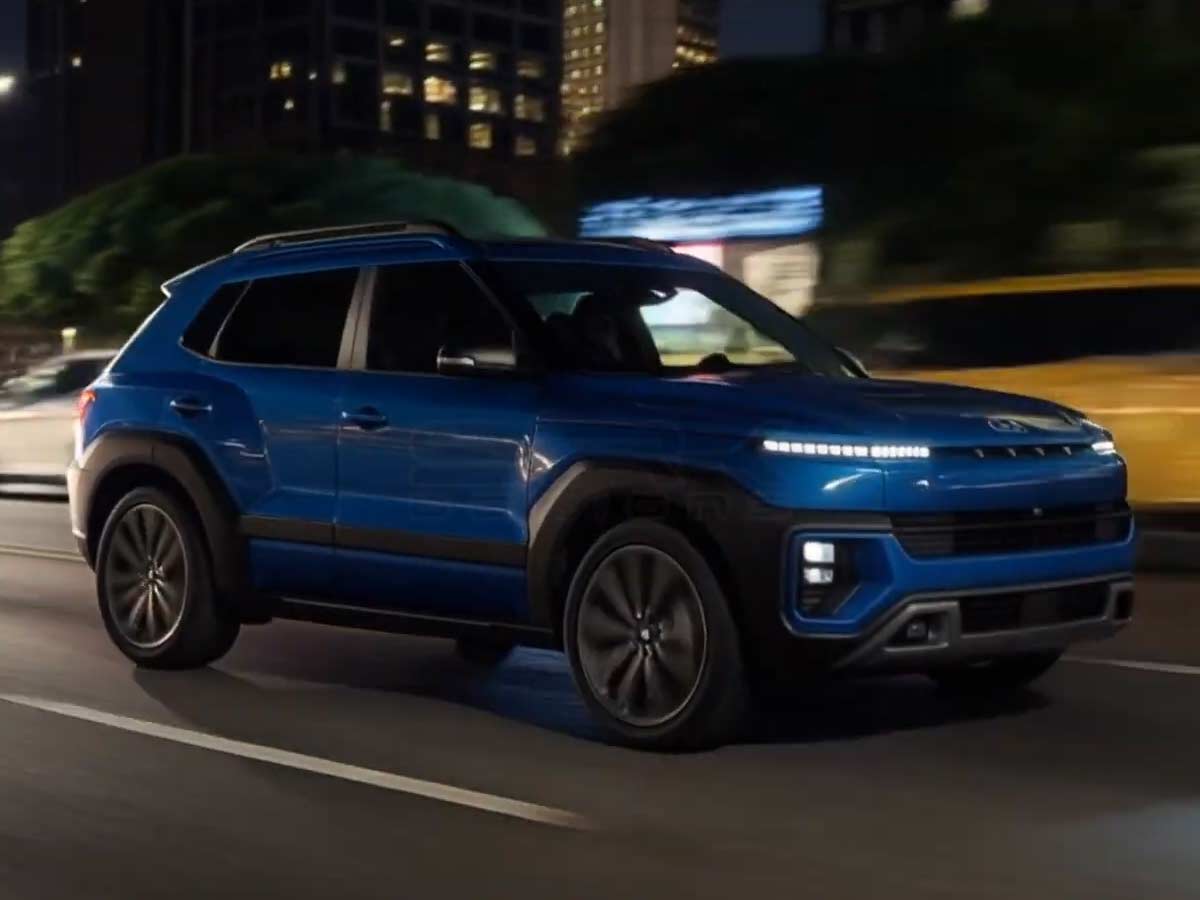
7. Hyundai Creta 2027 Next Generation SUV
The Hyundai Creta 2027 is expected to be one of the most important updates in Hyundai’s global SUV lineup. The Creta has already established itself as a dominant force in the compact SUV segment, and the next generation aims to push it further with improved technology and design evolution.
The exterior design will likely become more futuristic, inspired by Hyundai’s global design language. Expect sharper lines, integrated LED light bars, and a more aggressive stance that enhances its road presence.
Hyundai is expected to refine aerodynamics while maintaining the Creta’s compact SUV identity. This balance will help improve fuel efficiency and driving stability.
The interior of the Creta is expected to undergo a significant redesign, highlighted by a new dual-display setup that integrates the digital instrument cluster with the infotainment system. This updated layout will give the dashboard a more contemporary appearance while creating a smoother and more intuitive user experience.
Cabin materials are expected to improve significantly, with softer touchpoints and higher-quality trims in top variants. Hyundai is also likely to enhance cabin insulation for a quieter driving experience.
The SUV will integrate advanced connectivity features such as voice-controlled systems, smartphone integration, and over-the-air updates. This will ensure the vehicle remains up to date even after purchase.
Powertrain options are expected to include petrol, turbo-petrol, and hybrid variants, depending on market demand. Hyundai may also explore partial electrification in select regions.
Ride comfort will be improved with updated suspension tuning, making the Creta more suitable for both city roads and highways.
Safety systems will be significantly upgraded with advanced driver assistance features such as lane assist, blind-spot monitoring, and adaptive cruise control.
- Engine Type: 2.0L petrol / diesel / plug-in hybrid / EV variant
- Horsepower: 190 to 350 hp
- Torque: 300 to 500 Nm
- Length: ~4750 mm
- Width: ~1890 mm
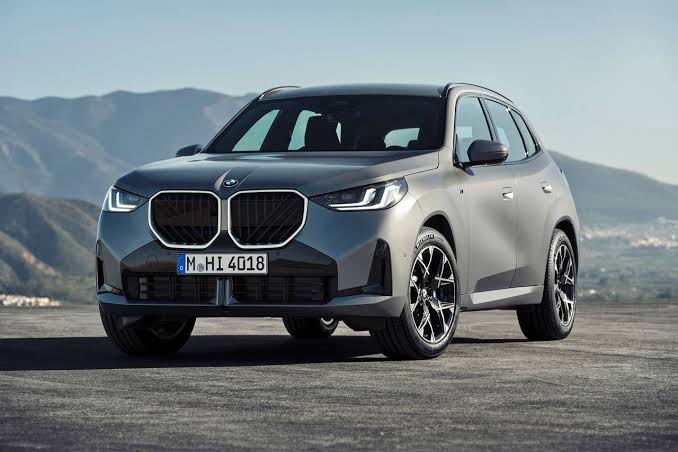
8. BMW X3 2027 Next Generation
The BMW X3 2027 represents a major evolution in BMW’s compact luxury SUV lineup. BMW is focusing on integrating electrification, digital intelligence, and traditional driving dynamics into a single refined package.
The exterior design will likely become more angular and aerodynamic. BMW may refine its kidney grille design while improving airflow efficiency and visual balance.
BMW is expected to equip the X3 with its newest curved display setup, seamlessly merging driver information and infotainment functions into a single digital interface. Powered by the latest iDrive software, the system should deliver quicker processing speeds, smoother operation, and a more intuitive user experience.
Material quality inside the cabin will remain premium, with leather, aluminum, and soft-touch surfaces used throughout. BMW will also likely introduce more sustainable material options in line with global trends.
The seating ergonomics will be improved for better long-distance comfort, while maintaining the sporty driving position BMW is known for.
The X3 2027 is expected to offer multiple powertrains, including petrol, diesel in select markets, and plug-in hybrid variants. An all-electric version may also be introduced depending on regional demand.
Performance will remain a core BMW strength, with precise steering, balanced chassis tuning, and responsive acceleration across all variants.
Suspension systems will likely include adaptive damping for improved ride comfort and handling flexibility.
Driver assistance features will be expanded to include semi-autonomous driving capabilities, parking assistance, and traffic jam support.
The BMW X3 2027 continues to represent the perfect blend of performance, luxury, and modern technology in the compact SUV segment.
- Engine Type: 2.4L turbo hybrid/diesel hybrid (expected updates)
- Horsepower: 270 to 330 hp
- Torque: 500 to 700 Nm
- Length: ~4950 to 5100 mm
- Width: ~1980 mm
9. Toyota Land Cruiser 2027
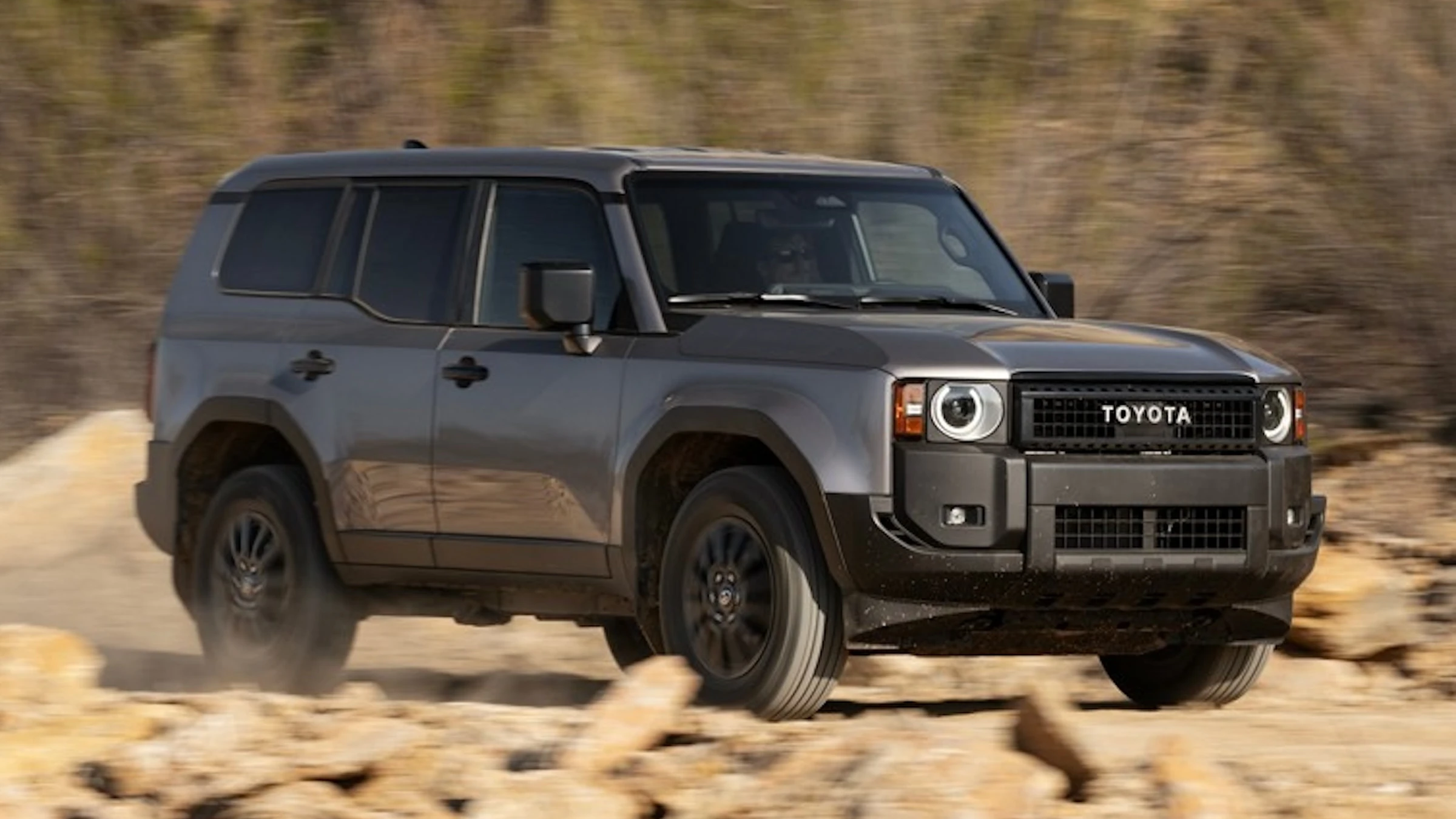
The Toyota Land Cruiser 2027 continues its reputation as one of the most durable and capable off-road SUVs in the world. Toyota is expected to refine the model rather than completely redesign it, focusing on reliability, efficiency, and rugged capability.
The exterior design will maintain its boxy, functional shape while receiving subtle updates to lighting systems and aerodynamic efficiency. Toyota is careful not to compromise the Land Cruiser’s iconic identity.
Comfort and usability are expected to take a step forward with a redesigned interior that features upgraded seat materials, enhanced ergonomics, and a cleaner dashboard arrangement. While the cabin will feel more contemporary, the SUV will stay true to its practical roots by focusing on durability and everyday convenience instead of high-end luxury.
The infotainment system will be upgraded to support faster response times, improved navigation, and better smartphone integration. Toyota aims to make the system more user-friendly for long-distance travel.
Powertrain updates are expected to focus heavily on hybrid technology. A strong hybrid system will likely be used to improve fuel efficiency while maintaining off-road capability and torque delivery.
The Land Cruiser’s legendary four-wheel-drive system will continue to be a key highlight, with enhanced terrain management systems and improved traction control.
Suspension systems will be tuned for both off-road durability and on-road comfort, ensuring versatility across different environments.
Safety features will be upgraded with Toyota’s latest driver assistance suite, including adaptive cruise control, lane departure alert, and collision avoidance systems.
The Land Cruiser will continue to be a global benchmark for reliability and long-term durability.
The 2027 update ensures that the Land Cruiser remains a top choice for adventure seekers and professionals who require dependable performance in extreme conditions.
- Engine Type: Dual-motor electric performance SUV
- Horsepower: 500 to 590 hp
- Torque: 700 to 820 Nm
- Length: ~4850 mm
- Width: ~1940 mm
10. Maserati Grecale EV 2027
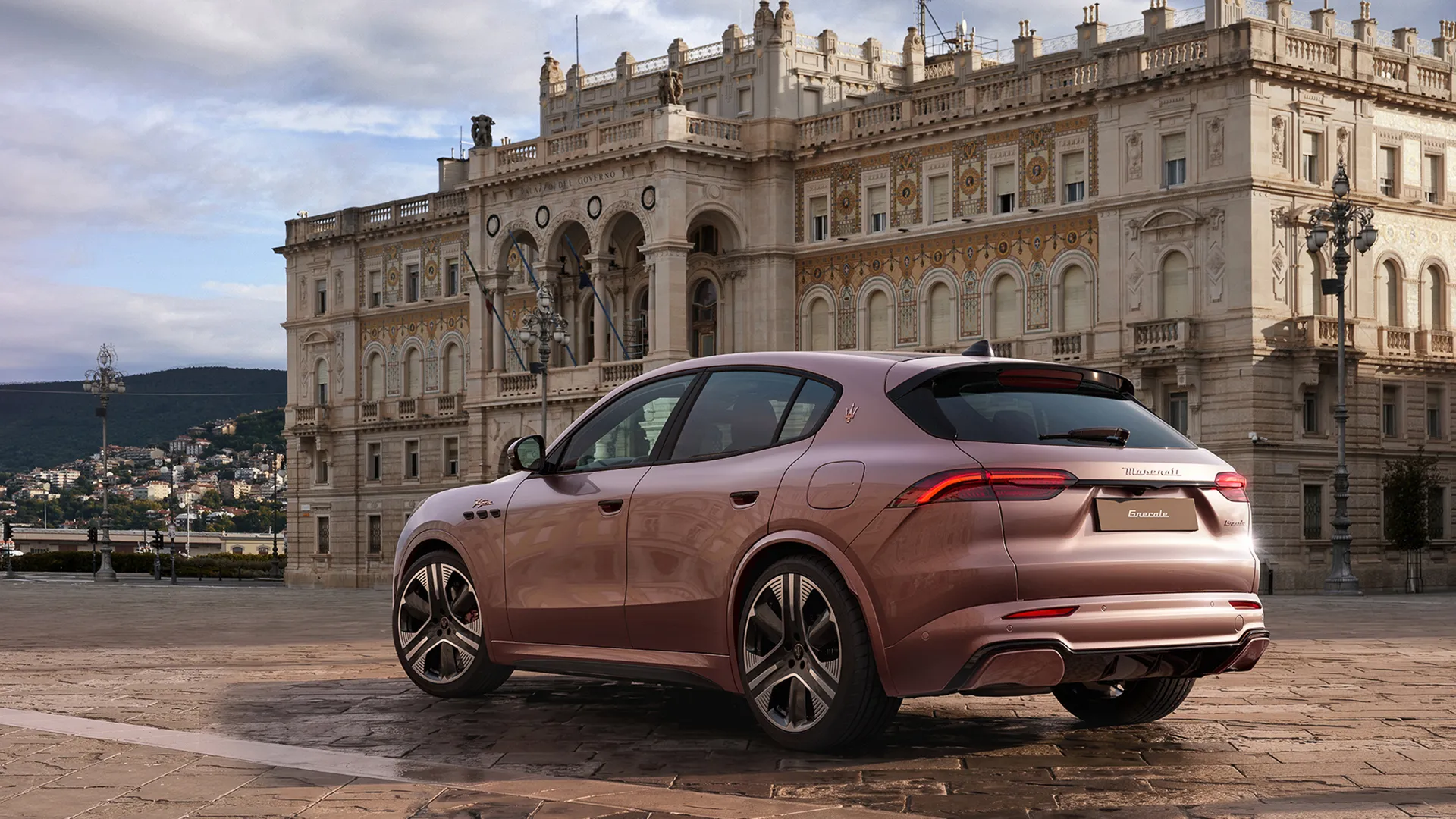
The Maserati Grecale EV 2027 marks a significant step in Maserati’s electrification strategy. As the brand transitions toward electric mobility, the Grecale EV is expected to combine Italian design heritage with cutting-edge EV performance.
The exterior design will maintain Maserati’s signature sporty elegance, with sleek proportions, aerodynamic lines, and distinctive lighting elements. The EV version will likely feature subtle design changes to improve airflow and efficiency.
Maserati is expected to place a strong emphasis on elegance and craftsmanship throughout the interior. The cabin will likely feature carefully selected materials, including fine leather surfaces, metallic trim elements, and a range of bespoke finish options. By combining traditional artisanship with modern design, the vehicle aims to deliver the premium experience that has long been associated with the Maserati name.
The infotainment system will be modernized with a large touchscreen interface, digital driver display, and improved connectivity features. The system will prioritize both functionality and visual appeal.
The EV powertrain is expected to deliver strong performance, with dual-motor all-wheel drive setups providing quick acceleration and responsive handling. Maserati will aim to preserve its sporty driving character even in an electric format.
Battery technology will support competitive driving range and fast charging capabilities, making the SUV practical for both city and highway use.
Driving dynamics will be a key highlight, with Maserati tuning the suspension and steering for a more engaging experience compared to typical luxury EVs.
Multiple driving modes will allow users to switch between efficiency, comfort, and sport-oriented settings.
Safety and driver assistance systems will be fully modernized, including adaptive cruise control, lane keeping assist, and parking automation features.
