
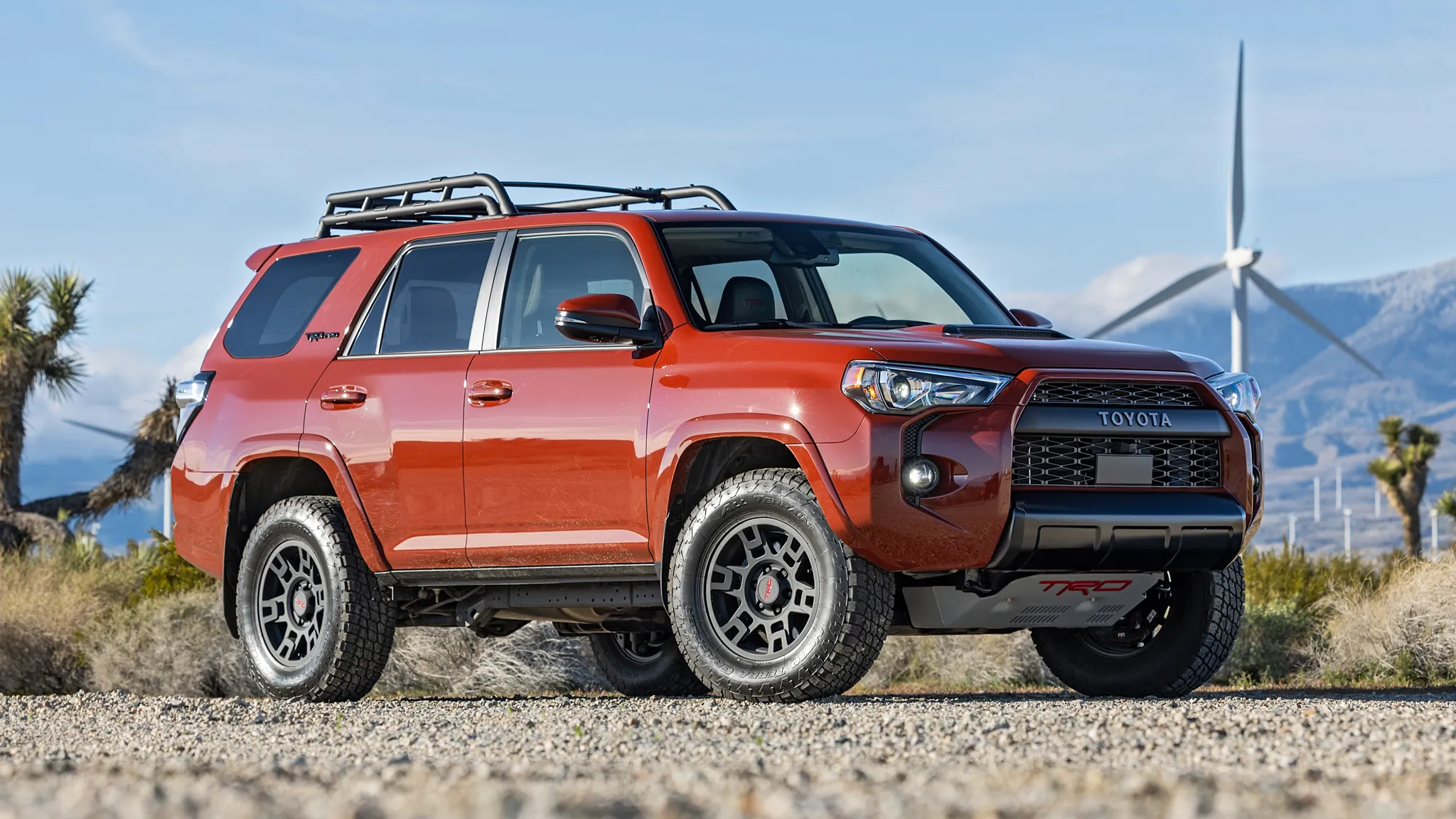
When shoppers look for a long-term vehicle, one of the most important benchmarks is whether it can realistically reach 250,000 miles without catastrophic failure or extremely expensive repairs. SUVs are especially popular in this category because they combine durability, practicality, and versatility, making them ideal for families, commuters, and long-distance drivers.
However, not all SUVs are equal when it comes to longevity. Some are engineered with robust body-on-frame construction, proven powertrains, and simpler mechanical systems, while others prioritize luxury features or complex electronics that can increase long-term maintenance risk.
Industry reliability studies consistently show that certain manufacturers dominate the high-mileage category. Brands like Toyota, Honda, Lexus, and General Motors’ full-size SUV lines repeatedly appear in long-term durability rankings.
These vehicles often share traits such as naturally aspirated engines, well-tested transmissions, and conservative tuning, which reduce long-term mechanical stress. Many of them are also used heavily in fleet services, taxis, and family transport, which further validates their ability to endure high mileage under real-world conditions.
According to large-scale reliability studies analyzing millions of vehicles, the average vehicle has a relatively low chance of reaching 250,000 miles, but select models can be three to eight times more likely to achieve that milestone.
SUVs like the Toyota Sequoia and Toyota 4Runner often lead the rankings, followed closely by the Lexus GX, Honda Pilot, and Chevrolet Suburban. These models are not just statistically strong performers but also have reputations built over decades of proven dependability.
In this article, we will break down 8 SUVs that consistently show the strongest odds of surviving to 250,000 miles or more. Each model included here has a strong track record of high mileage durability supported by real-world data and long-term ownership patterns.
We will also explore what makes these SUVs so reliable, from engineering choices to maintenance simplicity and drivetrain strength.
Whether you are shopping for a new SUV or a pre-owned model, knowing which vehicles are built to go the distance can help you make a wiser long-term decision. An SUV capable of reliably surpassing 250,000 miles is more than just transportation. It can be a dependable long-term investment that helps reduce ownership costs over the years.
Also Read: 8 SUVs With The Most Space For Comfort
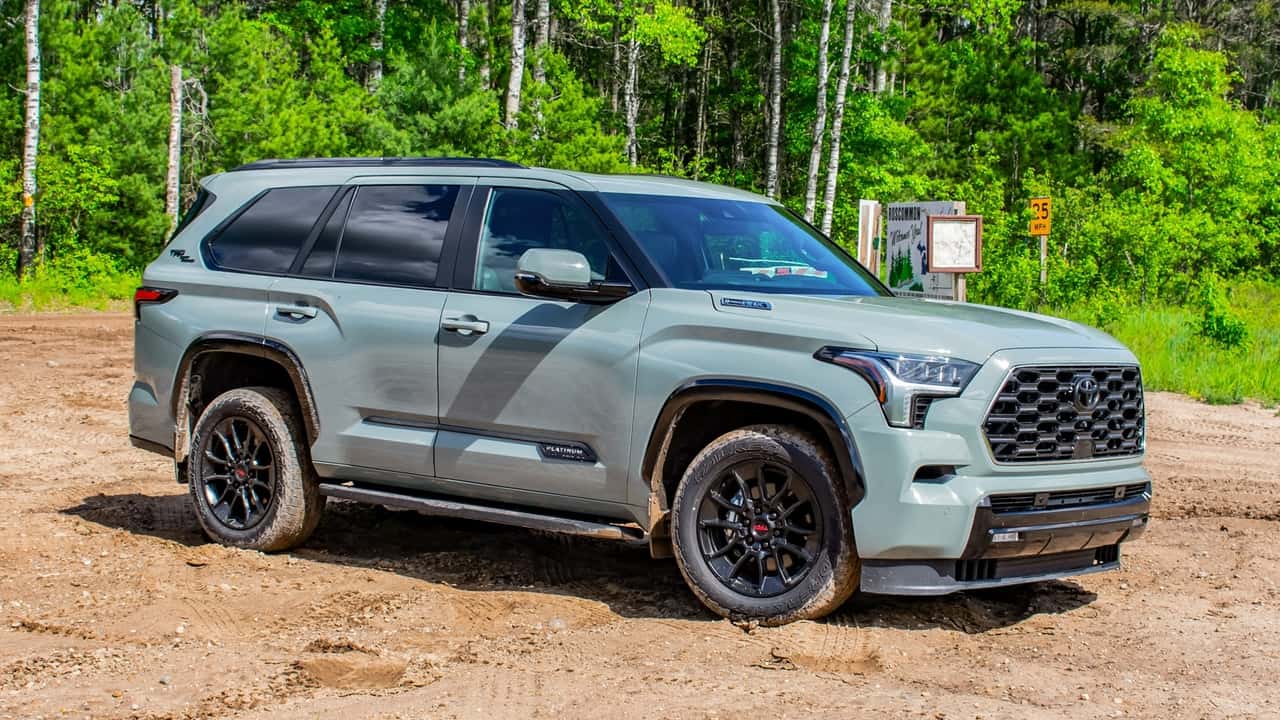
- Engine: 3.5L twin turbo V6 hybrid (i-FORCE MAX)
- Horsepower: ~437 hp
- Torque: ~790 Nm (583 lb-ft)
- Length: ~5286 mm (208.1 in)
- Width: ~2027 mm (79.8 in)
1. Toyota Sequoia
The Toyota Sequoia is widely regarded as one of the most durable full-size SUVs ever built. Its reputation for extreme longevity comes from its truck-based platform, shared engineering with Toyota’s most rugged pickups, and a proven V8 engine designed for long-term endurance.
This combination makes it especially capable of handling heavy loads, towing, and long-distance driving without excessive wear.
One reason the Sequoia performs so well in high-mileage studies is its simplicity relative to modern luxury SUVs. It avoids overly complex turbocharged systems in favor of naturally aspirated power, which reduces long-term stress on engine components.
Many owners report minimal major repairs even after surpassing 200,000 miles, provided routine maintenance is followed consistently.
In reliability research, the Sequoia often ranks at or near the top of SUVs most likely to reach 250,000 miles, with some studies showing it has a significantly higher chance than the industry average. Its durability is also reinforced by real-world use in harsh environments, including rural areas, towing applications, and commercial use cases.
A major advantage is its body-on-frame construction, which is typically stronger and more repairable than unibody designs. This structure helps the vehicle withstand long-term stress, rough roads, and heavy payloads, contributing to its long service life.
The Sequoia is one of the safest choices for buyers who prioritize longevity above all else. It is not the most fuel-efficient SUV, but it is among the most dependable over extreme mileage.
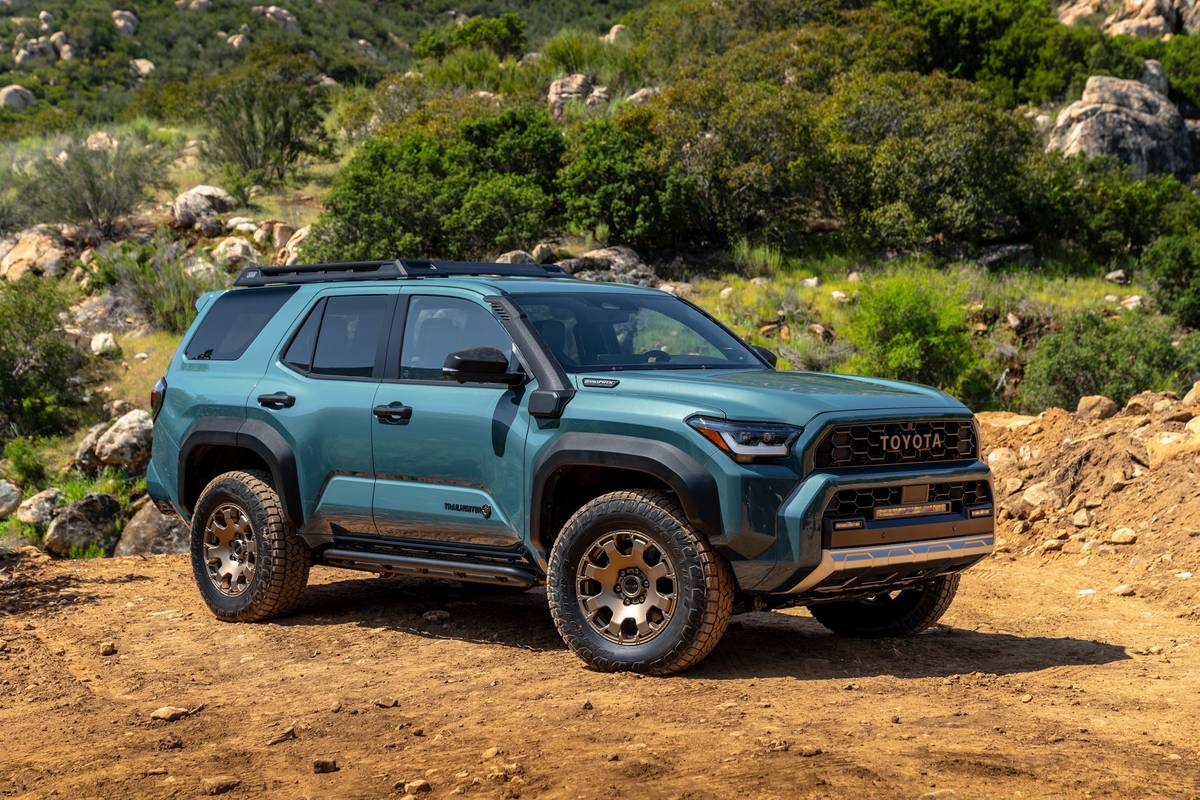
- Engine: 4.0L V6 (naturally aspirated)
- Horsepower: ~270 hp
- Torque: ~377 Nm (278 lb-ft)
- Length: ~4830 mm (190.2 in)
- Width: ~1925 mm (75.8 in)
2. Toyota 4Runner
The Toyota 4Runner is a standout in long-term durability rankings and is often considered one of the most reliable midsize SUVs ever produced. Built on a traditional truck platform, it is designed with off-road capability and mechanical simplicity in mind, both of which contribute heavily to its long lifespan potential.
Unlike many modern crossovers that prioritize comfort and fuel efficiency, the 4Runner retains a rugged design philosophy. Its naturally aspirated V6 engine and conventional automatic transmission are known for longevity when properly maintained. This simplicity reduces the likelihood of expensive failures as mileage increases.
Owners frequently report 4Runners exceeding 250,000 miles with routine maintenance such as oil changes, brake service, and suspension upkeep. The vehicle’s strong aftermarket support also makes it easier to maintain over time, as replacement parts are widely available and relatively affordable.
In long-term reliability rankings, the 4Runner consistently places among the top SUVs with the highest probability of reaching 250,000 miles. Its reputation is reinforced by decades of consistent engineering rather than frequent redesigns, which helps maintain mechanical stability across generations.
The 4Runner also benefits from strong resale value, which reflects market confidence in its long-term durability. Few SUVs maintain value as well over time, and this is closely tied to their reputation for lasting performance.
For drivers who want an SUV that can handle both daily commuting and extreme mileage without frequent mechanical surprises, the 4Runner remains one of the most trusted choices available.
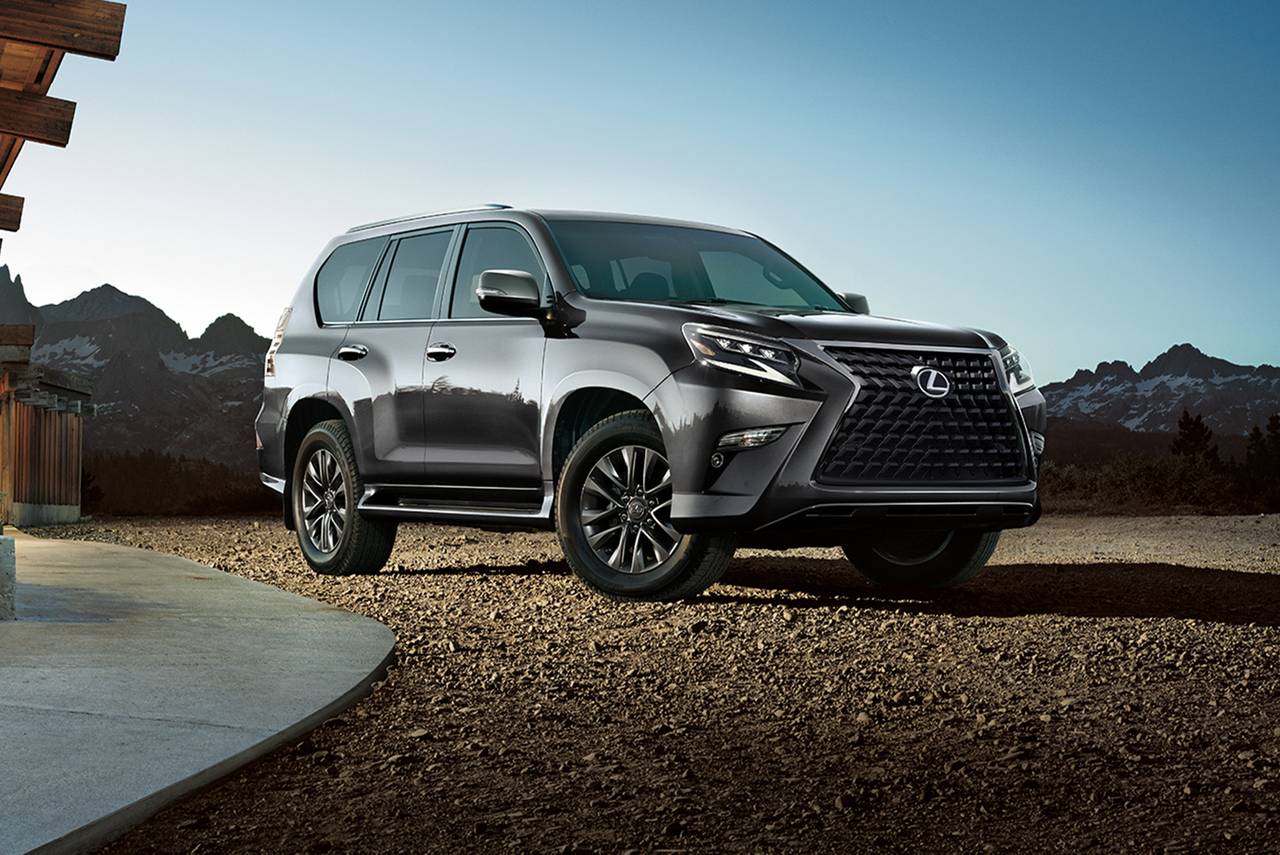
- Engine: 3.4L twin turbo V6
- Horsepower: ~349 hp
- Torque: ~649 Nm (479 lb-ft)
- Length: ~4950 mm (194.9 in)
- Width: ~1980 mm (77.9 in)
3. Lexus GX
The Lexus GX combines luxury comfort with Toyota’s legendary durability engineering, making it one of the most reliable luxury SUVs on the market. Built on a body-on-frame platform similar to the Toyota Land Cruiser Prado, it offers exceptional structural strength and long-term resilience.
What sets the GX apart is its balance of luxury features and mechanical simplicity. While it includes premium interior materials and advanced comfort systems, it avoids overly complex powertrain technology. Its naturally aspirated V8 engine is widely regarded as one of the most durable engines in its class.
Many GX owners report extremely high mileage with relatively low major repair costs, especially when regular maintenance is performed. Suspension components and wear items may require replacement over time, but the core drivetrain is known to remain solid well past 250,000 miles.
In reliability studies, the Lexus GX consistently ranks among the top luxury SUVs capable of reaching extreme mileage. Its shared engineering with Toyota’s most durable platforms gives it a strong advantage over competitors in the luxury segment.
The Lexus GX is ideal for buyers who want long-term durability combined with premium comfort, making it one of the most dependable luxury SUVs available.
- Engine: 2.4L turbocharged 4-cylinder (newer models) or 3.5L V6 (older models)
- Horsepower: ~265 hp (2.4T) / ~295 hp (V6)
- Torque: ~420 Nm (310 lb-ft) / ~356 Nm (263 lb-ft)
- Length: ~4950 mm (195 in)
- Width: ~1930 mm (76 in)
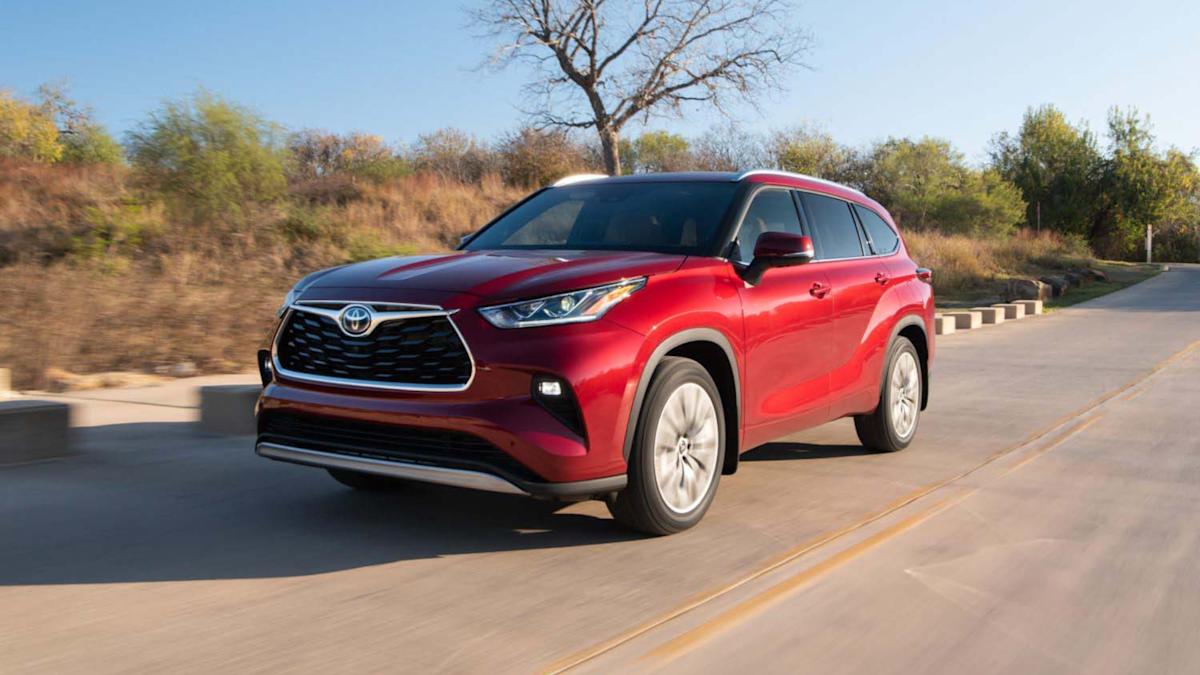
4. Toyota Highlander
The Toyota Highlander is a midsize crossover SUV known for its balance of efficiency, comfort, and long-term reliability. Unlike body-on-frame SUVs, it uses a unibody platform, which provides a smoother ride and better fuel efficiency while still maintaining strong durability.
One of the key reasons the Highlander performs well in high-mileage rankings is its proven powertrain options. Toyota’s naturally aspirated V6 engine and hybrid variants are both known for long-term reliability when properly maintained. The hybrid version in particular is frequently highlighted in studies for its strong durability and low wear on the engine due to electric assistance.
The Highlander is also widely used as a family vehicle, meaning it often accumulates consistent mileage over many years. This real-world usage contributes to its reputation as a dependable long-term SUV capable of exceeding 250,000 miles.
Maintenance costs for the Highlander are generally moderate, and parts availability is strong due to its popularity. This makes it easier for owners to keep the vehicle in good condition well into high mileage territory.
In reliability rankings, the Highlander regularly appears among the top SUVs for longevity, especially in hybrid form. Its combination of practicality and durability makes it one of the most balanced long-term options.
Also Read: 7 Most Reliable Motorcycles You Can Buy Today
- Engine: 3.5L V6
- Horsepower: ~285 hp
- Torque: ~355 Nm (262 lb-ft)
- Length: ~5077 mm (199.9 in)
- Width: ~1994 mm (78.5 in)
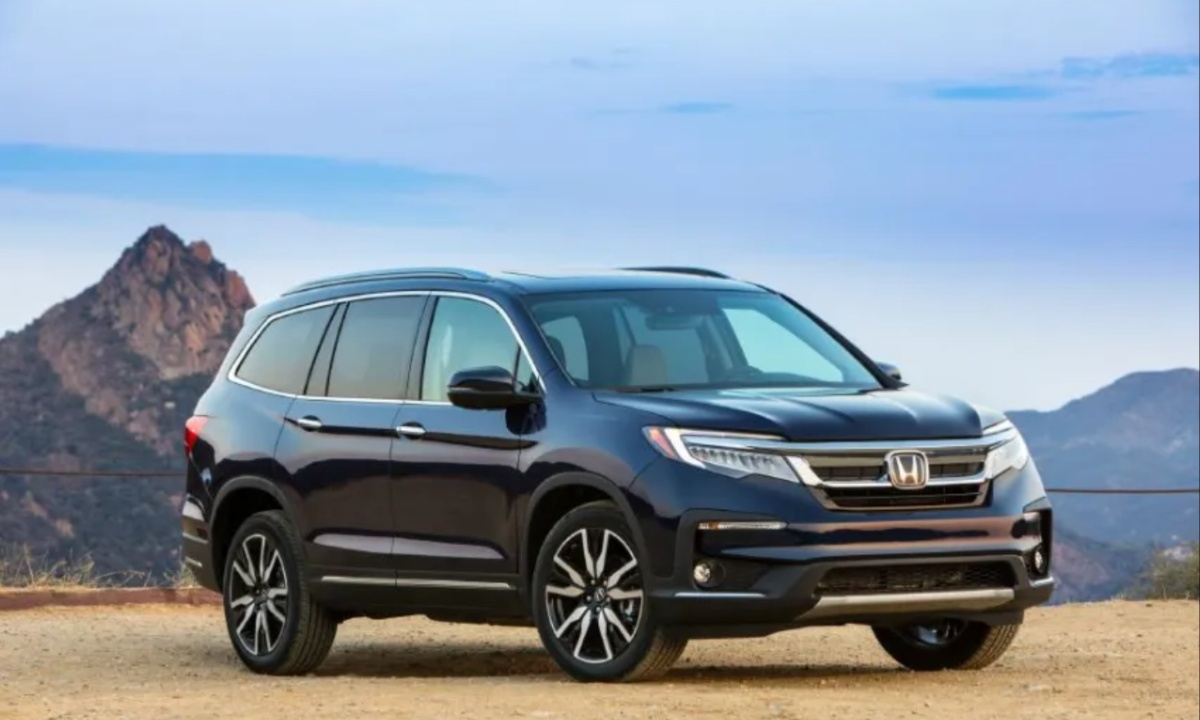
5. Honda Pilot
The Honda Pilot has earned a strong reputation as one of the most dependable three-row midsize SUVs, particularly for families who prioritize long-term ownership over flashy features. Built with practicality and durability in mind, the Pilot focuses on delivering consistent performance over many years rather than chasing cutting-edge but complex engineering trends.
Its long-term reliability record is strongly supported by real-world usage, where many owners report their vehicles surpassing 200,000 miles with regular maintenance and careful driving habits. This makes it a frequent inclusion in discussions about SUVs that can realistically reach 250,000 miles or more.
At the heart of the Pilot’s durability is its naturally aspirated V6 engine, which is widely praised for its balance of smooth performance and mechanical simplicity. Unlike turbocharged engines that operate under higher stress and heat loads, the Pilot’s engine design reduces long-term strain on internal components.
This allows the engine to maintain consistent performance over extended mileage periods when oil changes and scheduled maintenance are followed properly. Honda’s engineering philosophy emphasizes longevity through refinement rather than complexity, which plays a major role in the Pilot’s strong reputation.
Pilot’s long life potential is the evolution of its transmission systems. Earlier generations faced some criticism, but Honda made significant improvements in later models, leading to more reliable automatic transmissions that handle daily commuting, highway driving, and family hauling with greater stability.
Once these improvements were implemented, the Pilot’s standing in long-term reliability rankings improved significantly. Modern versions are far more stable under high mileage conditions, especially when transmission fluid is serviced at proper intervals.
The Pilot also benefits from relatively low maintenance complexity compared to luxury SUVs. Many repair tasks are straightforward, and replacement parts are widely available due to the model’s popularity.
This accessibility helps owners maintain the vehicle properly over long periods without excessive repair costs. Additionally, the Pilot’s suspension system is designed to handle both urban roads and rougher conditions, which helps it maintain structural integrity even after years of continuous use.
It may not be the most rugged or luxurious option in its class, but its balance of reliability, comfort, and mechanical simplicity makes it one of the strongest candidates for reaching or even surpassing the 250,000-mile mark.
- Engine: 5.3L V8 / 6.2L V8 (optional)
- Horsepower: ~355 hp (5.3L) / ~420 hp (6.2L)
- Torque: ~519 Nm (383 lb-ft) / ~623 Nm (460 lb-ft)
- Length: ~5730 mm (225.7 in)
- Width: ~2060 mm (81.1 in)
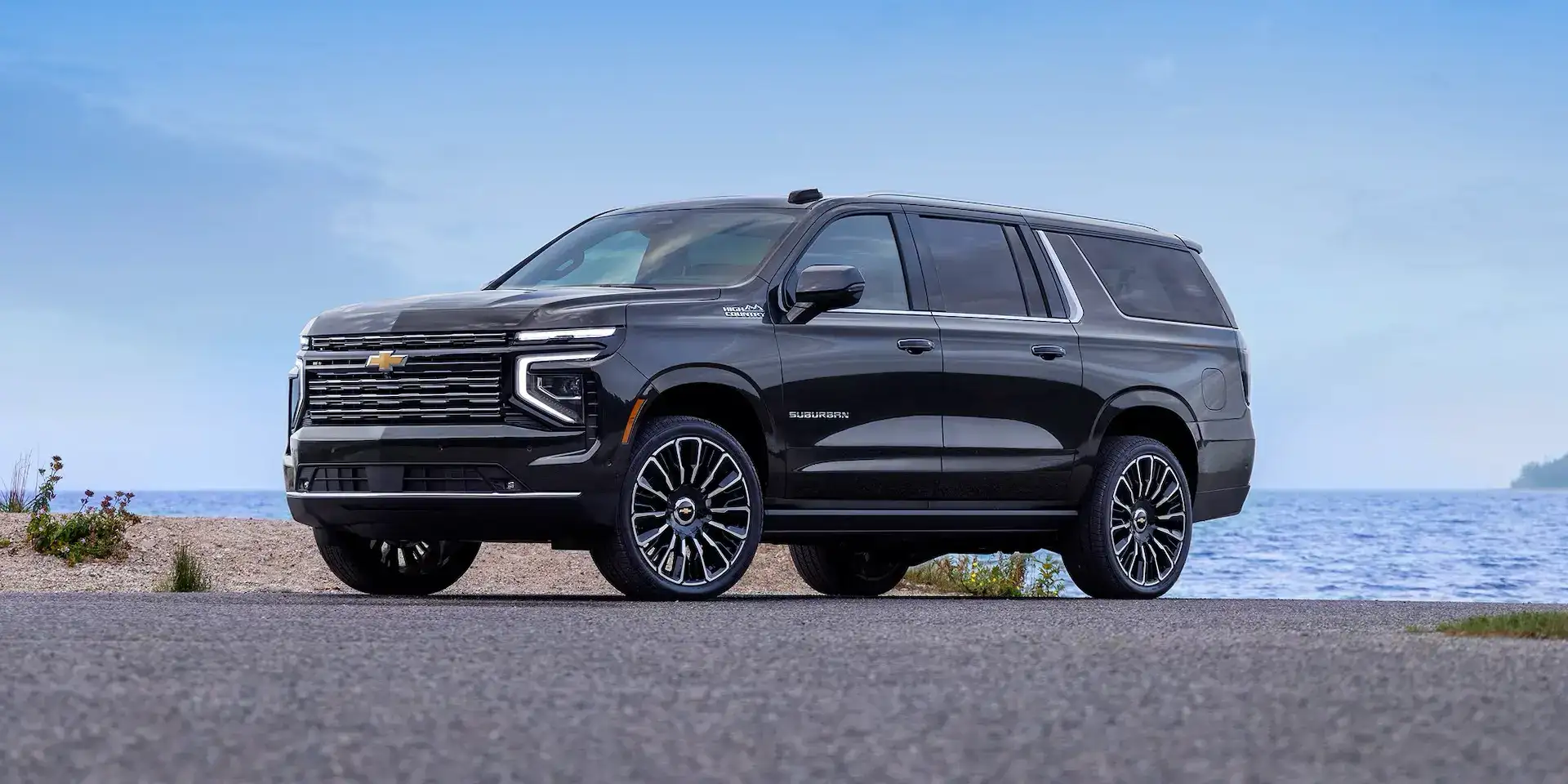
6. Chevrolet Suburban
The Chevrolet Suburban is one of the most iconic full-size SUVs in automotive history, and its reputation for longevity is built on decades of continuous production and real-world durability testing.
It is widely used by large families, government agencies, law enforcement fleets, and commercial operators, all of which demand vehicles that can endure extreme mileage and heavy-duty usage. This constant real-world stress testing has helped establish the Suburban as one of the most dependable high-mileage SUVs ever produced.
One of the Suburban’s strongest advantages is its large-displacement V8 engines, which are designed to operate under relatively low stress even when the vehicle is fully loaded or towing heavy trailers. These engines are known for their long service life because they are not forced to operate at high RPMs under normal driving conditions.
This conservative tuning approach reduces wear on internal components, which is a key factor in achieving mileage well beyond 200,000 miles. In many cases, well-maintained Suburbans continue running reliably even after crossing 300,000 miles.
The body-on-frame construction of the Suburban also plays a major role in its long-term durability. Unlike unibody SUVs, this design separates the structural frame from the body, allowing the vehicle to absorb heavy loads, towing stress, and rough road conditions more effectively.
This makes it particularly well-suited for long-term use in demanding environments. It also simplifies certain repairs, since frame-based vehicles are often easier to service when dealing with suspension or drivetrain issues.
Police departments, shuttle services, and utility companies often rely on Suburbans because they offer a combination of durability, space, and towing capability.
Fleet usage provides large-scale real-world data on reliability, and the Suburban consistently performs well under these demanding conditions. This reinforces its reputation as a vehicle capable of surviving extended mileage cycles with proper maintenance.
Maintenance and repair costs, while sometimes higher than those of midsize SUVs, are offset by the vehicle’s longevity and parts availability. Because the Suburban has been in production for decades, replacement components are widely accessible, and most mechanics are familiar with its systems. This ensures that even high-mileage units can remain on the road for many years.
Its combination of strong V8 engines, rugged construction, and fleet-proven reliability makes it one of the most credible full-size SUVs for reaching the 250,000-mile milestone.
- Engine: 3.5L twin turbo V6
- Horsepower: ~409 hp
- Torque: ~650 Nm (479 lb-ft)
- Length: ~5100 mm (200.6 in)
- Width: ~1990 mm (78.3 in)
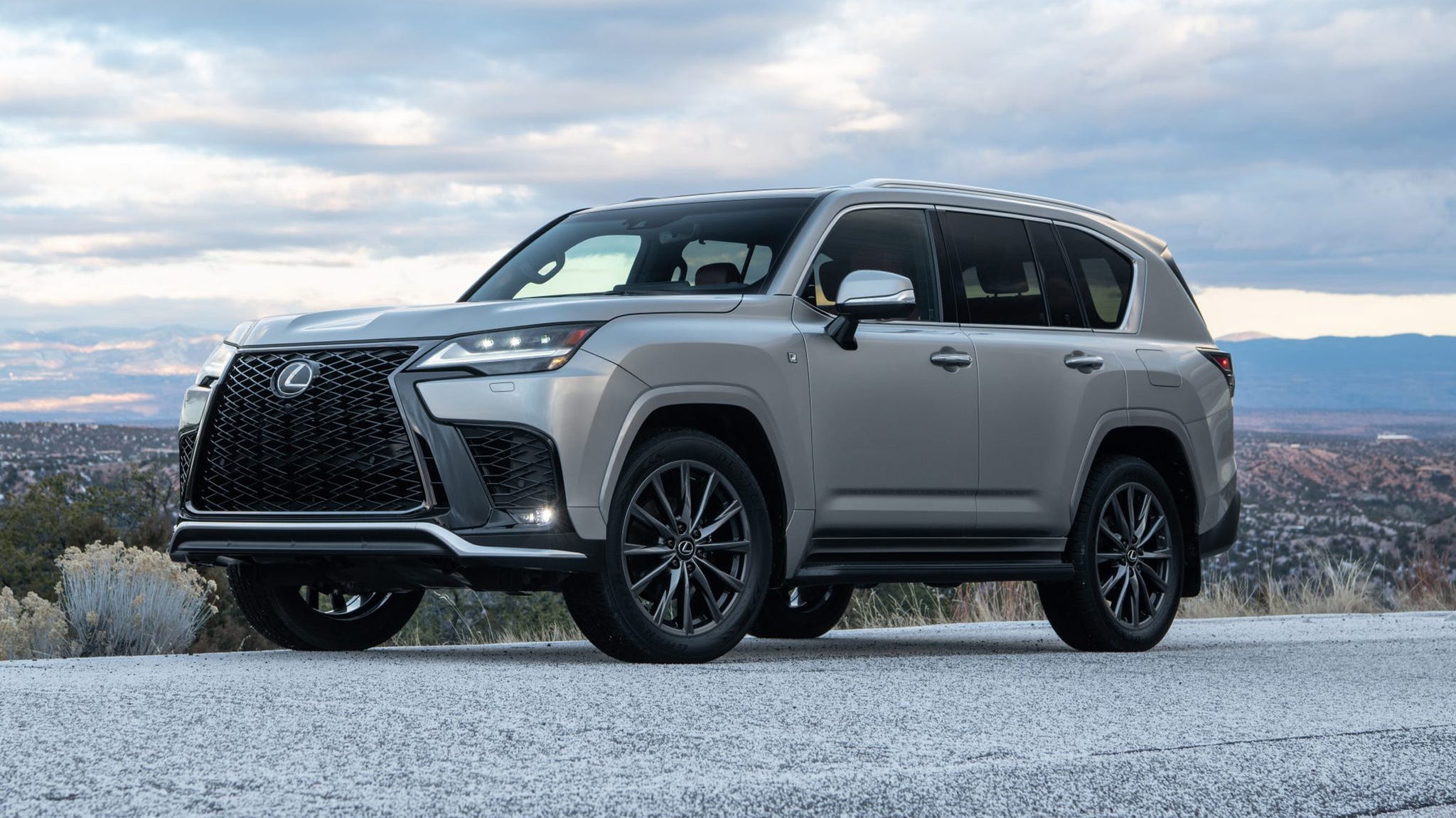
7. Lexus LX
The Lexus LX represents the pinnacle of luxury SUV durability, combining high-end refinement with one of the most proven engineering platforms in automotive history. Built on the same foundation as the legendary Toyota Land Cruiser, the LX inherits a reputation for extreme reliability in some of the harshest environments on Earth.
This includes desert regions, remote off-road conditions, and heavy-duty usage scenarios where breakdowns are not an option. This heritage alone places the LX among the most durable luxury SUVs ever produced.
At the core of the LX’s long-term strength is its robust V8 engine, which is designed with longevity and stability in mind rather than aggressive performance tuning. This engine operates under relatively low stress compared to smaller turbocharged engines found in many modern luxury SUVs.
The result is smoother wear over time and fewer catastrophic failures when proper maintenance is followed. Many owners report that the engine and transmission systems remain solid well beyond 200,000 miles, which is a strong indicator of 250,000-mile potential.
The LX also benefits from a heavily reinforced body-on-frame construction, a feature that has become increasingly rare among modern luxury SUVs. This design delivers outstanding durability when hauling heavy loads or tackling challenging terrain, making it exceptionally capable in demanding conditions.
It also enhances the vehicle’s ability to withstand long-term structural stress, making it far more resilient than typical unibody luxury competitors. This rugged foundation is one of the key reasons the LX is often considered a luxury version of a heavy-duty off-road vehicle rather than a purely urban SUV.
Inside, the LX offers premium comfort and advanced features, but Lexus has traditionally prioritized reliability over overly complex technology.
While modern versions include advanced infotainment and safety systems, the core mechanical components remain conservative and well-tested. This balance helps reduce the likelihood of major system failures as the vehicle ages, which is crucial for long-term ownership satisfaction.
Maintenance costs for the Lexus LX are higher than those of non-luxury SUVs, but this is offset by its exceptional durability. Owners who follow routine maintenance schedules often experience fewer major repairs than expected for a luxury vehicle. This makes the LX particularly attractive for buyers who want both comfort and long-term dependability in a single package.
The Lexus LX is one of the strongest luxury SUV choices for extreme mileage longevity. Its combination of Toyota engineering, rugged construction, and conservative mechanical design gives it a realistic and well-supported path toward 250,000 miles and beyond.
- Engine: 5.3L V8 / 6.2L V8 (optional)
- Horsepower: ~355 hp (5.3L) / ~420 hp (6.2L)
- Torque: ~519 Nm (383 lb-ft) / ~623 Nm (460 lb-ft)
- Length: ~5330 mm (210 in)
- Width: ~2060 mm (81.1 in)
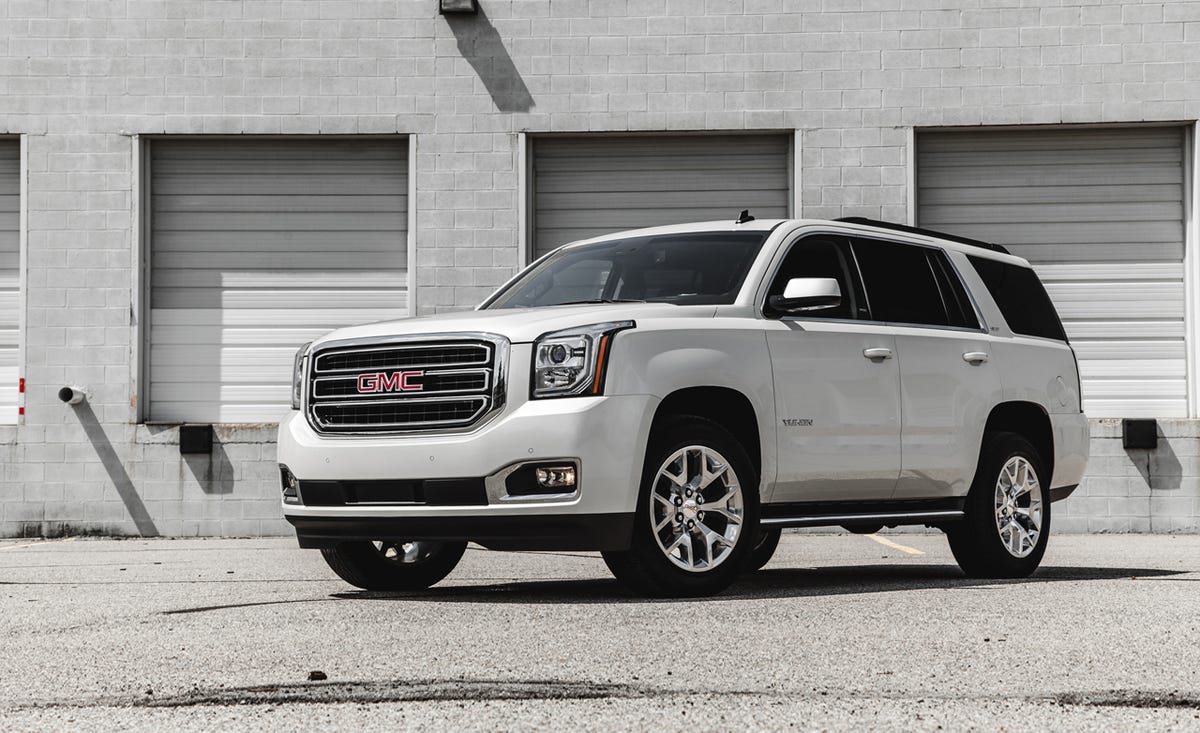
8. GMC Yukon
The GMC Yukon is a full-size SUV that shares its underlying platform with the Chevrolet Tahoe and Suburban, which immediately places it in a strong position when it comes to long-term durability.
Built on a truck-based architecture, the Yukon is designed to handle heavy loads, towing demands, and extended highway driving, all of which contribute to its ability to accumulate high mileage over time. It is widely used in both family and fleet settings, reinforcing its reputation as a dependable long-term vehicle.
A major strength of the Yukon lies in its V8 engine options, which are engineered for durability and consistent performance rather than extreme efficiency. These engines operate in a relatively low-stress range during normal driving, which helps reduce wear on internal components over time.
When paired with proper maintenance, including regular oil changes and transmission servicing, these engines are known to remain operational well past the 200,000-mile mark. Many high-mileage examples continue performing reliably even as they approach or exceed 250,000 miles.
The Yukon’s body-on-frame construction also contributes significantly to its longevity. This rugged design allows it to withstand towing stress, uneven road surfaces, and heavy cargo loads without compromising structural integrity.
It also simplifies long-term repairs, since key mechanical systems are more accessible compared to tightly packaged unibody SUVs. This design philosophy is a key reason why full-size GM SUVs have remained popular among drivers who prioritize durability.
One factor supporting the Yukon’s long-term reliability is its widespread service network and parts availability. Because it shares components with other GM full-size SUVs, replacement parts are easy to source, and most mechanics are familiar with its systems.
This reduces downtime and repair complexity, which helps owners keep older vehicles in service longer. It also makes maintenance more cost-effective compared to more specialized luxury SUVs.
In real-world usage, the Yukon is frequently chosen for towing trailers, boats, and campers, which further demonstrates its durability under load. Vehicles that can consistently handle towing stress tend to perform well in high-mileage scenarios when properly maintained. Fleet usage in various industries also provides additional proof of its long-term capability.
The GMC Yukon is a strong and practical full-size SUV with a proven ability to accumulate high mileage. Its combination of durable engines, rugged construction, and serviceability makes it a realistic candidate for reaching 250,000 miles when maintained properly.
