
When shopping for a new vehicle, most buyers focus on factors such as price, fuel economy, performance, reliability, safety, and technology. However, one often overlooked aspect of vehicle ownership is the type of fuel a car requires.
While many drivers assume that all gasoline is essentially the same, the reality is that different engines are designed to operate on different octane ratings. Understanding whether a vehicle needs premium fuel or can run efficiently on regular gasoline can have a significant impact on long-term ownership costs.
Premium fuel typically has a higher octane rating than regular gasoline. In many markets, regular gasoline is rated around 87 octane, while premium gasoline is usually rated between 91 and 93 octane. Higher octane fuel is designed to resist engine knocking, a condition that occurs when fuel ignites prematurely inside the combustion chamber.
High-performance engines, turbocharged powertrains, and luxury vehicles often require premium fuel because they operate at higher compression ratios and generate greater levels of power. Using lower octane fuel in these vehicles can reduce performance and, in some cases, affect efficiency.
On the other hand, many vehicles are engineered to run perfectly on regular gasoline. These cars are designed with fuel efficiency, affordability, and practicality in mind.
Owners of such vehicles can enjoy lower operating costs without sacrificing reliability or everyday performance. Choosing a vehicle that runs on regular gasoline can save hundreds or even thousands of dollars over the life of the car, especially when fuel prices are high.
It is important to note that some vehicles recommend premium fuel but do not strictly require it. In these cases, the engine management system can adjust timing and performance to accommodate regular gasoline.
However, vehicles that explicitly require premium fuel should generally receive it to maintain optimal operation. Before purchasing any car, drivers should consult the owner’s manual to understand the manufacturer’s fuel recommendations.
In this article, we will explore five vehicles that require premium fuel and five vehicles that operate effectively on regular gasoline. We will also examine the reasons behind these fuel requirements and help prospective buyers make informed decisions about long-term fuel expenses.
Whether you are looking for a luxury performance sedan, a sports car, or an economical commuter vehicle, understanding fuel requirements can help you choose the right vehicle for your budget and driving needs.
Also Read: 8 SUVs With The Most Space For Comfort
5 Cars That Need Premium Fuel

- Engine: 2.0L turbocharged inline-4
- Horsepower: 255 hp
- Torque: 400 Nm (295 lb-ft)
- Length: ~4,709 mm
- Width: ~1,827 mm
1. BMW 330i
The BMW 330i is one of the most balanced entry-level luxury sedans in its segment, combining performance, comfort, and everyday usability.
At the heart of this vehicle is a turbocharged 2.0-liter inline four engine that is finely tuned to deliver a strong mix of horsepower and torque. BMW engineers designed this engine to operate at higher compression levels compared to standard economy sedans, which is one of the key reasons why premium fuel is recommended.
Premium gasoline allows the BMW 330i to achieve its full performance potential by enabling more advanced ignition timing without the risk of engine knocking.
When lower octane fuel is used, the engine control unit may compensate by reducing timing advance, which leads to slightly reduced acceleration and performance. This means that while the car will still run on regular fuel, it will not perform as intended by the manufacturer.
An important aspect is turbocharger efficiency. The turbocharged system in the 330i increases air pressure inside the combustion chamber, which significantly raises the chances of premature combustion if the fuel is not stable enough. Premium fuel provides better resistance to this condition, ensuring smoother and more consistent power delivery, especially during rapid acceleration or highway overtaking.
From a driving experience perspective, the BMW 330i is engineered to feel responsive and refined. The steering, throttle response, and gear shifts are all calibrated with premium fuel in mind.
When the correct fuel is used, drivers notice smoother acceleration curves and a more linear power delivery that enhances the driving dynamics.
Long-term engine health is one consideration. While modern engines have knock sensors and adaptive systems, consistently using premium fuel helps reduce stress on internal components. Over time, this can contribute to maintaining optimal engine performance and efficiency, which is particularly important for a performance-oriented luxury sedan like the 330i.
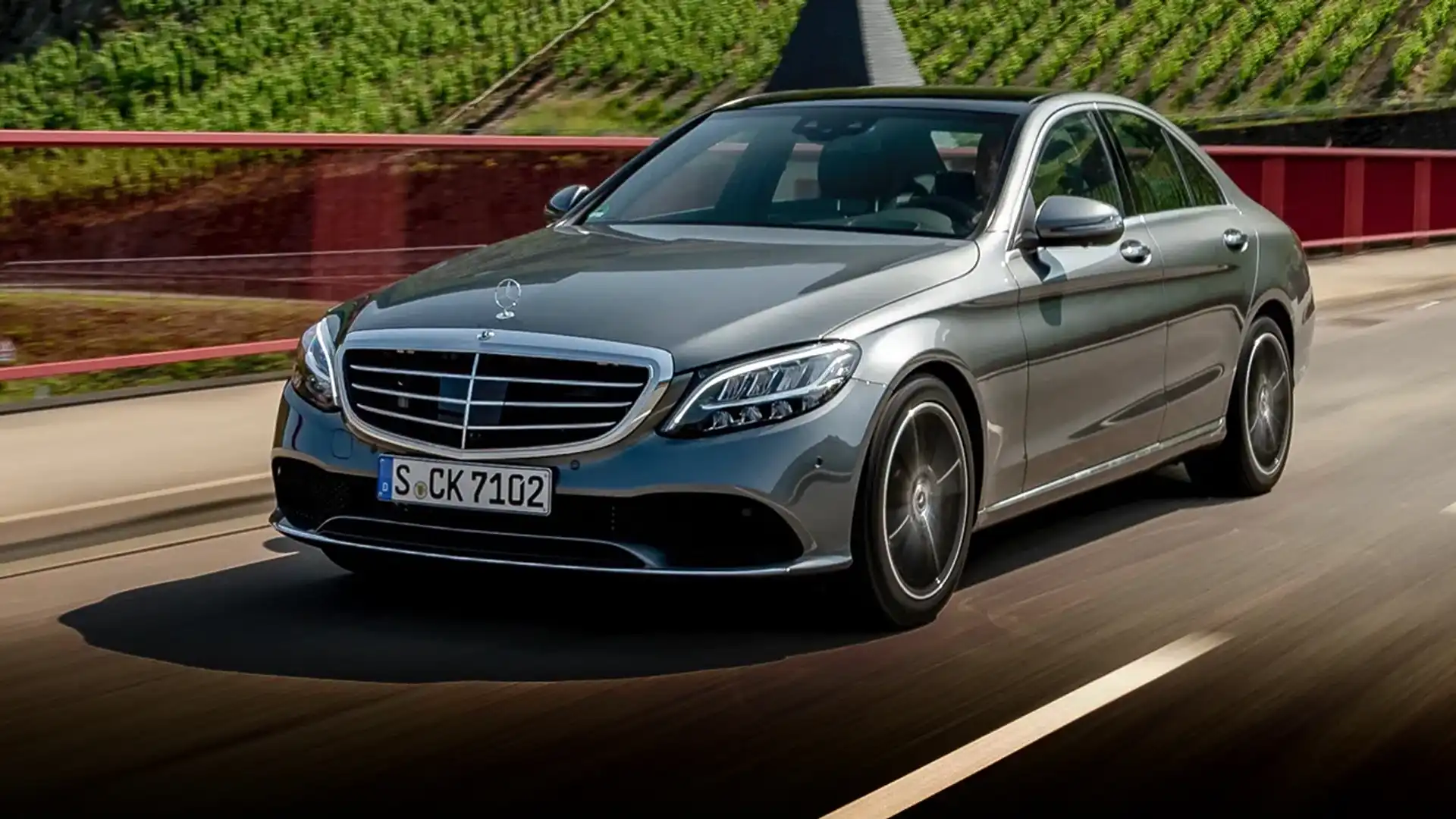
- Engine: 2.0L turbocharged inline-4 (mild hybrid)
- Horsepower: 255 hp
- Torque: 400 Nm (295 lb-ft)
- Length: ~4,751 mm
- Width: ~1,820 mm
2. Mercedes-Benz C300
The Mercedes-Benz C300 represents the brand’s focus on combining luxury craftsmanship with refined turbocharged performance. It features a 2.0-liter turbocharged inline four engine that is engineered with precision to deliver both smoothness and efficiency. Mercedes-Benz calibrates this engine to operate best with premium fuel because of the higher compression environment created by its performance tuning.
Key reasons premium fuel is recommended is combustion stability. The C300’s engine is designed to extract maximum energy from each drop of fuel, and premium gasoline ensures that combustion occurs at the correct moment without premature ignition. This improves both efficiency and refinement, which are central to the Mercedes-Benz driving experience.
When using premium fuel, the engine can maintain its optimal ignition timing, allowing it to deliver better throttle response and more consistent acceleration. This is especially noticeable during city driving and highway merging, where smooth power delivery is essential. Drivers often report that the vehicle feels more composed and responsive when using higher octane fuel.
One factor is the integration of turbocharging and direct injection technology. These systems work together to increase power output from a relatively small engine size.
However, they also create higher internal pressures, making fuel quality more important. Premium gasoline helps the engine manage these pressures effectively, reducing the likelihood of knocking and improving durability.
The C300 is also designed to meet luxury expectations, which include quiet operation and minimal vibration. Premium fuel contributes to this by ensuring cleaner and more controlled combustion. This reduces engine harshness and helps maintain the refined character that Mercedes-Benz vehicles are known for.
Consistently using premium fuel can also help preserve engine cleanliness and efficiency. Although the engine can adapt to lower-grade fuel, the long-term benefits of premium gasoline align more closely with the manufacturer’s engineering goals.
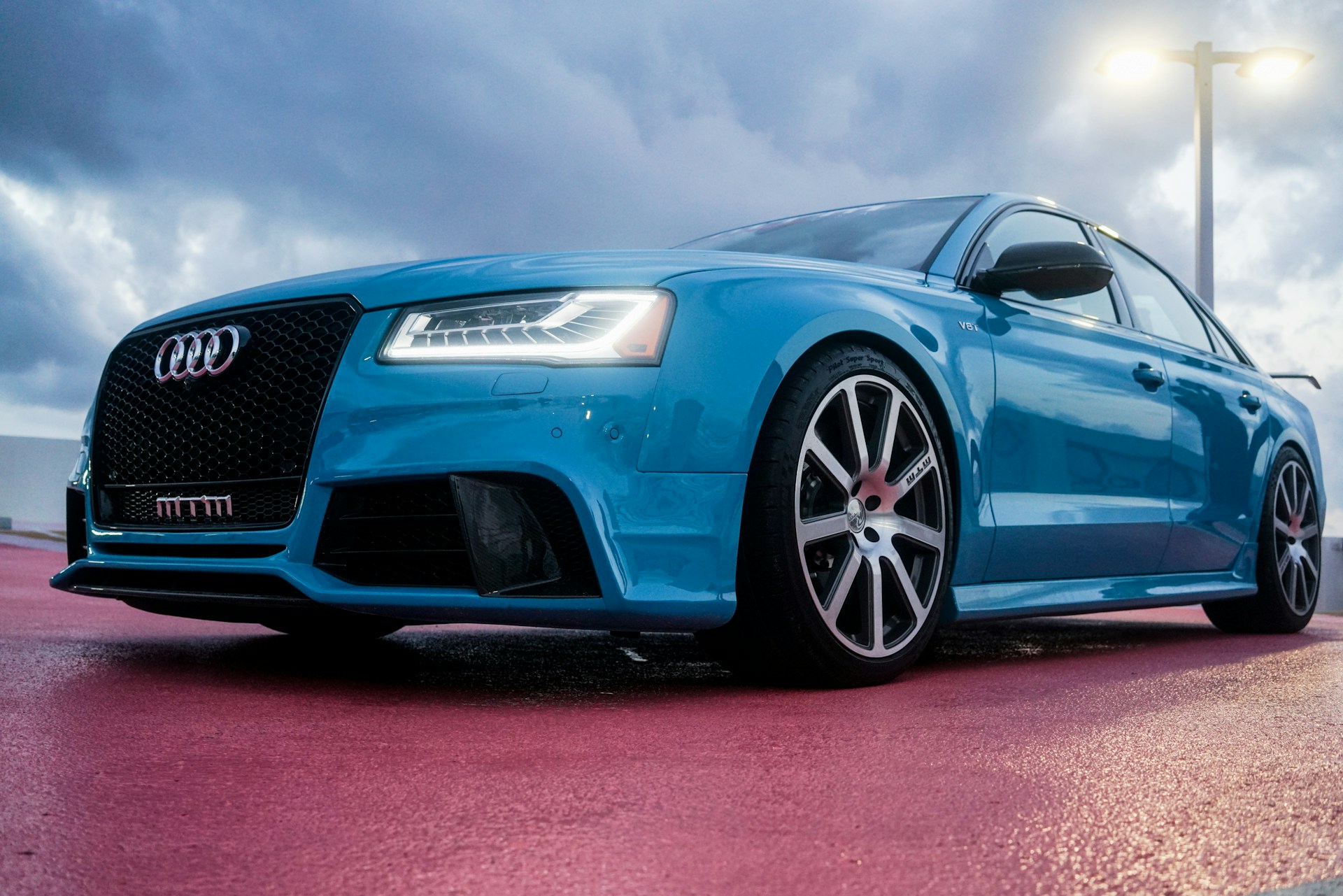
- Engine: 2.0L TFSI turbocharged inline-4
- Horsepower: 201–261 hp (variant dependent)
- Torque: up to 370 Nm (273 lb-ft)
- Length: ~4,762 mm
- Width: ~1,847 mm
3. Audi A4
The Audi A4 is a premium compact sedan that blends German engineering precision with advanced turbocharged technology. Its engine, typically a 2.0-liter TFSI unit, is designed to deliver a strong balance of power and fuel efficiency. To achieve this balance, Audi calibrates the engine to run optimally on premium fuel, which supports higher compression and more aggressive ignition timing.
Premium fuel plays a crucial role in preventing engine knock, especially under high load conditions. The turbocharger in the Audi A4 forces additional air into the engine, which increases internal cylinder pressure. Without high octane fuel, this pressure can lead to uncontrolled combustion events, which reduce performance and may affect long-term engine health.
When premium gasoline is used, the engine is able to maintain its intended performance characteristics. This includes quicker throttle response, smoother acceleration, and more consistent power delivery across different driving conditions. Whether driving in stop-and-go traffic or at highway speeds, the difference in refinement becomes noticeable.
Audi’s engineering philosophy emphasizes precision and efficiency. The A4’s engine management system is designed to constantly adjust parameters such as fuel injection timing and boost pressure. However, these systems perform best when paired with fuel that meets the recommended octane rating, ensuring that the engine operates within its ideal performance window.
While it may seem counterintuitive, premium fuel can actually help maintain better efficiency in turbocharged engines like the A4 because it allows the engine to operate more smoothly without having to reduce performance parameters to avoid knocking.
The Audi A4 is a vehicle that is built to deliver a refined and engaging driving experience, and premium fuel is a key factor in preserving that balance between performance and efficiency.
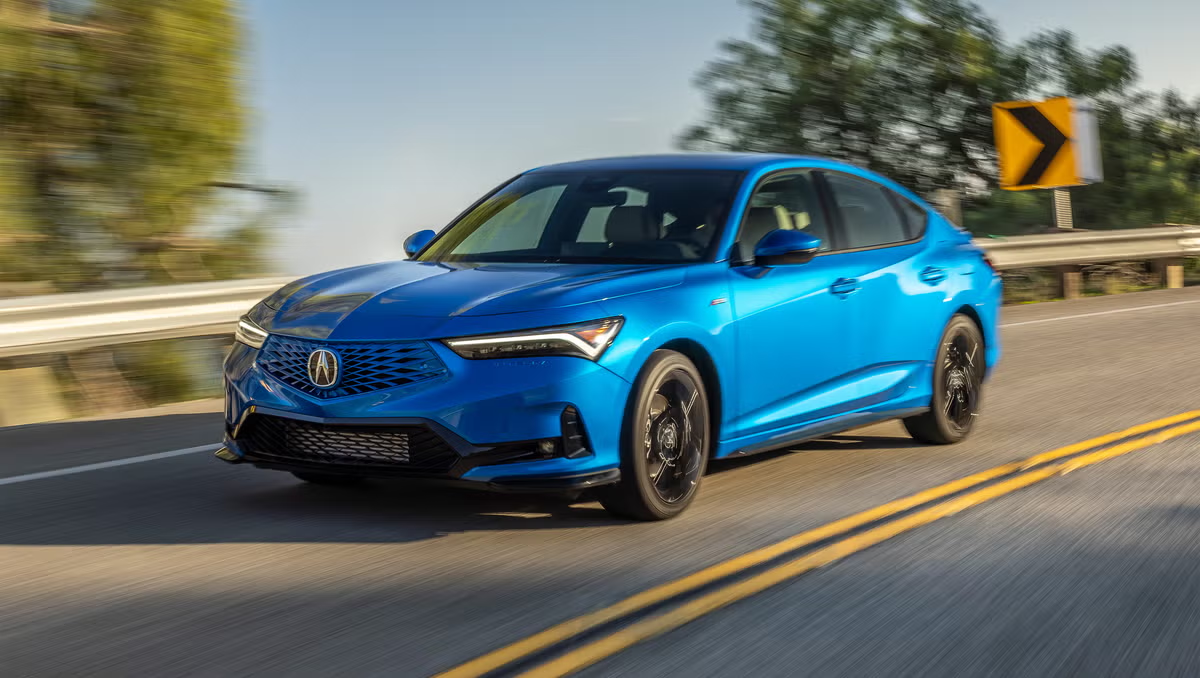
- Engine: 1.5L turbocharged inline-4
- Horsepower: 200 hp
- Torque: 260 Nm (192 lb-ft)
- Length: ~4,719 mm
- Width: ~1,820 mm
4. Acura Integra
The Acura Integra is a modern sport compact car that combines practicality with a performance-oriented driving experience. It is powered by a turbocharged engine that is designed to deliver strong acceleration and responsive handling. To support this performance character, Acura recommends premium fuel for optimal operation.
The turbocharged engine in the Integra increases air density inside the combustion chamber, which significantly enhances power output.
However, this also increases the likelihood of pre-ignition if the fuel is not stable enough. Premium gasoline helps prevent this by providing higher resistance to knocking, ensuring that combustion occurs in a controlled and efficient manner.
A major benefit of using premium fuel in the Integra is improved throttle response. The engine is able to react more quickly to driver input, resulting in a more engaging and sporty driving experience. This is especially noticeable during spirited driving or highway acceleration, where responsiveness is a key factor.
In addition to performance, fuel quality also influences engine smoothness. With premium gasoline, the Integra’s engine runs more quietly and with reduced vibration. This enhances the comfort of the vehicle, making it suitable for both daily commuting and longer drives.
Acura has designed the Integra to appeal to drivers who want a balance between efficiency and sportiness. While the car can operate on lower octane fuel, doing so may reduce its performance capabilities and alter the driving dynamics that the engineers intended.
Using premium fuel consistently can help maintain engine cleanliness and efficiency, supporting the long-term reliability of the turbocharged system. This makes it a practical choice for drivers who want to preserve both performance and durability.

- Engine: 3.0L twin-turbo flat-6
- Horsepower: 379 hp (base Carrera)
- Torque: 450 Nm (331 lb-ft)
- Length: ~4,519 mm
- Width: ~1,852 mm
5. Porsche 911
The Porsche 911 is one of the most iconic sports cars in automotive history, known for its precision engineering, rear engine layout, and exceptional performance capabilities. Every version of the 911 is designed with high-performance driving in mind, which is why premium fuel is not just recommended but essential for proper operation.
At the core of the 911 is a high-performance engine that operates at very high compression ratios and produces significant power output. Premium fuel is required to ensure that combustion occurs at the correct moment under these extreme conditions. Without it, engine knocking can occur, which can negatively impact performance and long term reliability.
The turbocharged variants of the Porsche 911, in particular, rely heavily on high octane fuel. Turbocharging increases air pressure inside the engine, allowing it to produce significantly more horsepower.
However, this also places greater stress on the combustion process, making fuel stability extremely important. Premium gasoline ensures that the engine can safely handle this increased pressure.
Performance is a defining characteristic of the Porsche 911. Acceleration, handling, and top speed are all engineered to meet extremely high standards. Premium fuel helps the engine deliver its full rated horsepower, allowing drivers to experience the vehicle exactly as intended by Porsche engineers.
The 911 is known for its immediate throttle reaction and linear power delivery. Premium fuel contributes to this by allowing precise ignition timing and efficient combustion, both of which are critical for maintaining the car’s performance identity.
The Porsche 911 is a precision machine where every component is engineered for maximum performance and longevity under demanding conditions. Using premium fuel is part of maintaining that engineering integrity, ensuring that the vehicle continues to perform at its highest level throughout its lifespan.
Also Read: 7 Most Reliable Motorcycles You Can Buy Today
5 Cars That Do Not Need Premium Fuel
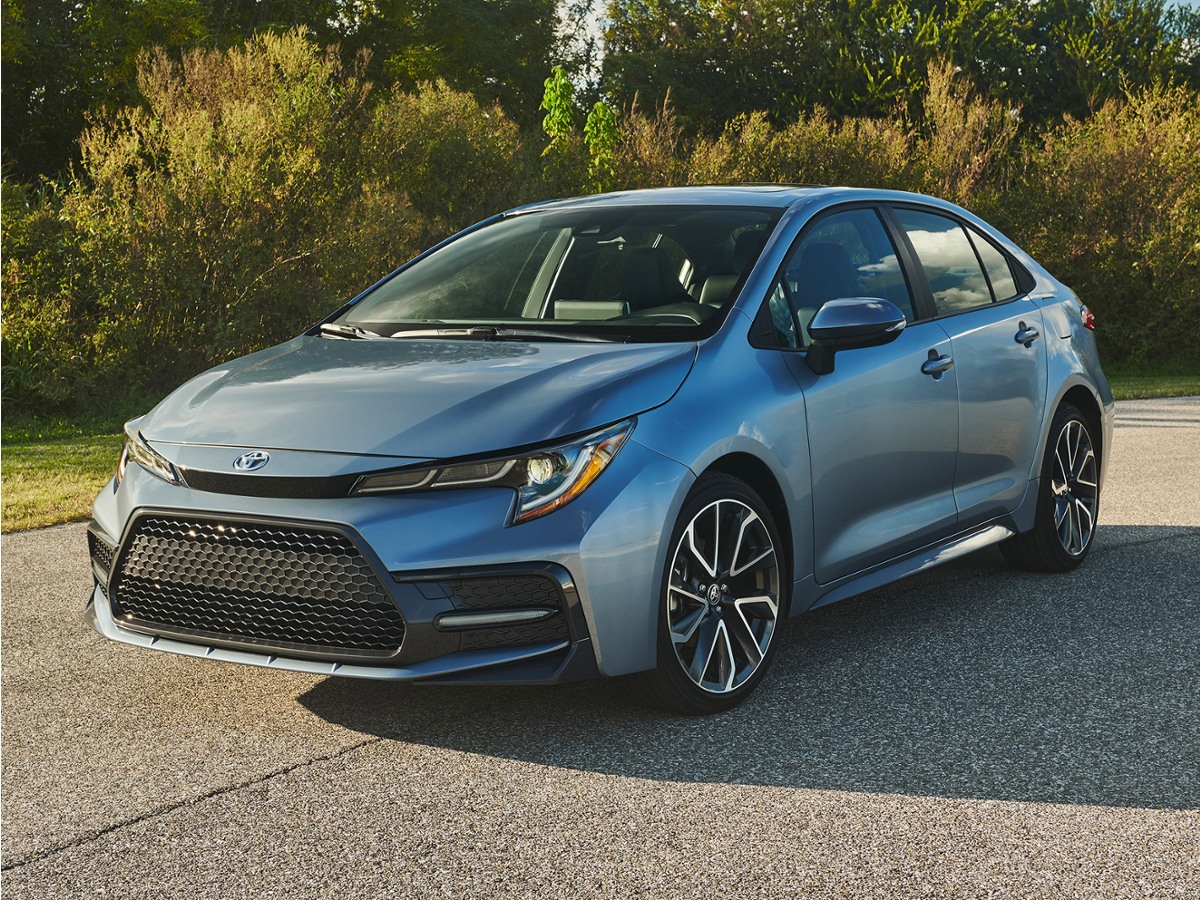
- Engine: 2.0L naturally aspirated inline-4
- Horsepower: 169 hp
- Torque: 205 Nm (151 lb-ft)
- Length: ~4,630 mm
- Width: ~1,780 mm
1. Toyota Corolla
The Toyota Corolla is one of the most widely recognized compact cars in the world, known for its long-term reliability, low maintenance costs, and exceptional fuel efficiency.
One of the key advantages of the Corolla is that it is engineered to run efficiently on regular unleaded gasoline, making it an economical choice for millions of drivers globally. Toyota designs the Corolla’s engine with simplicity and durability in mind, prioritizing long-term dependability over high-performance output.
The engine in the Corolla typically operates at a lower compression ratio compared to performance-oriented vehicles. This design choice significantly reduces the risk of engine knocking when using regular fuel, which means premium gasoline is not required.
The combustion process is optimized to extract steady and efficient energy from standard fuel grades, ensuring smooth daily performance.
The vehicle is engineered to deliver excellent mileage in both city and highway driving conditions. Using regular fuel helps maintain low running costs, which is one of the primary reasons buyers choose this model. Over time, the savings on fuel can become substantial, especially for drivers who commute long distances.
Toyota’s engineering philosophy emphasizes reliability under a wide range of driving conditions. The Corolla’s engine management system is designed to adjust ignition timing and fuel delivery to ensure stable operation even when fuel quality varies within standard limits. This adaptability makes it highly practical for everyday use.
The Corolla is not designed for aggressive acceleration or high-performance driving. Instead, it focuses on comfort, predictability, and efficiency. Because of this, premium fuel would not provide any noticeable performance benefit, making it unnecessary for most drivers.
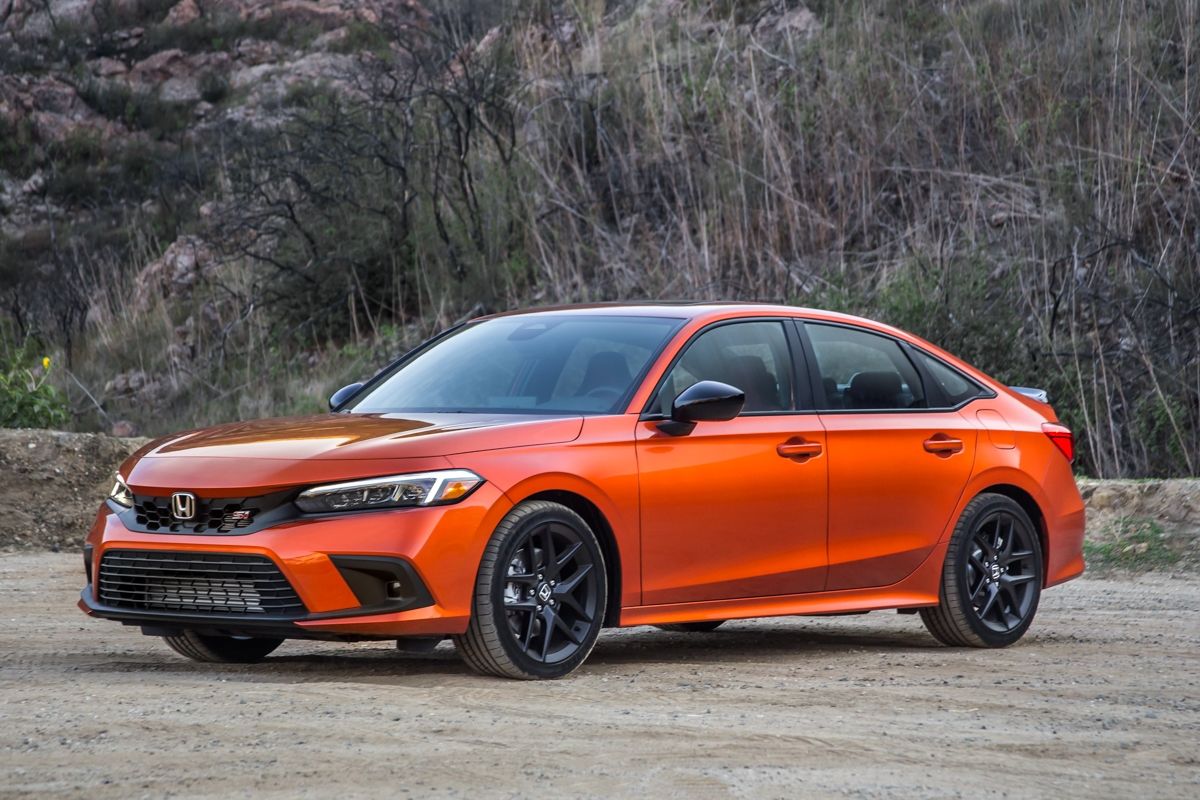
- Engine: 1.5L turbocharged inline-4
- Horsepower: 180 hp
- Torque: 240 Nm (177 lb-ft)
- Length: ~4,674 mm
- Width: ~1,802 mm
2. Honda Civic
The Honda Civic is a globally popular compact car that combines practicality, efficiency, and a fun driving experience. One of its biggest advantages is that most standard Civic models are designed to run efficiently on regular unleaded gasoline, which helps keep ownership costs low without sacrificing reliability or performance.
Honda engineers design the Civic’s engines with a balance between efficiency and responsiveness. These engines typically use moderate compression ratios, which allows them to operate smoothly on regular fuel without any risk of knocking under normal driving conditions. This makes the Civic a cost-effective option for daily commuters and families alike.
Fuel economy is one of the Civic’s strongest selling points. Whether equipped with a naturally aspirated engine or a turbocharged variant, Honda tunes the engine to prioritize efficiency. Regular gasoline supports this goal by providing stable combustion without requiring higher octane fuel.
The Civic also benefits from advanced engine management systems that continuously adjust performance parameters. This means the engine can adapt to different driving styles while still maintaining optimal efficiency on regular fuel. Even in turbocharged versions, Honda carefully calibrates boost levels to ensure compatibility with standard gasoline.
Premium fuel is not necessary in the Civic’s design philosophy, which focuses on mass market accessibility. Honda aims to provide a vehicle that is affordable not only in terms of purchase price but also in long-term running costs. Eliminating the need for premium fuel plays a significant role in achieving this goal.
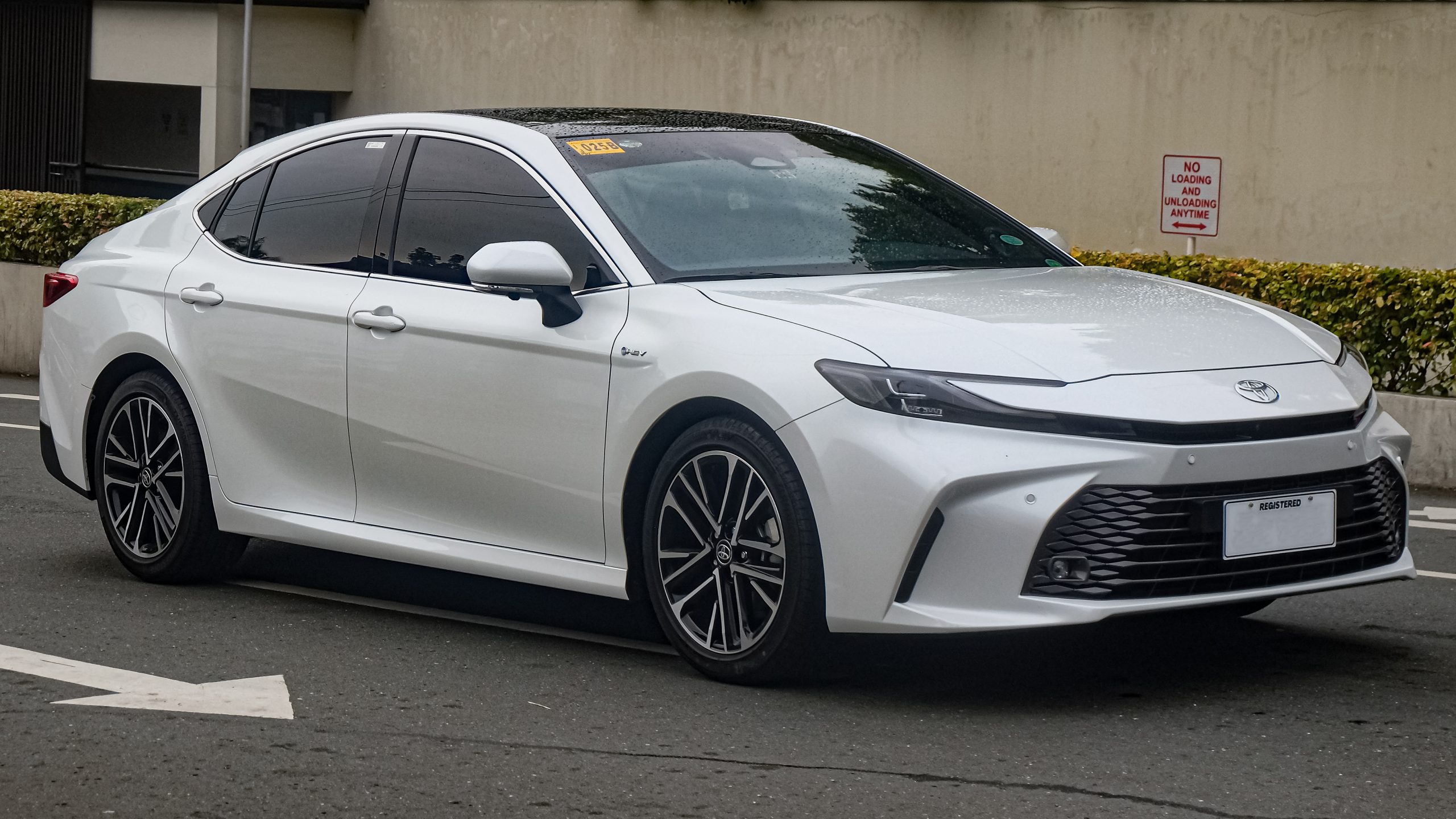
- Engine: 2.5L naturally aspirated inline-4
- Horsepower: 203 hp
- Torque: 250 Nm (184 lb-ft)
- Length: ~4,885 mm
- Width: ~1,840 mm
3. Toyota Camry
The Toyota Camry is one of the best-selling midsize sedans in the world, known for its comfort, reliability, and strong resale value. One of its most appealing characteristics is that it runs efficiently on regular unleaded gasoline, which helps keep ownership costs manageable for families and commuters.
The Camry’s engine lineup is designed to provide a balance of power and efficiency without requiring high-octane fuel. Most versions use naturally aspirated engines or moderately tuned systems that operate at compression levels suitable for regular gasoline. This ensures smooth and reliable performance under everyday driving conditions.
Toyota places a strong emphasis on long-term durability in the Camry. The engine is built to withstand years of consistent use without requiring specialized fuel. This makes it ideal for drivers who prioritize low maintenance and predictable running costs over high performance output.
Camry’s fuel efficiency is one factor. Even larger engine variants are optimized to deliver strong mileage figures, making it a practical choice for long-distance travel and daily commuting. Using regular fuel supports this efficiency-focused design by keeping fuel costs low.
The Camry is also equipped with intelligent engine management systems that adjust performance based on driving conditions. These systems ensure smooth operation even when fuel quality varies within standard grades, further reinforcing the need for only regular gasoline.
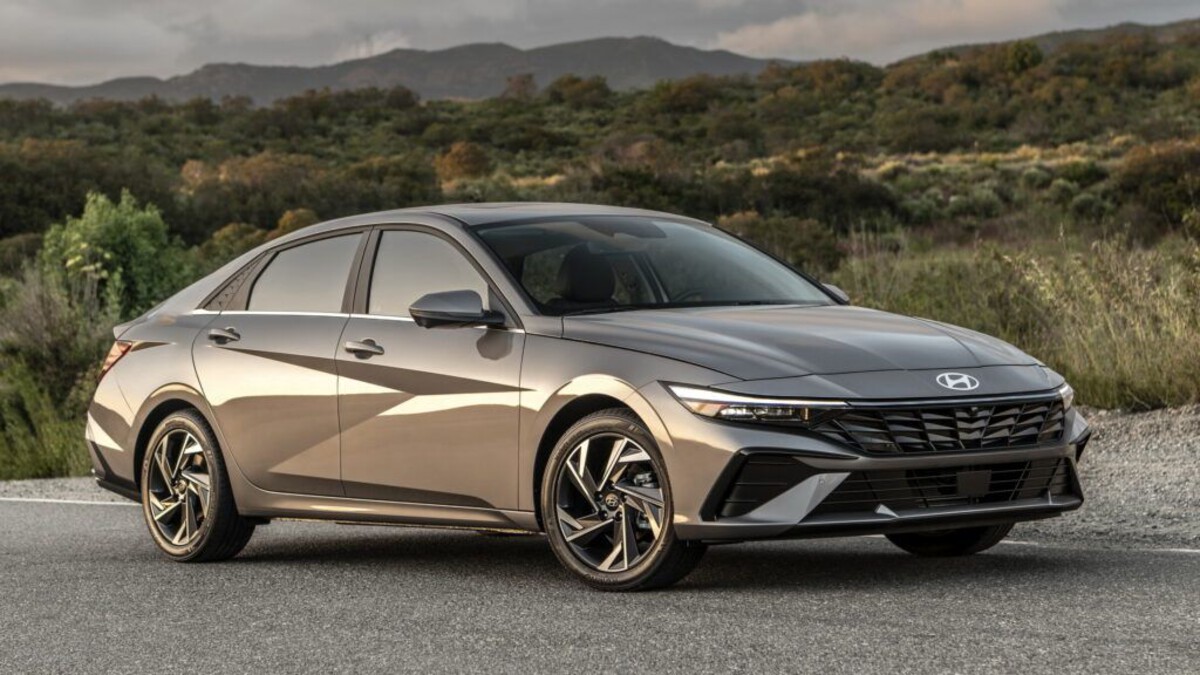
- Engine: 2.0L naturally aspirated inline-4
- Horsepower: 147 hp
- Torque: 179 Nm (132 lb-ft)
- Length: ~4,675 mm
- Width: ~1,825 mm
4. Hyundai Elantra
The Hyundai Elantra is a compact sedan that has gained popularity for its modern design, advanced features, and affordability. One advantage is that it operates efficiently on regular unleaded gasoline, making it an economical choice for budget-conscious drivers.
Hyundai engineers designed the Elantra’s engine to focus on efficiency and practicality rather than high performance. The engine typically uses a compression ratio that is compatible with regular fuel, ensuring smooth combustion and consistent operation without the need for premium gasoline.
Fuel economy is a major selling point of the Elantra. The vehicle is optimized to deliver excellent mileage, which is especially important for urban commuters and first-time car buyers. Regular fuel helps maintain these low running costs and enhances the vehicle’s affordability over time.
The Elantra benefits from modern engine technologies such as variable valve timing and efficient fuel injection systems. These technologies improve combustion efficiency and reduce emissions, allowing the car to perform well on standard fuel without sacrificing reliability.
The Elantra is designed to offer a wide range of features at an accessible price point. Requiring premium fuel would increase ownership costs, which goes against the vehicle’s core design philosophy.
- Engine: 2.0L naturally aspirated inline-4
- Horsepower: 149 hp
- Torque: 198 Nm (146 lb-ft)
- Length: ~4,646 mm
- Width: ~1,816 mm
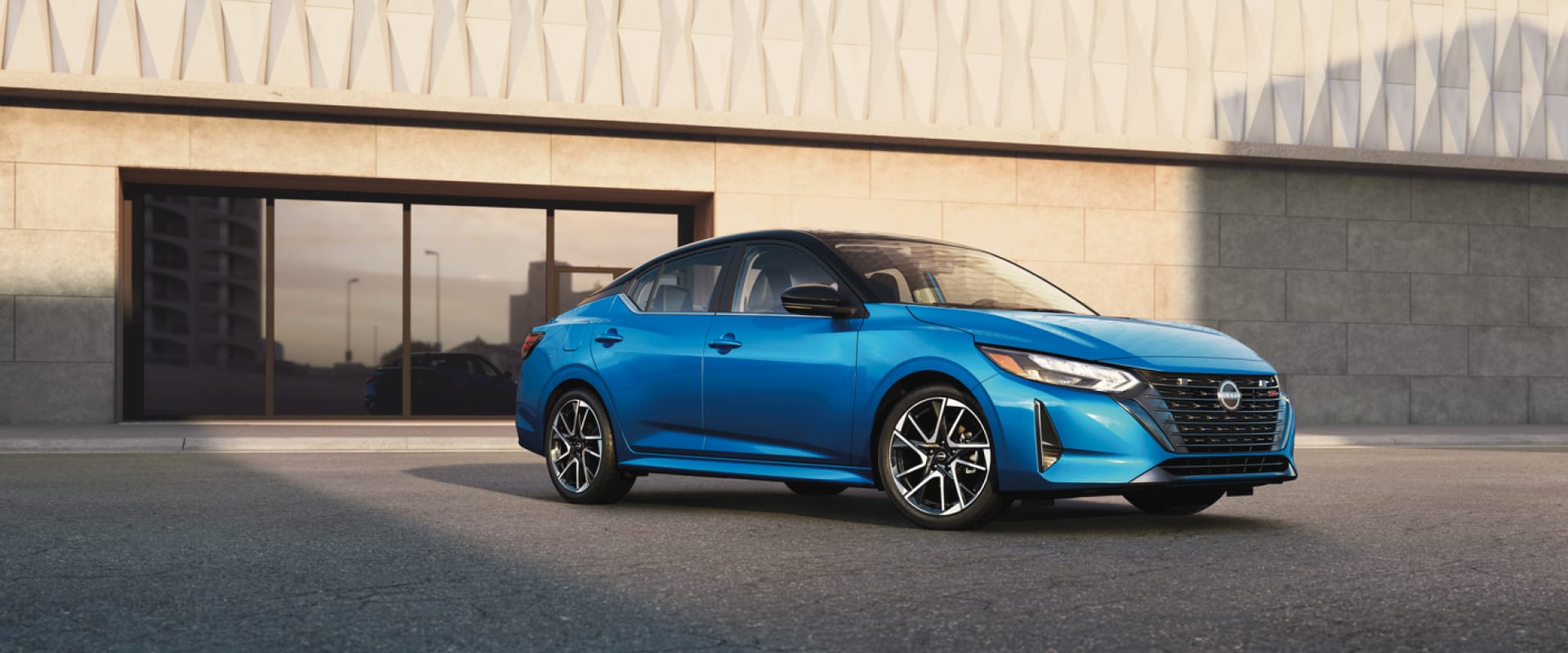
5. Nissan Sentra
The Nissan Sentra is a compact sedan that emphasizes affordability, comfort, and fuel efficiency. It is engineered to run on regular unleaded gasoline, making it a practical choice for drivers who want to minimize fuel expenses without compromising reliability.
The Sentra’s engine is designed with moderate performance characteristics, focusing more on efficiency and everyday usability rather than high power output. This allows it to operate efficiently on regular fuel without the need for higher octane ratings.
One of the main advantages of the Sentra is its low cost of ownership. Regular gasoline significantly reduces fuel expenses over time, making it ideal for students, families, and daily commuters. This aligns with Nissan’s goal of providing accessible transportation solutions.
The engine management system in the Sentra is tuned to ensure smooth operation under various driving conditions. It can adjust ignition timing and fuel delivery to maintain efficiency and prevent knocking when using standard fuel grades.
While the Sentra may not deliver high performance compared to sport-oriented vehicles, it excels in reliability and practicality. Its design prioritizes comfort, fuel economy, and affordability, making regular gasoline the most suitable and efficient choice.
