
A third-row seat can make an SUV look like a practical family vehicle, but the number of seats on the brochure does not always match real-world comfort. Many crossovers are sold as seven- or eight-passenger models, yet their last row is designed mainly for children, teenagers, or occasional short trips.
Adults can technically fit, but limited legroom, low cushions, tight knee space, restricted headroom, and difficult access can make the experience uncomfortable very quickly.
This does not mean these SUVs are bad vehicles. Several offer strong fuel economy, attractive interiors, good safety technology, enjoyable handling, or a lower price than larger three-row models.
The problem appears when buyers expect the third row to carry adults regularly. A vehicle may work perfectly for a family with young children, but it may become less practical as those children grow taller or when grandparents, friends, or adult relatives need to sit in the back.
Before buying any three-row SUV, it is important to test the final row with real passengers. Check how easily the second row moves, whether adults can place their feet comfortably, how much room remains behind the third row for cargo, and whether the seat cushion provides proper thigh support.
The SUVs below have third rows that are best treated as occasional seating rather than dependable adult accommodation.
Also Read: 10 Best Jaguar Cars Ever Made & Ranked
1. Mitsubishi Outlander
The Mitsubishi Outlander is one of the most affordable new SUVs to offer three rows of seating, and that extra flexibility can be useful for families who only occasionally need room for seven people. However, its third row is one of the least suitable places for adults.
The Outlander is fundamentally a compact crossover, so the rear-most seats are added within a body that does not have the length or cabin width of a true midsize three-row SUV.
The main limitation is legroom. Adults sitting in the third row will usually need the second-row passengers to slide forward, and even then, the seating position can feel cramped.
The low floor and limited cushion height can leave taller passengers with their knees raised, which becomes tiring during longer journeys. Entry is also difficult because passengers must climb past the second row through a relatively narrow opening.
The Outlander makes more sense when the third row is used for children, short school runs, or occasional trips with extra passengers. When the rear seats are folded, the SUV becomes much more useful for cargo. This is why buyers should think of the third row as a backup feature rather than a full-time seating area.
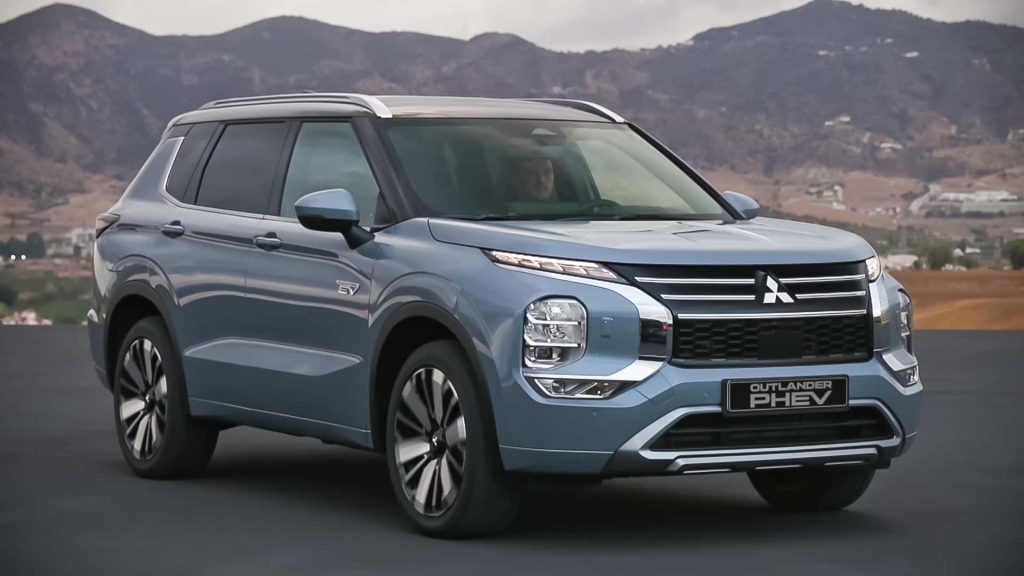
Its affordable price, modern cabin design, and available all-wheel drive give the Outlander real appeal. Yet buyers who frequently carry adults in every row should choose a larger SUV.
The Outlander can transport seven people in an emergency, but it is not designed to keep seven adults comfortable for a long drive. Recent testing also describes the rear bench as extremely tight in legroom and best reserved for children.
- Engine: 1.5-liter turbocharged three-cylinder
- Torque: 195 lb-ft
- Horsepower: 174 horsepower
- Length/Width: 185.4 inches / 74.7 inches
2. Mazda CX-90
The Mazda CX-90 is a stylish and engaging three-row SUV with a premium-looking interior, strong available powertrains, and a driving character that feels more athletic than many family-focused rivals.
It offers seating for up to eight people, but its third row is not as adult-friendly as the vehicle’s large exterior dimensions might suggest. Mazda has focused heavily on design, driving dynamics, and upscale materials, which have created compromises in interior packaging.
Adults can use the third row for short journeys, but they may find the space restrictive during longer trips. The seat is positioned close to the floor, which can force taller passengers into a knees-up position.
Legroom also depends heavily on where the second-row seats are positioned. If middle-row passengers need their seats pushed back for comfort, the third-row occupants lose much of their usable space.
The CX-90’s third row is better than the small rear bench in a compact SUV, but it still falls behind roomier competitors such as the Honda Pilot, Volkswagen Atlas, Hyundai Palisade, and Kia Telluride when adult comfort is the priority. Cargo space behind the final row is also limited, meaning a full vehicle can quickly run out of room for bags and groceries.
Mazda offers a second-row bench or captain’s chairs, and captain’s chairs can make access to the third row easier. Still, access does not solve the limited seating space once an adult is inside.
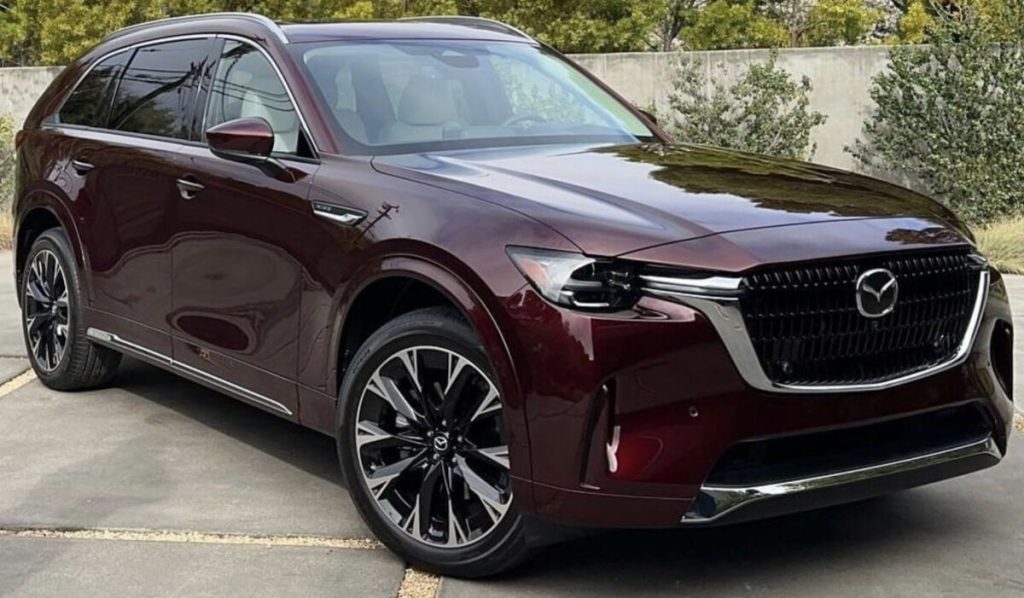
The CX-90 works best for buyers who need a third row occasionally, want a more premium driving experience, and do not plan to place tall adults in the back on a regular basis. Independent reviews have specifically noted its smaller third row and cargo area compared with many mainstream rivals.
- Engine: 3.3-liter turbocharged inline-six mild hybrid
- Torque: 332 lb-ft
- Horsepower: 280 horsepower
- Length/Width: 200.8 inches / 77.5 inches
3. Kia Sorento
The Kia Sorento is a useful choice for buyers who want more flexibility than a compact SUV can provide without moving up to a much larger and more expensive three-row model.
It is available with gasoline, hybrid, and plug-in hybrid powertrains, and its cabin offers a modern design with plenty of family-friendly technology. Still, the third row is a compromise that adults will notice quickly.
The Sorento sits between compact and midsize SUV classes, so its final row is best viewed as occasional seating. An adult can fit for a short local trip, but longer drives can become uncomfortable because legroom is limited and the seat cushion sits relatively low.
Taller passengers may need to bend their knees sharply, particularly if the second-row occupants have their seats positioned for normal adult comfort.
Getting into the back also requires some effort. The second row can slide and fold, but the opening is not as generous as the access offered by larger three-row SUVs.
This may not matter for children, who can climb in easily, but older passengers may find the process inconvenient. Once the third row is in use, cargo space behind it is also reduced to a small area.
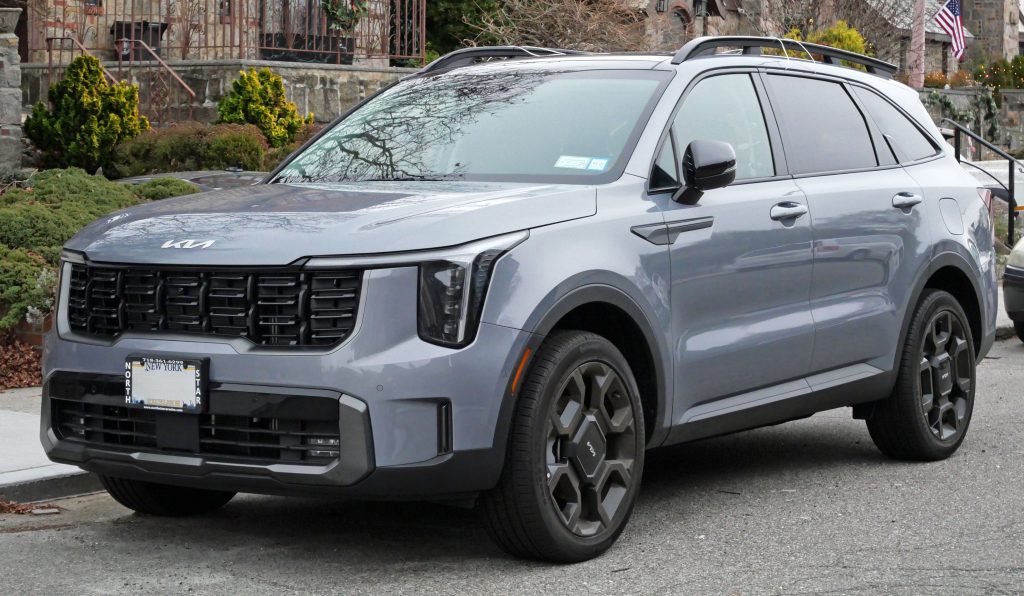
The Sorento works well for families who mostly carry five people and only need extra seats from time to time. It can handle school pickups, short rides with friends, or younger children in the rear. Buyers who expect to carry adults in all three rows should consider a larger vehicle, such as the Kia Telluride, instead.
- Engine: 2.5-liter turbocharged four-cylinder
- Torque: 311 lb-ft
- Horsepower: 281 horsepower
- Length/Width: 189.4 inches / 74.8 inches
4. Volkswagen Tiguan
The Volkswagen Tiguan has been popular because it offers a comfortable ride, practical cargo space, and a more refined driving feel than some compact SUVs.
Earlier U.S.-market versions also offered an optional third row, which gave buyers the ability to carry seven passengers in a vehicle that remained easy to park and maneuver. That seating arrangement was useful in an emergency, but it was never a realistic place for adults.
The Tiguan’s third row was installed in a compact crossover body, leaving very little room behind the second-row seats. Adult passengers had limited knee room, limited headroom, and almost no space to place their feet comfortably.
The rear bench was also narrow, so even smaller adults could feel restricted. It was best suited to children on short trips or occasional extra passengers when no other vehicle was available.
The cargo room became another concern whenever the rear seats were occupied. With the third row raised, there was little usable space behind it for bags, groceries, or luggage. Families planning airport runs or vacations would quickly find that the seating capacity came with a major storage compromise.
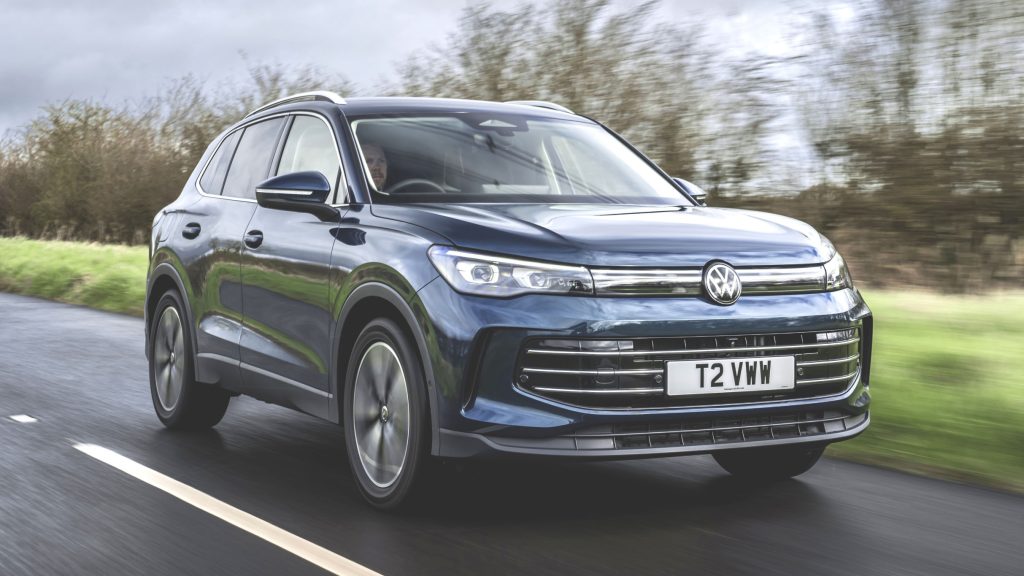
The newer Tiguan no longer offers a third row in the United States, which reflects how limited that previous arrangement was. Volkswagen instead focuses on making the current model more spacious for five occupants.
The older three-row Tiguan remains a good example of why buyers should not assume every seven-passenger SUV can comfortably transport seven adults.
- Engine: 2.0-liter turbocharged four-cylinder
- Torque: 207 lb-ft
- Horsepower: 201 horsepower
- Length/Width: 184.4 inches / 73.5 inches
5. Nissan Rogue Plug-In Hybrid
The Nissan Rogue Plug-In Hybrid offers an unusual solution for buyers who want a compact SUV with occasional third-row seating.
It is closely related to the Mitsubishi Outlander Plug-In Hybrid and provides three rows in a vehicle that remains much easier to park than a traditional midsize family SUV. That convenience comes with a clear limitation: the final row is far too tight for adults on regular trips.
The third-row seat is best treated as emergency seating for children or very short rides. Adults will find limited knee room, a low seating position, and restricted space for their feet.
The second row must be moved forward to create even a small amount of usable room behind it, which can make the middle row less comfortable as well. Access is another issue because passengers must climb through a compact opening rather than walk easily into a wide rear cabin.
Its plug-in hybrid system is a major attraction because it can reduce fuel use for drivers who charge regularly. The Rogue plug-in hybrid also offers the flexibility of extra seats when a family needs to carry friends, children, or relatives for a short journey. Yet it should not be mistaken for a true adult-friendly seven-passenger SUV.
Cargo capacity becomes limited with the third row raised, so a fully occupied vehicle will have little room for large bags. This model makes sense for a buyer who usually carries five people or fewer and wants the third row only as a backup.
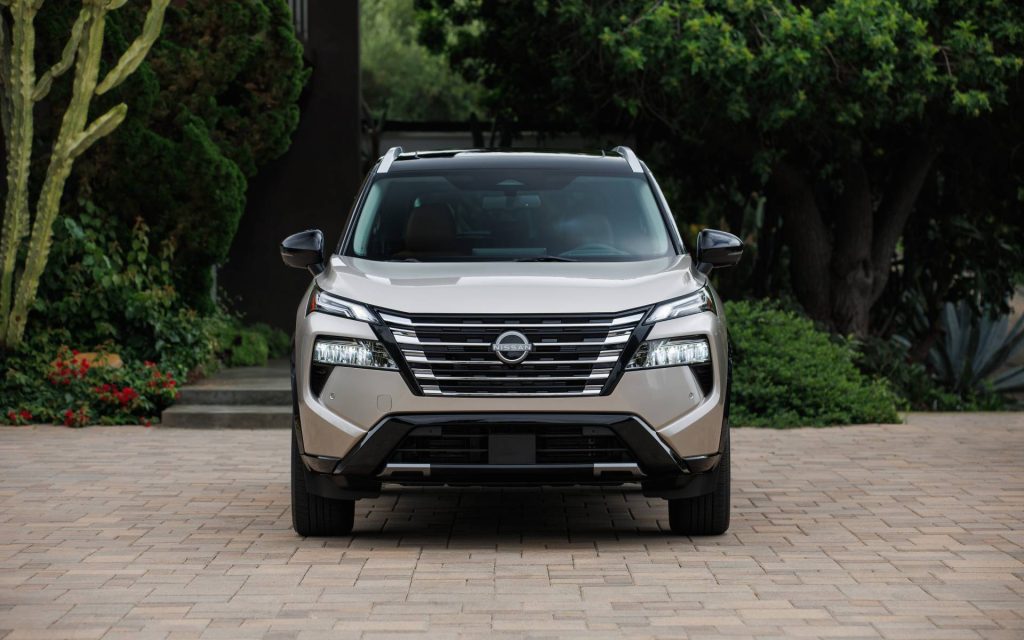
A larger SUV, such as the Nissan Pathfinder or Honda Pilot, is a better match for frequent adult passengers in the rear. Nissan’s regular Rogue is a two-row SUV, while the plug-in hybrid version provides a third-row arrangement.
- Engine: 2.4-liter four-cylinder plug-in hybrid
- Torque: 332 lb-ft combined
- Horsepower: 248 combined horsepower
- Length/Width: 185.4 inches / 74.7 inches
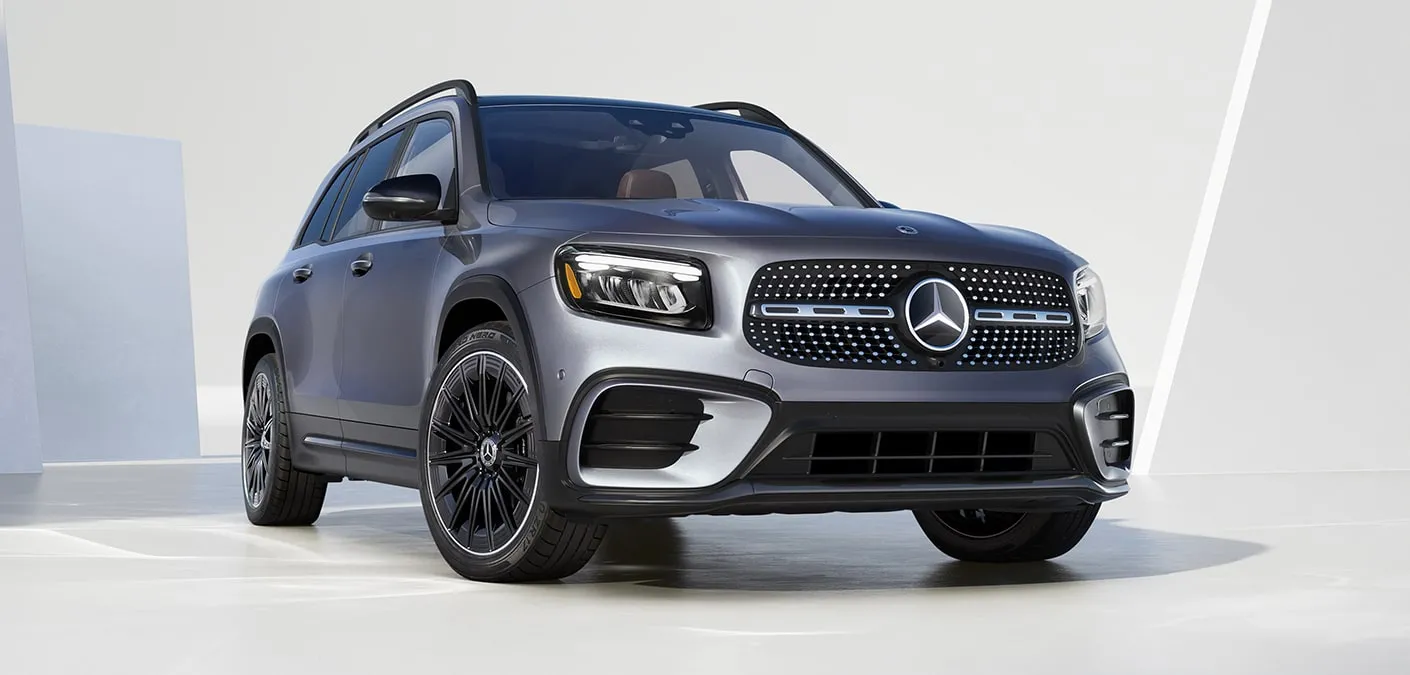
6. Mercedes-Benz GLB
The Mercedes-Benz GLB is one of the few luxury compact SUVs available with an optional third row. Its boxy body and upright roofline make it look more spacious than many rivals, and the cabin can be very useful for five passengers.
However, the optional rear-most seats are not designed for adult comfort. They are small, occasional-use seats that work better for children than grown passengers.
The problem is not simply legroom. Adults entering the third row must first move through the second row, and the opening can feel narrow. Once seated, taller passengers may find that their knees sit close to the seatbacks ahead.
The low cushion also provides limited thigh support, which can make longer drives tiring. Headroom is better than in some sleek crossover designs, but that advantage does not fully solve the shortage of space around the legs and feet.
The GLB is still an appealing luxury SUV because it offers a flexible interior, premium technology, and a more practical shape than the brand’s smaller GLA. Its optional third row can be helpful for a short school run, a quick trip with young children, or an unexpected extra passenger. It should not be the reason an adult family chooses the vehicle.
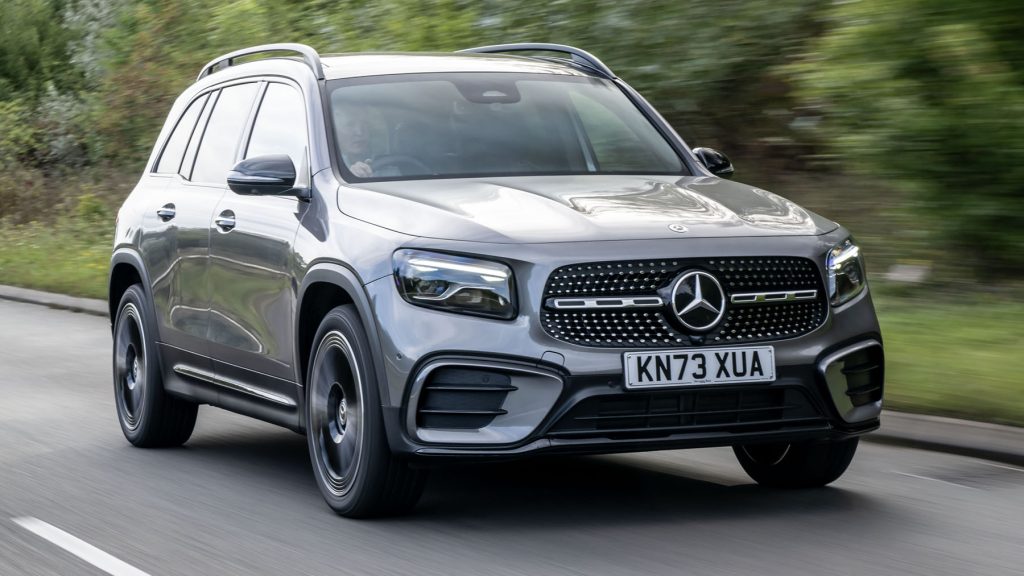
Buyers who need regular adult seating in all three rows should move up to the Mercedes-Benz GLE or GLS, depending on their budget and space requirements. The GLB’s third row adds versatility, but it remains a compact-SUV solution rather than a proper rear cabin.
- Engine: 2.0-liter turbocharged four-cylinder mild hybrid
- Torque: 295 lb-ft
- Horsepower: 221 horsepower
- Length/Width: 182.4 inches / 72.2 inches
7. Land Rover Discovery Sport
The Land Rover Discovery Sport offers an optional third row in a premium compact SUV package, which sounds appealing for buyers who want luxury features and occasional extra seating. Its upgraded driving position, upscale cabin materials, available all-wheel drive, and Land Rover styling make it more distinctive than many mainstream family crossovers.
Yet the optional third row is very limited, and adults should not expect it to provide comfortable space beyond a short journey.
The Discovery Sport is shorter than a traditional three-row SUV, so the rear seats are placed close to the floor and close to the second-row seatbacks. An adult passenger may fit only if the middle row is slid forward, which means comfort must be shared between both rows.
Tall occupants are likely to have their knees raised and their feet restricted by the seat tracks ahead. The low cushion can also make the seating position tiring because it provides less support under the thighs.
Access is another practical concern. The second row can move to create a path to the back, but the opening is not especially generous. Children can manage it more easily than adults, particularly in a parking lot where the doors cannot be opened fully.
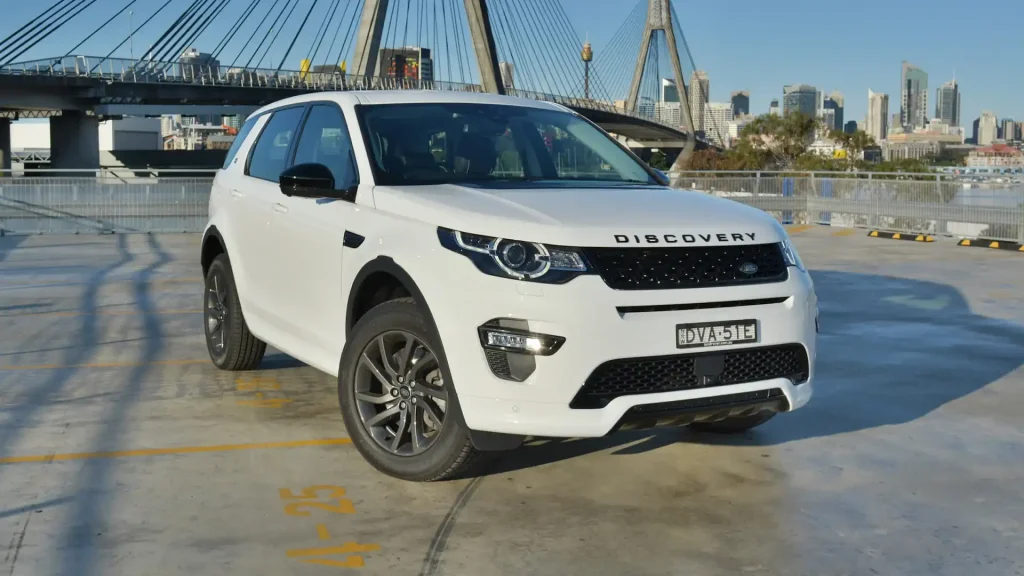
With the third row raised, the remaining cargo space is also small, limiting the vehicle’s usefulness for trips involving several passengers and their luggage.
The Discovery Sport works best for a household that normally carries four or five people. Its final row can help during school pickups, short local rides, or occasional family visits. Buyers who regularly transport adults should choose a larger vehicle, because the optional seats are designed for flexibility rather than true long-distance comfort.
- Engine: 2.0-liter turbocharged four-cylinder mild hybrid
- Torque: 295 lb-ft
- Horsepower: 246 horsepower
- Length/Width: 181.1 inches / 74.4 inches
8. BMW X7
The BMW X7 is physically much larger than the compact SUVs on this list, so its inclusion may seem surprising. It offers a genuinely usable third row for many passengers, especially compared with smaller luxury crossovers.
Still, tall adults can find the final row less comfortable than the vehicle’s premium price and large exterior dimensions suggest, particularly on longer trips with all three rows occupied.
The issue is not that the X7 lacks refinement. Its cabin is beautifully finished, and the second row can slide forward to improve rear access. However, adults in the third row may still have limited knee room when middle-row passengers sit in their preferred position.
The rear bench is also positioned lower than the first two rows, which can leave taller passengers with a less natural seating posture. Headroom can become tighter with the available panoramic roof, depending on the occupant’s height.
The X7 is better suited to adults in the third row than many entries here, but it is still not ideal for regular full-capacity road trips. A family using every seat may also find that luggage space behind the third row is limited. That means passengers must compromise on both comfort and cargo when the SUV is fully loaded.
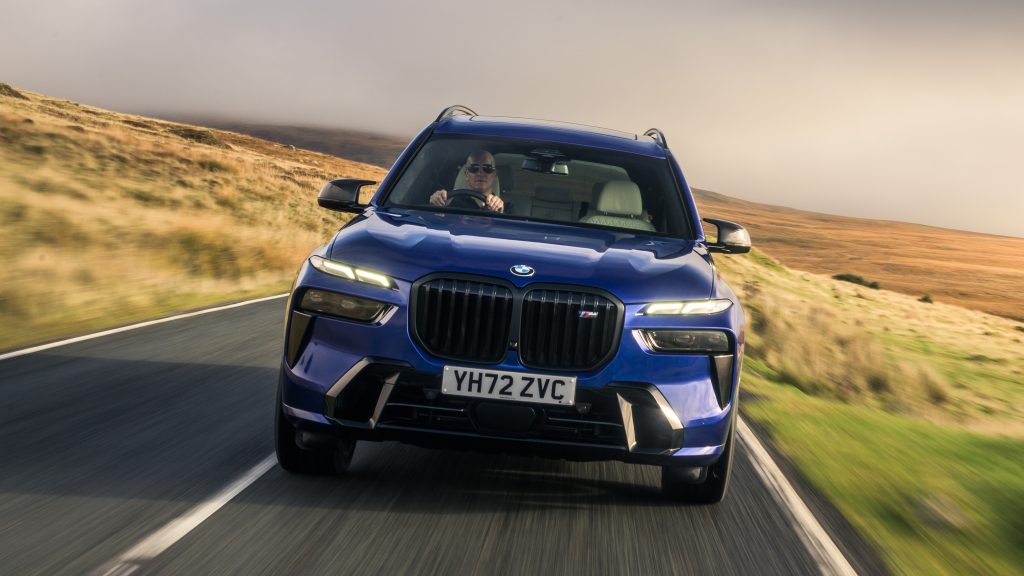
For buyers who need a luxury SUV that occasionally carries seven people, the X7 is a strong option. Its third row is useful for shorter trips and average-size adults. But if the rear-most seats will be occupied by tall adults every day, a full-size SUV or luxury van provides a more comfortable solution.
- Engine: 3.0-liter turbocharged inline-six mild hybrid
- Torque: 398 lb-ft
- Horsepower: 375 horsepower
- Length/Width: 203.9 inches / 78.7 inches
9. Hyundai Santa Fe
The Hyundai Santa Fe has become more practical than earlier generations, with a boxier shape, a taller roofline, and a cabin designed to feel more spacious.
It is available with three rows, which gives families a useful option when they occasionally need to carry six or seven people. Even with those improvements, the final row remains better for children and smaller teenagers than for adults.
Adults can use the third row for a brief journey, but comfort declines quickly when the trip becomes longer. The seat is positioned low to the floor, so taller passengers may sit with their knees raised. Legroom is also affected by the second-row position.
If middle-row passengers move their seats rearward for normal adult comfort, the space behind them becomes limited. That makes the third row a compromise rather than a true adult seating area.
The Santa Fe’s large tailgate opening and practical interior make it more versatile than many compact SUVs. However, the cargo room behind the third row is limited when every seat is occupied.
A family carrying seven people for a weekend trip may need to pack lightly or use a roof box. The third row works best for school pickups, local rides, and occasional extra passengers.
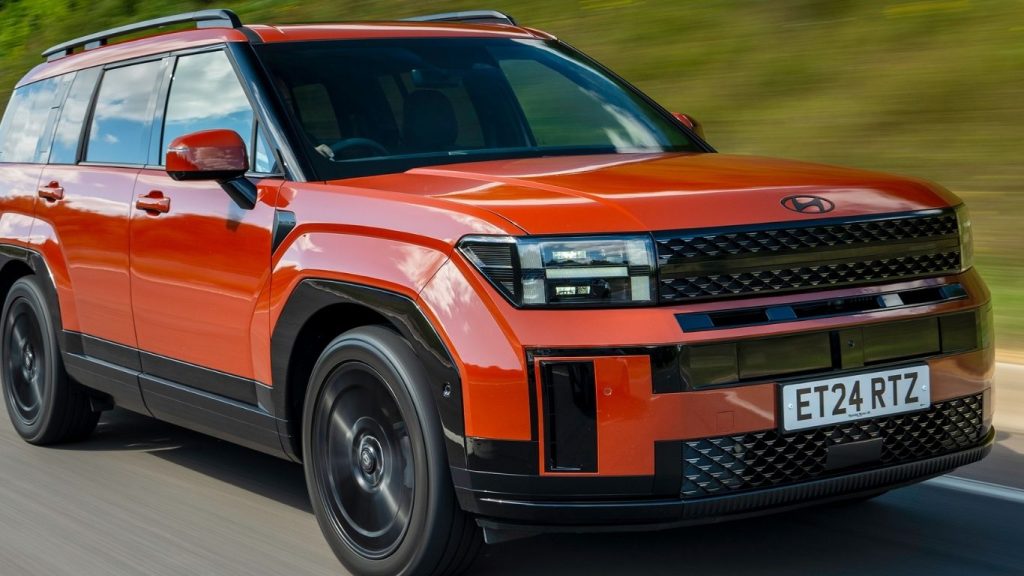
Hyundai offers strong features, modern technology, and hybrid powertrain options, which make the Santa Fe appealing to many buyers. The issue is simply its size.
It is not as long as larger three-row SUVs such as the Hyundai Palisade, Kia Telluride, Honda Pilot, or Volkswagen Atlas. Those models give adults more space in the back. The Santa Fe is a better match for a family that normally carries five people and needs the last row only when necessary.
- Engine: 2.5-liter turbocharged four-cylinder
- Torque: 311 lb-ft
- Horsepower: 277 horsepower
- Length/Width: 190.2 inches / 74.8 inches
10. Mahindra Scorpio-N
The Mahindra Scorpio-N is a rugged, body-on-frame SUV that appeals to buyers who want a commanding driving position, strong road presence, available four-wheel drive, and the ability to handle difficult road conditions.
It has three rows of seating, but the final row is not the place where adults will be most comfortable. The SUV’s cabin is practical for a large family, yet the rear-most seats are better suited to children or short-distance use.
One reason is the seat design. The third row uses a side-facing arrangement in some versions, while other configurations use forward-facing seats. Neither setup provides the natural posture and support that adults expect for long highway travel.
Knee room is limited, and passengers may need to compromise with people in the second row to create enough space. The route into the back can also be inconvenient, particularly for older passengers.
The Scorpio-N’s strengths are found elsewhere. Its sturdy construction, capable suspension, powerful diesel engine option, and high ground clearance make it suitable for rough roads and long-distance travel.
It can carry many passengers when needed, but its third row should be treated as occasional capacity rather than regular adult accommodation. Reviews have also noted that the rear-most seating remains limited for adults.
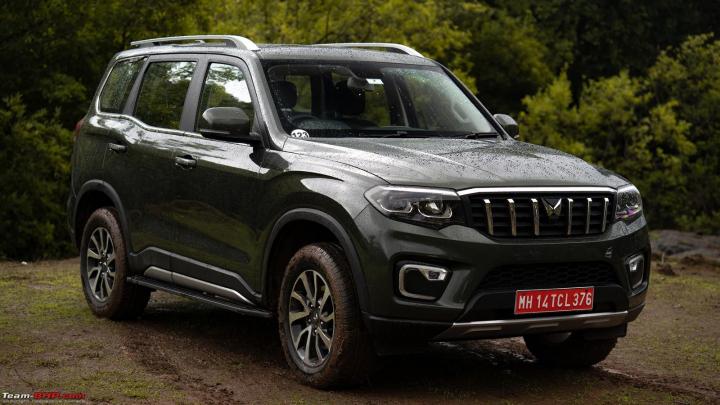
For buyers who need a tough SUV and only sometimes need seven seats, the Scorpio-N can make sense. Families that frequently transport adults in every row should consider a larger people mover or a longer SUV with a more spacious rear cabin.
The third row adds flexibility, but it does not transform the Scorpio-N into a comfortable long-distance vehicle for seven grown passengers.
- Engine: 2.2-liter turbocharged four-cylinder diesel
- Torque: 295 lb-ft
- Horsepower: 173 horsepower
- Length/Width: 183.1 inches / 75.0 inches
Also Read: 10 Best Porsche Cars Ever Made & Ranked
